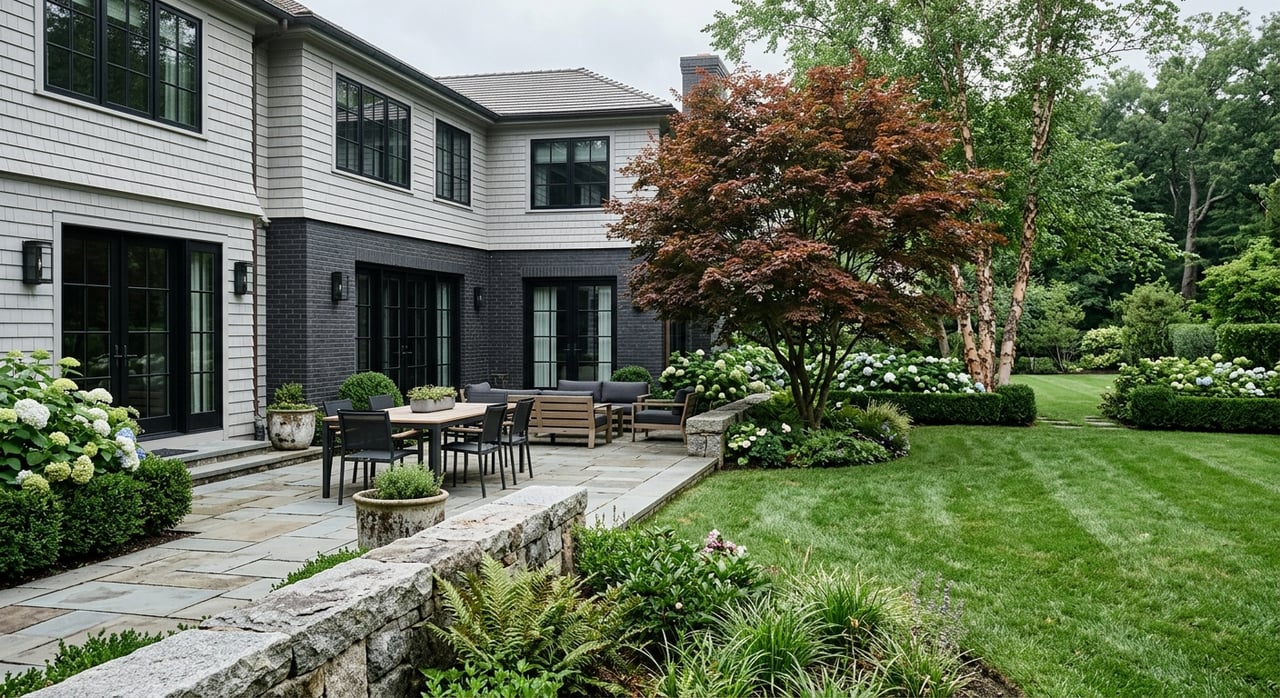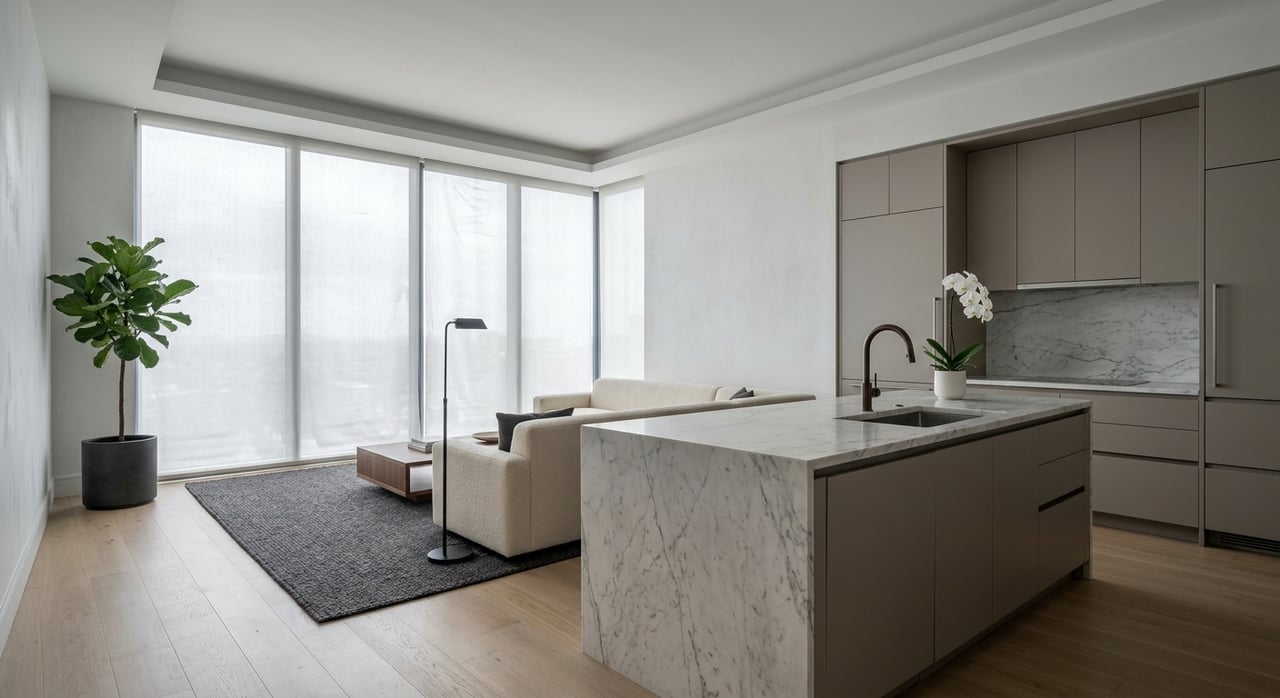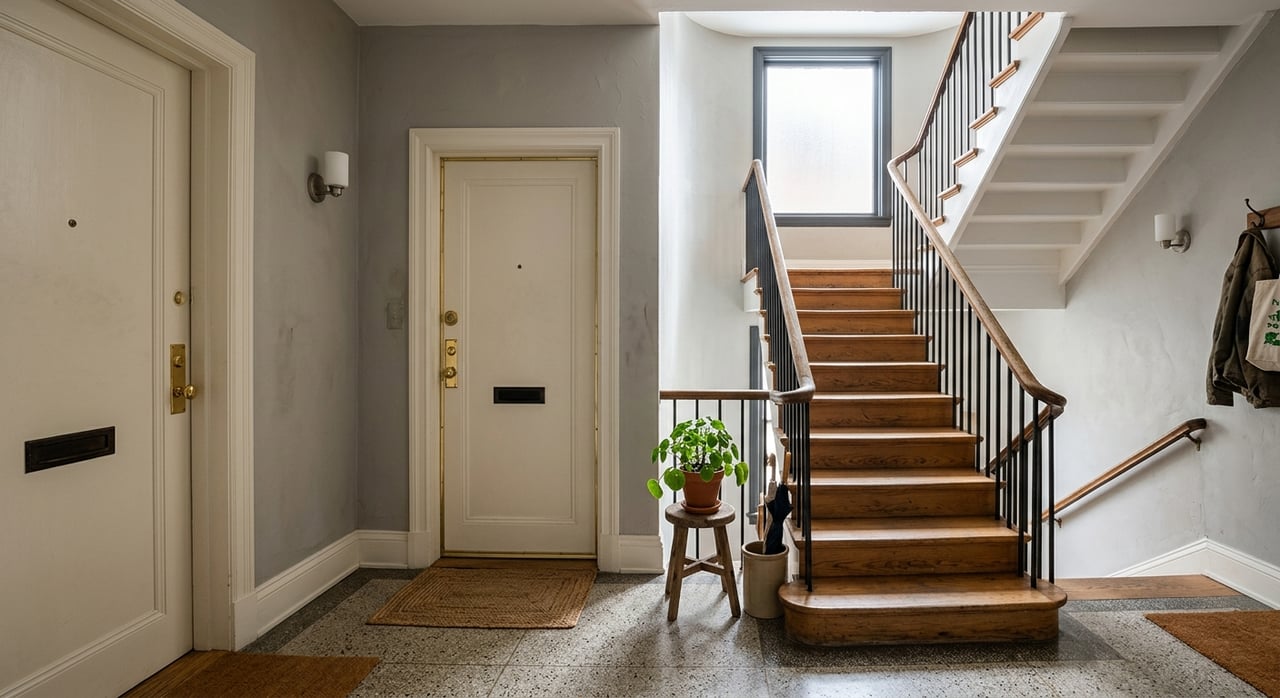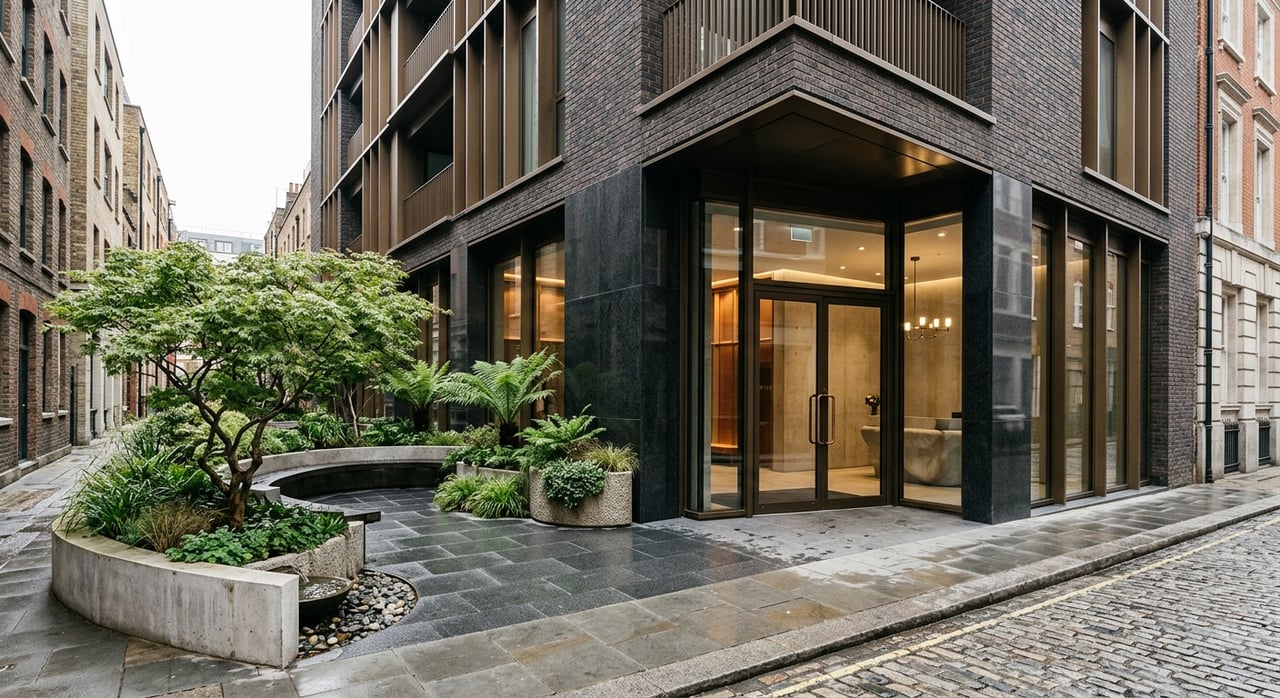
Wondering which Back Bay condo building actually fits your lifestyle, not just your wish list? You have great options, but each building type offers a different rhythm, cost, and level of service. In this guide, you’ll compare towers, brownstones, and boutique residences so you can match amenities, fees, and daily living to your goals. Let’s dive in.
Back Bay at a glance
Back Bay is one of Boston’s most central neighborhoods, anchored by Copley Square, Newbury Street, and Commonwealth Avenue. You’ll find a walkable, upscale lifestyle with quick access to major employers, shopping, and transit. Inventory blends modern full-service towers with historic brownstones and boutique mid-rises, which creates clear choices by lifestyle and budget.
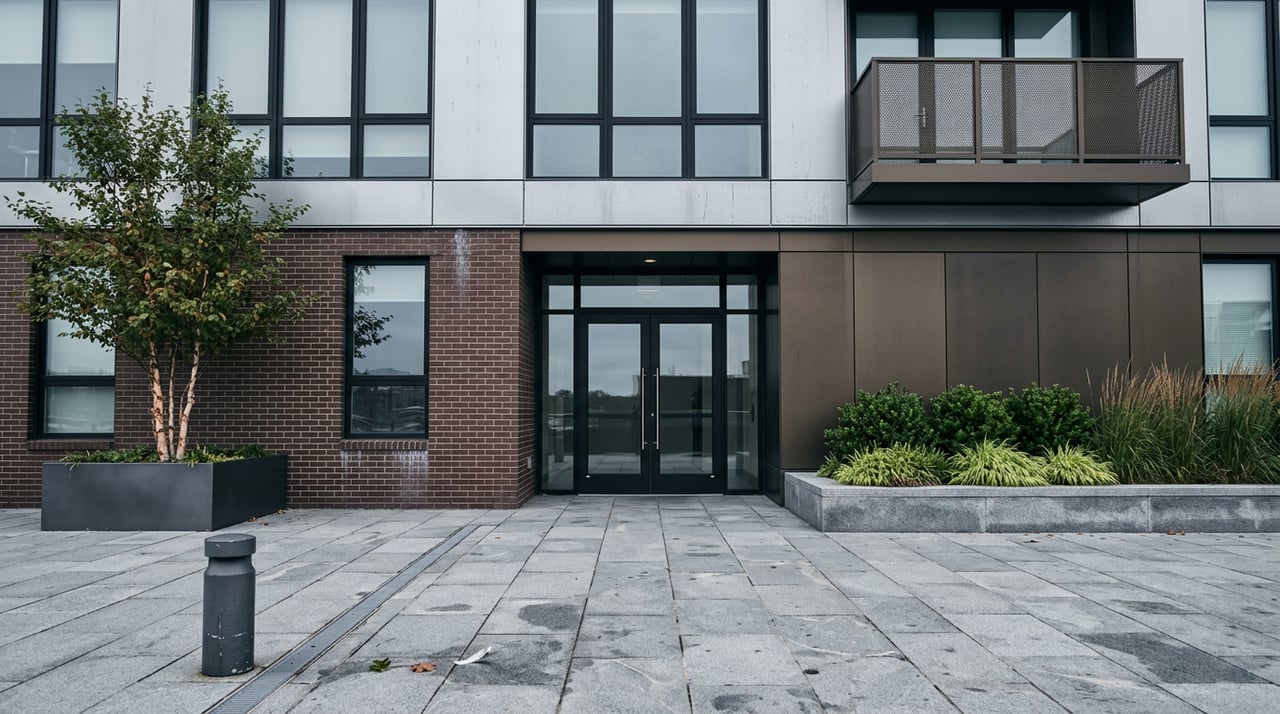
Ultra-luxury full-service towers
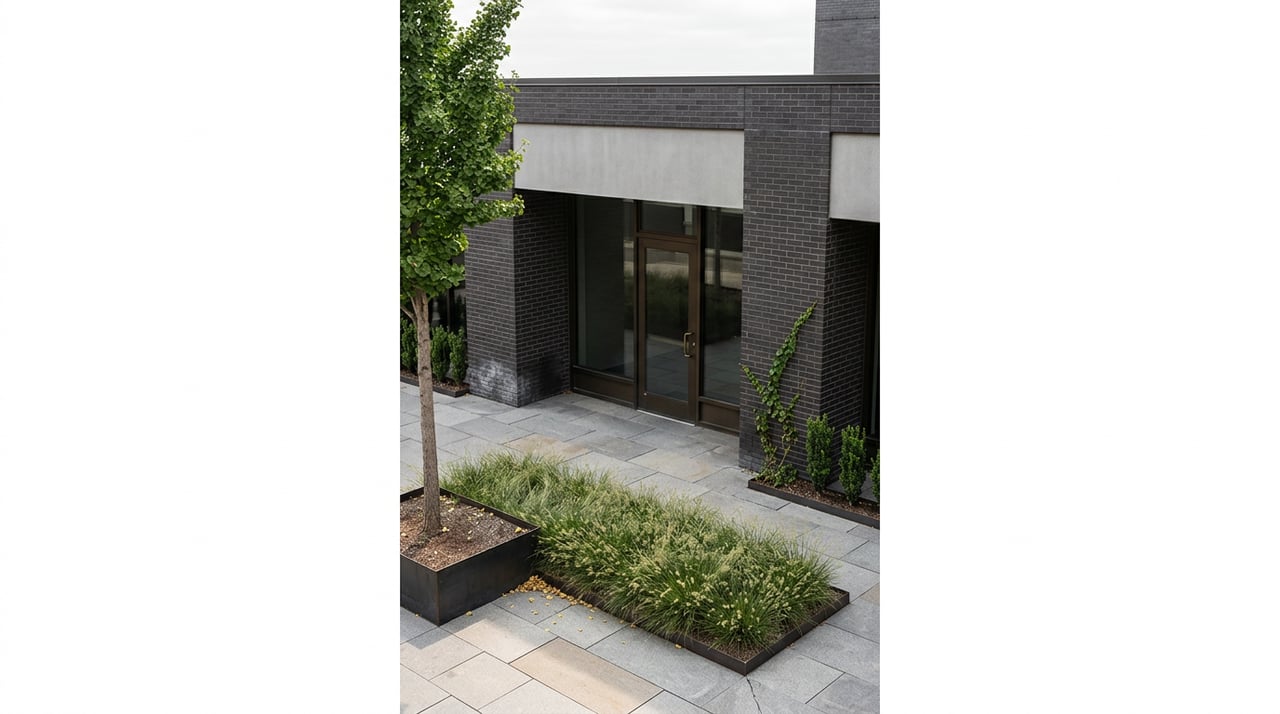
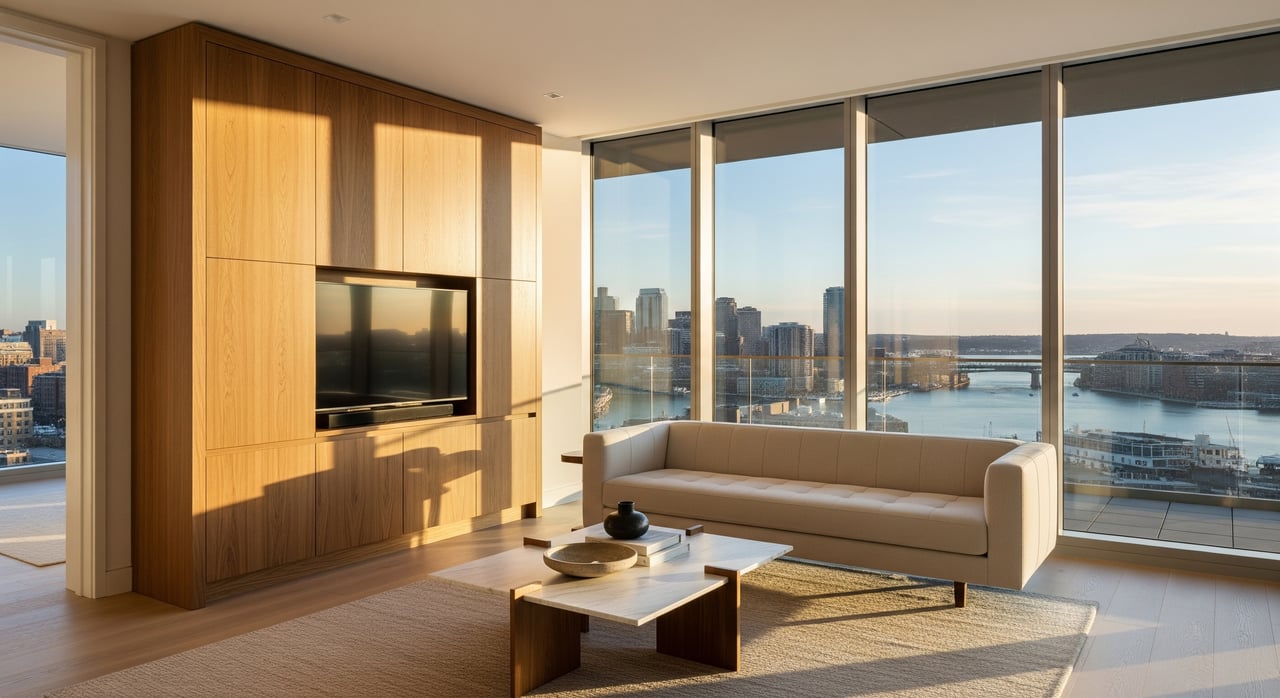
These are the glass-and-steel addresses with 24-hour staff, valet and garage parking, hotel-level amenities, and long views. You’ll see one-bedrooms up to custom penthouses. Representative examples include One Dalton, known for Four Seasons branded services, and Millennium Tower, a large residential tower with publicly reported engineering mitigation history. If you want turn-key convenience, security, and status, this category is your starting point.
What you’ll typically find:
- 24-hour concierge and doorman
- Valet or deeded garage parking
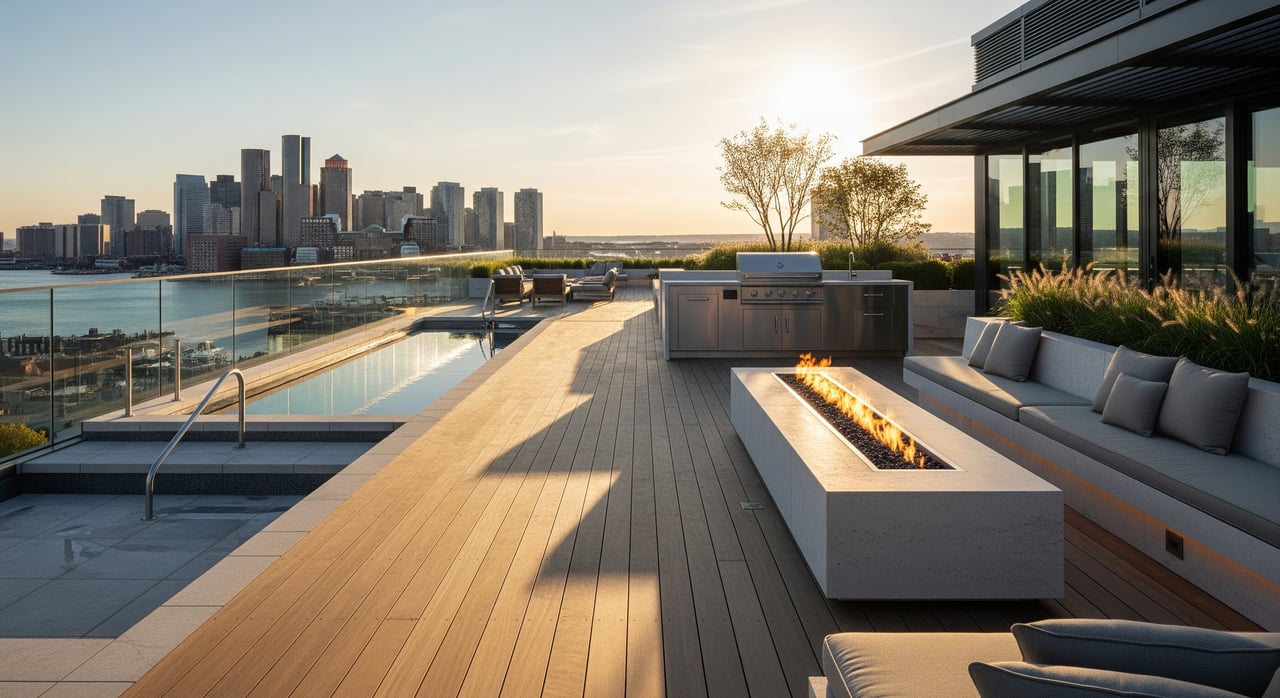
- Fitness centers, pools or spas, residents’ lounges, and private dining spaces
- Modern finishes with floor-to-ceiling windows and centralized HVAC
Best fit: You value low-maintenance living, on-site staff, and premium amenities with quick access to Copley and Newbury.
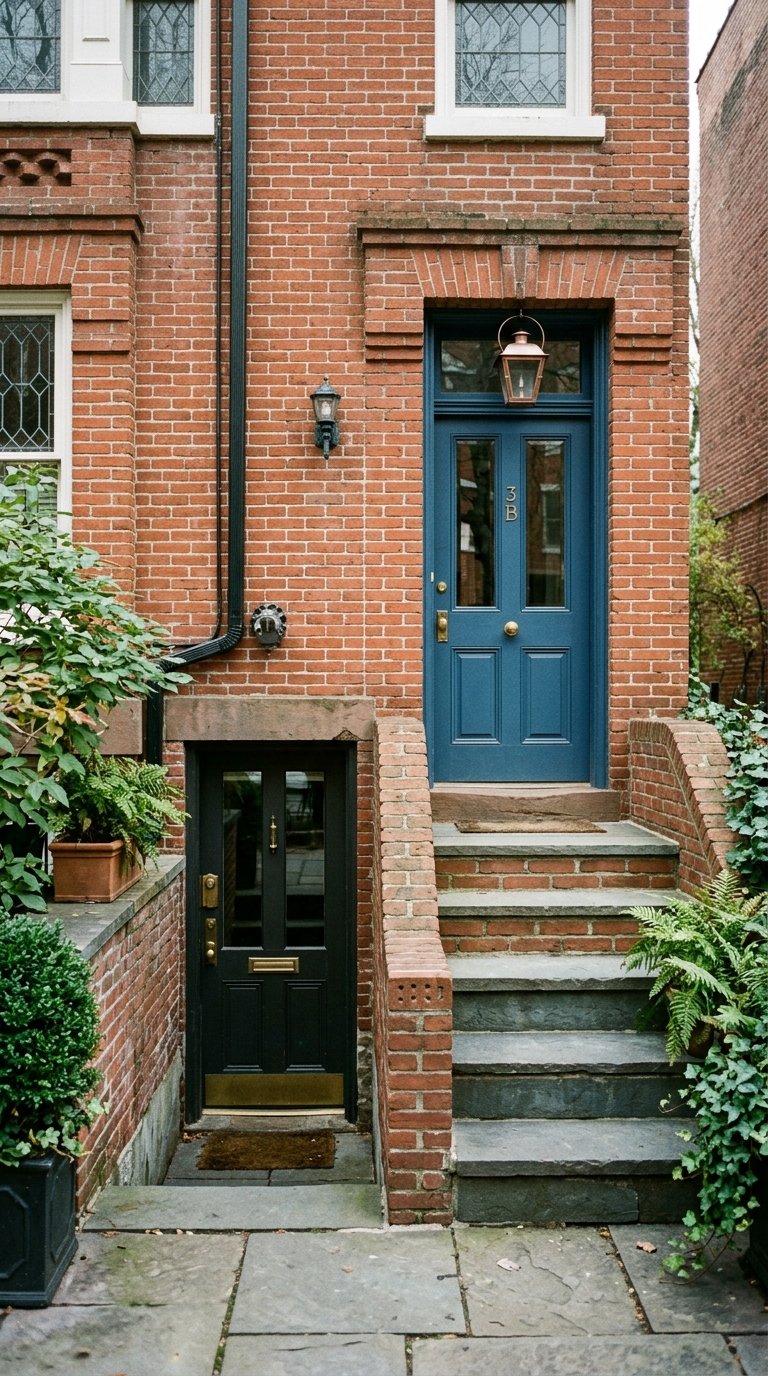
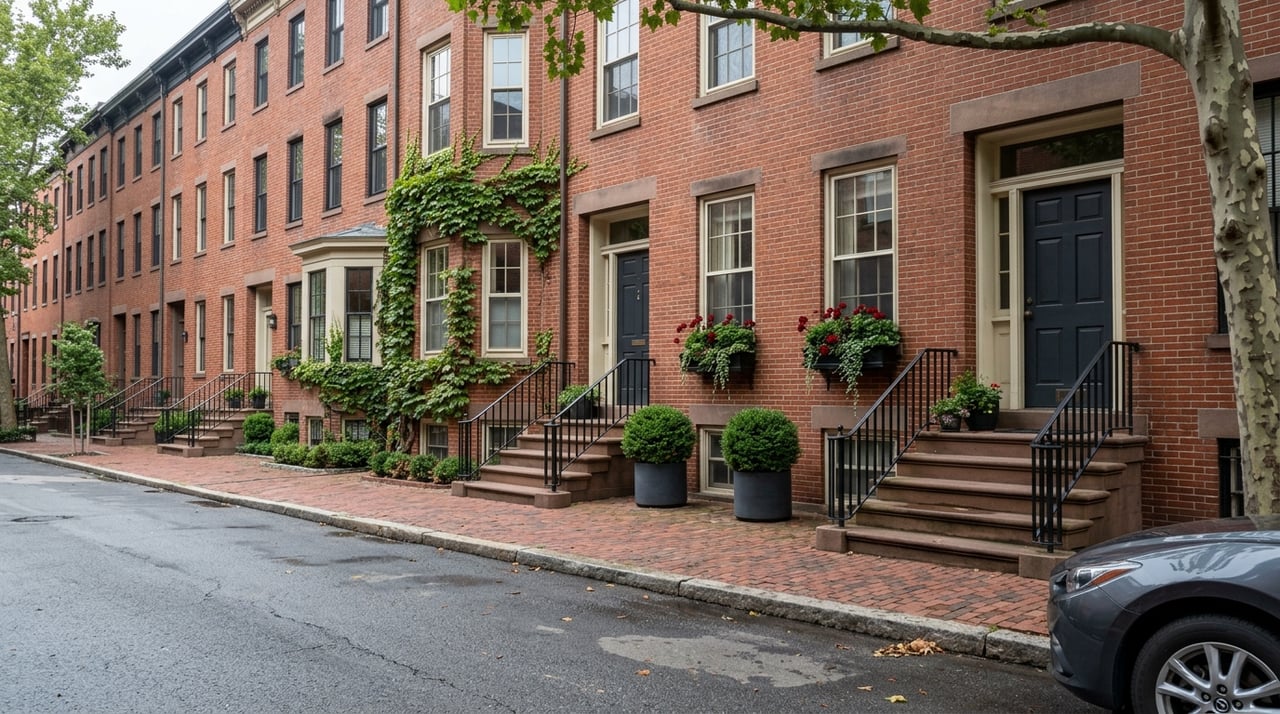
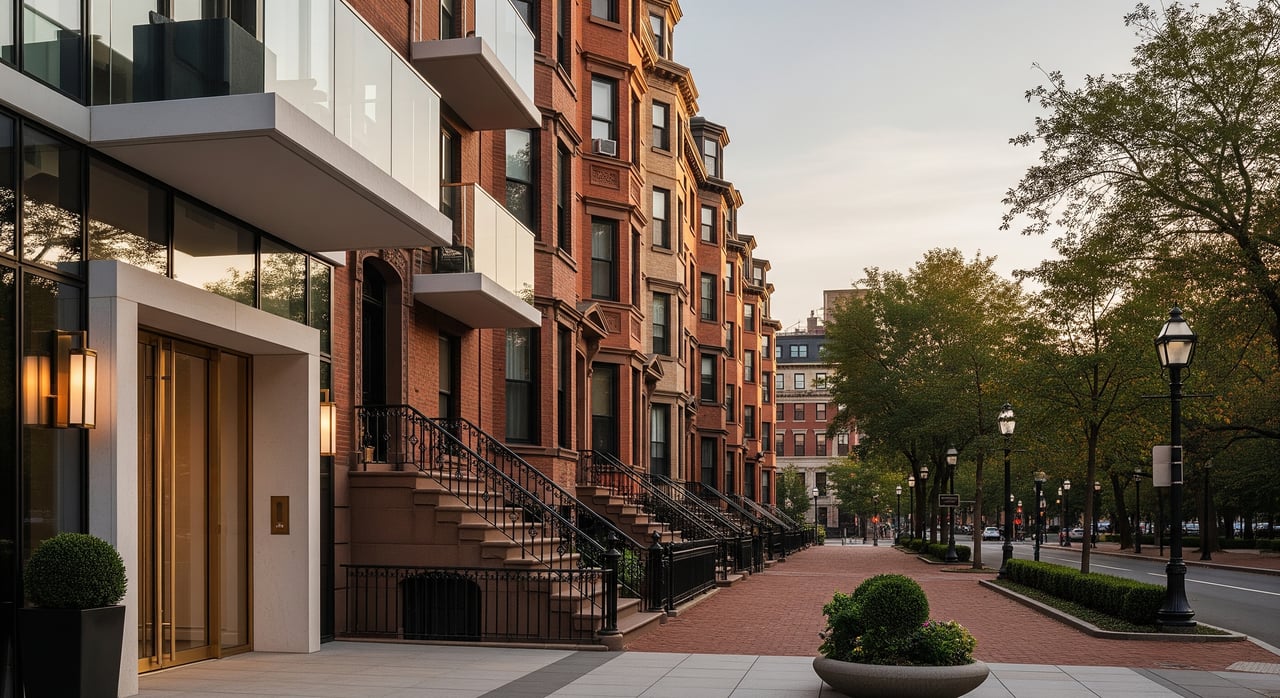
Historic brownstones and boulevard rowhouses
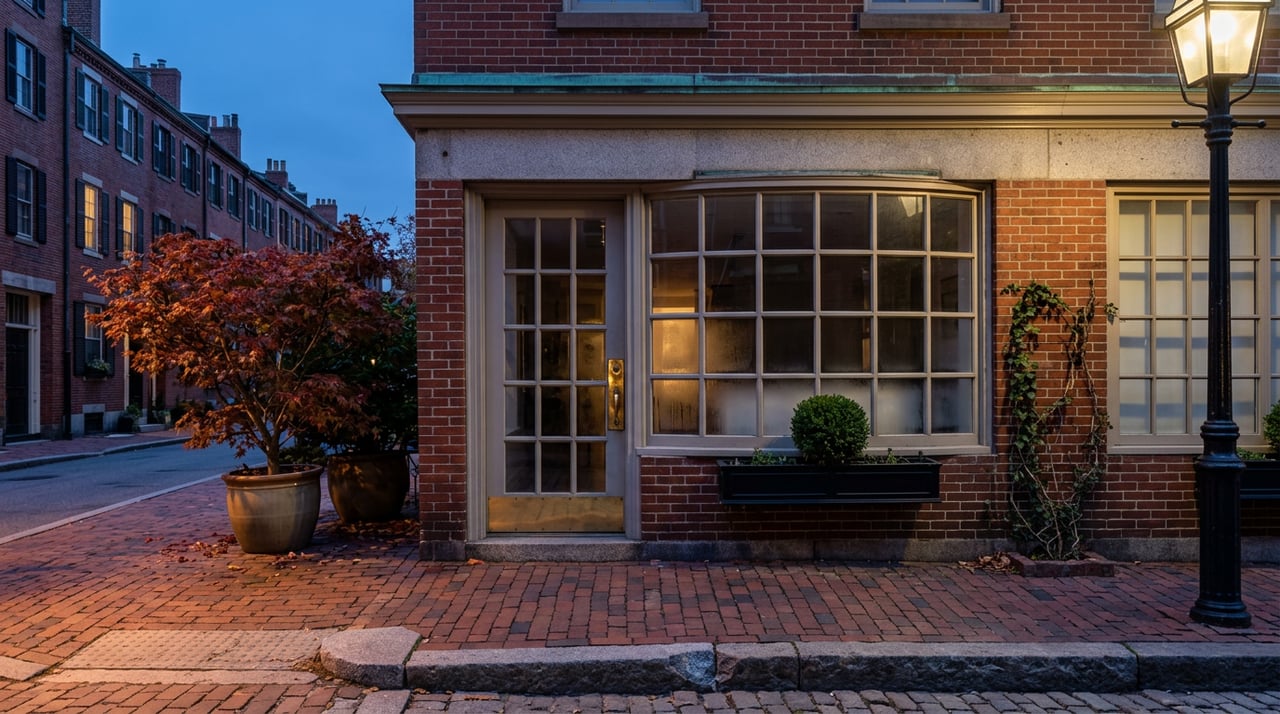
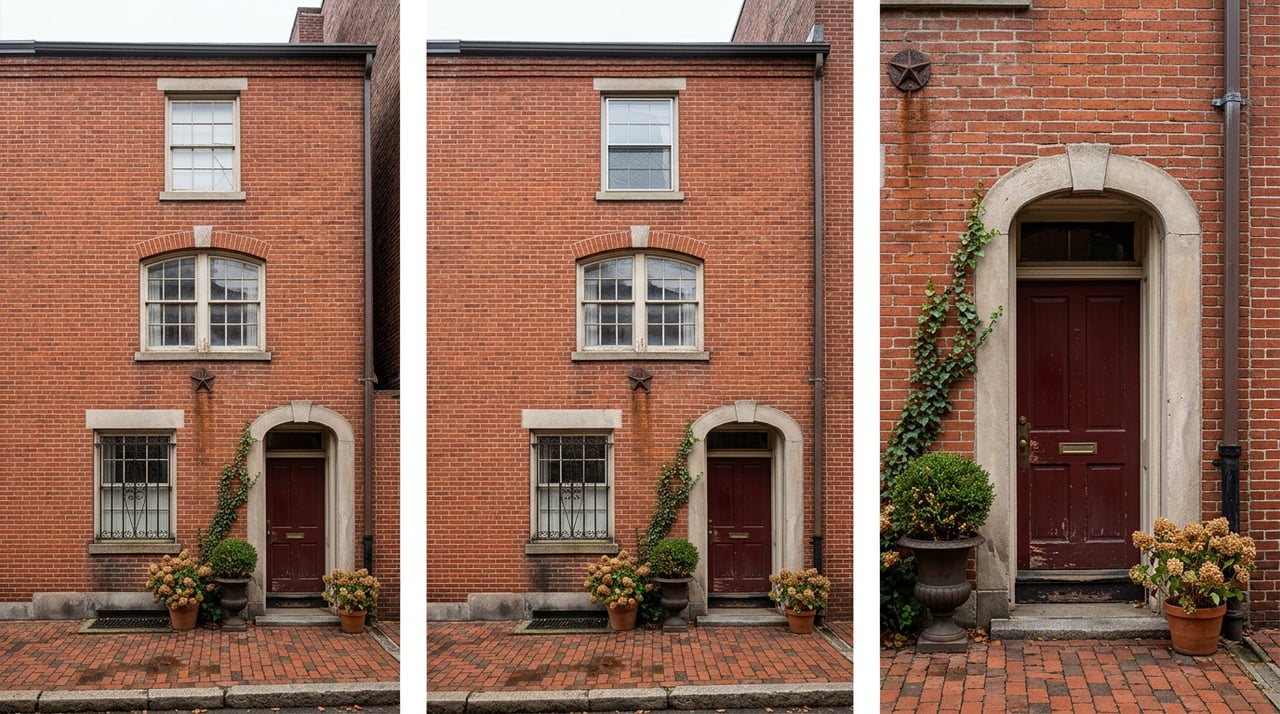
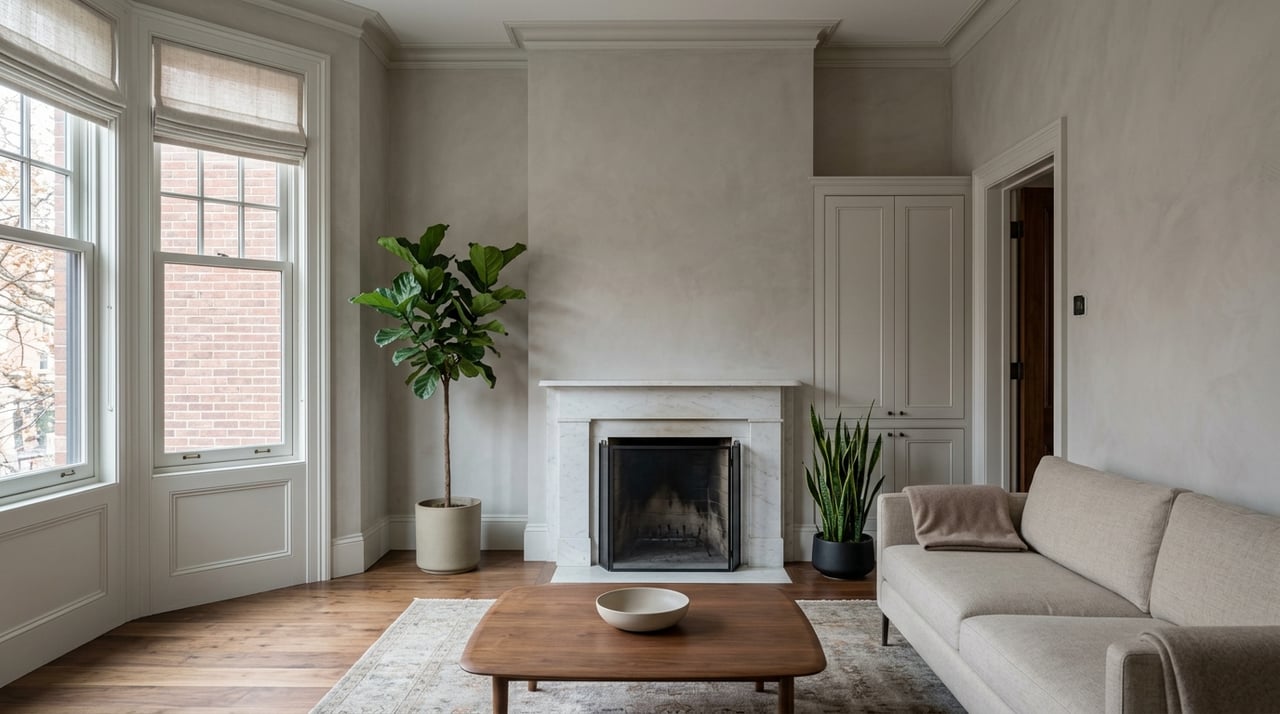
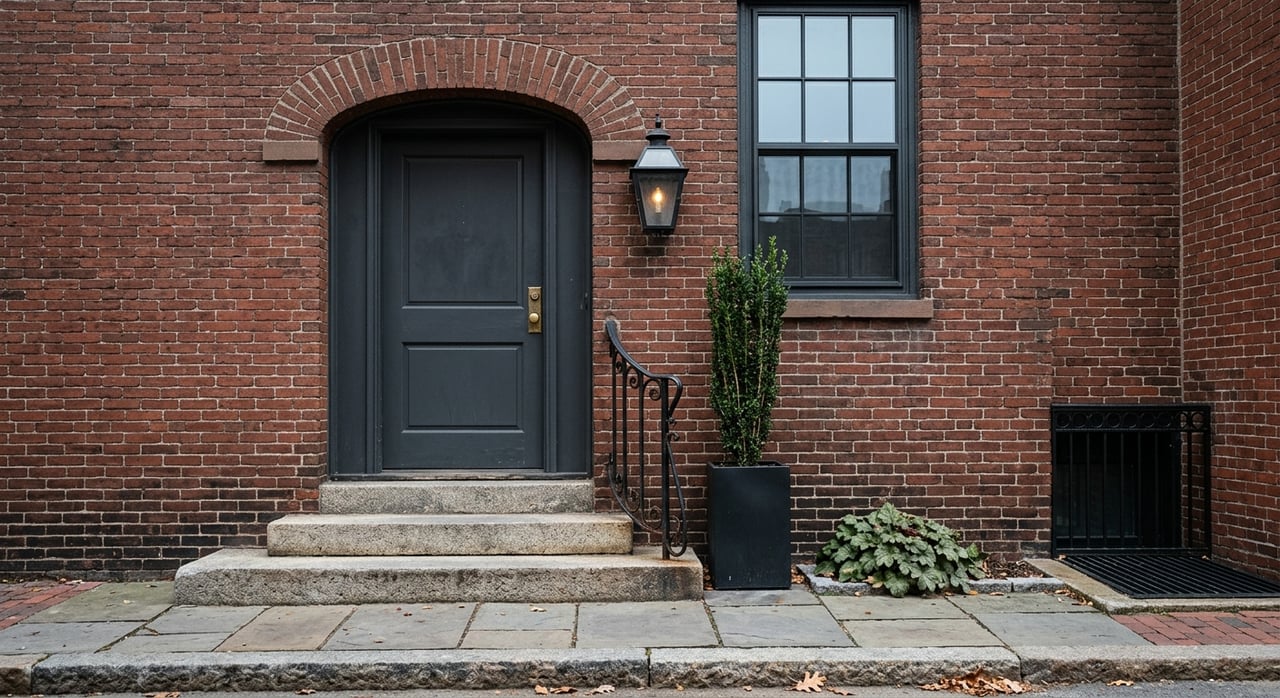
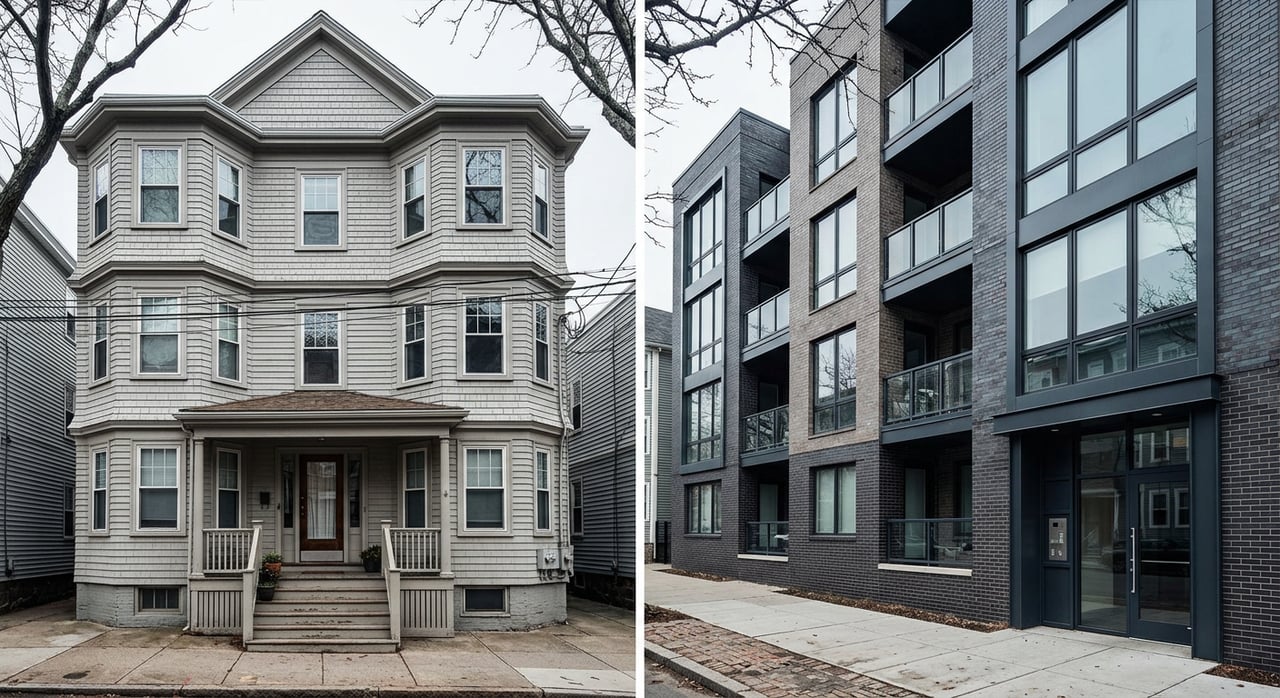
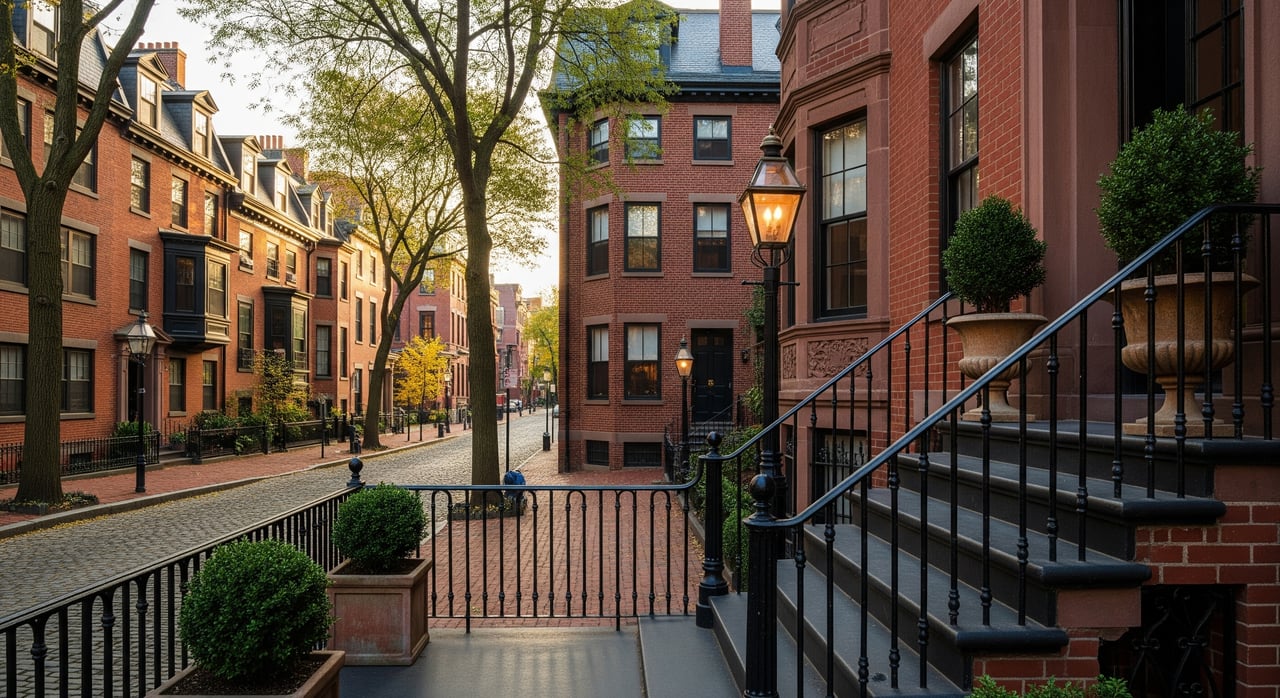
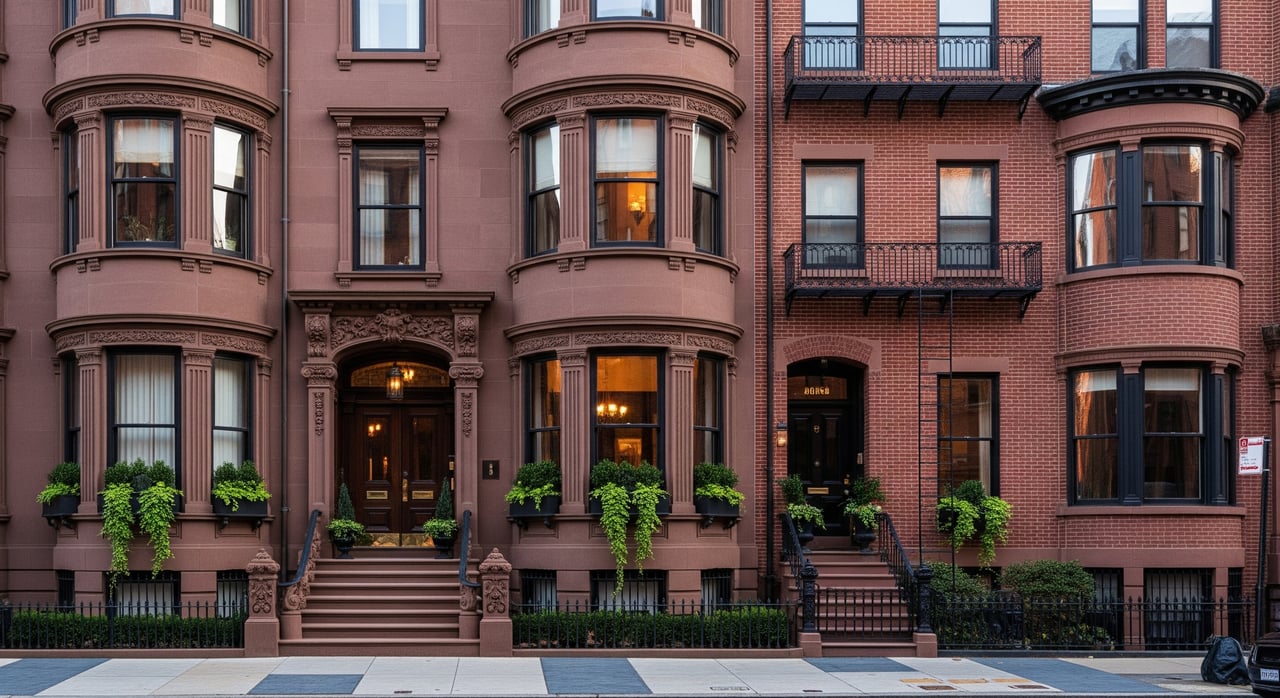
Commonwealth Avenue and Marlborough Street offer classic Boston character with high ceilings, period detail, and larger rooms. Associations are often smaller with limited building services. Some buildings are walk-ups or have compact elevators.
What you’ll typically find:
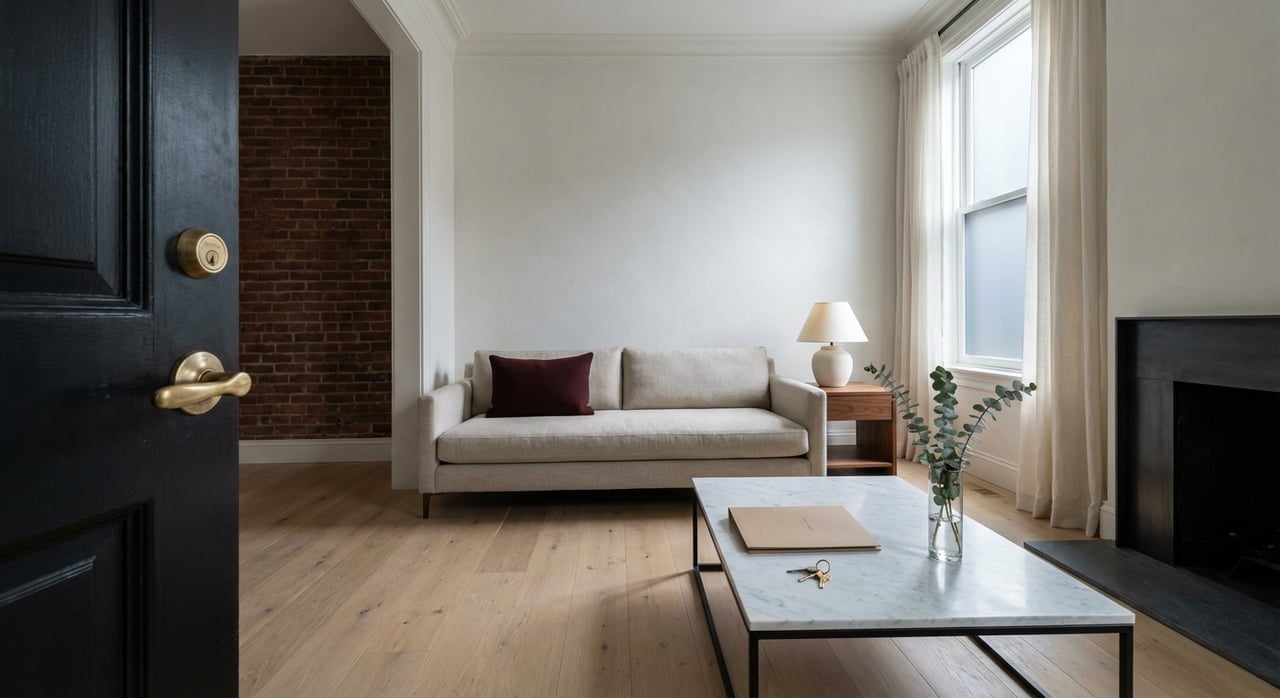
- Original moldings, fireplaces, and hardwood floors with renovated kitchens and baths
- Smaller associations and more private feel
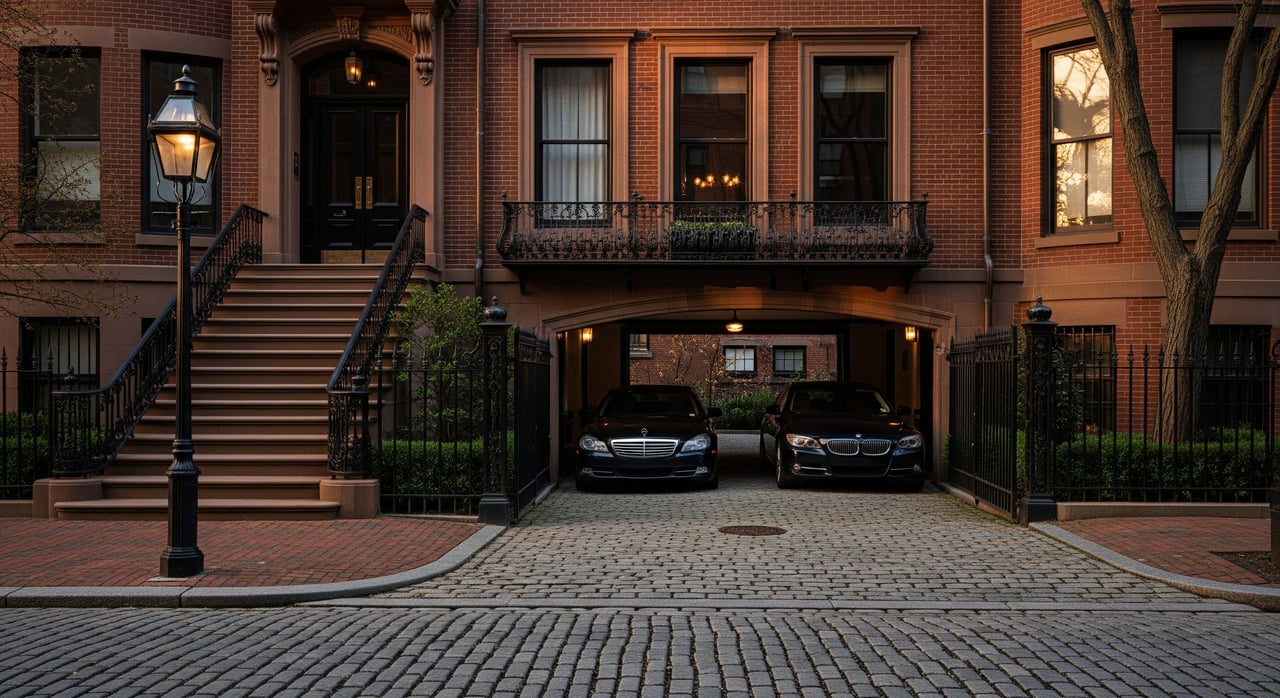
- Limited or off-site parking, sometimes with rental options nearby
Best fit: You love architectural charm, privacy, and larger interiors, and you prefer to trade amenities for character and location.
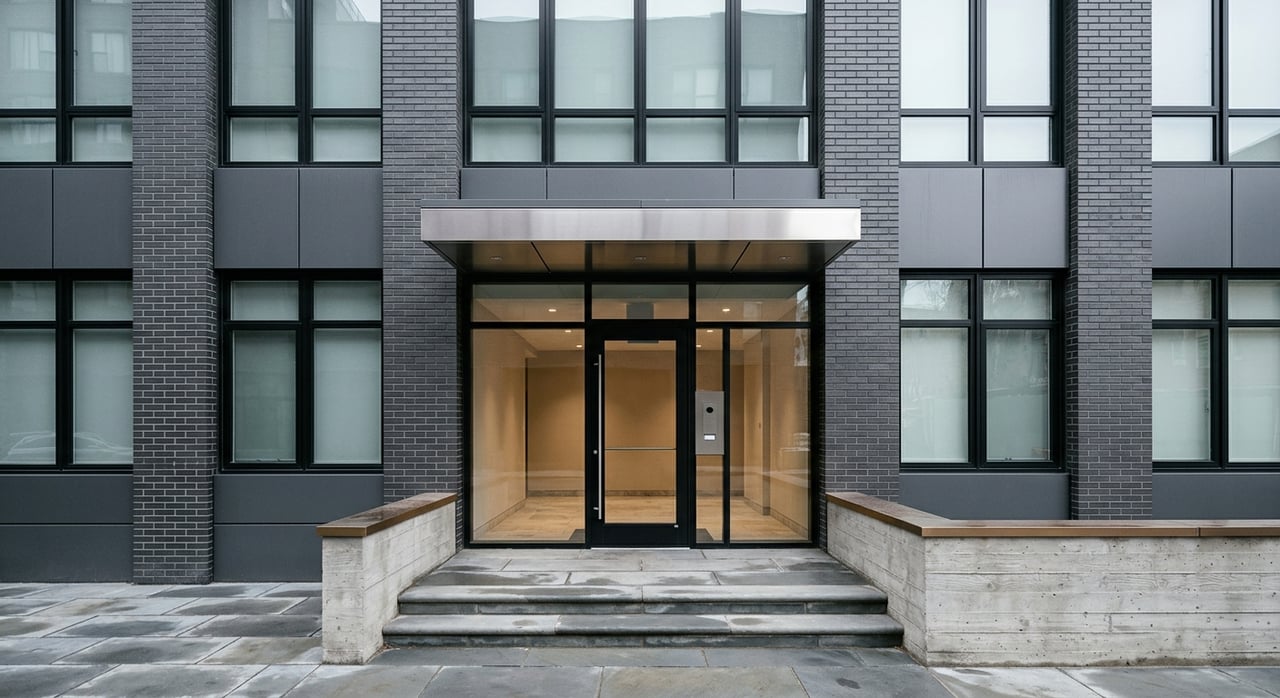
Boutique and mid-rise conversions
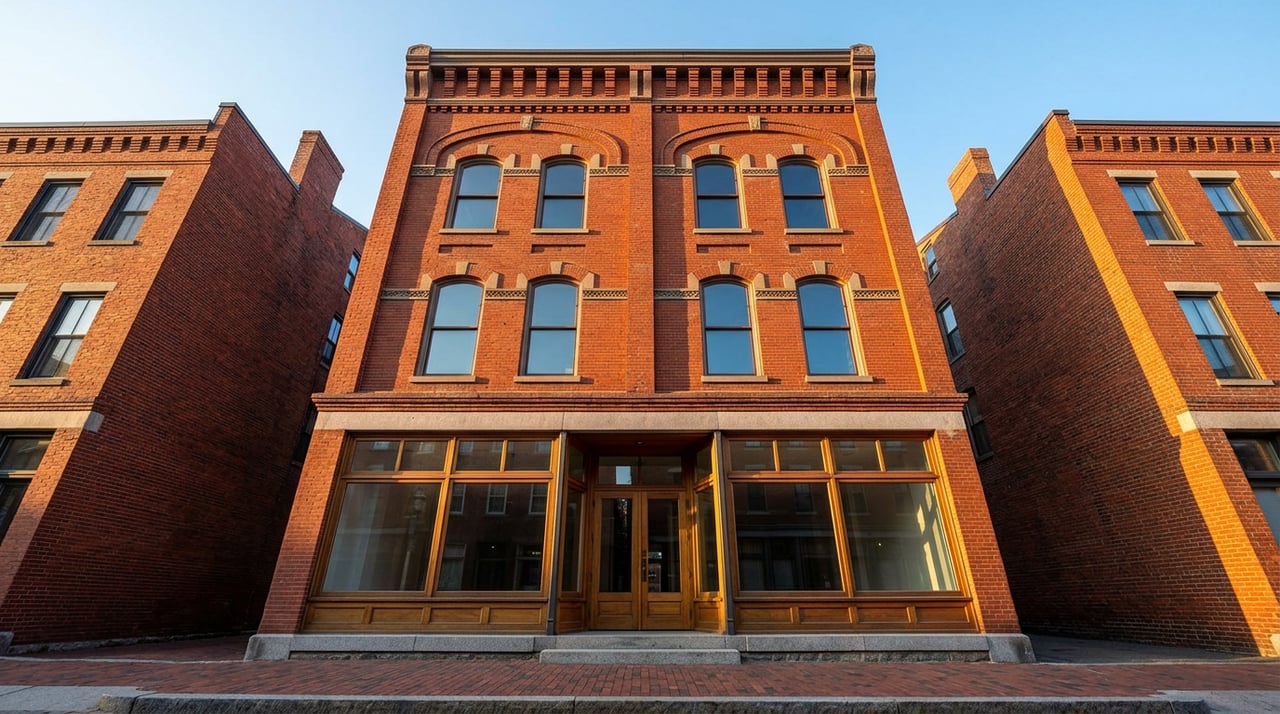
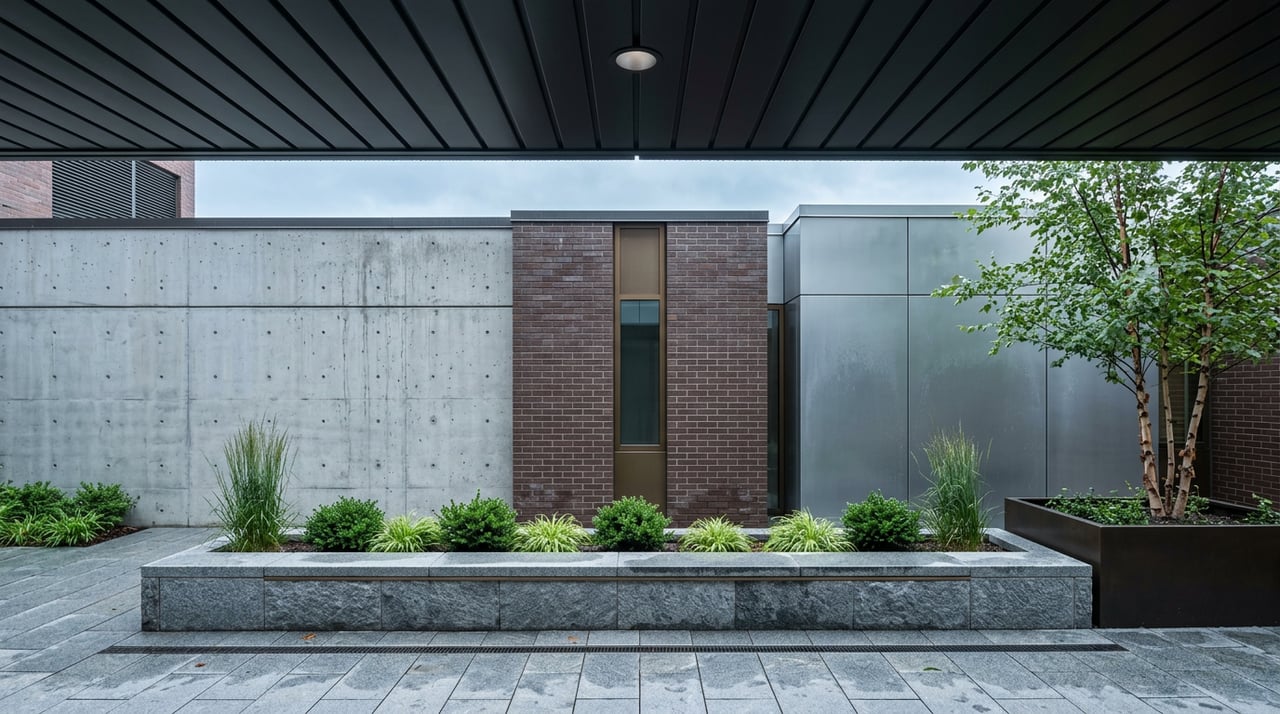
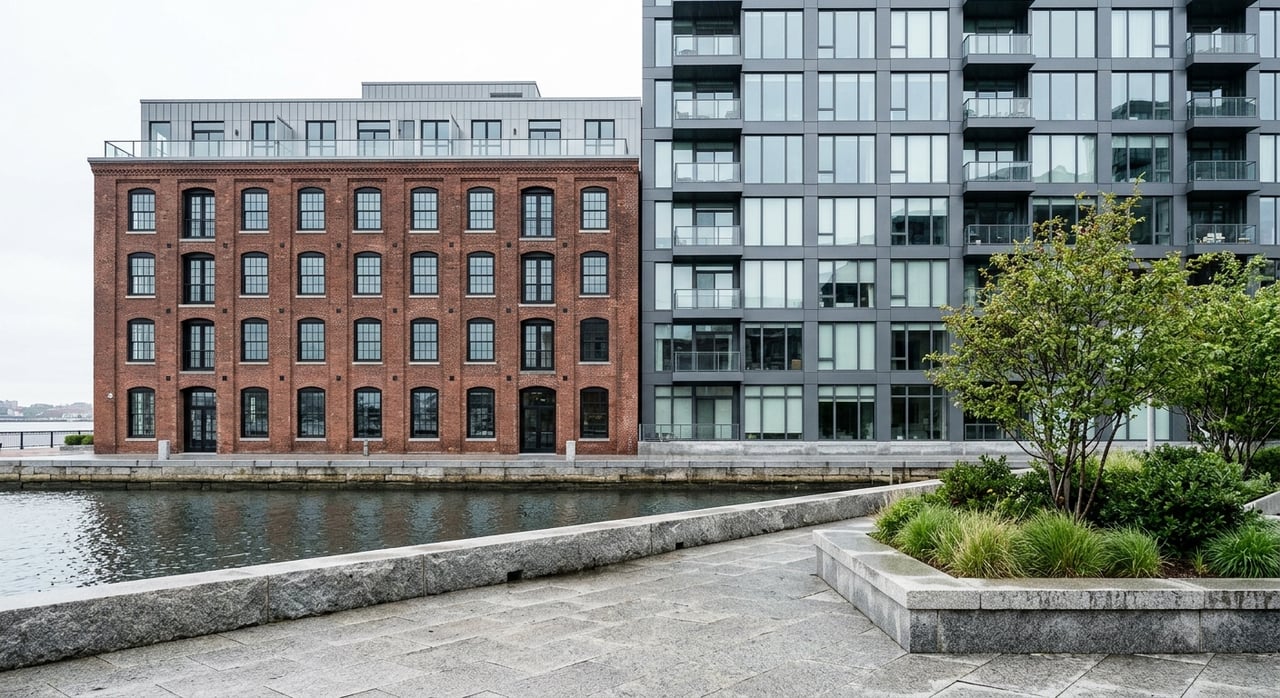
Along Newbury, Clarendon, and side streets, you’ll find smaller buildings converted from prior uses or built as modern mid-rises. Amenities vary, but many offer controlled entry and select services with fewer neighbors.
What you’ll typically find:
- A mix of concierge or controlled entry, package rooms, and fitness rooms
- Excellent retail and restaurant access
- Fewer units and a true neighborhood vibe
Best fit: You want Newbury Street convenience and a more intimate building without the full scale of a tower.
Branded and serviced residences
Some Back Bay residences connect to hotel brands for elevated services. One Dalton is a key example with Four Seasons management. These buildings can include optional services, access to food and beverage outlets, and defined rental and governance policies. If you’re comparing serviced residences with standard condominiums, review service fees, rental restrictions, and how the condo association governs building operations.
Amenities to compare
Use this checklist to align features with your daily routine:
- Security and access: 24-hour doorman, controlled entry, staffed front desk
- Parking and transportation: On-site garage, valet, guest parking, bike storage, proximity to Back Bay Station and Green/Orange Line stops
- Fitness and wellness: Gym, pool, spa or sauna, yoga studio
- Entertaining and business: Residents’ lounge, private dining rooms, club rooms, guest suites
- Services: On-site management, package handling, housekeeping partnerships, building-hosted events
- Pet policies: Review master deed for pet rules and any size limitations
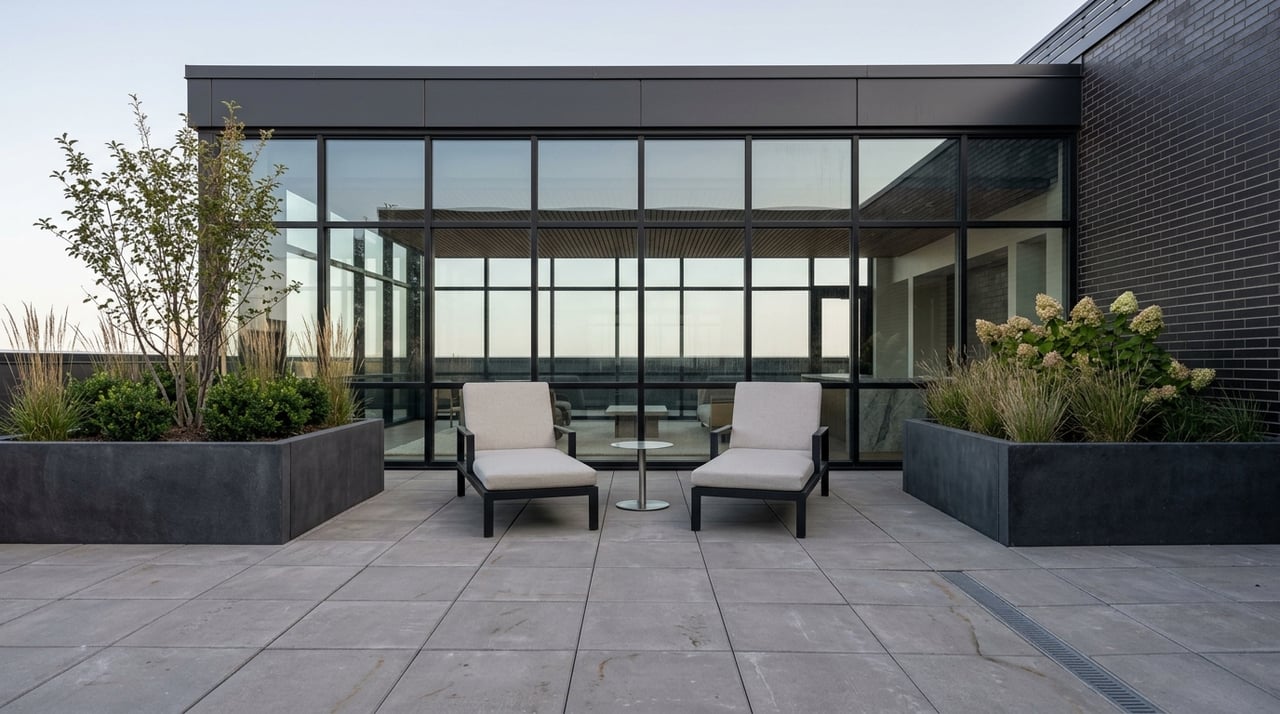
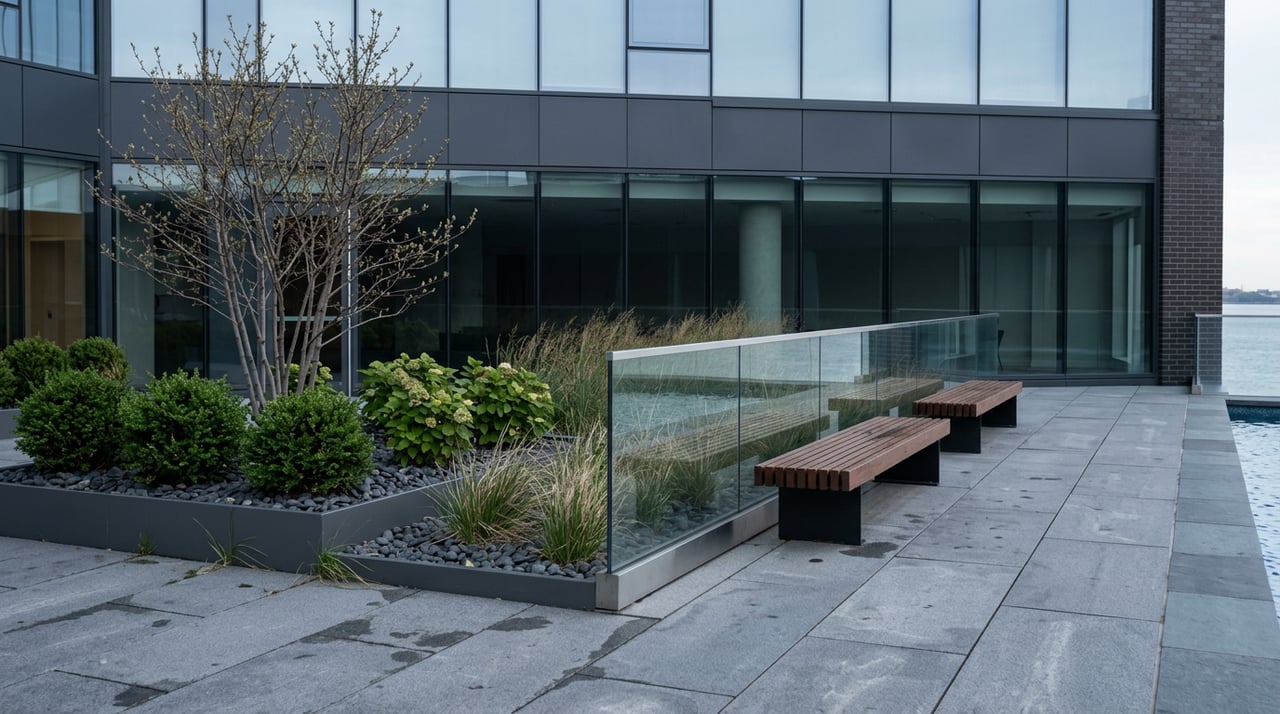
- Outdoor space: Private terraces, roof decks, courtyards
What you can expect to pay
Price bands vary by building type and view orientation. Use these as planning ranges and verify current numbers with active listings and building documents.
- Boutique and historic units, especially smaller one and two-bedrooms: roughly mid-six figures to low-seven figures, often about $700,000 to $1.5 million depending on size and location.
- Full-service luxury towers: one and two-bedrooms typically in the low to mid-seven figures, with larger units and penthouses in the multi-million range.
- Ultra-high-end penthouses: often achieve the neighborhood’s top price points and can range from about $3 million to more than $20 million depending on floor, size, and finish level.
Condo fees typically reflect staffing, utilities, insurance, reserves, and amenities. A reasonable planning range in Back Bay luxury buildings is about $1.00 to $3.50 per square foot per month, with full-service towers toward the higher end. Always confirm what the fee includes, reserve contributions, and any special assessments in the most recent budgets and meeting minutes. Property taxes in Boston scale with assessed value, so higher-priced units have higher annual tax obligations.
Parking, transit, and daily life
Back Bay Station connects you to the commuter rail and the Orange Line, and the Copley and Arlington Green Line stops offer easy connections across the city. Many brownstones do not include dedicated parking, while full-service towers often provide valet or garage options. If you drive daily or travel on weekends, prioritize buildings with on-site parking or easy access to a nearby garage.
Back Bay vs nearby neighborhoods
- Beacon Hill: More intimate streets and a village feel with strong preservation controls. Back Bay offers wider boulevards, bigger retail presence, and larger rowhouse footprints.
- South End: Known for lofts, renovated industrial spaces, and a robust restaurant scene. Back Bay skews more formal with grand avenues and prestige retail.
- Seaport: Newer inventory with many large amenity-rich towers and a modern waterfront environment. Back Bay balances historic architecture with central green space and established street life.
How to choose your fit
- Start with lifestyle: Do you want staffed services, or do you prefer privacy and classic charm?
- Set budget and fee comfort: Align all-in monthly costs with your goals, including taxes and parking.
- Prioritize location: Consider proximity to transit, daily errands, and green space.
- Define space needs: One to two bedrooms for simplicity, or larger layouts and penthouse features for long-term living.
- Review policies: Check pet rules, rental restrictions, and guest suite options.
At-a-glance comparison
| Building type | Style and services | Typical price band | Typical fee band | Parking | Best fit |
|---|---|---|---|---|---|
| Ultra-luxury towers | Full-service, 24-hour staff, extensive amenities | Low to mid-seven figures for 1–2 beds; multi-million for larger units and penthouses | Toward the higher end of about $1.00–$3.50 per sq ft per month | Valet or garage, often on-site | Turn-key living with views and hotel-level convenience |
| Historic brownstones | Period detail, larger rooms, limited services | About $700,000 to $1.5 million for smaller units; higher for larger homes | Often lower absolute fees with fewer services | Limited or off-site; rental garages common | Architectural charm and privacy |
| Boutique mid-rises | Smaller buildings, select amenities | Varies by size and address across the seven-figure range | Mid-range, aligned to services offered | Mix of on-site or nearby options | Newbury Street lifestyle and fewer neighbors |
Buyer checklist for any Back Bay condo
- Confirm current asking and recent closed prices for comparable units.
- Review the latest condo budget, reserve study, and two years of meeting minutes.
- Understand what the condo fee covers and any special assessments.
- Verify parking availability, cost, and whether it is deeded, assigned, or waitlisted.
- Check pet and rental policies, including minimum lease terms and any short-term rental restrictions.
- Ask about building maintenance history, planned capital projects, and any litigation or remediation.
- Evaluate view orientation, noise exposure, and elevator access relative to your daily routine.
When you are ready to compare specific units or buildings, connect with a local team that knows the nuances from Newbury to Commonwealth and everything in between. Schedule a personalized tour plan and get tailored guidance with Morgan Franklin.
FAQs
Which Back Bay buildings offer full-service valet and on-site parking?
- Full-service towers typically provide valet or garage parking and a 24-hour staff; examples include well-known addresses like One Dalton and Millennium Tower, but always verify parking details and fees for each listing.
How do condo fees differ between towers and brownstones in Back Bay?
- Towers usually sit at the higher end of about $1.00 to $3.50 per square foot per month due to staffing and amenities, while brownstones often have lower absolute fees with fewer services; review budgets to see exactly what is included.
Are there branded residences in Back Bay and what should I know?
- Yes, One Dalton is a Four Seasons branded residence; review service offerings, any additional branded service fees, rental restrictions, and how the condominium association governs operations before you buy.
How does choosing a brownstone vs a modern tower affect maintenance and resale?
- Brownstones may involve older systems and more individualized maintenance, while towers centralize systems and services; towers often command higher price per square foot, but verify recent comparable sales for the best resale view.
What should I review to gauge a building’s financial health in Back Bay?
- Ask for the most recent budget, reserve study, and two years of meeting minutes, and check for special assessments, litigation, or major capital projects that could affect future costs.
Is Back Bay convenient for commuting to the Financial District or the Seaport?
- Back Bay offers walkable and transit-friendly access via Green and Orange Lines and commuter rail; the Financial District is accessible by transit or a short ride, while Seaport typically requires transfers or rideshare depending on your route.