Thinking about a classic Back Bay home and not sure if you should search for a brownstone or a rowhouse? You’re not alone. Many Boston newcomers and first-time condo buyers use the terms interchangeably and wonder what actually matters for daily life, maintenance, and resale. In this guide, you’ll get clear, buyer-focused differences, plus what to look for in Back Bay’s historic district so you can move forward with confidence. Let’s dive in.
Back Bay at a glance
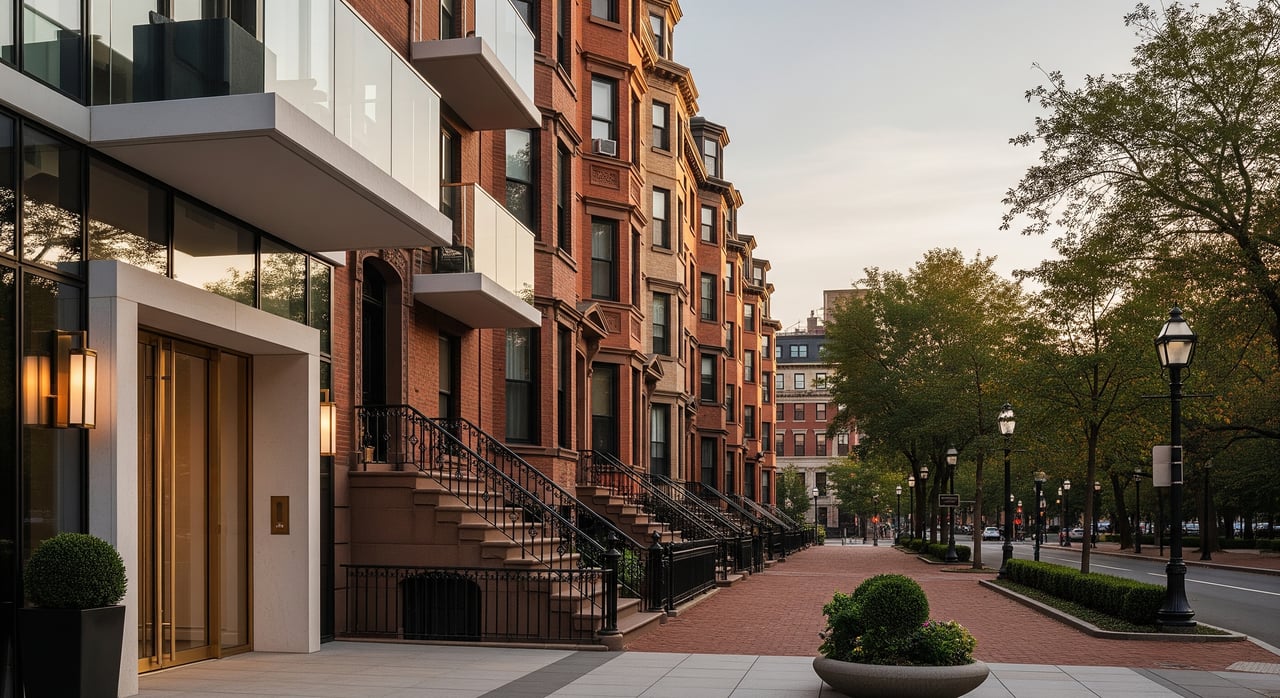
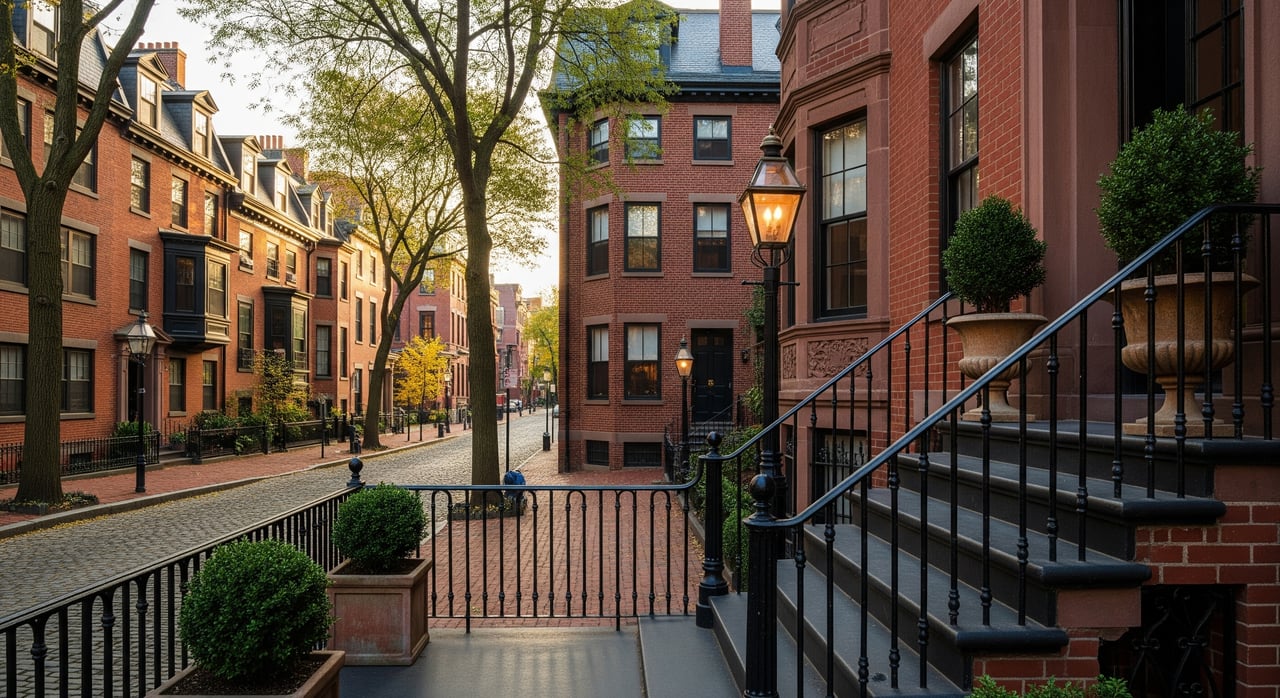
Back Bay is one of Boston’s most intact 19th-century neighborhoods and a designated historic district. Most residential streets feature continuous rows of townhouses built in the late 1800s. Many buildings sit on reclaimed land, so basements, foundations, and moisture control are key considerations.
Ownership varies. Some properties remain single-family townhouses, though these are less common and command a premium. Many have been converted to condominiums, which means shared maintenance, HOA fees, and association rules you will want to review.
Historic designation affects exterior changes. Facade materials, windows, stoops, and cornices often require review and approval for alterations. Plan ahead if you want to change exterior elements.
Brownstone vs. rowhouse: what they mean here
Practical definitions
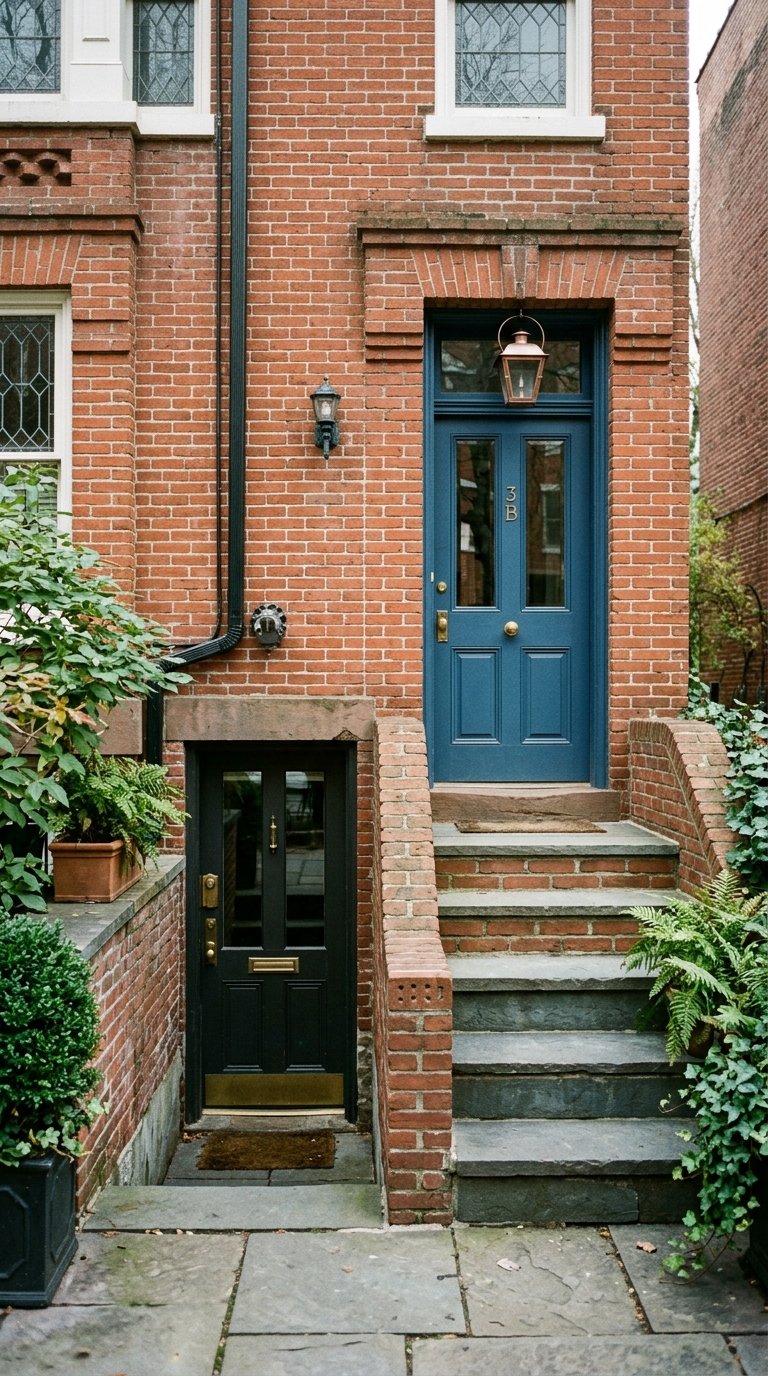
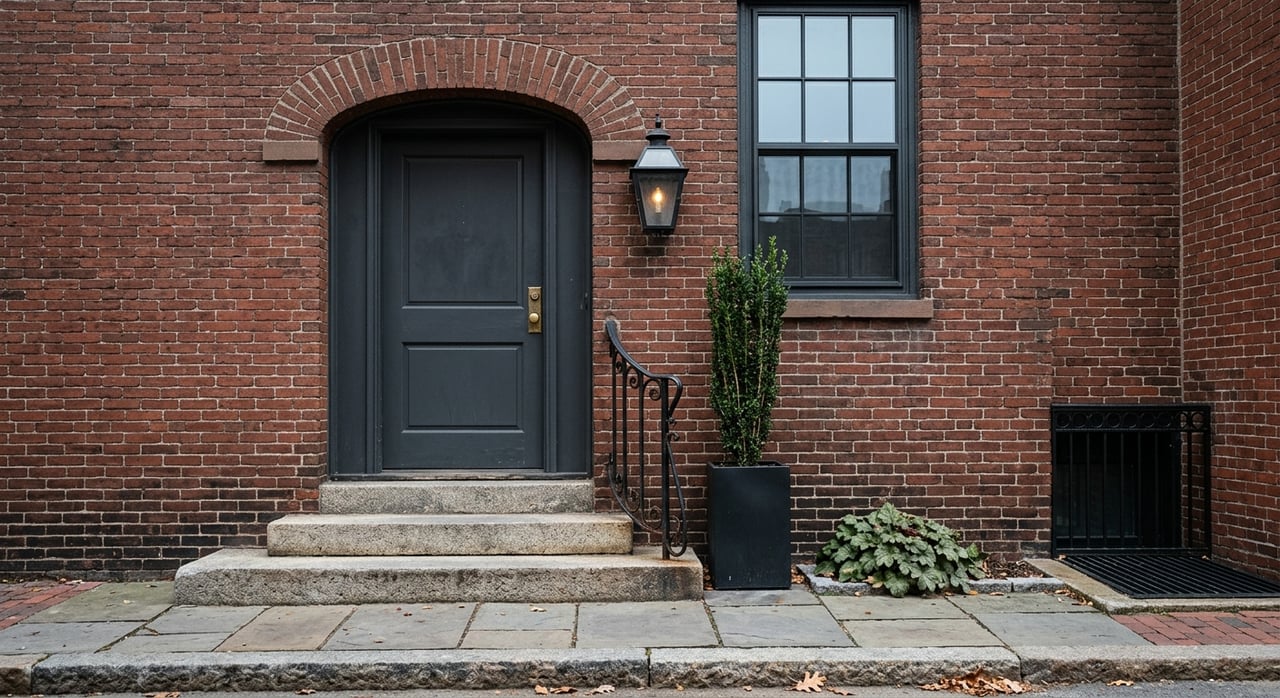
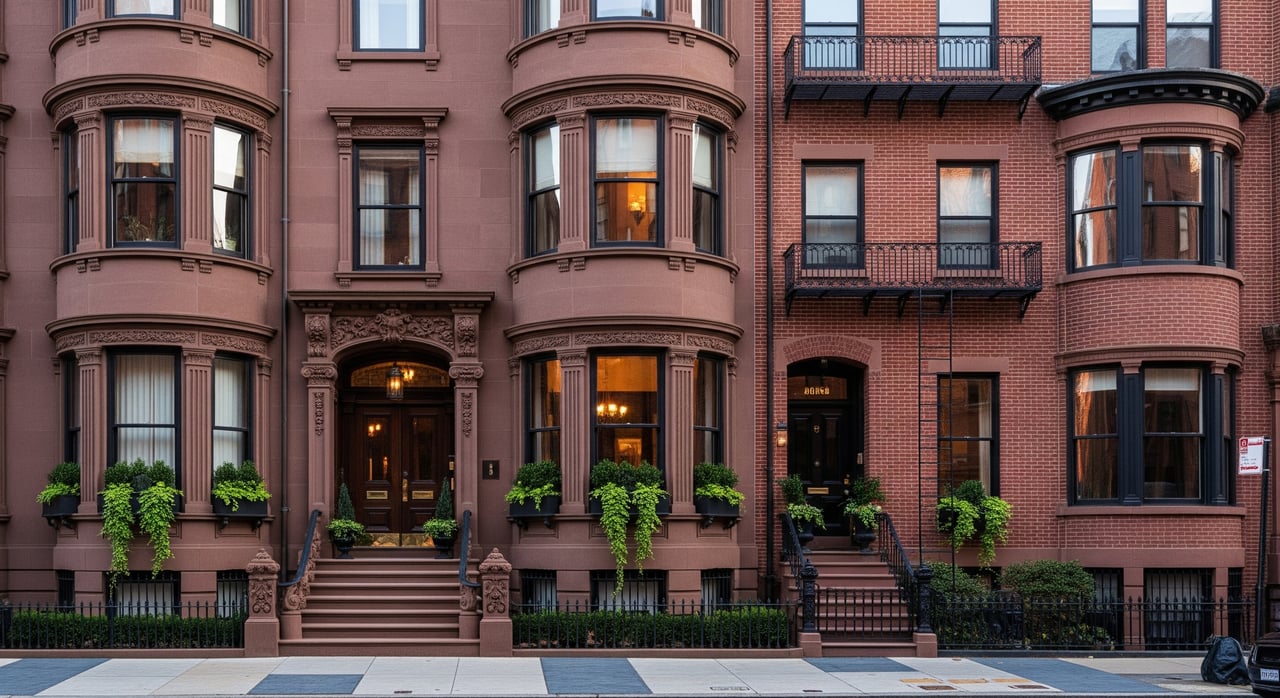
- Brownstone: A multi-story townhouse with a facade faced in brown sandstone or a similar material that presents as “brownstone.” Expect a raised stoop, a high parlor floor, tall windows, and ornate lintels and cornices. In Back Bay, “brownstone” often describes a look and era more than a strict geology term.
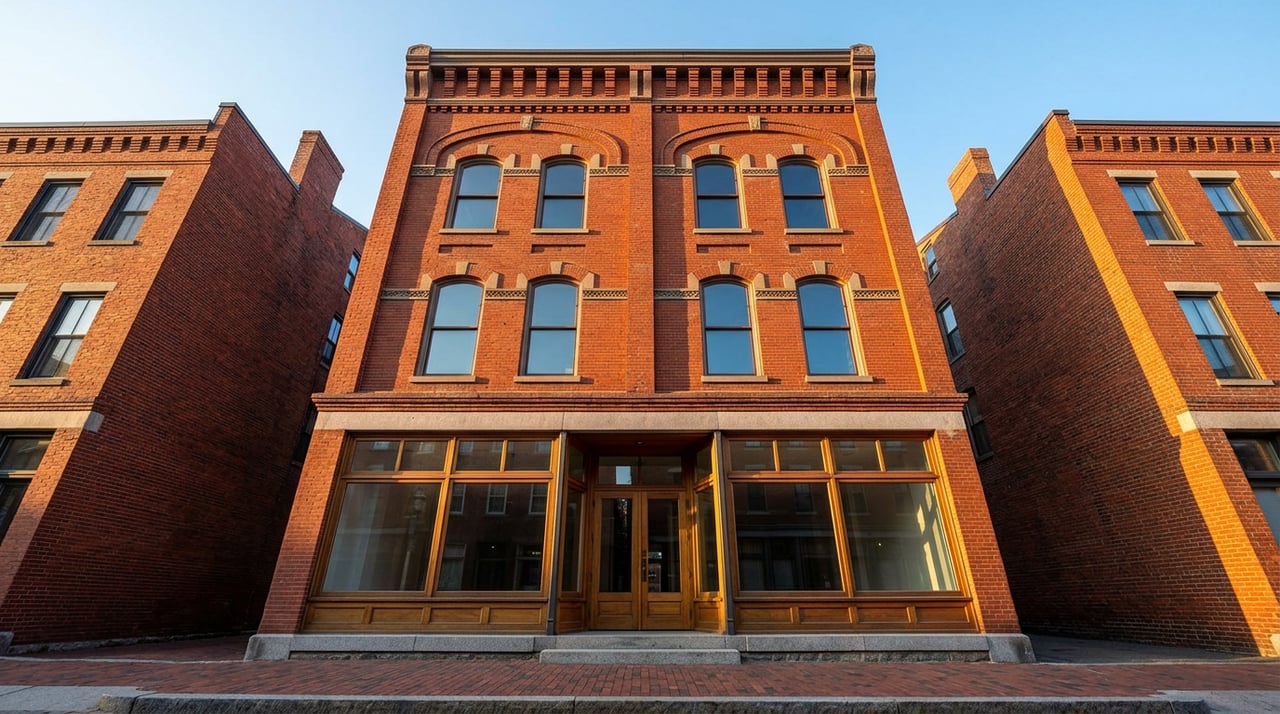
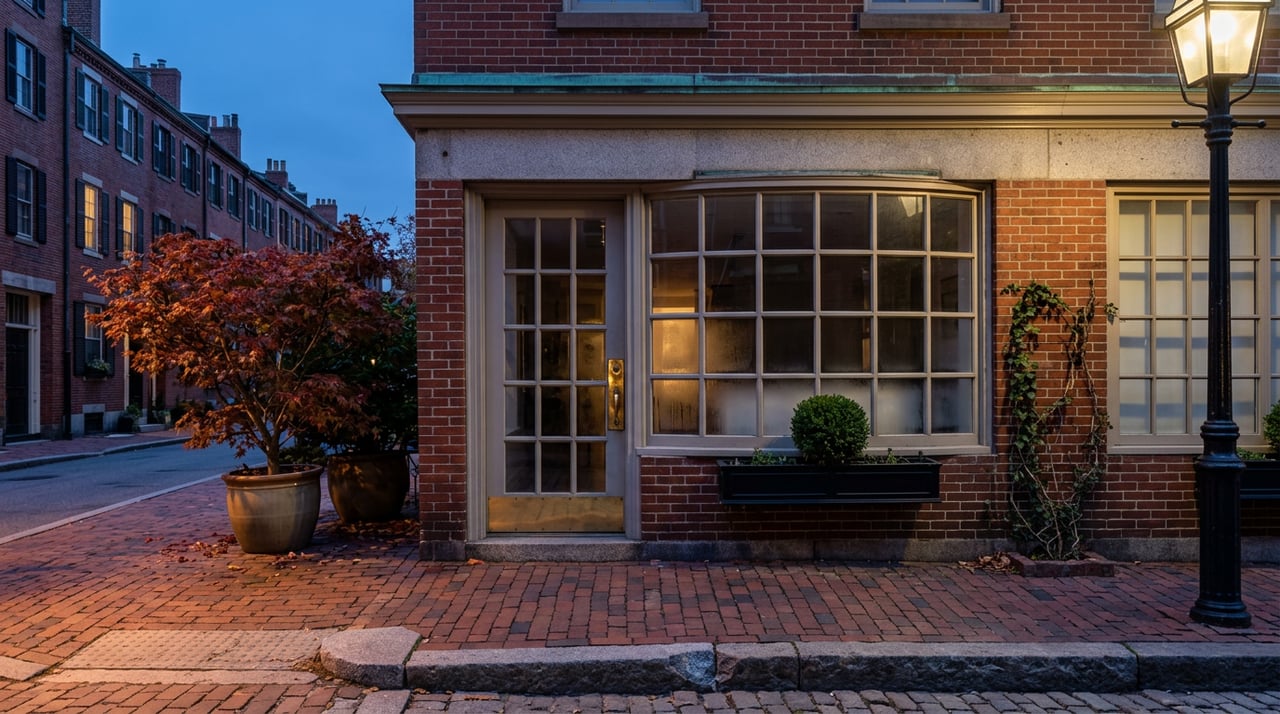
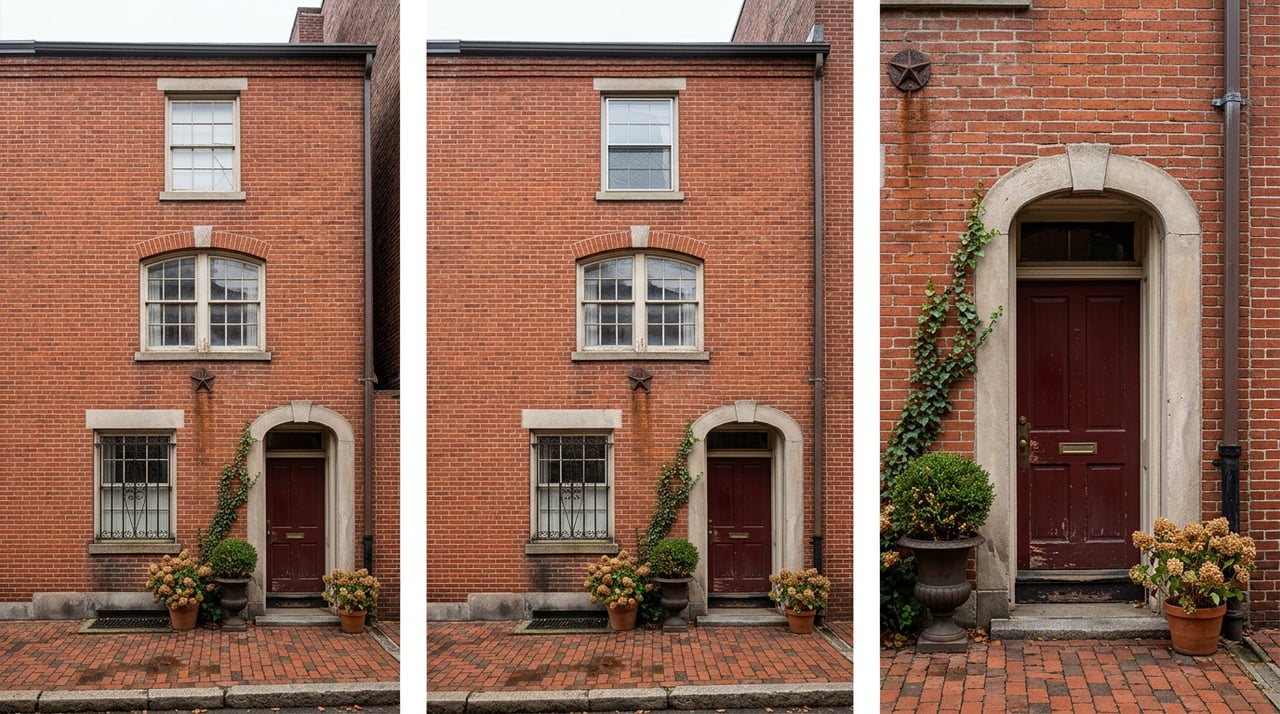
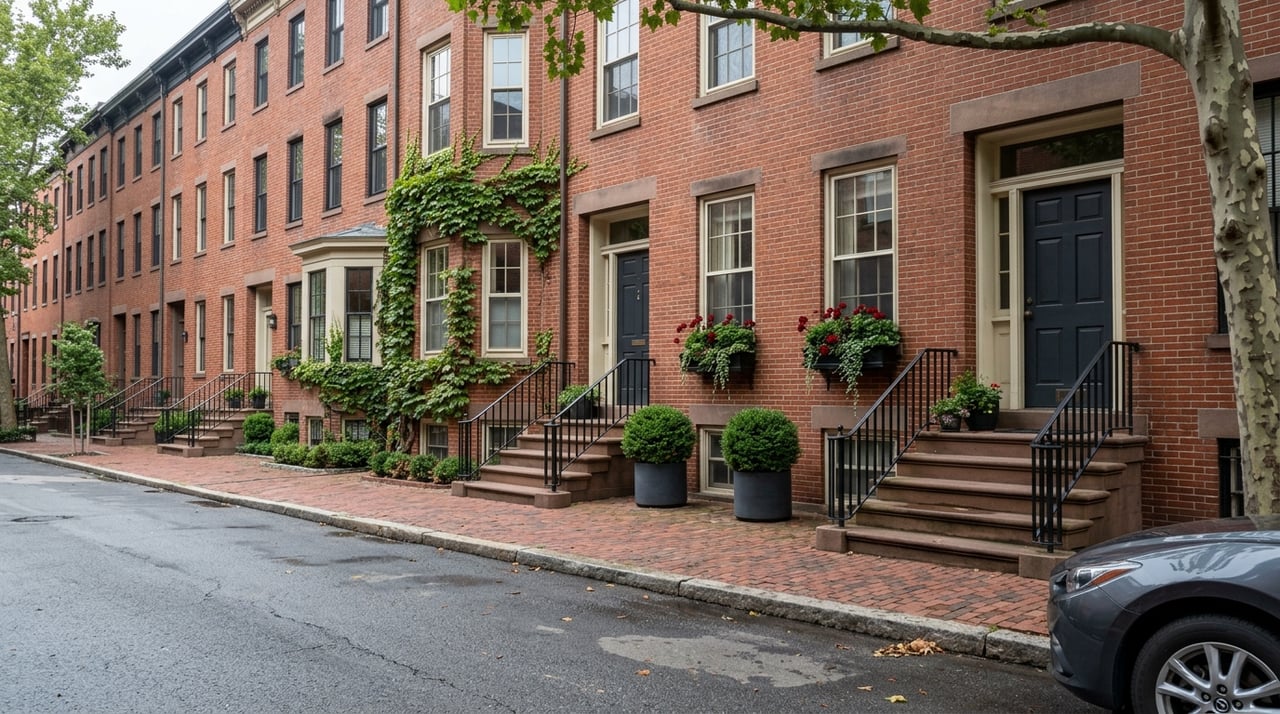
- Rowhouse: A series of attached homes with shared party walls and a uniform street frontage, typically in brick. Many have similar floor counts, rooflines, stoops, and parlor-level layouts.
Shared Back Bay features
- Narrow frontage with 3 to 5 levels, often including a garden or raised basement, parlor floor, and upper bedroom floors.
- Stoop entry to formal parlor rooms with high ceilings. Kitchens and family spaces are often on the garden level or rear of the parlor floor.
- Party walls that reduce exterior exposure but introduce sound transmission and shared fire considerations.
Material differences and maintenance
- Brownstone facades are a softer sandstone. They are porous and can spall, which means you may need specialized stone conservation and carefully matched repairs.
- Brick rowhouses require periodic tuckpointing of mortar joints. Lintels and cornice elements also need monitoring and maintenance.
- Decorative trim and cornices, often wood or metal, require paint and periodic repair. Historic slate roofs are durable but specialized to replace.
Visual variation and why it matters
Some Back Bay “brownstones” are true sandstone. Many others are brick with brownstone trim or terra-cotta ornament. Because the term is used loosely, verify facade materials during inspection. Material drives repair methods, approval requirements, and long-term maintenance.
How layout affects daily life
Common floorplans
- Raised-parlor plan: The stoop leads to a dramatic parlor floor for formal living and dining. Ceilings are often 10 to 12 feet or more.
- Garden or English basement: A partial below-grade level that may include a kitchen, family room, mudroom, and mechanicals. In condo conversions, the garden level may be a separate unit.
- Upper floors: Bedroom levels and primary suites. Some buildings have attic space or roof deck potential, subject to historic review.
Light and sound
Street frontage is narrow, so natural light comes from the front and rear. Interior rooms may be darker, while rear kitchens with light wells or skylights can feel brighter. Shared walls help buffer street noise but can transmit sound between units if conversions are thin on insulation.
Stairs and access
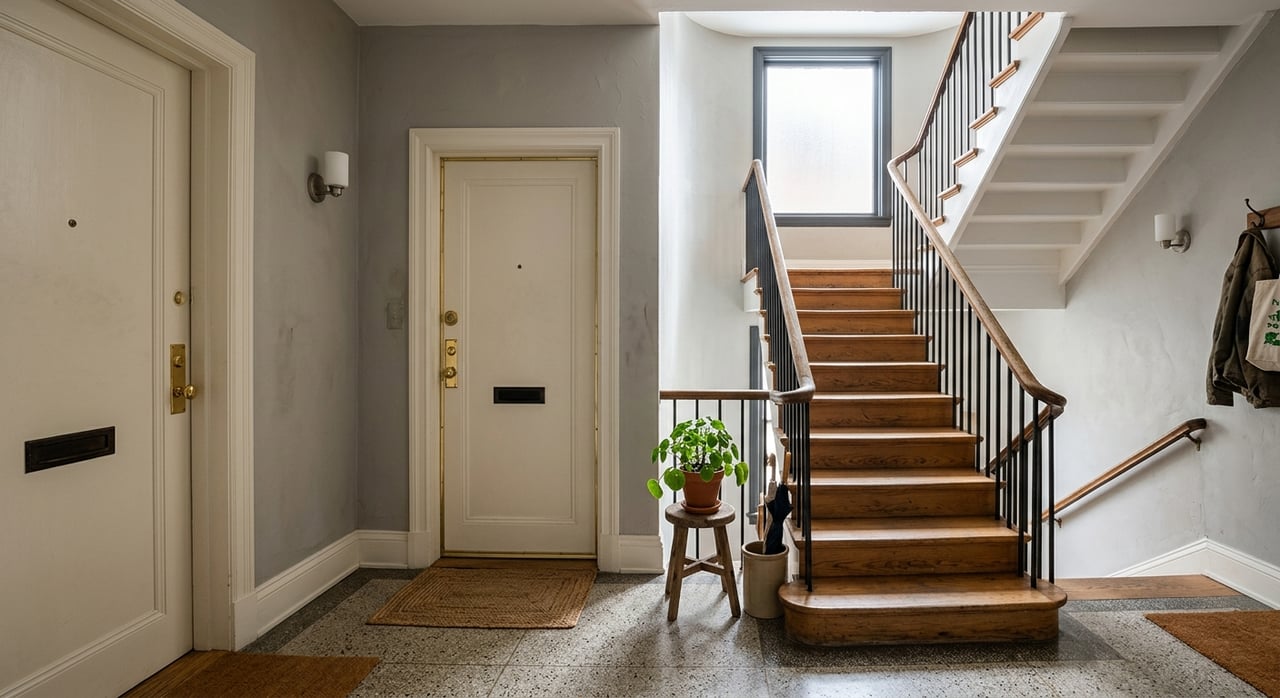
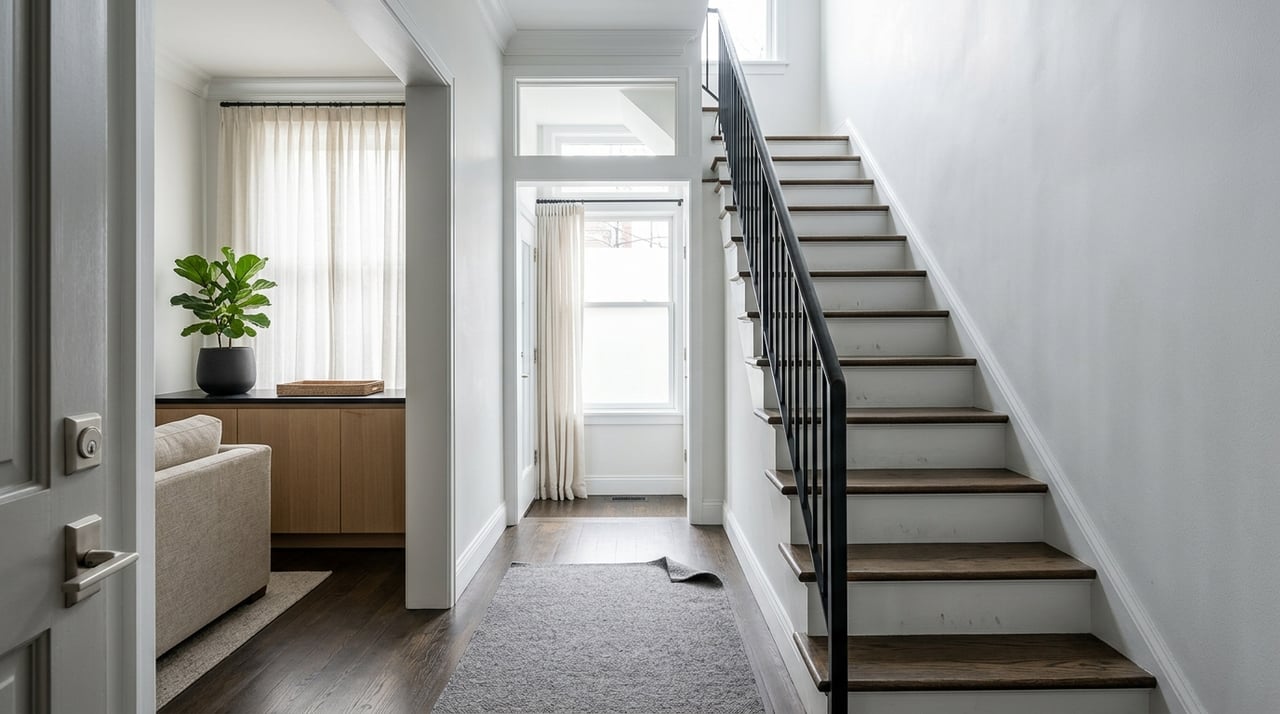
Expect vertical living and sometimes steep or narrow stairs. Elevators may be added in some conversions but not all. If accessibility is a priority, confirm elevator access or a layout that fits your needs.
Parking and outdoor space
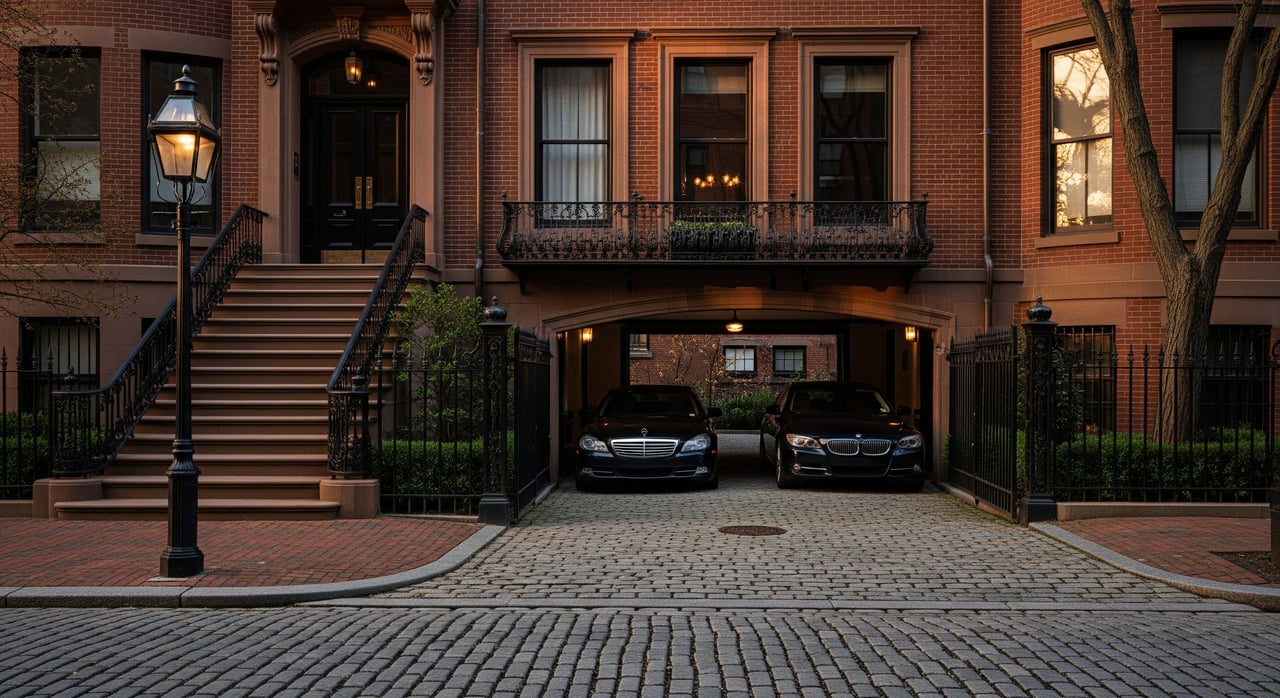
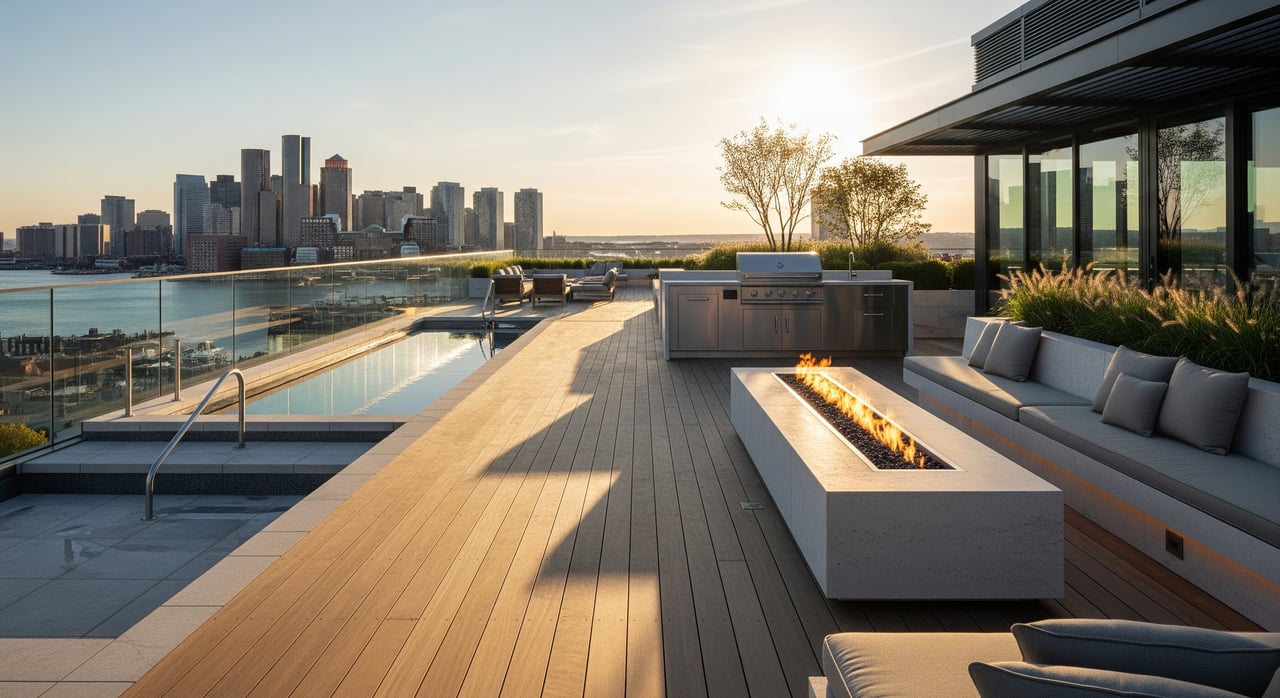
On-site parking is limited. Some buildings have small garages or rear parking, but many rely on street permits or nearby garage options. Outdoor space is usually modest and may include a rear yard at the garden level, a small balcony, or a roof deck if allowed.
Systems and utilities
Older systems are common. You may see hot water or steam radiators, older electrical in some buildings, and varied plumbing conditions. Many condos have updated systems, but expect mixed modernization across units.
Inspection and due diligence priorities
Do thorough checks before you commit. Focus on:
- Structural and foundation: Look for settlement, masonry cracking, and signs of movement, especially given reclaimed land.
- Moisture and sewer: Evaluate sump pumps, drains, and evidence of past flooding. Ask about sewer lateral condition and backflow prevention. Confirm flood exposure and insurance implications.
- Roof and cornice: Inspect coverings, flashing, chimneys, and cornice integrity.
- Facade and masonry: For sandstone, check for spalling and patching. For brick, assess mortar joints and tuckpointing needs. Confirm who pays for what in condo buildings.
- Windows and insulation: Historic single-pane windows are common. Storm windows and preservation guidelines can affect efficiency upgrades.
- Mechanical systems: Confirm heating type, hot water, electrical capacity, and whether AC is present. Identify any shared systems in multi-unit buildings.
- Potential hazards: Pre-1978 lead paint, possible asbestos in older insulation or boilers, and remnants like underground oil tanks.
- Condo documents: Review the master deed, bylaws, financials, reserve study, meeting minutes, assessments, and insurance certificate.
- Title and easements: Look for preservation covenants, party-wall agreements, air rights, and any restrictions.
Ongoing maintenance and cost drivers
- Masonry and stone care: Periodic repointing and stone repair. Landmark district standards may require historically appropriate materials and methods.
- Roofs and flashing: Slate and complex roof details call for specialist trades and scheduled replacement cycles.
- Paint and woodwork: Trim and cornices need routine painting and repair.
- Systems replacement: Boilers, hot water heaters, electrical upgrades, and AC installations are common modernization items.
- Waterproofing and drainage: Cellar waterproofing, perimeter drains, and sump pumps can be essential in this neighborhood.
- Condo association planning: HOA fees typically cover shared exterior and common systems. Request the reserve study and history of special assessments.
Flood, climate, and insurance basics
Even if a property is not in a mapped FEMA flood zone, stormwater events and sewer backups can occur. Consider sewer backup coverage in addition to standard policies. In a historic district, repair methods may need to follow preservation standards, which can influence timelines and cost.
Market and resale in Back Bay
What drives demand
Curb appeal matters. Brownstones are highly recognizable and often marketed for their character, which can lead to premium pricing, especially for intact single-family homes with period detail. Individual condos also draw strong interest, with appeal shaped by unit type and condition.
Pricing and liquidity
Inventory is typically tight relative to demand for historic homes in central Boston. Prices vary widely based on whether the home is a single-family townhouse or a condo, condition, outdoor space, and parking. Well-presented units with updated systems and desirable layouts often move faster.
Features that broaden resale appeal
- Open, well-lit kitchens and refreshed baths
- Updated mechanicals and efficient cooling
- Elevators where feasible, plus off-street parking or quality outdoor space
Constraints to plan for
Exterior preservation requirements may limit future modifications like certain window replacements, roof decks, or solar panels. Lack of elevator access can narrow your buyer pool over time.
Negotiation levers that work
Use inspection findings on masonry, roof, or systems to seek price adjustments or credits. For condos, scrutinize the reserve fund and any upcoming facade or roof projects. Compare not only by square footage, but by unit configuration, outdoor space, and parking.
Quick buyer checklist
- Confirm historic district status and any preservation restrictions.
- Request records of recent exterior work, permits, and contractor details.
- Order a full inspection that includes structural, masonry/stone, roof, plumbing, electrical, HVAC, pest, and basement moisture and sewer checks.
- Review flood exposure, past water claims, and insurance coverage options.
- Verify parking and rights to patios, yards, or roof decks.
- For condos, review the master deed, bylaws, reserve study, minutes, assessments, and insurance certificate.
- Run a title search and check for easements and party-wall agreements.
Which one is right for you?
If you love sandstone detail and classic stoop-front style, a true brownstone may be the look you want. If you prefer the relative durability and maintenance patterns of brick, a rowhouse can deliver similar layouts and charm. What usually matters most is not the label, but ownership type, layout, and condition.
Single-family townhouses offer privacy and control, with higher purchase prices and full maintenance responsibility. Condo units provide shared costs and often easier entry pricing, but you will want to evaluate association health and upcoming projects. Choose the layout that fits your life now and the features that support long-term resale.
Ready to compare options block by block and make a smart move in Back Bay? Let’s plan your search, line up trusted inspectors and specialists, and review the right documents before you bid. Book a personalized market consultation with Morgan Franklin.
FAQs
What is the difference between a Back Bay brownstone and a rowhouse?
- In Back Bay, a brownstone typically has a sandstone-faced facade and ornate detailing, while a rowhouse is usually brick in a continuous row. Many features overlap, so verify materials during inspection.
Are brownstones more expensive to maintain than brick rowhouses in Boston?
- Maintenance varies. Brownstone needs specialized stone conservation, while brick requires periodic tuckpointing and lintel care. Actual costs depend on existing condition and repair cycles.
How do historic district rules affect renovations in Back Bay?
- Exterior changes like window replacements, facade work, stoops, and cornices often require review and approval. Plan timelines and budgets accordingly and use historically appropriate methods.
Can I add central AC or an elevator to a Back Bay townhouse or condo?
- Often possible, but space, structure, and historic review can limit options. Engage qualified contractors early and confirm permit requirements before making plans.
What should I focus on during inspections for a Back Bay townhouse or condo?
- Foundations and moisture, sewer backups, roof and cornice condition, facade and masonry, windows and insulation, mechanical systems, and potential hazards like lead paint or asbestos.
How do HOA fees and assessments factor into condo conversions in Back Bay?
- Fees typically cover shared exterior and common systems. Review the reserve study, financials, meeting minutes, and any pending facade or roof assessments before you commit.