Trying to choose between Beacon Hill and the South End can feel like comparing two great options for very different reasons. You want walkability, character, and access to Boston’s best green space and dining, but you also care about daily rhythm, housing types, and long-term value. In this guide, you’ll get a clear, side-by-side look at architecture, streetscapes, restaurants, parks, transit, price context, and what day-to-day life actually feels like. By the end, you’ll know which neighborhood fits your lifestyle best. Let’s dive in.
Quick snapshot: South End vs Beacon Hill
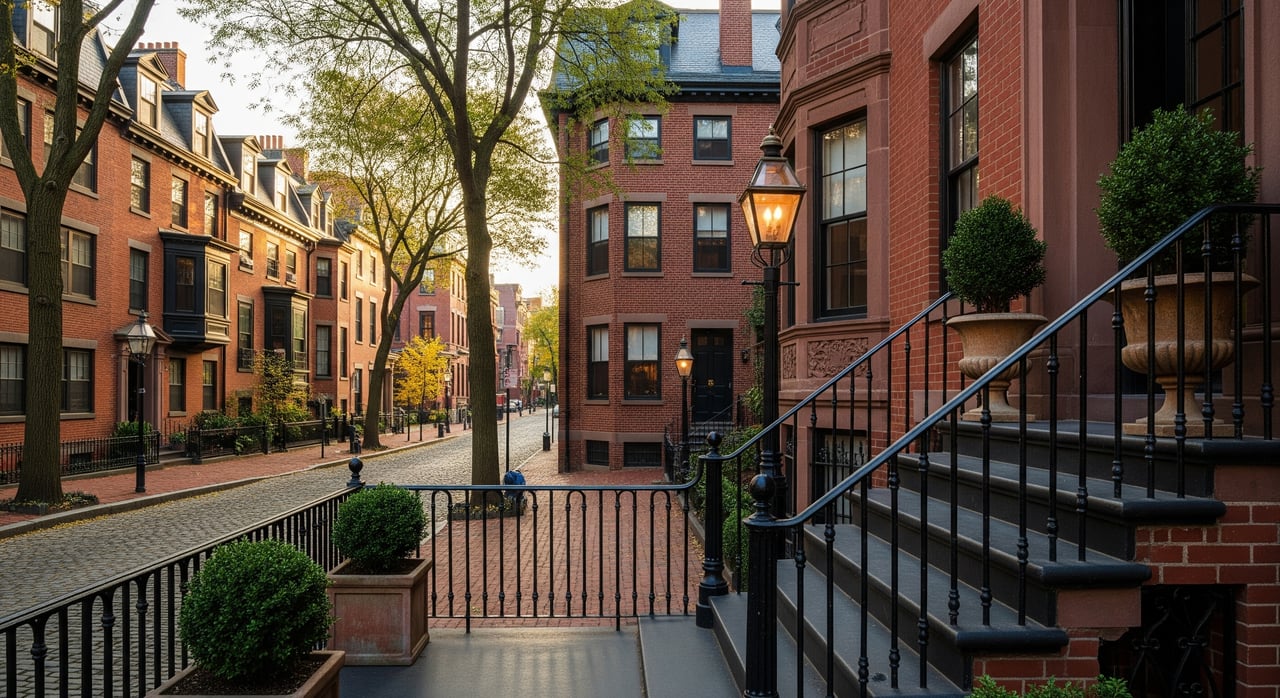
- Beacon Hill at a glance: compact, intensely historic streets, gas-lit style lamps, and immediate access to Boston Common and the Public Garden. Daily life feels intimate and pedestrian-oriented.
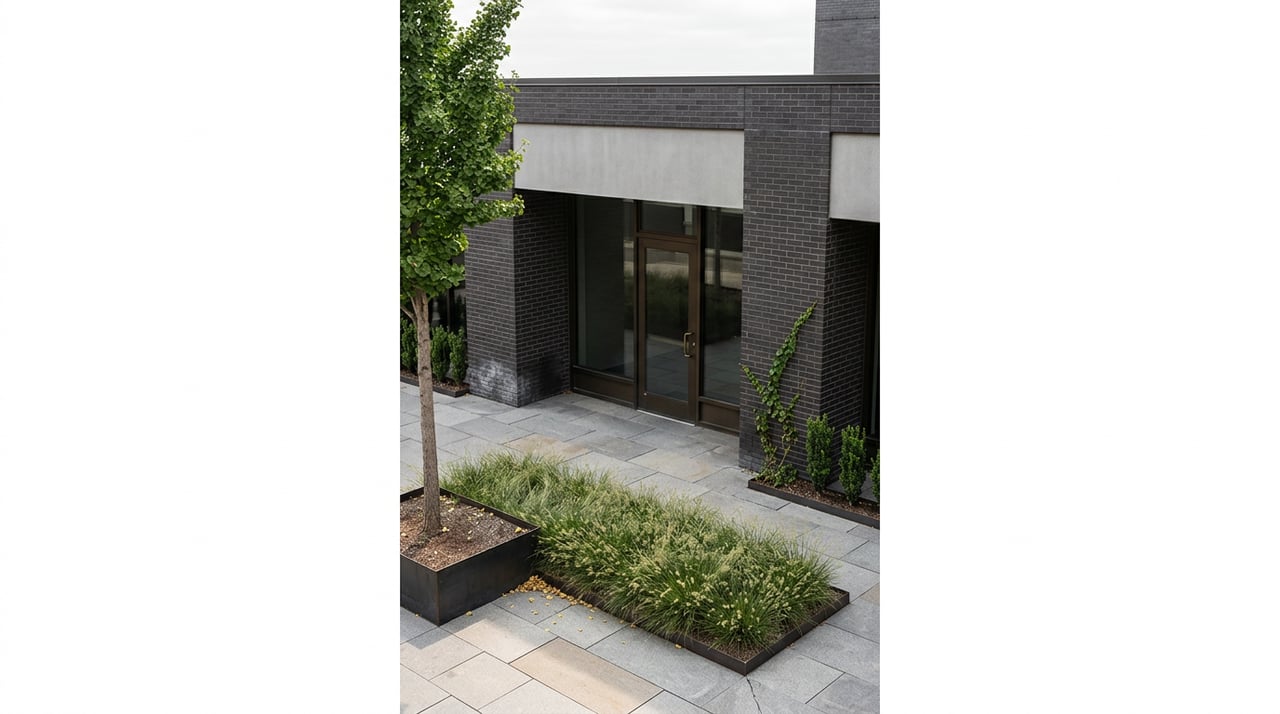
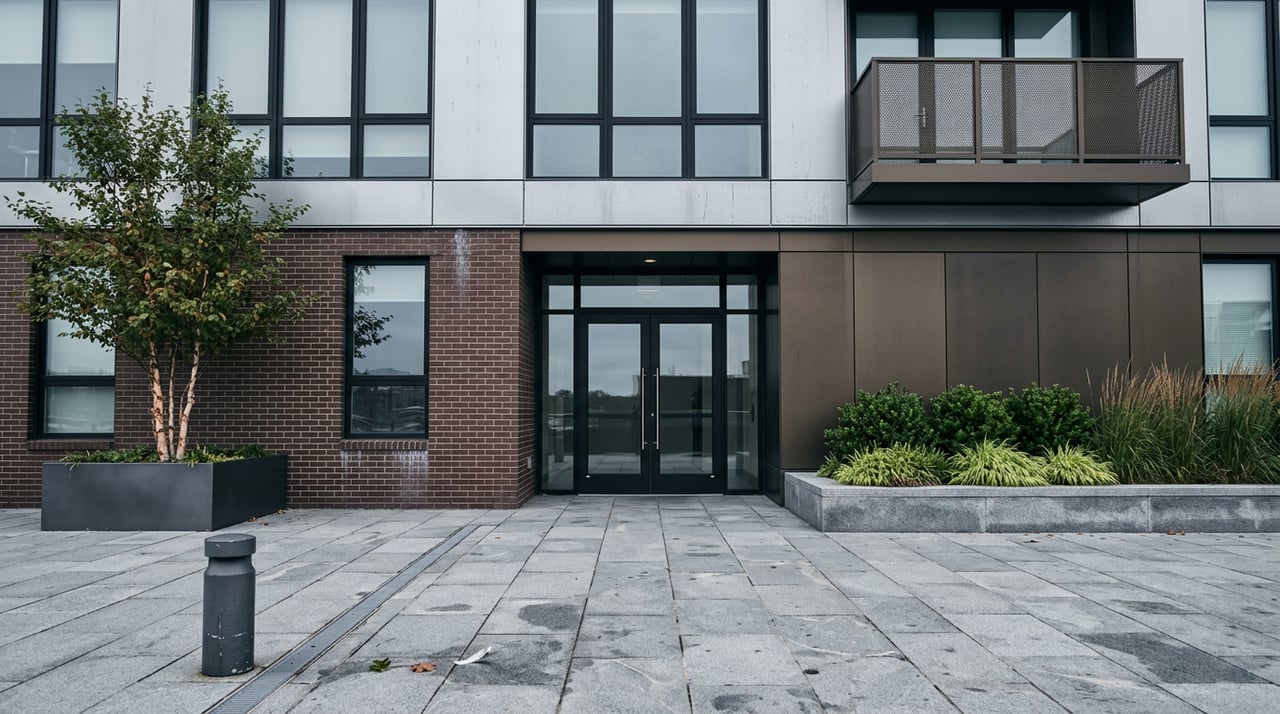
- South End at a glance: larger neighborhood footprint with Victorian brownstones, loft conversions, and contemporary condos. A lively dining and arts scene clusters around SoWa and key corridors.
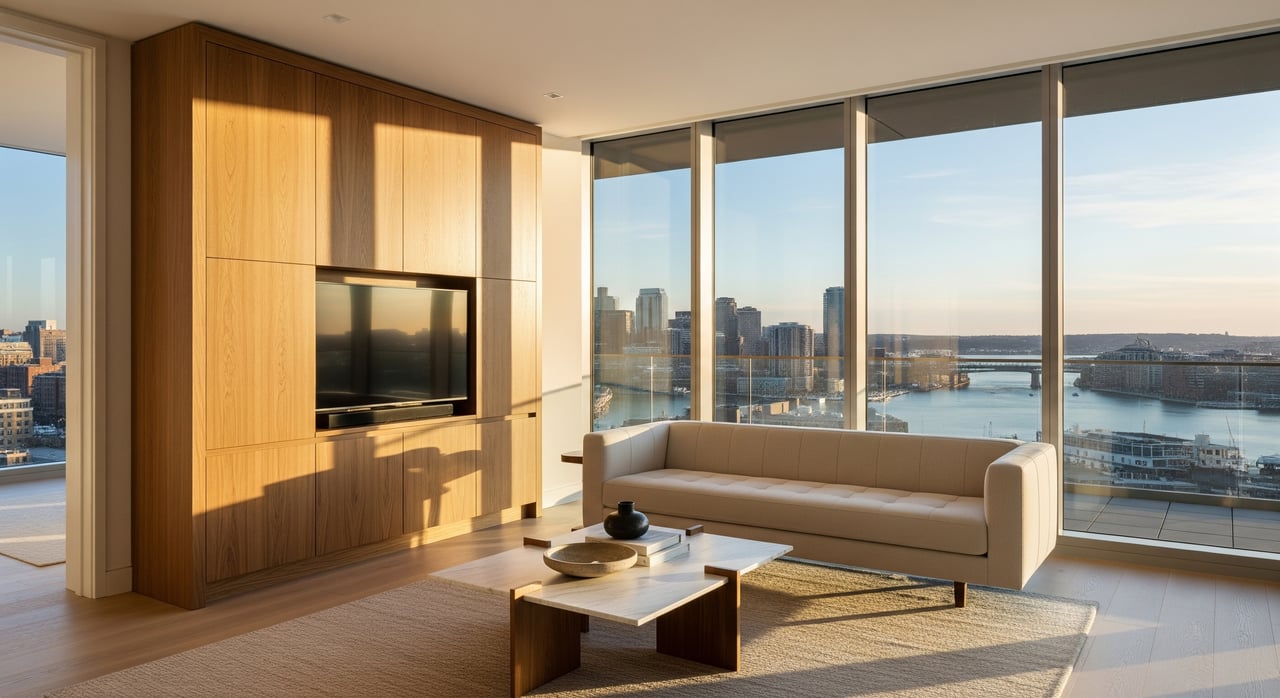
- Housing mix: Beacon Hill leans historic rowhouses and smaller condos. South End offers brownstones, lofts, and newer buildings with a wider range of floor plans.
- Market context: both are premium neighborhoods. Beacon Hill often commands higher prices per square foot for rare single-family townhouses. South End offers broader inventory, including newer condos and multi-unit options.
Housing and architecture
Beacon Hill homes
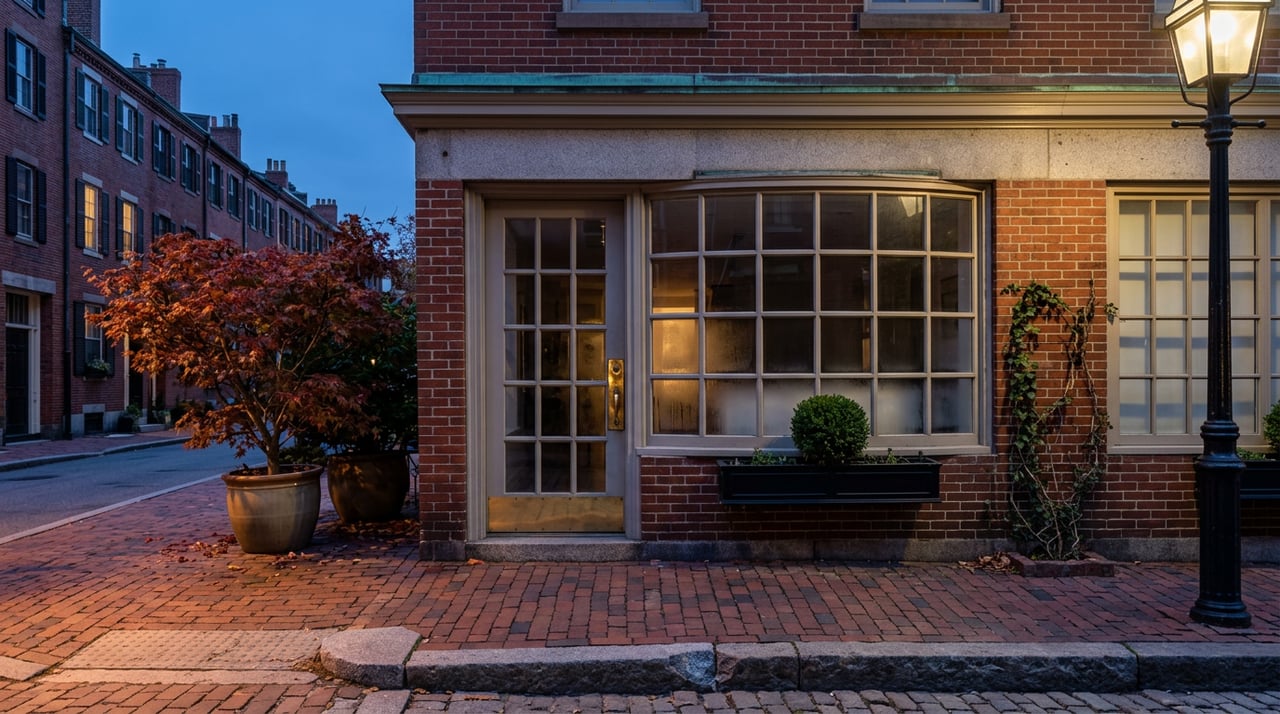
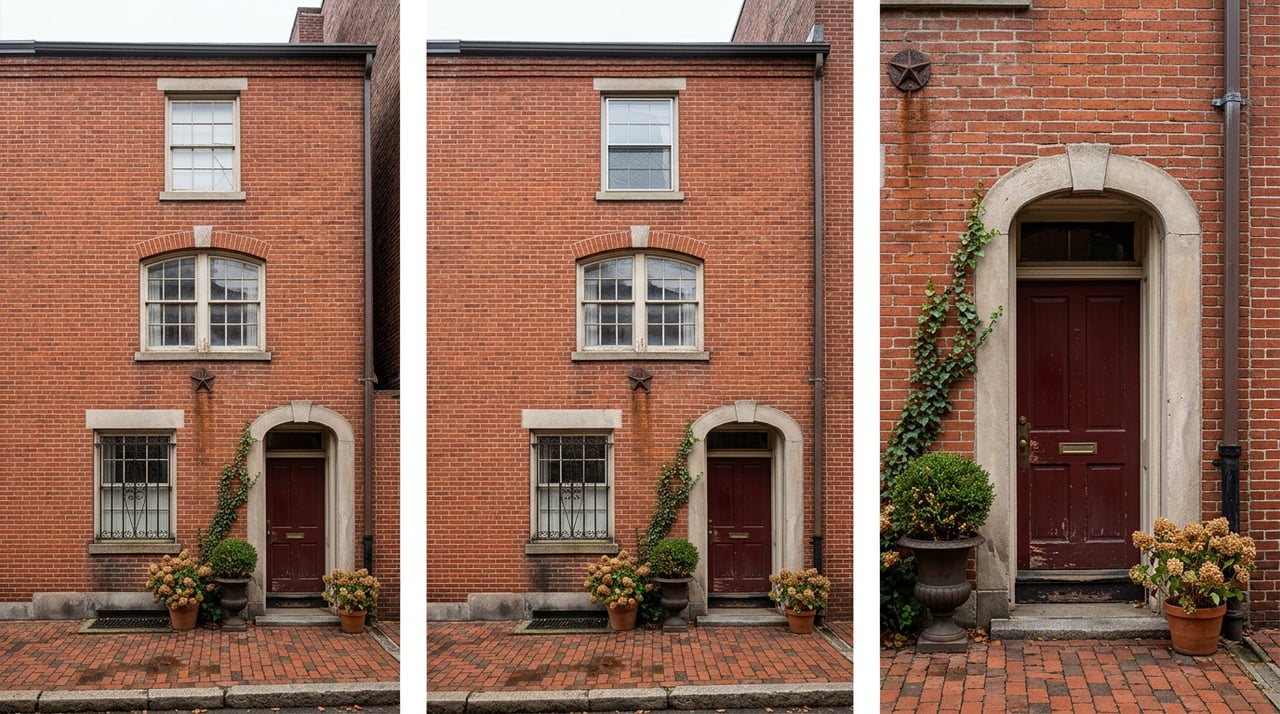
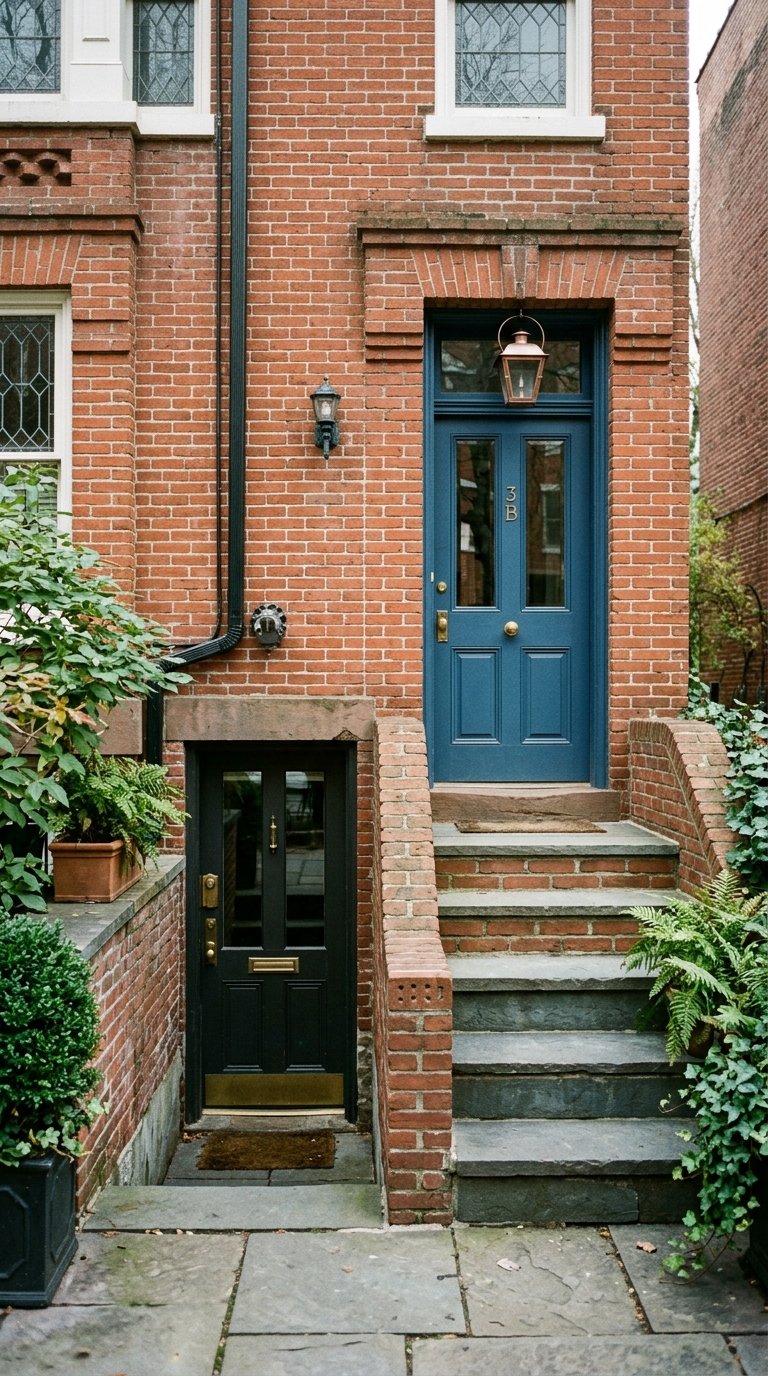
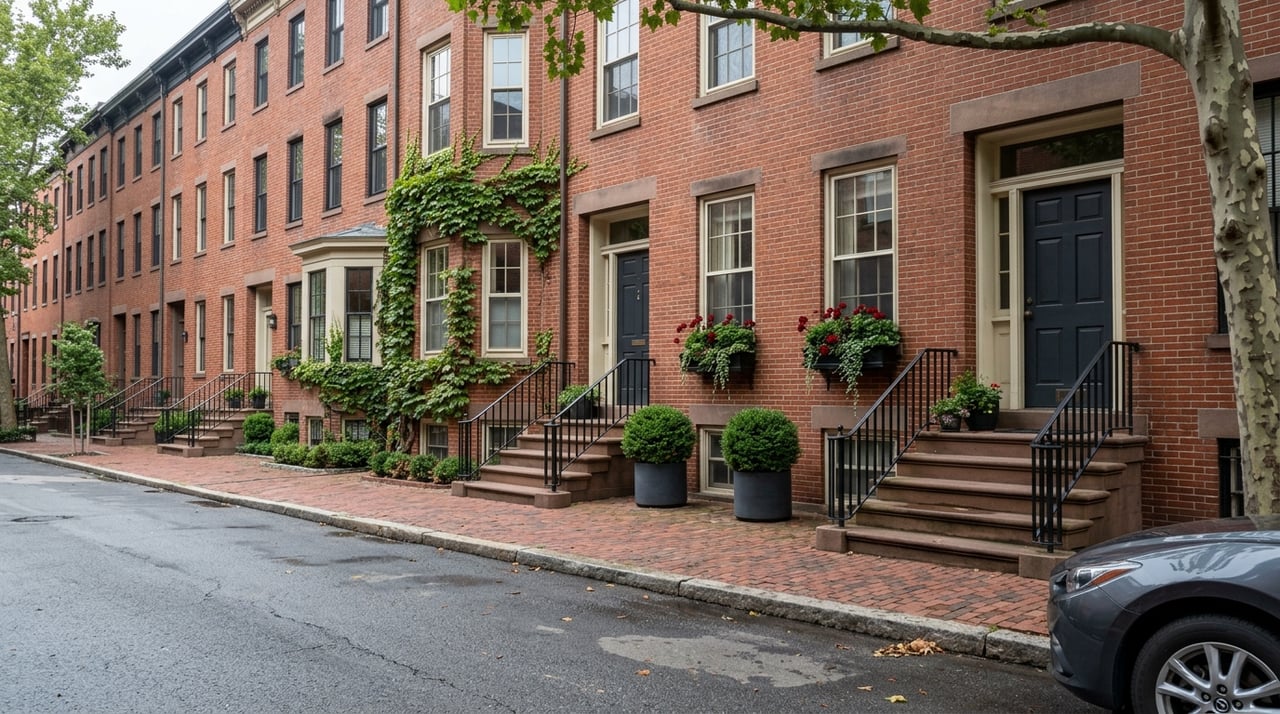
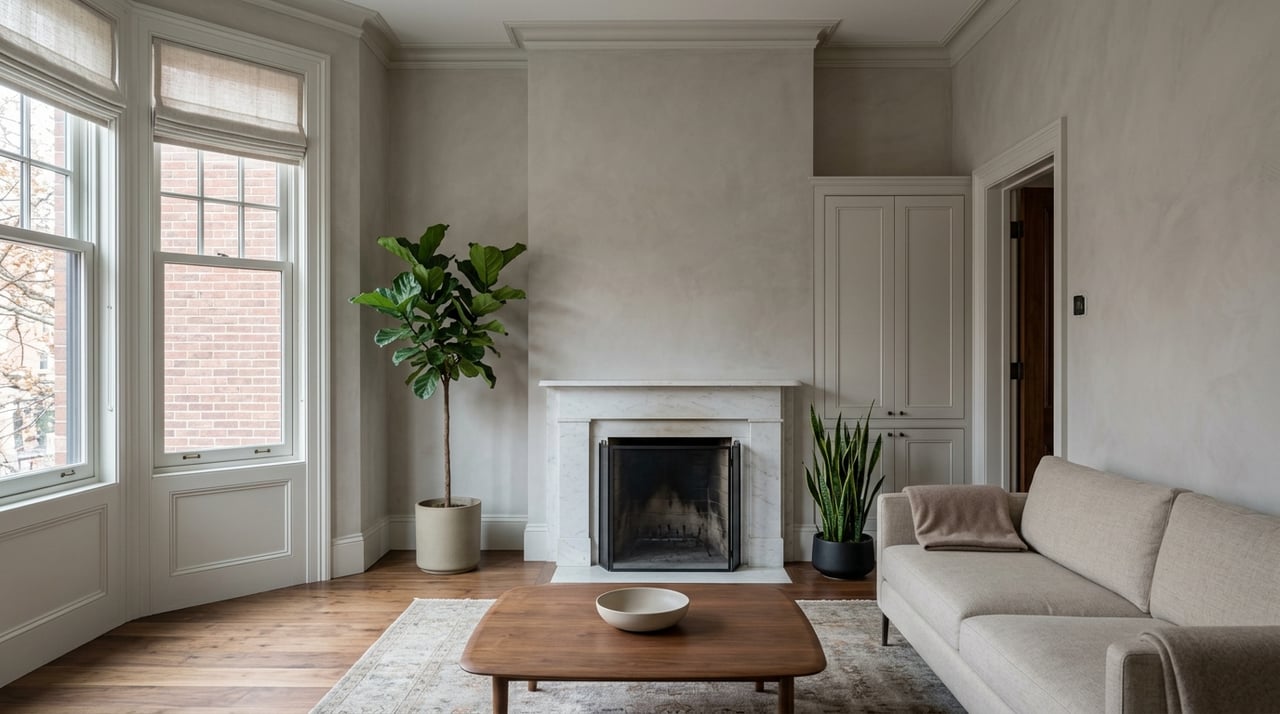
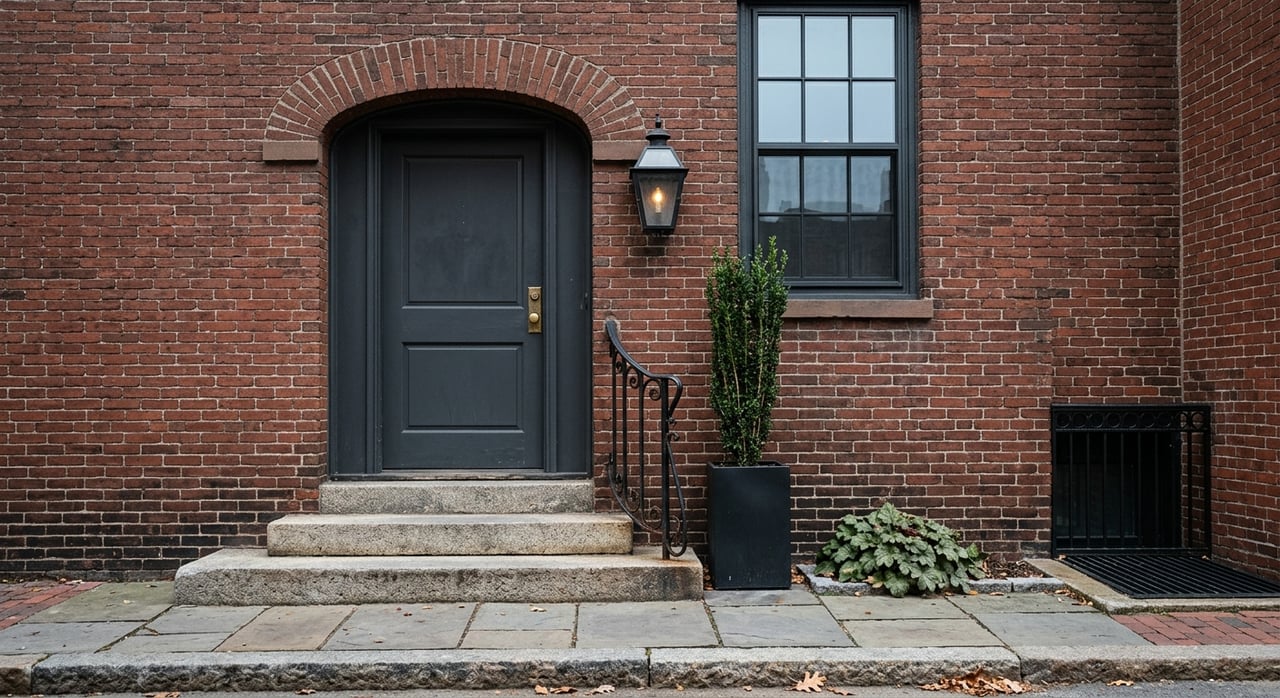
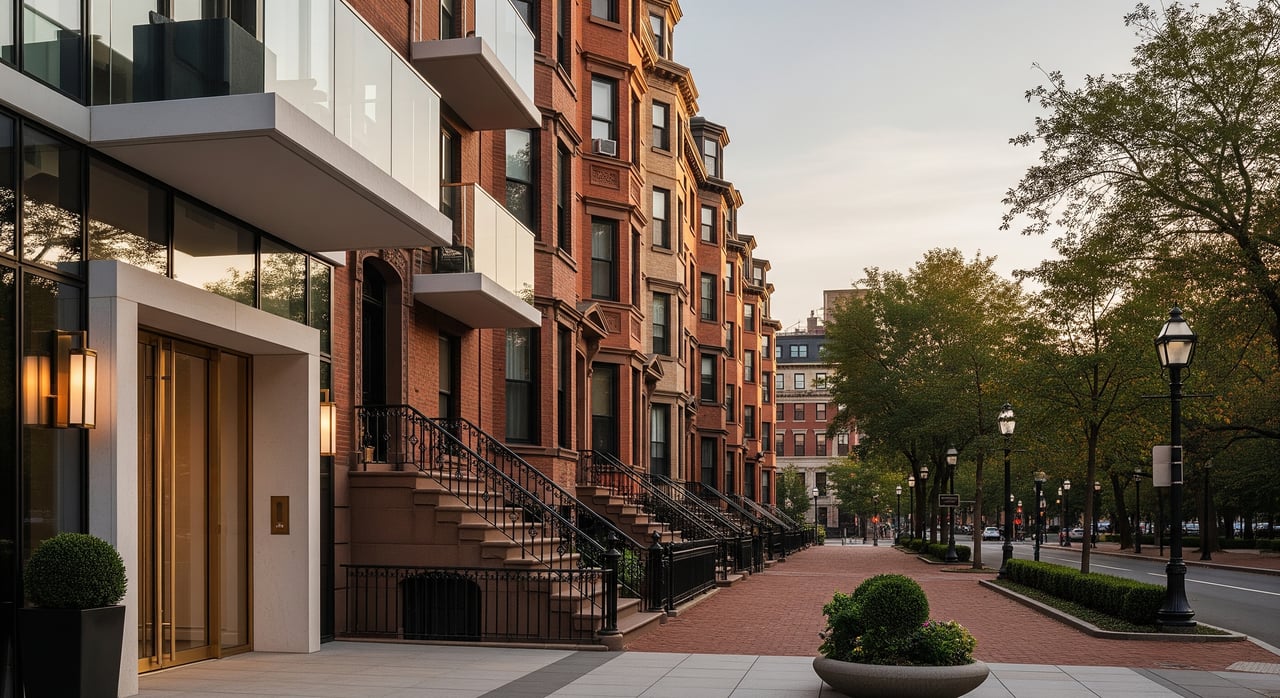
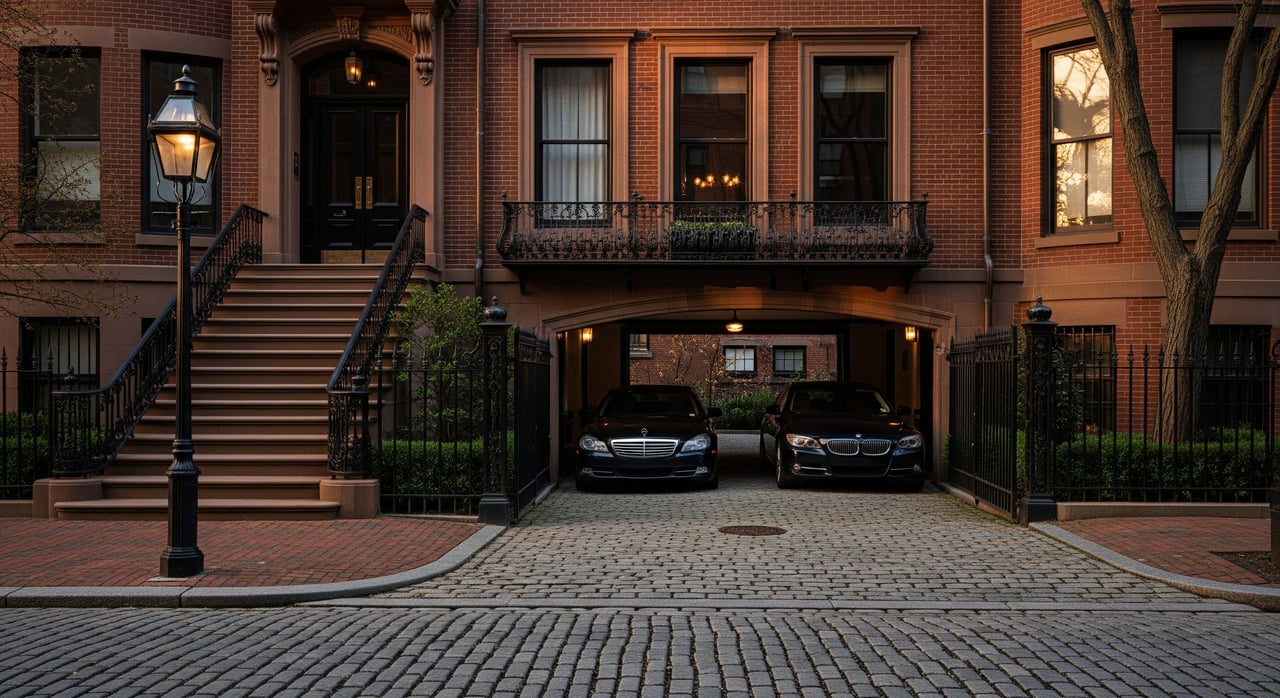
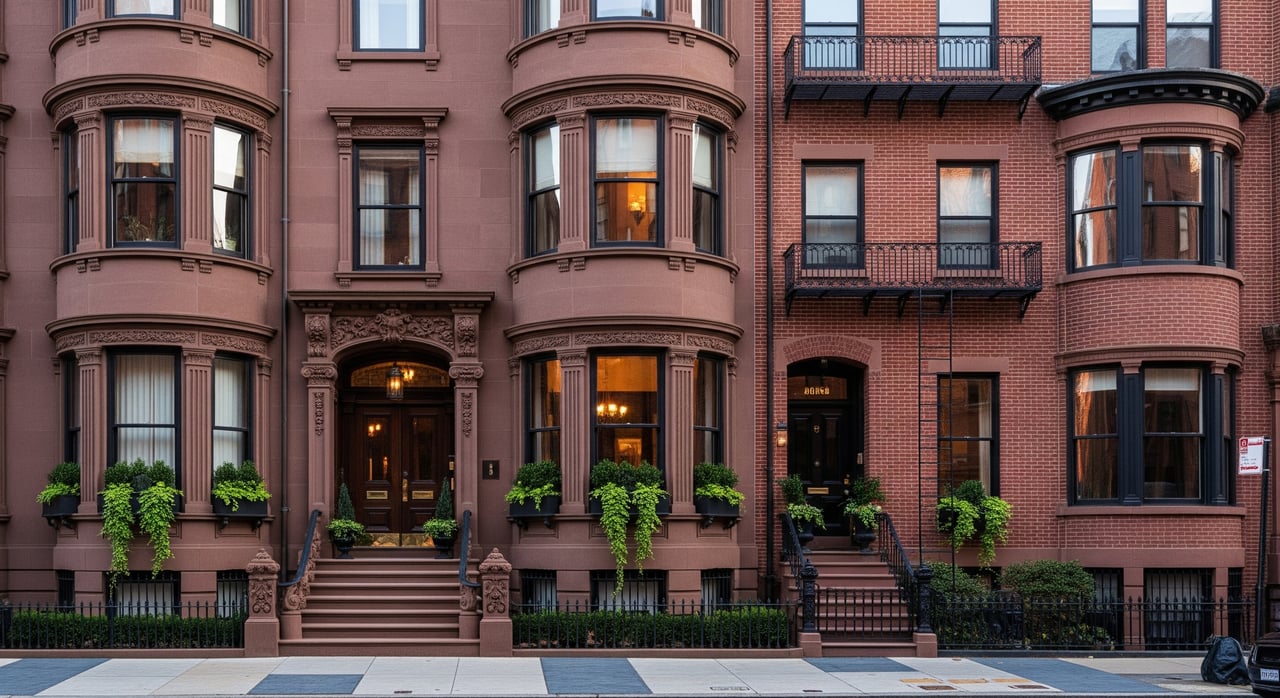
Beacon Hill is known for Federal and Greek Revival brick rowhouses with narrow facades, bay windows, and wrought-iron details. Many homes are subdivided into studios, one-bedrooms, and two-bedrooms, while full townhouses remain rare and sought after. Interiors often feature original fireplaces and period details, with smaller kitchens and baths unless recently renovated. Exterior alterations in the Beacon Hill Historic District are tightly regulated, so plan ahead for any window or façade changes.
South End homes
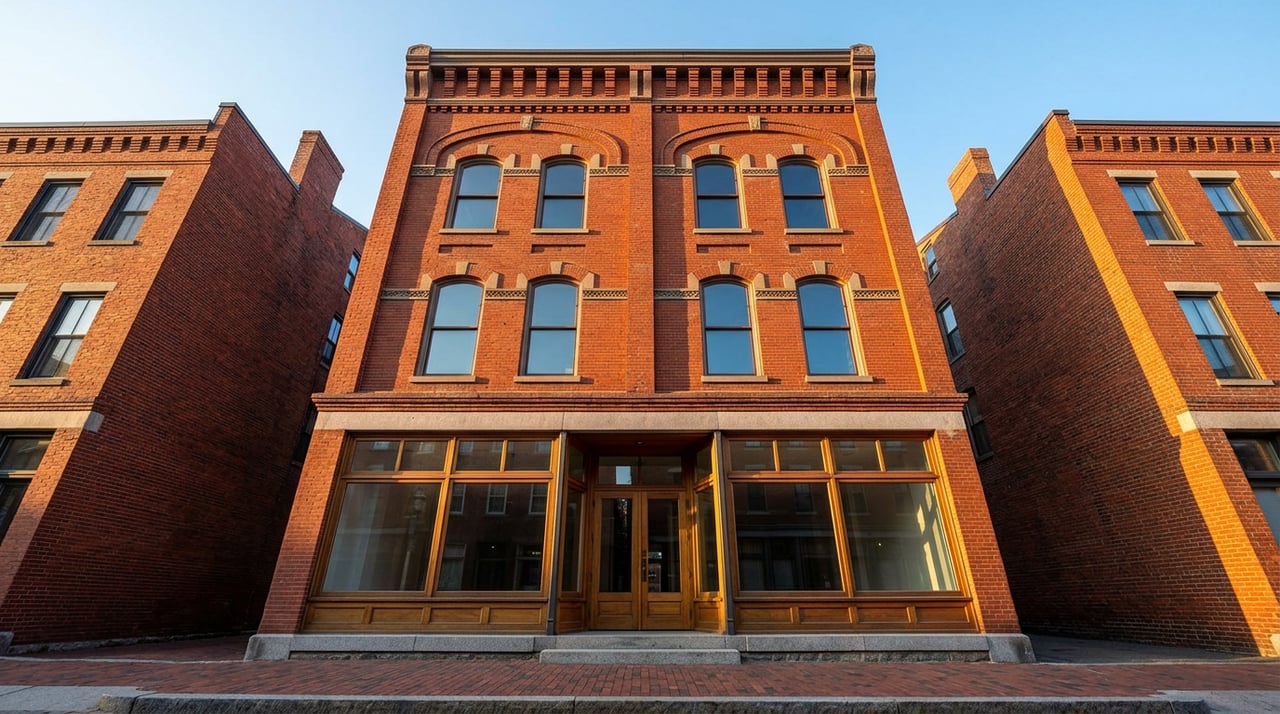
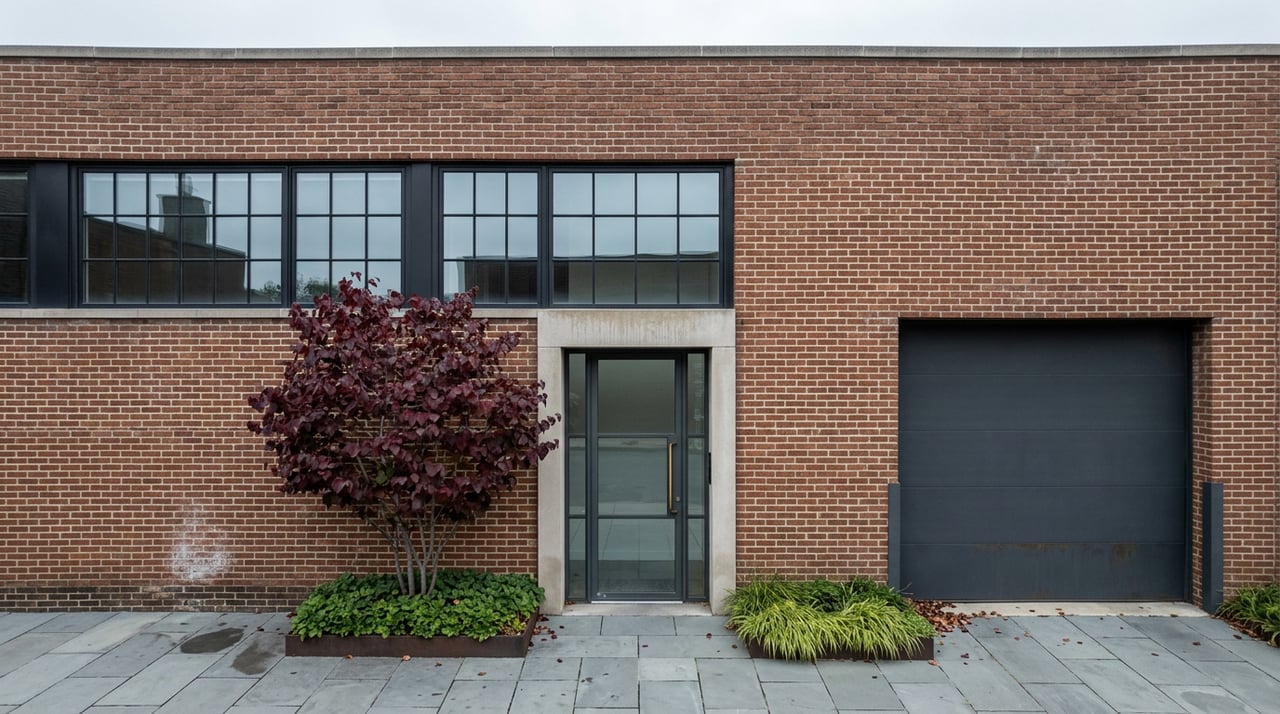
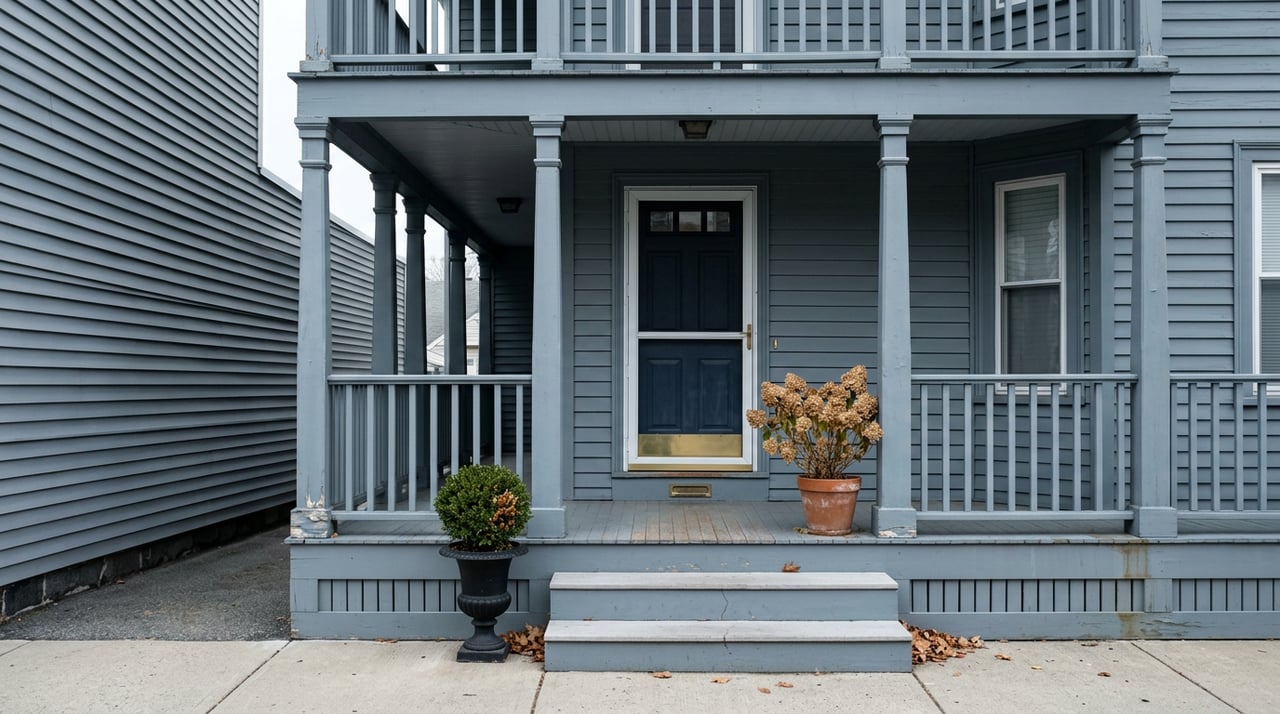
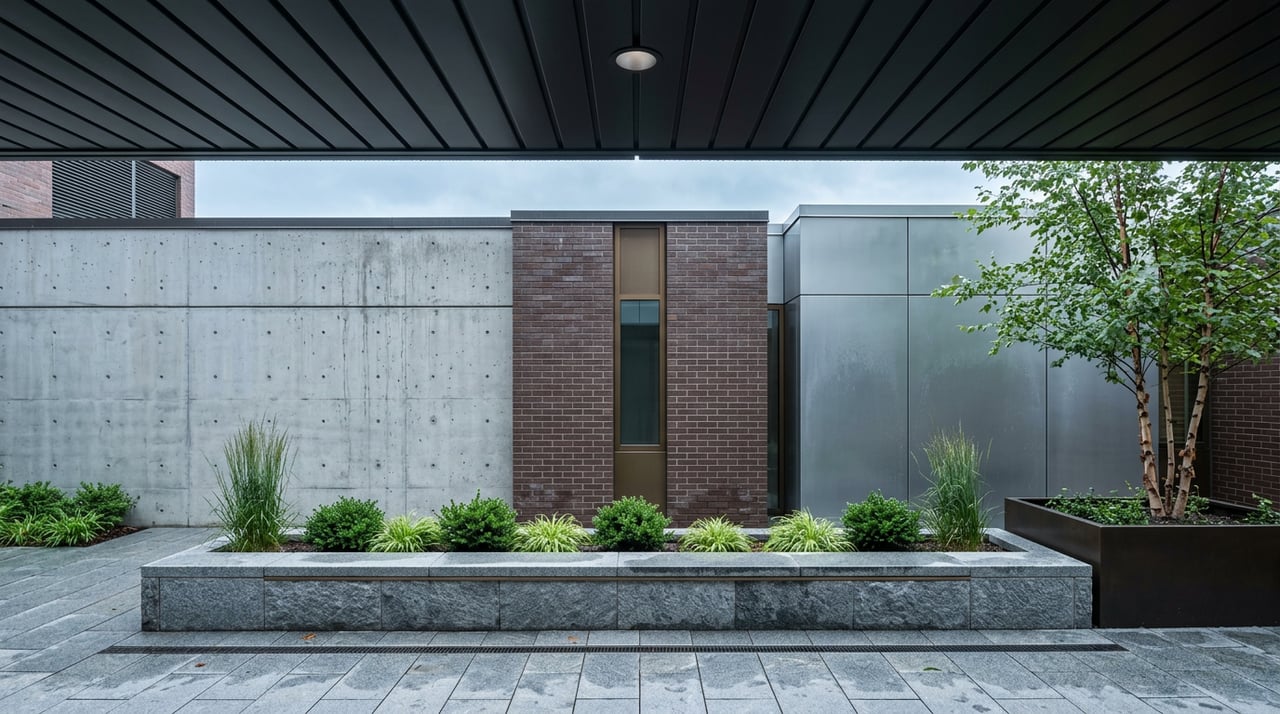
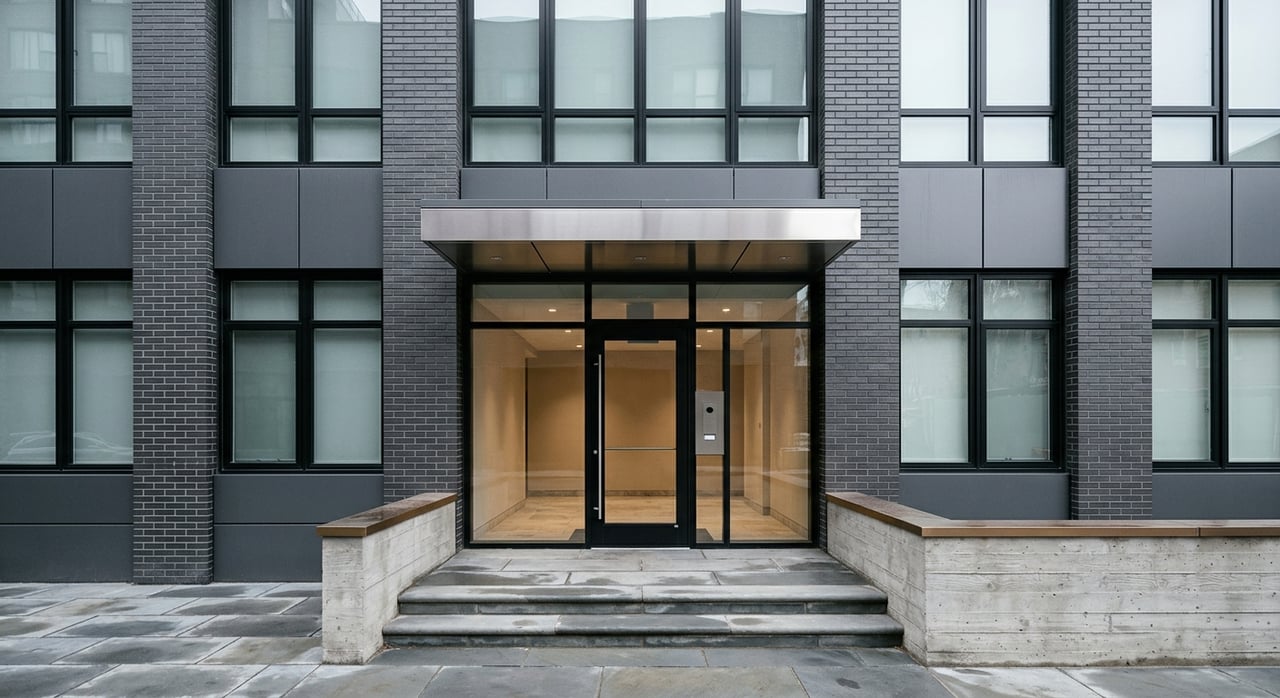
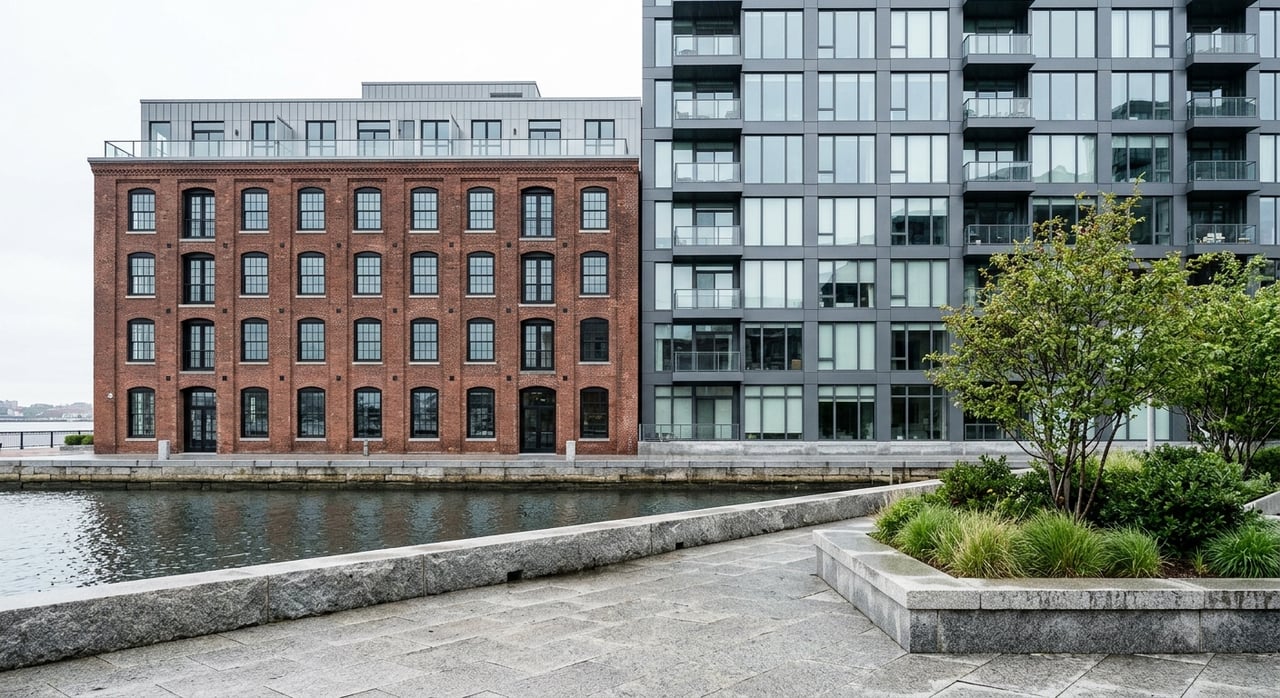
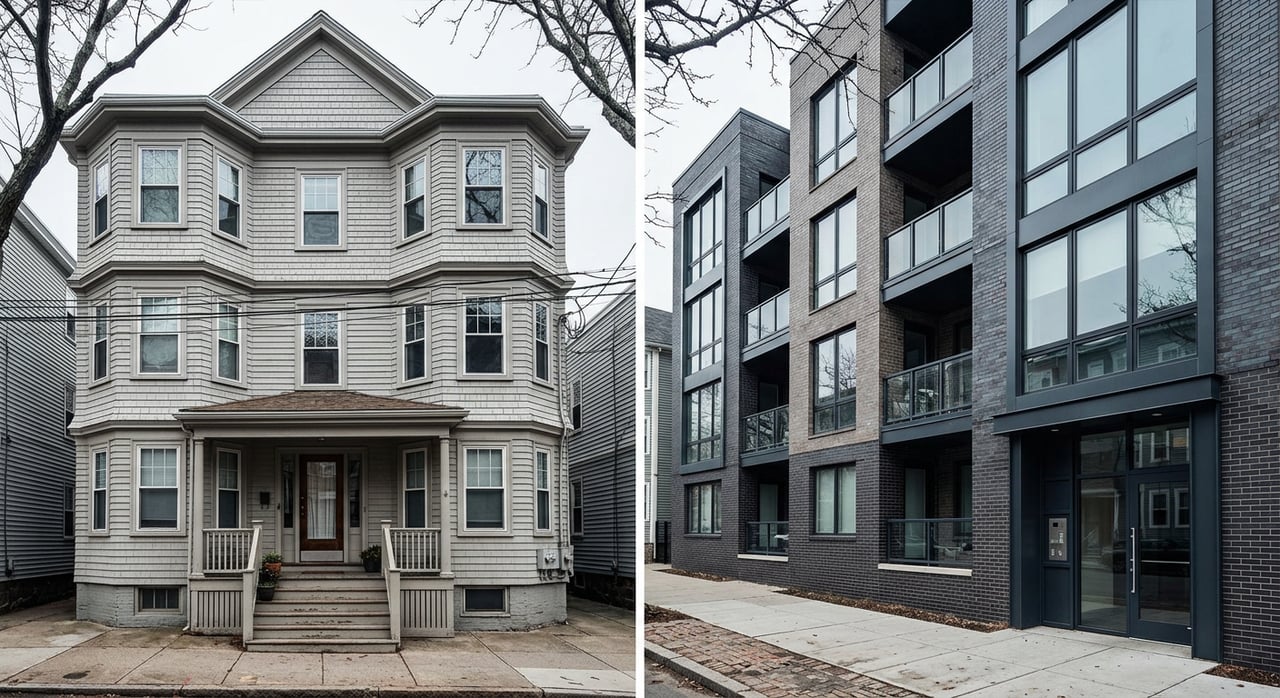
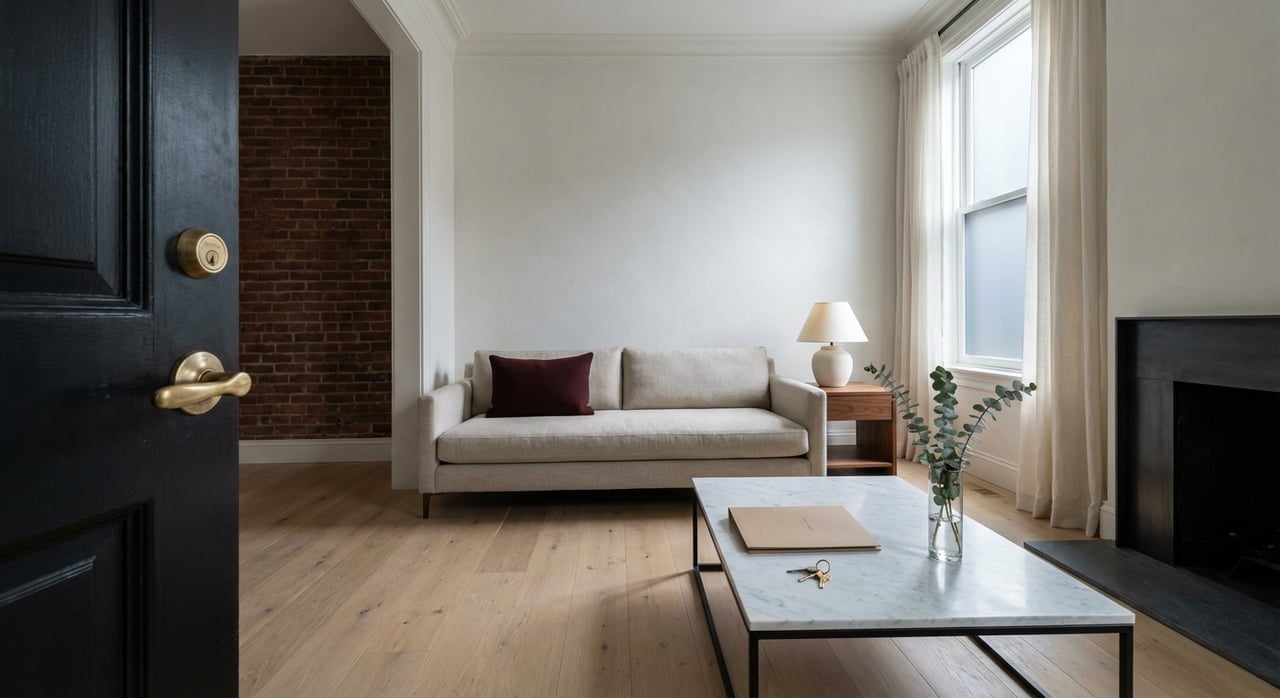
The South End showcases Victorian Italianate brownstones, triple-deckers, warehouse loft conversions, courtyard buildings, and contemporary infill condominiums. You’ll see one- to three-bedroom brownstone condos, full brownstone townhouses, and lofts along Harrison Avenue and Albany Street, plus newer condo developments. Interiors often come with higher ceilings, larger floor plates, exposed brick or timber, and modern kitchens and baths. The South End Landmark District also reviews façade work, though the neighborhood’s building types are more varied than Beacon Hill’s.
Streetscape and daily rhythm
Beacon Hill day-to-day
Beacon Hill’s narrow, mostly one-way streets create an intimate, quiet feel with brick or granite underfoot and historic lampposts overhead. Charles Street is the commercial spine for cafes, small restaurants, boutiques, and everyday services. You can walk to downtown in minutes and step directly into the Public Garden or Boston Common for a break in the day. Tourist foot traffic near the Common and Charles Street can pick up during peak seasons, but the interior blocks often feel calm.
South End day-to-day
The South End sits on a broader grid with a mix of residential-only streets and active ground-floor storefronts. You’ll find tree-lined brownstone rows alongside former industrial buildings repurposed for galleries and restaurants. Activity levels are higher, especially near key dining corridors and SoWa. Evenings and weekends can be energetic thanks to restaurants, markets, and events.
Dining, arts, and weekend energy
Beacon Hill flavor
Charles Street is your go-to for neighborhood-serving cafes, bistros, specialty shops, and a few full-service restaurants. If you want more variety, downtown and Back Bay options are a short walk away. Cultural life skews toward historic tours, boutique browsing, and seasonal civic events.
South End flavor
The South End is one of Boston’s most restaurant-dense neighborhoods, with chef-driven spots and popular bakeries across Harrison Avenue, Albany Street, and Columbus Avenue. The SoWa area hosts seasonal open markets, galleries, artist studios, and First Fridays that draw locals and visitors. Weekends often revolve around brunch, gallery hopping, and evening reservations at destination restaurants.
Parks, transit, and practical living
Green space access
Beacon Hill sits beside two of Boston’s signature parks: Boston Common and the Public Garden. You also have easy access to the Charles River Esplanade for longer walks or bike rides. The South End offers smaller neighborhood parks like Blackstone Square and Franklin Square, plus the nearby Southwest Corridor Park for walking and biking. While the South End has many green pockets, there is no single large formal park inside the neighborhood like the Common.
Getting around
Both neighborhoods are highly walkable and transit-friendly. From Beacon Hill, you can walk to multiple train lines and downtown employment centers. In the South End, you’re close to Back Bay Station for the Orange Line and commuter rail, with South Station reachable by a short trip. Local bus routes and the Southwest Corridor provide reliable options if you prefer not to drive.
Parking, noise, and nightlife
Street parking is tight in both neighborhoods, and resident permits are common. Some newer South End buildings and select condos offer deeded or garage parking, but availability is very property-specific. Beacon Hill’s interior streets feel quieter and more residential, while South End corridors can be livelier at night due to restaurants and markets.
Price context and what drives value
Both neighborhoods carry premium pricing and limited inventory. Beacon Hill often shows a higher price per square foot for well-located historic townhouses, especially rare single-family homes. The South End’s broader inventory includes newly built condos, larger multi-unit properties, and lofts, giving you more options across price points. Always verify current numbers with recent sales and market reports before you make an offer.
Beacon Hill: illustrative ranges
- Studios and 1-bed condos: mid $400,000s to high $700,000s depending on size, condition, and location.
- 2-bed condos: roughly $700,000 to $1.5 million or more.
- Full townhouses: often $1.5 million to several million, with premium pricing for larger and fully renovated homes.
South End: illustrative ranges
- Studios and 1-bed condos: high $400,000s into the low $900,000s.
- 2 to 3-bed units: about $800,000 to $2 million or more, depending on layout and finishes.
- Townhouses and larger brownstones: typically $1.5 million to several million, with higher prices for unique and fully restored properties.
What affects pricing and carrying costs
- Condition and updates: original vs fully renovated, especially kitchens, baths, and systems.
- Floor level and light: higher floors and better exposure can command more.
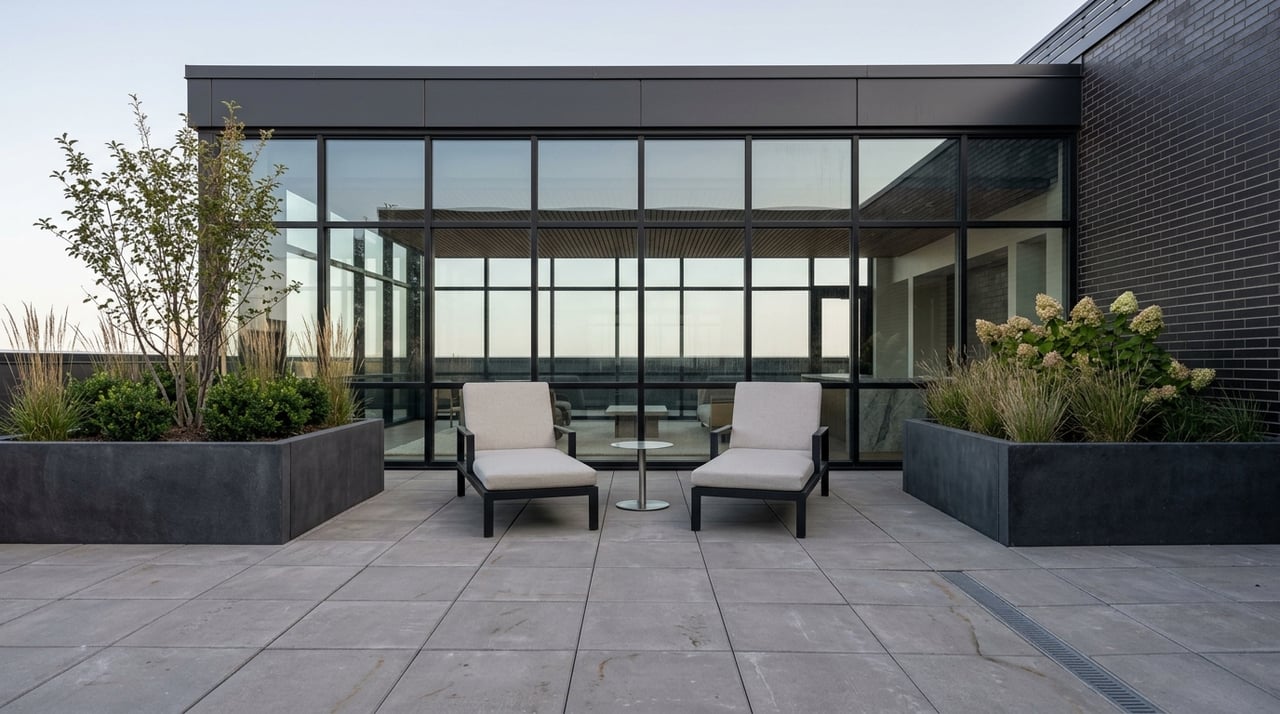
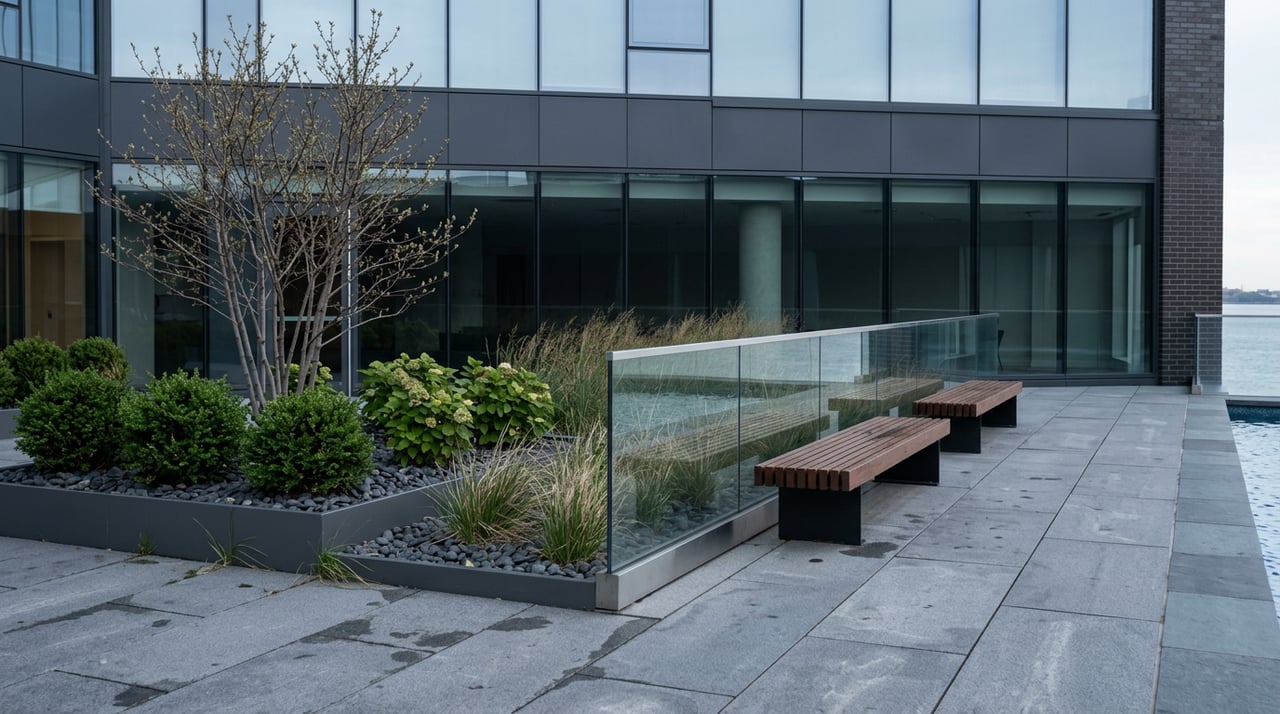
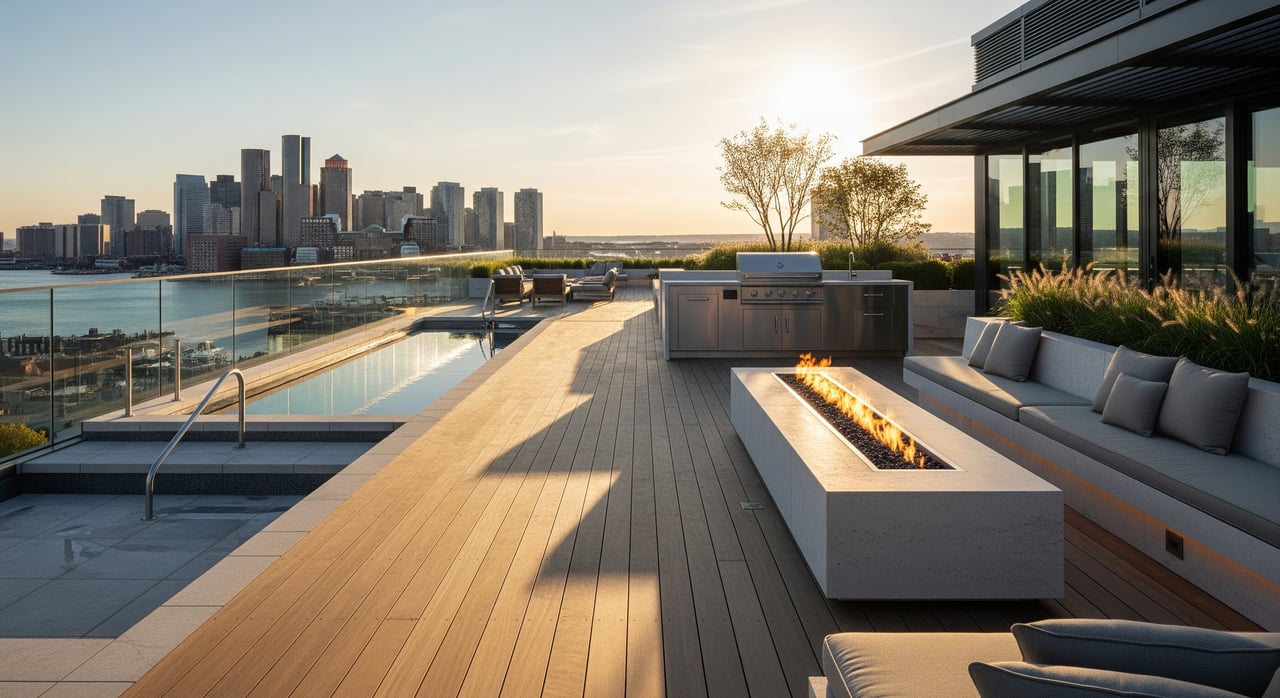
- Outdoor space: patios, gardens, or roof decks are prized in both neighborhoods.
- Parking: deeded or garage parking is a major value driver.
- Historic factors: exterior work in Landmark Districts may add time and cost to renovations.
- Monthly fees: HOA or association fees vary by building and amenities.
Sample weekends to picture yourself
Beacon Hill: historic stroll and café life
Start Saturday with coffee on Charles Street, then wander through the Public Garden and Boston Common. Window shop along the Hill’s boutiques and specialty food shops, and settle into an early dinner at a neighborhood bistro. On Sunday, pick up pastries at a local bakery, then take a longer walk along the Charles River Esplanade or ride transit to a museum nearby. Evenings stay quiet, and most errands are handled on foot.
South End: brunch, galleries, and a chef’s dinner
Meet friends for brunch at a favorite South End spot, then wander the SoWa area when markets are in season for art and artisan foods. Spend the afternoon browsing galleries or relaxing in Franklin or Blackstone Square. In the evening, book a table at a chef-driven restaurant and cap the night at a wine bar. On Sunday, bike the Southwest Corridor Park and drop into a seasonal street fair before heading home to your brownstone or loft.
How to choose your fit
Use these quick prompts to align the neighborhood with your day-to-day:
- Do you value immediate access to Boston Common and the Public Garden, or do you prefer several smaller parks nearby?
- Do you want a quieter, historic streetscape or a livelier grid with more dining and arts options on your doorstep?
- Are you drawn to compact, character-filled spaces, or do you want larger floor plates and loft-style layouts?
- Is deeded parking a must-have, or can you navigate resident permits and occasional garages?
- How hands-on are you with renovations that may involve historic-district approvals?
Tour both neighborhoods at different times of day to get a real feel for street life, transit, and restaurant energy. If you plan to renovate, review Landmark District guidance early and factor in timelines. For buyers who prioritize convenience, focus on buildings with parking, storage, or outdoor space to simplify daily living.
Ready to compare on the ground and run current comps side by side? Connect with Morgan Franklin for a tailored tour, pricing context, and a plan to secure the right home in either Beacon Hill or the South End.
FAQs
Which neighborhood is quieter overall?
- Core Beacon Hill streets generally feel quieter and more residential. The South End can be livelier near dining corridors and SoWa, especially on evenings and weekends.
How do historic-district rules affect renovations in these areas?
- Both neighborhoods include Landmark Districts that regulate exterior changes. Expect review for windows and façades, while interior work may require permits for structural or systems updates.
Is parking easier in the South End than Beacon Hill?
- Street parking is limited in both. Some newer South End buildings and select condos include deeded or garage spaces more often than Beacon Hill, but availability is highly property-specific.
Are there larger condo options if I need more space?
- The South End offers a broader mix, including lofts and newer mid-size condo buildings. Beacon Hill tends toward smaller historic-scale buildings with compact units.
Which area tends to hold value better?
- It depends on location, property type, and condition. Beacon Hill’s scarcity and historic appeal can support strong per-square-foot values. The South End’s variety creates opportunities across renovated, loft, and new-construction product.