What draws people to the Seaport and Fort Point is simple: light on the water, brand‑new towers next to historic brick, and a walkable rhythm that makes daily life feel easy. If you’re weighing a move here, you want the real picture of what life looks like between Fan Pier and the Fort Point Channel. In this guide, you’ll learn how each pocket feels, how you get around, where people spend their time, what homes look like, and the practical tradeoffs to consider. Let’s dive in.
Neighborhood snapshot
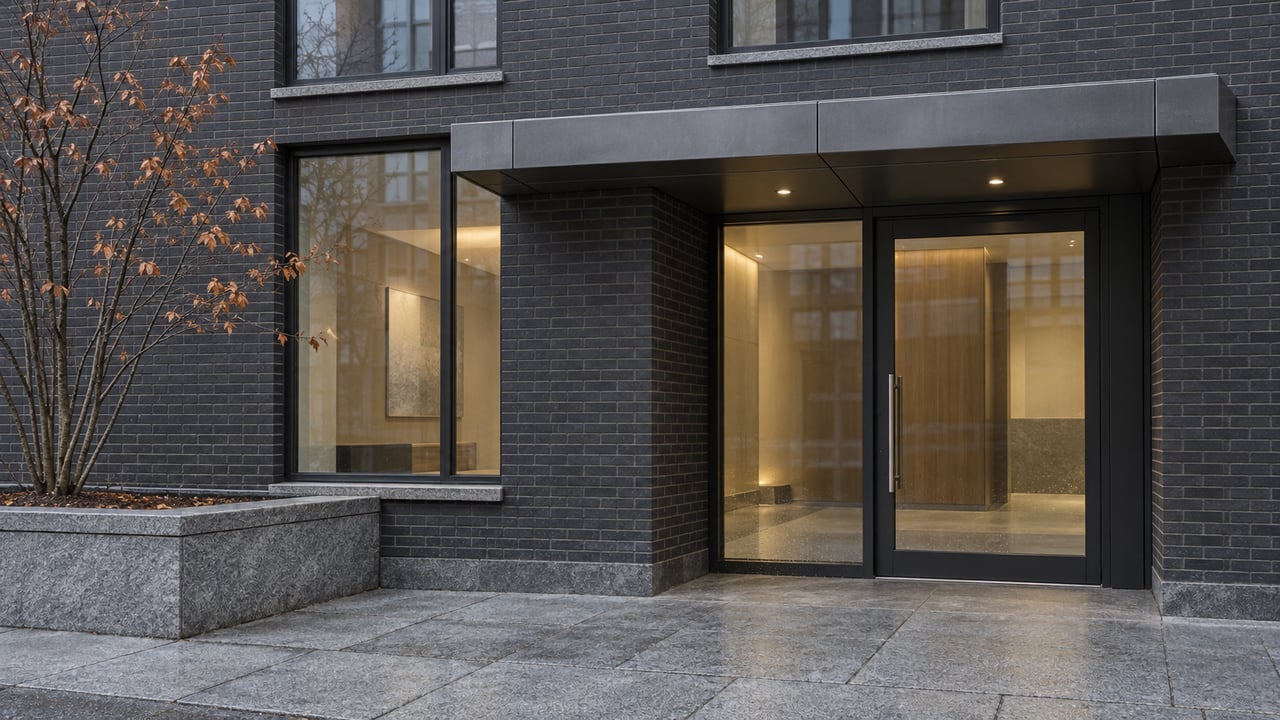
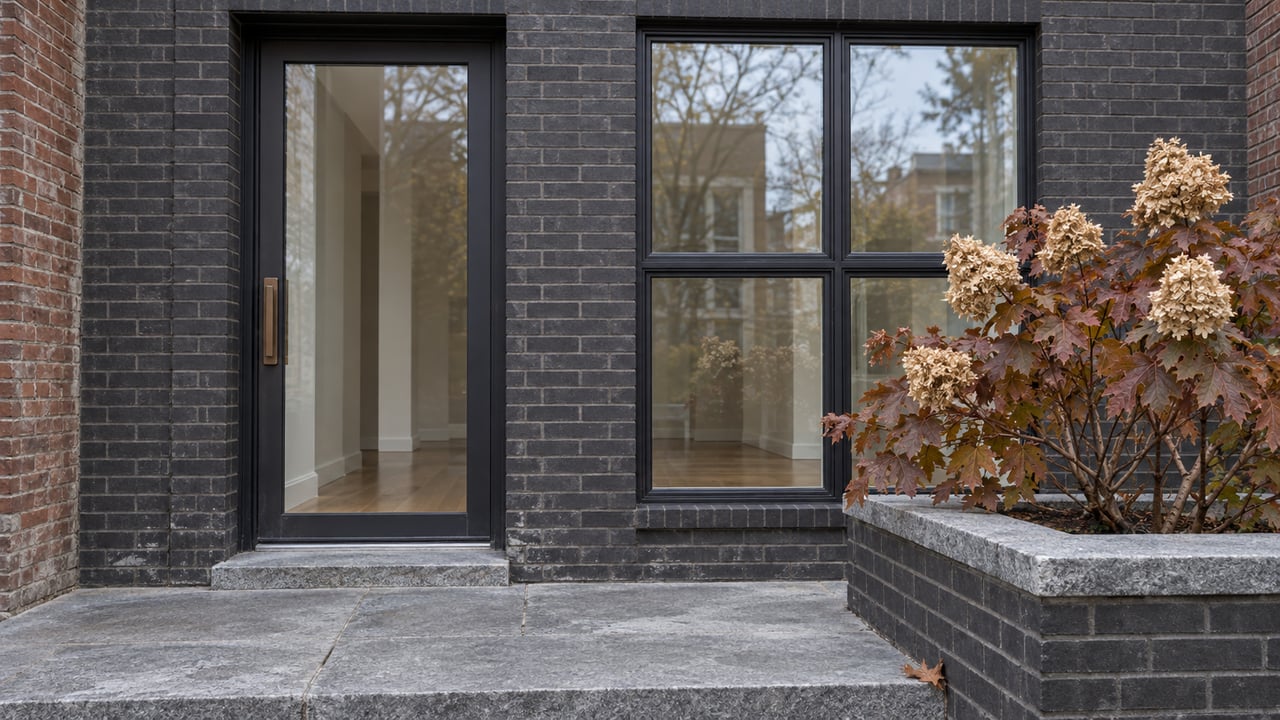
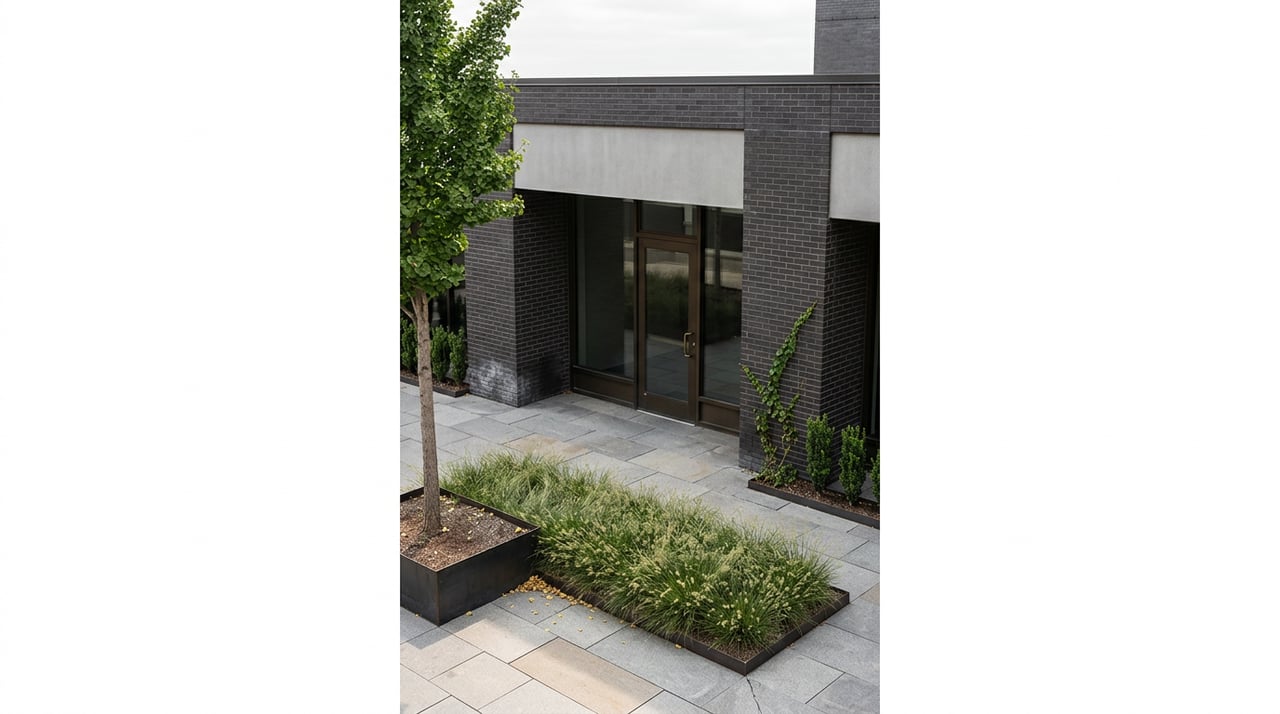
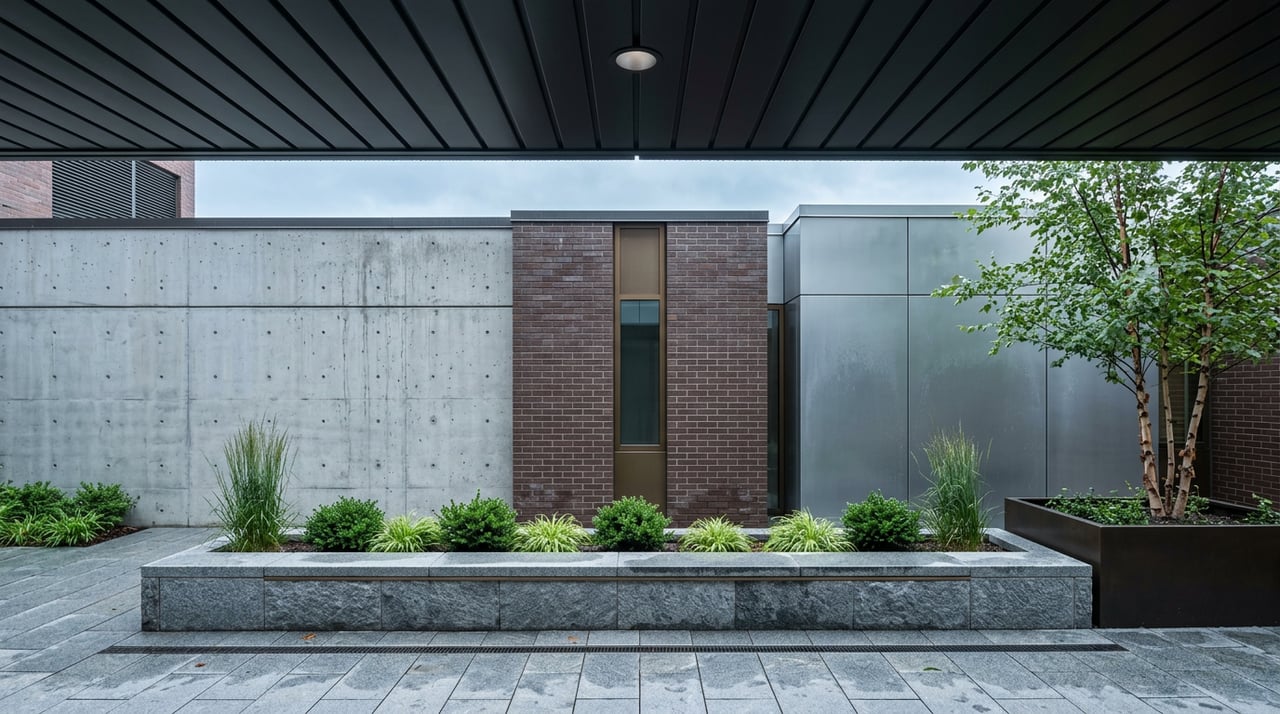
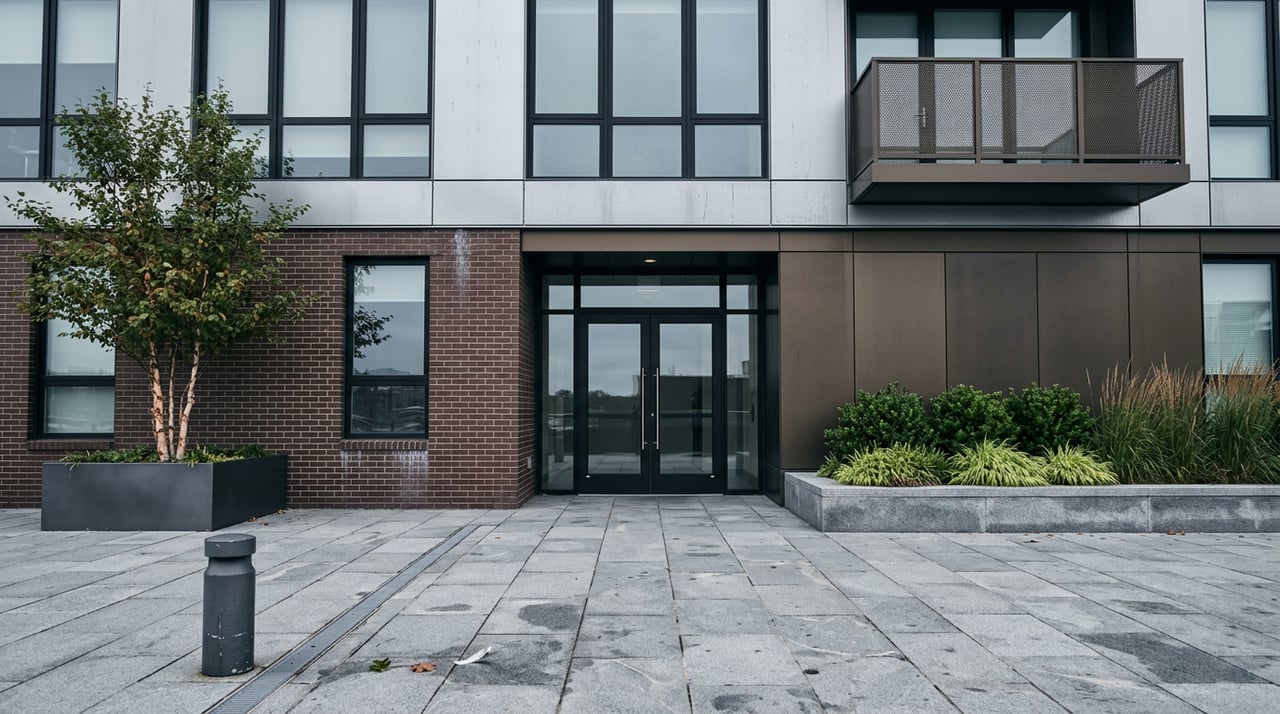
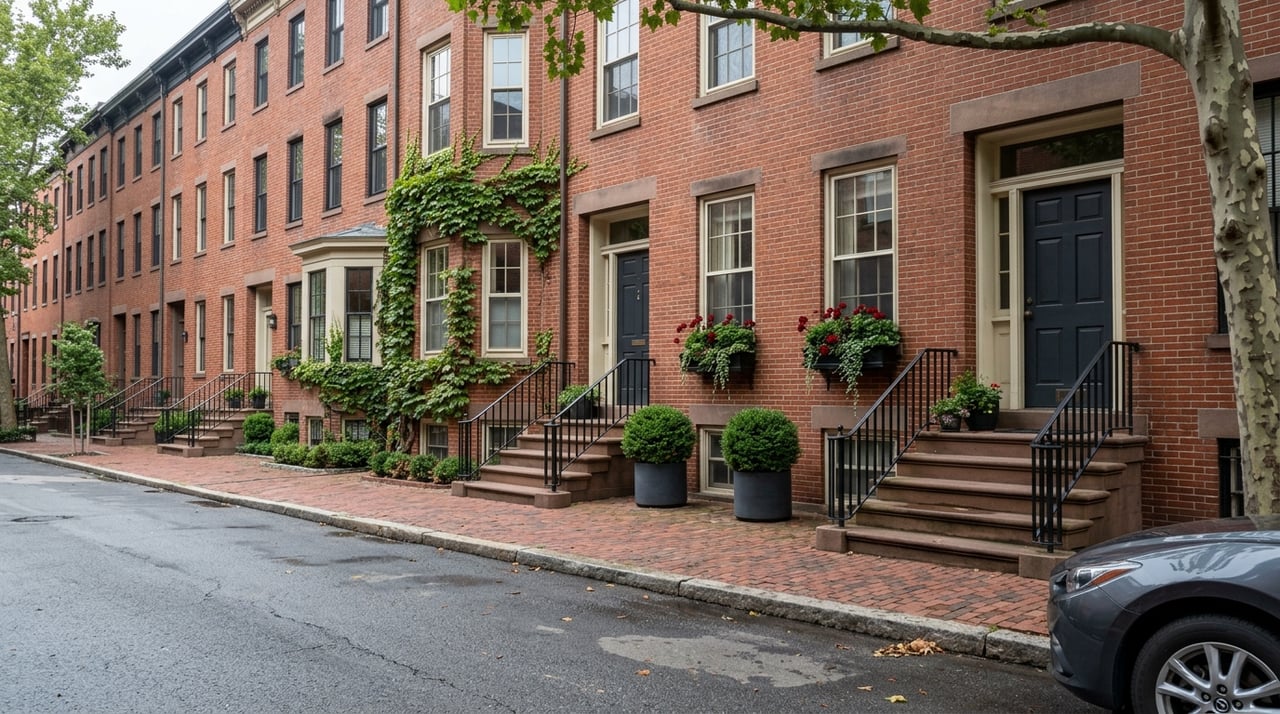
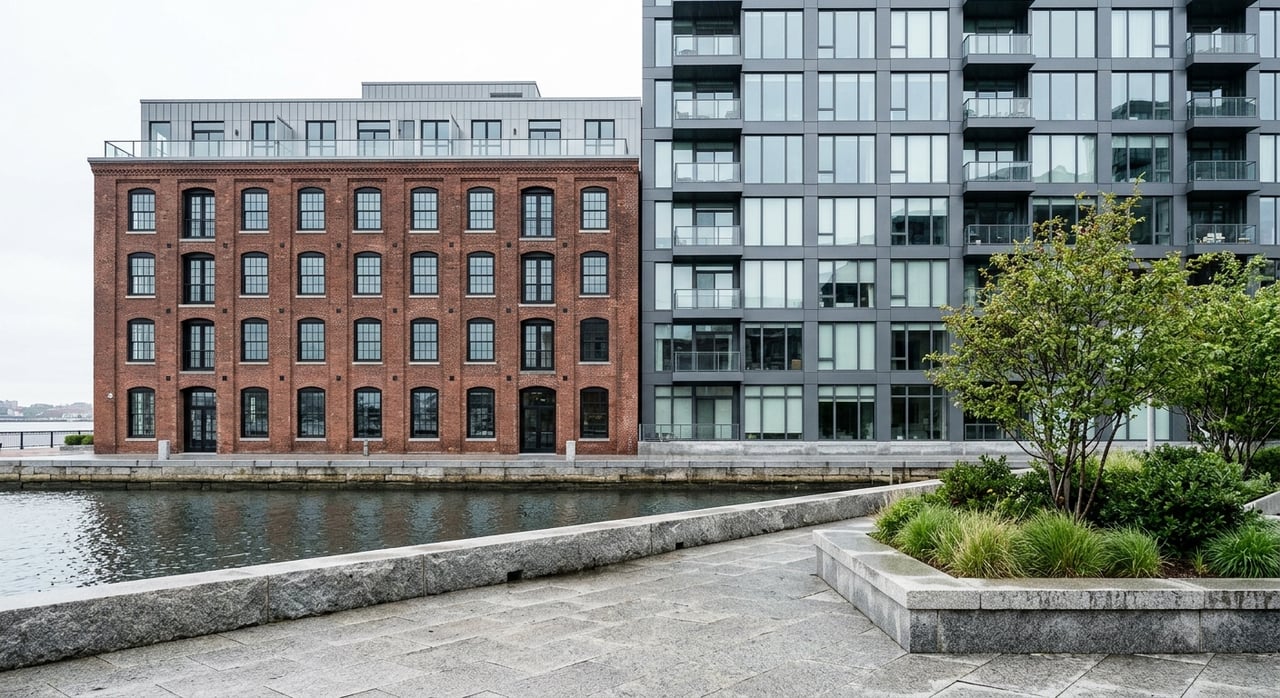
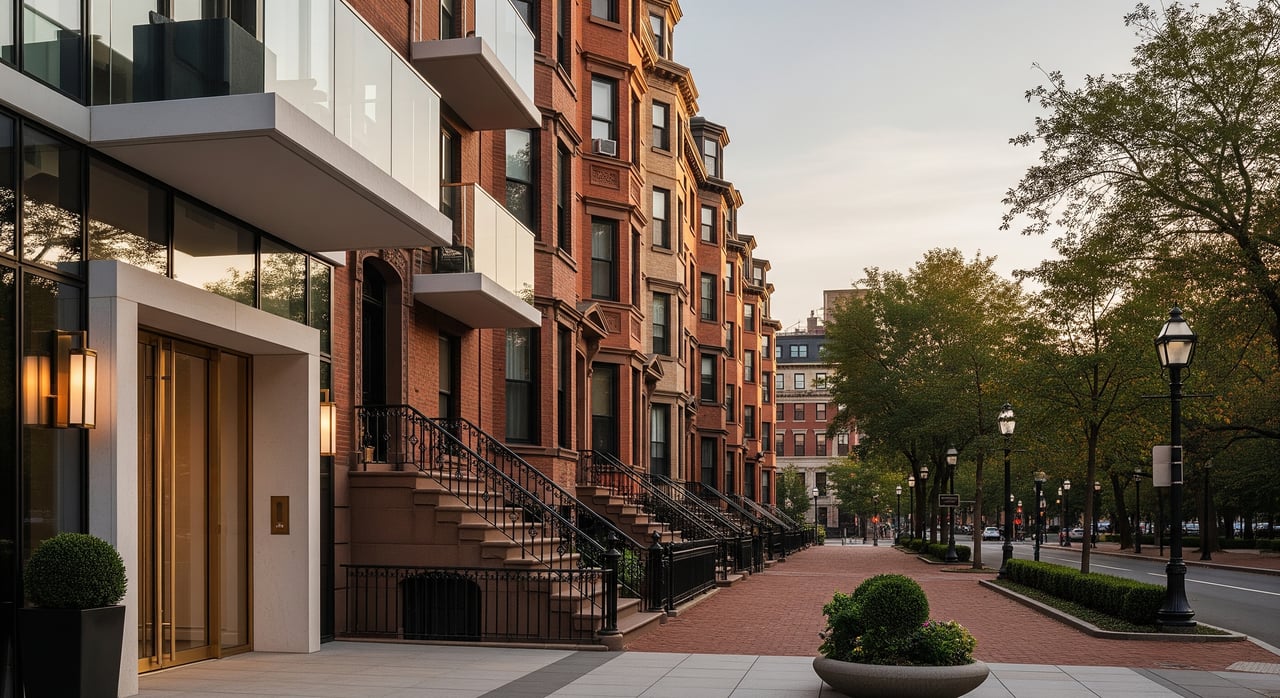
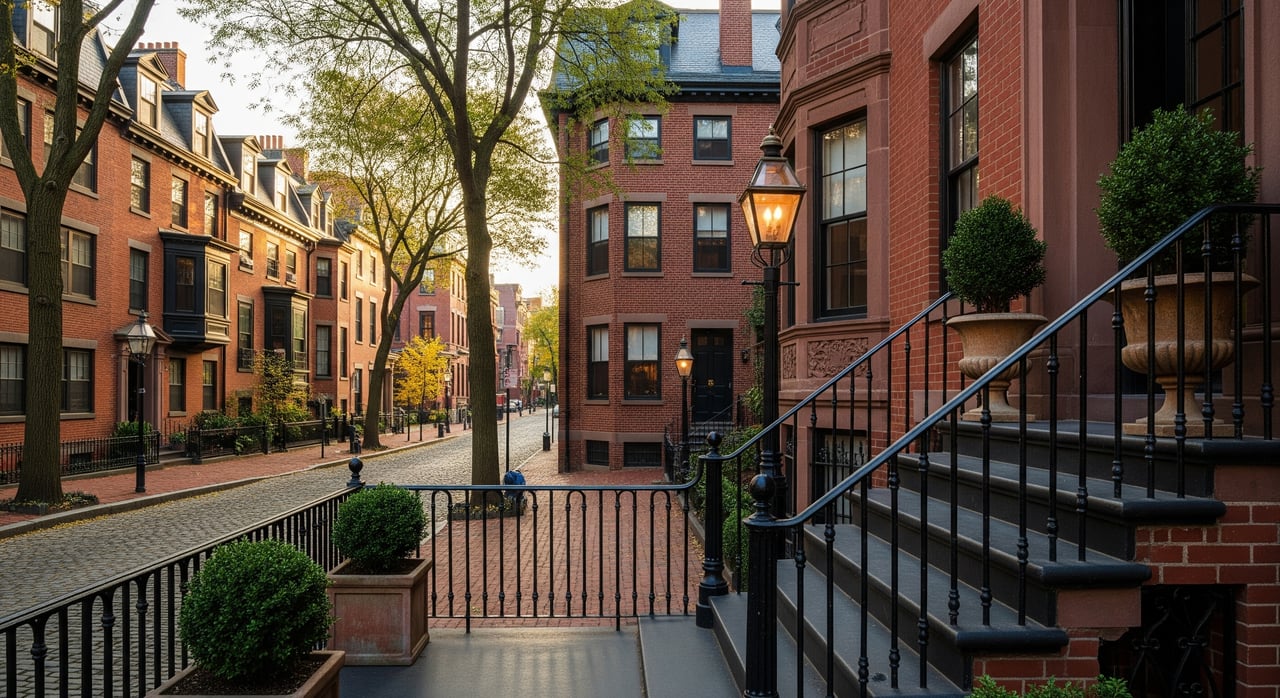
The Seaport and Fort Point sit on Boston’s South Boston Waterfront. Fort Point leans historic, with brick‑and‑beam warehouses and a long‑standing arts community. The Seaport rises just east, defined by glass towers, condo buildings, hotels, and office and life‑sciences hubs.
City planning continues to shape how these blocks evolve. The Boston Planning & Development Agency’s Fort Point “100 Acres” initiative outlines future open space, waterfront connections, and flood‑resilience projects that will influence long‑term livability and value in the area. You can explore the City’s public‑realm and resilience concepts on the BPDA’s 100 Acres page for context on what’s coming and why it matters for waterfront residents (BPDA Fort Point 100 Acres).
Fort Point vs. Seaport: daily feel
Fort Point’s brick‑and‑beam energy
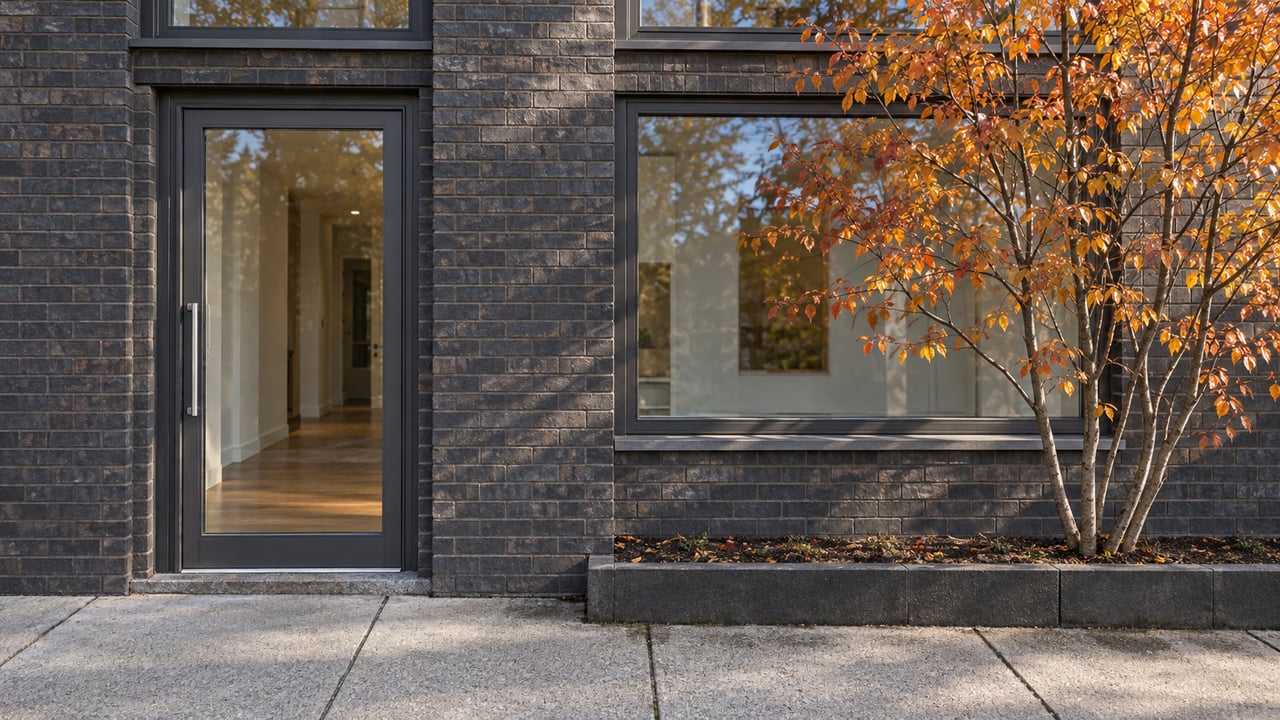
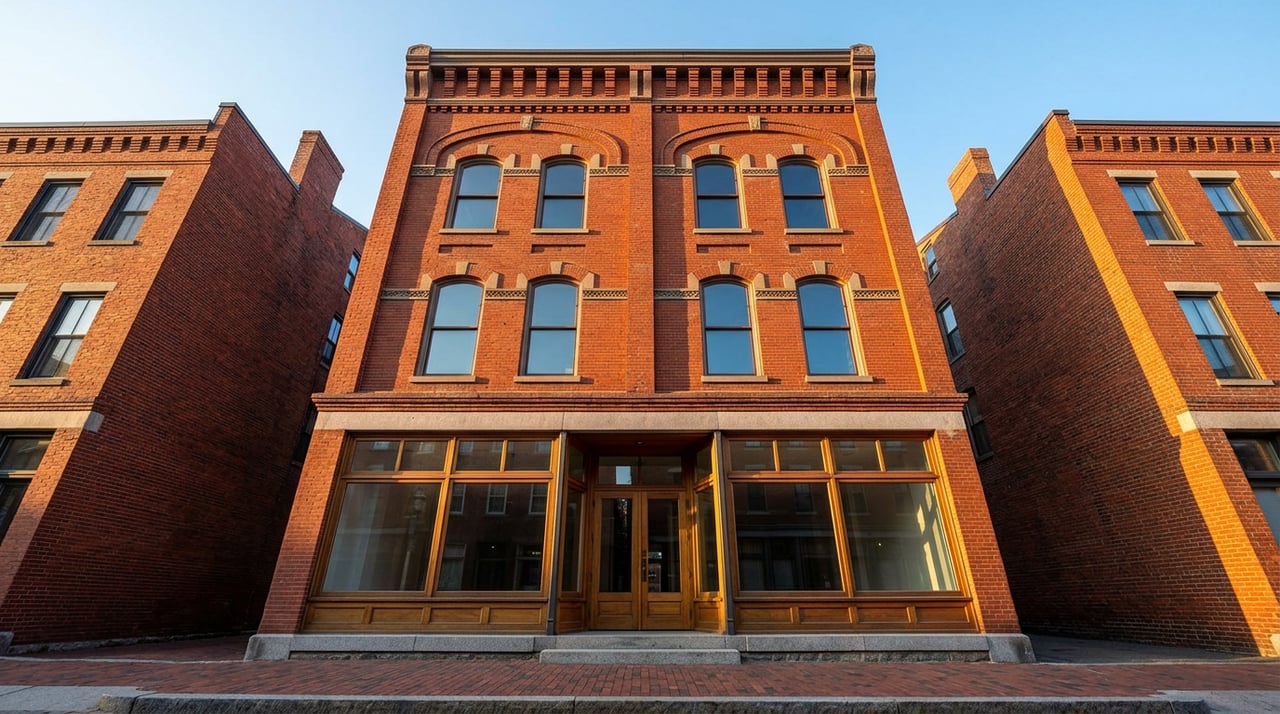
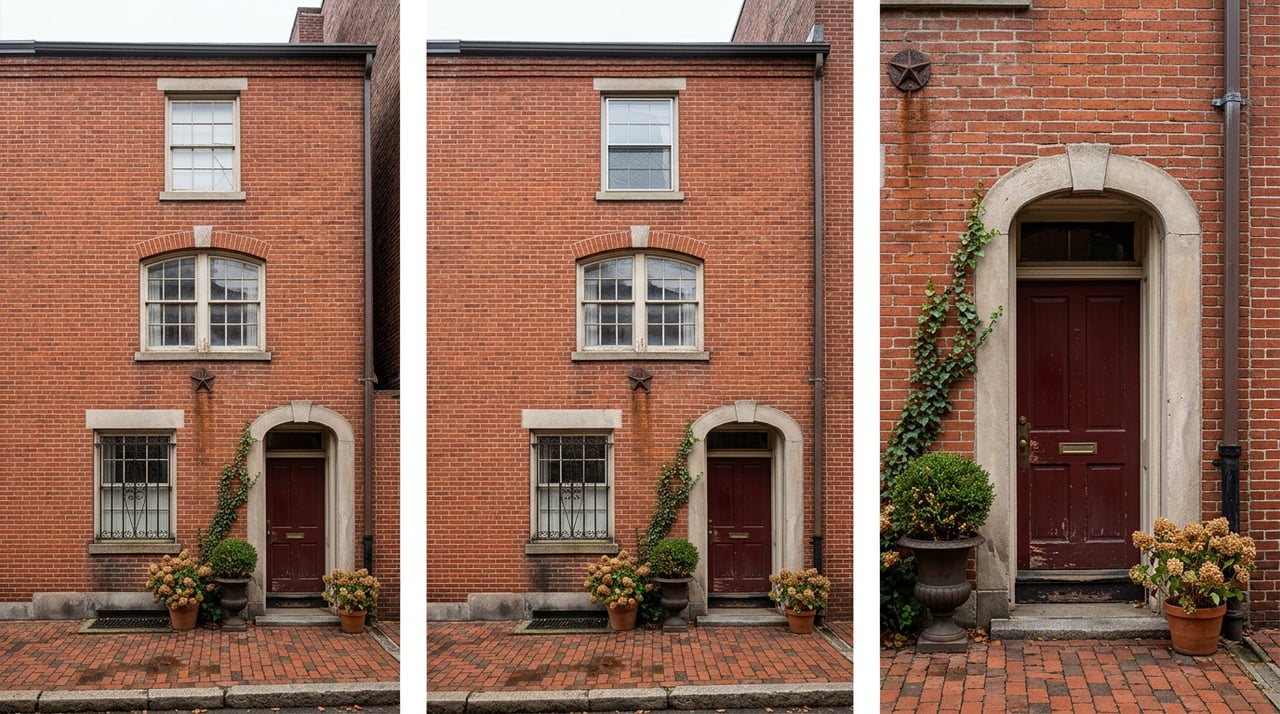
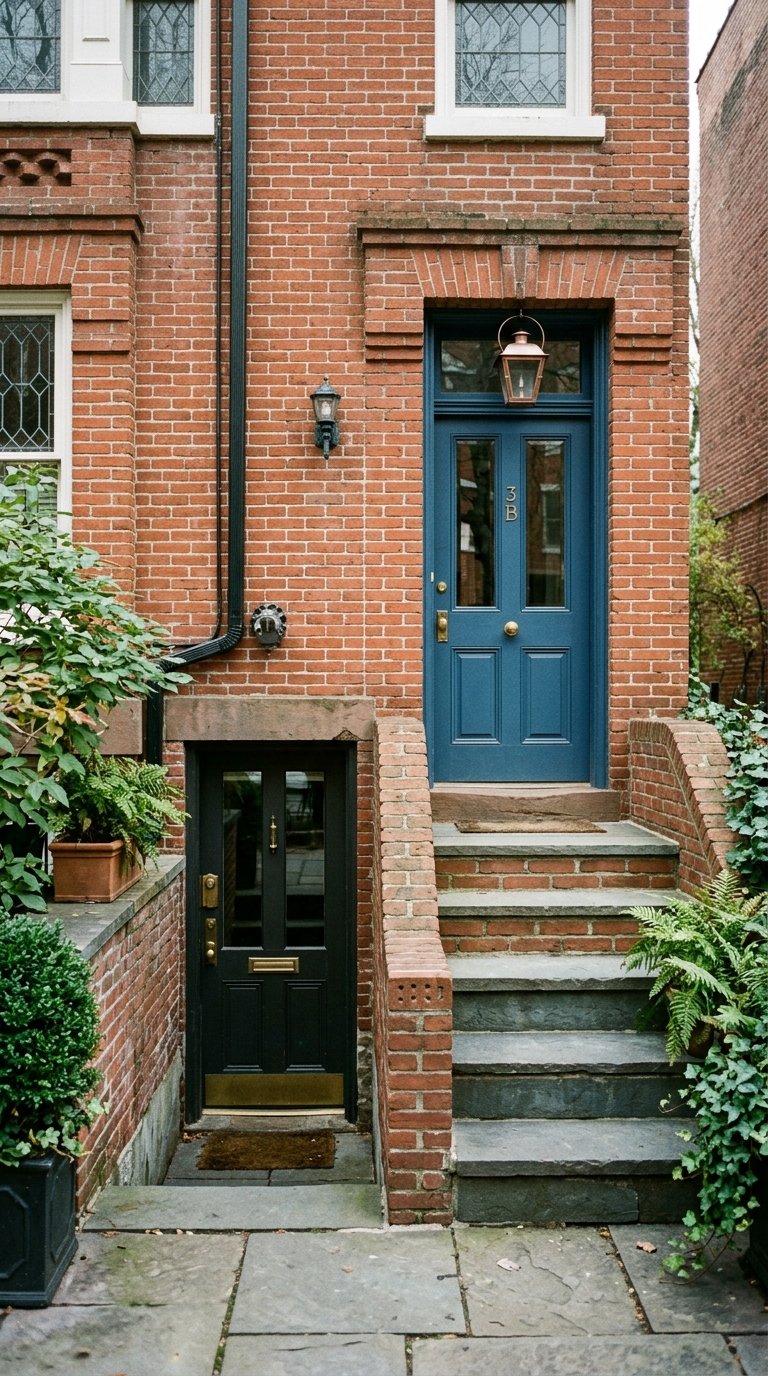
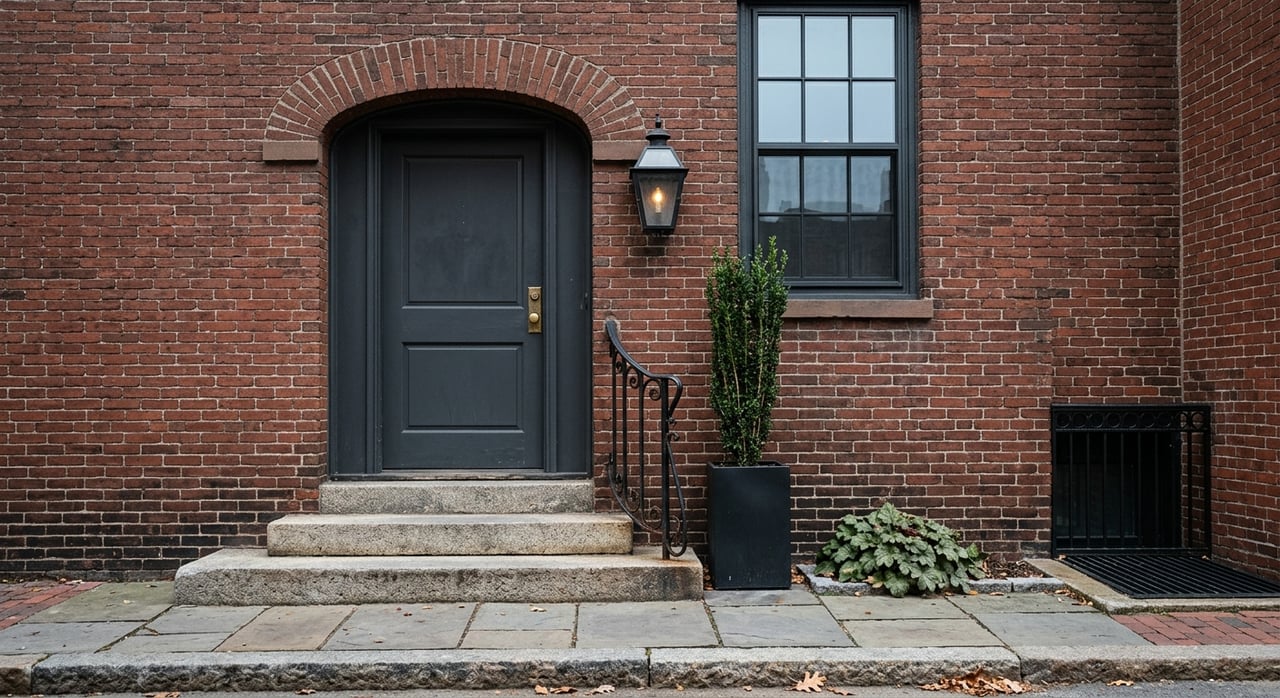
Fort Point’s streets are narrower and more intimate. Many buildings were warehouses now converted to lofts and creative workspaces. The neighborhood’s artist identity shows up in galleries, studio events, and seasonal Open Studios supported by the Fort Point Arts Community (Fort Point Arts Community). If you want exposed brick, tall ceilings, and a neighborhood with deep cultural roots, you’ll connect with this side of the channel.
Seaport’s modern waterfront
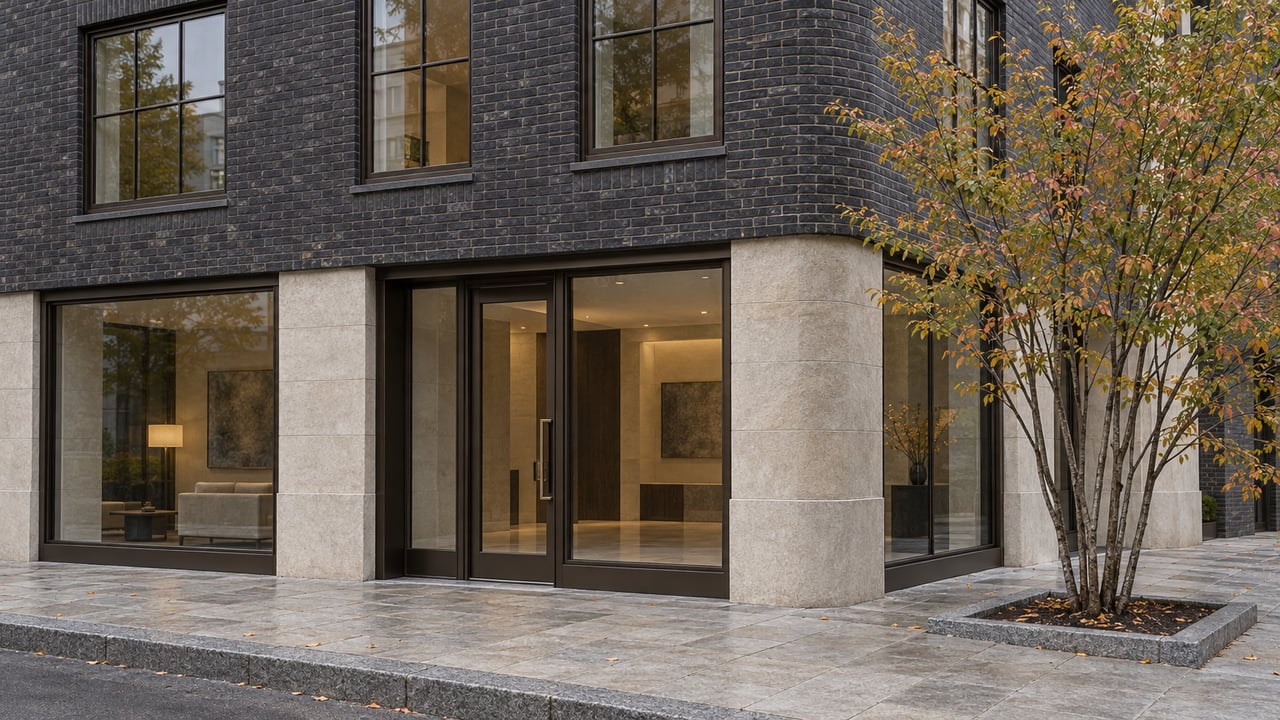
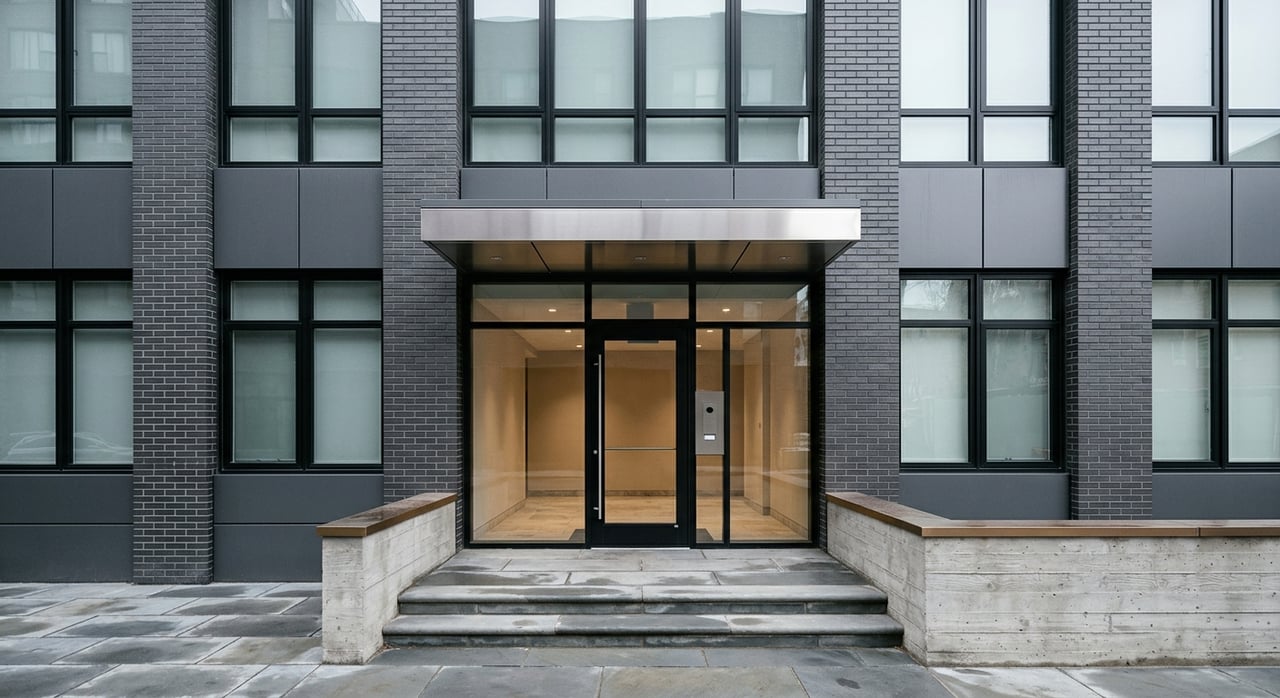
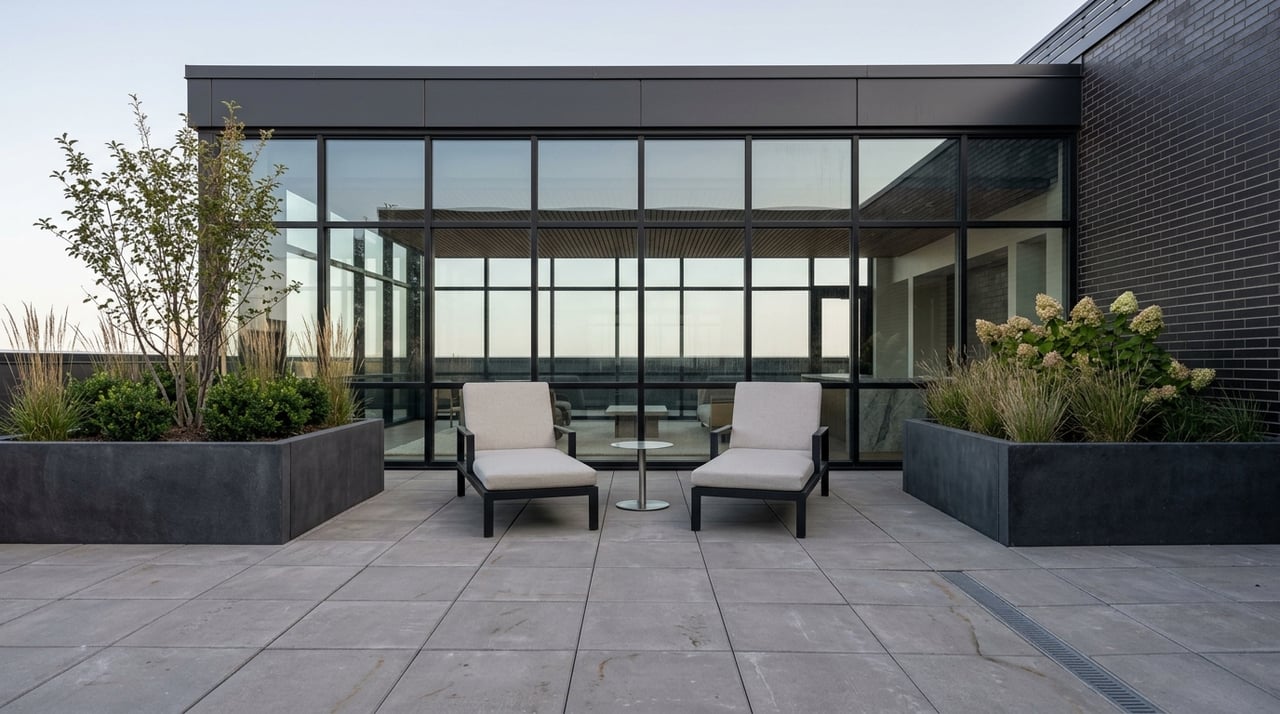
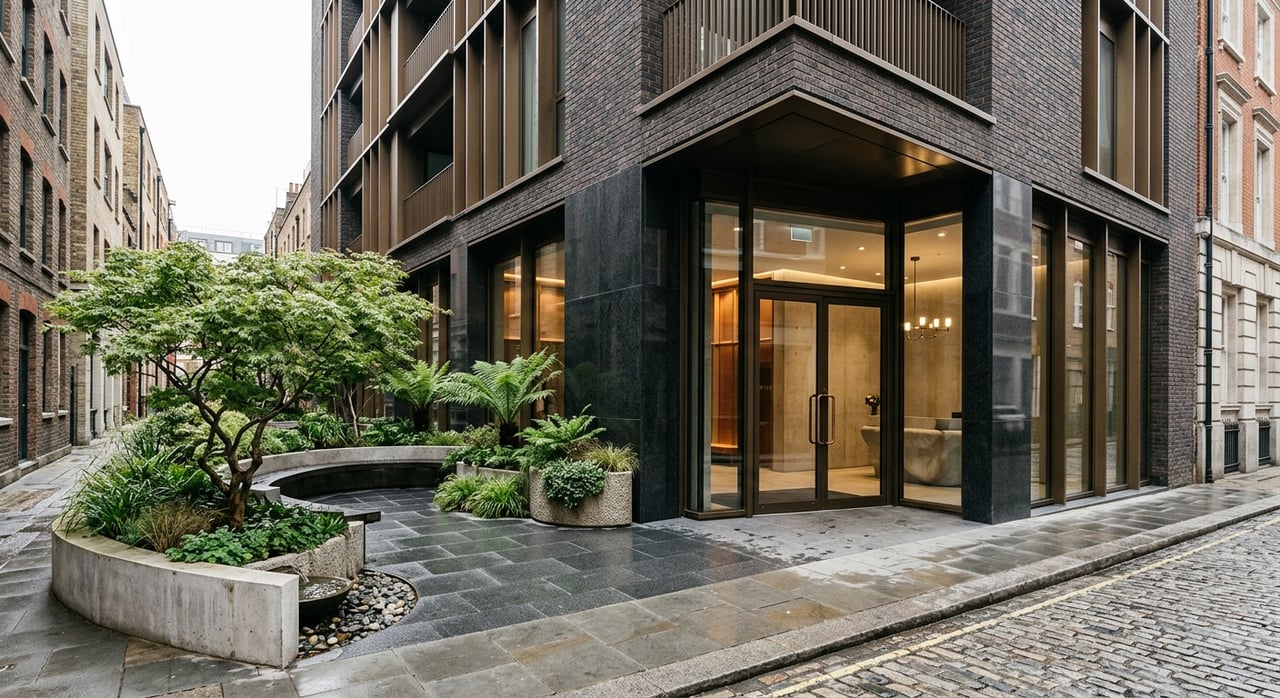
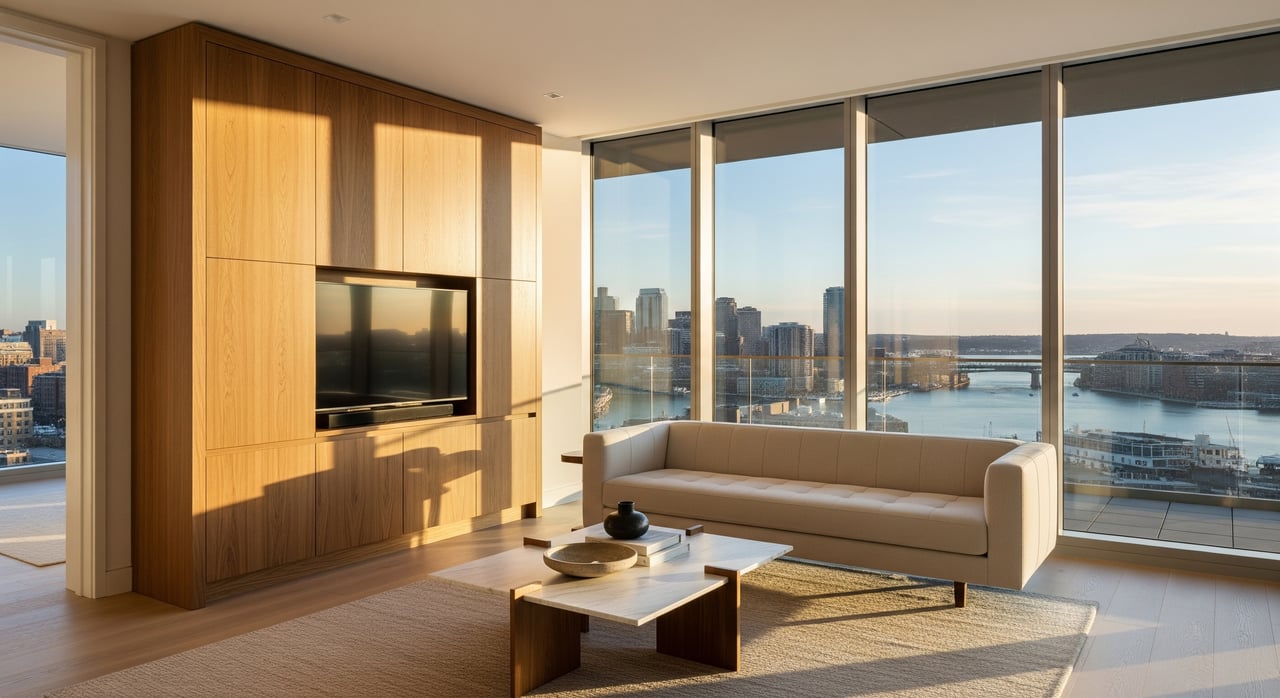
The Seaport reads as newly built, curated, and amenity‑driven. You’ll find full‑service condo towers and luxury rentals with concierge teams, fitness centers, lounges, and rooftop terraces. Fan Pier buildings like 50 Liberty illustrate the condo standard here, with premium finishes and on‑site services described in developer and contractor materials (50 Liberty project overview). If you prefer modern conveniences and skyline‑and‑harbor views, the Seaport checks those boxes.
Daily life and amenities
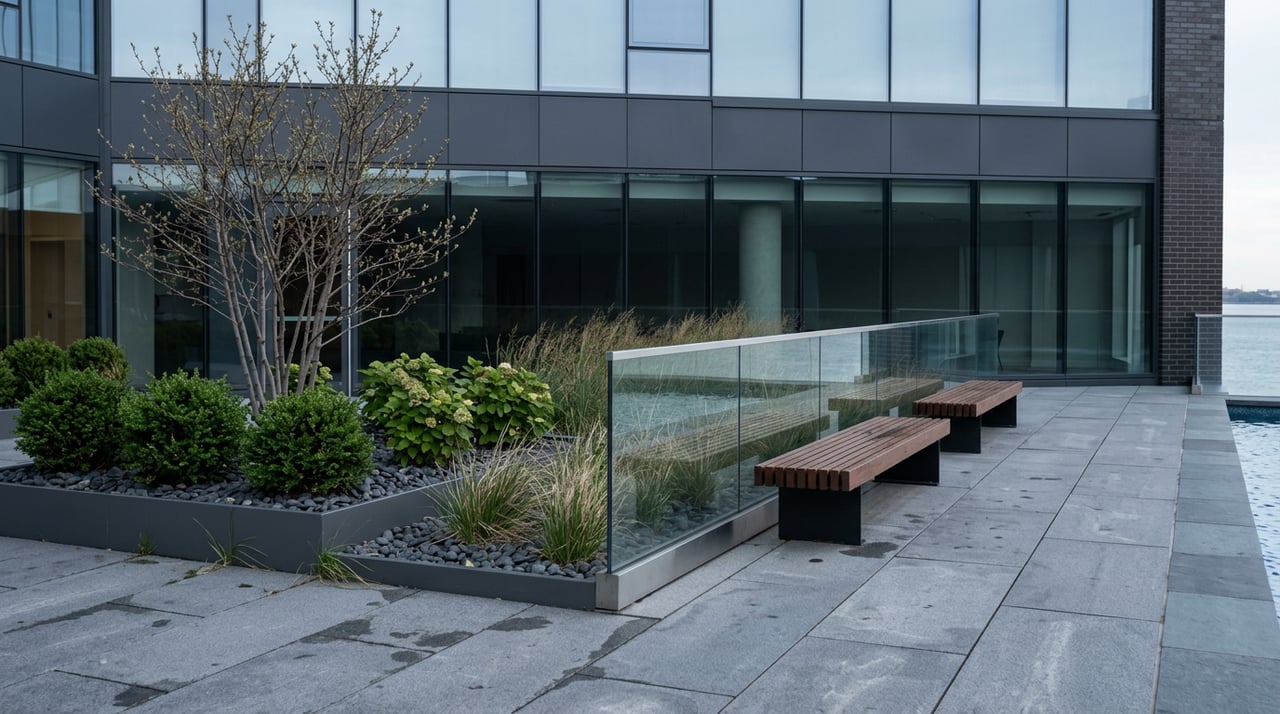
Waterfront walks, parks, and programmed spaces
- Harborwalk access gives you miles of waterfront walking and biking, connecting piers, pocket parks, and dramatic city views. Bluebikes stations along the route make quick trips simple, and many residents use the path daily for jogging or dog‑walking (Harborwalk on Bluebikes).
- The Lawn on D is a seasonal neighborhood gathering spot with concerts, family programming, and pop‑up events, adding a social heartbeat during warmer months (The Lawn on D programming).
- Small greens and pier‑side plazas at Fan Pier offer places to sit with a coffee, watch the boats, and catch sunsets.
Culture that anchors the neighborhood
- The Institute of Contemporary Art brings museum‑level exhibitions and evening events to the waterfront. It adds depth beyond restaurants and retail and is a frequent stop for residents and visitors alike (ICA neighborhood programming).
- The Boston Children’s Museum sits nearby, offering kid‑oriented exhibits and activities that families in and around the area often use.
- Seasonal outdoor concerts at the waterfront pavilion and smaller venues across the district keep the calendar active.
Dining, drinks, and nightlife
The Seaport is one of Boston’s top dining destinations. You’ll find waterfront seafood spots, hotel bars, brewpubs and beer halls, rooftop lounges, and a steady flow of chef‑driven openings. Local outlets regularly highlight new arrivals, and that turnover is part of the neighborhood’s identity. Comedy and performance venues like Laugh Boston add to late‑night variety, and you can count on a year‑round buzz that spikes during convention and summer seasons.
Getting around
MBTA access, including Logan Airport
The Silver Line is the Seaport’s backbone. SL1, SL2, and SL3 run through the transitway with stops like Courthouse and World Trade Center, linking you to South Station and the Red Line. SL1 connects directly to Logan Airport, which is a major plus for frequent travelers. Route details and station maps are easy to browse through the Seaport TMA’s transit guide (Seaport TMA transit overview).
Water taxis and harbor ferries
On the water, taxis and ferries offer seasonal and scheduled options linking the Seaport and Fan Pier to downtown and, at times, to the airport. They’re a scenic, premium‑fare supplement for commutes, dinner plans, or weekend exploring. Regional inventories list operators and routes in one place (Inner Harbor ferry and water taxi inventory).
Walking, biking, and micromobility
This district is inherently walkable. Bluebikes stations and protected waterfront segments make short bike trips simple. Many residents choose a car‑light lifestyle and rely on rideshare, bikes, and the MBTA for most trips.
Driving and parking
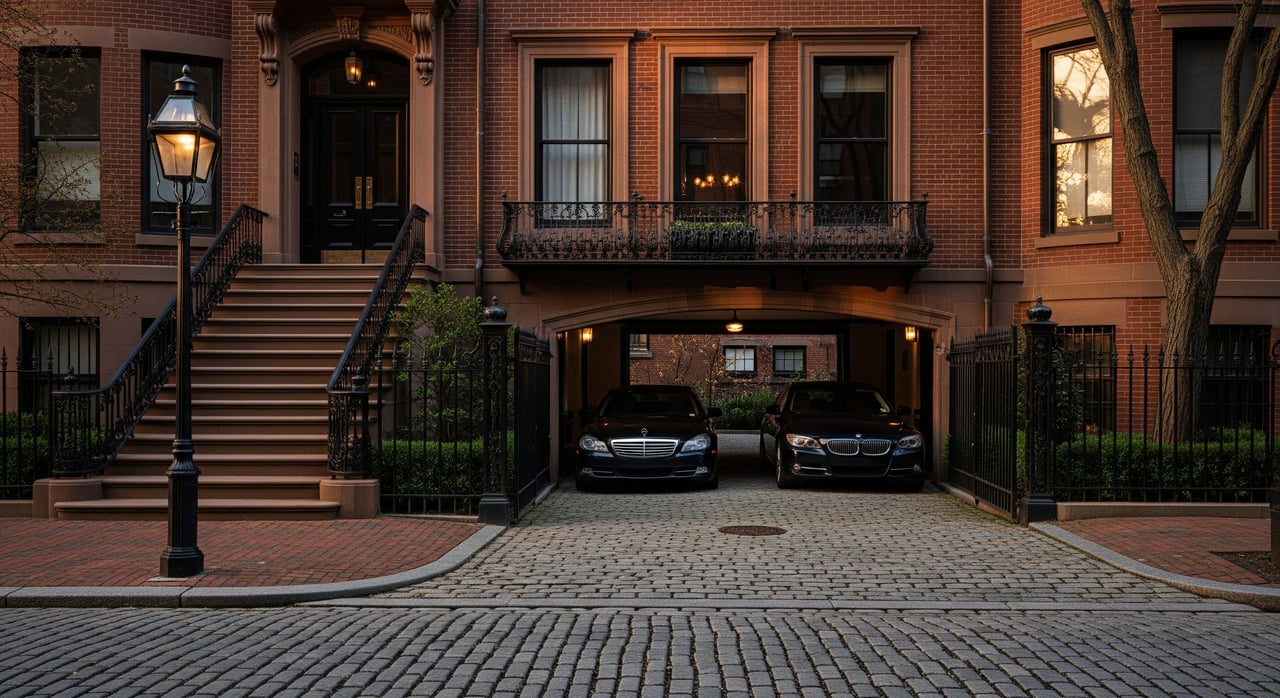
You have quick access to the Mass Pike and I‑93 via the Seaport corridors, which can be convenient for weekend getaways. At the same time, curb congestion and limited on‑street parking are common during peak hours and events. If you own a car, you’ll likely prefer a building with garage parking or plan on paid options nearby.
Homes and buildings
Fort Point lofts and smaller‑scale buildings
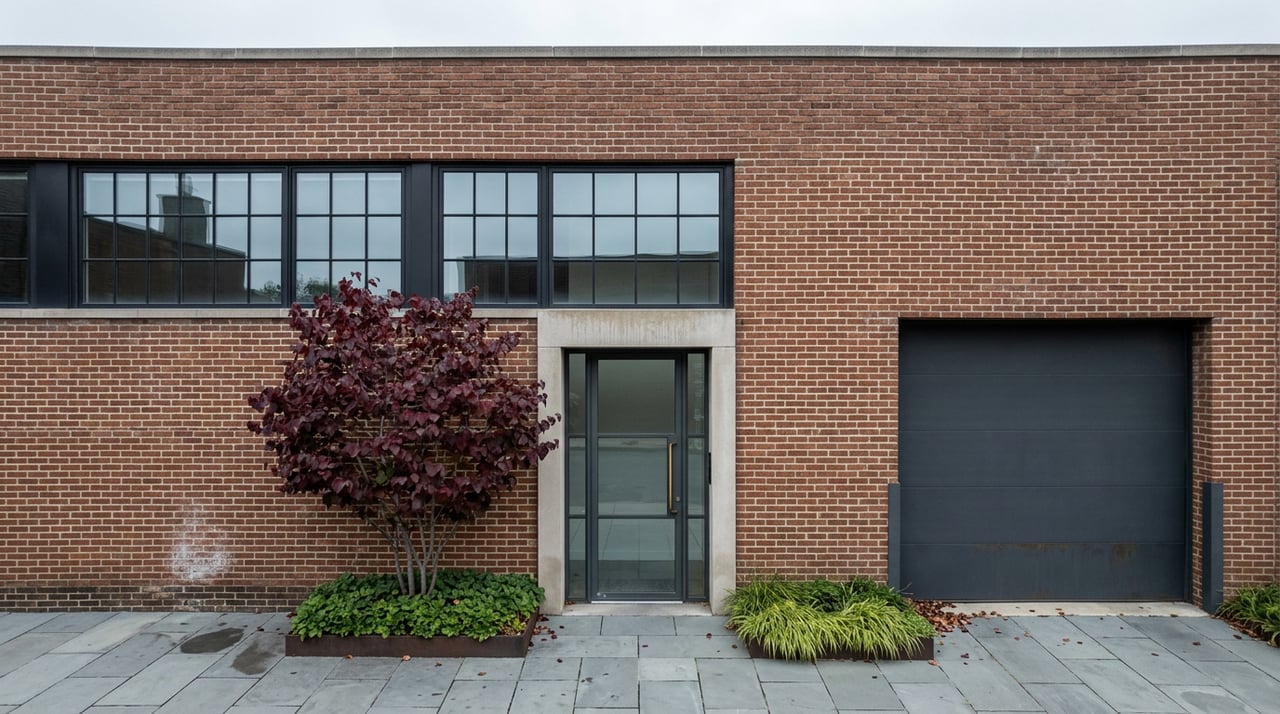
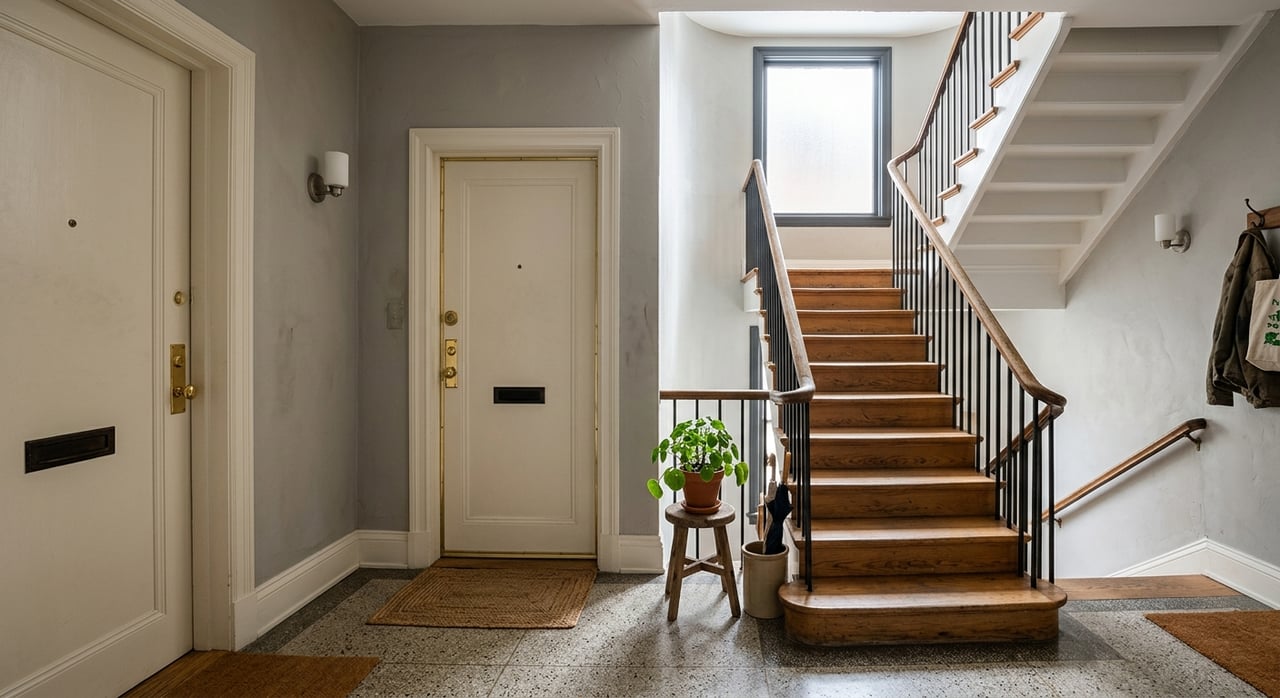
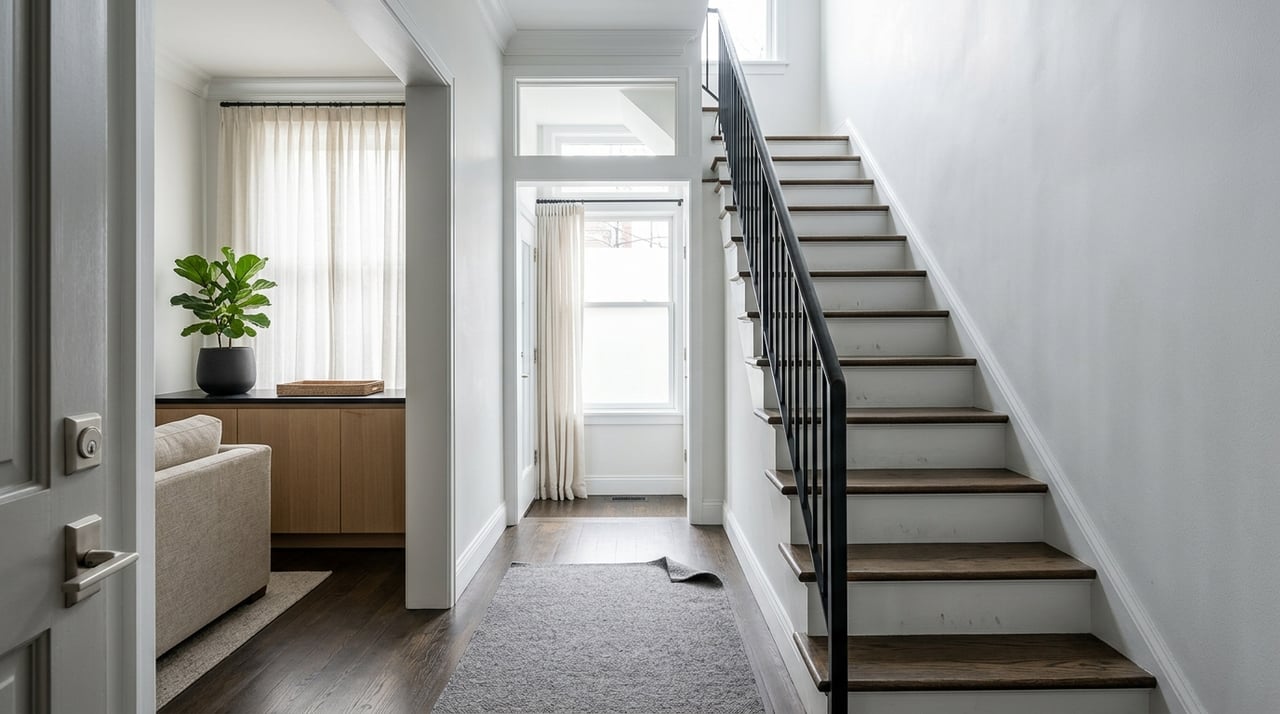
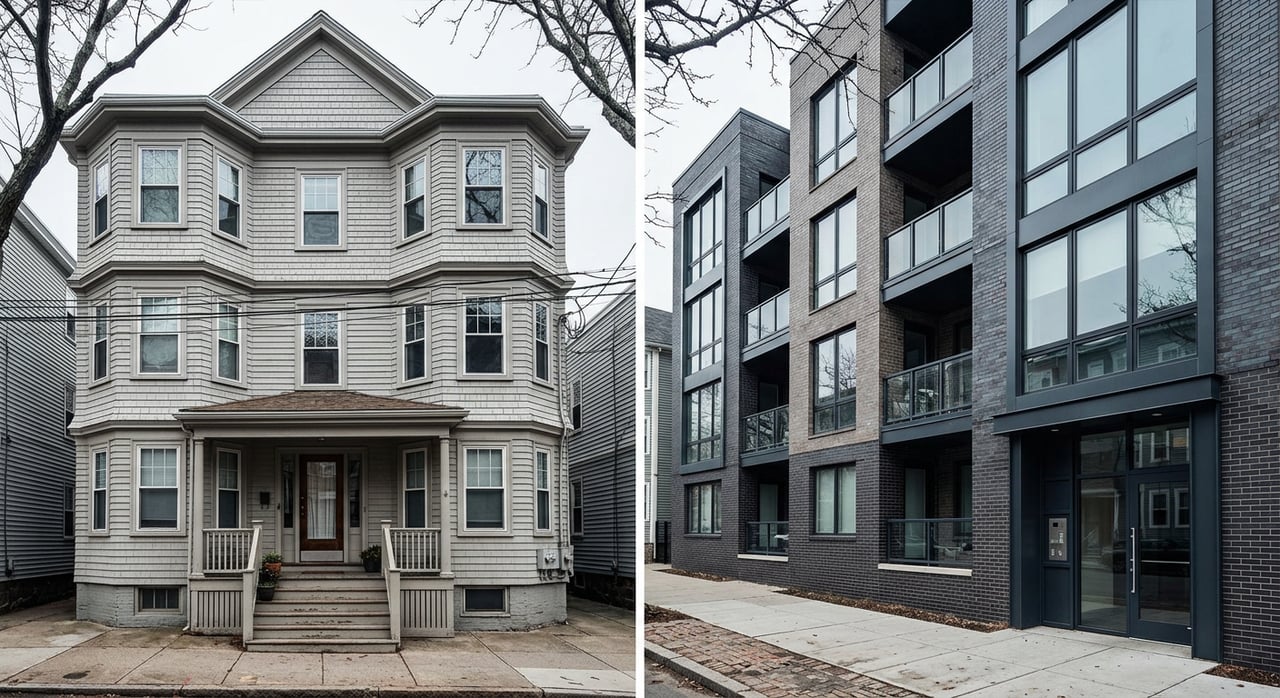
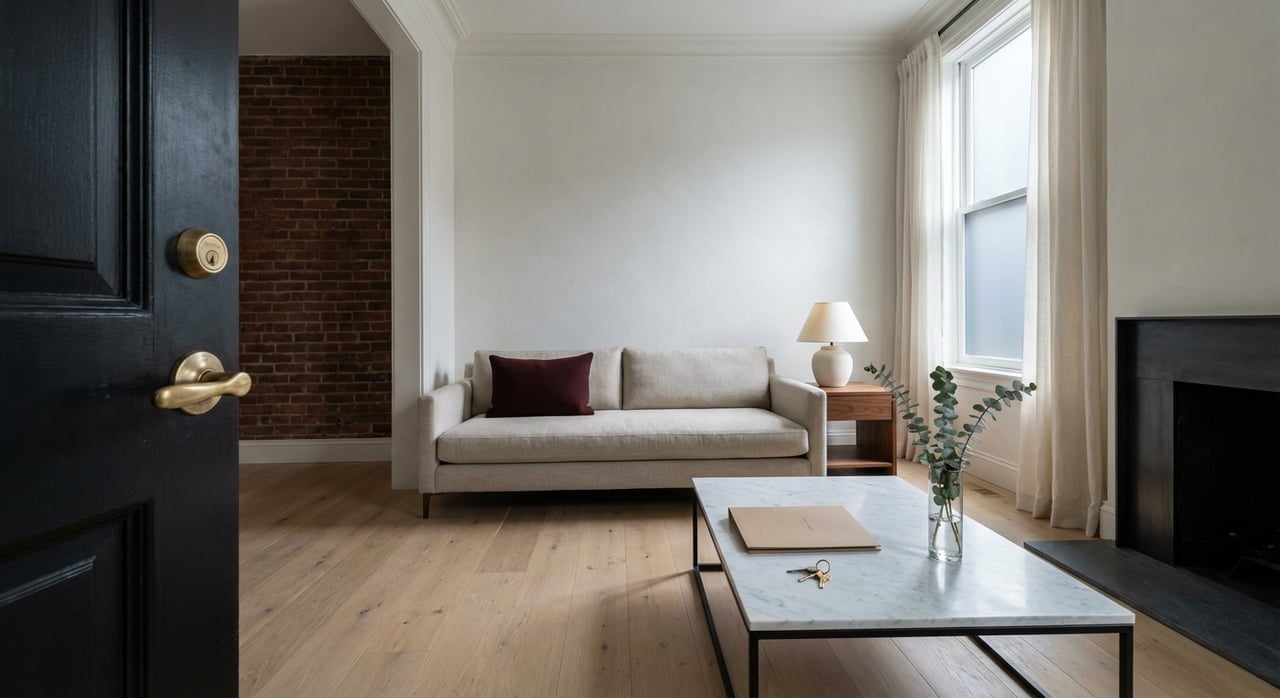
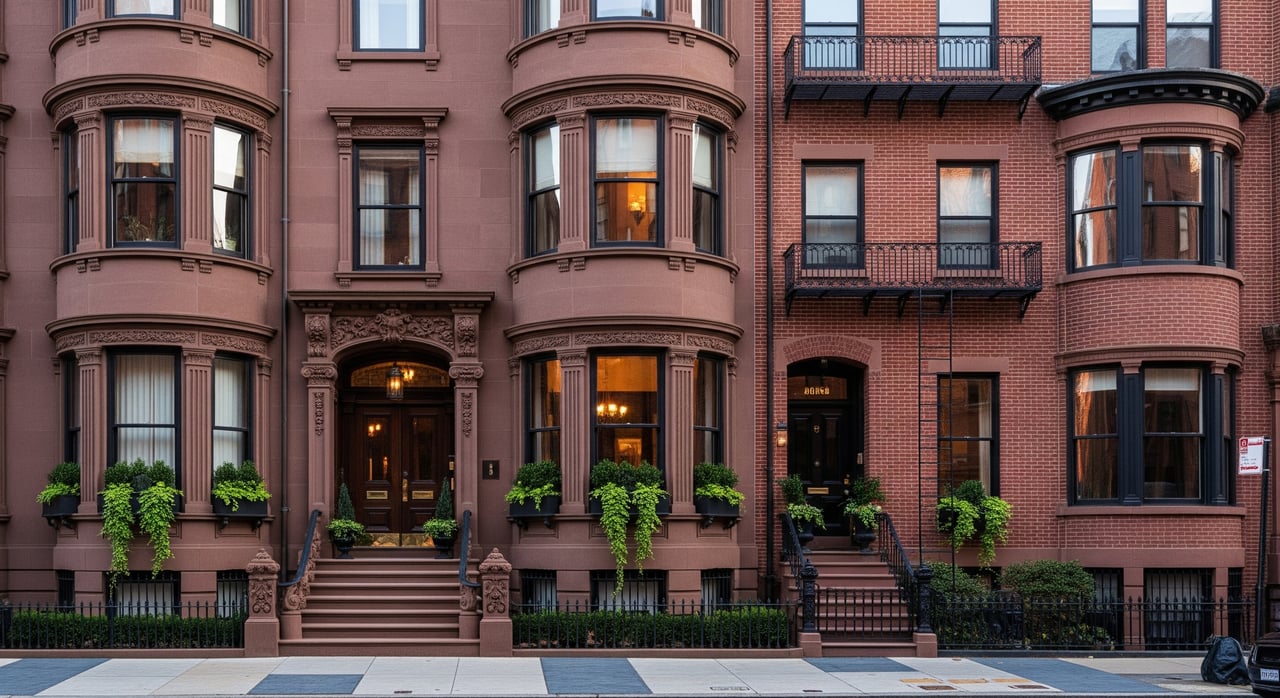
Fort Point homes often feature exposed brick and beam, open layouts, and an industrial‑chic vibe that appeals to buyers who value character and space efficiency. Buildings tend to be low to mid‑rise with smaller amenity packages compared with newer towers. You’ll see a mix of artist live/work spaces and classic loft conversions.
Seaport condos and luxury rentals
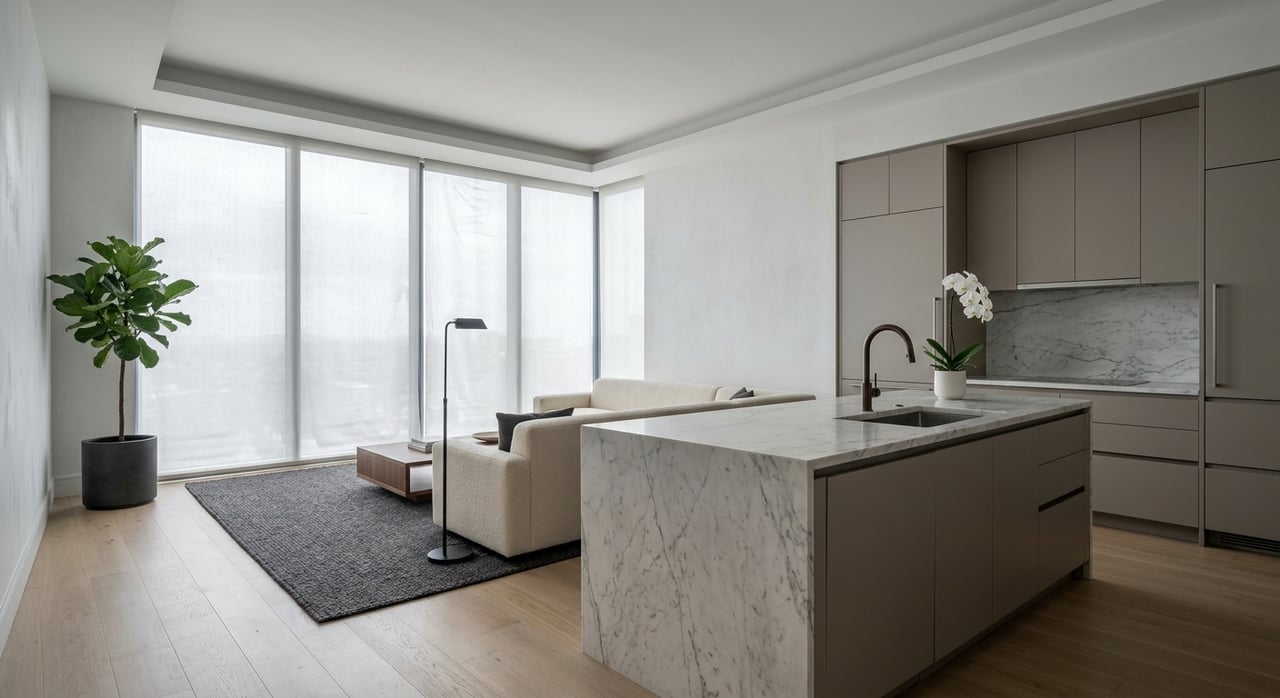
In the Seaport, you’ll find newer mid‑ and high‑rise buildings with modern floor plans and extensive common spaces. Amenities commonly include concierge or doorman services, large fitness centers, clubrooms, roof decks, pet wash and dog‑run areas, and valet or assigned garage parking. Fan Pier condominiums like 50 Liberty are emblematic of the Seaport’s premium offering, with building features documented on project pages and developer sites (50 Liberty amenity example).
Pricing, fees, and what to expect
Sale prices and rents in the Seaport and Fort Point tend to sit higher than Boston’s overall averages. Seaport condos often carry above‑average HOA fees that support staffing, garage operations, and robust amenities. Parking is typically garage‑based and sometimes valet, with costs that vary by building and deeded allocation. For budgeting, review current listing details for monthly fees, special assessments, and parking specifics.
Practical tradeoffs to consider
Groceries and everyday errands
Neighborhood retail has not always kept pace with residential growth, which means many residents rely on delivery, nearby South Boston stores, and small specialty markets inside mixed‑use buildings. Several redevelopment proposals in the district have included grocery components, reflecting an ongoing community priority and active public discussion (Seaport redevelopment and grocery proposals).
Activity level and construction
This is a lively waterfront. Events, conventions at the BCEC, seasonal concerts, and a robust restaurant scene keep the energy high. Parts of the district are still building out, so you should expect pockets of construction and a dynamic streetscape in certain blocks. City planning for Fort Point and the South Boston Waterfront continues to guide how open space, connections, and the public realm will evolve (Fort Point 100 Acres planning).
Waterfront resilience and insurance
The City’s resilience vision for Fort Point and the waterfront integrates flood‑protection strategies with new parks and connections. These plans inform future infrastructure and can be relevant to long‑term insurance considerations and value. Reviewing the BPDA’s 100 Acres materials can help you understand how elevation, berms, and open‑space design may shape the area over time (BPDA resilience concepts).
Who tends to love living here
- Professionals who want a walkable, restaurant‑forward lifestyle and easy access to downtown. The district’s dining, fitness, and programming align well with an active urban routine.
- Frequent travelers who value the Silver Line’s direct link to Logan and proximity to hotels and meeting venues (Silver Line overview).
- Downsizers seeking low‑maintenance living with concierge services, single‑level floor plans, and secure garage parking. If you prefer calmer streets and larger outdoor space, other neighborhoods may be a better fit.
A quick day‑in‑the‑life snapshot
- Morning: Coffee on Fan Pier, a jog along the Harborwalk, and a short Silver Line ride to meetings.
- Midday: Grab lunch at a harbor‑view spot, then walk to the ICA for a new exhibit or browse Fort Point galleries.
- Evening: Meet friends at a brewery, catch a comedy show, or stroll the waterfront before dinner. In warmer months, plan around concerts and pop‑ups at neighborhood venues.
Is Seaport or Fort Point right for you?
Ask yourself a few simple questions:
- Do you want a waterfront lifestyle with walkable dining and culture built in?
- Are modern amenities, concierge services, and garage parking high on your list?
- Would you prefer a historic loft with character or a new high‑rise with sweeping views?
- Are you comfortable with an active, event‑driven neighborhood that is still evolving in places?
- Will you rely on delivery, nearby South Boston options, or specialty markets for groceries until larger markets expand?
If these points line up with your priorities, Seaport and Fort Point are worth a closer look. For tailored guidance, neighborhood tours, and up‑to‑the‑minute listing insight, connect with Morgan Franklin. We’ll help you compare buildings, understand fees and amenities, and find a home that fits the way you live.
FAQs
How does commuting from Boston’s Seaport to Logan Airport work?
- The MBTA Silver Line’s SL1 connects the Seaport transitway to Logan terminals, with station and route details available through the Seaport TMA’s transit guide (Seaport TMA).
What are common building amenities in Seaport condo towers?
- Many newer buildings offer concierge or doorman service, large fitness centers, clubrooms, roof decks, pet amenities, and garage or valet parking, as seen in examples like Fan Pier’s 50 Liberty (amenity example).
What parks and kid‑focused attractions are near Seaport and Fort Point?
- The Harborwalk connects pocket parks and piers, the Lawn on D hosts family programming in season, and nearby institutions include the Boston Children’s Museum and the ICA (Harborwalk on Bluebikes, Lawn on D, ICA).
Are groceries convenient in the Seaport right now?
- Options are improving but still developing, so many residents use delivery, South Boston stores, and specialty markets; several redevelopment proposals have included grocery space under active public review (Axios overview).
How bikeable is the Seaport waterfront for daily errands?
- It is highly walkable and bikeable, with Bluebikes stations and waterfront segments that make short trips practical for many residents (Bluebikes Harborwalk).
What resilience planning affects Seaport and Fort Point real estate?
- The BPDA’s Fort Point 100 Acres planning integrates open‑space and flood‑protection concepts that guide future infrastructure and public‑realm improvements in the district (BPDA 100 Acres).