If you love the idea of raising your family in the middle of Boston, Beacon Hill probably lands on your shortlist fast. It offers charm, walkability, and quick access to some of the city’s best everyday conveniences, but it also comes with very real tradeoffs around space, stairs, strollers, and parking. If you are trying to decide whether this historic neighborhood truly works for family life, this guide will help you understand what day-to-day living can actually look like. Let’s dive in.
What family life feels like in Beacon Hill
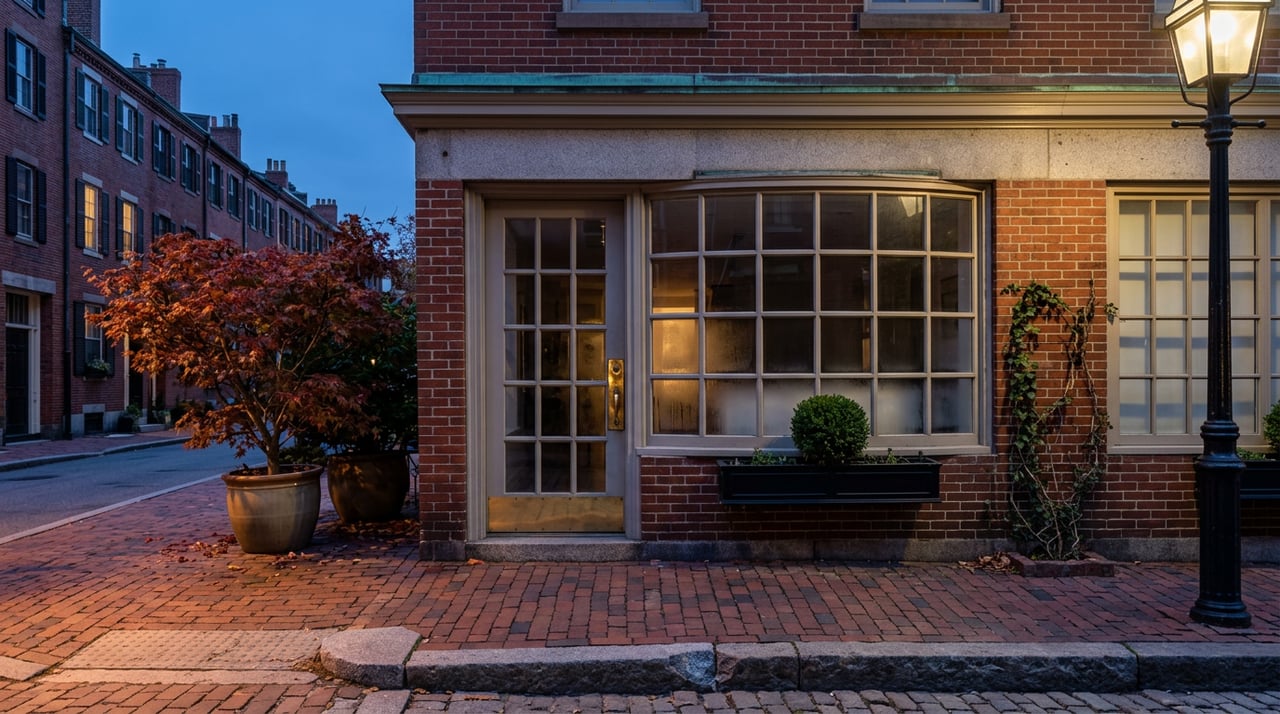
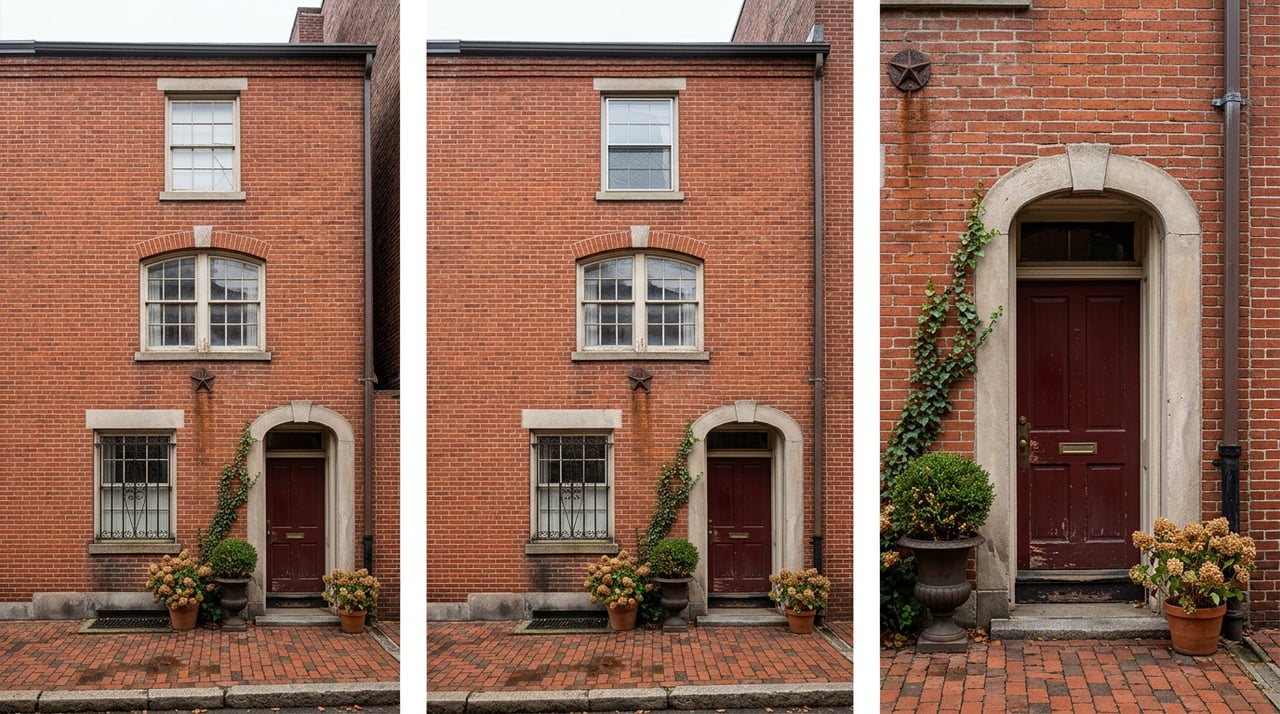
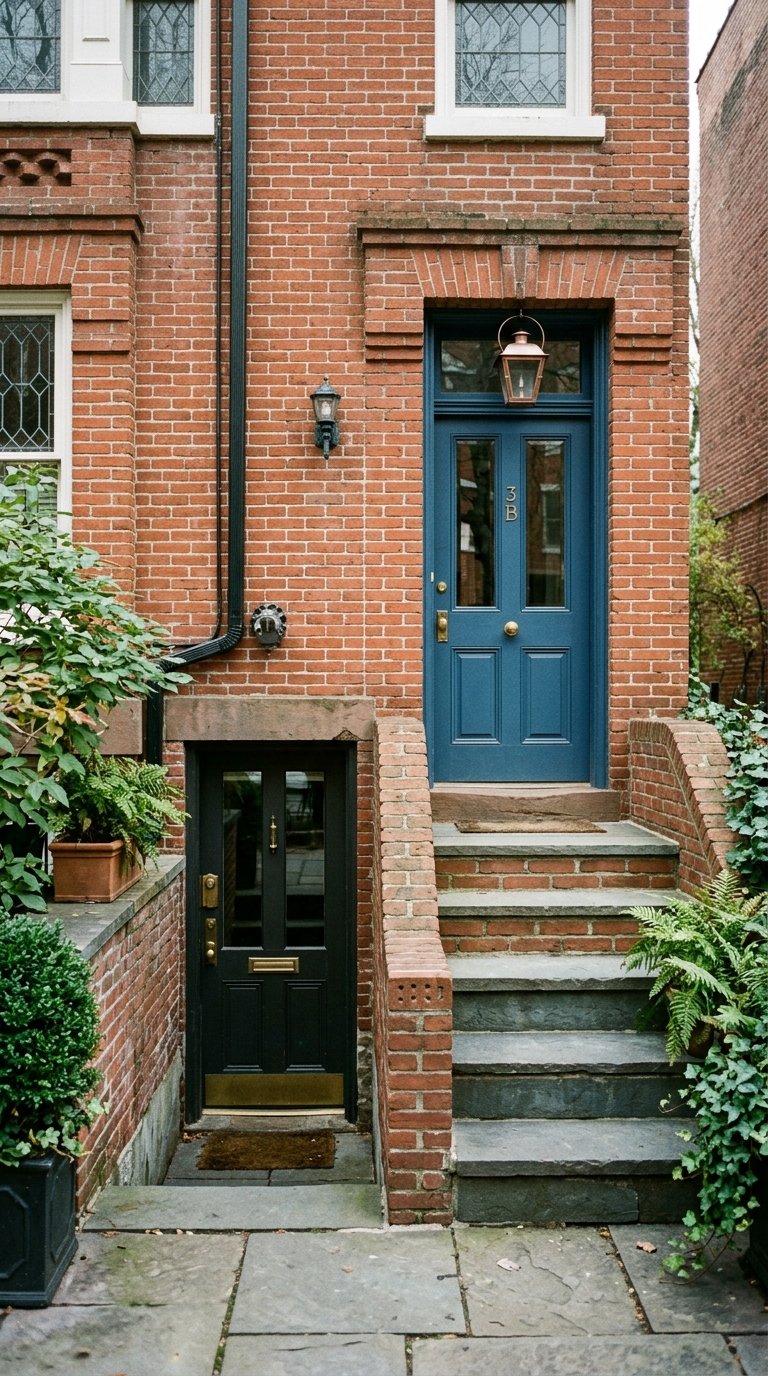
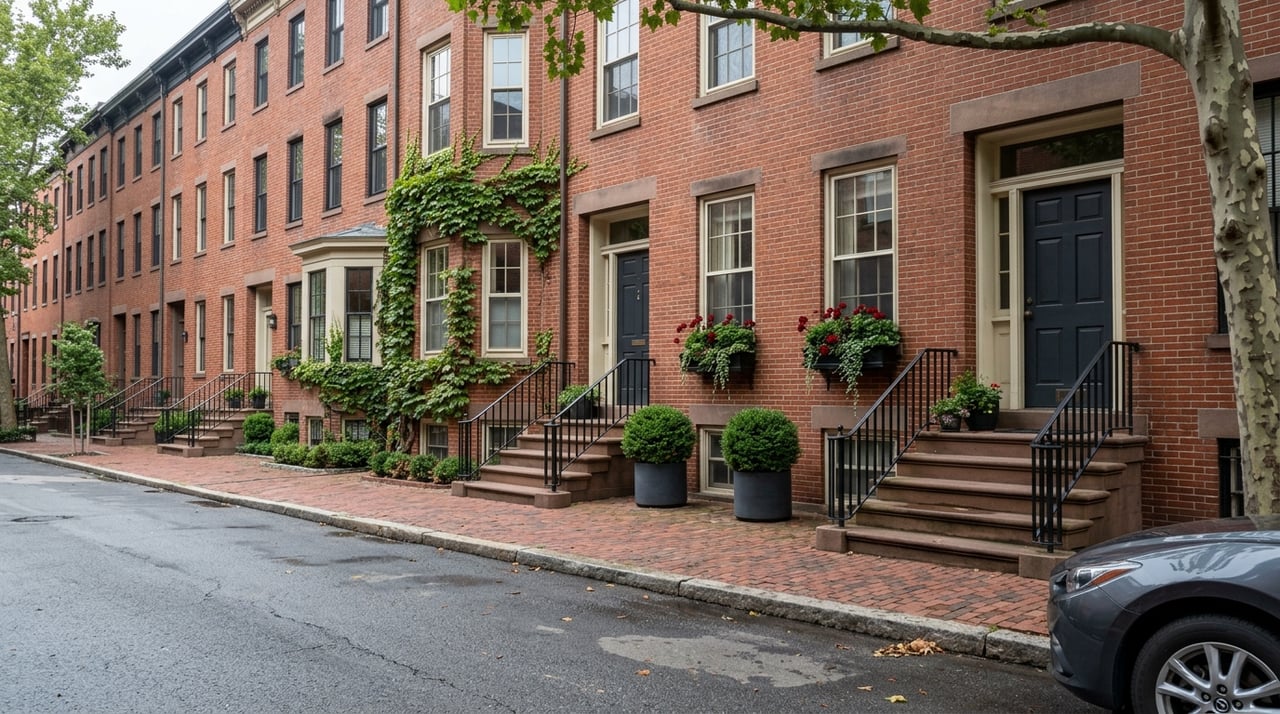
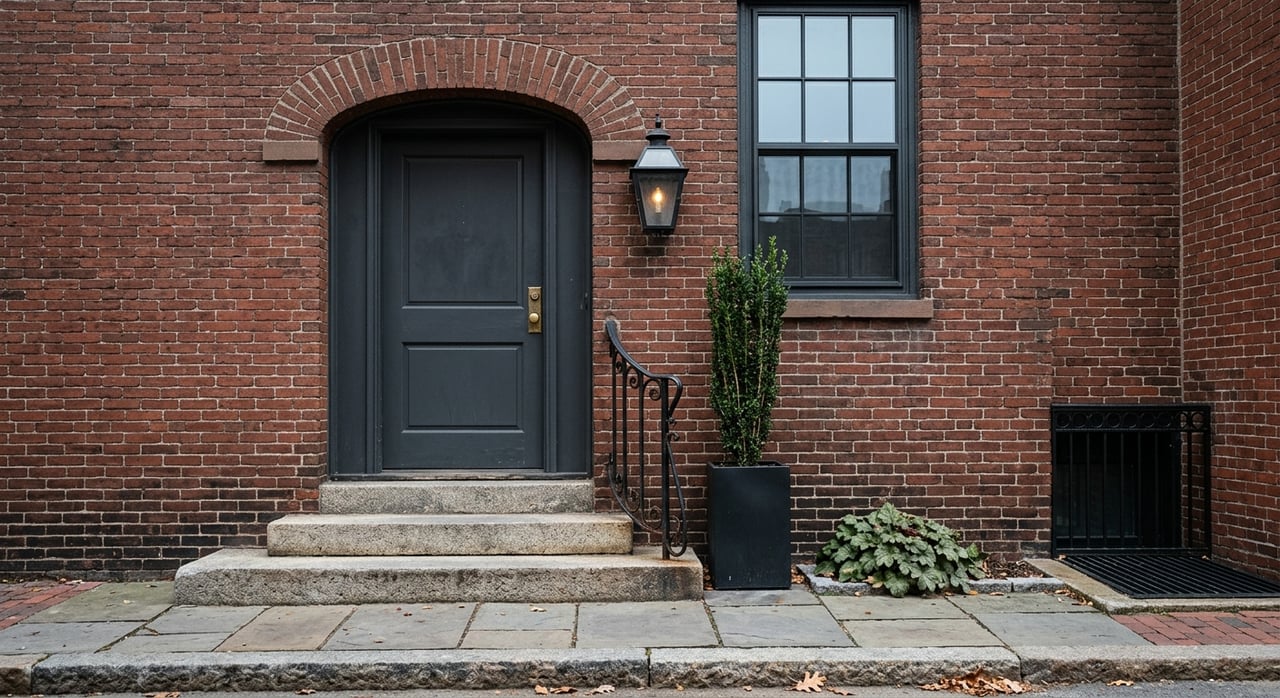
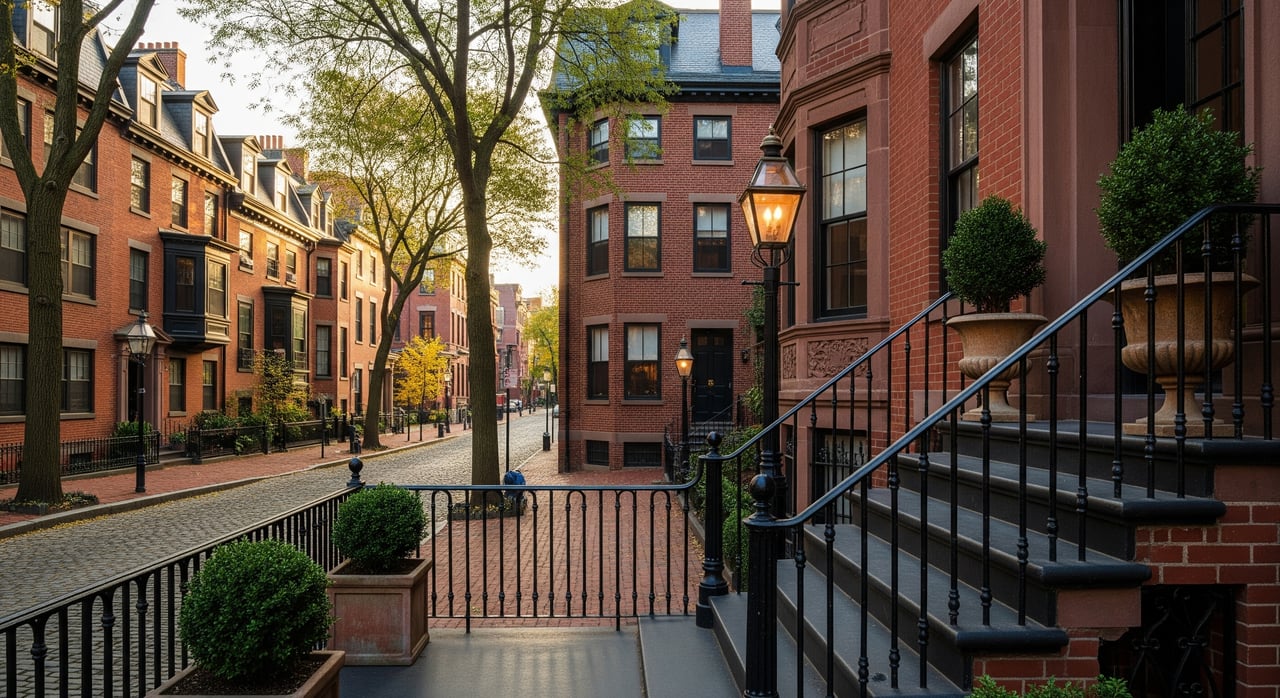
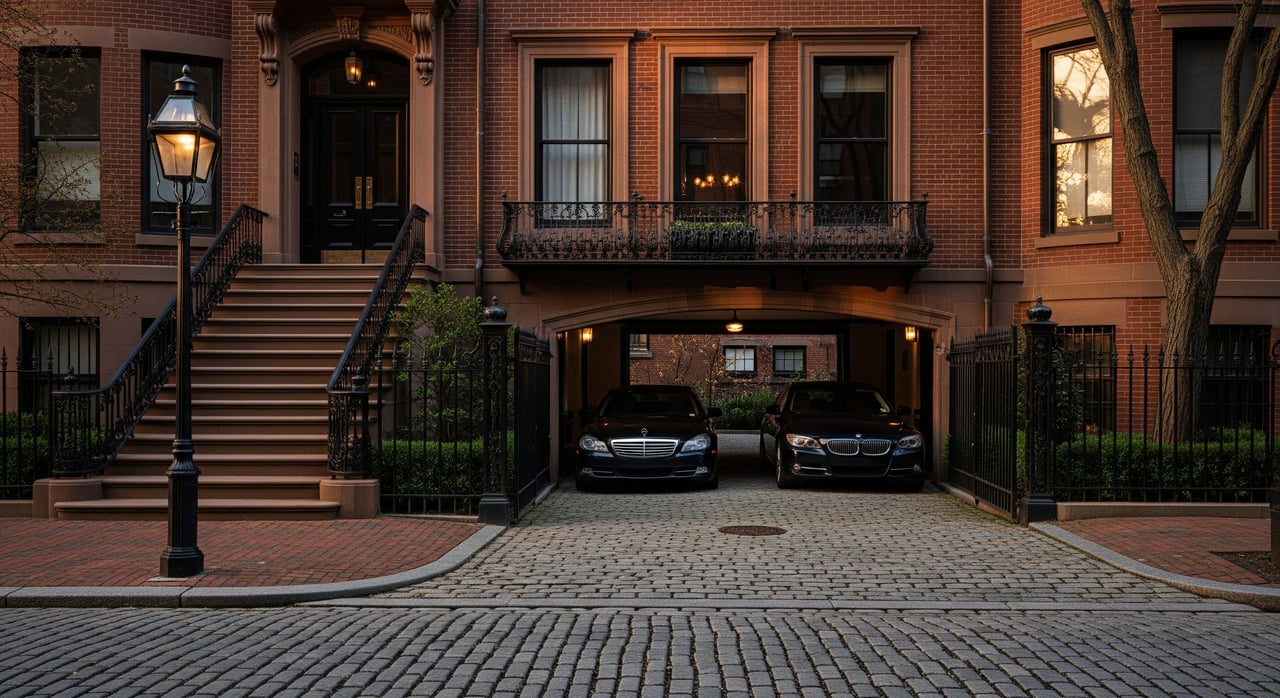
Beacon Hill is one of Boston’s most recognizable neighborhoods, with brick row houses, narrow streets, brick sidewalks, gas lamps, and a compact street layout centered around old colonial Boston form. Boston defines the area roughly by Beacon Street, Bowdoin Street, Cambridge Street, and Storrow Drive, which helps explain why the neighborhood feels so contained and easy to navigate on foot.
For many families, that compact layout is a real advantage. You can often handle daily errands, preschool drop-off, playground stops, and city outings without needing to drive far, or at all. At the same time, Beacon Hill does not function like a suburban neighborhood, so if you rely on wide streets, simple curb access, or abundant storage for gear, the adjustment can feel significant.
Why walkability matters here
Walkability is one of Beacon Hill’s strongest assets for young families. The neighborhood’s small footprint and central location make it easier to move through your day without spending much time in the car. That can be especially appealing if you want a more connected, urban lifestyle and value being close to downtown Boston.
The flip side is that the neighborhood’s historic layout shapes how you move. Narrow streets, older sidewalks, and tightly spaced homes create a beautiful setting, but they can make everyday logistics feel more layered than they would in a newer area. In Beacon Hill, convenience often comes from proximity, not from extra space.
Strollers and daily movement
Boston’s sidewalk repair program highlights the importance of smooth sidewalks for people pushing strollers, and the city’s work includes ADA ramp upgrades and sidewalk restoration. In practical terms, stroller use in Beacon Hill is absolutely doable, but the experience is more about managing historic surfaces than gliding through wide, flat pathways.
If you are picturing daily walks with a large stroller and lots of gear, it helps to think realistically about the terrain. The brick sidewalks and older street grid may make a lightweight stroller or baby carrier feel more practical for many routines. Families who are comfortable adapting to the neighborhood’s physical layout often find the tradeoff worthwhile because so much is close by.
Best parks near Beacon Hill
For outdoor time, Beacon Hill families often rely on a small but useful network of nearby parks. Boston’s parks inventory for the Back Bay and Beacon Hill area includes Boston Common, Public Garden, Myrtle Street Playground, Phillips Street Play Area, and Clarendon Street Playlot. That mix gives you several nearby options rather than one large neighborhood-only playground.
This matters because family life here often works best when you know your rotation. Instead of expecting a single big park around the corner, you may use different spaces for different needs, like quick play breaks, longer outdoor time, or room to run around on the weekend.
Boston Common as the main outdoor hub
For most families in Beacon Hill, Boston Common is the outdoor amenity that does the most heavy lifting. The city notes that it includes ballfields, a tot lot, and the Frog Pond, which becomes a spray pool for children in summer and a skating destination in winter.
That year-round flexibility is a major plus if you want outdoor options close to home. Boston is also planning an expanded Tadpole Playground with more diverse and accessible play equipment, which points to continued investment in this area for families.
Smaller play spaces nearby
The smaller nearby play areas can also be useful for families who want quick outdoor access without turning every outing into a full park trip. Myrtle Street Playground and Phillips Street Play Area are part of the neighborhood’s practical everyday mix, while the Public Garden offers another nearby green space for walks and fresh air.
In a compact neighborhood like Beacon Hill, these smaller destinations can make a big difference. They give you options when you want to get outside for 20 minutes instead of planning half a day around it.
Childcare and school planning
If you are moving to Beacon Hill with young children, planning ahead matters. Childcare and school options in Boston are often spread across adjacent neighborhoods, so your search area may be wider than just Beacon Hill itself.
Massachusetts offers a search tool for licensed child care programs, and nearby early-childhood examples include Bright Horizons at Beacon Hill, Beacon Hill Nursery School, and Torit Montessori School near Massachusetts General Hospital. These options help show the type of nearby care that many local families explore as they build a routine.
Public school options to know
On the public-school side, Josiah Quincy Elementary School lists an IB Primary Years Programme, a Mandarin bilingual program starting in K1 in September 2025, and a guaranteed pathway to Josiah Quincy Upper School. Nearby Boston Public Schools options also include Eliot K-8 Innovation School in the North End and Boston Latin School.
For households balancing work schedules, before- and after-school care can be just as important as the school itself. Boston Public Schools lists both Josiah Quincy Elementary School and Eliot K-8 Innovation School among current 21st Century before-and-after-school program sites, which may be a helpful detail as you compare daily logistics.
Parking and car ownership
Parking is one of the clearest lifestyle filters in Beacon Hill. The neighborhood is part of Boston’s Resident Parking Program, and the city notes that vehicles not registered in the neighborhood need a permit when restrictions are active, visitor spaces are limited, and resident permits are free.
That setup does not mean you cannot own a car here. It does mean that parking usually requires more planning and patience than many families expect if they are coming from a less dense area. In Beacon Hill, driving is possible, but parking rarely feels casual.
Guest and overflow parking
For guest parking or overflow needs, the Boston Common Garage is one of the most important nearby resources. The garage states that it is beneath Boston Common, open 24/7, and built for 1,350 vehicles.
The city also notes that Beacon Hill residents can use a discounted $2-per-day rate there during snow emergencies with proof of residency. That is a helpful backup, but it also reinforces a larger point: if your family routine depends on frequent, easy car access and simple loading, Beacon Hill may feel more complicated than expected.
What homes feel like for families
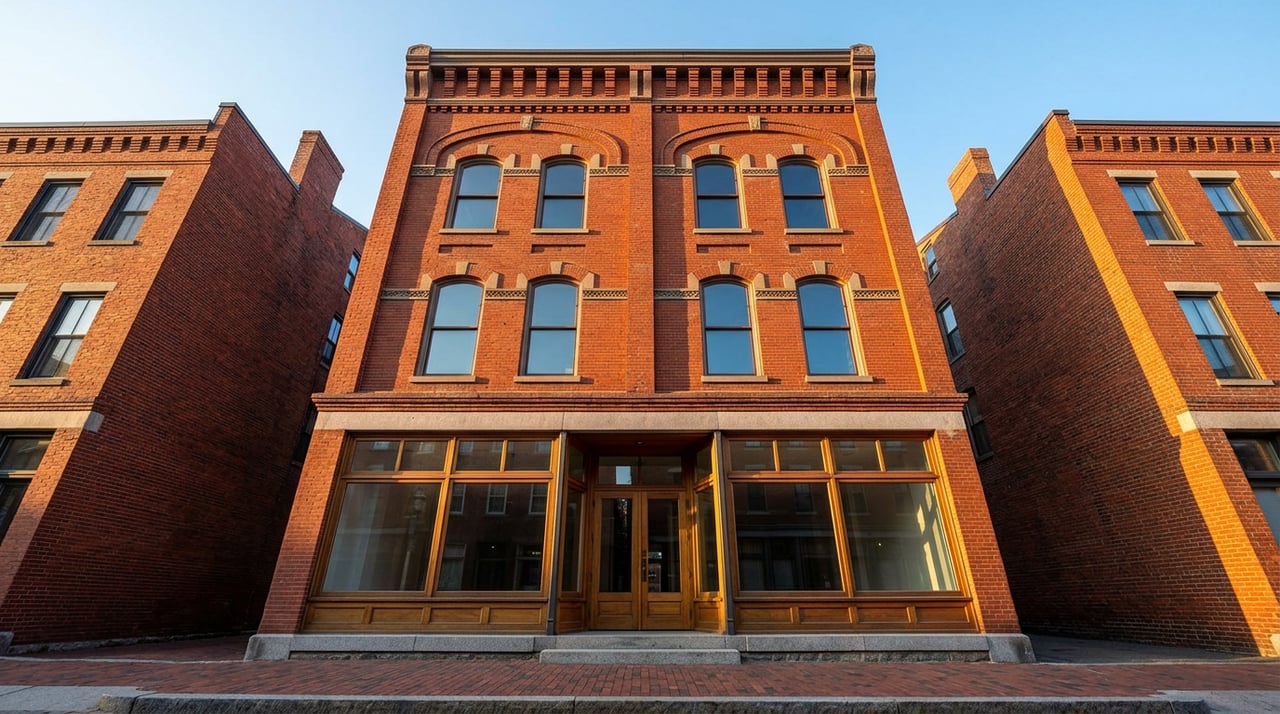
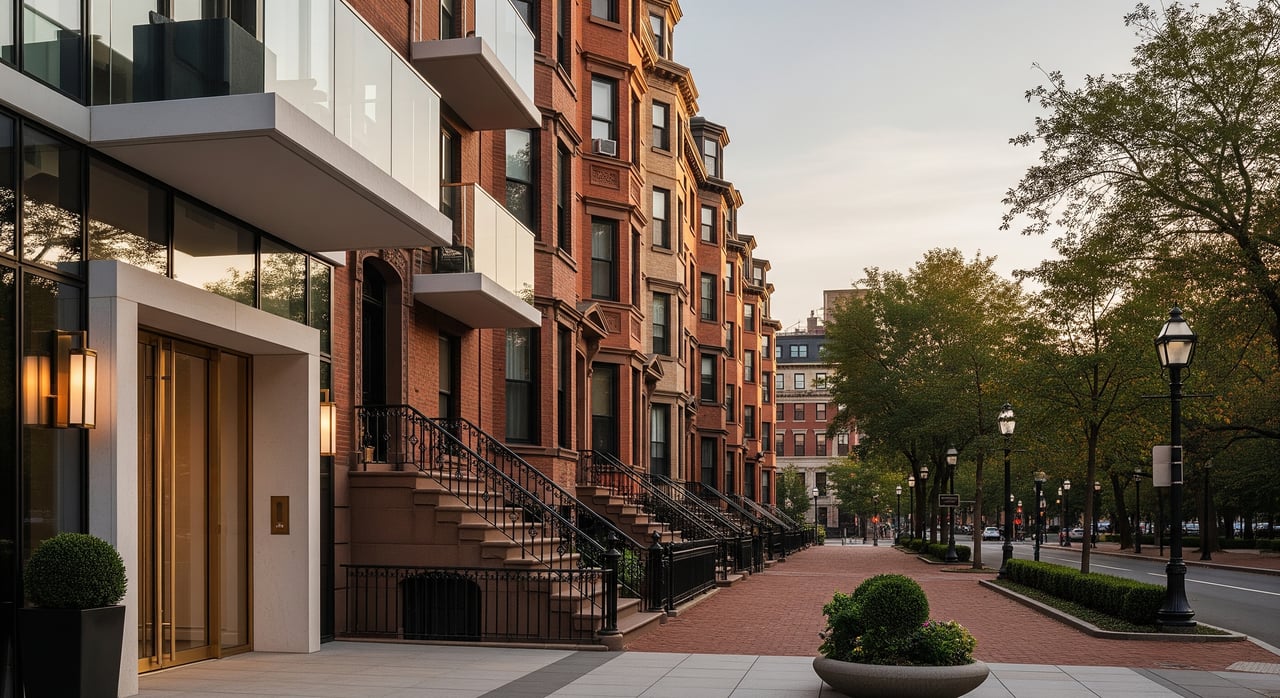
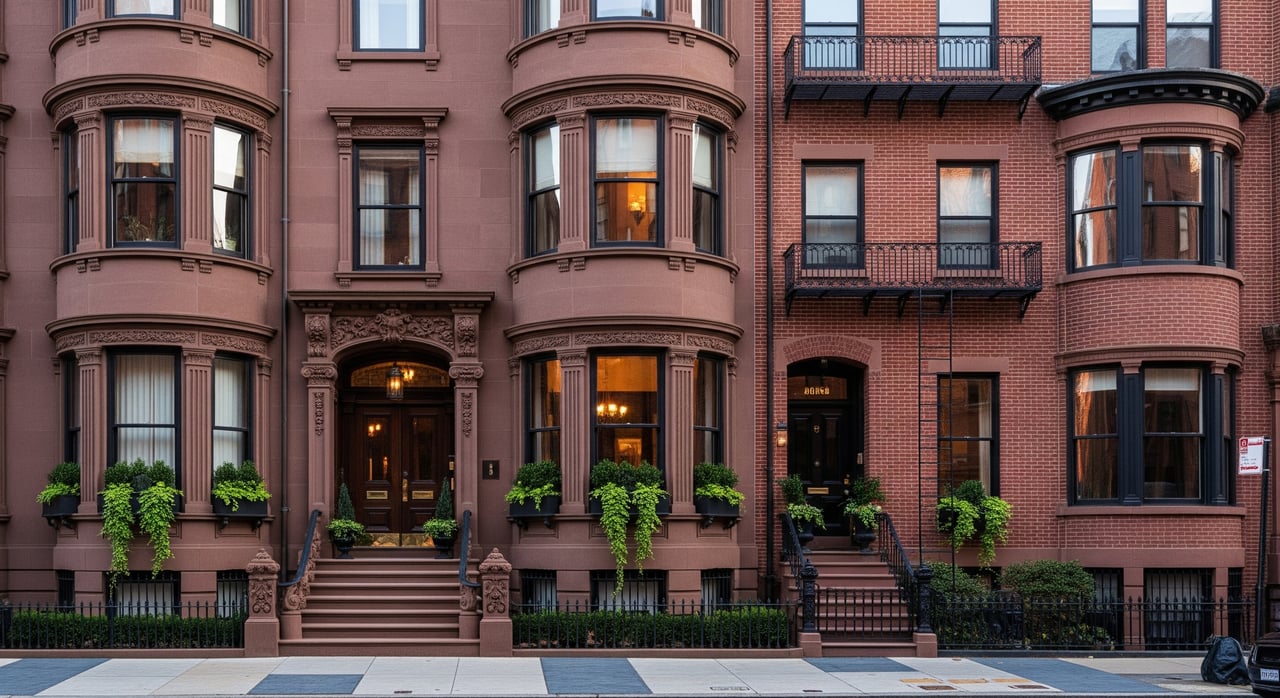
Beacon Hill’s housing stock is closely tied to its historic row-house pattern. Boston describes the neighborhood through its brick row houses and distinctive architecture, while the National Park Service explains that tall brick row houses on narrow lots became the dominant development pattern in the historic district.
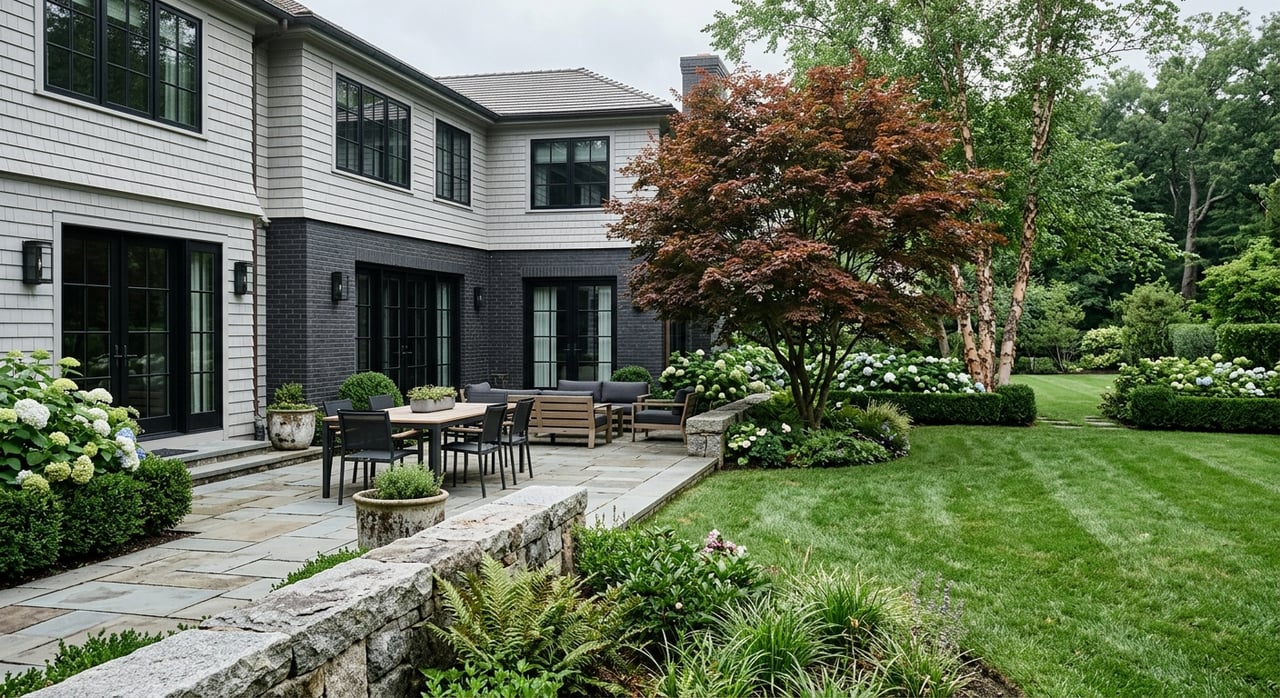
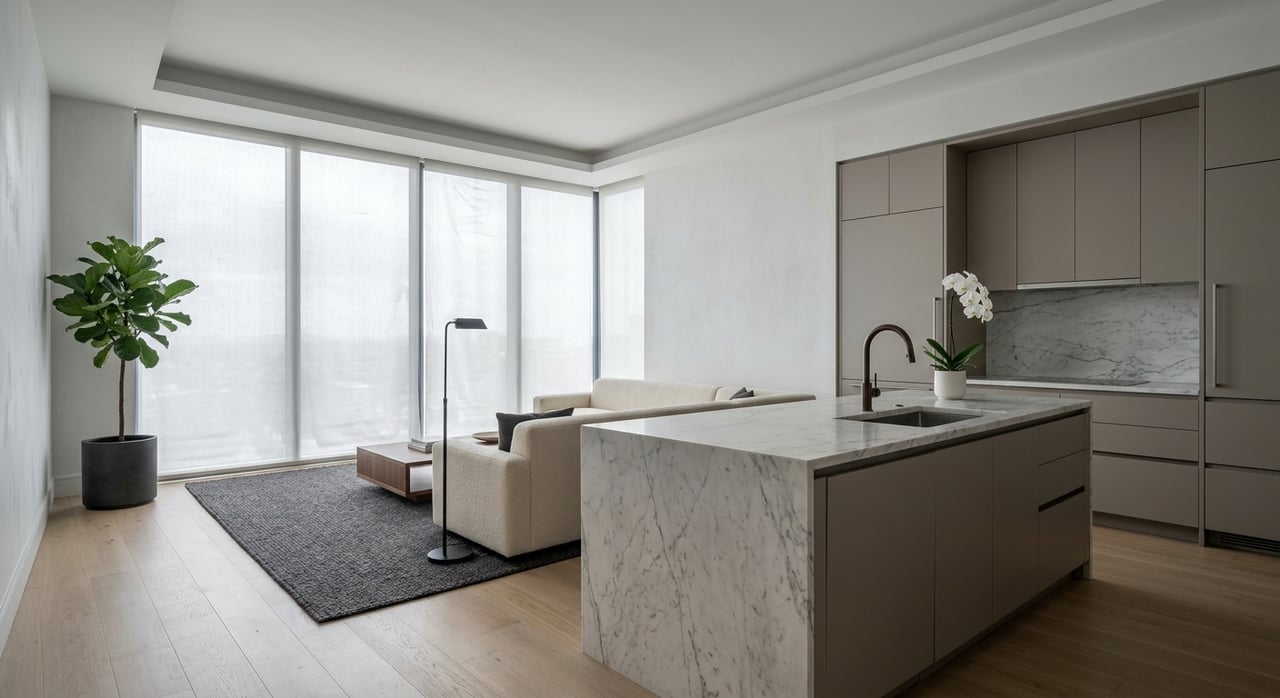
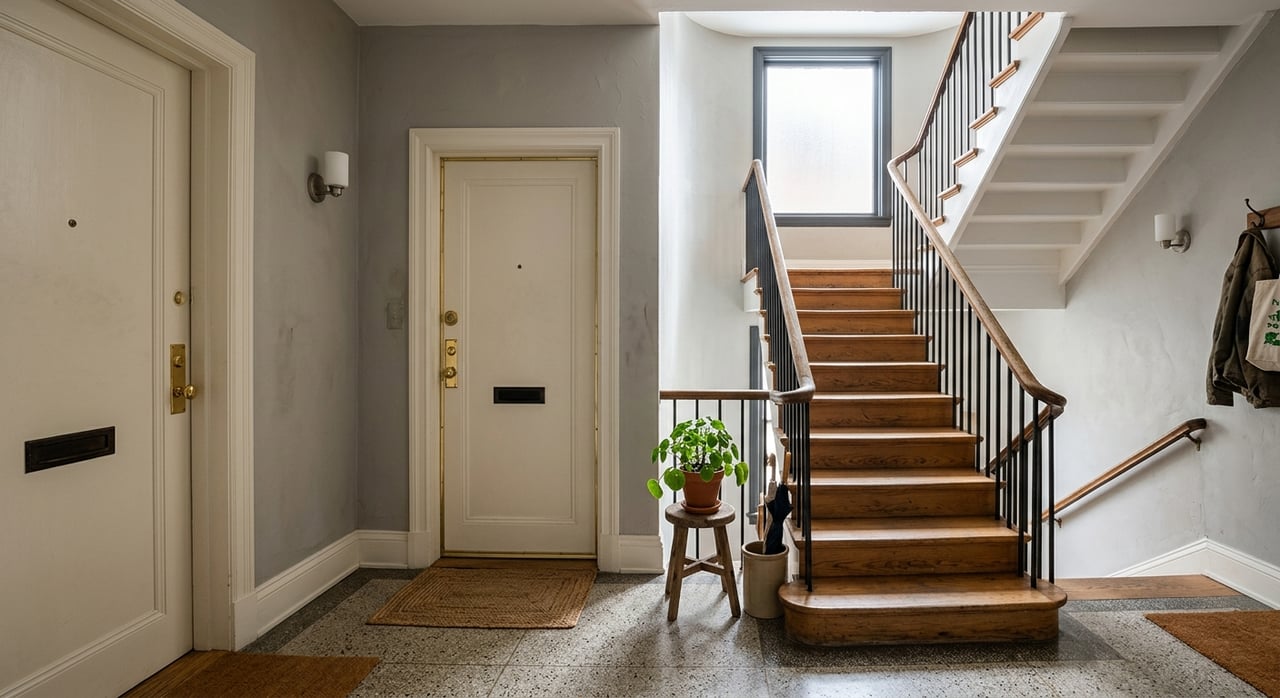
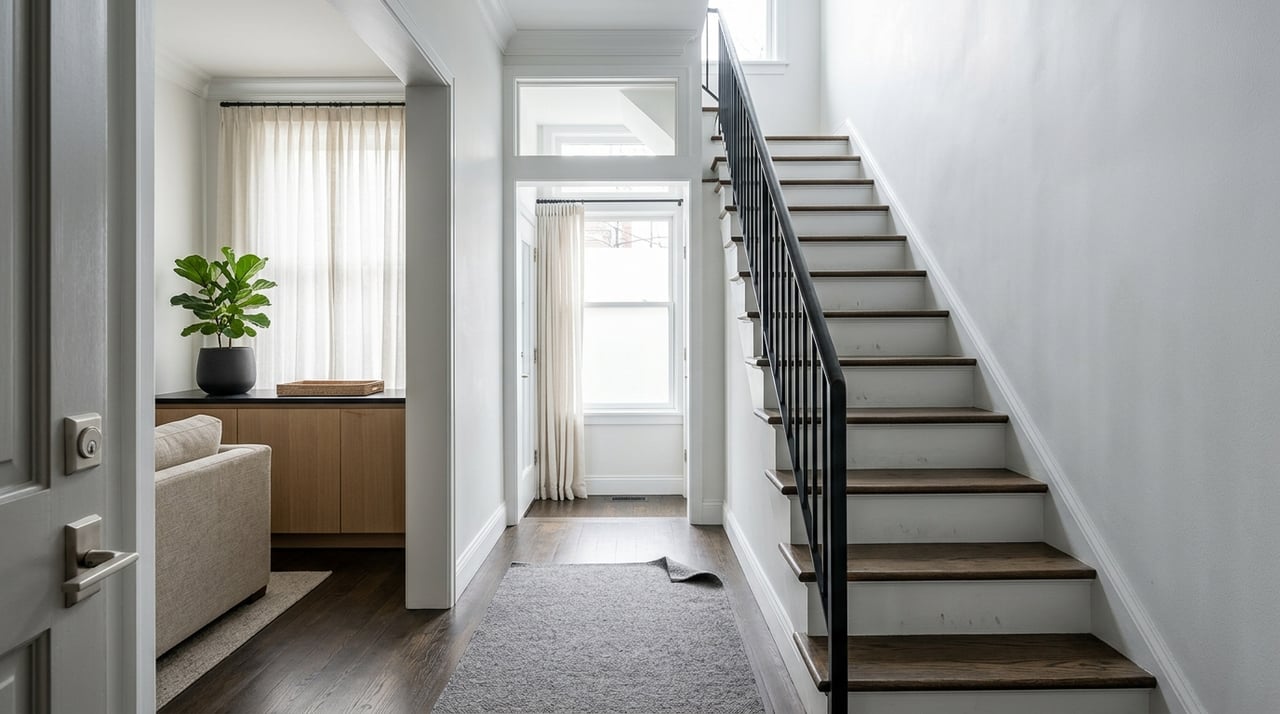
For you as a buyer or renter, that often translates into a different kind of family living experience. Many homes feel vertical rather than sprawling, with narrower layouts, more stairs, and less private outdoor space than you may find in newer Boston neighborhoods.
The tradeoff of historic housing
Some families love this format because it delivers character, location, and a strong sense of place. Others find that daily life becomes harder once they add strollers, groceries, storage bins, and the general volume of kid-related gear.
Neither reaction is wrong. The key is to match the home’s layout to your actual routine, not just to the neighborhood’s visual appeal.
Who Beacon Hill fits best
Beacon Hill can be a great fit for dual-income professionals or young families who value walkability, central location, nearby childcare and school options, and easy access to outdoor space like Boston Common. It tends to work especially well if you are comfortable organizing your life around compact interiors, stairs, and a less car-dependent rhythm.
It may be less practical if your household strongly prioritizes a driveway, large private outdoor space, or simple loading for sports gear, strollers, and daily errands. In other words, Beacon Hill is often most successful for families who want an urban lifestyle first and are willing to adapt to the neighborhood’s historic form.
How to decide if Beacon Hill works for you
The best way to evaluate Beacon Hill is to think beyond the listing photos. Ask yourself how often you drive, how much gear you carry each day, what kind of outdoor access you want, and whether a vertical home layout feels realistic for your family’s current stage.
When the fit is right, Beacon Hill can feel deeply rewarding. You get beautiful architecture, an unmatched Boston setting, and a daily routine built around walking rather than commuting from place to place.
If you are weighing Beacon Hill against other Boston neighborhoods, a guided local comparison can make the decision much clearer. Morgan Franklin helps buyers and sellers navigate Boston neighborhood fit with a high-touch, informed approach that keeps your lifestyle goals at the center.
FAQs
Is Beacon Hill good for families with young kids?
- Beacon Hill can work well for families with young kids who value walkability, nearby parks, and central Boston access, especially if they are comfortable with compact homes, stairs, and limited parking.
What parks do families use near Beacon Hill?
- Families near Beacon Hill often use Boston Common, the Public Garden, Myrtle Street Playground, Phillips Street Play Area, and Clarendon Street Playlot for outdoor time.
Is Beacon Hill stroller-friendly for parents?
- Stroller use is doable in Beacon Hill, but older brick sidewalks, uneven surfaces, and the historic street layout can make lightweight strollers or carriers more practical for daily movement.
What childcare options are near Beacon Hill Boston?
- Nearby early-childhood examples include Bright Horizons at Beacon Hill, Beacon Hill Nursery School, and Torit Montessori School, and families can also use Massachusetts tools to search for licensed child care programs.
How does parking work in Beacon Hill Boston?
- Beacon Hill is part of Boston’s Resident Parking Program, so resident permits, visitor limitations, and nearby garage options all play a role in how families manage car ownership and guest parking.
What kind of homes do families find in Beacon Hill?
- Many Beacon Hill homes reflect the neighborhood’s historic row-house layout, which often means narrower floor plans, more stairs, and less private outdoor space than in newer neighborhoods.