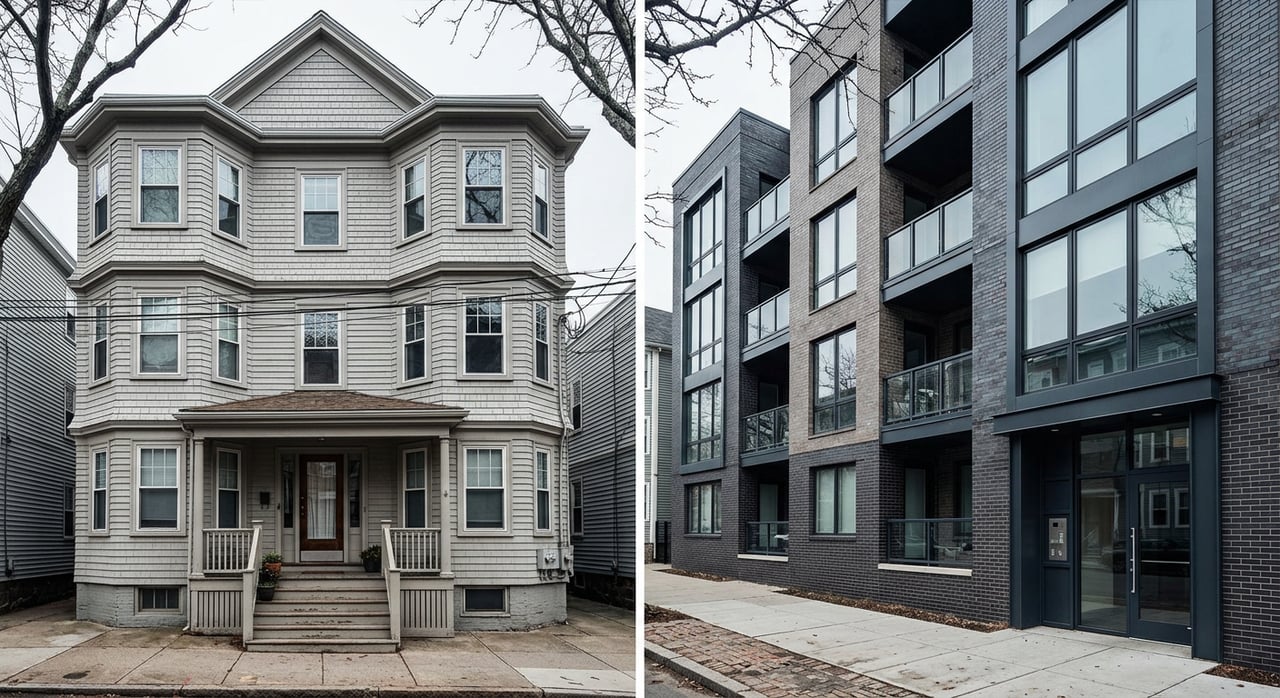
If you are moving up from Boston, choosing between Newton and Wellesley can feel less like picking a town and more like choosing a daily rhythm. You may be weighing more space, a different commute, and a home that better fits your next chapter, while still wanting strong access to the city. The good news is that both towns offer compelling options, but they serve slightly different priorities. Let’s break down what matters most so you can compare them with confidence.
Newton vs. Wellesley at a glance
For many Boston move-up buyers, the core question is simple: do you want more variety and transit flexibility or a more uniform single-family setting?
Newton is the larger market by a wide margin, with an estimated 2024 population of 90,700. Wellesley is smaller at 31,242 residents. That difference shows up in how each place feels, how housing is distributed, and how much variation you will see from one area to the next.
Newton also has a lower median owner-occupied home value than Wellesley based on Census data, at $1,264,900 compared with $1,582,700 in Wellesley. For a move-up buyer, that does not mean Newton is inexpensive. It does suggest a broader range of housing options and price points within the same general west-of-Boston corridor.
How each town is laid out
Newton offers more micro-markets
Newton describes itself as a city with no single downtown. Instead, it is organized around 13 distinct villages and multiple commercial clusters, about seven miles west of Boston.
That matters if you want optionality. In practice, Newton often gives you a more layered search process, where one village may feel transit-oriented, another more residential, and another more connected to a specific commercial area.
Wellesley feels more compact
Wellesley is more village-centered, with commercial areas that include Wellesley Square, Wellesley Hills, the Fells area, and Linden Square. Compared with Newton, the town reads as more compact and more consistent in its suburban pattern.
If you prefer a tighter geographic footprint and a more concentrated set of village centers, that can be a meaningful advantage. Your search may feel more straightforward because the market is less internally varied.
Commute patterns and transit access
Newton gives you more transit choices
Newton has Green Line access at Riverside, Woodland, Waban, Eliot, Newton Highlands, Newton Centre, and Chestnut Hill. It also has Worcester/Framingham commuter rail service at Auburndale, West Newton, and Newtonville.
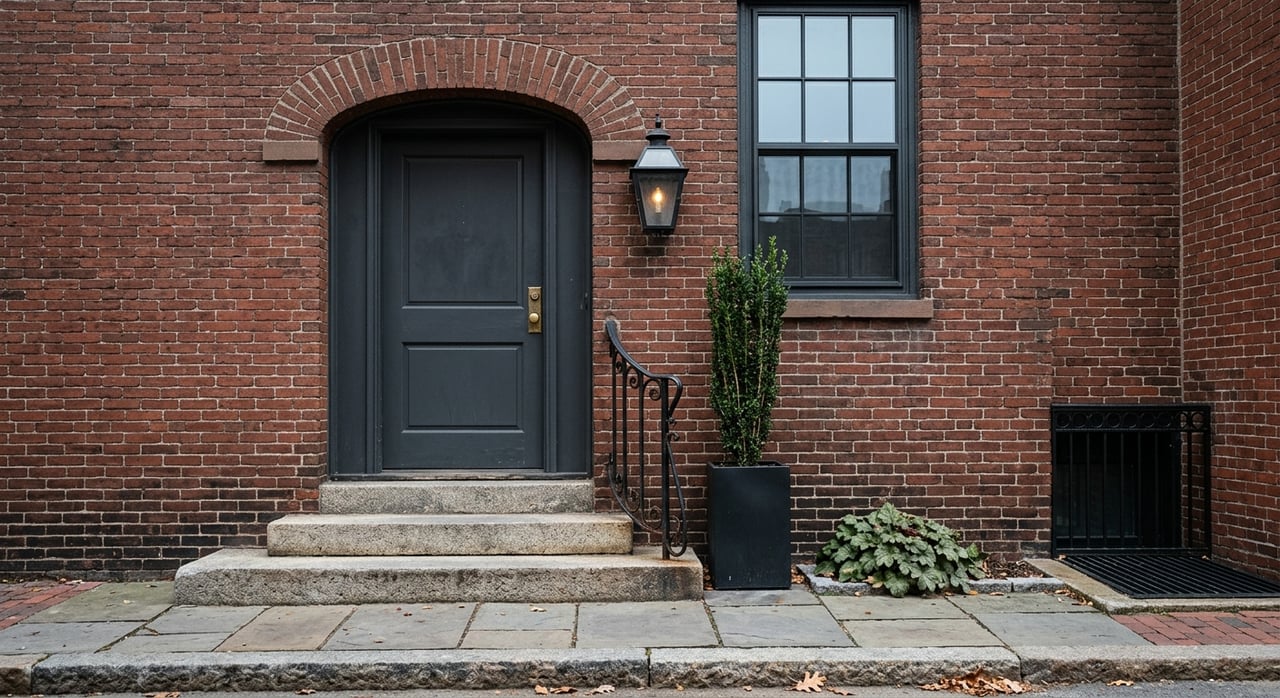
For buyers coming from Back Bay, Beacon Hill, or the South End, that mix can feel familiar in a good way. You may still be in a suburb, but your options for getting in and out of Boston are more varied depending on where you buy.
Wellesley leans more commuter rail
Wellesley residents can use the MBTA Framingham/Worcester Commuter Rail Line from Wellesley Square, Wellesley Hills, or Wellesley Farms. The town also notes access to nearby Green Line stations in Newton, including Woodland and Waban.
Wellesley’s 2025 strategic housing plan says Boston was the top commute destination for employed Wellesley residents, accounting for 32.4% of commuters in 2022 OnTheMap data. That helps explain why the commuter rail plays such an important role in daily life there.
What this means for move-up buyers
If your current Boston lifestyle depends on flexibility, Newton may feel like the easier suburban transition. If you are comfortable with a more commuter-rail-centered routine and want a town shaped around a smaller number of village nodes, Wellesley may feel more aligned.
Housing stock and what you are likely to find
Newton has broader housing variety
Newton’s housing inventory includes single-family homes, condominiums, two-family homes, three-family homes, apartments, and accessory apartments. A city planning memo shows 17,184 single-family units, 5,235 condominiums, 5,386 two-family units, 819 three-family units, 4,328 apartment units, and 102 accessory apartments.
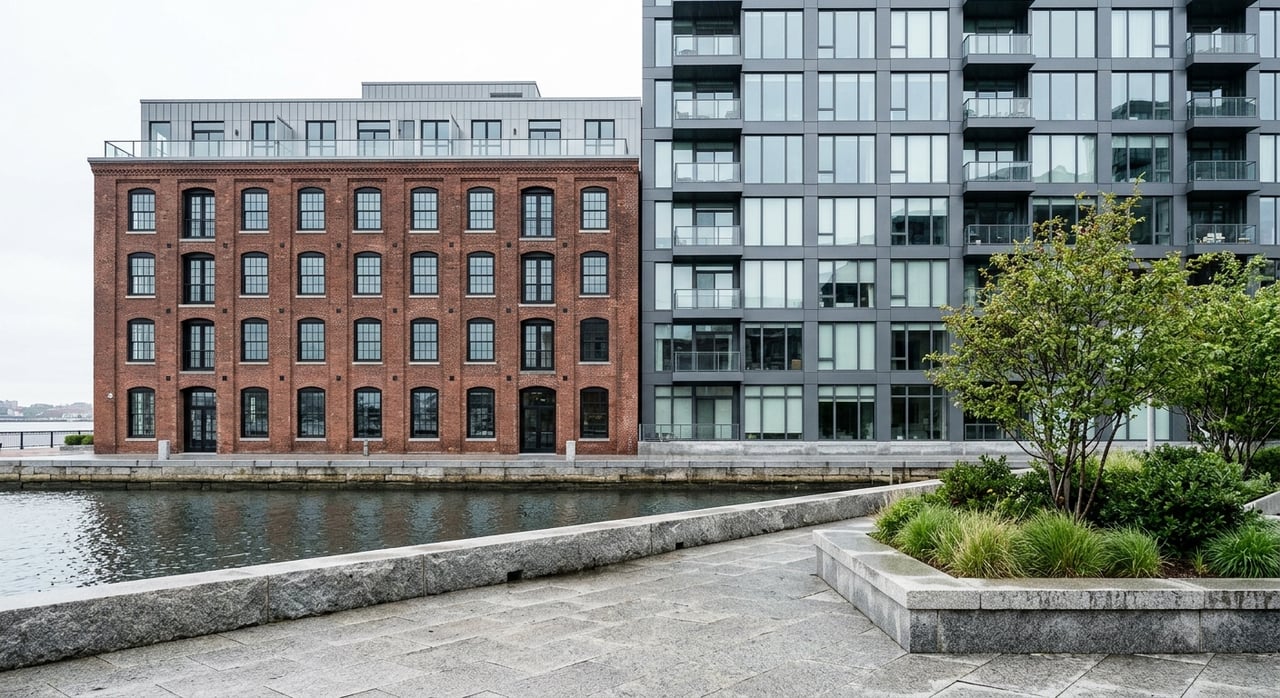
That variety is one of Newton’s biggest advantages for move-up buyers. If you are coming from a Boston condo and want more space without immediately jumping to a traditional detached home, Newton creates more stepping-stone options.
Wellesley is more single-family focused
Wellesley’s June 2025 draft Strategic Housing Plan reports that 82.0% of its housing stock is single-family detached. In Newton, that figure is 56.2%.
That difference is huge. It tells you that Wellesley is much more centered on the classic detached suburban home, while Newton supports a broader set of housing formats.
Wellesley homes fit a classic move-up profile
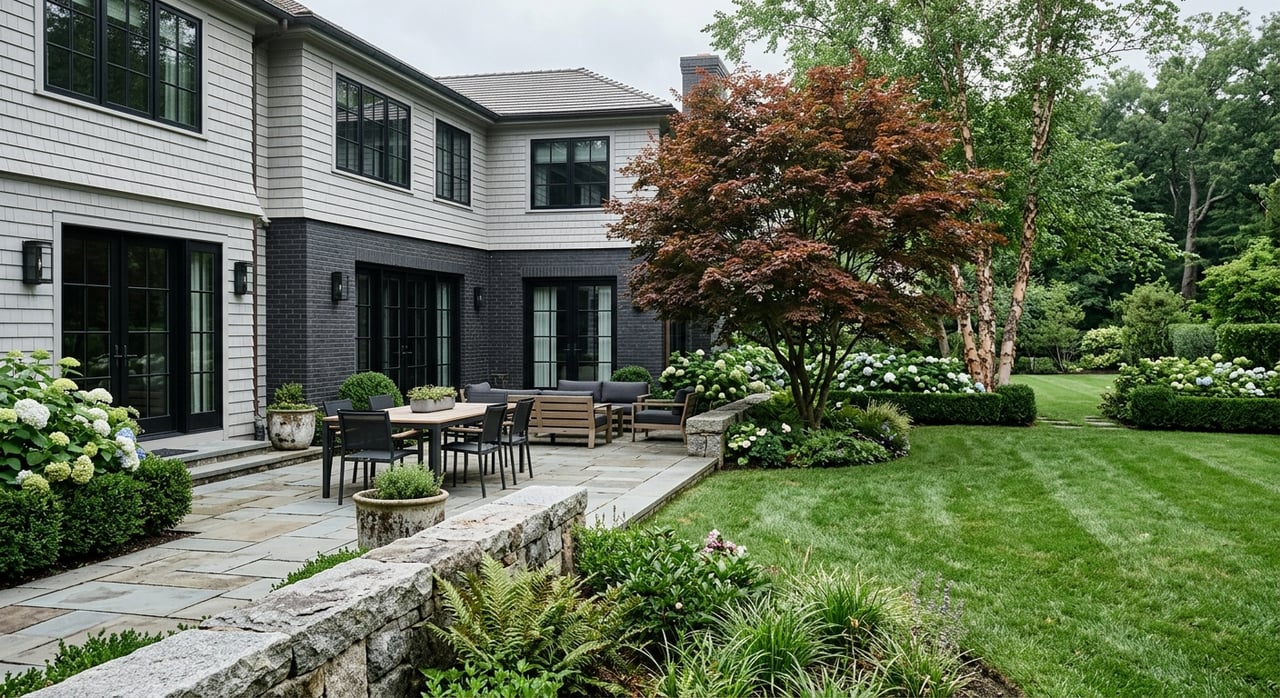
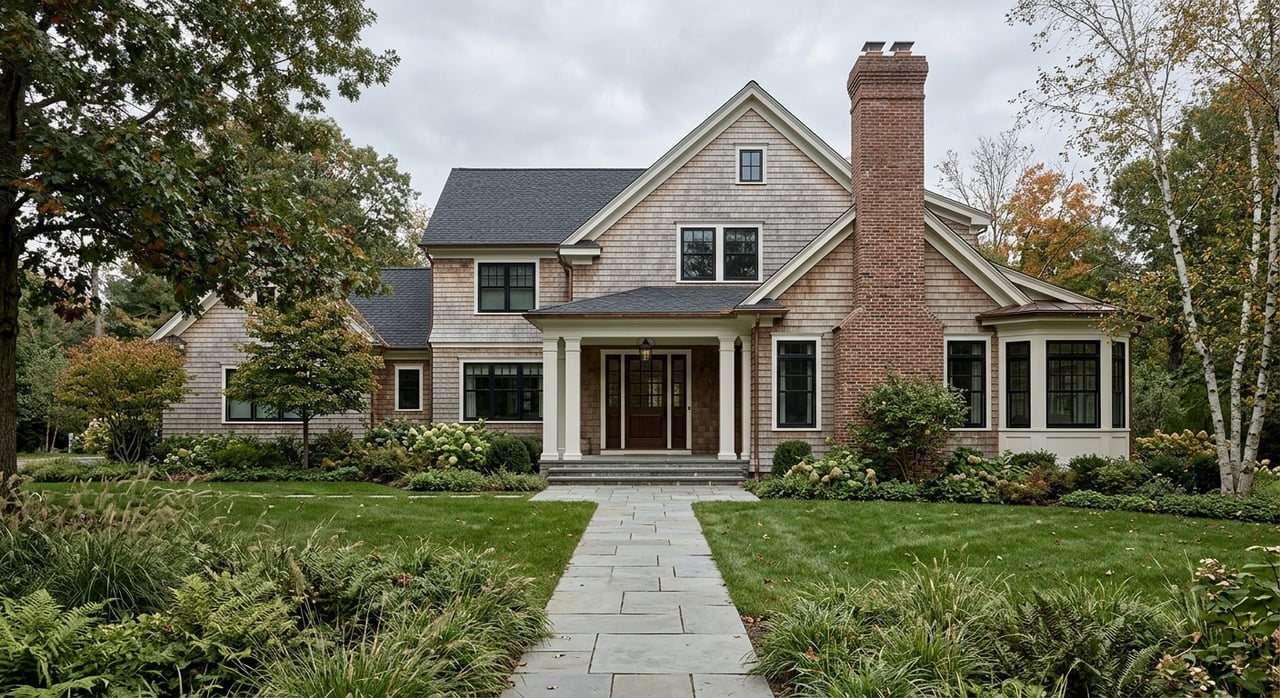
The same Wellesley plan paints a clear picture of the town’s single-family housing stock. It reports a median assessed value of $1,656,000, a median year built of 1950, a median lot size of 15,000 square feet, and a median of 9 rooms.
Architecturally, Wellesley is also more consistent. The most common styles are Colonial at 57%, followed by Garrison at 11% and Cape Cod at 11%, and 63.6% of owner-occupied units have 4 or 5 bedrooms.
Newton gives you more range in style and price
Newton’s architectural character is broader, with Colonial Revival especially prevalent along with examples such as Queen Anne and Georgian homes. Its assessed values also span a wider set of property types.
According to Newton’s FY2026 assessing FAQ, median assessed values are $1,503,500 for single-family homes, $1,213,950 for two-family homes, $1,365,900 for three-family homes, $813,500 for condominiums, and $2,111,900 for apartments with 4+ units. That spread helps show why Newton often appeals to buyers who want flexibility in both home type and budget strategy.
Schools and daily scale
Both districts are established systems
Newton Public Schools lists 22 schools serving 11,461 students in 2025-26. Wellesley Public Schools lists 9 schools serving 3,922 students. Massachusetts DESE classifies both districts as not requiring assistance or intervention.
Both districts also report 100% full-day kindergarten in DESE enrollment data. For most buyers, the more useful distinction is not a simple better-or-worse judgment. It is scale.
Wellesley is smaller and more concentrated
Wellesley’s 2024 accountability report says the district is meeting or exceeding targets with an 85% accountability percentile. The district’s smaller size can appeal to buyers looking for a more concentrated system footprint.
If that matters to you, Wellesley may feel easier to understand at a high level during your search. A smaller district often changes how buyers think about logistics, school-community feel, and assignment patterns.
Newton is larger and more varied
Newton’s 2024 accountability report says the district is making substantial progress toward targets with a 72% accountability percentile. Its larger scale means more neighborhood-school variety across a broader city footprint.
That wider footprint can be a plus if you want more neighborhood choice overall. It can also mean your home search becomes more location-specific, since village, commute, and school assignment patterns may intersect differently across the city.
Which town fits your next chapter?
Newton may fit you if you want flexibility
Newton tends to be a strong fit if you want:
- More transit options
- More neighborhood variety
- A broader mix of housing types
- More price-point spread within one city
- A closer-in suburban feel
For many Boston owners moving out of a condo or townhouse, Newton can feel like a softer landing. You are still gaining space, but you do not have to give up as much optionality.
Wellesley may fit you if you want a classic suburban move-up
Wellesley tends to be a strong fit if you want:
- A mostly detached single-family market
- Larger lots
- More 4- and 5-bedroom homes
- A more consistent architectural profile
- A compact, village-centered suburban setting
If your vision of the next home centers on a traditional single-family property with a more uniform town identity, Wellesley often delivers that clearly.
The real tradeoff for Boston buyers
For move-up buyers coming from Back Bay, South End, or Beacon Hill, this comparison is rarely just about square footage. It is about how you want your life to function after the move.
Newton offers a closer-in suburb with more internal variety, more transit diversity, and more housing flexibility. Wellesley offers a more traditional detached-home market with a stronger village-centered pattern and a more consistent suburban identity.
Neither choice is universally better. The right fit depends on whether you value breadth and flexibility more, or consistency and a classic single-family framework more.
If you are weighing Newton versus Wellesley and want tailored guidance based on your price point, commute, and housing goals, Morgan Franklin can help you build a focused move-up strategy with local insight and concierge-level support.
FAQs
What is the main difference between Newton and Wellesley for Boston move-up buyers?
- Newton generally offers more housing variety, more transit options, and more neighborhood differences, while Wellesley is more centered on detached single-family homes and a compact village-based layout.
Is Newton or Wellesley more expensive for homebuyers?
- Based on Census QuickFacts, Wellesley has a higher median owner-occupied home value at $1,582,700, compared with $1,264,900 in Newton.
Does Newton or Wellesley have more single-family homes?
- Wellesley has a more single-family-focused housing stock, with 82.0% single-family detached homes, compared with 56.2% in Newton.
Which town has more public transit options, Newton or Wellesley?
- Newton has more transit variety, with multiple Green Line stops and commuter rail stations, while Wellesley is more commuter-rail oriented with access through Wellesley Square, Wellesley Hills, and Wellesley Farms.
How do Newton and Wellesley public school systems compare in size?
- Newton Public Schools is the larger district, with 22 schools and 11,461 students, while Wellesley Public Schools has 9 schools and 3,922 students.
Is Wellesley a better fit for buyers looking for larger homes?
- Wellesley may appeal to buyers seeking a classic move-up single-family home, since the town reports a median of 9 rooms, a median lot size of 15,000 square feet, and a high share of owner-occupied homes with 4 or 5 bedrooms.