If you want Boston at full volume, Downtown is hard to beat. This is the city’s historic core, civic center, and one of its busiest live-work-visit districts, so choosing it means thinking carefully about how you want your day-to-day life to feel. In this guide, you’ll get a clear look at Downtown Boston’s pace, housing, walkability, and nearby alternatives so you can decide whether it truly fits your lifestyle. Let’s dive in.
What Downtown Boston feels like
Downtown is not a tucked-away residential pocket. The City of Boston describes it as the neighborhood that has served as the city’s hub since the 1700s, with City Hall, major landmarks, condos, apartments, and corporate headquarters all packed into the area.
That mix shapes the experience of living here. Downtown/Chinatown supports about 135,000 payroll jobs and more than 6,000 businesses, which helps explain why the neighborhood feels active from morning through evening. If you want energy, convenience, and constant movement around you, that can be a major plus.
At the same time, this is not usually the first choice for someone looking for a quiet, slower residential rhythm. Downtown is best understood as a dense urban center where people live, work, shop, commute, and go out, often all within the same few blocks.
Why buyers choose Downtown
For many buyers and renters, Downtown solves a simple problem: it puts you in the middle of everything. If your priorities include a short commute, easy access to transit, and the ability to walk to restaurants, theaters, public spaces, and daily essentials, Downtown checks a lot of boxes.
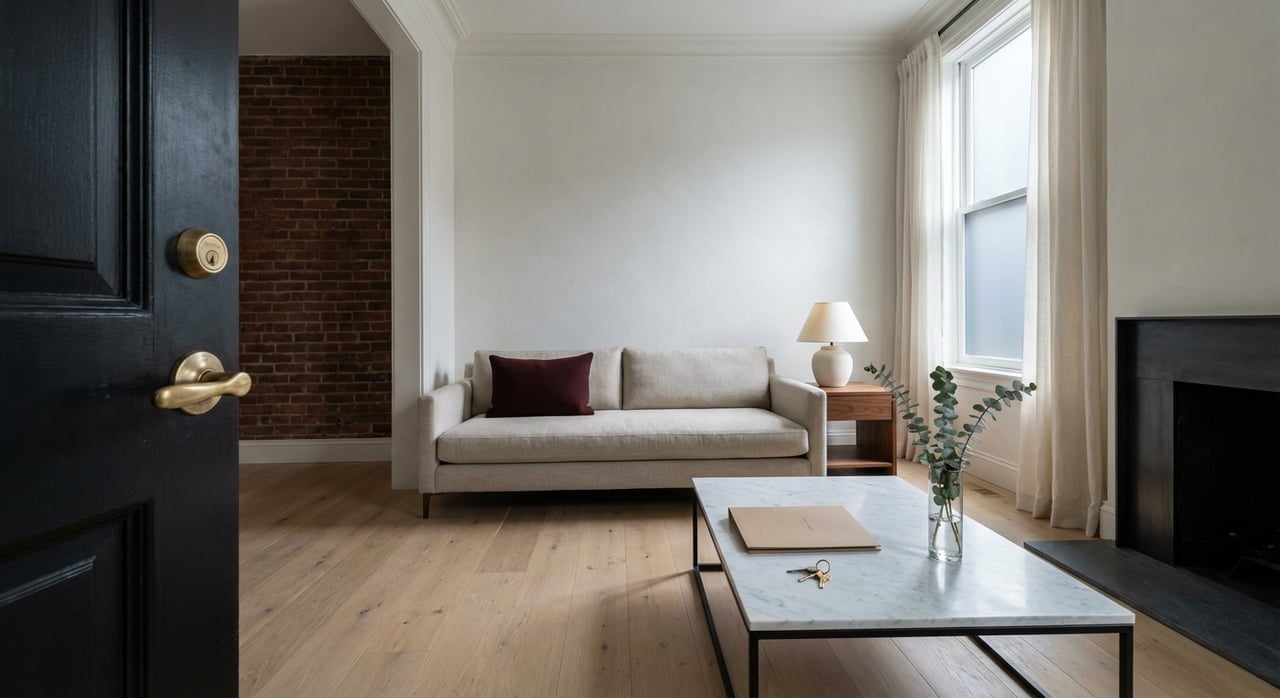
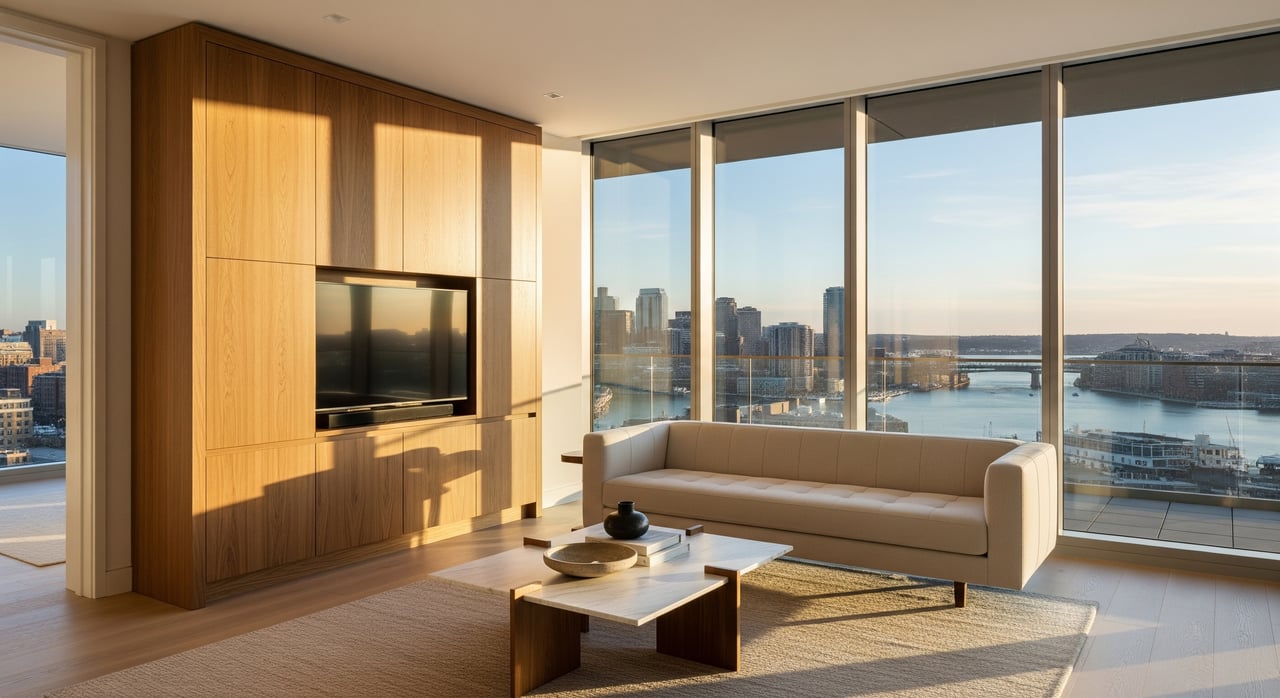
The neighborhood is also a strong fit if you prefer a low-maintenance home base. Much of the housing stock is made up of condos, apartments, modern towers, and converted buildings, which appeals to people who want city living without the upkeep that can come with larger properties.
From a lifestyle perspective, Downtown works especially well if you like being able to step outside and immediately have options. Whether that means grabbing coffee, meeting friends for dinner, catching a show, or heading toward the Greenway or Boston Common, the neighborhood makes those choices feel close and easy.
Walkability and commuting in Downtown
One of Downtown’s biggest strengths is how easy it is to get around without a car. Official planning materials highlight easy walking access to theaters, restaurants, cafes, waterfront areas, the Rose Kennedy Greenway, Dewey Square, and Boston Common.
The city has also invested in improving the pedestrian experience. Boston Transportation’s Downtown Crossing street-improvement work is designed to improve walking conditions, reduce conflicts with loading and bicycles, and strengthen connections to transit and public space.
If your work or routine is centered in Boston, Downtown’s location is a real advantage. The city’s planning goals for the area specifically focus on adding housing in the center of the transit network, which reinforces Downtown’s role as one of the most connected places in the city.
Dining, shopping, and nightlife
Downtown Crossing is the neighborhood’s core retail and dining hub. You’ll find a mix of national retailers, apparel stores, bakeries, fast-casual spots, and fine dining options, which gives the area a practical side as well as a social one.
Downtown also stays active after work hours. Historic theaters like the Opera House, the Modern, and the Paramount help keep the area lively in the evening, and the city’s Office of Nightlife Economy has focused on supporting a vibrant and safe nightlife scene.
Late-night food trucks are currently scheduled at Faneuil Hall and in the Theater District, which adds to that evening energy. If you enjoy a neighborhood that still feels awake after dinner, Downtown offers that in a way many Boston neighborhoods do not.
How busy is Downtown, really?
The short answer is: very. The city says Downtown Crossing sees more than 200,000 workers and 250,000 pedestrians each day, and Boston’s 2024 economic report says Greater Downtown foot traffic has recovered to more than 80% of 2019 levels.
That means a lively street scene is normal here, especially around Downtown Crossing, Faneuil Hall, and the Theater District. For some buyers, that constant motion feels exciting and convenient. For others, it can feel like a lot, particularly if your ideal home life includes quieter evenings and less foot traffic right outside your door.
This is one of the most important lifestyle questions to ask yourself. You are not just choosing a home, you are choosing the intensity of the environment around it.
Housing in Downtown Boston
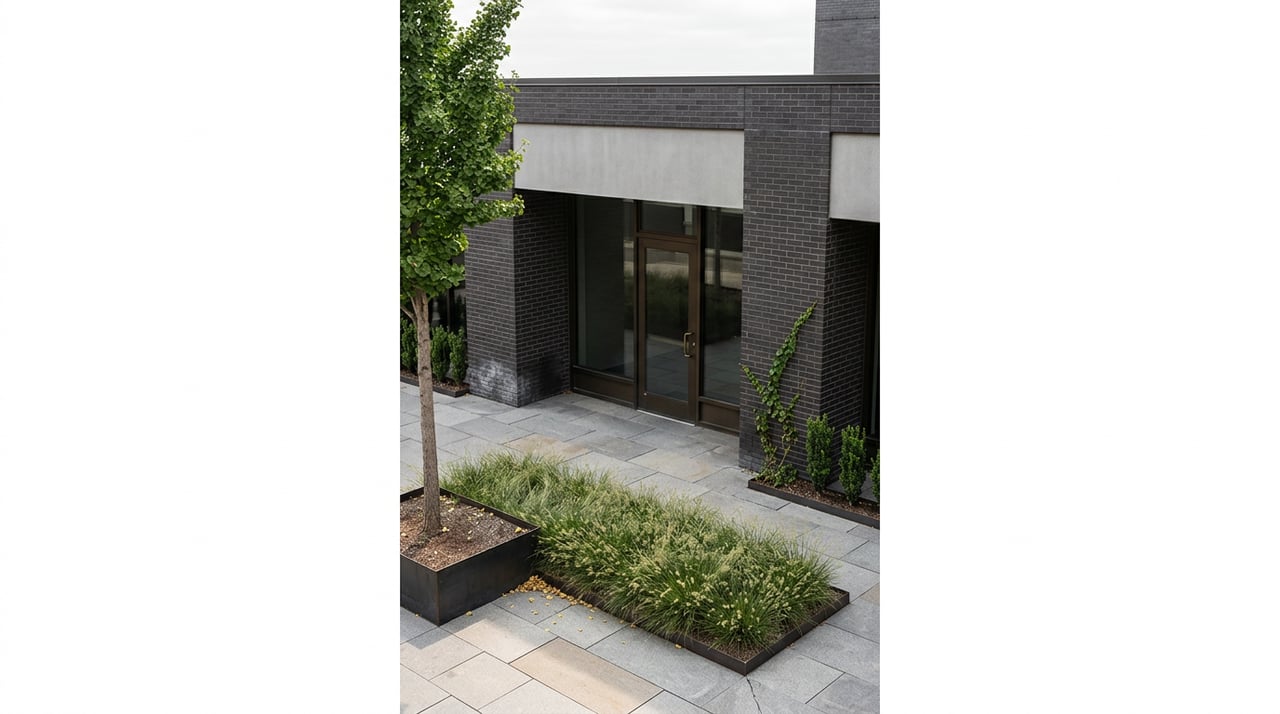
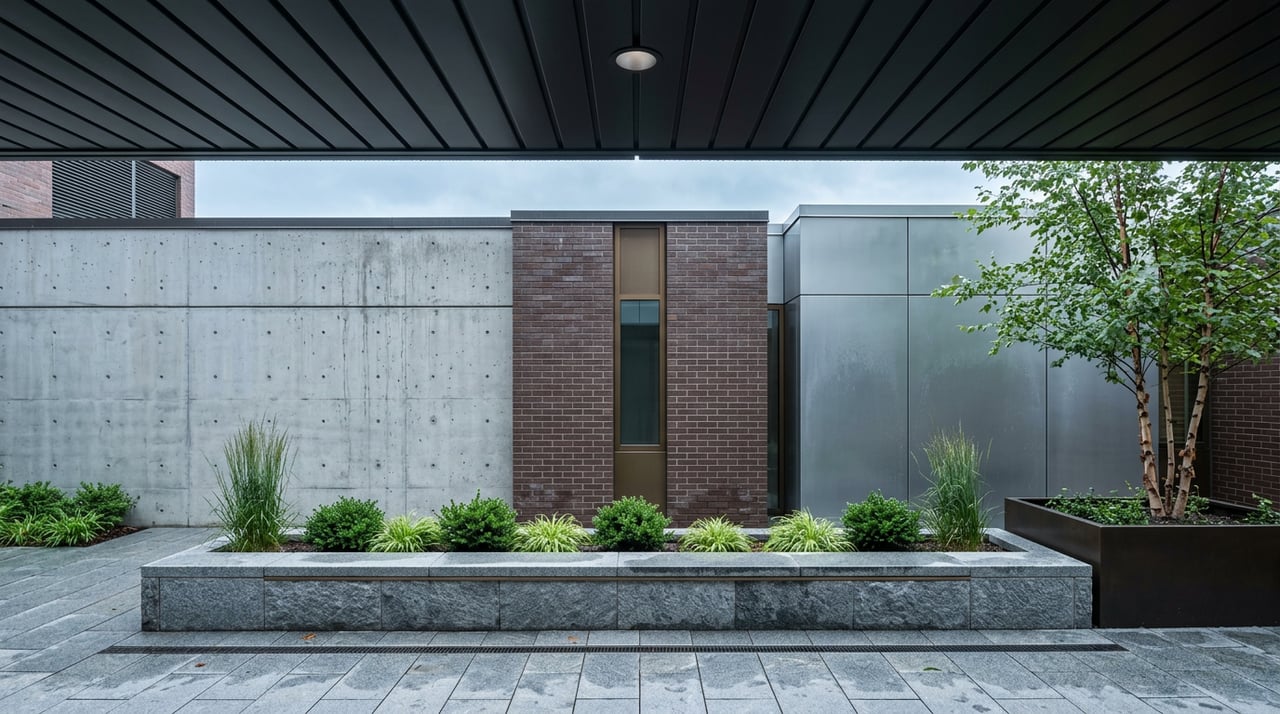
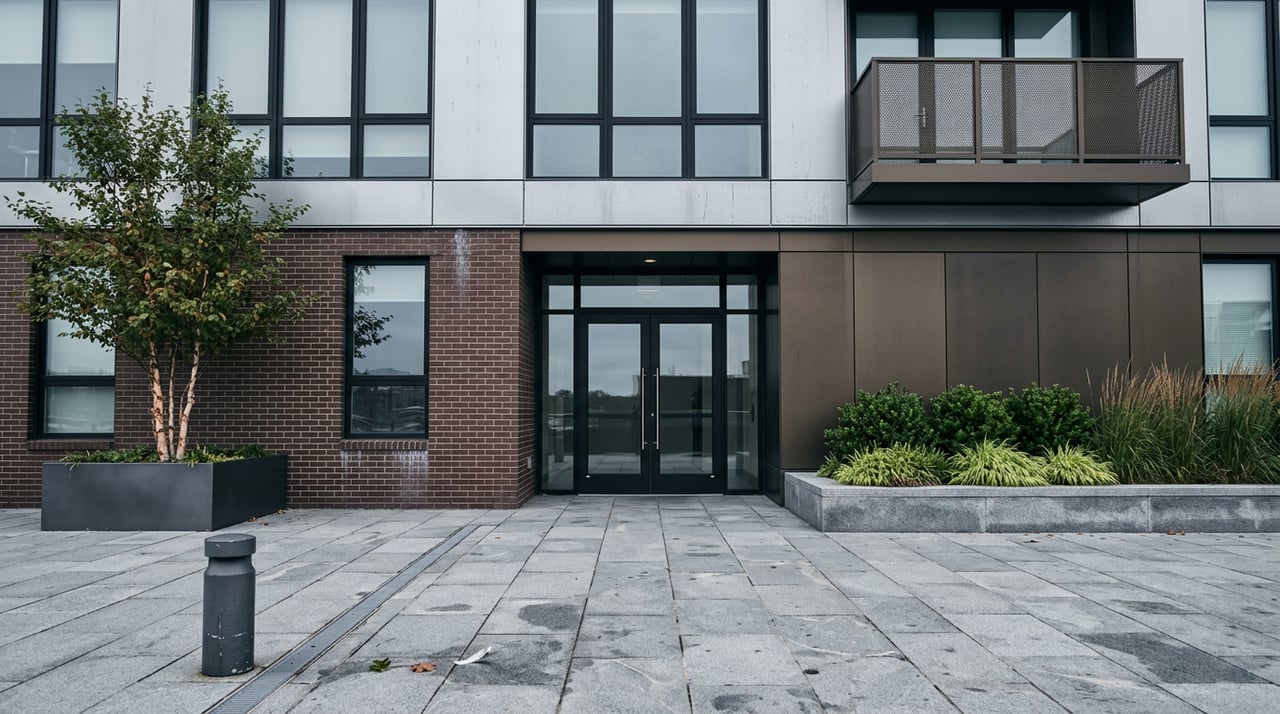
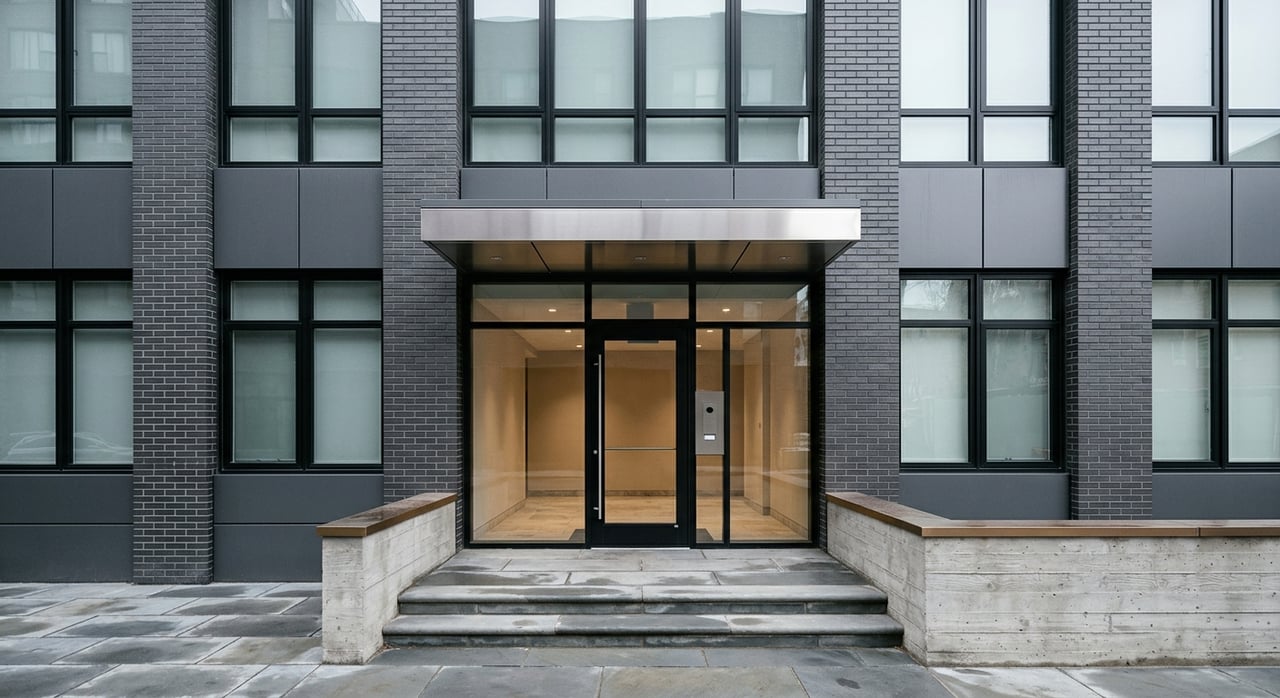
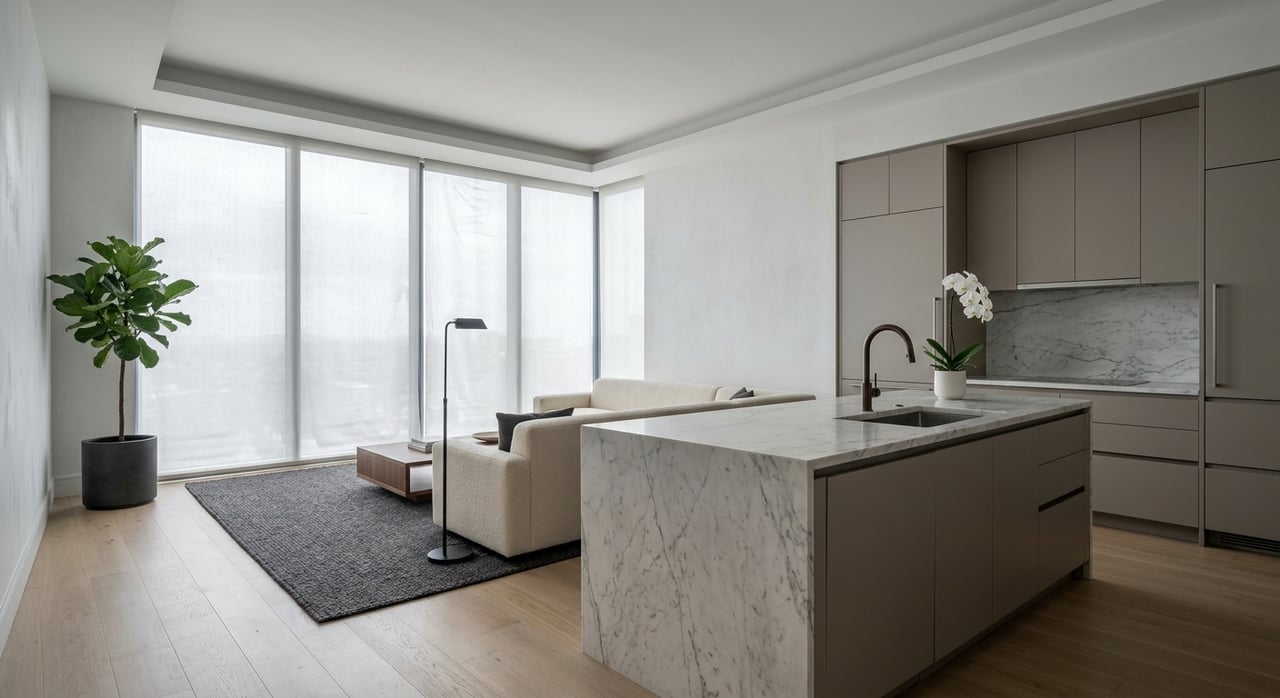
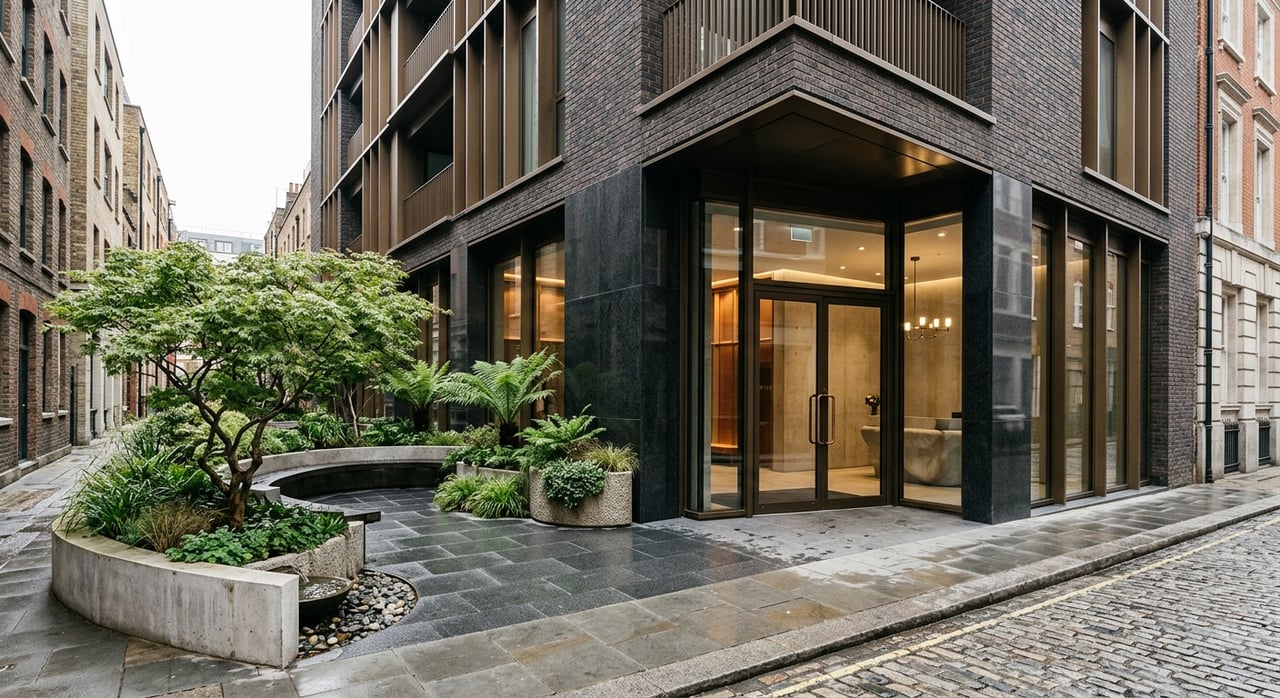
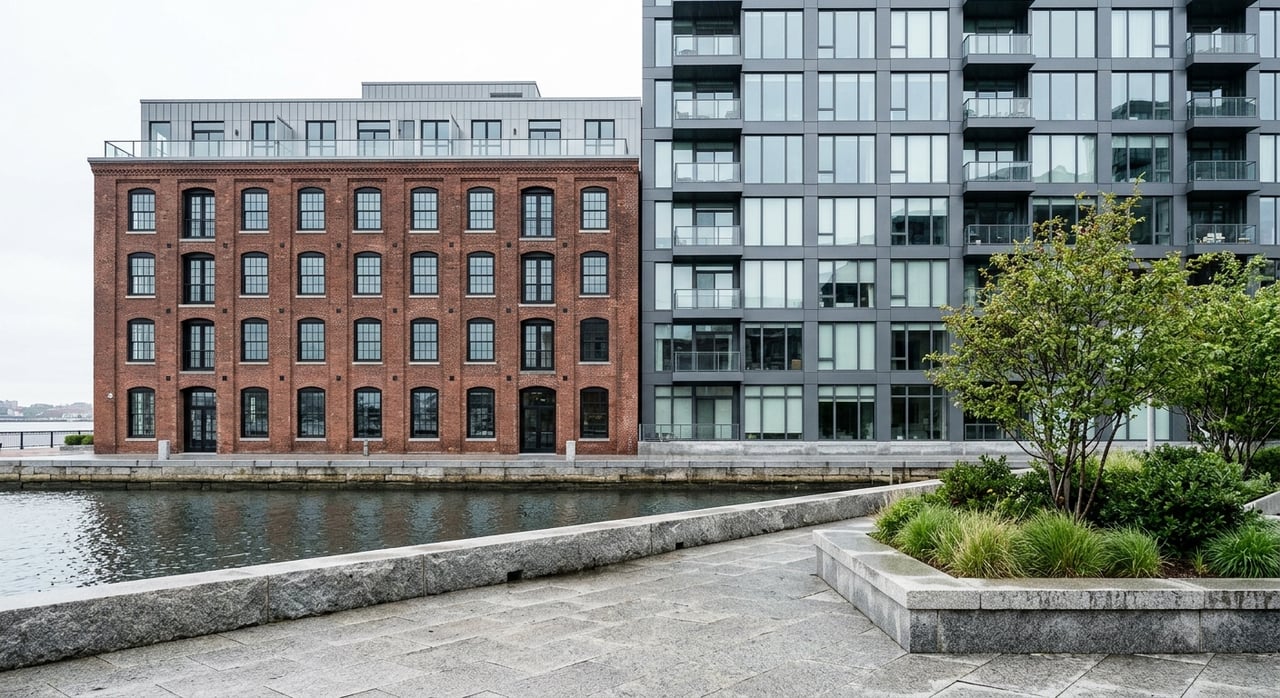
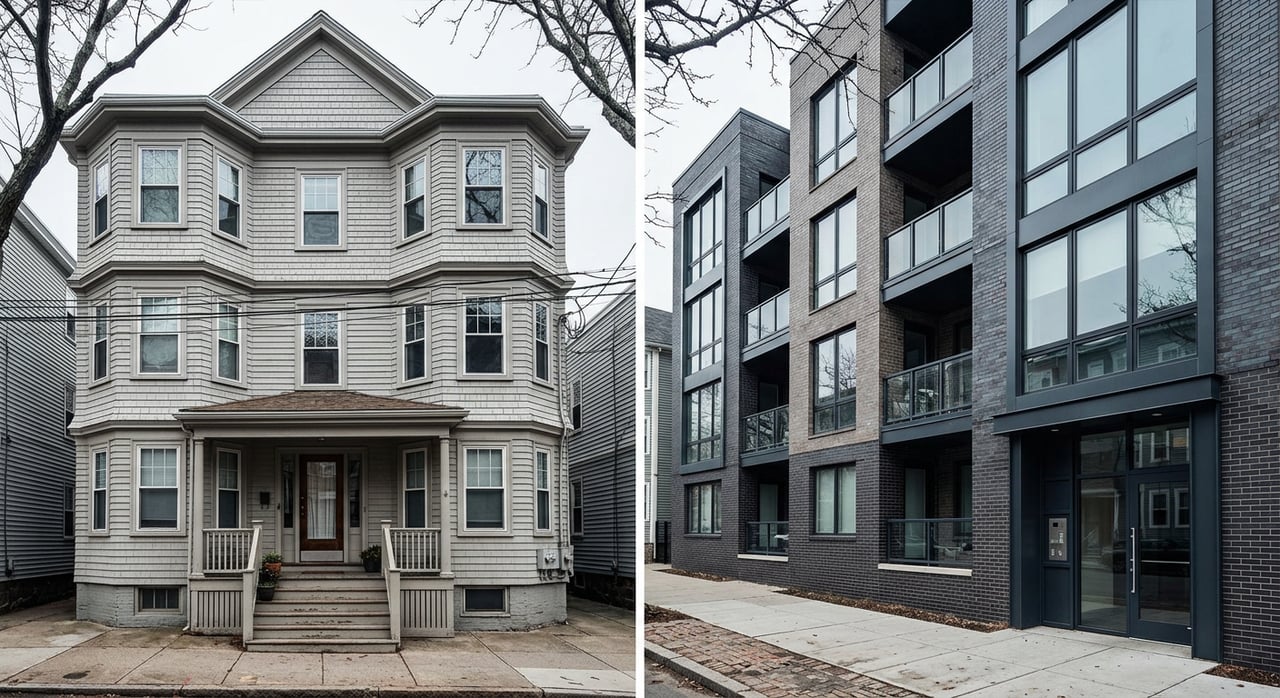
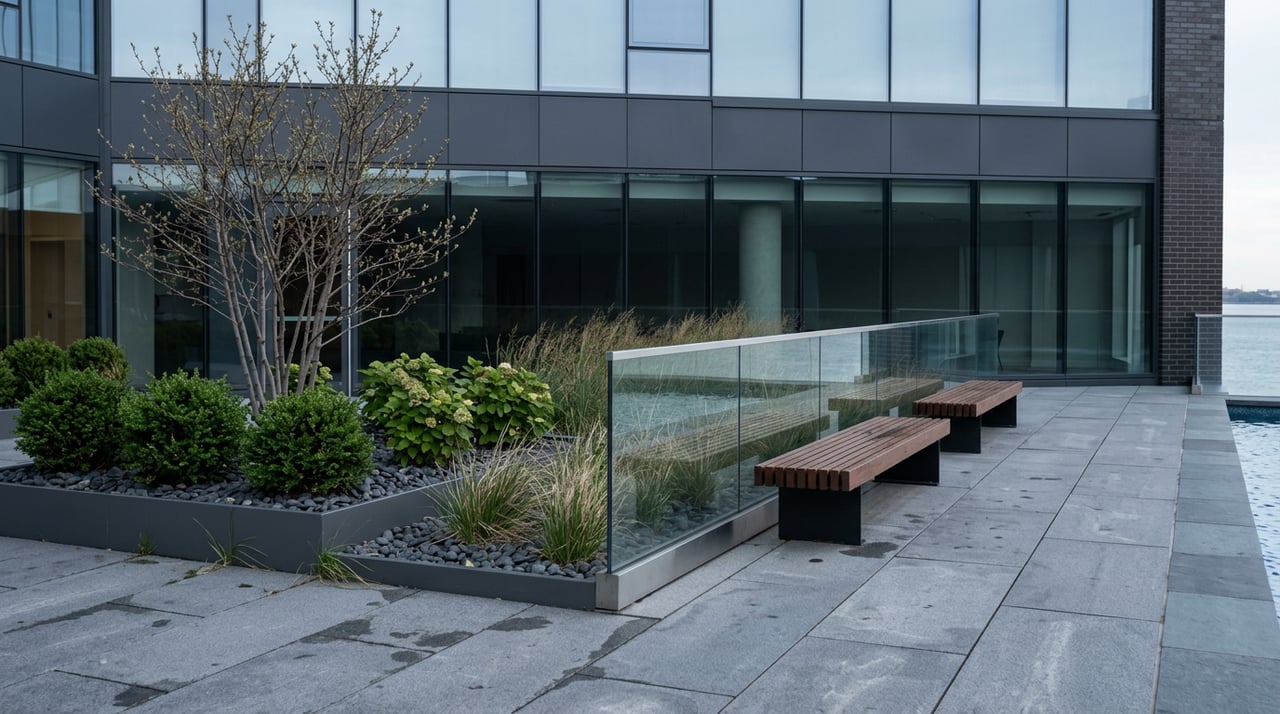
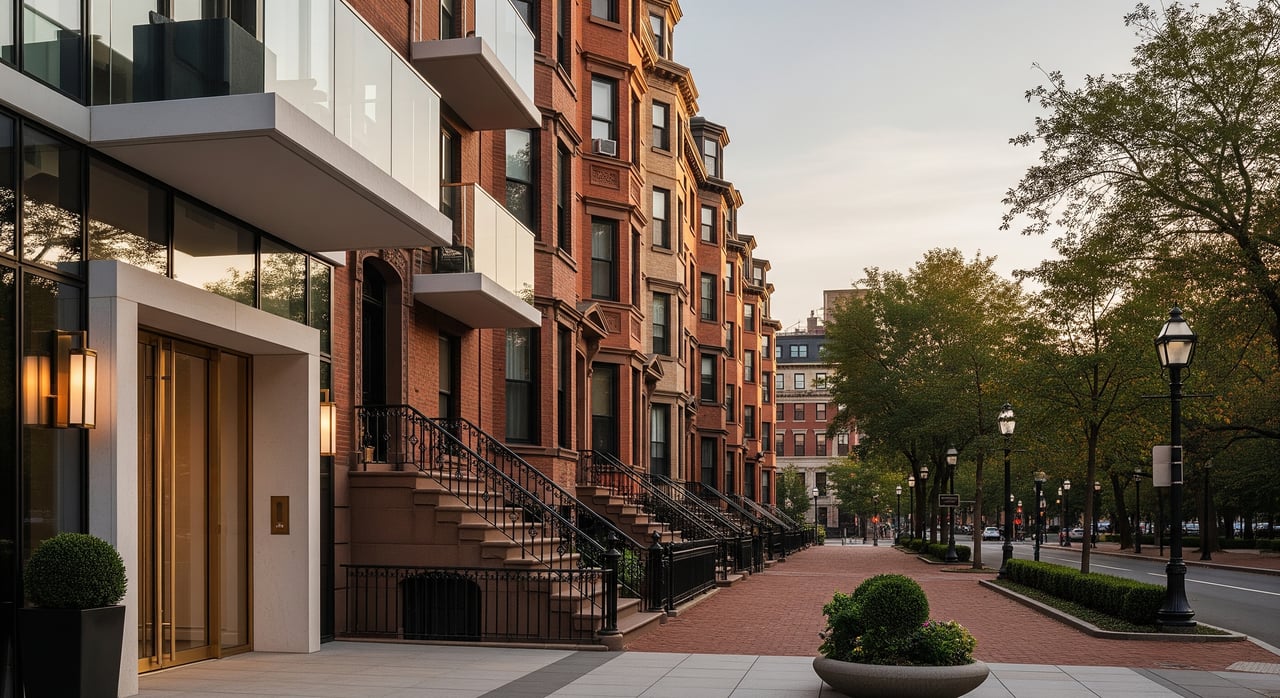
If you picture a classic detached home with a yard, Downtown is probably not the match. The neighborhood’s housing is centered on historic apartment buildings, modern glass towers, condos, and other apartment-style living.
That housing mix gives Downtown a distinctly urban feel. Many buyers are drawn to the convenience of buildings that offer streamlined living, while others may find themselves wanting more square footage or a more traditional residential setup.
There is also real change underway. Housing units in Downtown grew 22% from 2010 to 2020, and the city is continuing to expand residential opportunities through zoning reform and conversion efforts.
What is changing in Downtown
Boston is actively trying to grow Downtown’s residential base. The city’s newer zoning approach allows residential uses as-of-right in the new districts, while large hotel, lab, and office uses require more review.
The office-to-residential conversion program is another major shift. In March 2026, the city said the program was on track to convert 29 buildings and 1.5 million square feet of empty office space into more than 1,700 new homes Downtown.
For you as a buyer, renter, or seller, that matters because it points to a neighborhood becoming more balanced over time. Downtown is still firmly an urban core, but the city is clearly pushing for more housing and mixed-use activity, which may broaden the range of residential options in the years ahead.
Downtown may be right for you if
Downtown tends to be a strong fit if you value convenience over separation. It often works well for people who want to be close to downtown employers, rely on transit, and enjoy an active dining and entertainment scene.
You may feel at home here if you want:
- A short commute into Boston’s core business areas
- Excellent walkability for daily life
- Easy access to transit connections
- A condo or apartment with less maintenance
- Restaurants, theaters, and city activity nearby
- A true urban lifestyle in the middle of Boston
If that list sounds energizing rather than exhausting, Downtown deserves a serious look.
Downtown may not be right for you if
Not every buyer wants to live in the center of the action. If your top priorities include more space, a calmer atmosphere, or a stronger residential feel, you may find Downtown less comfortable day to day.
You may want to look beyond Downtown if you prefer:
- Quieter evenings and less pedestrian traffic
- More square footage for the price
- A neighborhood that feels more residential than commercial
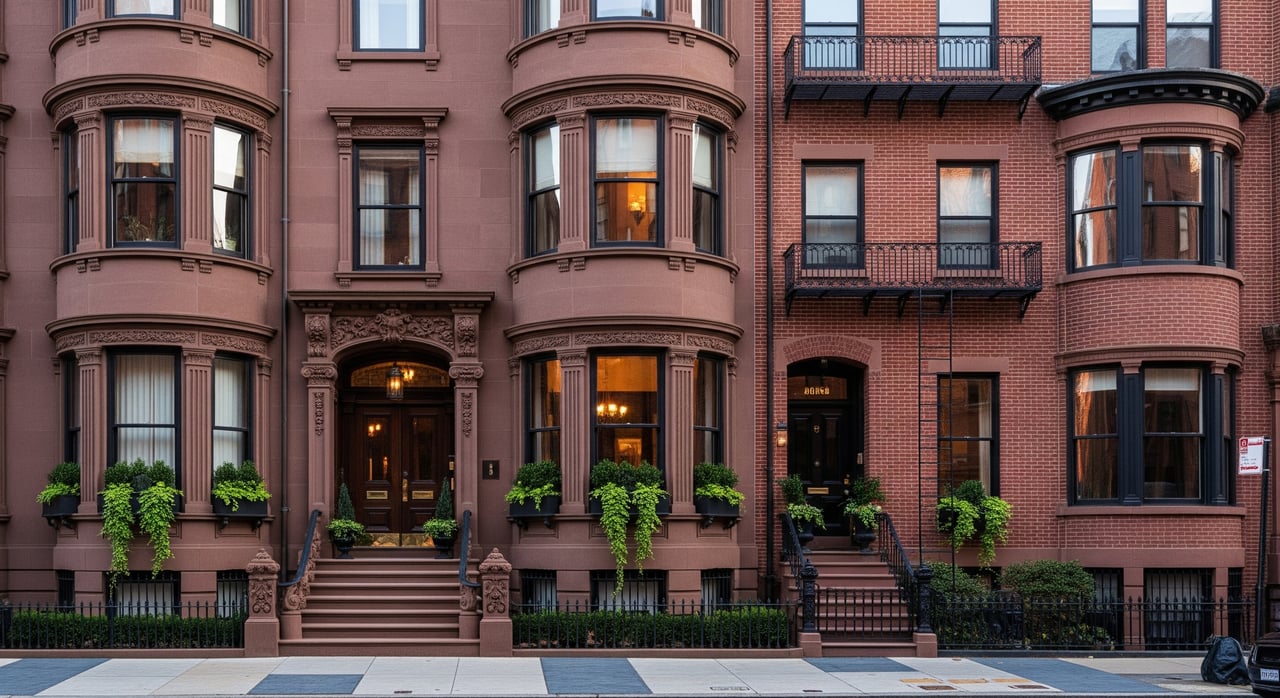
- Historic rowhouse blocks or a softer streetscape
- A slower daily rhythm
This does not mean Downtown is a bad choice. It simply means the best neighborhood for you depends on how you want your routine to work.
Nearby alternatives to consider
If you like Downtown’s central location but want a slightly different feel, there are several nearby options worth exploring. Some of the most residential-feeling pockets on the edge of the broader downtown area include Bay Village, the Leather District, and the Wharf District.
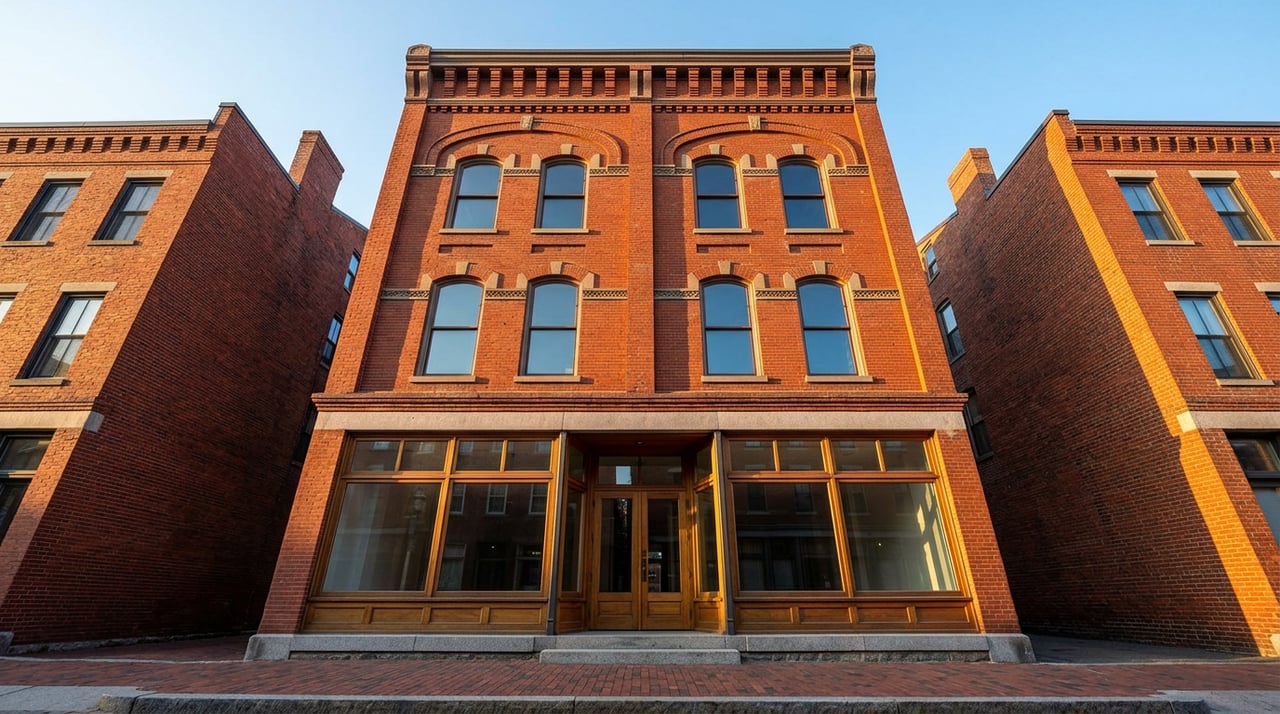
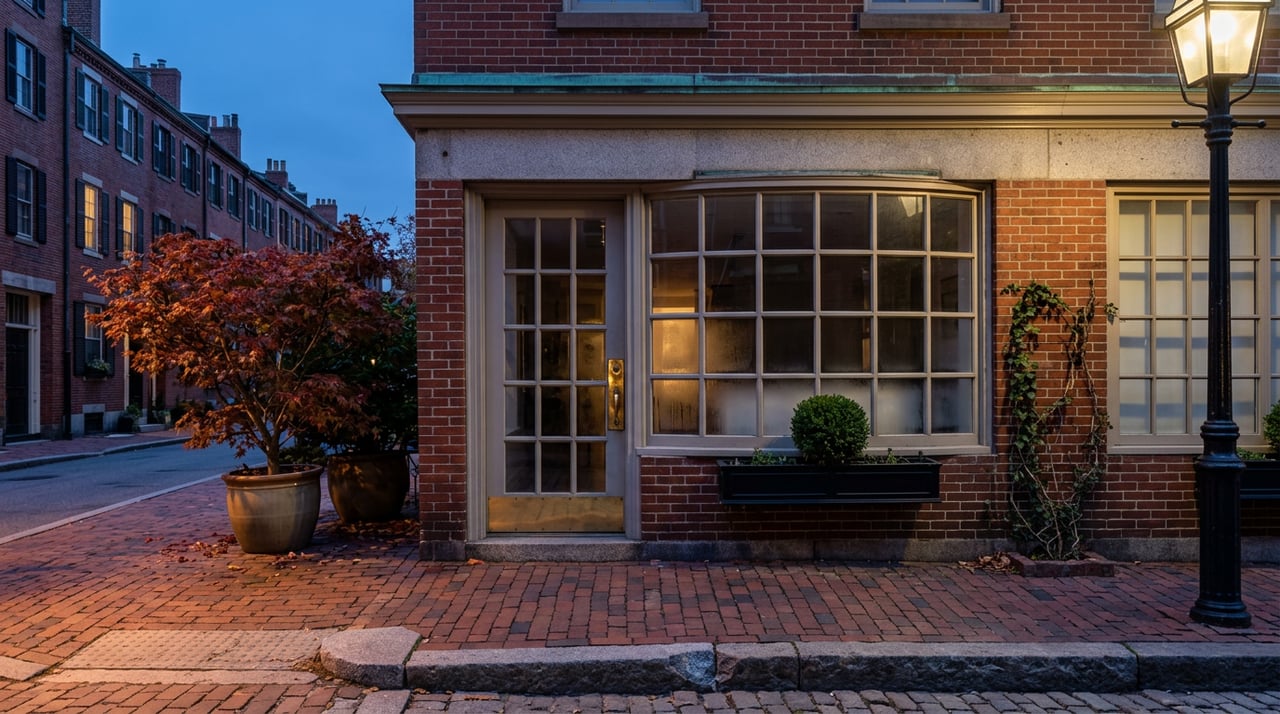
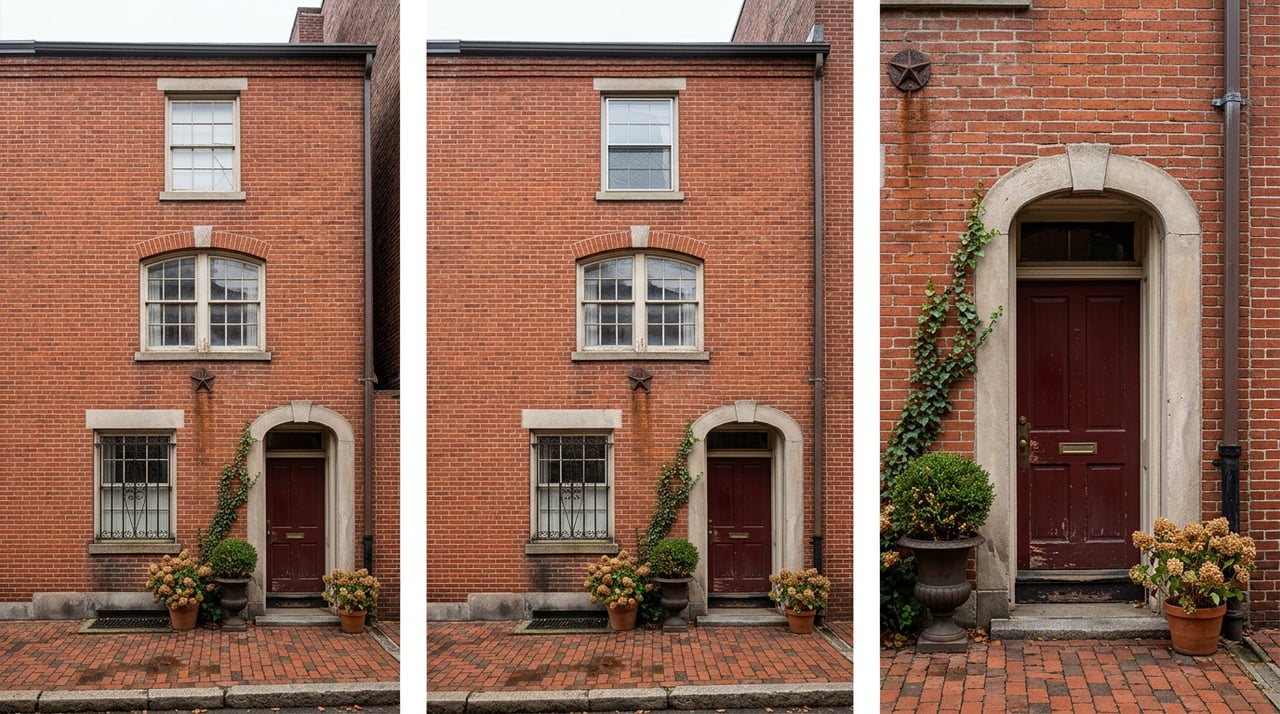
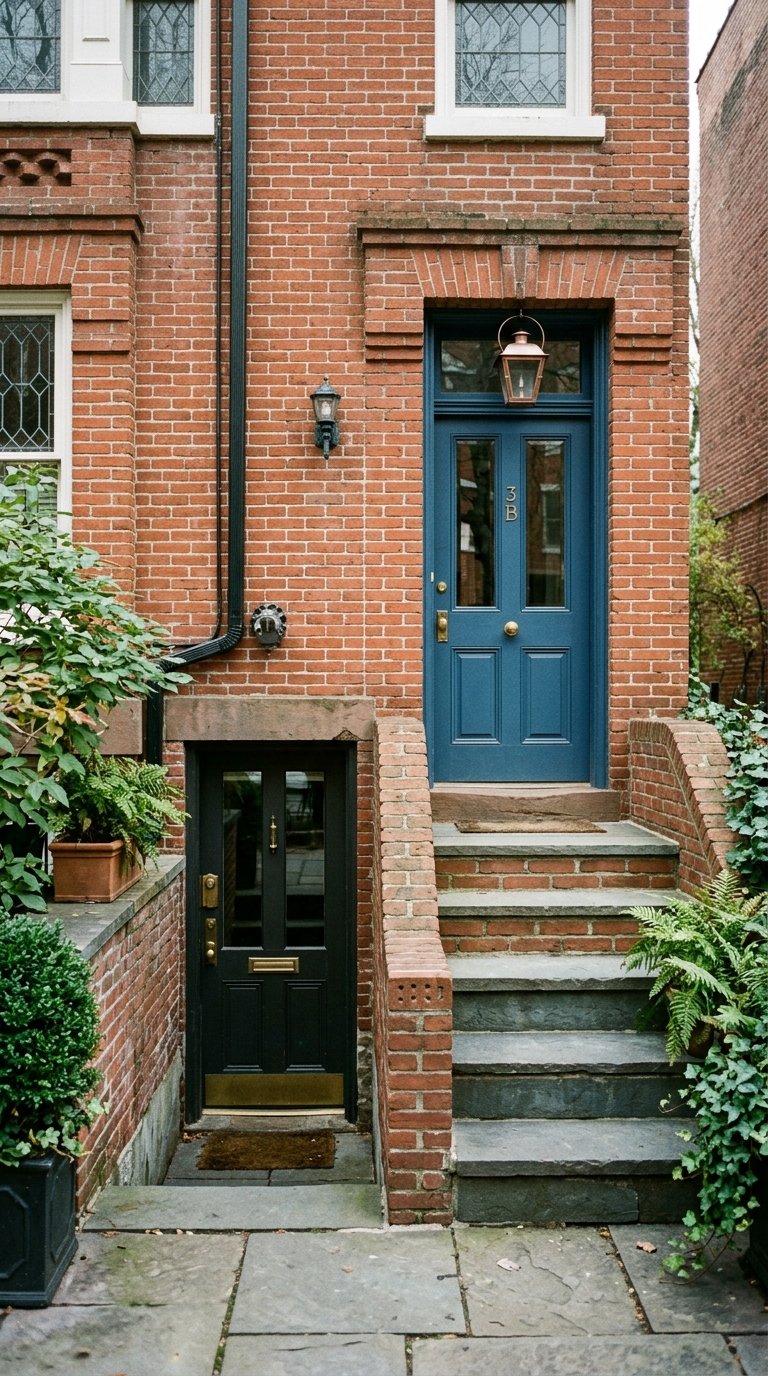
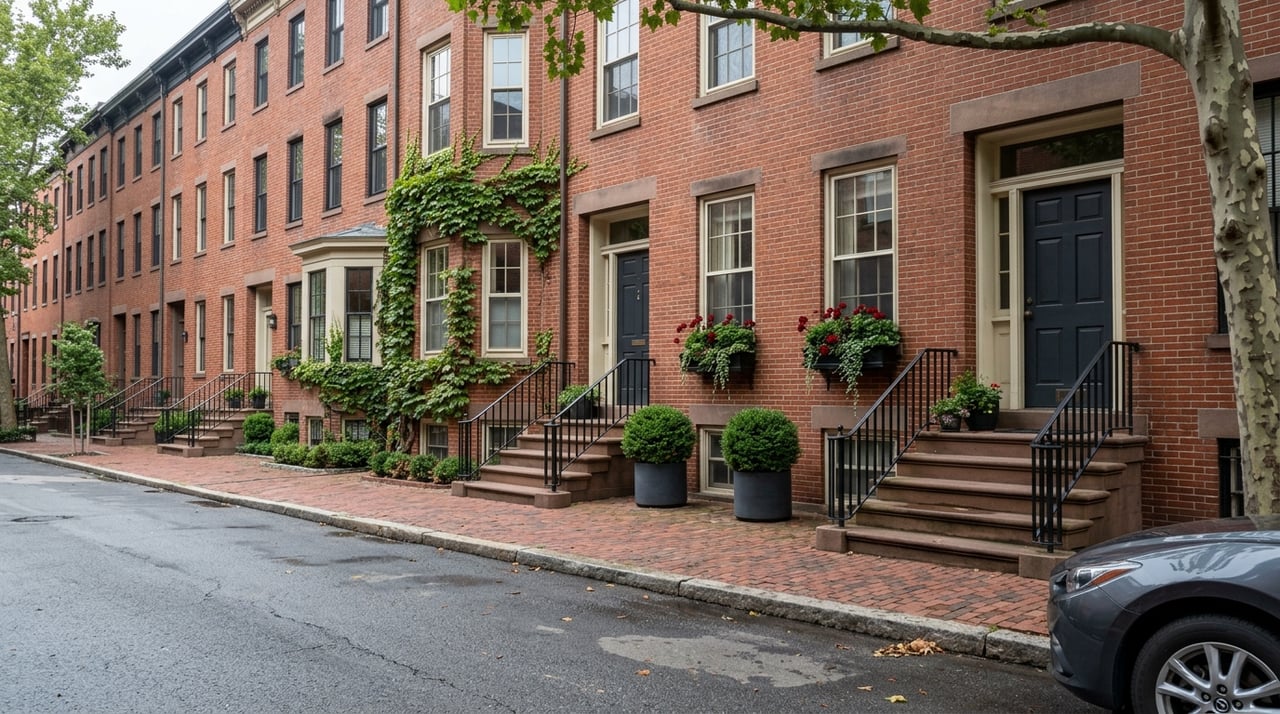
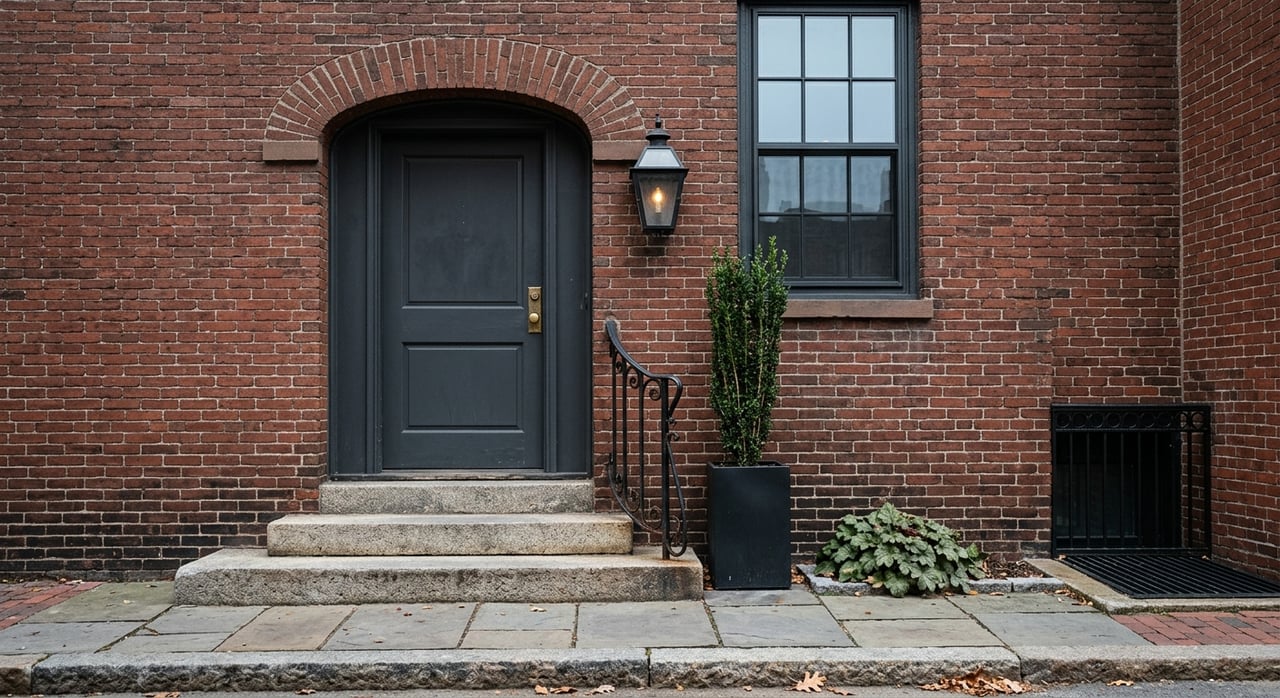
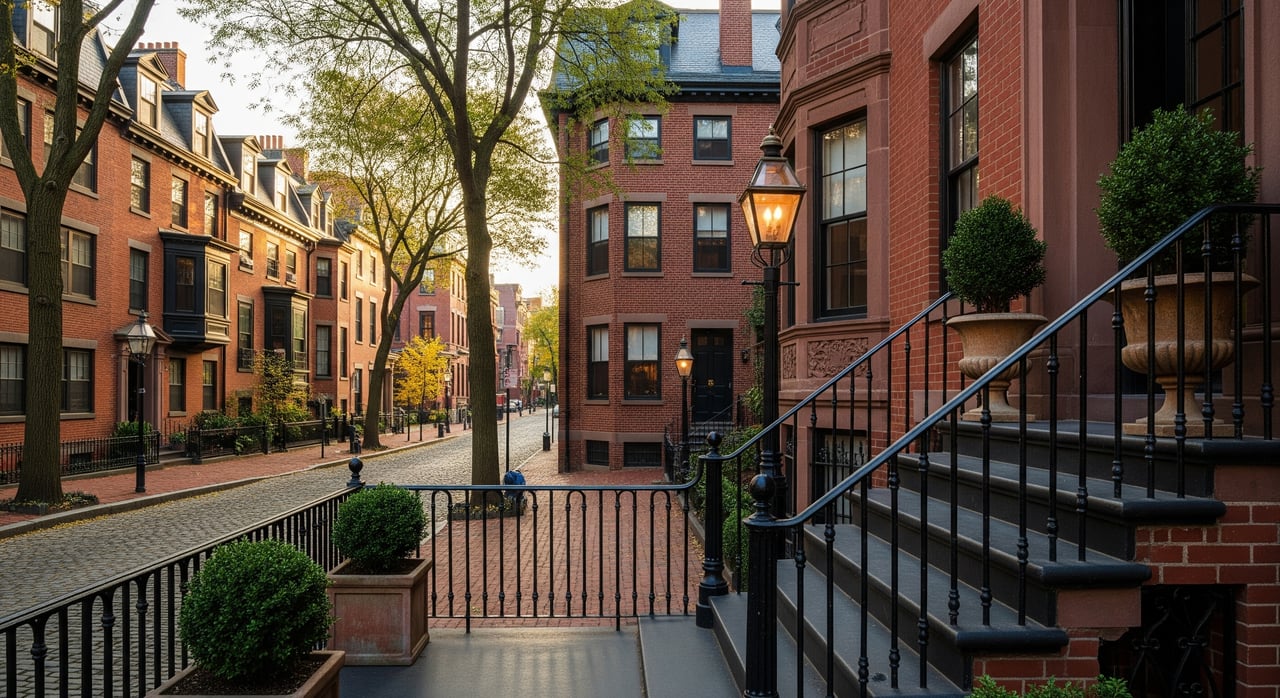
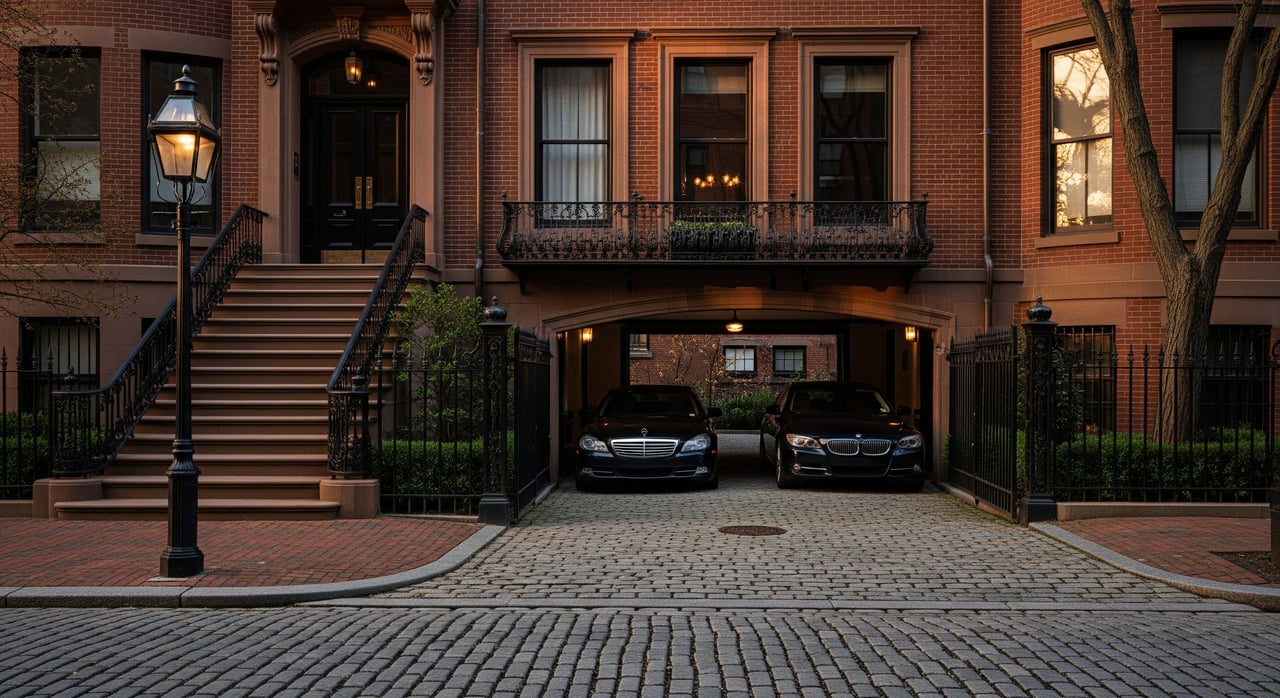
Bay Village is a small brick-rowhouse neighborhood with a more tucked-in feel. The Leather District offers loft living in 19th-century brick warehouse buildings and is especially convenient to South Station. The Wharf District adds a waterfront setting and a growing residential population.
If you want more architectural character and a calmer daily pace, buyers often look just outside Downtown to Beacon Hill, the South End, Back Bay, or the North End. Each offers a different version of urban Boston living, with more established residential identity than Downtown itself.
The bottom line on Downtown Boston
Downtown is a smart choice if you want Boston’s energy, access, and convenience at your doorstep. It offers exceptional walkability, central transit connections, active dining and nightlife, and a housing stock built for people who want a low-maintenance city lifestyle.
It may be less ideal if you want extra space or a quieter home environment. The key is being honest about whether you want to live in Boston’s center of gravity or simply near it.
If you are weighing Downtown against Beacon Hill, Back Bay, the South End, or another nearby neighborhood, the right decision usually comes down to daily rhythm more than a checklist. If you want help comparing options and finding the best lifestyle fit, Morgan Franklin can help you navigate Boston with a local, high-touch approach.
FAQs
Is Downtown Boston a good place to live if you work in the city?
- Yes. Downtown sits at the center of Boston’s transit network and near a major concentration of jobs, which can make commuting especially convenient.
What kind of housing is most common in Downtown Boston?
- Downtown is mostly made up of condos, apartments, modern towers, and converted buildings rather than detached homes.
Is Downtown Boston a quiet neighborhood?
- No. Downtown is generally a busy, high-activity area with heavy foot traffic, especially near Downtown Crossing, Faneuil Hall, and the Theater District.
Is Downtown Boston walkable for daily errands and entertainment?
- Yes. Planning materials highlight easy walking access to restaurants, cafes, theaters, waterfront areas, the Greenway, Dewey Square, and Boston Common.
Are more homes being added in Downtown Boston?
- Yes. The city is expanding housing through zoning reform and office-to-residential conversion efforts, including plans that would create more than 1,700 new homes Downtown.
What neighborhoods should you consider near Downtown Boston?
- If you want alternatives nearby, Bay Village, the Leather District, and the Wharf District are worth exploring, along with Beacon Hill, the South End, Back Bay, and the North End.