Wondering what daily life in Boston’s South End actually feels like beyond the listing photos? If you are drawn to historic architecture, walkable streets, neighborhood parks, and a strong food and arts scene, the South End offers a lifestyle that is hard to replicate elsewhere in Boston. This guide will help you understand how the area’s streets and squares shape everyday living, so you can picture where you might feel most at home. Let’s dive in.
South End at a Glance
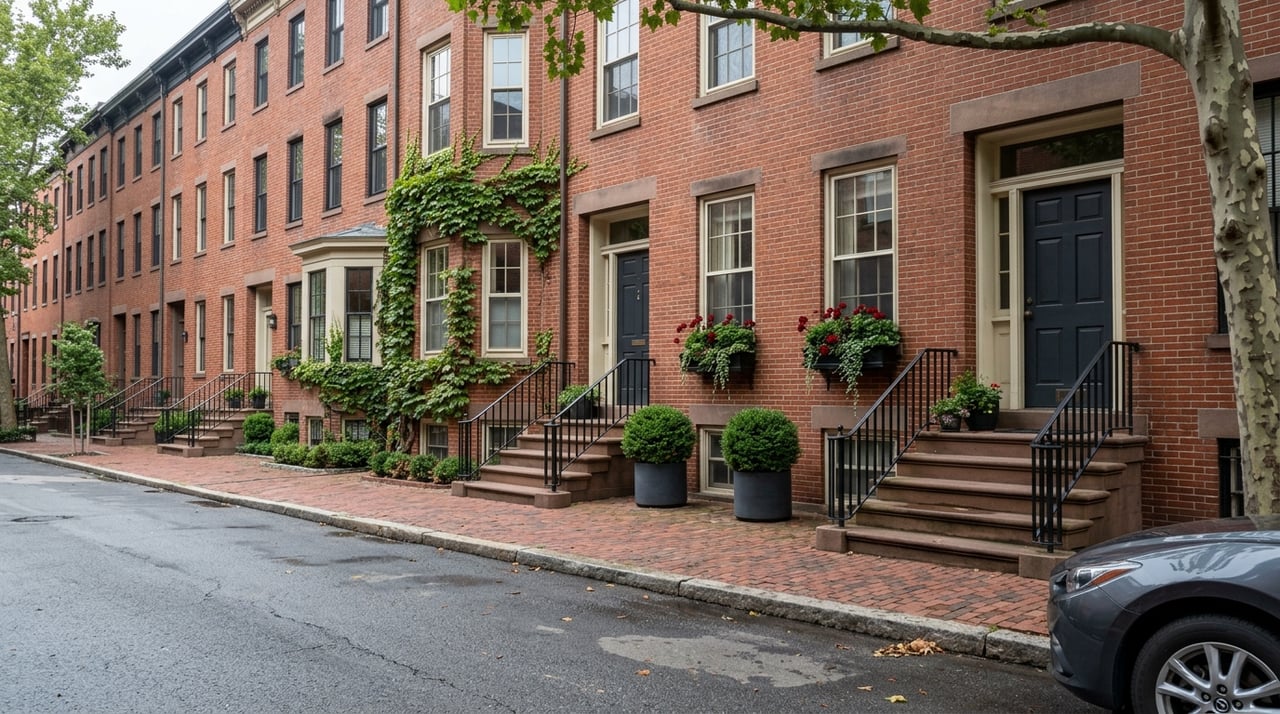
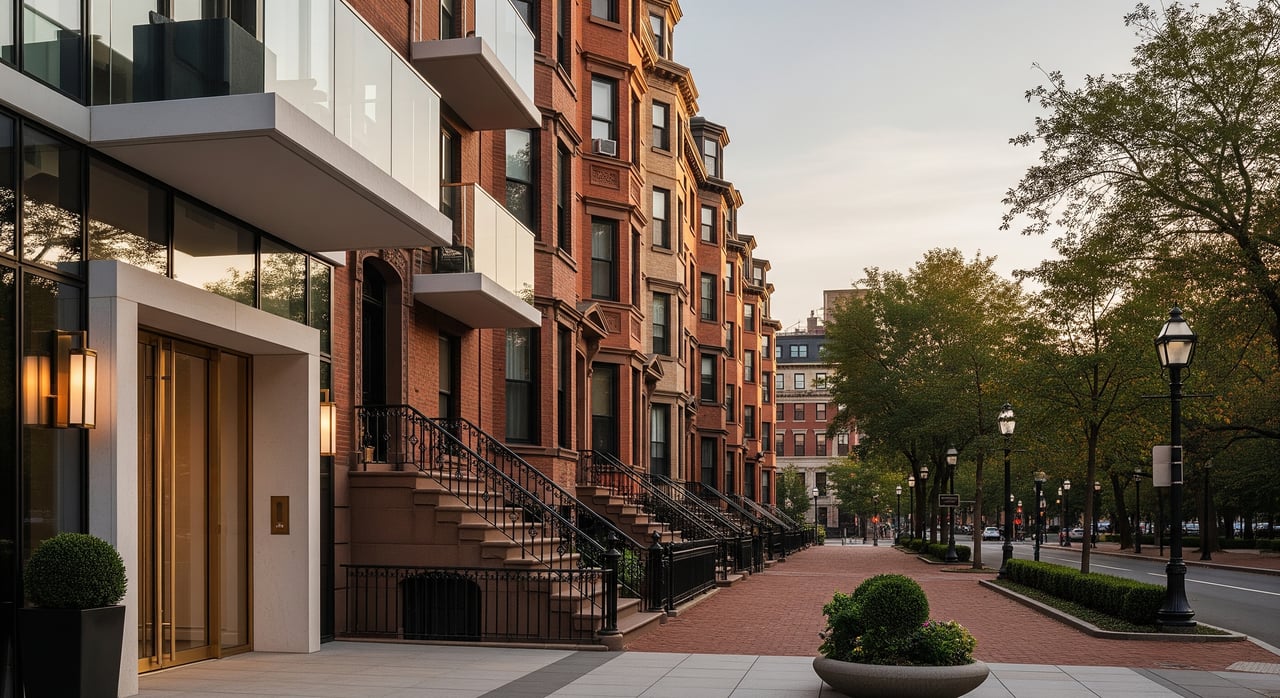
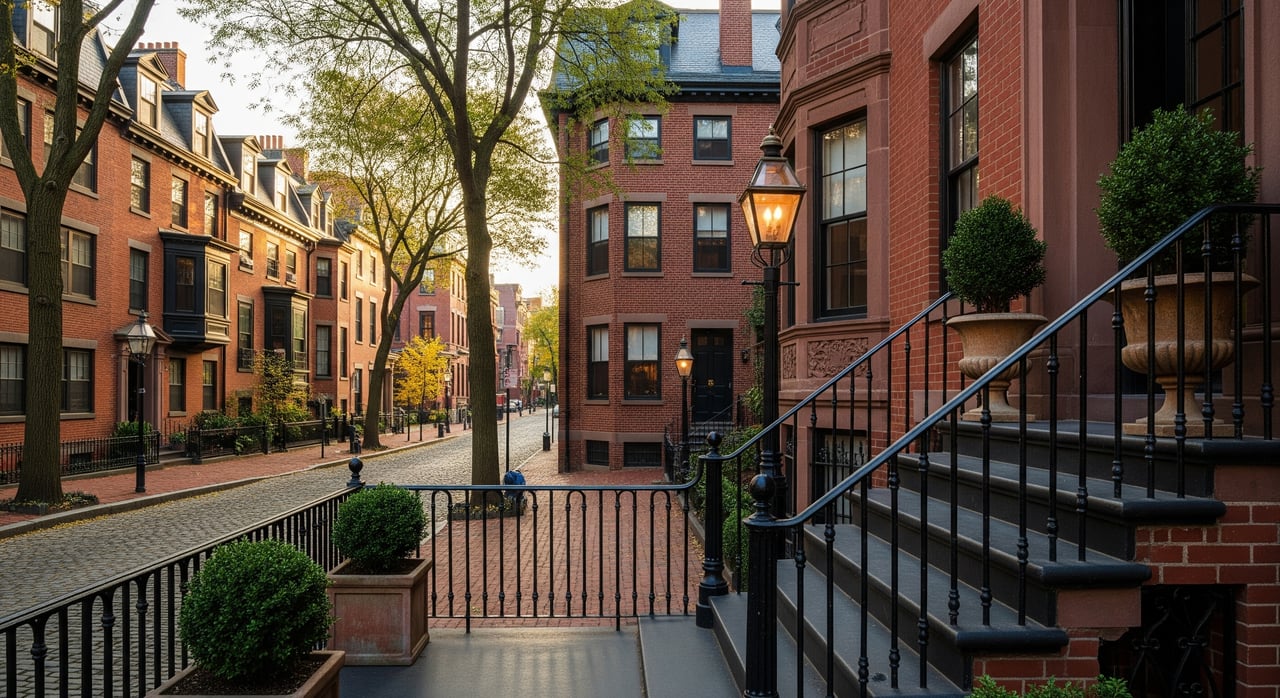
The South End sits just south of Back Bay and was built on former tidal flats in the mid-1800s. Today, it is known for its regular street grid, Victorian townhouses, and network of about 30 parks spread throughout the neighborhood.
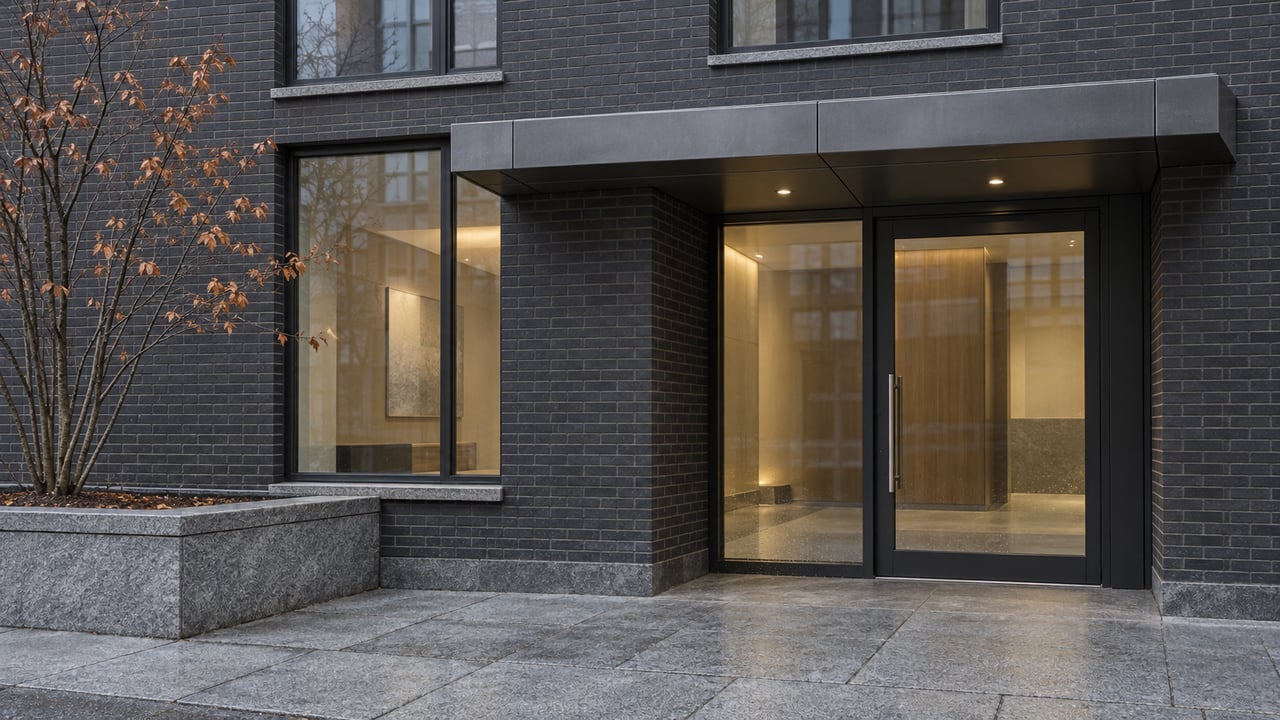
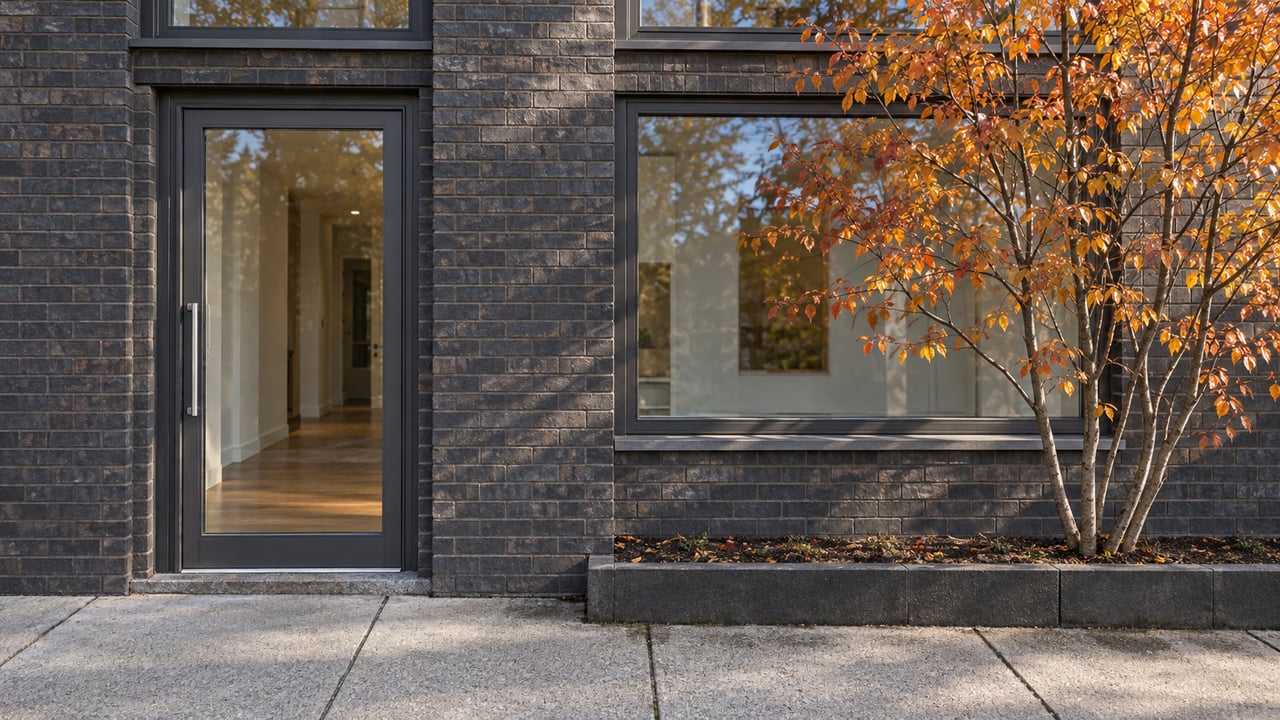
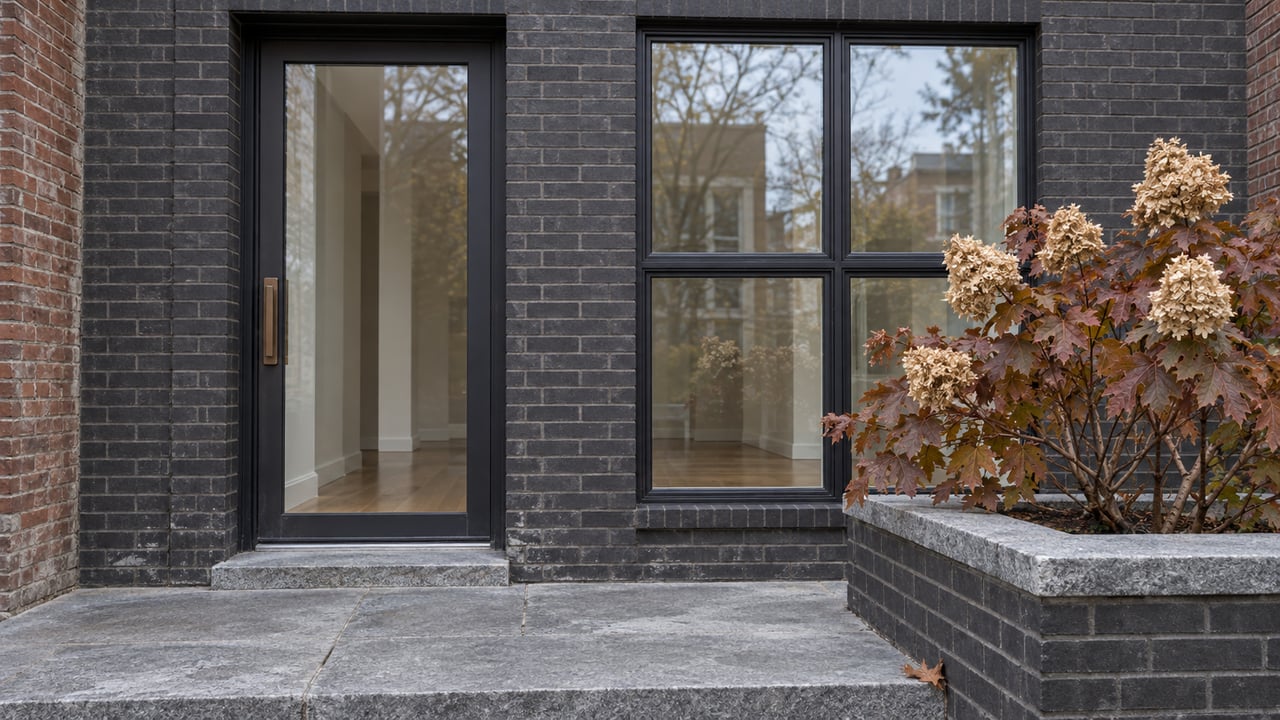
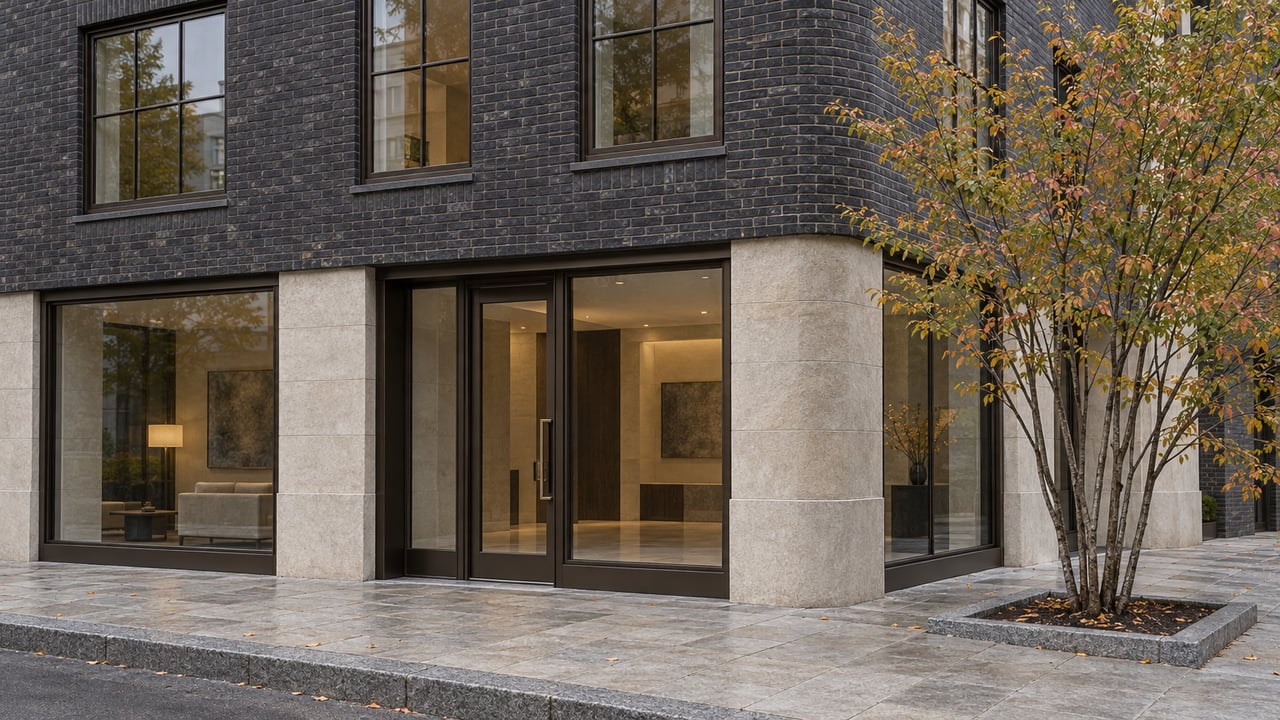
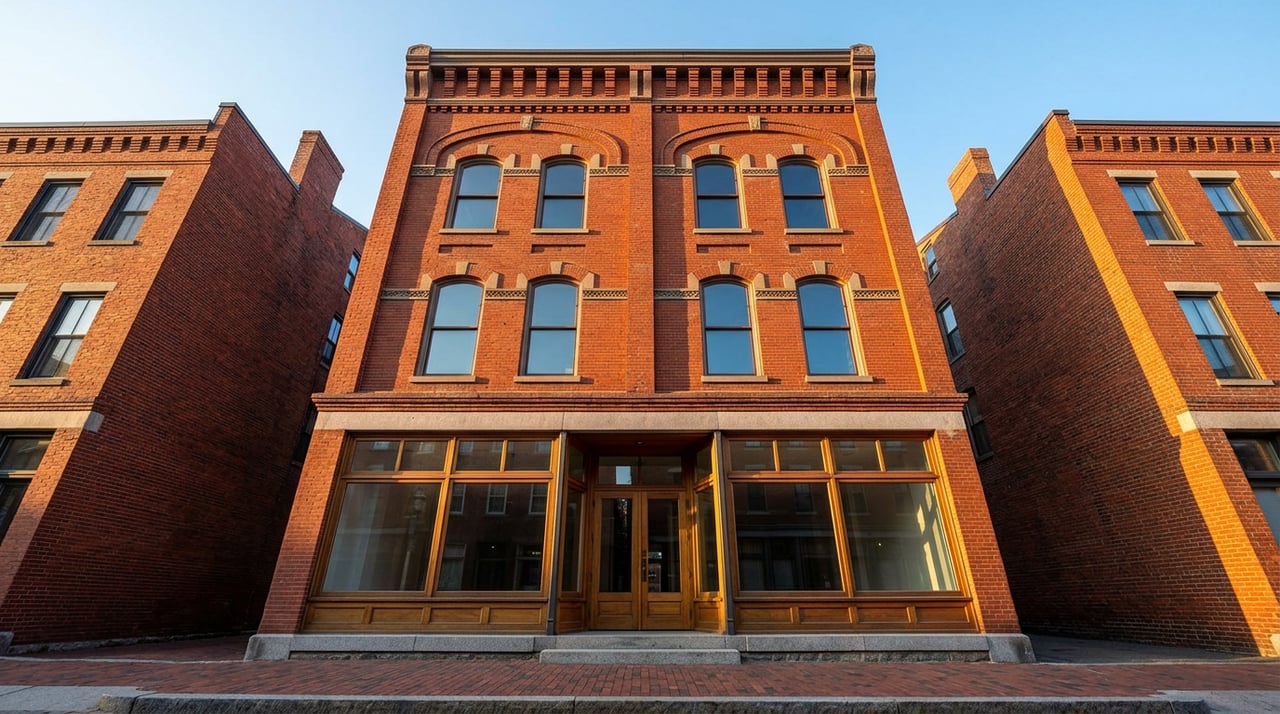
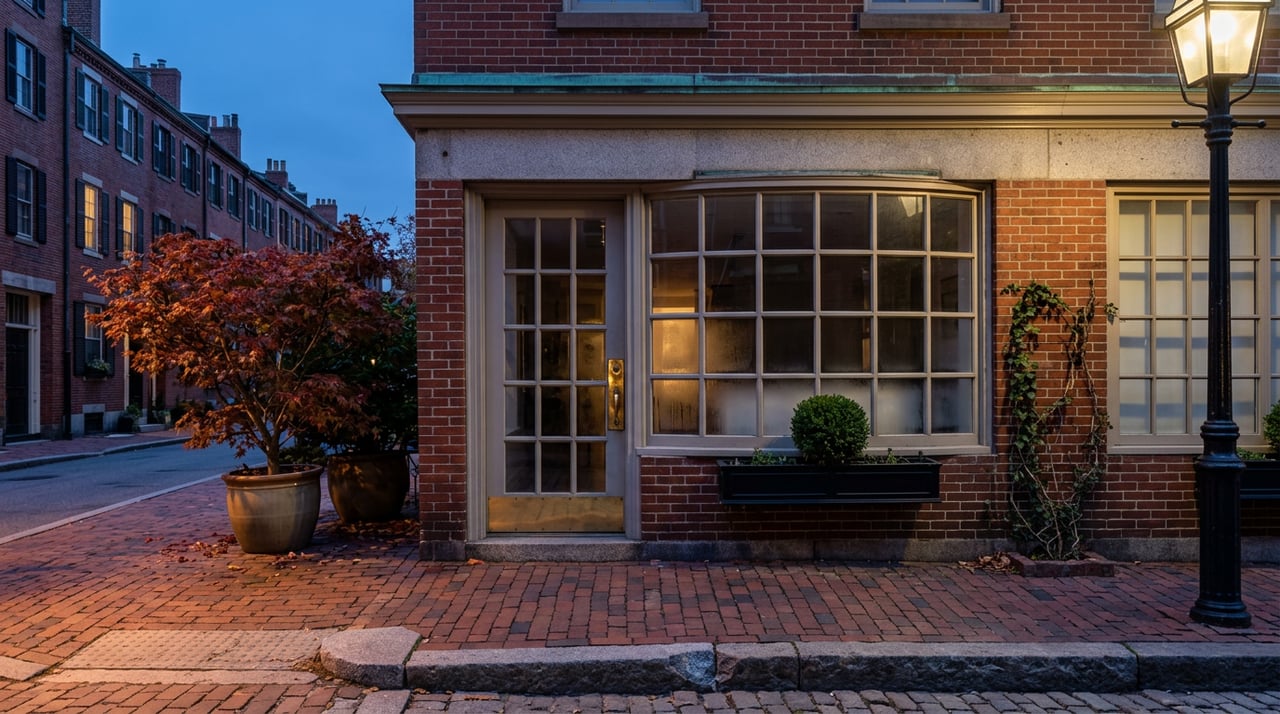
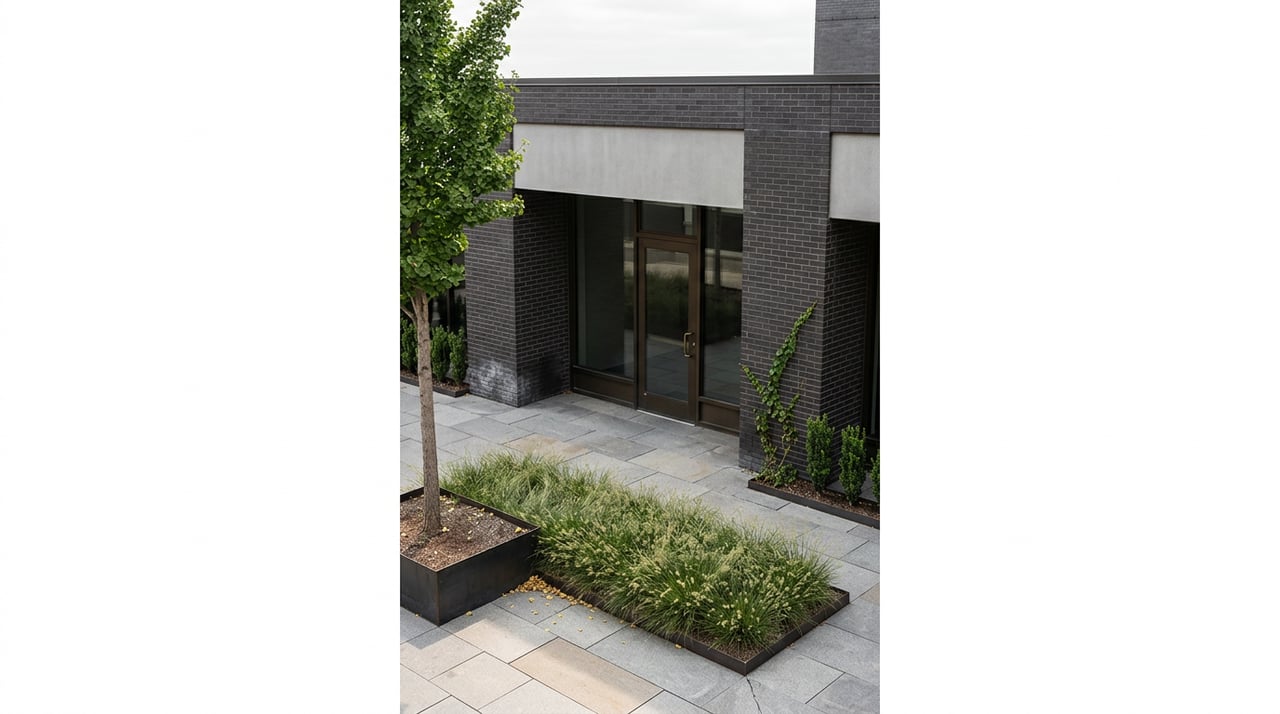
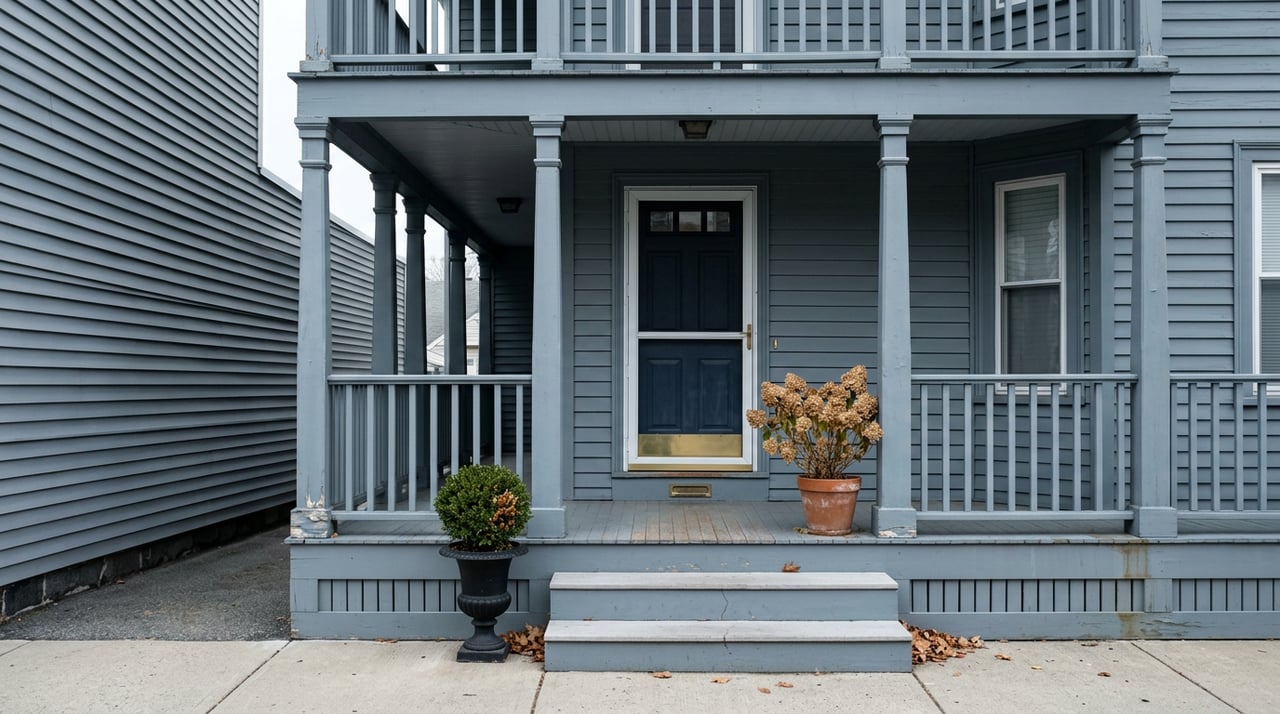
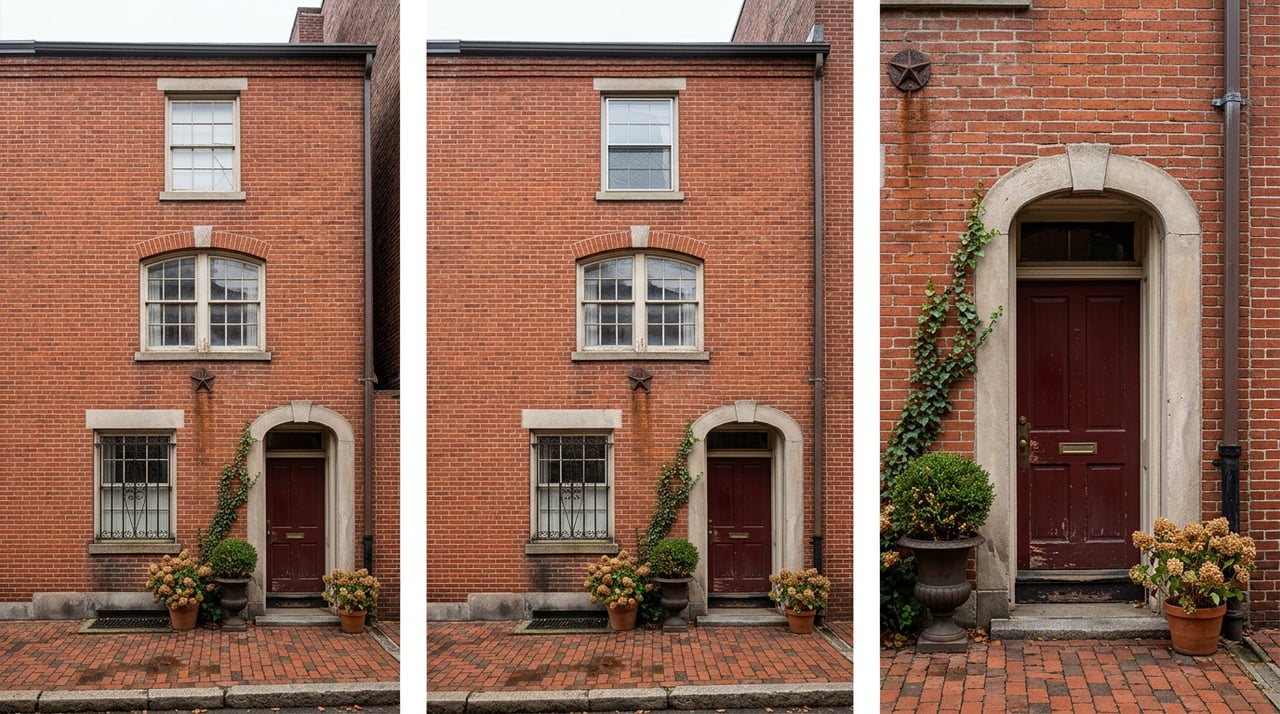
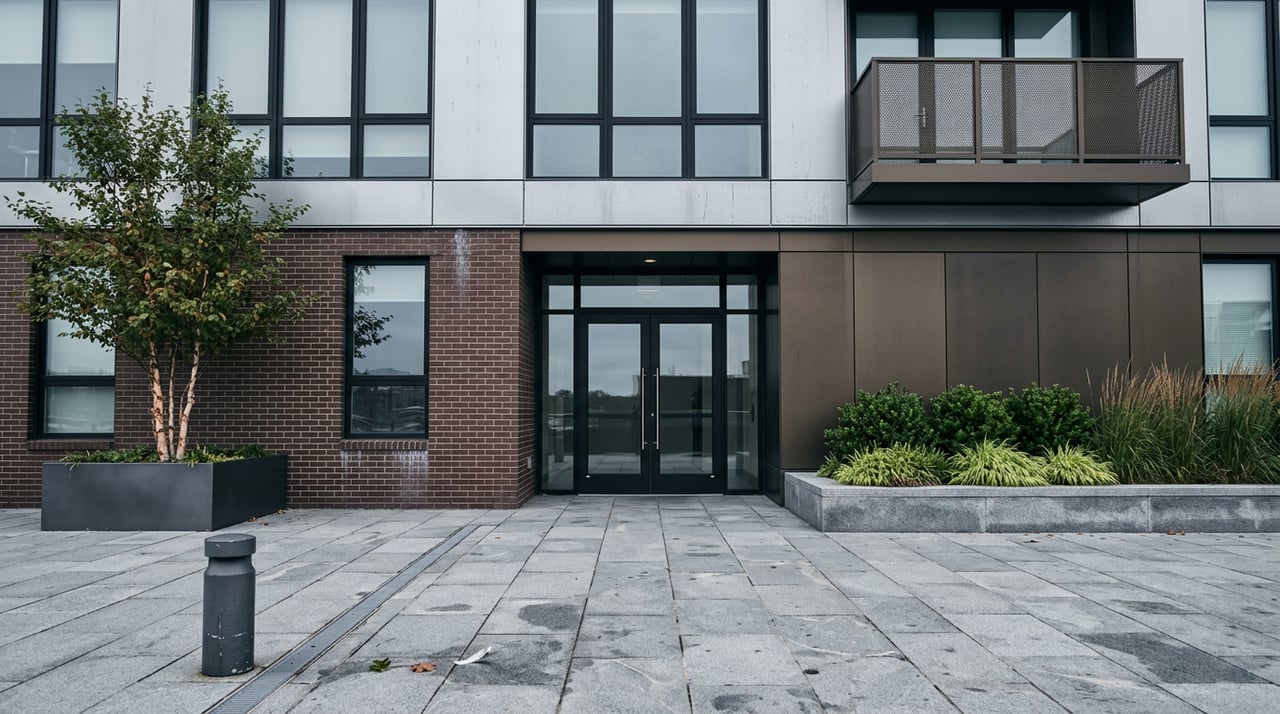
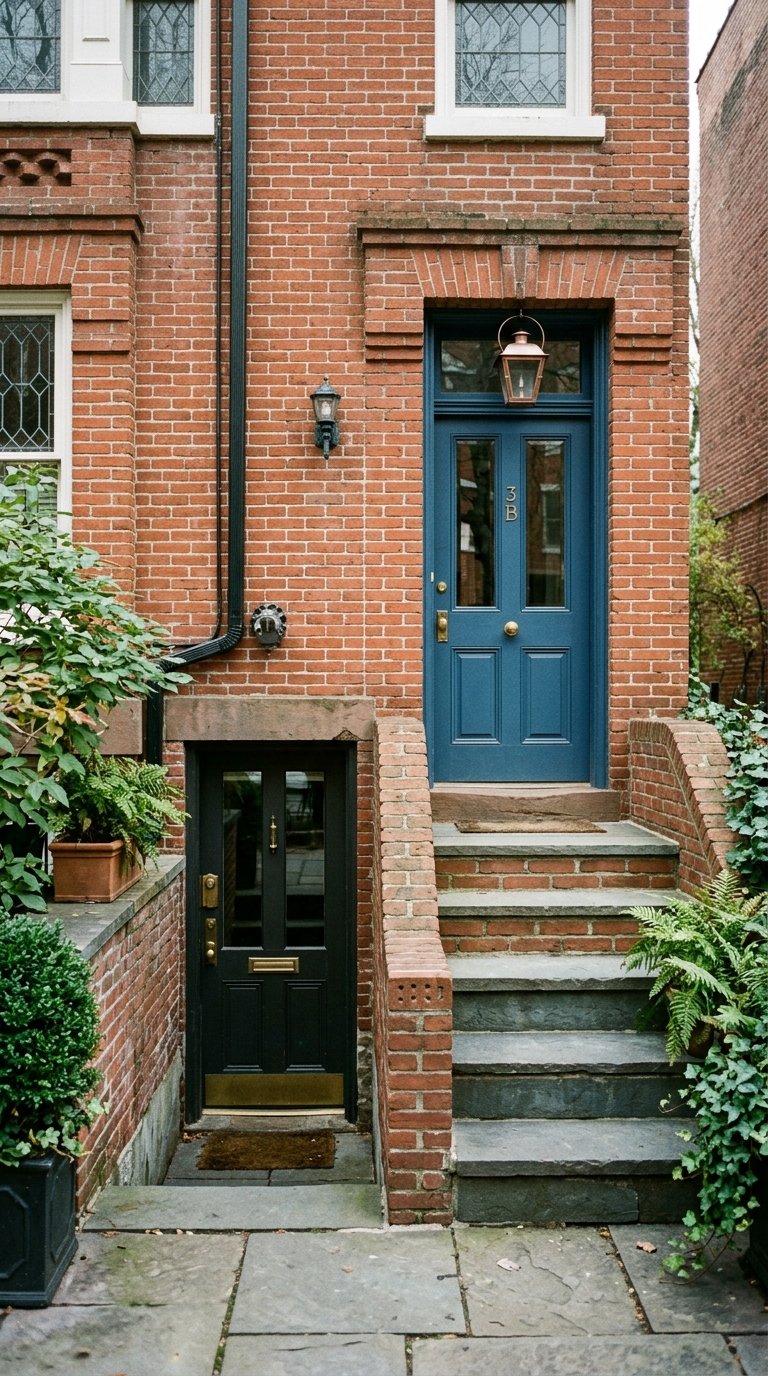
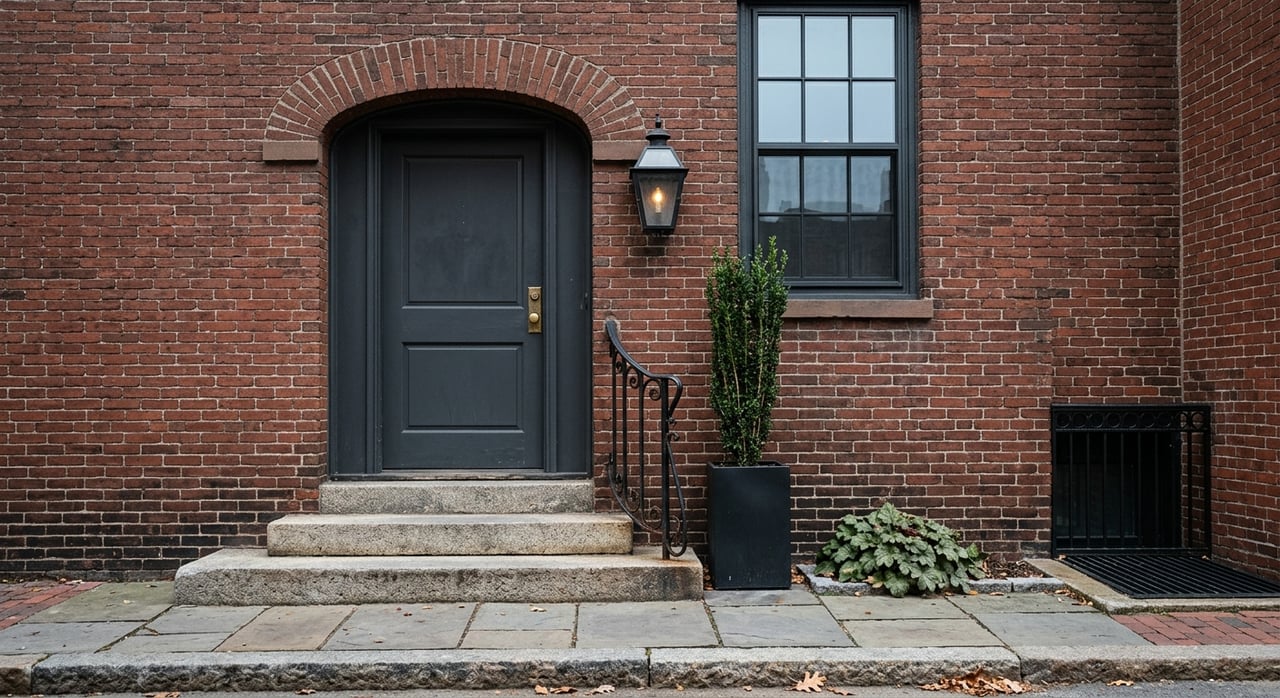
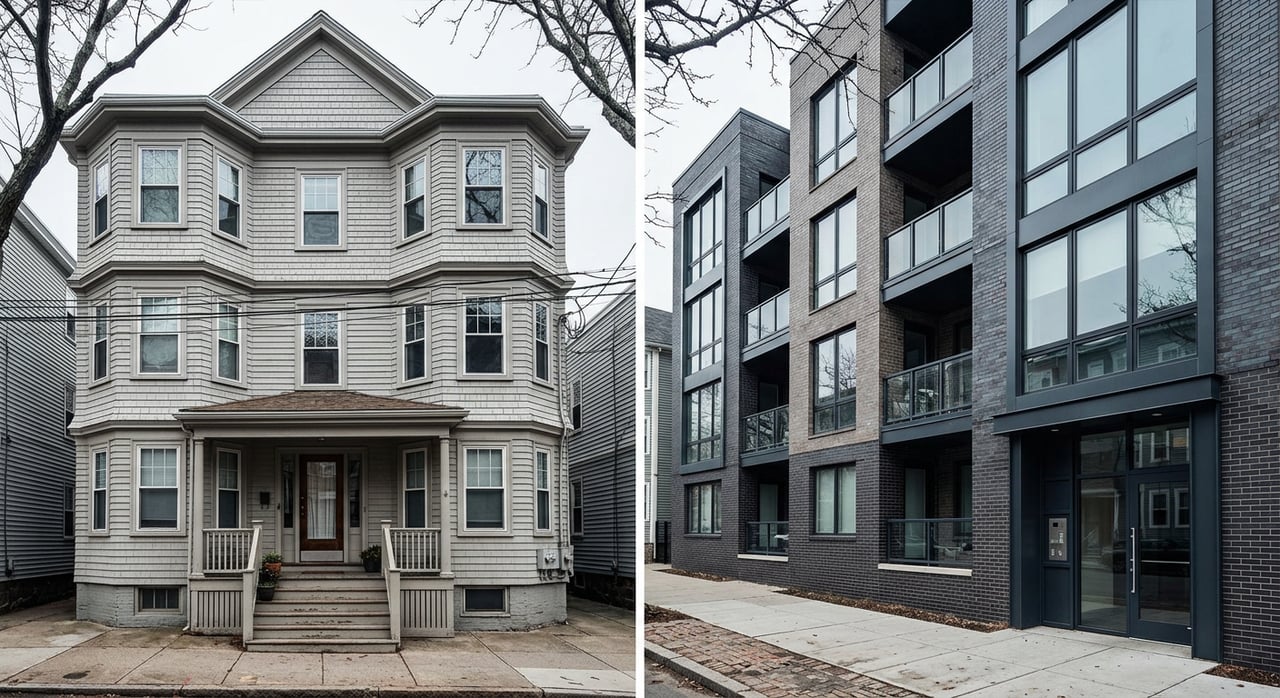
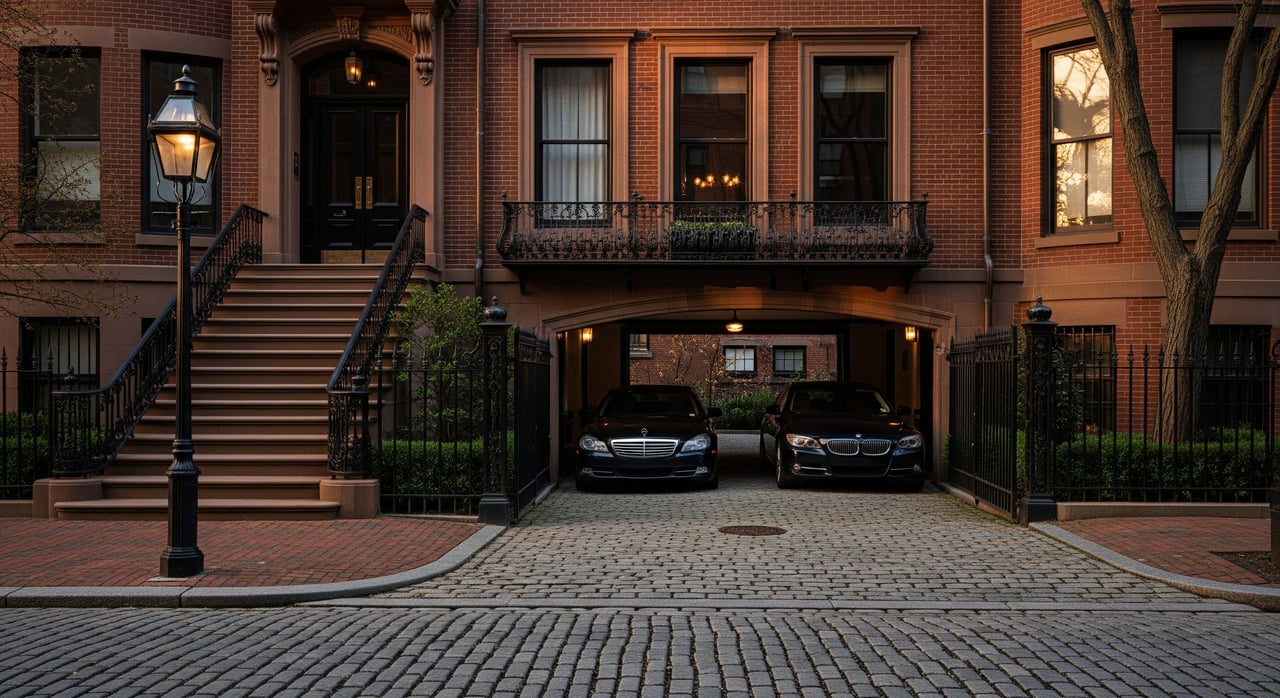
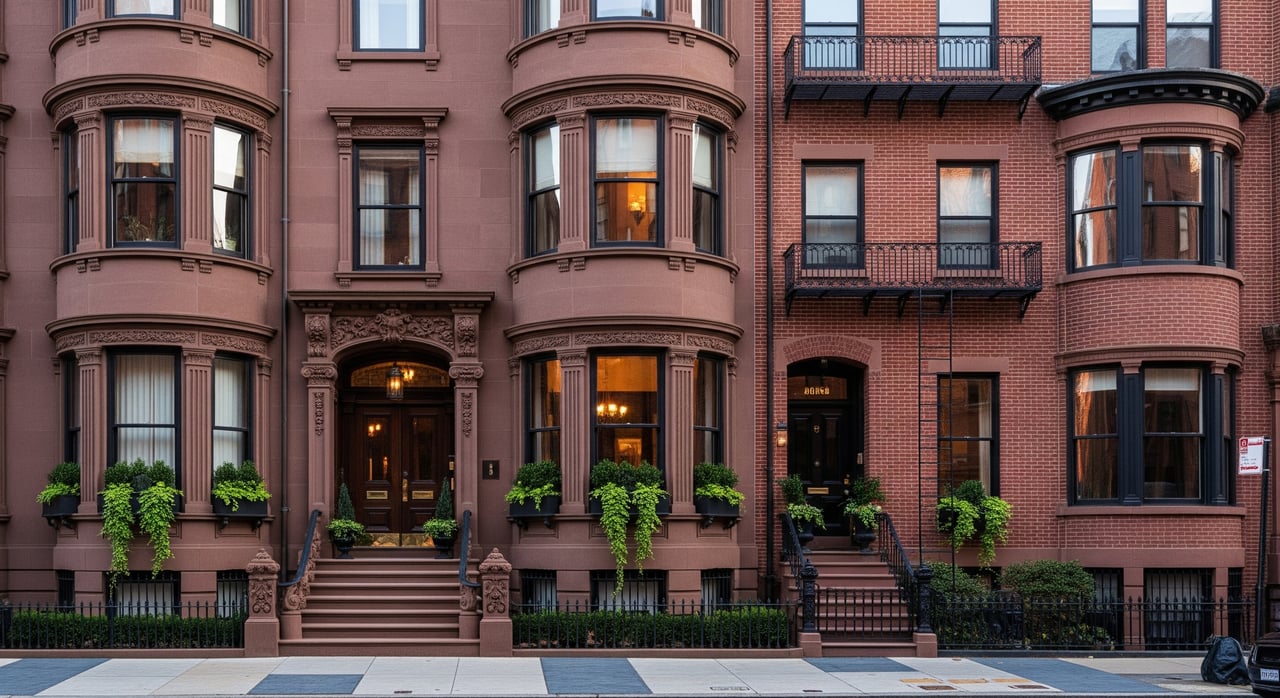
Boston planning describes the South End as the largest Victorian residential district in the United States. The area’s 19th-century rowhouse blocks give it a distinct visual identity, while its mix of historic brick homes, public housing, and renovated warehouse spaces creates a layered urban feel.
The neighborhood is also shaped by a broad mix of residents. According to the City of Boston’s 2025 neighborhood profile, 24.5% of residents were foreign born and 33.9% spoke a language other than English at home, reflecting the area’s diverse character.
Why Streets and Squares Matter Here
In many Boston neighborhoods, one main park or one central shopping street defines the experience. In the South End, the rhythm is different. Life here tends to unfold from square to square and block to block, with parks, cafés, shops, and cultural spaces woven into the street grid.
That means your routine can feel highly connected. You may walk the dog through one square, grab coffee on Shawmut Avenue, meet friends on Tremont Street, and cut across the Southwest Corridor Path for a run or bike ride, all without leaving the neighborhood.
This is a big part of the South End’s appeal. Its amenities do not feel separated from daily life. They are built into the way you move through the neighborhood.
The Main South End Corridors
Tremont Street
Tremont Street is one of the South End’s best-known thoroughfares, and for good reason. Boston highlights it as Restaurant Row, with restaurants, bars, galleries, and boutiques helping define the neighborhood’s social energy.
If you enjoy having dining options close at hand, Tremont Street often becomes part of your regular loop. It can serve as a natural anchor for evenings out, casual meals, and meeting friends without needing to plan around a car.
Washington Street
Washington Street is another major spine of the neighborhood. It connects several of the South End’s best-known green spaces, including Blackstone Square and Franklin Square, while also supporting retail and restaurant activity.
For buyers thinking about day-to-day convenience, Washington Street offers a good example of the South End’s layered lifestyle. Historic homes, park access, and commercial activity sit close together, which helps create that dense, walkable feel many people want from city living.
Shawmut Avenue
Shawmut Avenue has a slightly smaller-scale, more neighborhood-oriented feel. The city describes it as tree-lined, with boutiques and restaurants, making it an appealing corridor for those who want an active street that still feels rooted in residential surroundings.
It is also home to Peters Park, one of the area’s most feature-rich outdoor spaces. That gives Shawmut Avenue a strong balance of dining, green space, and everyday livability.
Harrison Avenue and Columbus Avenue
Harrison Avenue and Columbus Avenue help round out the South End’s geography. Harrison Avenue connects closely with the arts and design identity of SoWa, while Columbus Avenue forms part of the neighborhood’s broader urban framework.
These streets may not always get the same spotlight as Tremont or Shawmut, but they are important to how the South End functions. They expand your options for getting around and connect residential blocks to creative and commercial destinations.
The Squares That Shape Daily Life
Blackstone Square and Franklin Square
Blackstone Square and Franklin Square are key green spaces along Washington Street. Rather than serving as large destination parks, they function as part of the neighborhood’s everyday pattern of movement and pause.
That matters if you value quick access to outdoor space. In the South End, you are often not heading to one massive park for the day. Instead, you are moving through a series of landscaped squares that make walks, errands, and casual downtime feel more pleasant.
Peters Park
Peters Park is the South End’s most amenity-rich park. It includes an athletic field, basketball court, dog park, playground, tennis courts, and restrooms.
For many residents, that range of uses makes Peters Park a true lifestyle asset. Whether you want space for recreation, a place to bring a dog, or a nearby outdoor stop during a busy week, it offers more built-in flexibility than a simple passive green space.
Concord Square, Union Park, and Titus Sparrow Park
Smaller formal spaces like Concord Square, Union Park, and Titus Sparrow Park reinforce the South End’s distinctive pattern of public space. They add moments of greenery and visual relief throughout the neighborhood rather than concentrating everything in one place.
This contributes to the South End’s walk-from-square-to-square character. If you enjoy a neighborhood that reveals itself gradually as you move through it, these smaller parks play a big role in that experience.
Outdoor Living in the South End
The South End supports an active, car-light lifestyle. The Southwest Corridor Path runs through the neighborhood on the former Orange Line corridor, creating a continuous route for walking, running, and biking.
That path adds another layer to outdoor living here. Instead of relying only on pocket parks and squares, you also have a longer linear route that supports exercise and daily movement.
The numbers reflect this pattern. In the city’s 2025 profile, 29.6% of workers walked to work, 17.4% used public transit, and 5.9% used a bike, taxicab, or other shared mode. For many buyers, that suggests the South End can be a strong fit if you want a neighborhood where walking is part of your normal routine.
Dining, Boutiques, and Everyday Energy
One reason the South End continues to attract attention is that its food and retail scene feels integrated into residential life. Tremont Street and Washington Street are lined with restaurants, bars, galleries, and boutiques, while Shawmut Avenue adds a more intimate retail and dining rhythm.
This can change how you use your neighborhood. Instead of saving local amenities for weekends, you are more likely to make them part of a normal Tuesday or Thursday, whether that means dinner nearby, browsing a boutique, or picking a different route home just to enjoy the street life.
For buyers comparing Boston neighborhoods, this is a meaningful distinction. The South End offers activity and choice, but much of it is embedded into streets lined with historic homes and public green space.
SoWa and the Creative Side of the South End
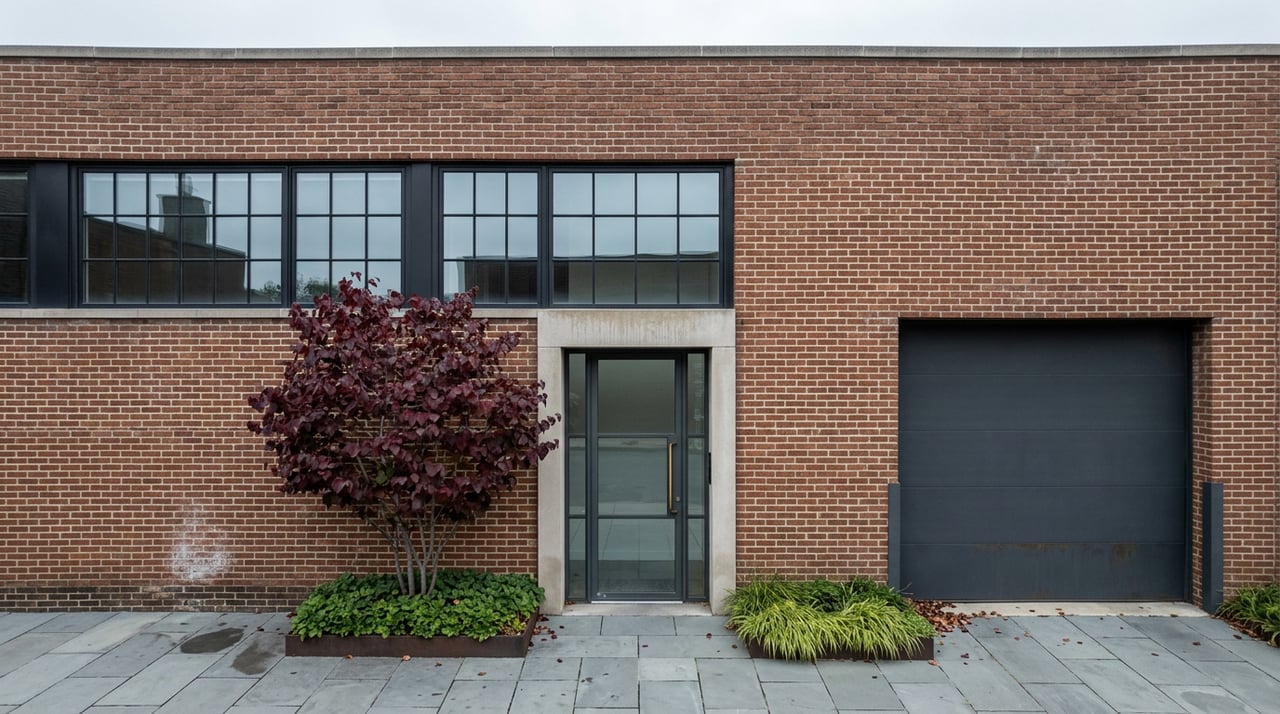
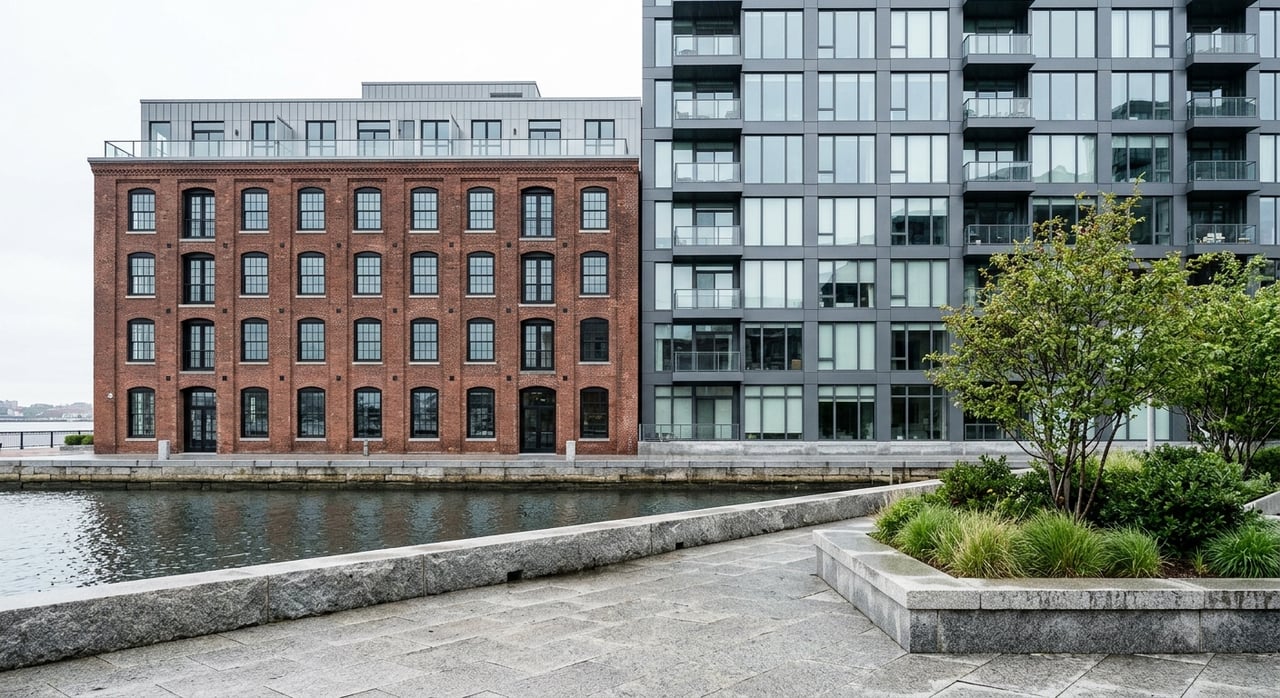
SoWa gives the South End a concentrated arts-and-design identity. Its reclaimed industrial warehouse buildings house galleries, artist studios, home décor showrooms, fashion boutiques, and restaurants.
The area’s Sunday Open Market, which runs from May through October, adds another seasonal layer to neighborhood life. If you like places where design, art, and local shopping are part of the experience, SoWa helps set the South End apart.
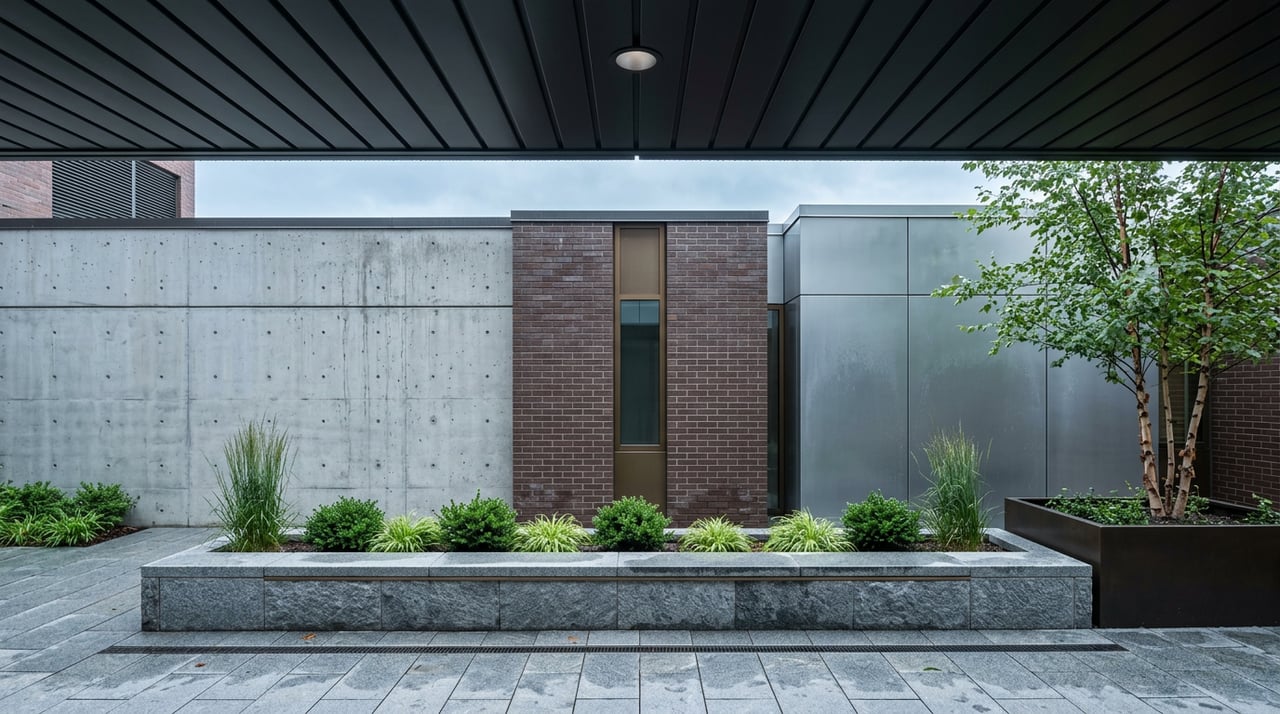
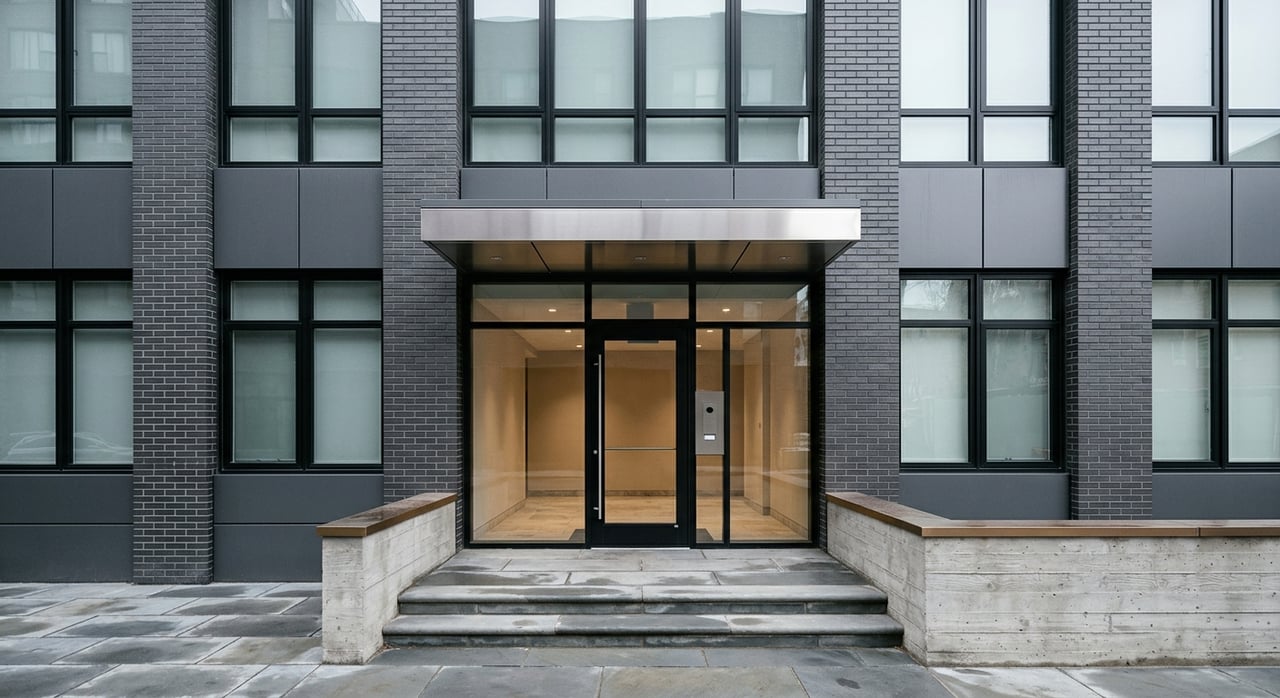
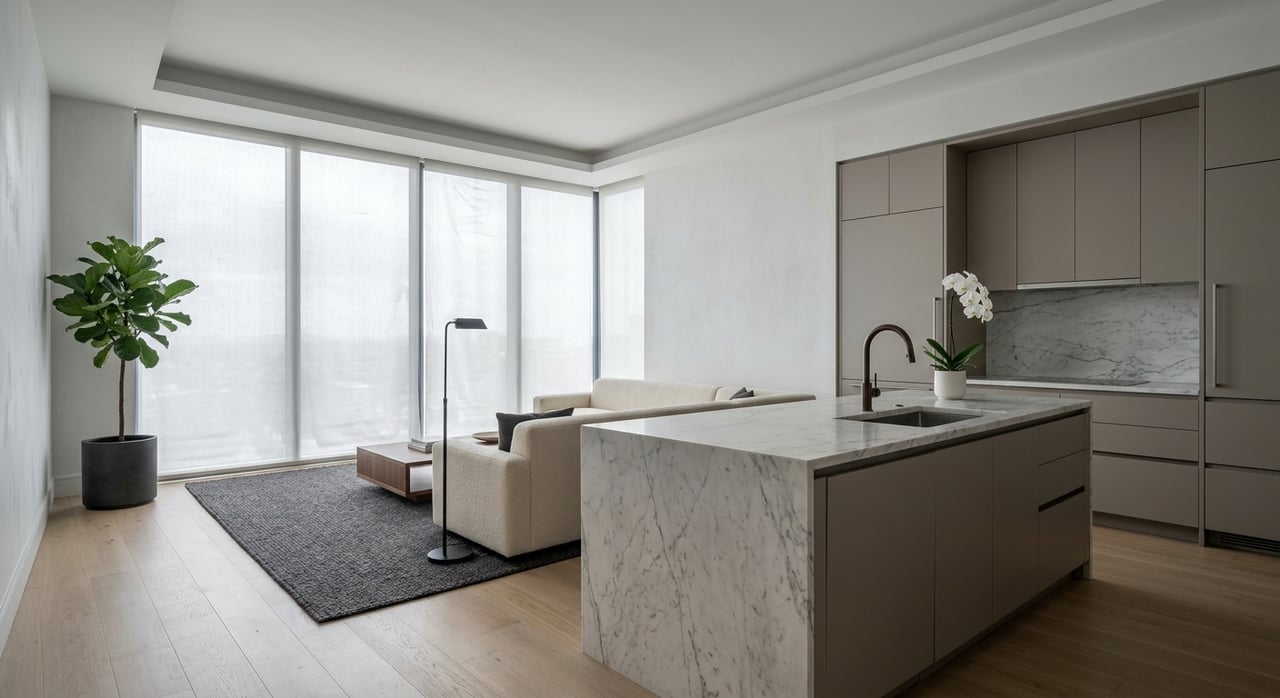
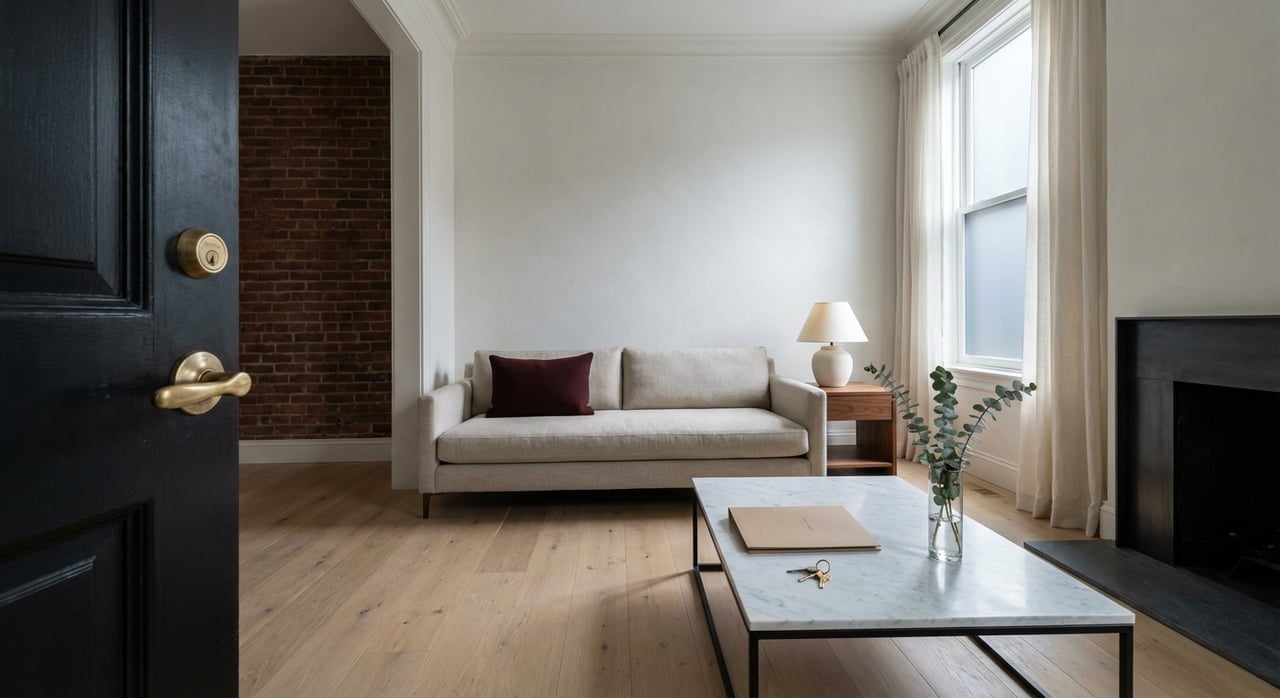
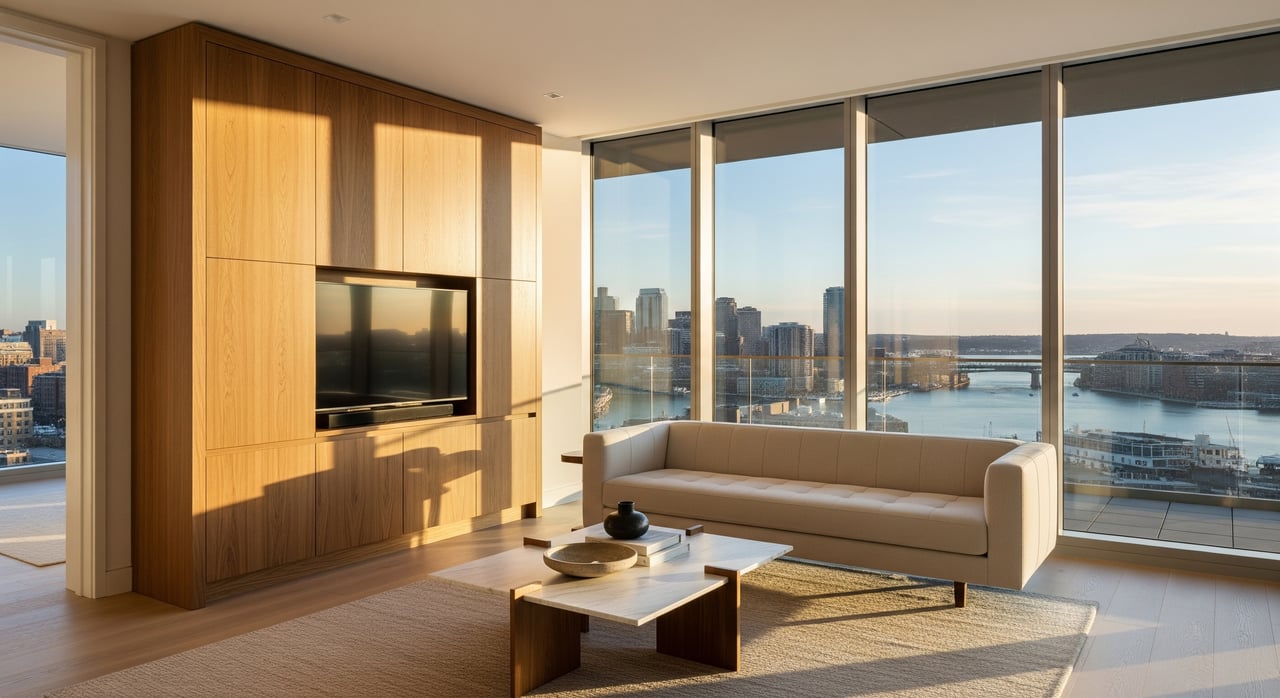
This part of the neighborhood also expands your housing lens. In addition to classic brick rowhouses, SoWa includes renovated warehouse buildings with loft-style apartments featuring exposed brick, high ceilings, and industrial-inspired finishes.
The Role of Arts and Culture
The Boston Center for the Arts is one of the neighborhood’s cultural anchors. From its historic South End campus, it supports working artists and presents exhibitions, theater, dance, and community programming.
That institutional presence gives the South End more than a casual arts vibe. It helps sustain an active creative environment that is visible in daily life, not just during special events.
The neighborhood also hosts South End Open Studios, a free annual event that opens four artist buildings to the public. The event highlights more than 50 years of artist activity in the area and reinforces the South End’s long-standing connection to working artists and makers.
What Homes Feel Like Here
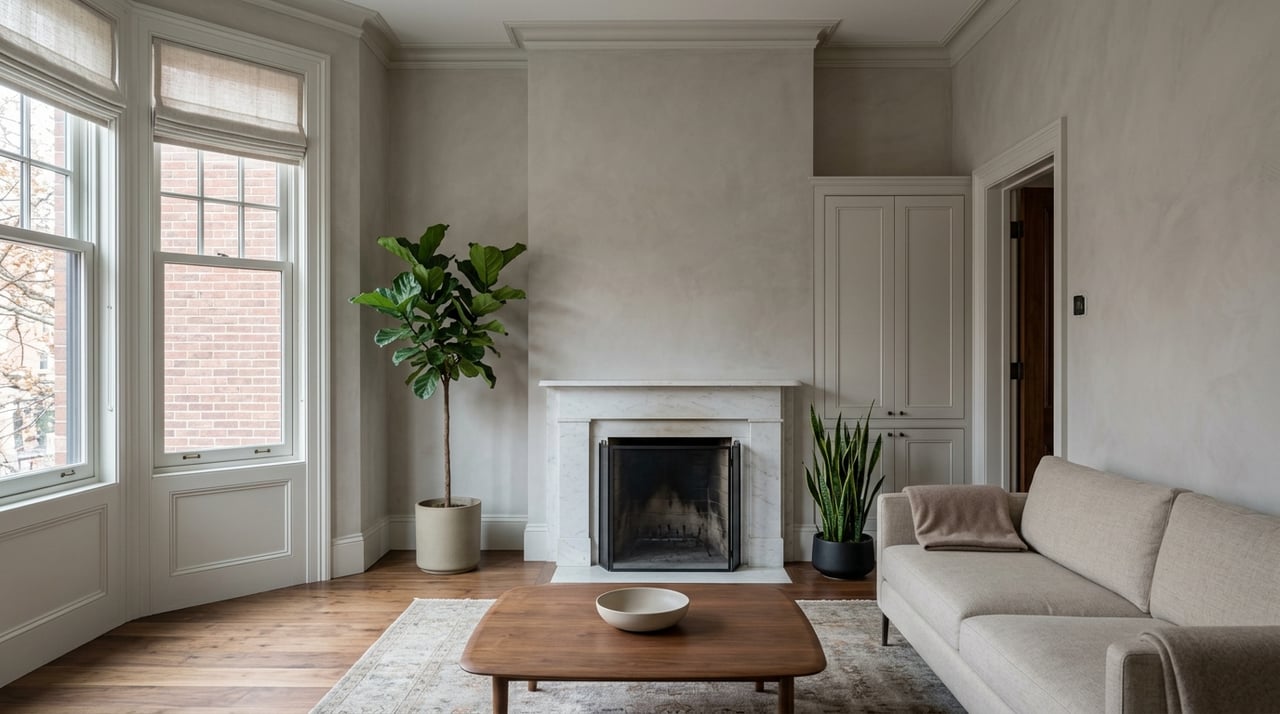
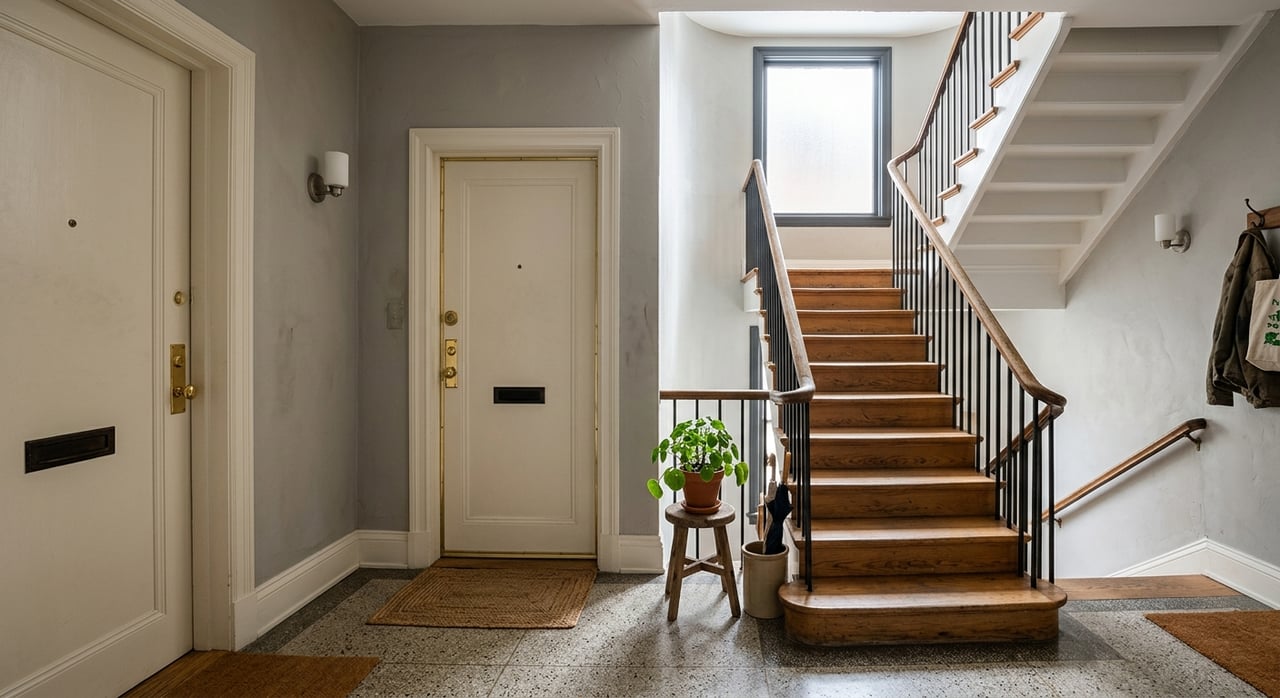
The South End is especially useful for buyers deciding between classic historic character and loft-style living. The housing stock ranges from 19th-century brick rowhouses to renovated warehouse buildings in SoWa.
If you are drawn to original architectural texture, rowhouses may offer the visual appeal and street presence you want. If you prefer a more open interior feel, loft-style spaces can deliver a different version of urban living while still keeping you in the same neighborhood ecosystem.
There is also an important practical note for buyers considering historic property. Because the South End is a landmark district, exterior work on visible facades, roofs, and some side or rear elevations may be subject to review, so renovation plans should be checked before work begins.
Who the South End Fits Best
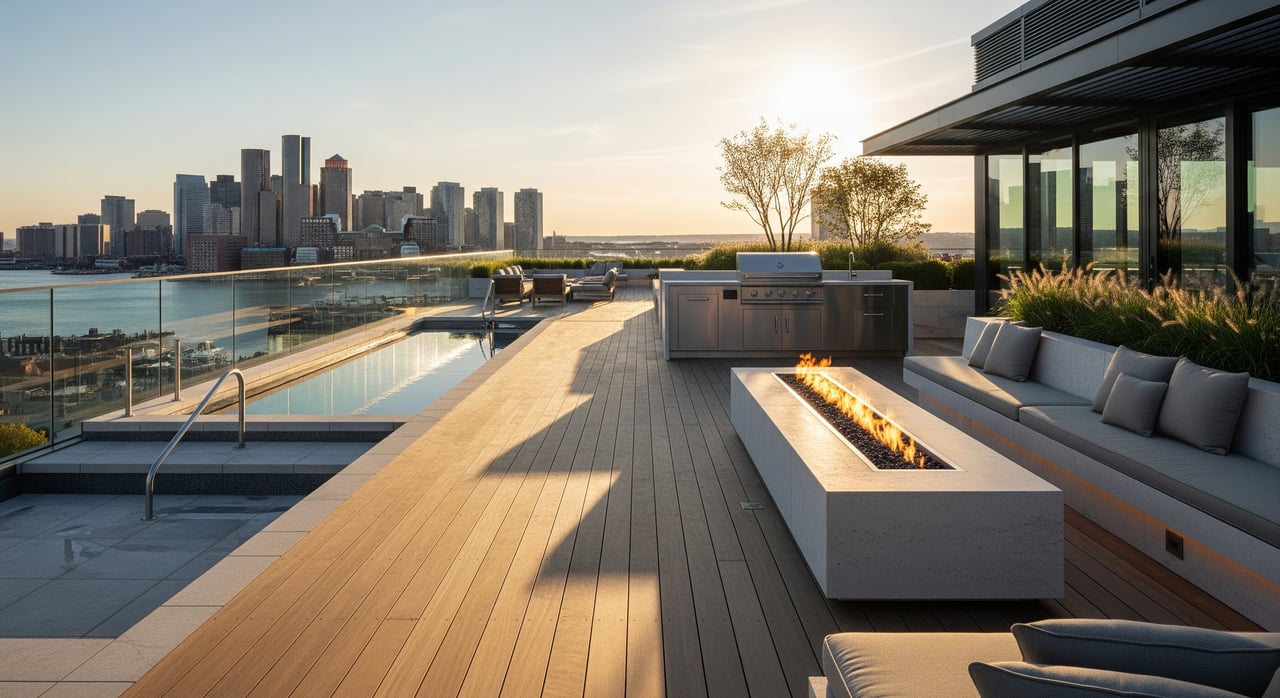
The South End tends to appeal to buyers who want a dense, amenity-rich urban lifestyle. If your ideal day includes walking to dinner, crossing a leafy square, spending time outdoors, and having arts and design spaces close by, the neighborhood offers a strong match.
It can also work well if you are comparing home styles within one area. Few Boston neighborhoods give you such a clear side-by-side choice between historic rowhouse living and loft-style warehouse conversions.
Most of all, the South End stands out because its streets, squares, restaurants, and arts spaces work together. They do not feel like separate attractions. They feel like part of how you live.
If you are exploring whether the South End fits your lifestyle, a neighborhood-level strategy can make all the difference. Morgan Franklin offers personalized guidance for buyers, sellers, renters, and owners who want clear local insight and a high-touch experience in Boston.
FAQs
What makes the South End different from other Boston neighborhoods?
- The South End stands out for its Victorian rowhouses, nearly 30 parks, square-to-square layout, active dining scene, and strong arts presence woven into everyday life.
What are the main streets in Boston’s South End?
- Key South End corridors include Tremont Street, Washington Street, Shawmut Avenue, Harrison Avenue, Columbus Avenue, and Massachusetts Avenue.
What are the best-known parks and squares in the South End?
- Notable green spaces include Blackstone Square, Franklin Square, Peters Park, Concord Square, Union Park, and Titus Sparrow Park.
What is SoWa in Boston’s South End?
- SoWa is a South End arts-and-design area with galleries, artist studios, home décor showrooms, fashion boutiques, restaurants, and a Sunday Open Market that runs from May to October.
What types of homes can you find in the South End?
- The South End includes 19th-century brick rowhouses, public housing, and renovated warehouse buildings in SoWa with loft-style apartments, exposed brick, and high ceilings.
What should buyers know about South End historic homes?
- Because the South End is a landmark district, exterior work on visible facades, roofs, and some side or rear elevations may be subject to review before renovations begin.