Trying to choose between the North End waterfront and Seaport for your next home? On paper, these two Boston waterfront areas can look similar: strong pricing, walkable streets, harbor access, and high demand. In real life, they offer very different day-to-day experiences, inventory options, and buying considerations. If you are weighing charm against newer construction, or tighter historic streets against larger-scale waterfront living, this guide will help you compare what matters most. Let’s dive in.
North End Vs Seaport Overview
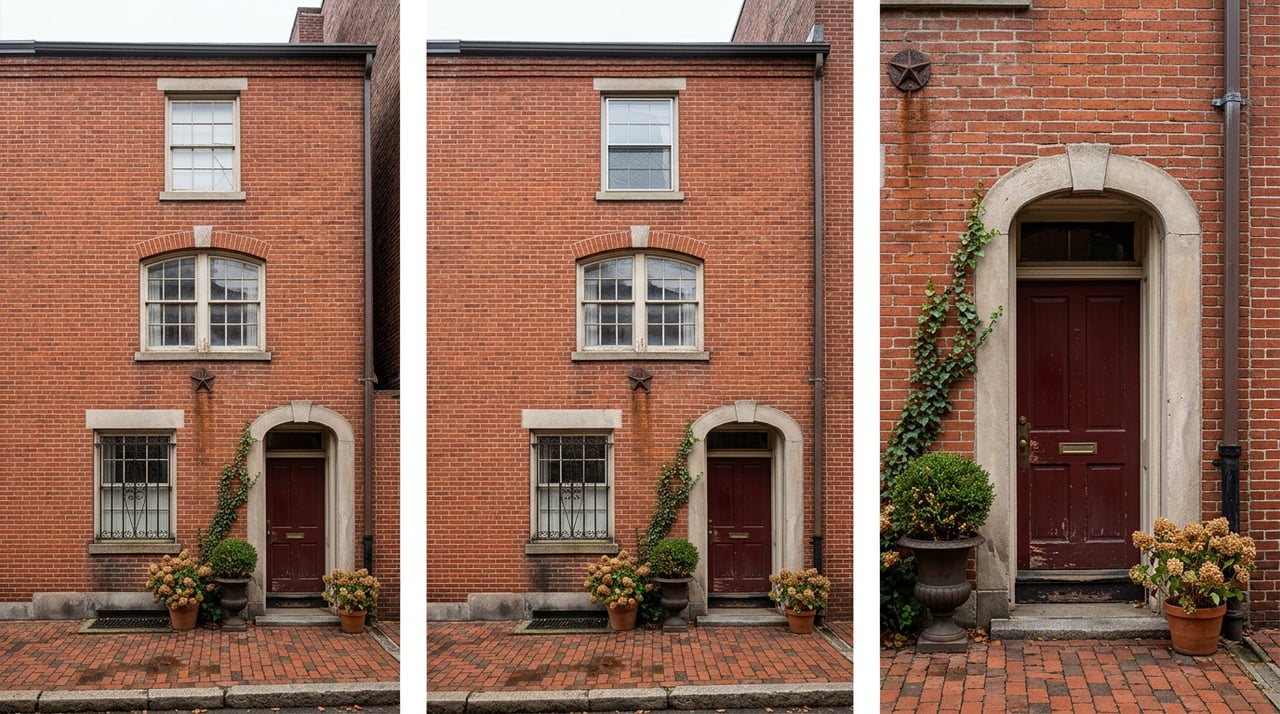
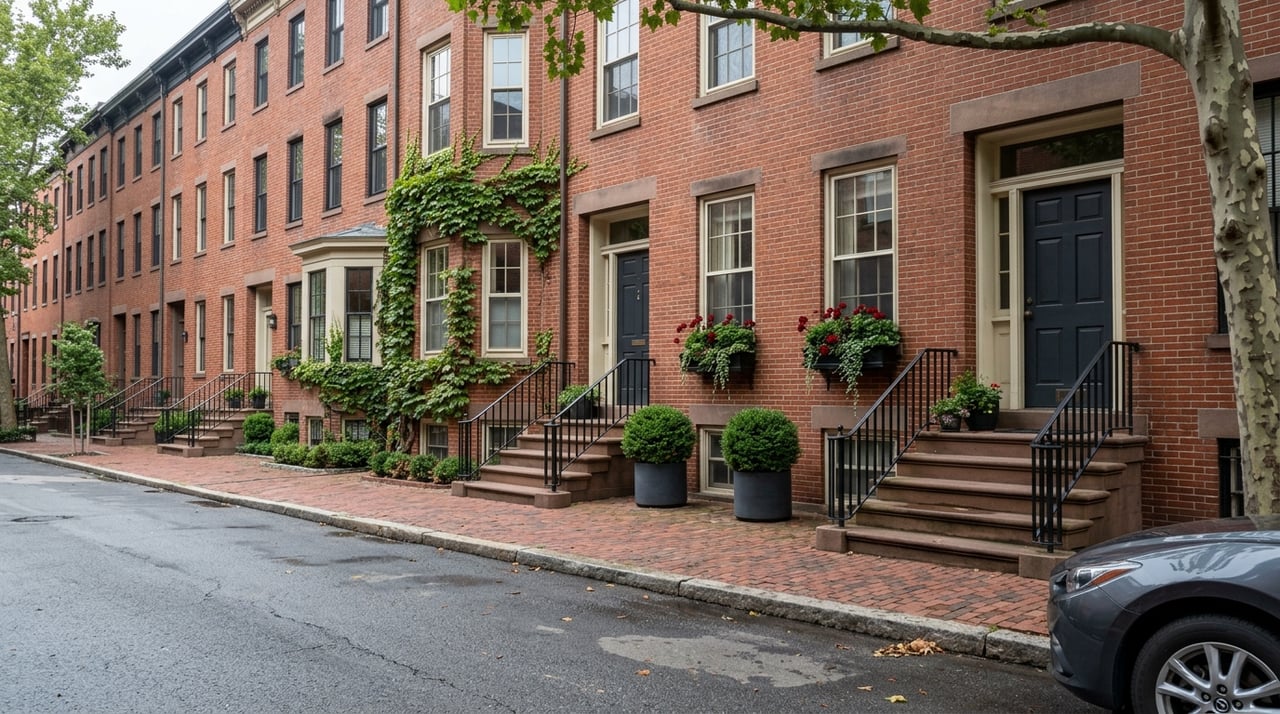
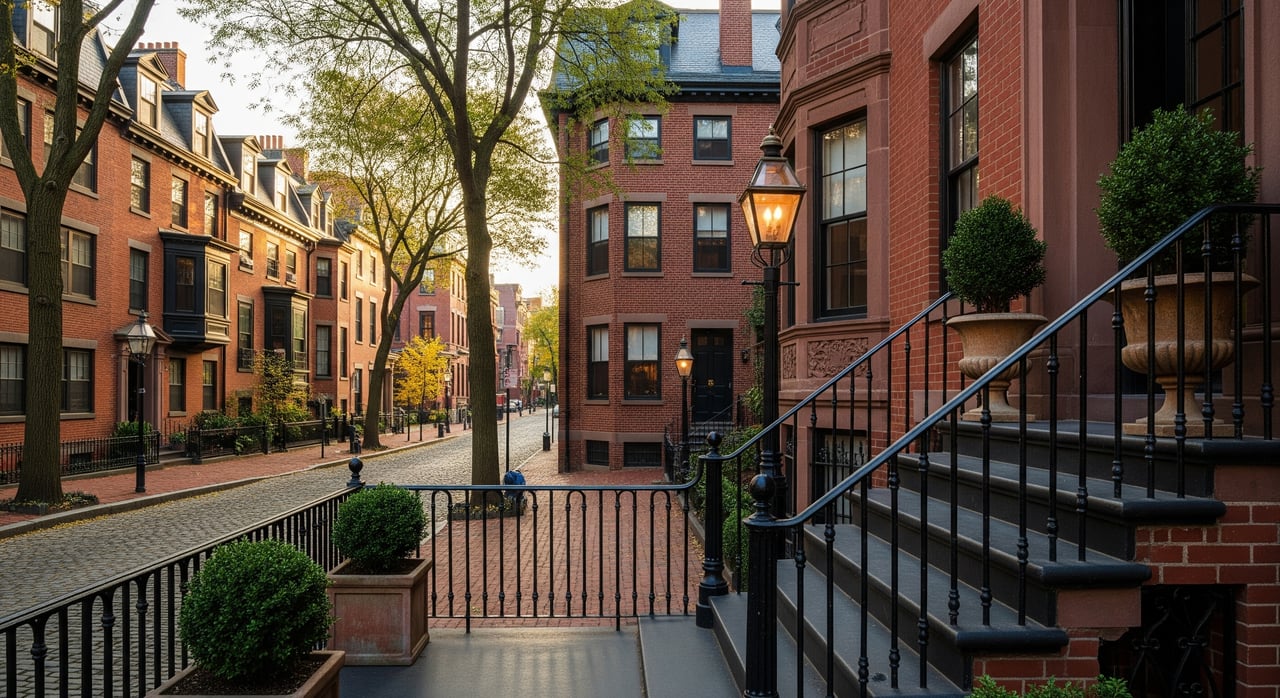
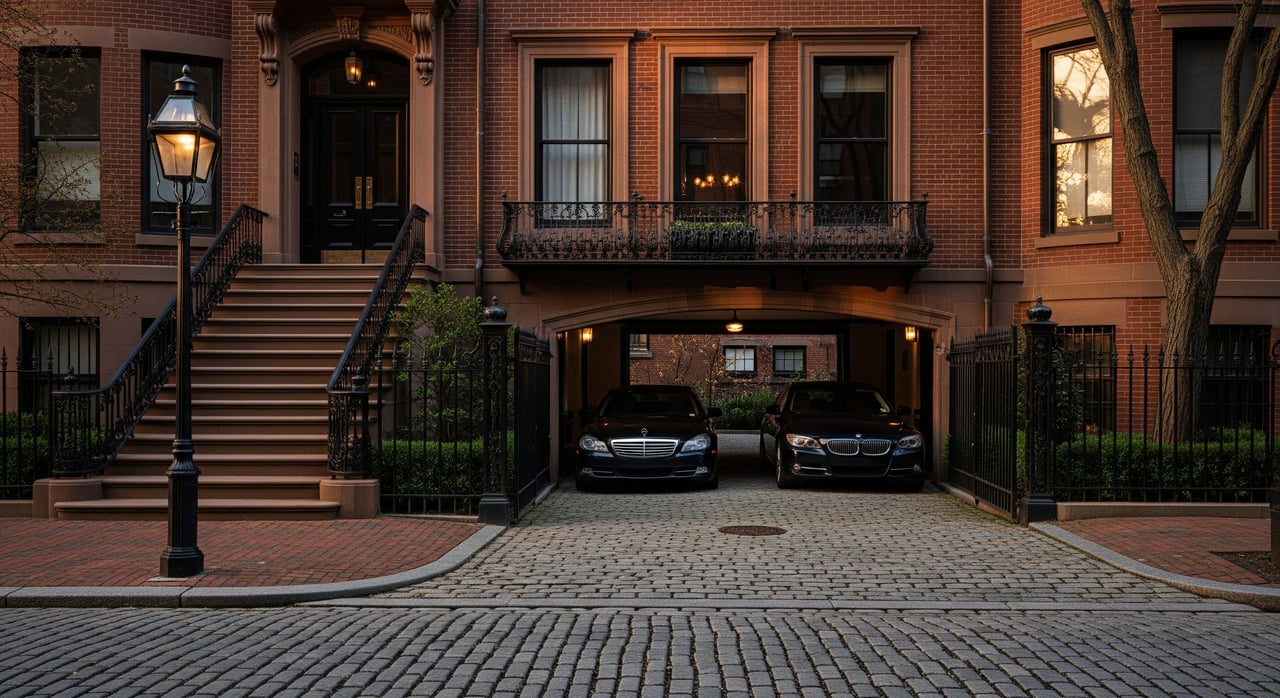
If you are deciding between North End and Seaport waterfront homes, the biggest difference is the kind of lifestyle and housing stock you want. The North End is Boston’s oldest residential community, known for historic brick buildings, narrow cobblestone streets, and a strong restaurant and retail corridor along Hanover and Salem Streets, according to Boston Planning’s North End overview.
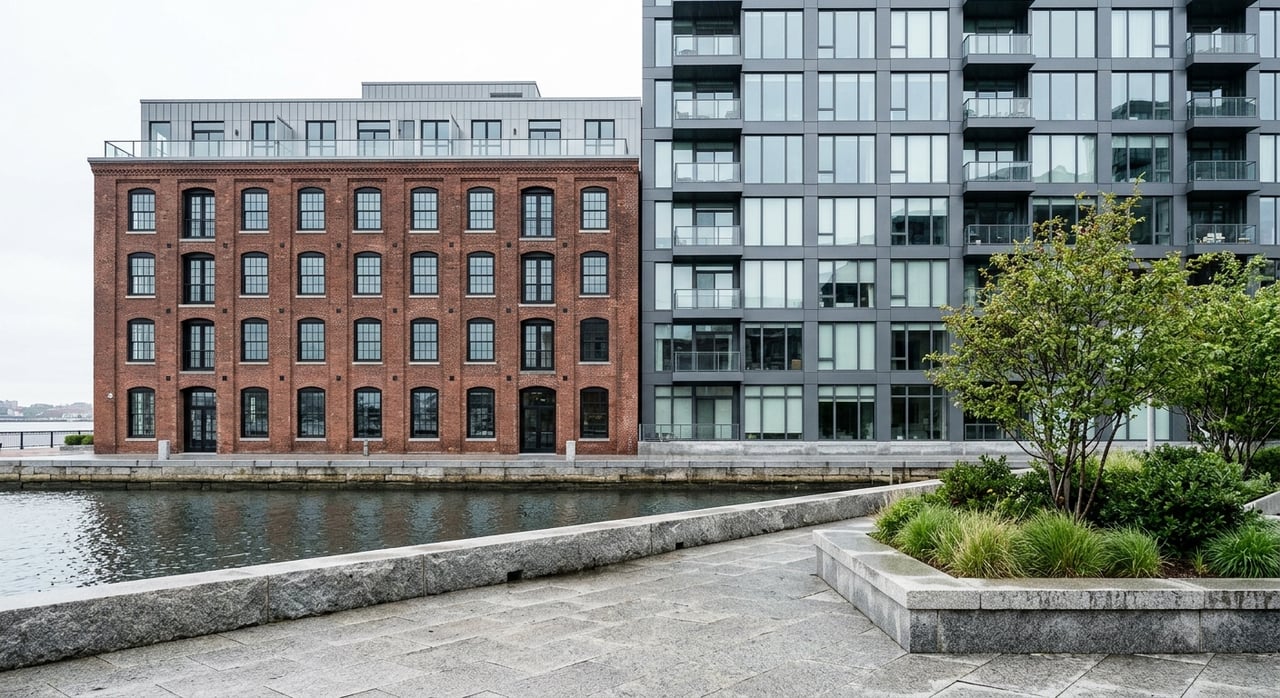
Seaport, also referred to by Boston Planning as the South Boston Waterfront, has a very different origin story. It has evolved from a warehouse and industrial area into a mixed-use district with newer residential buildings, creative workplaces, and major growth in both population and housing, as outlined in Boston Planning’s South Boston Waterfront at-a-glance page.
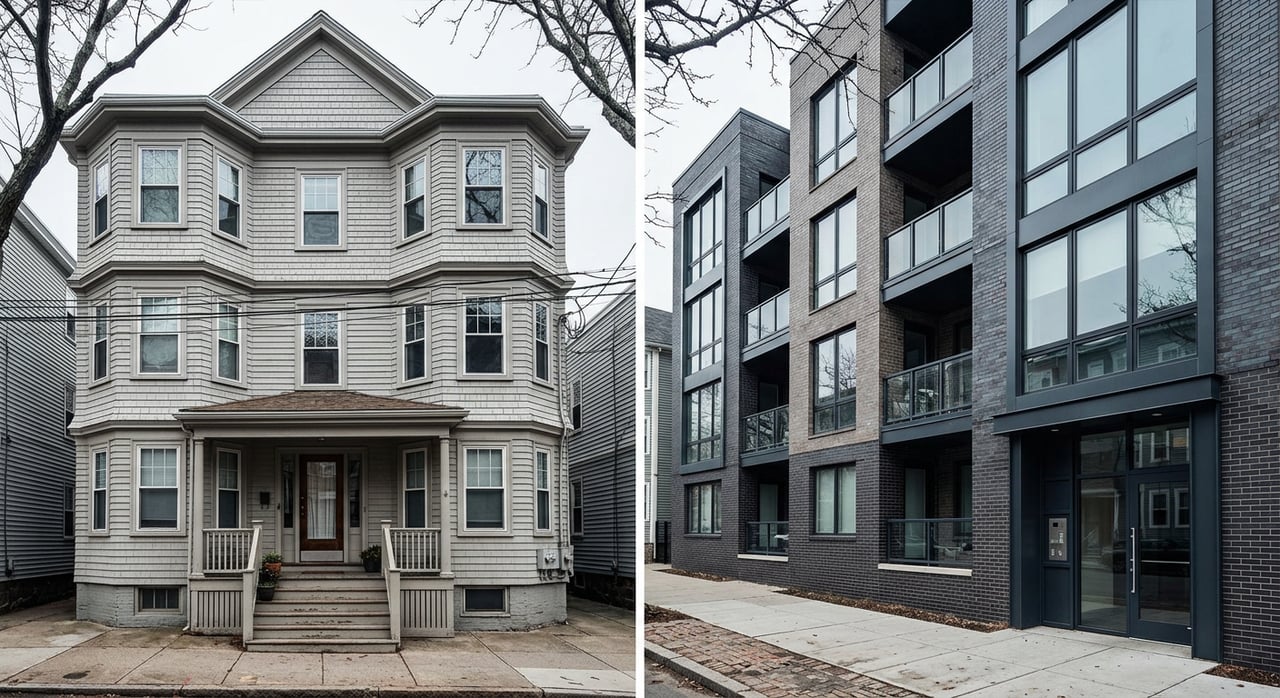
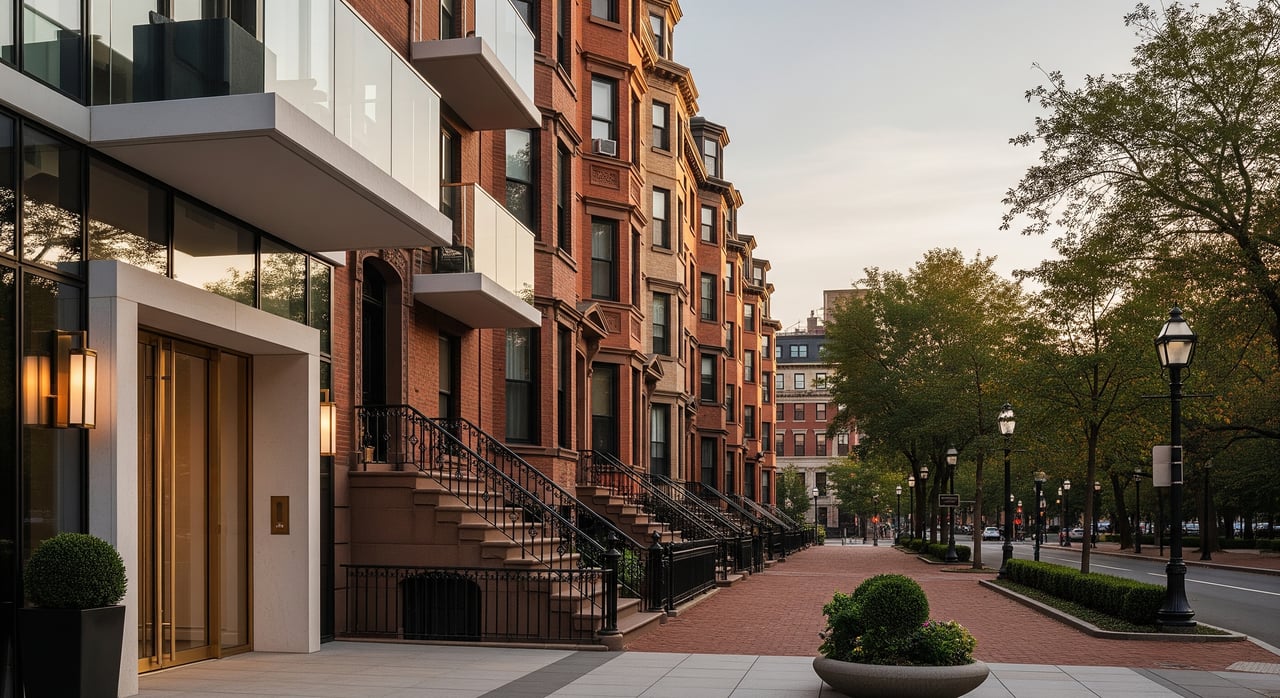
That difference shapes nearly every part of your search. In the North End waterfront area, you are often comparing older, more character-driven homes in a tighter streetscape. In Seaport, you are more likely to see newer condos, amenity-rich buildings, and larger-scale development patterns.
Home Prices And Inventory
Pricing between the two neighborhoods is closer than many buyers expect, but supply tells an important story. As of March 2026, Realtor.com reports the North End at a median listing price of $1.399M, with 57 active listings and 46 median days on market. South Boston Waterfront shows a median listing price of $1.35M, with 93 active listings and 43 median days on market, based on the same North End and surrounding market data source.
Both neighborhoods are selling at about 97% of list price, which suggests fairly balanced negotiation conditions for well-positioned homes. Still, Seaport currently offers more options, while the North End remains tighter on inventory. If you want more chances to compare finishes, layouts, and building amenities, Seaport may give you a wider field.
The waterfront micro-market inside the North End can get even tighter. Realtor.com’s 02110 Waterfront subarea shows a median listing price of $1.825M with just 11 active listings, reinforcing how limited and premium true waterfront opportunities can be in that part of the market.
Housing Style And Building Types
North End Homes
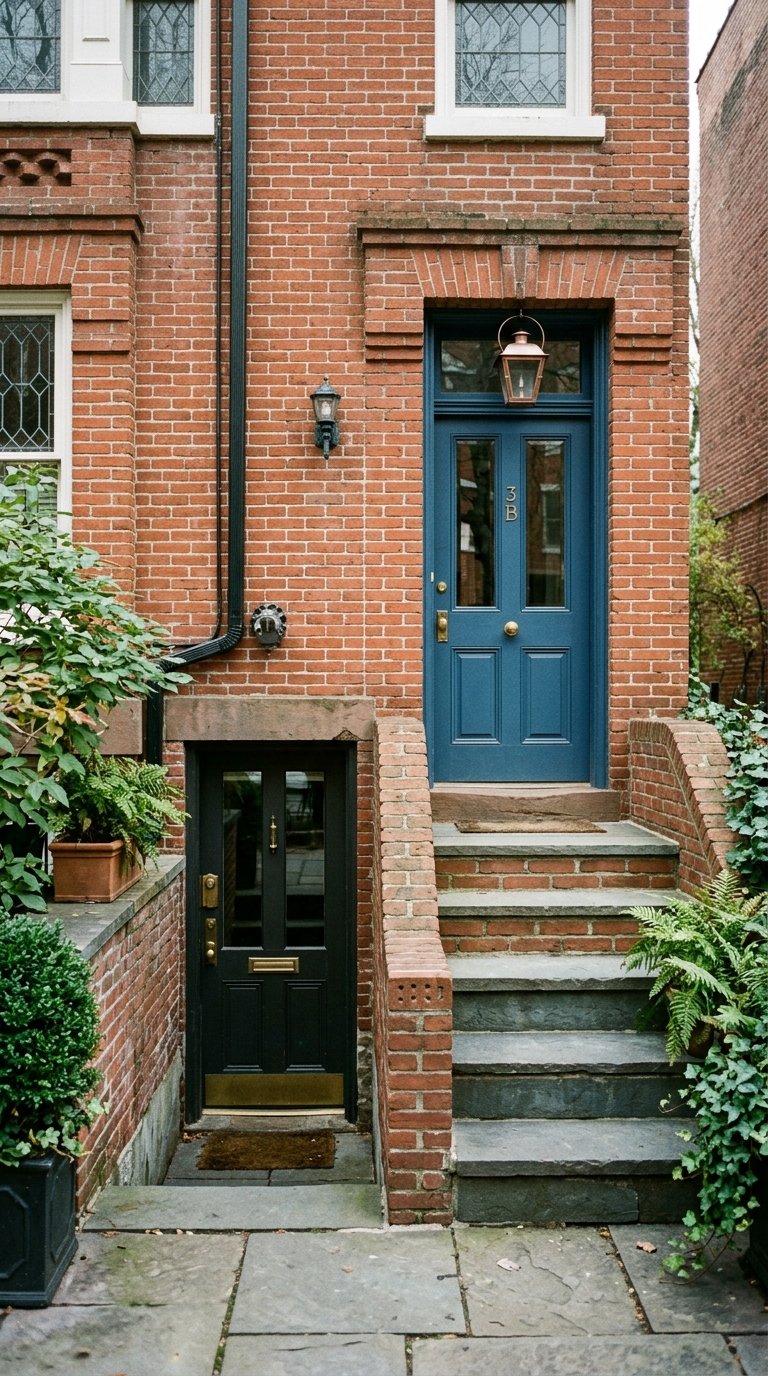
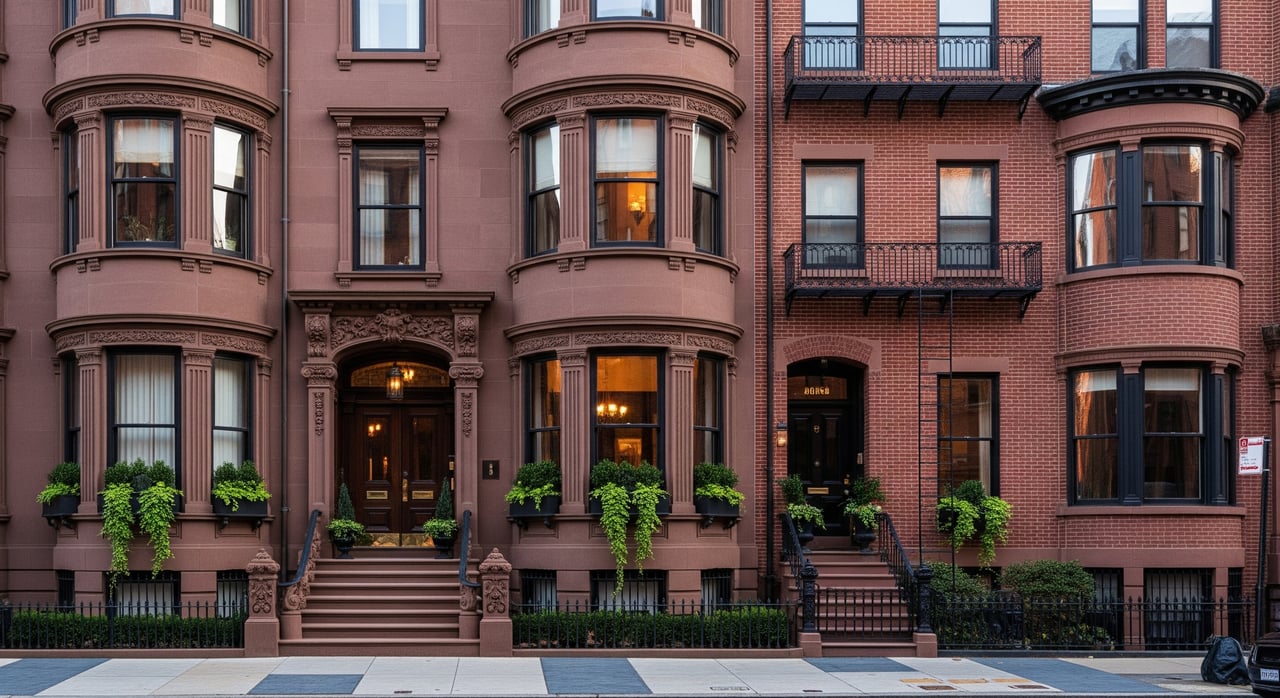
North End waterfront homes tend to appeal to buyers who value history, texture, and location over newer building systems. You may find older apartment-style buildings, more compact layouts, and homes where charm and address carry significant value. Because the neighborhood fabric is historic and dense, inventory can vary widely from building to building.
This often means your search needs to be more precise. Two homes at similar price points may offer very different tradeoffs in light, views, updates, storage, or building amenities.
Seaport Homes
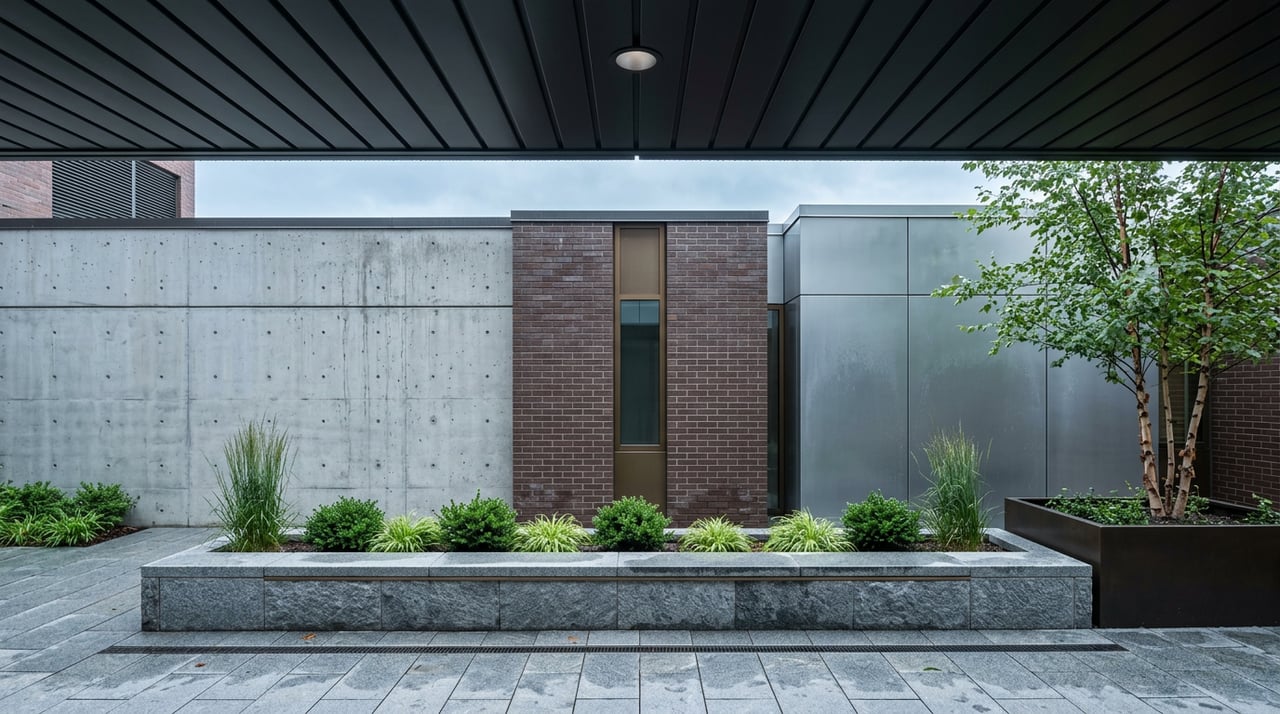
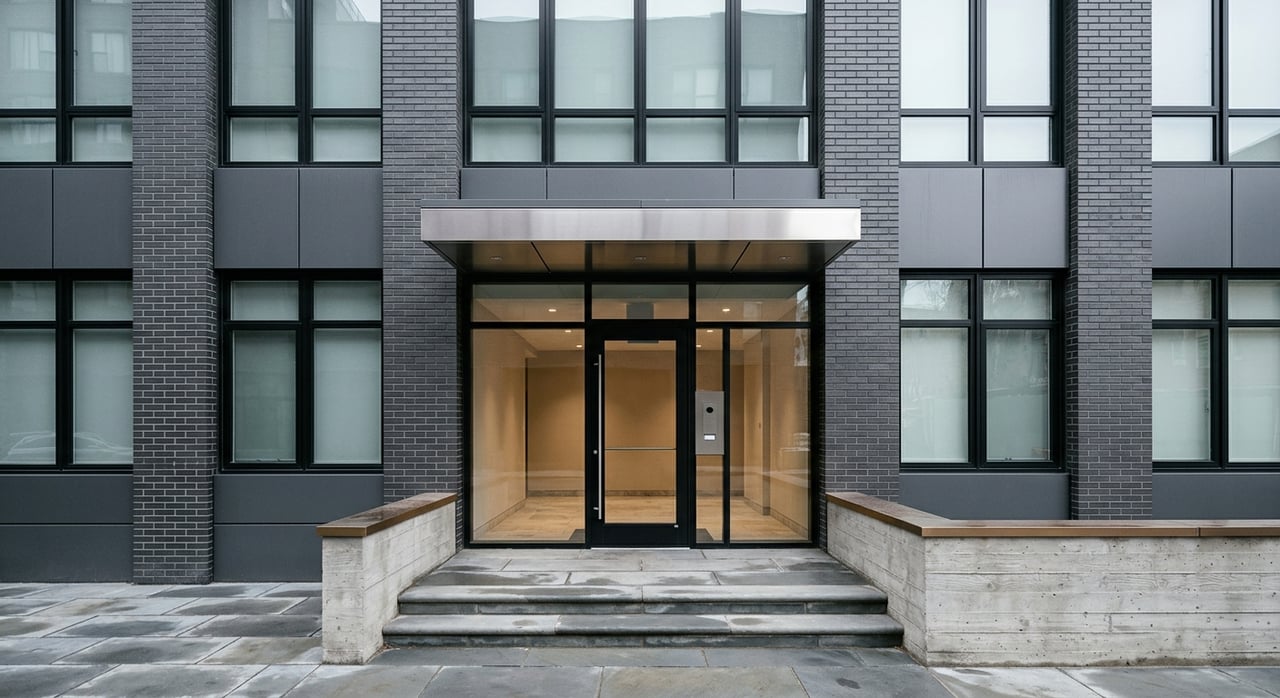
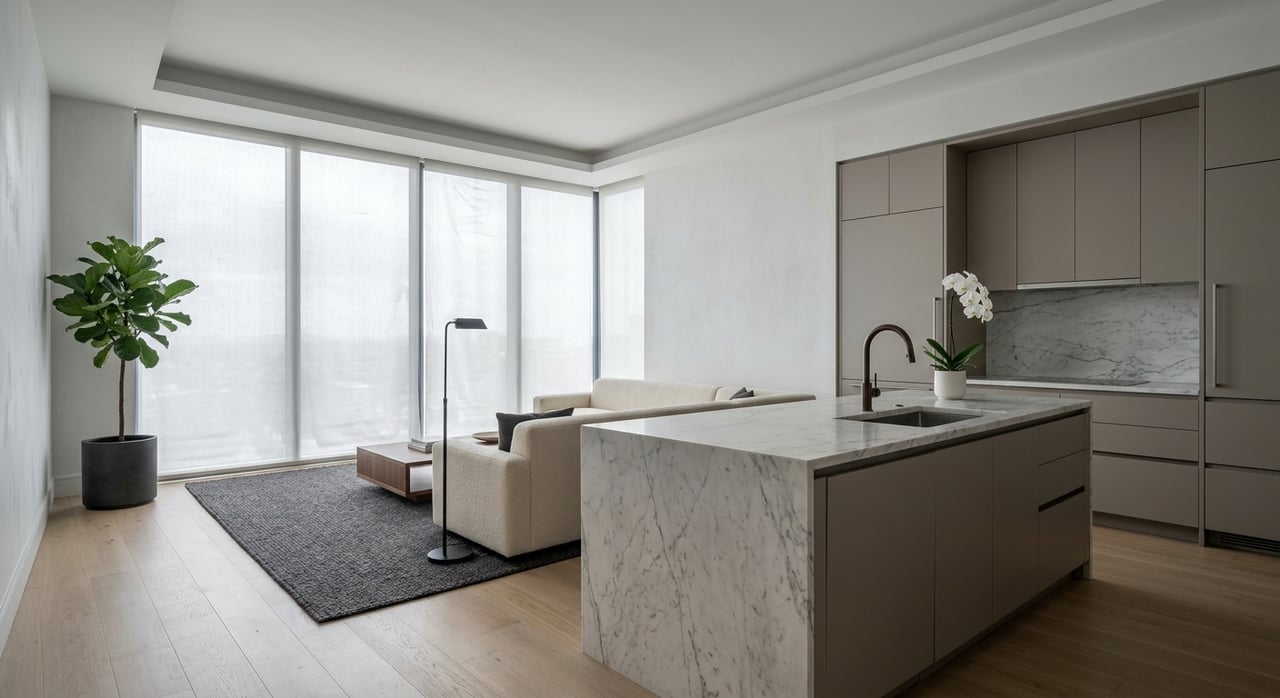
Seaport inventory generally skews newer and more uniform in presentation. Boston Planning notes that the area includes recently built apartment buildings, condo options, micro-units, and some former-warehouse loft living in Fort Point, which gives buyers a broader mix of contemporary choices.
If you want features like newer systems, elevators, concierge services, fitness spaces, or a more polished common-area experience, Seaport will often align more closely with that wish list. It can also be a better fit if you want a home that feels more turnkey from day one.
Walkability And Transit Access
Both neighborhoods are highly walkable, but there is a meaningful difference in transit access. Walk Score rates the North End at 99 for walkability and 99 for transit, which is about as strong as it gets for buyers who want to live car-light or car-free.
The South Boston Waterfront also performs well, with a 91 Walk Score and a 70 Transit Score cited in the research report. In practical terms, Seaport is still very accessible, but the North End has the edge if you prioritize dense transit connections and a more established urban grid.
For many buyers, this comes down to routine. If your day involves frequent subway access and easy movement through the core of Boston, North End may feel more convenient. If you are comfortable with a slightly different transit rhythm in exchange for newer building options and a broader waterfront layout, Seaport remains very compelling.
Views, Streetscape, And Daily Feel
North End Waterfront Feel
The North End waterfront offers harbor access within a historic neighborhood setting. According to Boston Planning, the waterfront edge includes hotels, restaurants, and bars that take advantage of harbor views, but the surrounding streetscape remains tighter and more traditional.
That means views can be more limited and highly specific to the building. You may find standout homes with water outlooks, but broad, dramatic view inventory is generally less common and more variable than in Seaport.
Seaport Waterfront Feel
Seaport was built around larger parcels, newer development, and a more open relationship to the waterfront. In practical terms, that often translates to homes that market expansive harbor or skyline views and stronger visual connections to Harborwalk and the surrounding public realm.
If your definition of waterfront living includes floor-to-ceiling glass, wider sightlines, and a more contemporary setting, Seaport is often the more natural fit. Buyers who want that newer waterfront aesthetic tend to gravitate there quickly.
Noise And Activity Levels
Waterfront living in Boston is lively in both locations, but the source of that activity differs. In the North End, Boston Planning describes a neighborhood shaped by restaurants, bars, tourism, and summer festivals, which creates a more neighborhood-and-dining-driven energy.
In Seaport, activity often comes from a different mix. Boston Planning points to the Boston Convention and Exhibition Center, World Trade Center, hotels, cruise activity, seasonal events, and pop-up retail, all of which can create larger traffic surges tied to conventions, ride-hail demand, and major events.
Neither setting is inherently better. It depends on what kind of urban activity feels more comfortable to you. Some buyers prefer the historic bustle of the North End, while others like Seaport’s larger-scale waterfront momentum.
Harborwalk And Outdoor Access
One shared advantage is direct access to the water. Both neighborhoods connect into Boston’s Harborwalk system, which the city describes as a continuous public walkway along the harbor that links neighborhoods with the waterfront and transit.
That matters if outdoor access is part of your home search. Whether you picture morning walks, running routes, or simply being able to step outside and stay connected to the harbor, both the North End waterfront and Seaport offer that benefit.
Investor And Rental Considerations
If you are thinking about part-time use or income potential, Boston’s short-term rental rules deserve close attention. The city allows short-term rentals of fewer than 28 days only in certain owner-occupied property types, and operators must meet registration and compliance requirements, according to the City of Boston short-term rental rules.
The policy is citywide, so there is no major neighborhood advantage between North End and Seaport on this issue. For most condo buyers, it is smarter to evaluate these homes based on primary-residence or long-term rental economics unless a specific property clearly fits the ordinance and building rules.
This is especially important in condo-heavy neighborhoods. Before you count on flexibility, you will want to confirm both city compliance and building-level restrictions.
Flood Risk And Resilience Planning
For any Boston waterfront purchase, resilience should be part of your due diligence. The City of Boston says it has completed coastal resilience plans for both Downtown/North End and South Boston and is implementing projects to reduce coastal flood risk, as noted on its coastal resilience implementation page.
The research report also notes climate-risk data indicating extreme flood risk for the North End and severe flood risk for South Boston Waterfront over the next 30 years. That does not mean you should avoid these neighborhoods, but it does mean you should review insurance, building systems, elevation, and resilience measures carefully before you buy.
For condo buyers, this often comes down to asking better questions. You will want to understand how the building is preparing for climate risk, not just how the unit looks on showing day.
Which Neighborhood Fits You Best?
North End waterfront may be the better match if you want historic character, exceptional transit access, and a more intimate streetscape where each property feels distinct. It can also be a strong fit if you value living within one of Boston’s most established residential neighborhoods.
Seaport may be the better fit if you want more inventory, newer construction, contemporary amenities, and a broader waterfront setting with more view-oriented housing options. It often appeals to buyers who prioritize turnkey living and a more modern building experience.
In the end, this choice is less about which neighborhood is objectively better and more about which one fits your routine, design preferences, and long-term goals. If you want help comparing buildings, pricing strategy, and the tradeoffs that matter most to your search, Morgan Franklin can help you narrow the options and move with confidence.
FAQs
What is the price difference between North End and Seaport waterfront homes?
- As of March 2026, Realtor.com reports a median listing price of $1.399M for the North End and $1.35M for South Boston Waterfront, though true North End waterfront inventory can be more limited and more expensive.
Which neighborhood has more condo inventory, North End or Seaport?
- Seaport currently has more active listings, with 93 compared with 57 in the North End, giving buyers more selection overall.
Is the North End or Seaport better for transit access?
- The North End has stronger transit access in the research report, with a 99 Transit Score versus a 70 Transit Score for South Boston Waterfront.
Are short-term rentals easier in Seaport than in the North End?
- No. Boston’s short-term rental rules are citywide, so buyers in both neighborhoods need to evaluate the same owner-occupancy and registration requirements.
Do North End and Seaport homes have flood risk concerns?
- Yes. The research report notes significant flood-risk considerations in both areas, so buyers should review insurance, elevation, and building resilience as part of due diligence.