Trying to choose between a sleek new condo and a classic triple-decker in South Boston? You’re not alone. Each option offers a different mix of space, finishes, carrying costs, and long-term potential. In this guide, you’ll get a clear, side-by-side look at pricing trends, amenities, HOA fees, parking, financing, and resale factors so you can buy with confidence. Let’s dive in.
Market snapshot: prices and PSF
South Boston’s condo market typically sits in the high six to low seven figures. Neighborhood summaries show a recent median condo sale price around the upper $800Ks to roughly $1.0M, with new luxury units often commanding the higher price-per-square-foot end of the range. You should always confirm current figures before you write an offer because medians move month to month. See the latest neighborhood medians in the Massachusetts Association of REALTORS® report for South Boston. View the MAR market update.
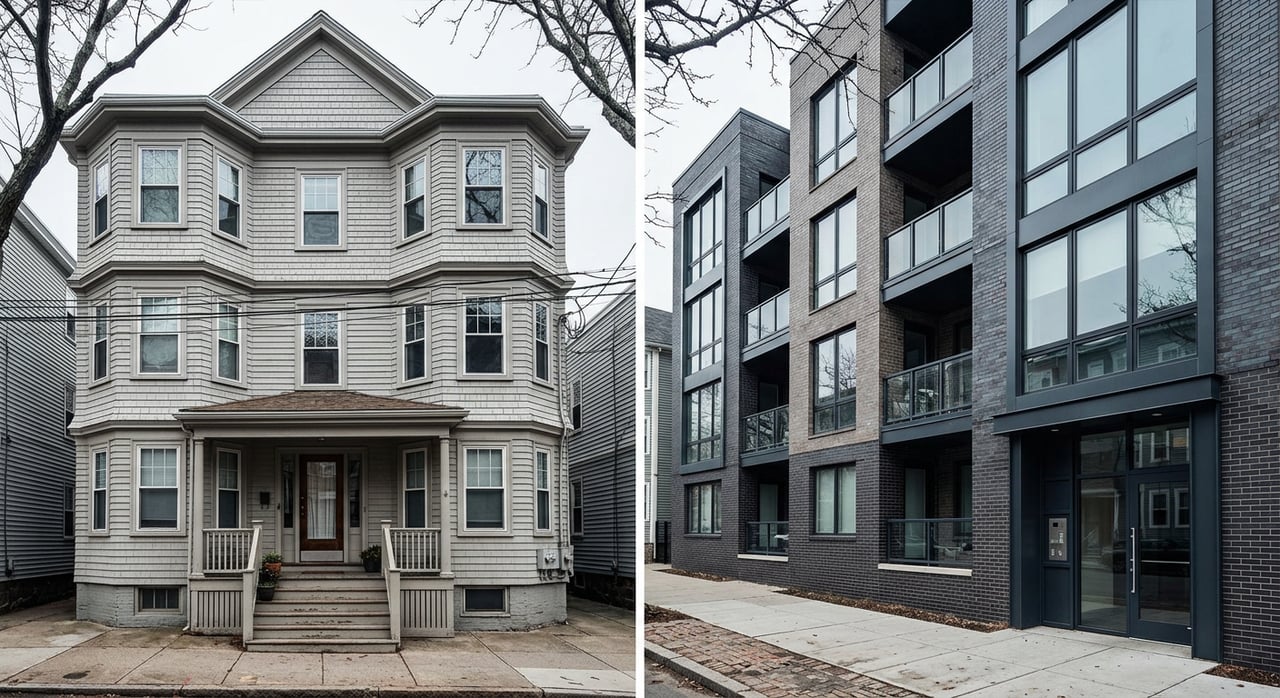
For triple-deckers and smaller multi-family properties, price-per-square-foot is generally lower than new-construction condos. Sales vary by block, unit mix, and condition, but the key takeaway remains the same: you often trade some new-build polish for a larger private footprint or multi-unit income potential.
What you get: new construction
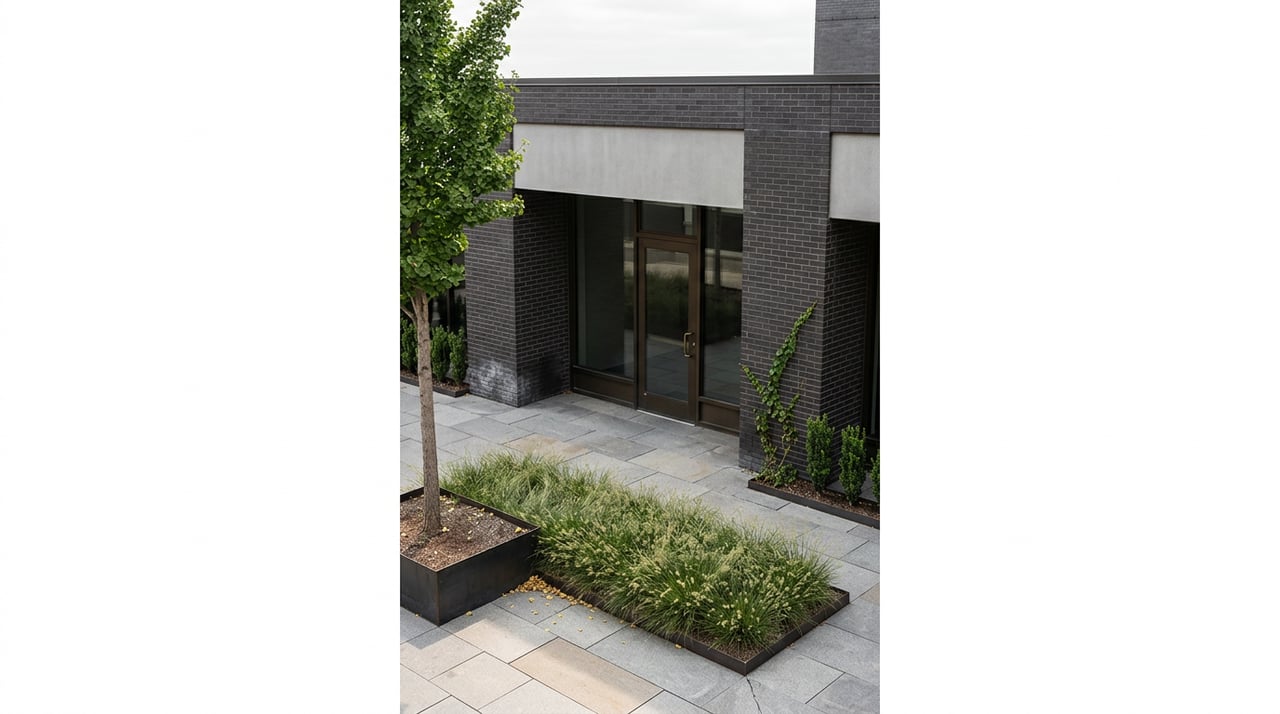
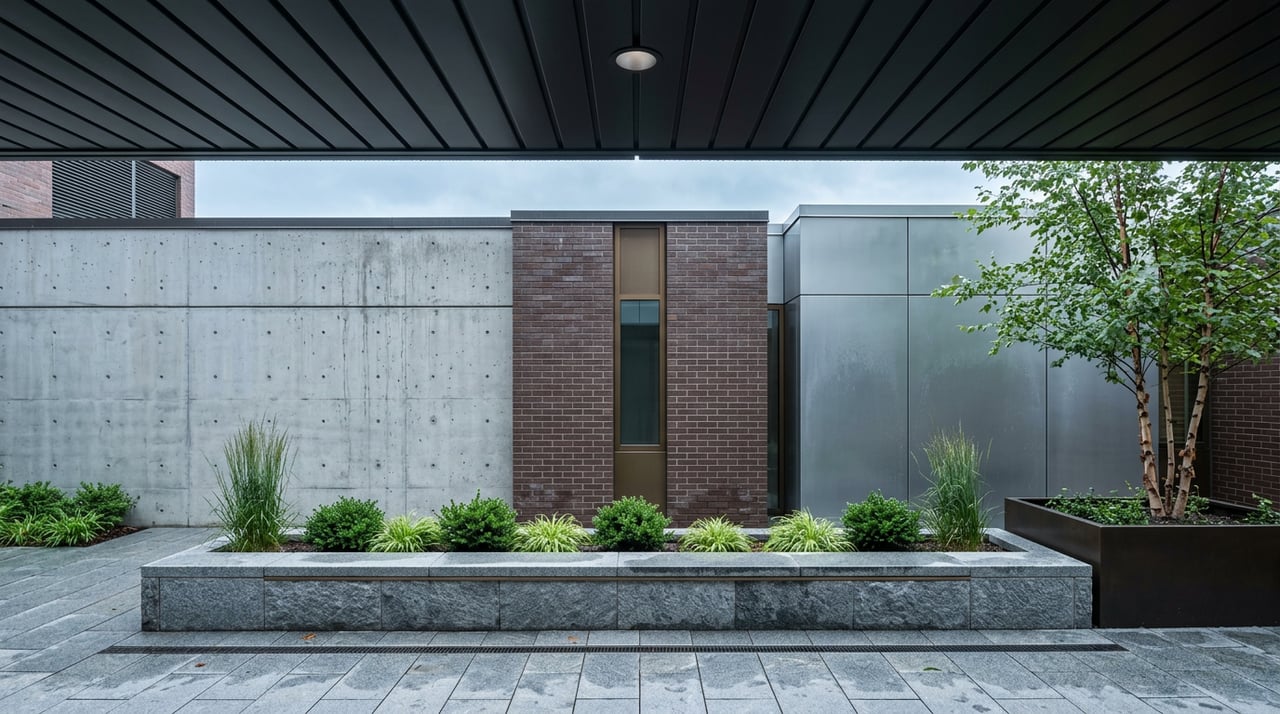
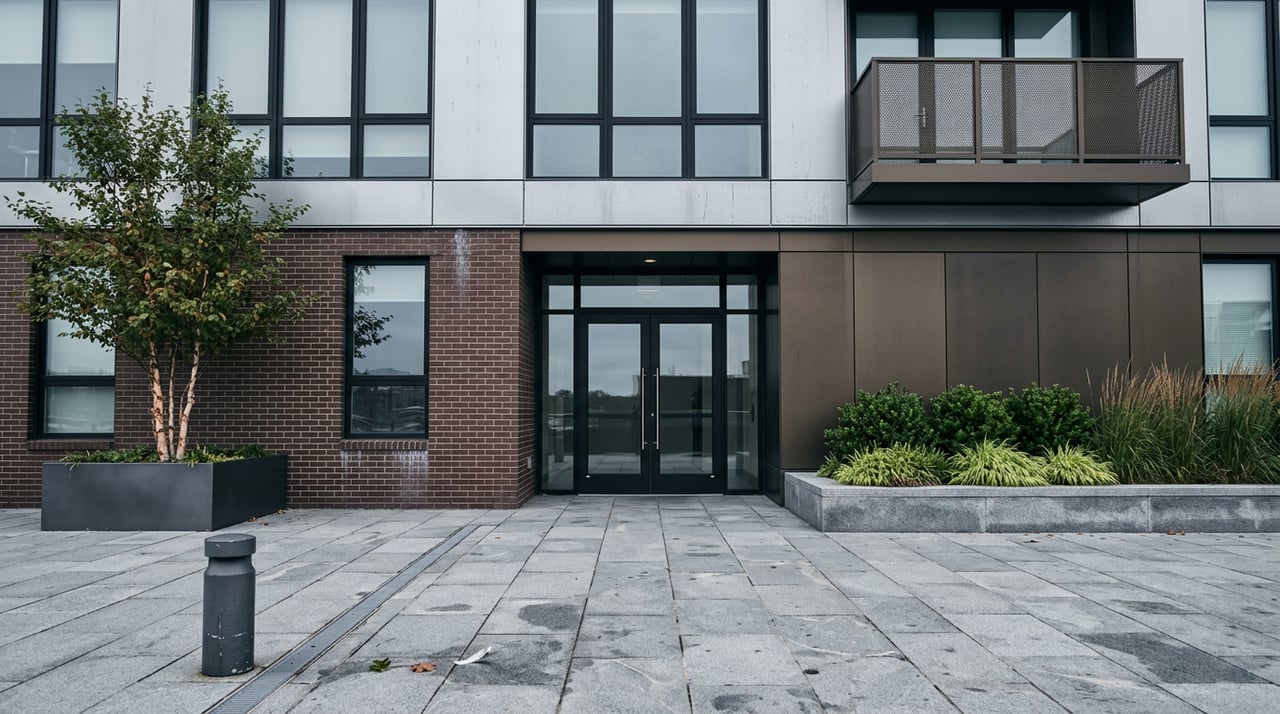
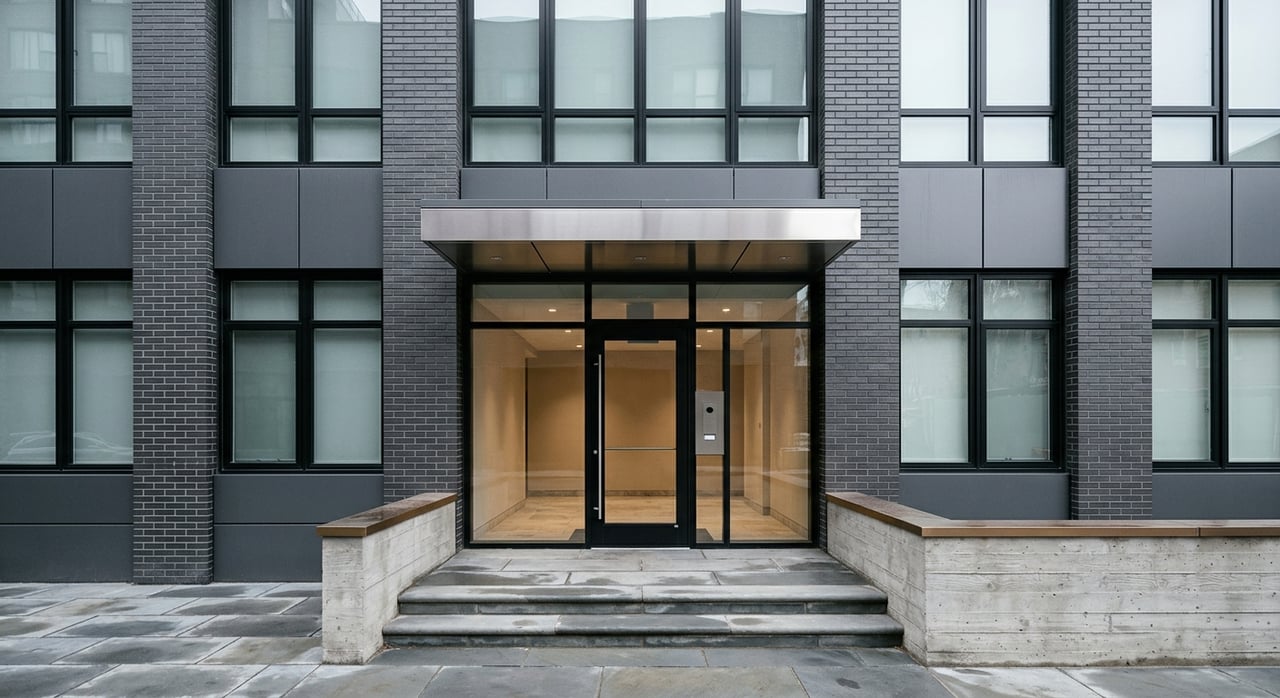
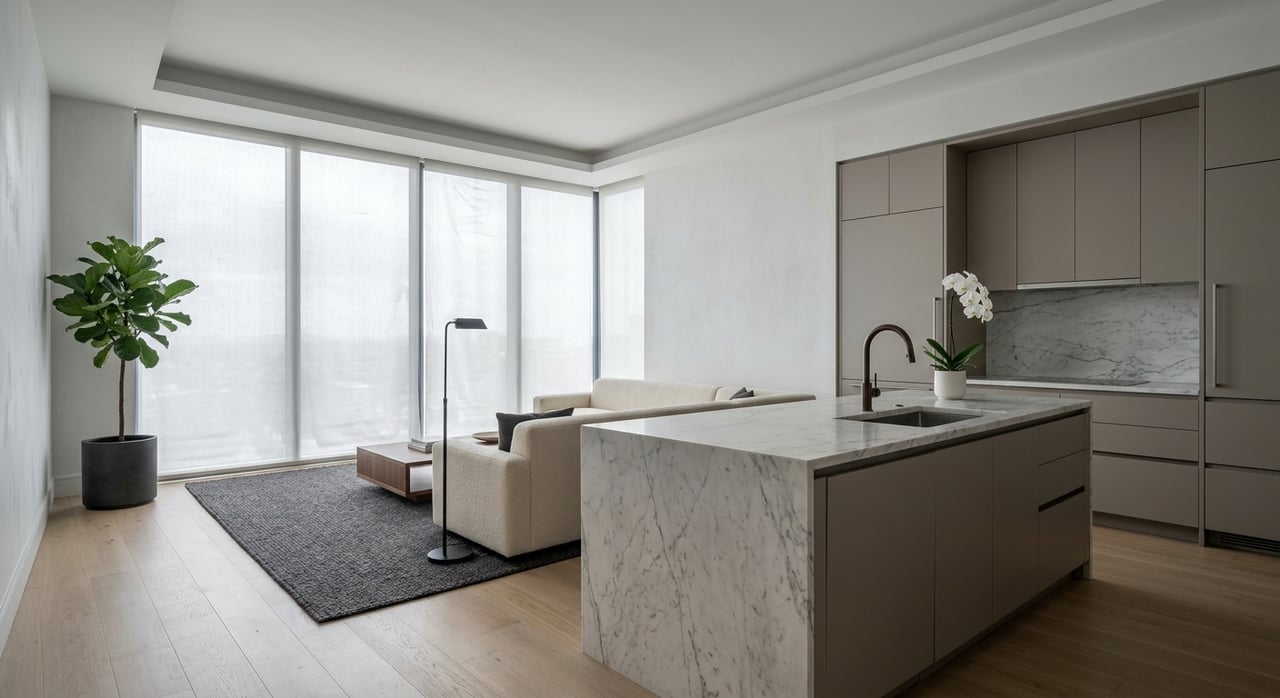
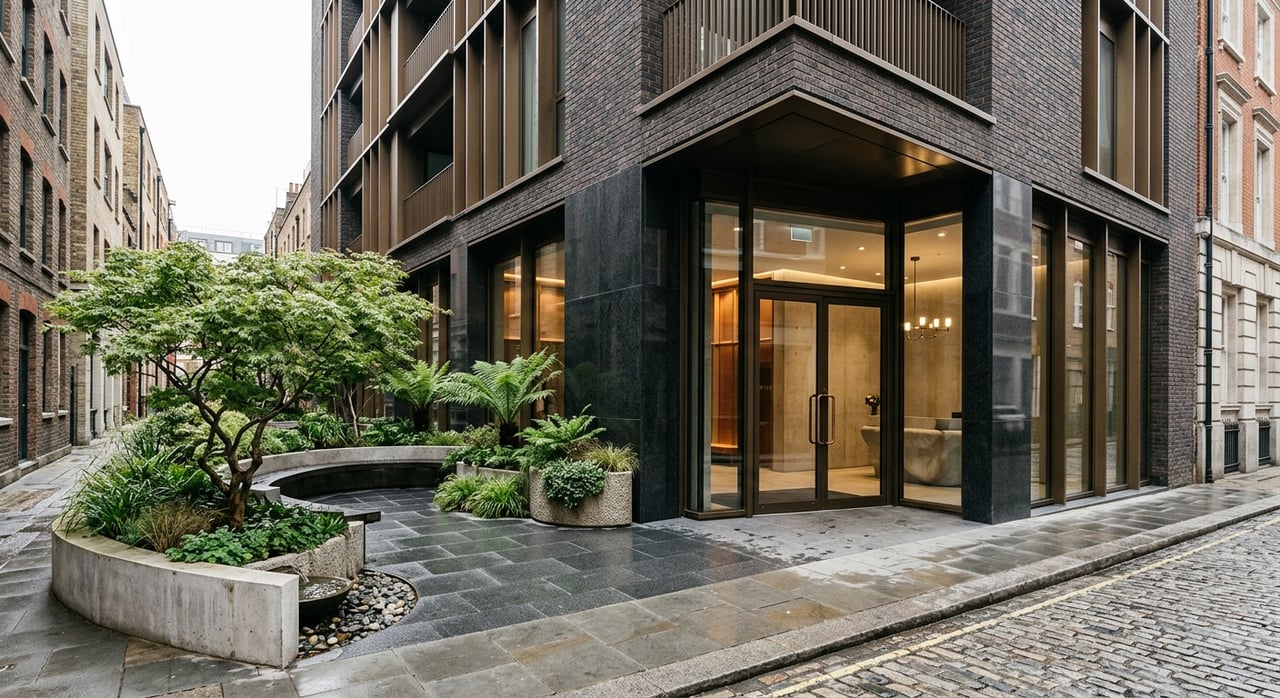
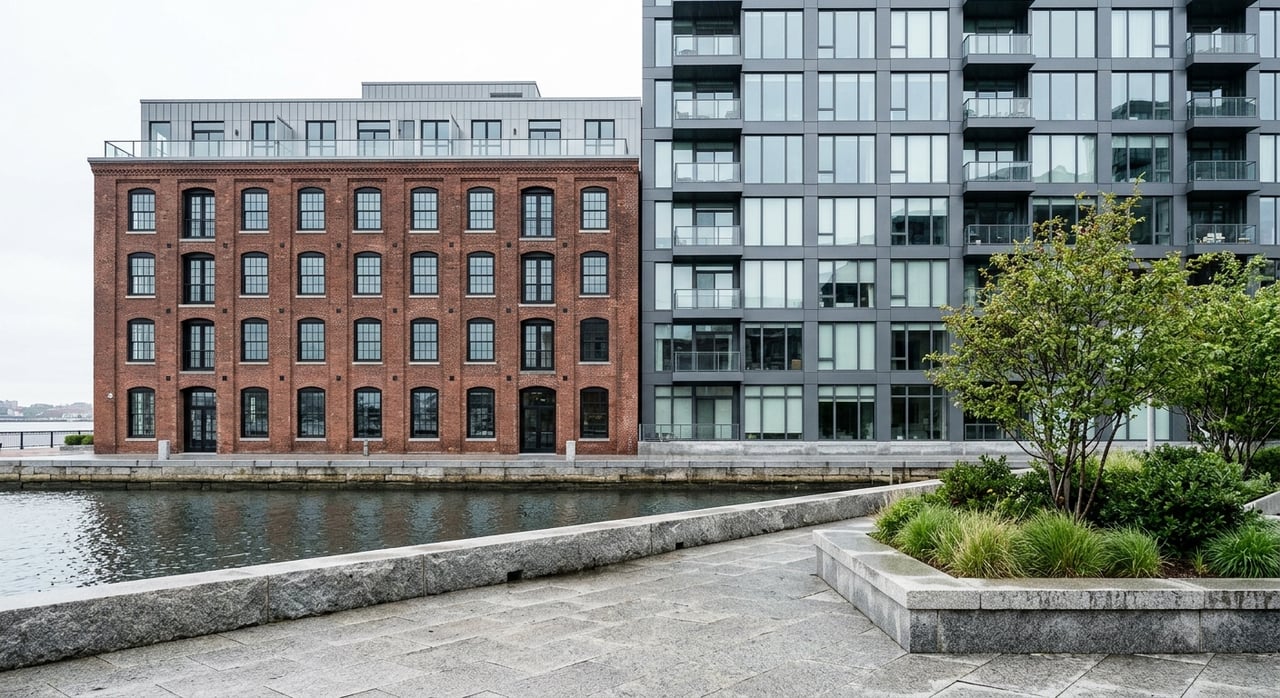
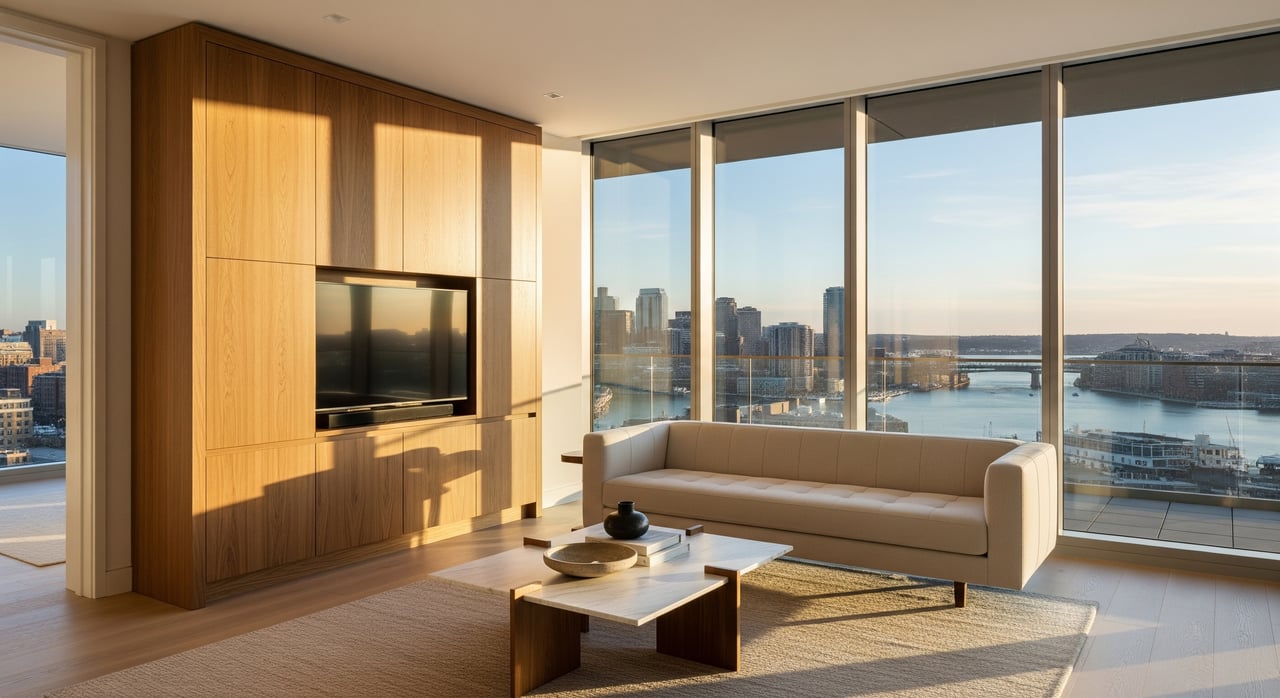
New South Boston condo buildings tend to deliver modern layouts and systems that reduce near-term maintenance. Expect:
- Open floor plans, stone or quartz kitchens, wide-plank floors, and integrated appliances.
- In-unit laundry, central HVAC, and energy-code-compliant insulation and mechanicals.
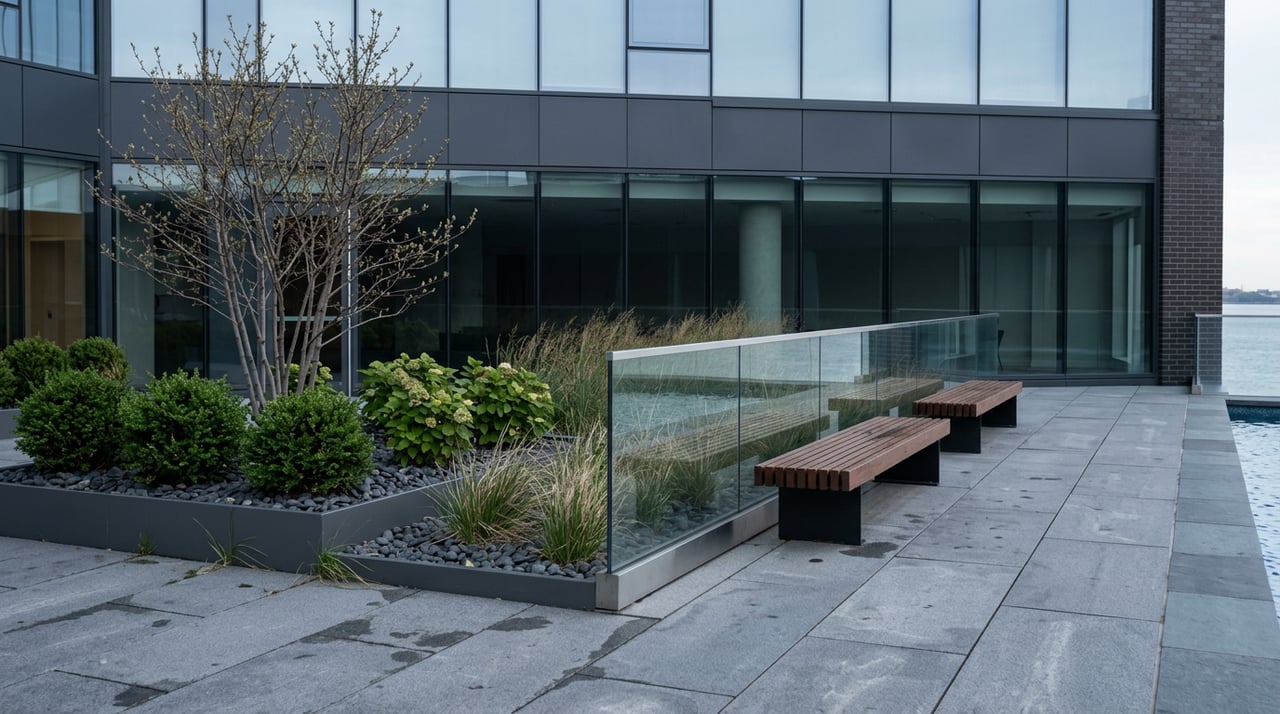
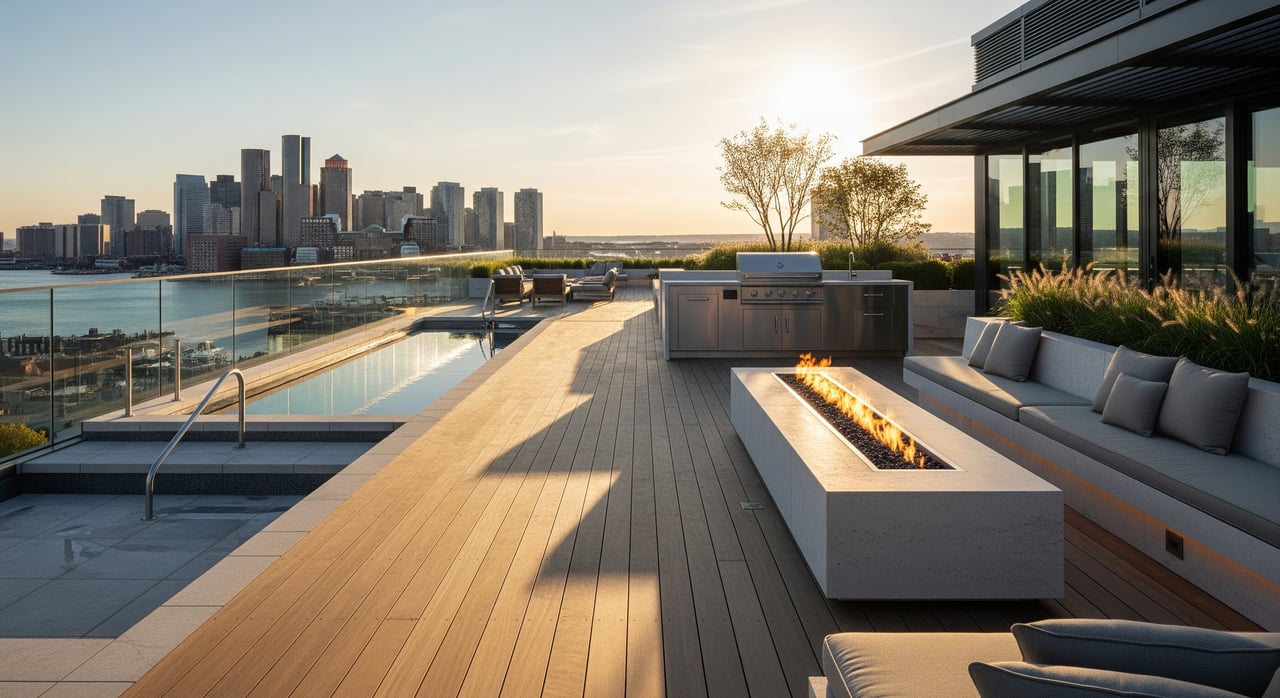
- Elevators in many mid-rise projects, plus amenities like bike storage, roof decks, and fitness rooms.
- Optional or included garage parking that can materially increase the purchase price and monthly fees.
These features add convenience and predictability, which many buyers prefer when time and maintenance simplicity matter.
What you get: classic triple-deckers
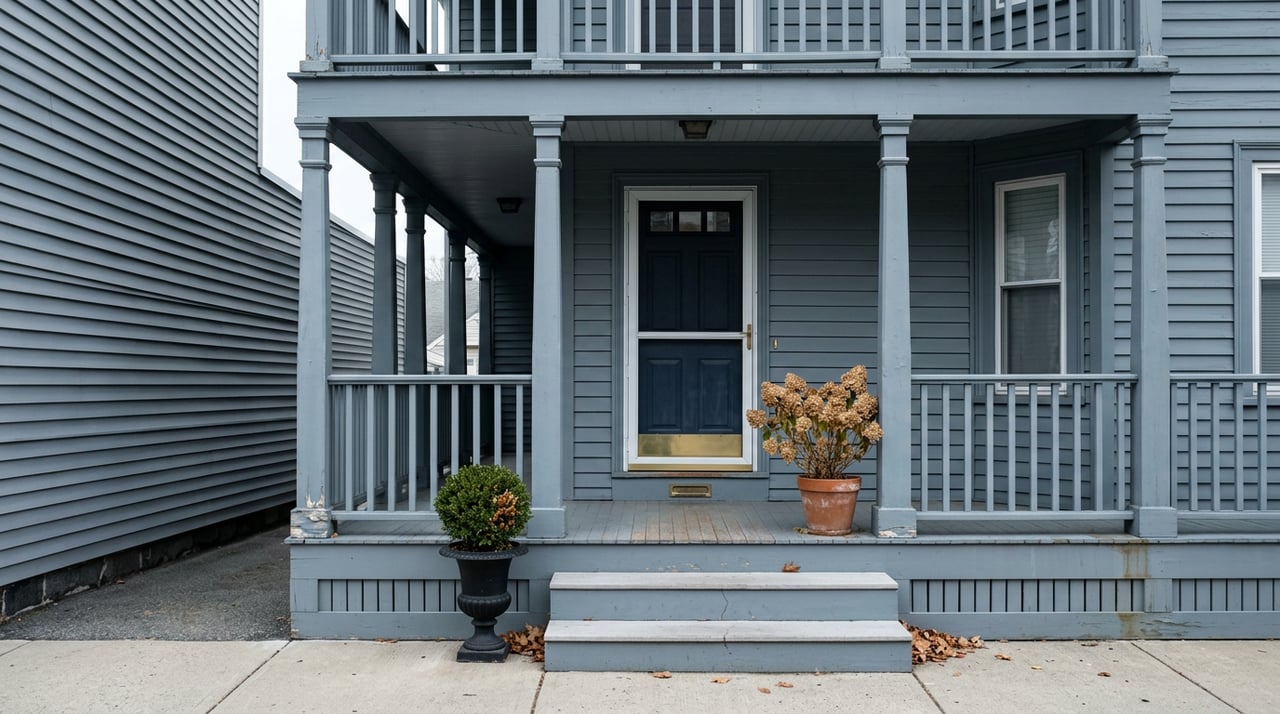
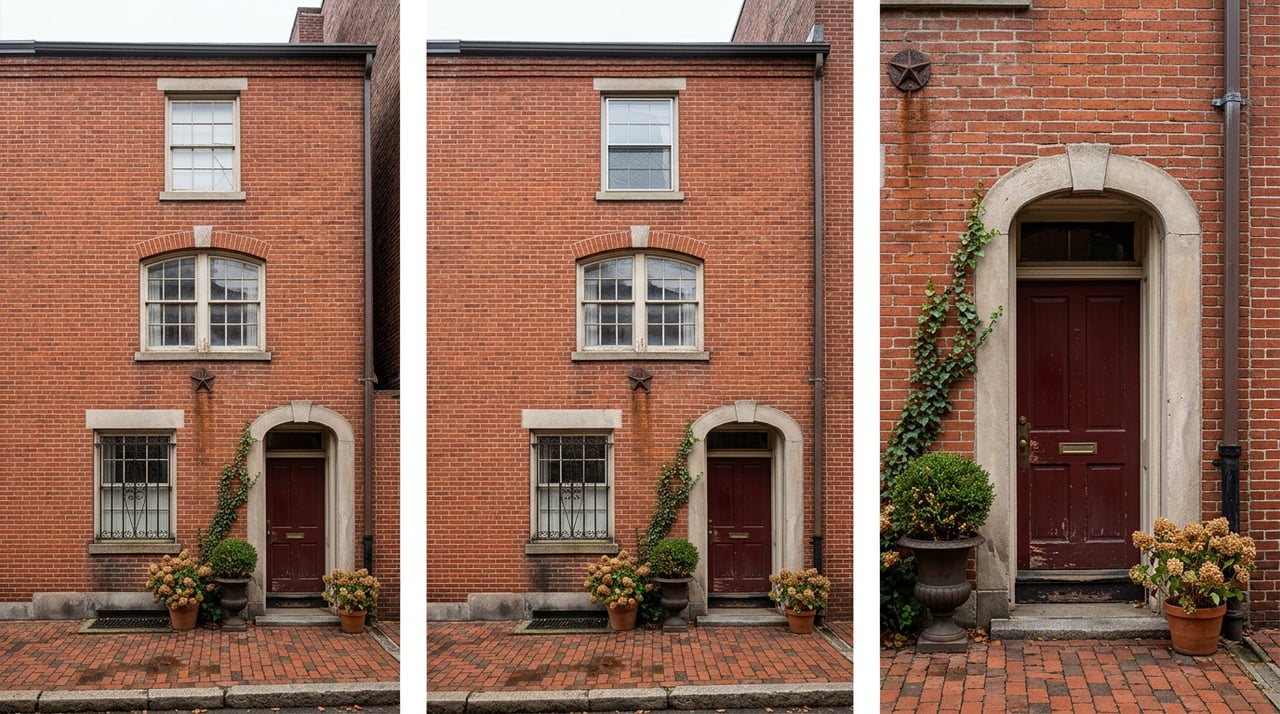
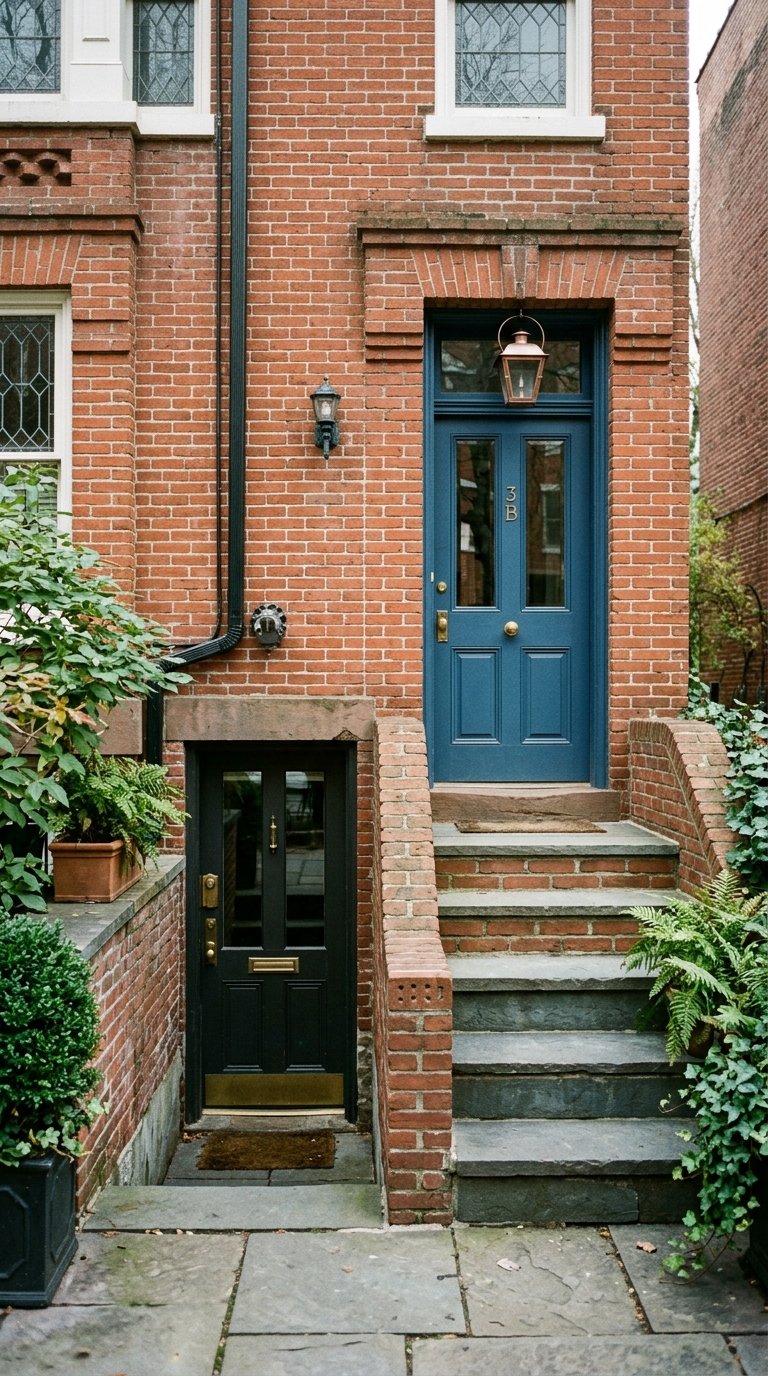
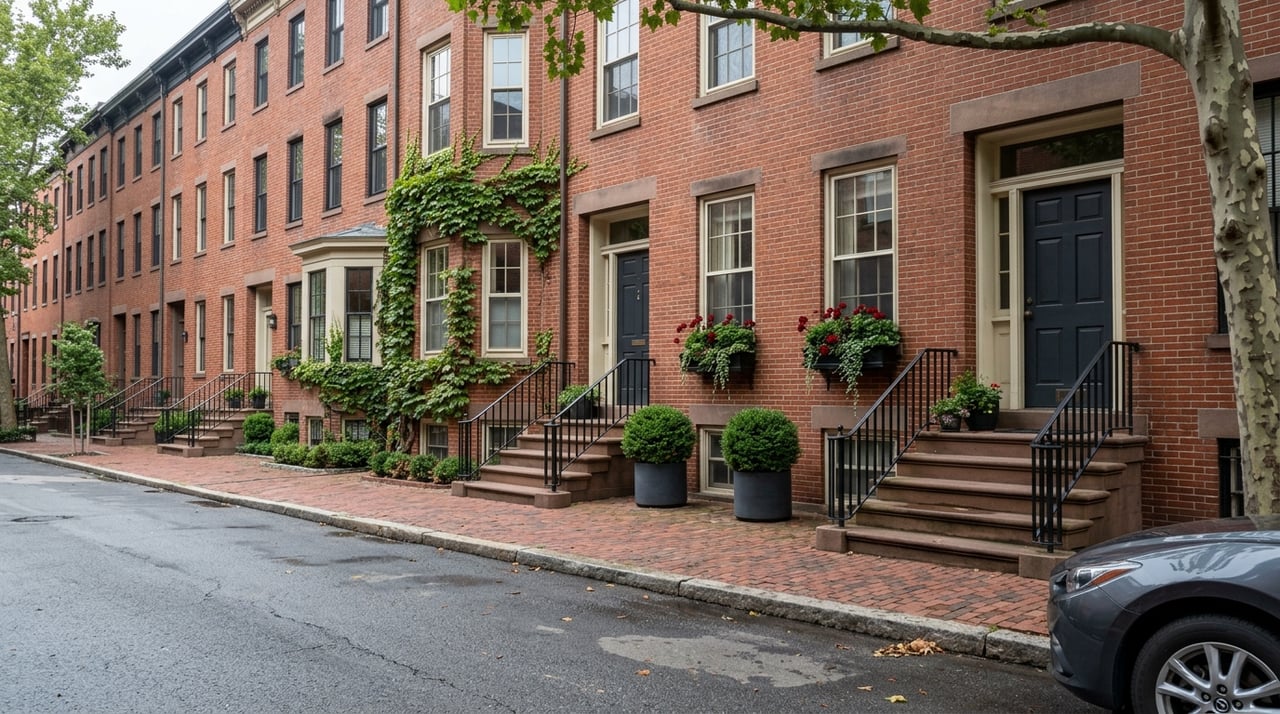
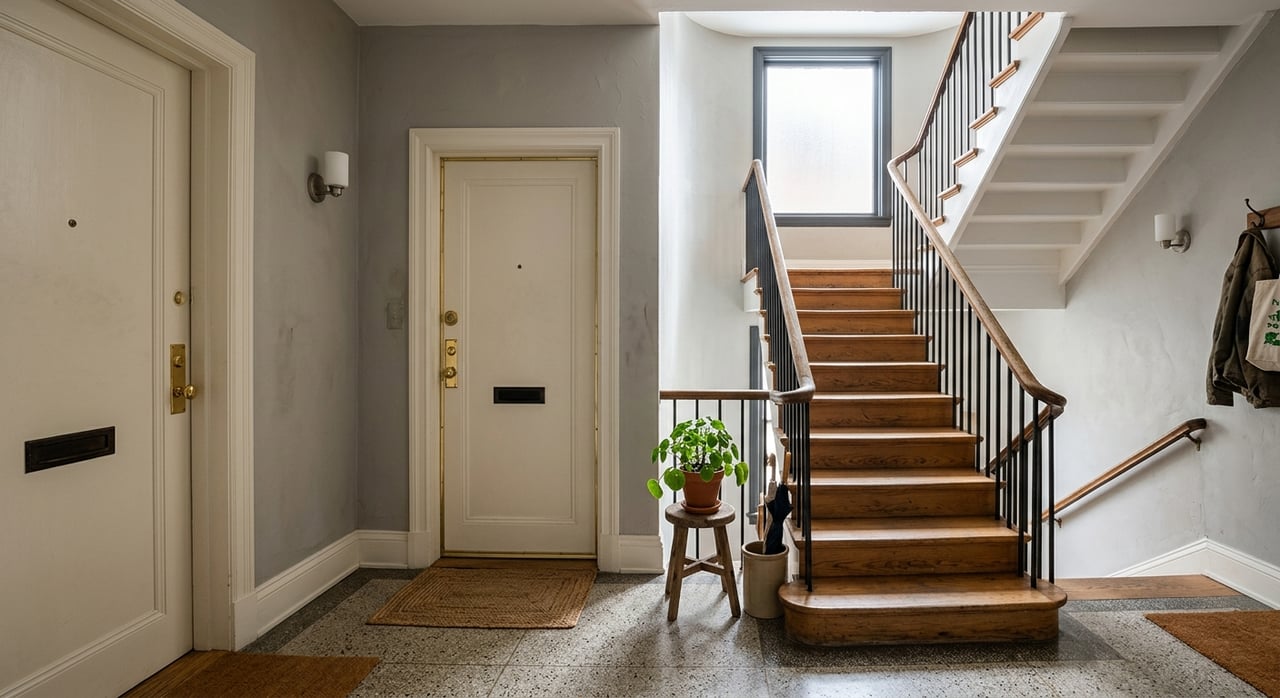
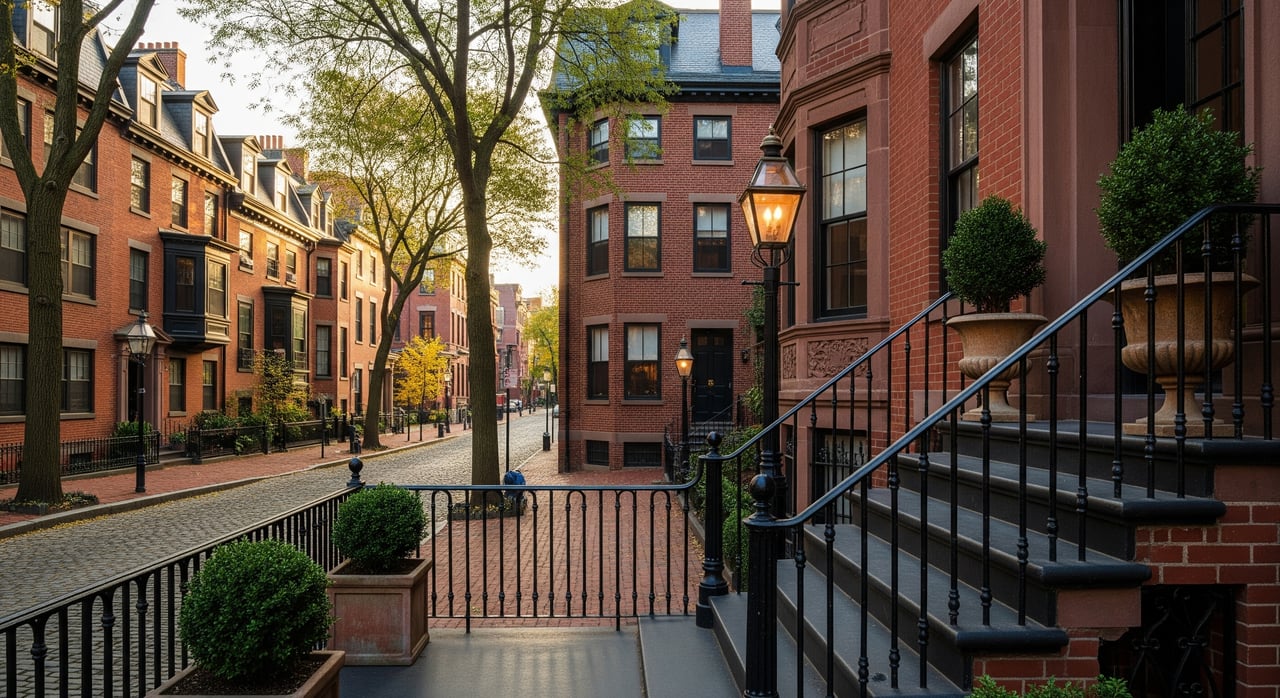
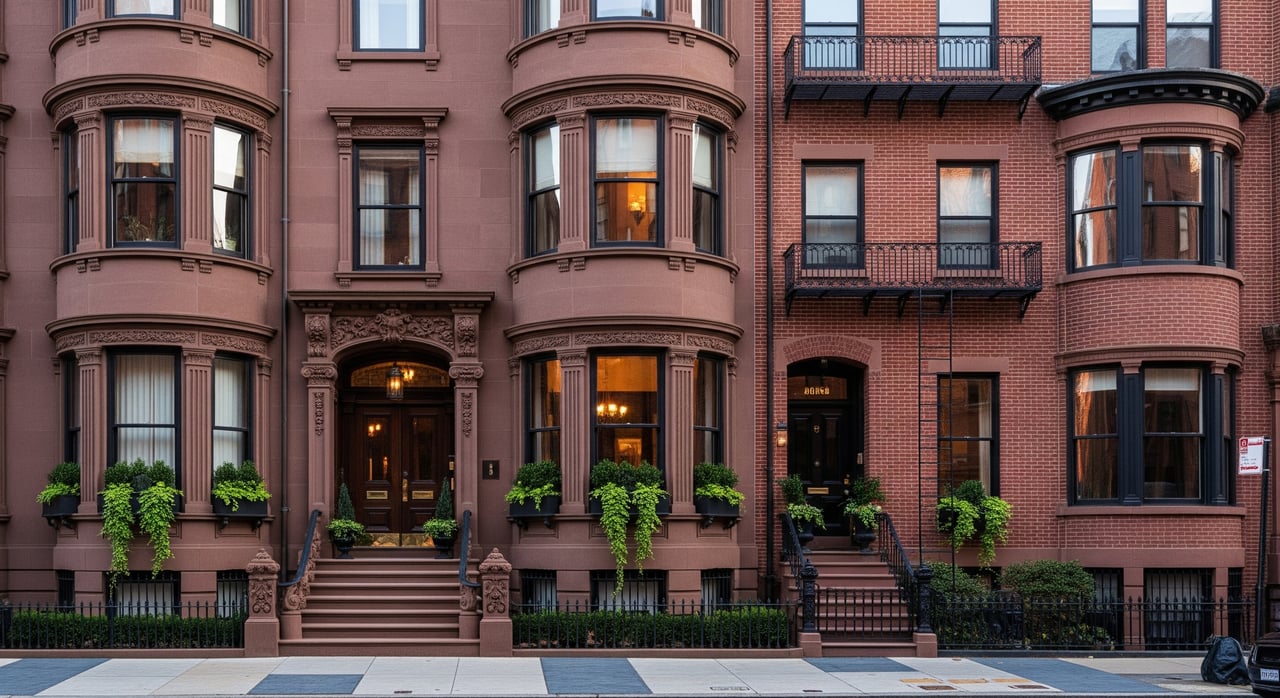
Classic South Boston triple-deckers offer period character and flexible layouts, often with full-floor units and private outdoor space like porches. Renovation quality varies widely, from light updates to full gut renovations that feel like condo-grade homes. Typical considerations include:
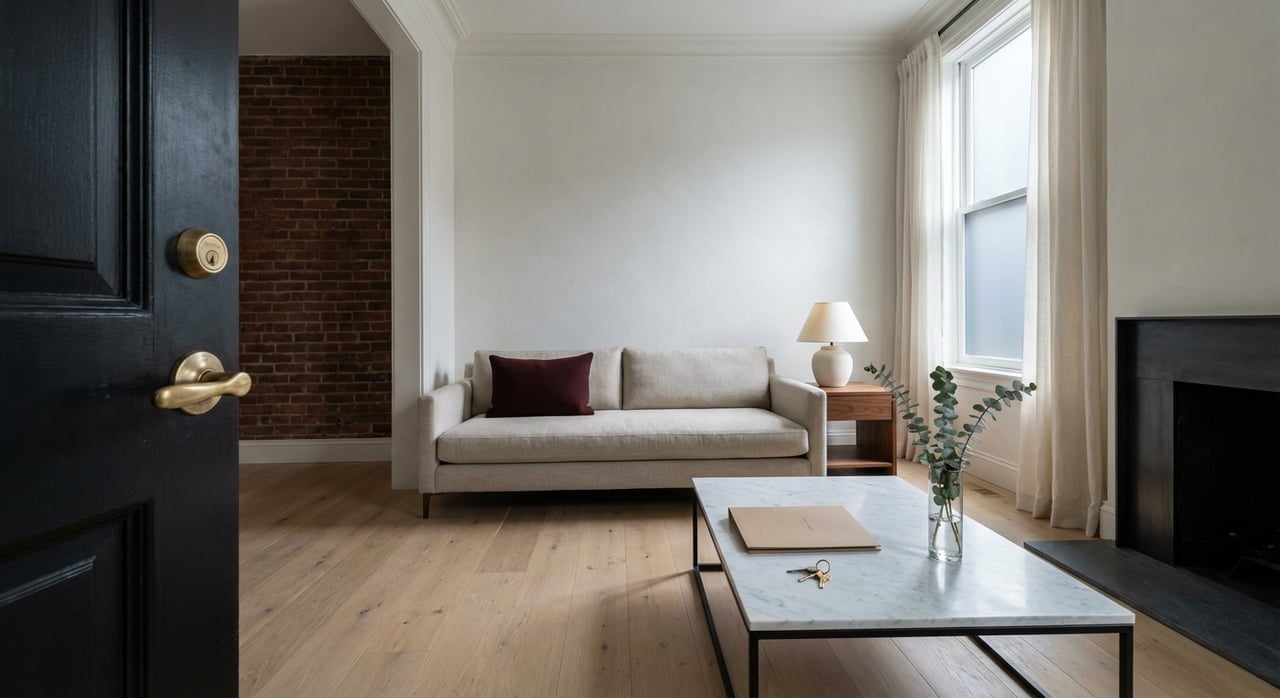
- Character elements such as high ceilings and original millwork alongside updated kitchens and baths.
- Mixed-age systems. Even with recent renovations, plan for cyclical items like roofs, porches, and exterior paint.
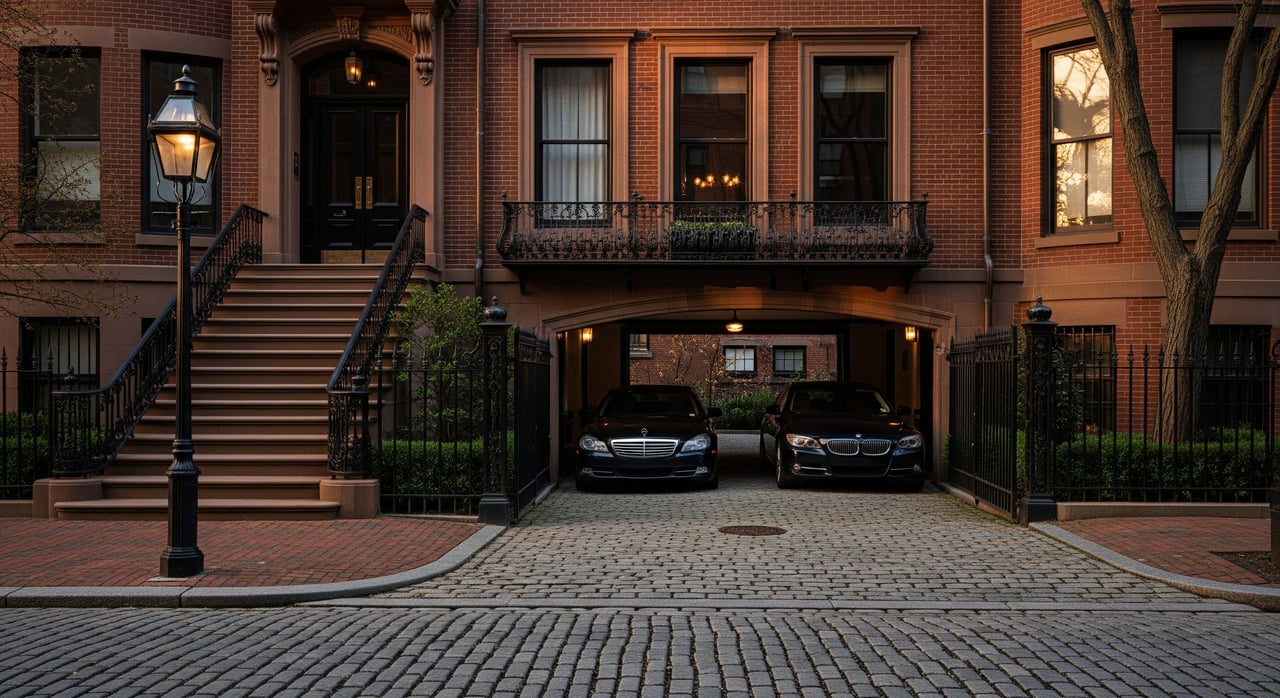
- Parking that is usually on-street, with occasional off-street spots. Guaranteed garage parking often requires a separate purchase or lease nearby.
If you plan to live in one unit and rent others, a triple-decker can also create a house-hack path to offset your mortgage with rental income.
Ongoing costs: HOA, reserves, and assessments
Condo fees matter. A recent citywide snapshot put Boston’s median monthly condo fee near $414. Small 3-unit associations may be a few hundred dollars per month, while amenity buildings can exceed $1,000 per month depending on services and utilities. Lenders count HOA dues in your debt-to-income ratio, so they directly affect affordability. The Boston Globe outlines how fees and concessions show up in today’s condo market.
Reserves are equally important. Conventional lenders look for adequate replacement reserves in a condo’s budget. Fannie Mae uses a 10 percent of budget reserve contribution as a common benchmark in its project review. Projects with weak reserves or other eligibility issues can be labeled non-warrantable, which limits loan options or increases down payment needs. Review Fannie Mae’s project review standards.
For older buildings with small associations, insurance costs and the risk of special assessments may be higher, especially if major capital items were deferred. That does not make a triple-decker a bad choice, but it does make diligence essential.
Parking: cost and convenience
Parking is a big swing factor in South Boston. Monthly garage or lot rentals commonly land in the low to mid hundreds, and rates vary by location and operator. Scan current monthly parking options.
If a unit includes a deeded garage space, it typically boosts value. In Boston, deeded stalls have historically traded for tens of thousands of dollars and can exceed six figures in core submarkets, depending on the building. Here’s a look at how deeded parking affects condo pricing.
Financing differences: condo vs multi-unit
- Condominiums. Your lender will review the building’s financials, reserves, owner-occupancy levels, and any litigation to determine if the project is warrantable for conventional financing. Non-warrantable status narrows options and can require a larger down payment. See Fannie Mae’s condo project criteria.
- Owner-occupied 2–4 units. If you plan to live in one unit of a triple-decker, FHA and many conventional programs allow financing for 2–4 unit properties. Guidelines differ from single-family loans and may consider unit income in underwriting. You can review current FHA loan limit frameworks by county. Learn about FHA limits for 1–4 unit properties.
Investment and resale factors
- Rental income potential. A triple-decker can provide multiple income streams if you live in one unit and rent the others or hold it as a full investment. Rents depend on finishes, unit size, and proximity to transit and amenities.
- Resale liquidity. Newly delivered condos compete with nearby new buildings as phases come online. Larger projects create more comparable sales, which can help pricing. Boutique buildings can see wider price swings. Triple-deckers appeal to both owner-occupants and investors, and strong rent rolls often support pricing.
- Supply pipeline. South Boston has an active development pipeline, including larger mixed-use projects like Washington Village, which shape new-condo supply and negotiation dynamics over time. Read background on Washington Village approvals.
Quick decision checklist
Use this side-by-side list to clarify trade-offs before touring:
- You prioritize turnkey systems and amenities. Choose new construction.
- You want the largest private footprint per dollar. Consider a triple-decker or renovated walk-up.
- You need guaranteed garage parking included. Focus on new builds with deeded spaces.
- You want the option to offset your payment with rent. Explore owner-occupied triple-deckers.
- You prefer predictable monthly costs over variable maintenance. Lean toward newer condos with strong reserves.
- You are willing to manage periodic capital projects. A triple-decker can fit if due diligence checks out.
What to verify before you offer
- For new condos: HOA fee, what it covers, current reserve contribution, insurance costs, and project eligibility for conventional loans. Ask for recent budgets and confirm any upcoming assessments.
- For triple-deckers: age and condition of roof, heating and cooling systems, electrical, windows, porches, and exterior envelope. Confirm separate utilities, current leases, and rent roll. Review inspection reports and permits for recent work.
- For any property: parking type and cost, storage, noise exposure, and proximity to transit and daily needs.
The bottom line
There is no one-size-fits-all winner. In South Boston, new construction typically maximizes convenience and minimizes early maintenance, while classic triple-deckers can offer more space per dollar and potential rental income. Your best choice comes down to budget, tolerance for maintenance, need for parking, and whether rental cash flow matters to your plan.
If you want a clear, numbers-backed path to your ideal South Boston home, let’s talk through options, tour smart comps, and pressure-test the monthly math together. Connect with Morgan Franklin to book a personalized market consultation.
FAQs
What are typical South Boston condo prices today?
- Neighborhood summaries show a recent median condo sale price around the high $800Ks to roughly $1.0M, but this changes month to month. Always review the latest MAR data and building-level comps.
How do triple-decker costs compare with new condos?
- Triple-deckers often price lower per square foot than new-construction condos and can offer more space or rental income potential, with trade-offs in maintenance and parking.
How much are condo HOA fees in Boston?
- A recent citywide snapshot shows a median around $414 per month, with small associations often in the low hundreds and full-service buildings sometimes exceeding $1,000 monthly.
What should I know about condo reserves and financing?
- Lenders look for adequate reserves. Fannie Mae commonly references a 10 percent of budget reserve contribution. Projects that fall short can be non-warrantable and may limit loan choices.
How expensive is parking in South Boston?
- Monthly garage or lot parking often runs in the low to mid hundreds, and deeded garage spaces can add tens of thousands of dollars to a condo’s value depending on the building and location.
Is a triple-decker good for house-hacking?
- Yes, if you live in one unit and rent the others, 2–4 unit financing programs may apply and rental income can offset costs. Underwriting depends on current rents and guidelines.
Which option holds value better over time?
- It depends on location, condition, condo HOA health, and the rental market. New supply, interest rates, and building-level financials all influence future value.