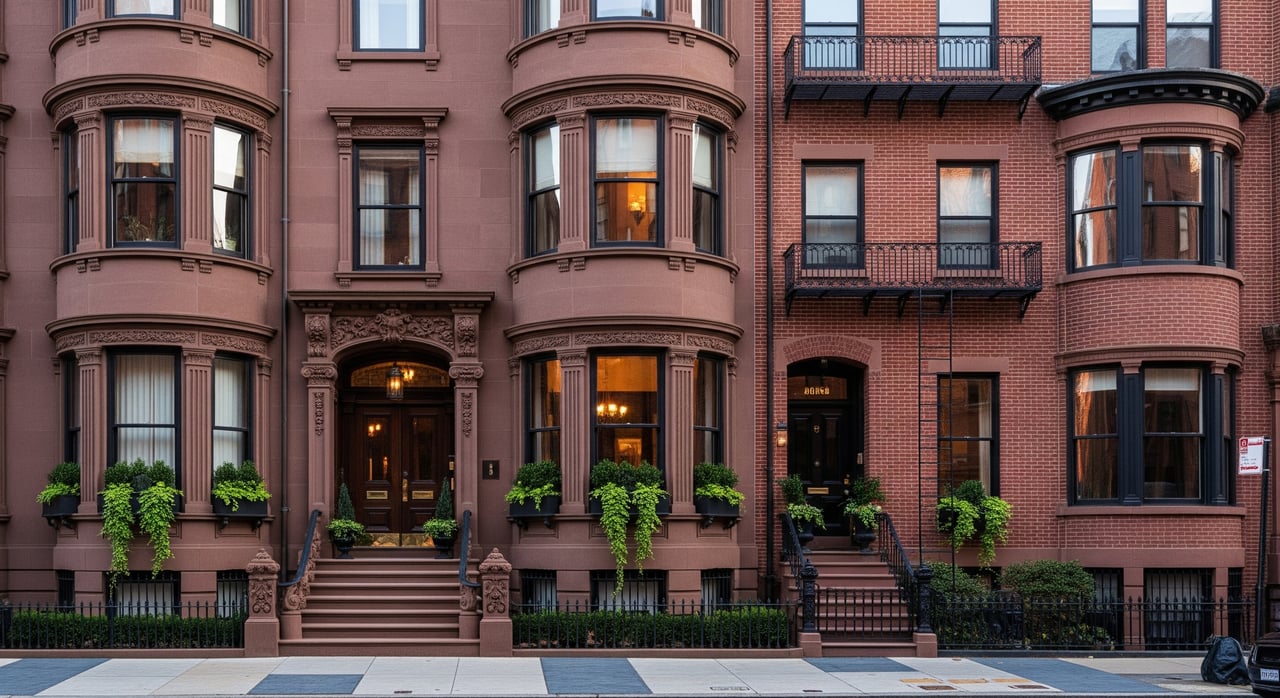
Thinking about selling your South End brownstone or condo? In a neighborhood where buyers compare historic charm with full-service convenience, the right strategy can mean a faster sale and a stronger price. You want a plan that nails pricing, showcases your home’s strengths, and launches with impact. This guide gives you a clear, step-by-step playbook tailored to South End townhomes and condos so you can list with confidence and win the market. Let’s dive in.
South End market snapshot
Multiple data vendors report premium pricing across the South End. As of December 2025, Redfin shows a median sale price near $1.3M, with a median price per square foot around $1,160 and roughly 34 median days on market. Zillow’s ZHVI places the typical home value near $1.06M as of January 31, 2026, and its December 2025 median sale price snapshot is about $1.33M. Local broker reports through 2024–2025 show condo medians in the $1.07M–$1.23M range and price-per-square-foot figures between about $1,000 and $1,460 depending on building type and finishes. Vendor methodologies differ, so always compare apples to apples and note the source and date when discussing price trends.
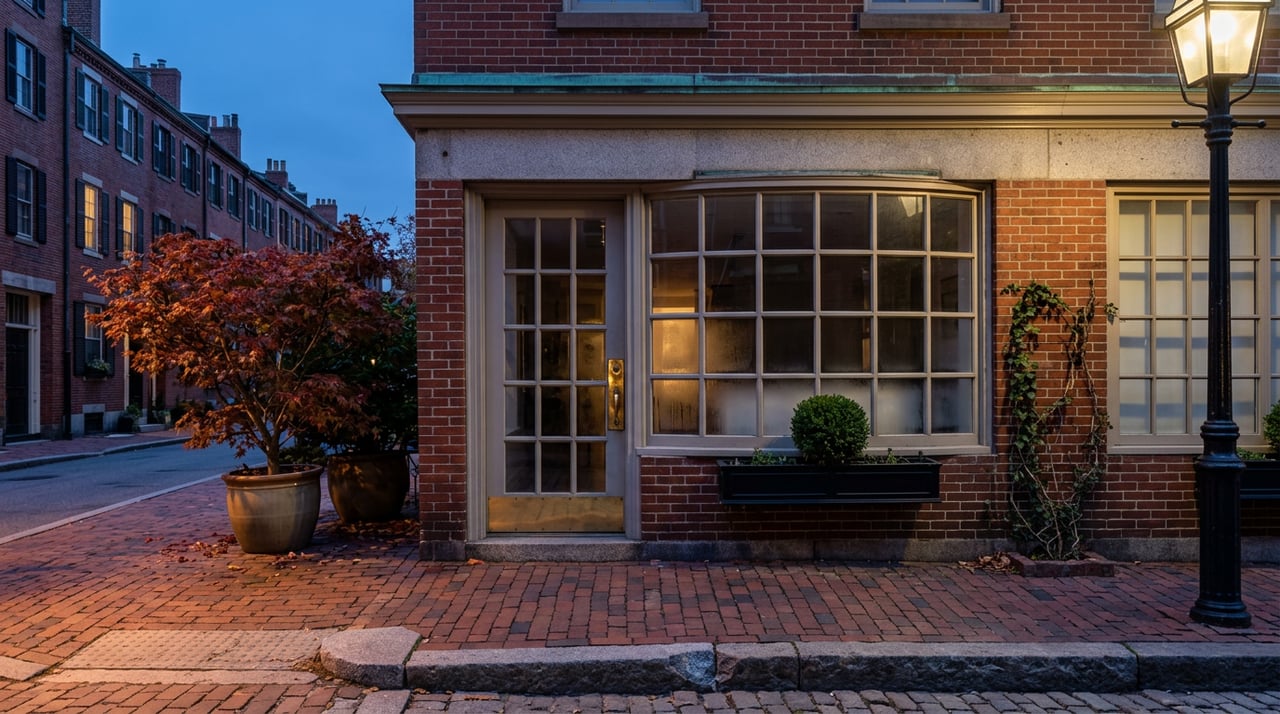
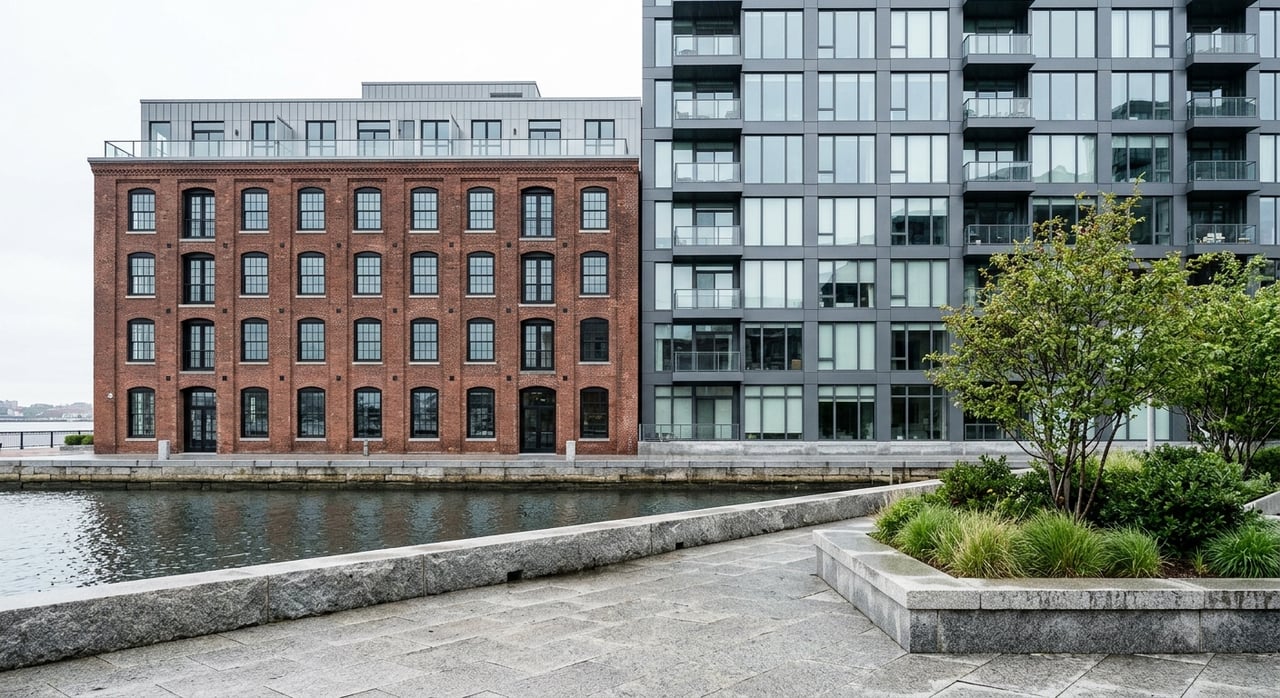
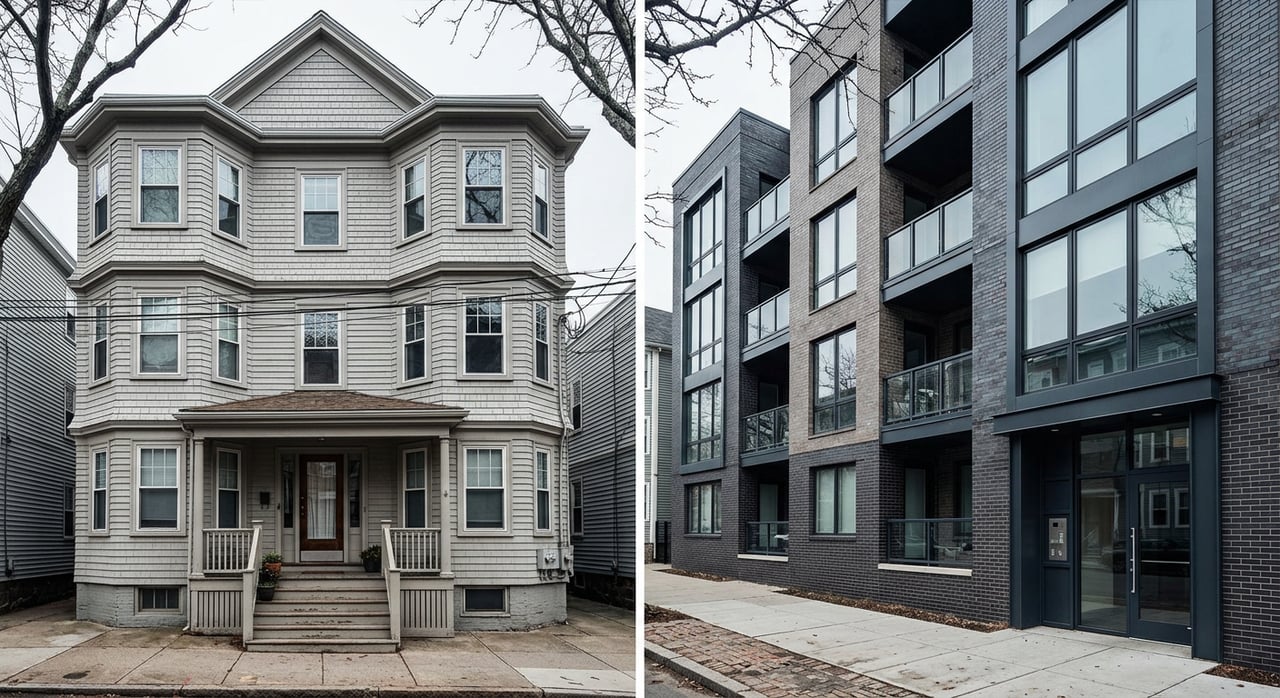
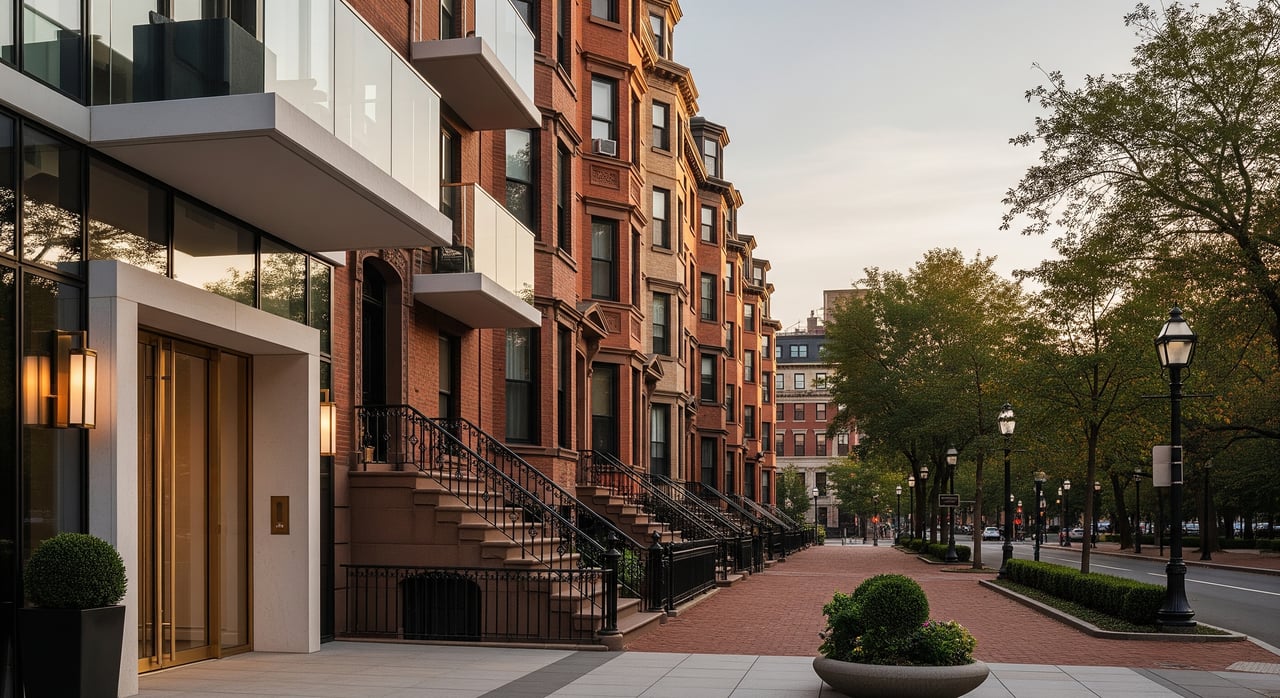
What drives demand here is the mix of historic fabric and modern living. The South End blends classic brownstones and rowhouses with boutique and full-service buildings like Ink Block, Sepia, Siena, and The Quinn. Walkability, dining, arts, and MBTA access keep the area attractive to a range of buyers. The South End Landmark District adds character and context that many buyers prize. Learn more about the district’s history and design guidance on the City’s site at the South End Landmark District page.
Seasonally, South End listing activity often peaks in spring. If you plan to sell in the next 6–12 months, reverse-engineer your prep timeline to hit that window with a fully polished presentation.
Price right with a CMA
A defensible opening price aligns with buyer expectations and reduces days on market. Build your comparative market analysis using a South End lens:
- Prioritize 3–6 recent sold comps from the last 90 days if available, plus 2–4 active or pending listings to show buyer alternatives. See practical CMA guidance on adjusting comparables in this pricing best-practices overview.
- Focus on hyperlocal comps: same block or same building when possible. For brownstones, match layout type and level usage (parlor-floor living vs lower-level living) before leaning on price per square foot.
- Adjust for the details that drive buyer choice: finished square footage, bed/bath count, outdoor space, deeded parking, floor level and elevator access, exposures and views, recent HOA capital projects, and renovation level in kitchens and baths.
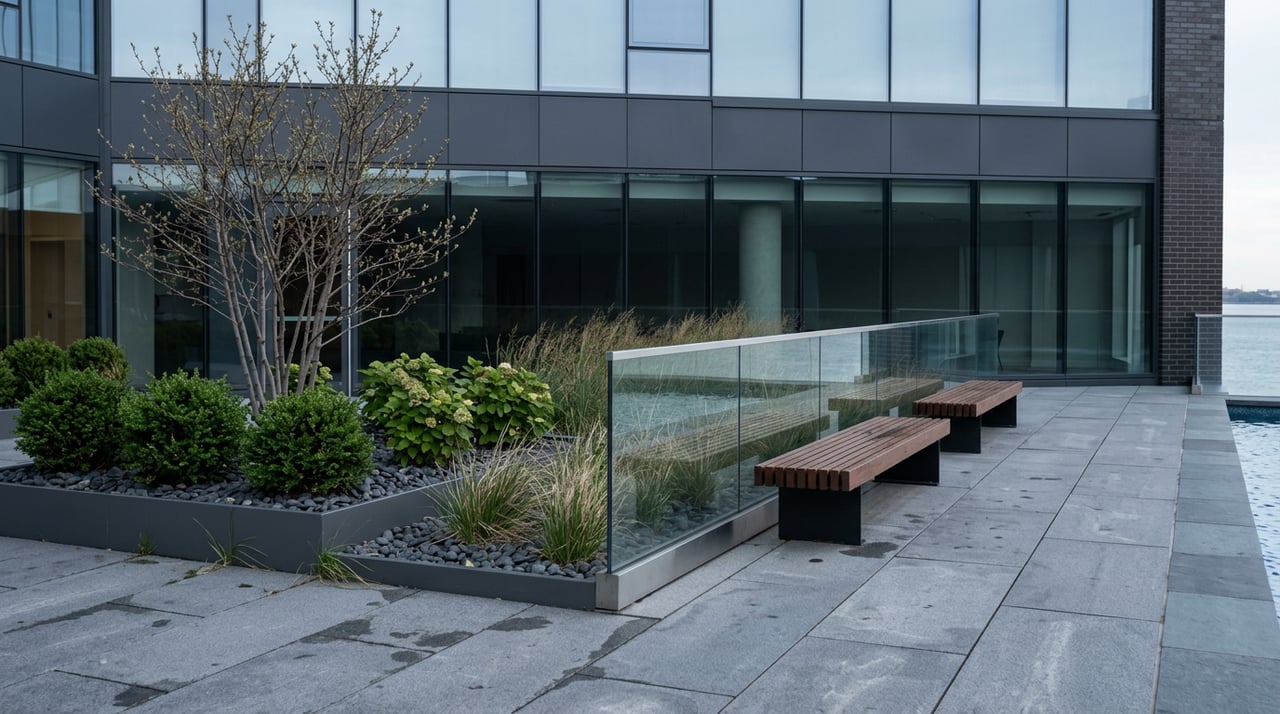
- Separate new-construction closings from resales. Amenity-rich buildings can skew per-square-foot averages. If buyers will also tour new builds nearby, reference those comps and explain amenity and fee differences to set expectations. You can point to active area projects like Ink Block to show how your home compares.
- Present a price range with a recommended list price and a clear fallback plan tied to market feedback and showing velocity.
Townhomes vs. condos
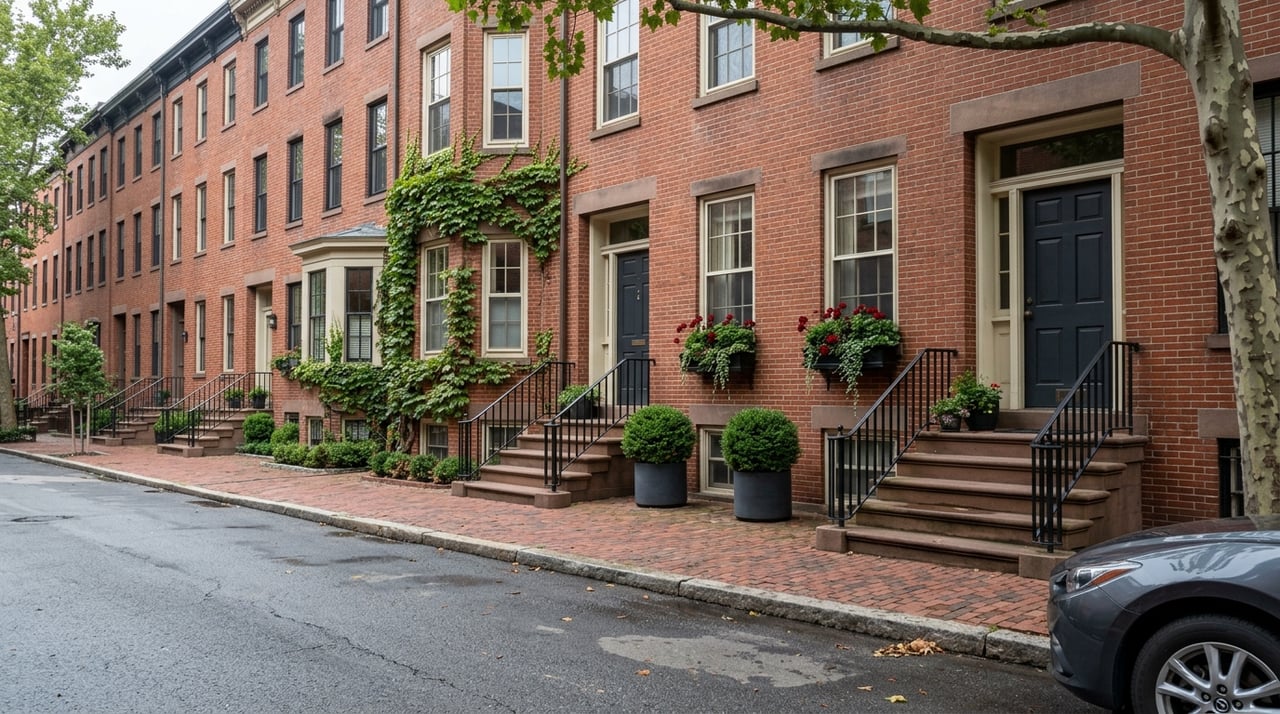
Brownstones and rowhouses
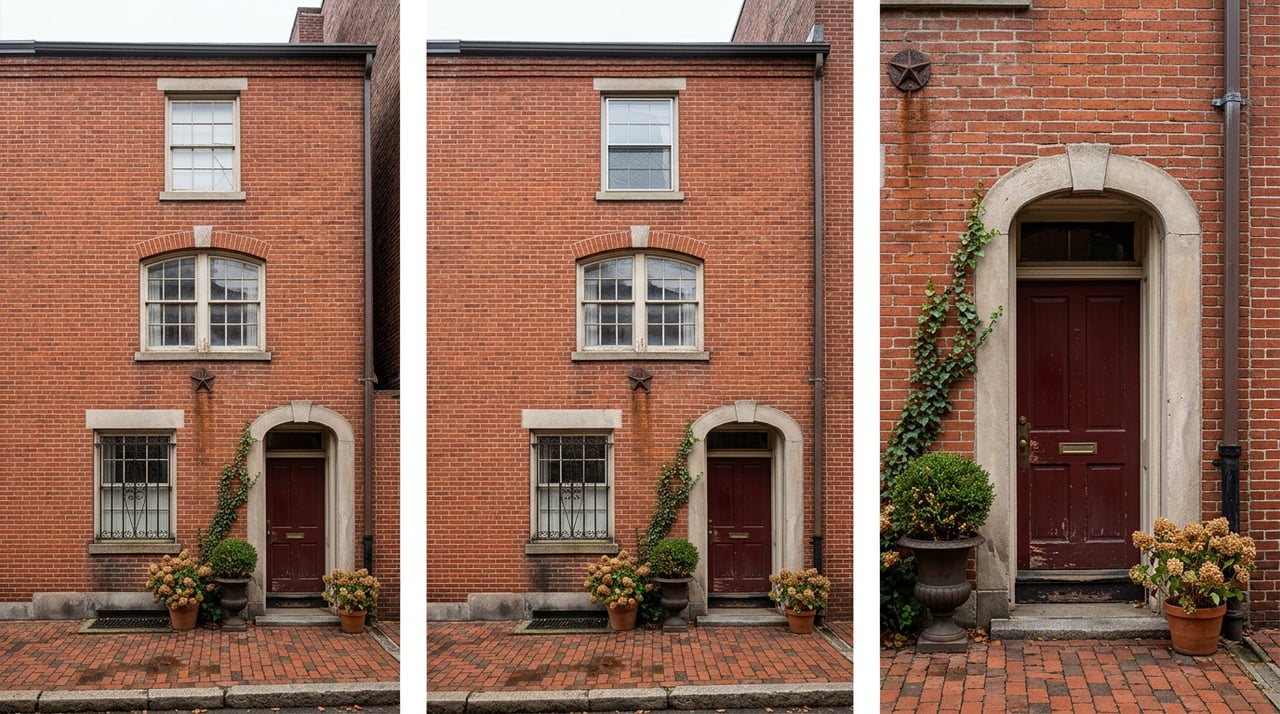
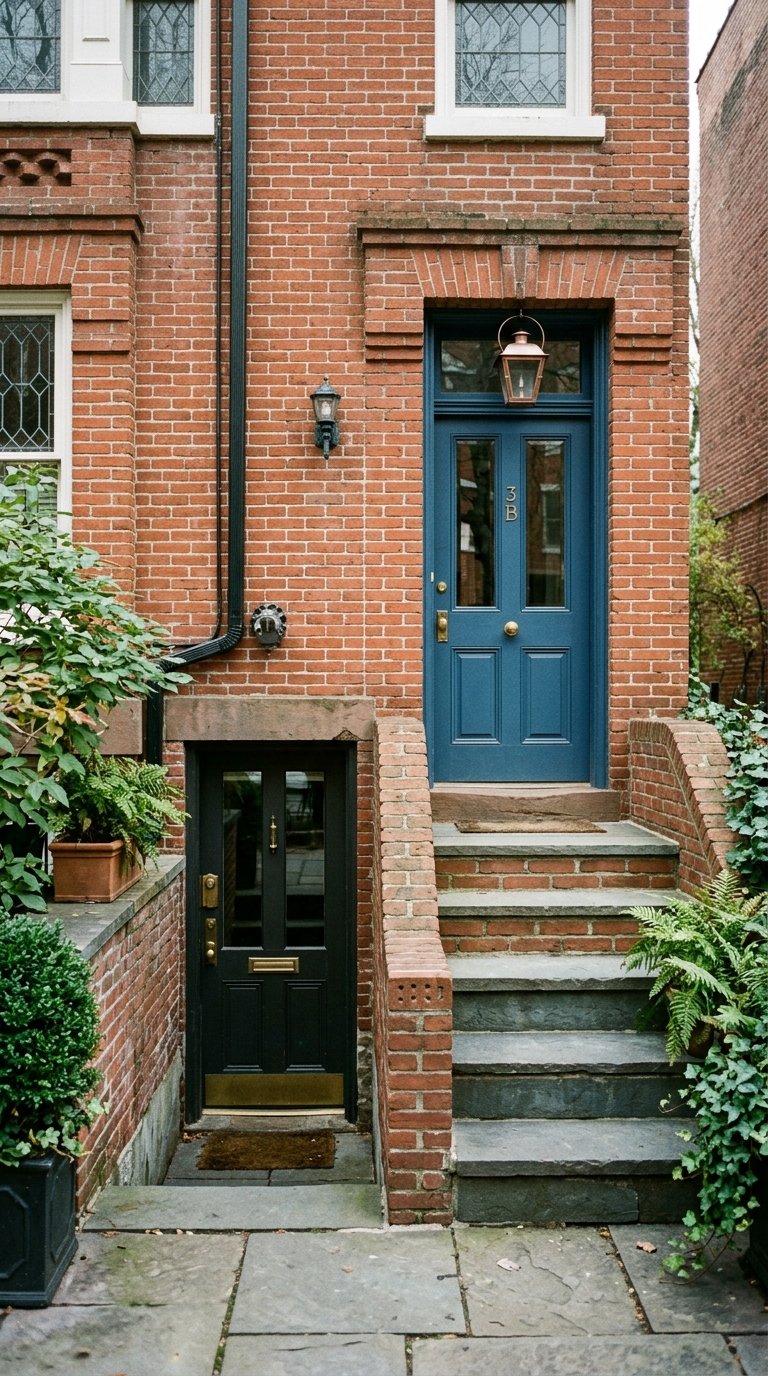
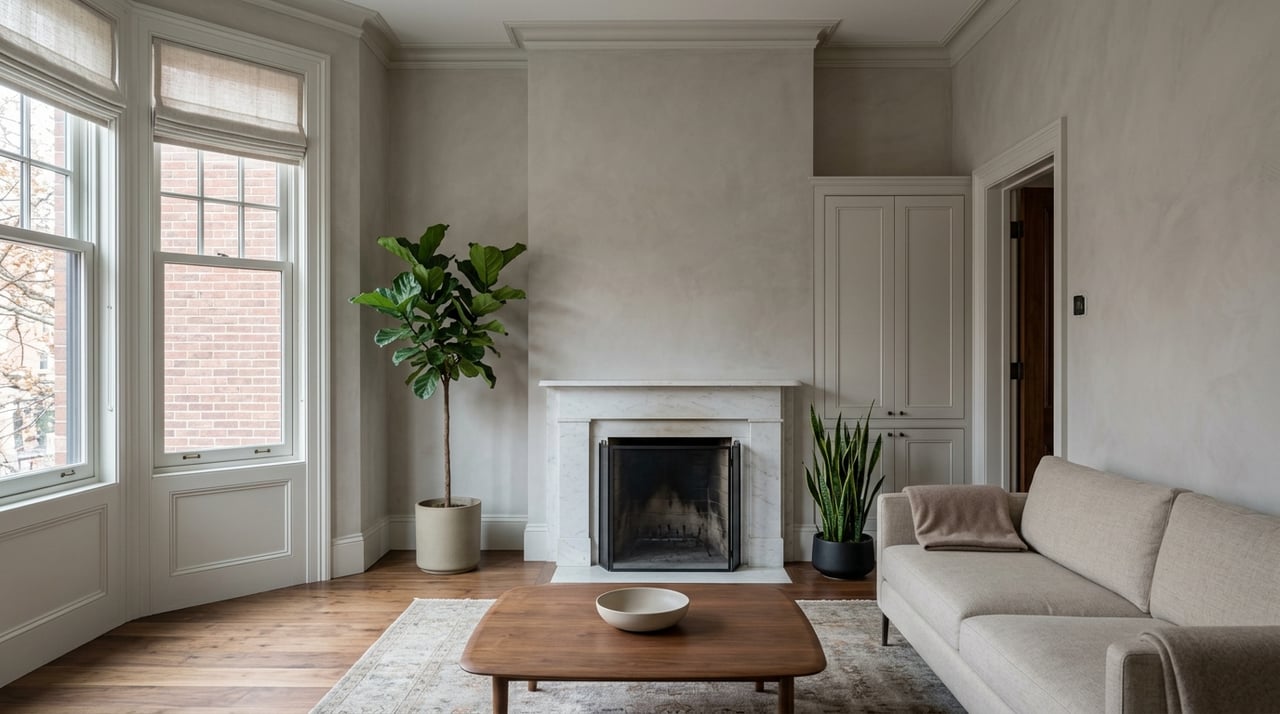
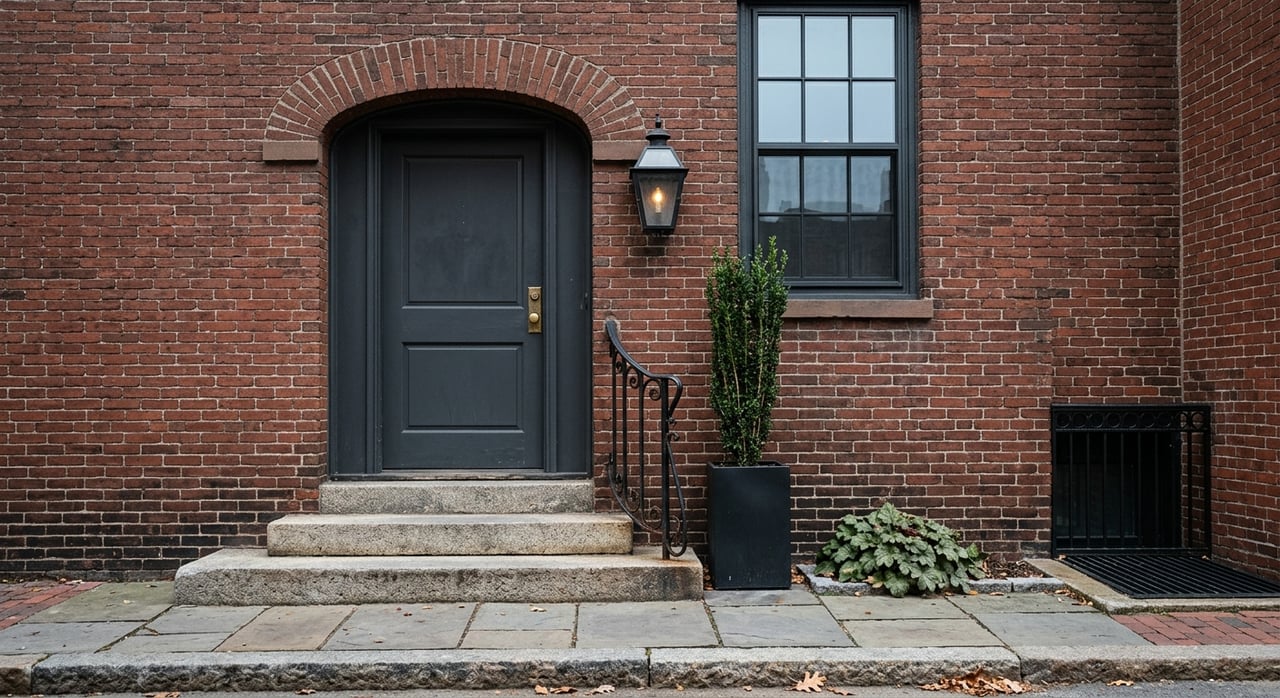
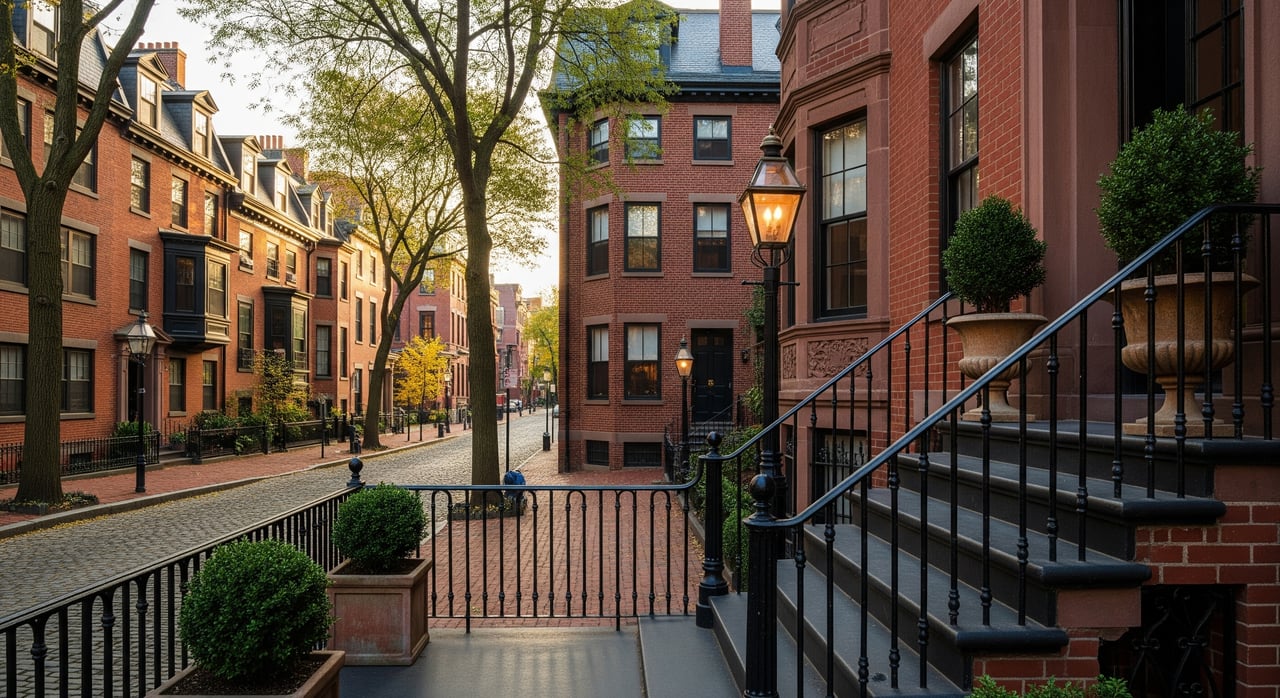
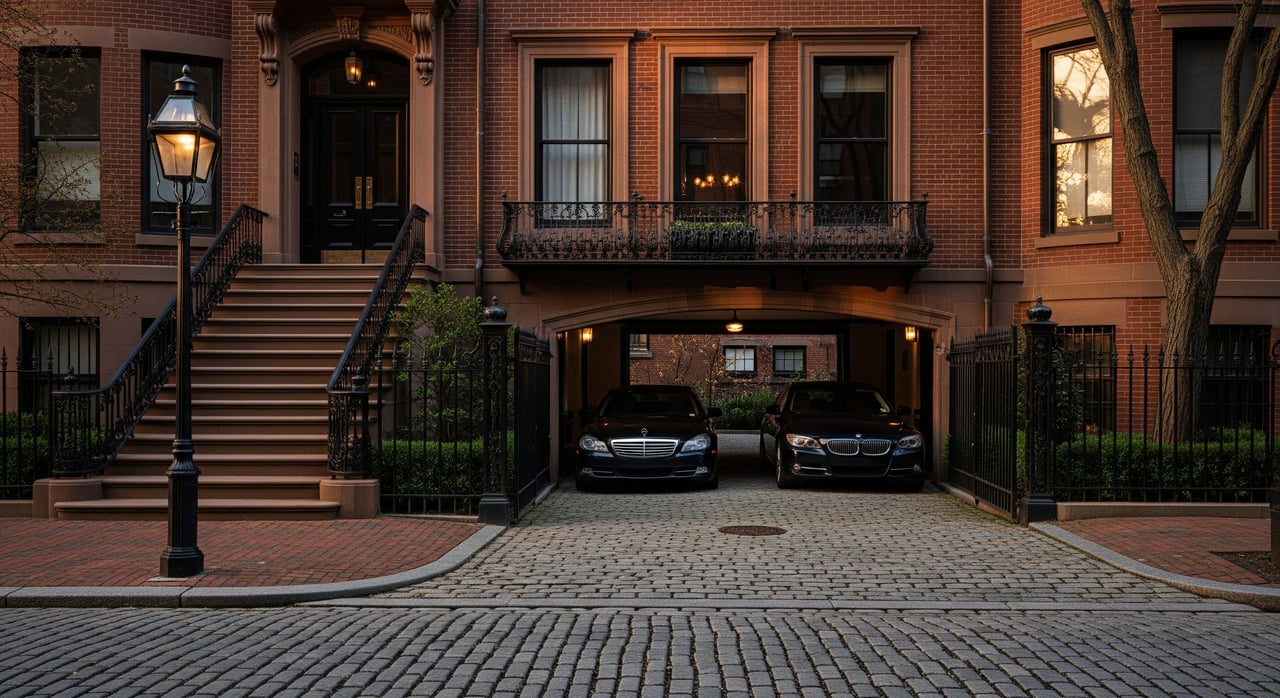
If you are selling a historic townhouse, spotlight the details buyers notice first: parlor-floor scale, ceiling height, original millwork, fireplaces, bay windows, and permitted outdoor space. Confirm whether the home is a single residence or configured as multiple units, and highlight system updates like HVAC and electrical that lower ownership friction. Exterior changes within the landmark district may require review, so be prepared to discuss any approvals or certificates you hold. For background on district guidance, visit the South End Landmark District resource.
Valuation tips for brownstones:
- Compare against truly similar rowhouses on nearby blocks.
- Adjust for the number of usable levels and where daily living occurs (parlor vs garden level).
- Quantify parking, outdoor space, and any documented system upgrades.
Condos in boutique and full-service buildings
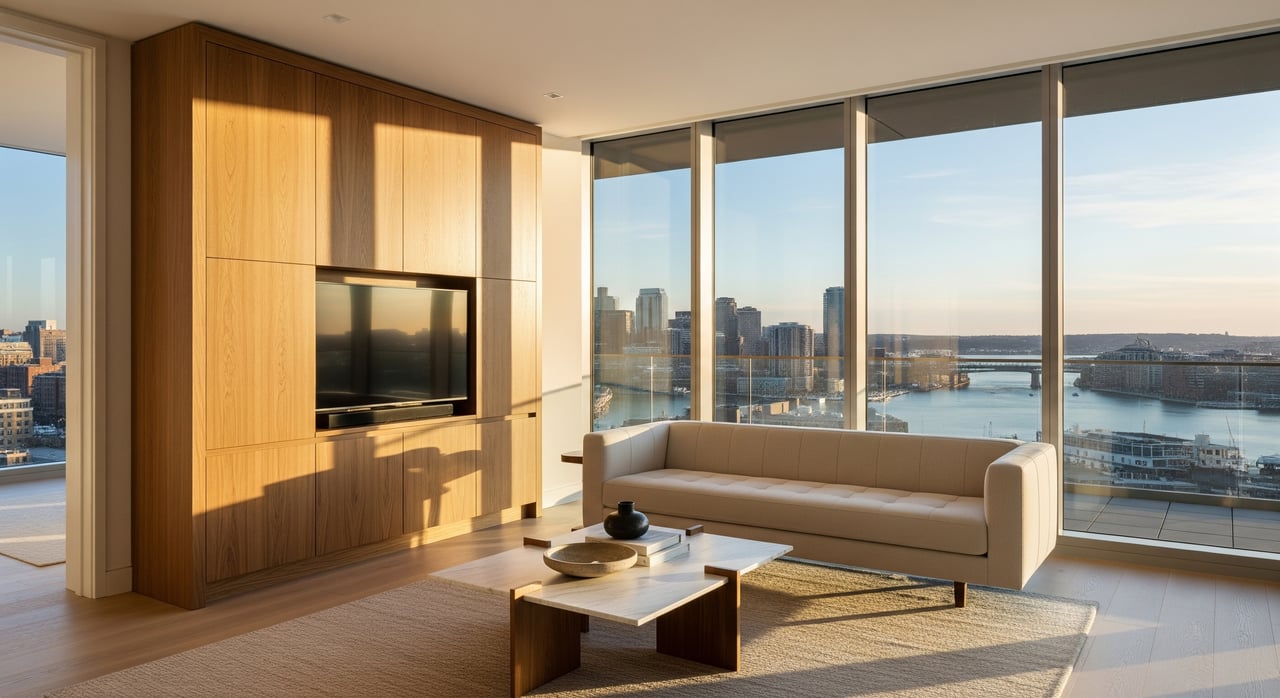
Condo buyers segment by lifestyle and convenience. Smaller 1–2 bedroom units attract many urban professionals and investors, while larger condos in full-service buildings draw buyers who value amenities and on-site services. Newer amenity buildings often command higher per-square-foot pricing, while older conversions trade on space and unique finishes.
What to prepare before listing a condo:
- HOA financials and documents: current budget, last 1–2 years of financials, reserve study if available, recent meeting minutes, master deed and bylaws, insurance summary, and any pending special assessments.
- Owner-occupancy rates, lender questionnaires, and an estoppel or resale certificate if the building provides one.
- A brief list of recent or upcoming capital projects that may affect fees or buyer confidence.
Prep that moves price
Professional presentation is the fastest way to widen your buyer pool and support your price. The National Association of Realtors’ 2025 Profile of Home Staging found that agents reported staging produced a 1–10 percent sale-price lift for many listings and often reduced time on market. Focus staging on the living room or parlor, the primary bedroom, and the kitchen. You can review the findings here: NAR’s staging report.
Plan your staging and media like this:
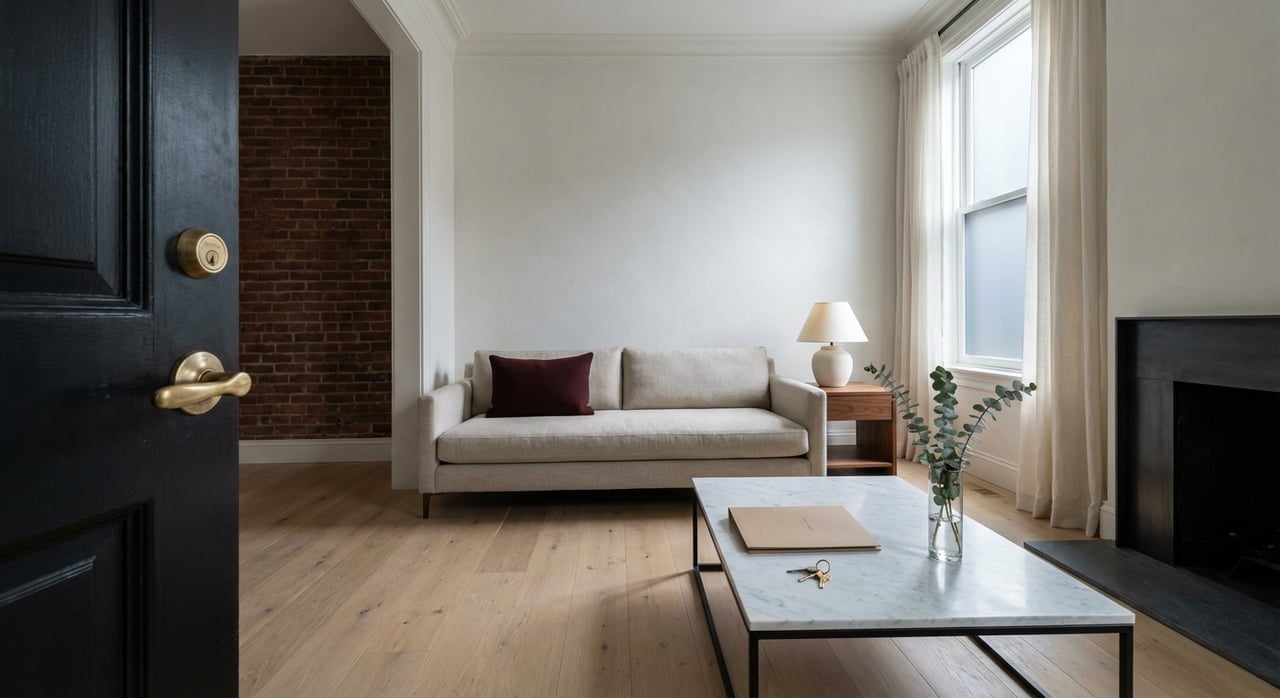
- Staging priorities: declutter, neutralize, and define key spaces. For townhouses, stage a complete entertaining level to sell the lifestyle, not just the rooms.
- Staging budgets: light consults often run a few hundred dollars, partial staging for key rooms typically ranges from hundreds to a couple of thousand dollars, and full staging for vacant brownstones can reach several thousand dollars depending on size and rental period.
- Media package: invest in professional photography, a Matterport or 3D tour, accurate floor plans, and a concise walk-through video. In the South End, call out outdoor space, parking, and building services prominently since these are common buyer filters.
Marketing-first launch plan
You get one chance to make a first impression. A marketing-first launch clusters high-impact visuals, targeted exposure, and agent outreach in the first 72 hours to capture the highest-intent buyers.
- Pre-launch 1–14 days: complete minor repairs, declutter, stage, and capture all media. Build a single-property landing page and a polished sell sheet for showings. Consider a controlled “Coming Soon” window if it serves your goals. MLS PIN permits Coming Soon under set rules on duration and showings. Review the policy at MLS PIN Rules and Regulations before you choose this lever.
- Day 1: list with the full media package live, push targeted social and search campaigns to the right buyer profiles, and email a curated list of local agents active in South End, Back Bay, and Seaport. Track page views, saves, tour requests, and agent inquiries.
- First weekend: host a focused broker preview to gather pricing and positioning feedback. Schedule private showings for qualified buyers. Be ready to adjust price or incentives if metrics underperform comparable listings.
- Ongoing: monitor engagement weekly and calibrate marketing spend or pricing based on clear benchmarks.
Compete with new builds
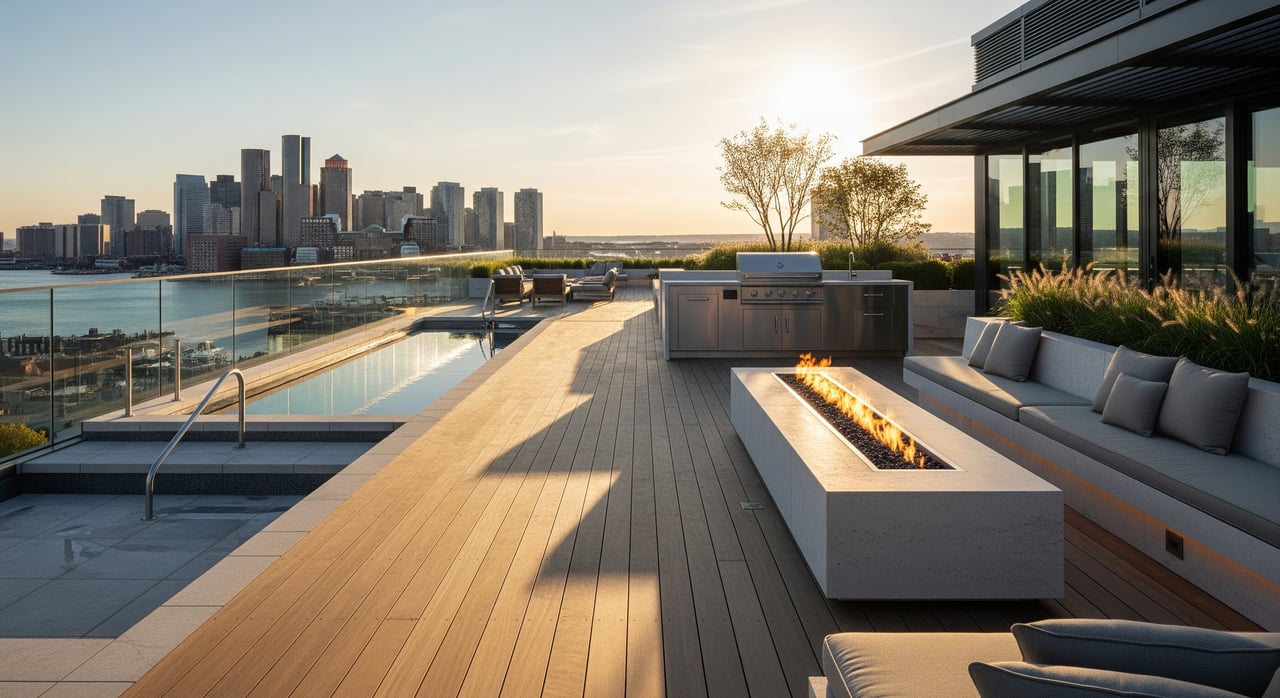
If your home will be compared to full-service buildings, lean into what buyers cannot replicate: original detail, parlor-scale rooms, private stoops, landscaped gardens, and ceiling heights. Where you have modern updates like HVAC, windows, and renovated kitchens or baths, frame them as move-in ready. Tie your positioning to nearby inventory so buyers understand tradeoffs in fees, services, and lifestyle. Use active examples like Ink Block to show the amenity set a buyer might weigh against your listing.
Time your sale
Spring typically concentrates the most buyer activity. That means your prep, staging, and media should start 4–8 weeks before your planned go-live date. If you must sell in late fall or winter, success is still very achievable with crisp pricing and premium visuals. In lower-inventory months, well-presented homes can stand out and meet motivated buyers who are already in the market.
Seller checklist
Use this quick readiness list to reduce friction and protect your price:
- Pricing and comps: a South End-specific CMA with 3–6 recent solds plus current actives or pendings. Adjust for layout, parking, outdoor space, exposure, elevator access, and renovation level.
- HOA and building docs: budget, last 12–24 months of minutes, master deed and bylaws, insurance summary, reserve study if any, owner-occupancy rates, and an estoppel or resale certificate if available.
- Compliance: provide the required Massachusetts inspection-rights disclosure and align offer-language with the new rule. Review the state guidance at Residential Inspections (RE110R25). For pre-1978 homes, include lead disclosures per Massachusetts lead law requirements.
- Landmark considerations: if you completed or plan exterior work, confirm approvals or certificates related to the South End Landmark District.
- Media: professional photos, floor plan, and a 3D tour ready at launch. Ensure copy highlights outdoor space, parking, and building services.
- Launch plan: consider a limited “Coming Soon” per MLS PIN Rules if it supports your strategy. Schedule a broker preview and targeted digital ads for Day 1.
When you align price, presentation, and launch timing, you meet buyers where they are searching and make it easy for them to say yes.
Ready to sell with a plan built for the South End? Partner with Morgan Franklin for a marketing-first listing experience powered by local expertise and Coldwell Banker Global Luxury reach.
FAQs
What is my South End condo worth today?
- Medians vary by source and date. As of December 2025, Redfin reported about $1.3M for the median sale price in the South End, while Zillow’s ZHVI showed roughly $1.06M as of January 31, 2026. Your exact value depends on comps in your building or block, finishes, parking, outdoor space, and current competition.
How long does a South End listing usually take to sell?
- December 2025 data showed a median of about 34 days on market. Your timeline will depend on pricing precision, presentation quality, and seasonality.
Do I really need to stage a small condo?
- Yes, if you want to widen your buyer pool. The National Association of Realtors reports that staging can add 1–10 percent to sale price and shorten days on market. See the NAR staging findings.
Which HOA documents should I gather before listing?
- Assemble the current budget, last 12–24 months of minutes, master deed and bylaws, insurance summary, any reserve study, details on special assessments, owner-occupancy rates, and an estoppel or resale certificate if your building issues one.
What are the new Massachusetts home inspection rules for sellers?
- As of October 15, 2025, sellers must provide a mandated inspection-rights disclosure and cannot require an inspection waiver as a condition of acceptance. Review the state guidance here: Residential Inspections (RE110R25).
Do I need to disclose lead paint in my South End brownstone?
- For homes built before 1978, federal and state law require the standard lead disclosure and pamphlet. Learn more at this summary of Massachusetts lead law requirements.
How does my brownstone compete with amenity buildings like Ink Block?
- Emphasize what buyers cannot replicate: original detail, ceiling heights, private stoops, gardens, and updated systems that feel move-in ready. Help buyers compare your home’s lifestyle to nearby new inventory such as Ink Block.