Staring at a monthly condo fee and wondering what you actually get for it? If you’re eyeing a home in the South Boston Waterfront — the Seaport and Fort Point — that question matters even more. These are some of Boston’s most amenity-rich buildings, and fees reflect the services that come with that lifestyle. In this guide, you’ll learn what Boston condo fees include, how they’re set, Seaport-specific cost drivers, and how to review documents so you can buy with confidence. Let’s dive in.
What condo fees cover
Condo fees fund the shared costs that keep your building running. In Boston, you’ll often hear them called common charges or HOA dues. While every condominium sets its own budget, most Seaport and Fort Point towers include similar categories.
The essentials your fee funds
- Staffing and operations. Concierge or front desk services, on-site building engineers, janitorial teams, and security systems for common areas are typically included. In 24/7 buildings, staffing is a major budget driver.
- Common-area utilities. Lighting and climate control for lobbies and corridors, elevator service contracts, and hot water for shared spaces are standard line items.
- Amenities. Fitness centers, lounges, business centers, rooftop decks, and indoor pools usually have their operating costs included. Some optional programs, like specialty classes or premium concierge services, may be extra.
- Master insurance. The association’s master policy covers the building structure and common areas as outlined in the policy. You still carry your own HO-6 policy for your unit.
- Management and administration. Property management, legal and accounting services, meeting expenses, and general administration are paid from your fees.
- Reserve fund contributions. A portion of your monthly fee goes into reserves for long-term replacements, such as façade work, elevators, roofs, or major mechanicals. Strong reserves help reduce the risk of surprise assessments.
What your fee does not include
- Property taxes and your mortgage. These are separate and paid by you.
- In‑unit utilities and services. Electricity, gas, and internet are usually owner-paid unless the association specifies otherwise.
- HO‑6 insurance. You’re responsible for insuring your unit’s interior and personal property.
- Parking. In many Seaport buildings, parking is handled and billed separately unless a space is deeded to your unit and defined in the governing documents.
How fees are set in Massachusetts
Your monthly fee flows from the association’s operating budget and reserve targets. The legal framework helps explain why units in the same building can pay different amounts.
Legal basics that matter to buyers
- Chapter 183A. Massachusetts condominium law establishes how condos are created, governed, and funded. Each condominium’s master deed and bylaws outline how common expenses are allocated and how the association operates.
- Unit factor. Most buildings assign a percentage interest or unit factor, often tied to square footage or another agreed method. Your share of the overall budget — and therefore your monthly fee — follows this allocation.
Budgets, reserves, and assessments
- Annual budgets. Boards or owners approve yearly operating budgets that set monthly fees.
- Reserve planning. Many associations use reserve studies to estimate long-term capital needs. Healthy contributions help stabilize fees over time.
- Special assessments. If reserves are insufficient or unexpected work arises, the board can raise fees or levy a special assessment. Lenders and insurers often review financials and reserve balances to gauge stability.
Seaport and Fort Point specifics
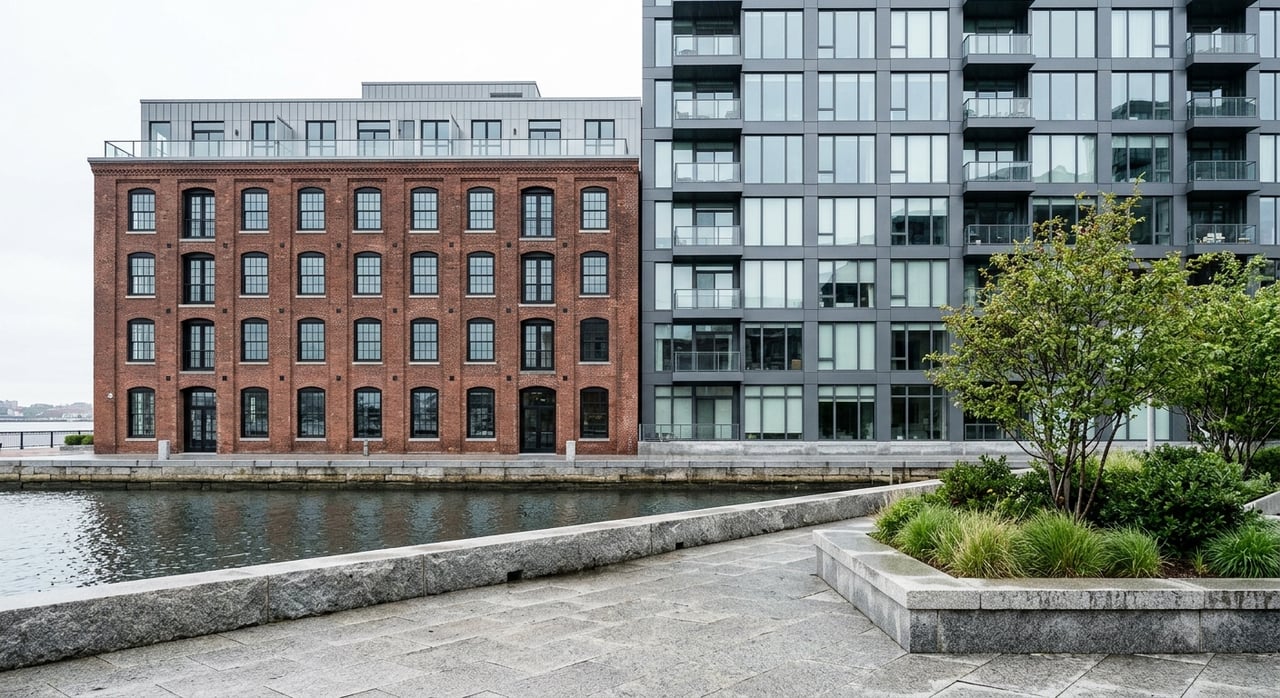
The South Boston Waterfront mixes newer luxury towers with converted warehouse buildings. That variety creates different fee profiles, especially along the harbor.
Staffing and security impact
Amenity-rich towers with 24/7 concierge, package management, and multiple engineers tend to carry higher monthly fees. The service level improves daily living — secure access, guest screening, deliveries handled — but it comes with recurring payroll costs.
Amenities and programming
Large fitness centers, residents’ lounges, business suites, children’s playrooms, and indoor pools require ongoing maintenance and utilities. Seasonal items, like pool heating, can add expense during certain months. Optional programming, such as private events or specialty classes, may be billed separately.
Parking reality on the Waterfront
In Seaport, parking is scarce and valuable. Many buildings treat stalls as a separate asset or revenue stream.
- Deeded spaces. Some units include deeded parking that may affect fee allocation.
- Leased or assigned spaces. Many towers charge a separate monthly fee through the association or a garage operator.
- Valet and guest parking. Valet services and visitor parking are commonly extra.
Insurance and deductibles
Association master policies are part of your fee, but deductibles can be large. Governing documents often define how deductibles apply after a claim. You should confirm whether any portion could be assessed back to unit owners and what coverage your HO‑6 policy should provide.
Waterfront maintenance and climate risk
Salt air and marine conditions can accelerate wear on façades, windows, and mechanical systems. Waterfront and low-lying buildings may invest in floodproofing, such as lobby flood gates, elevated electrical rooms, sump systems, and emergency equipment. If the association carries flood insurance, premiums and maintenance for these systems become part of your common expenses.
Why fees differ by building
Not all condominiums operate the same way. Understanding the drivers helps you compare apples to apples.
Key drivers of higher fees
- Staff intensity. Round-the-clock concierge and robust engineering teams increase payroll and benefits.
- Amenity breadth. Pools, expansive gyms, rooftop decks, and frequent resident programming add recurring costs.
- Building age and condition. Older buildings may face higher maintenance and capital needs unless reserves are very strong.
- Reserve targets and projects. Planned façades, window systems, elevators, or major mechanical upgrades raise contributions or trigger assessments.
- Waterfront factors. Marine corrosion, insurance costs, and enhanced envelope maintenance often elevate budgets in Seaport relative to inland neighborhoods.
Unit size and allocation
Most associations allocate expenses by percentage interest. Larger units typically carry a higher share of the building budget. In the same building, a penthouse may pay more than a studio, even if the per‑square‑foot fee is similar.
Parking: included or extra?
Parking can meaningfully change your monthly outlay. Clarify how your target building handles it before you make an offer.
- Included with unit. A deeded space may be part of your unit’s allocation and reflected in your fees.
- Separate monthly fee. Many Seaport garages bill owners or tenants directly for stalls. Valet services are usually an additional charge.
- No parking. Some buyers skip parking due to walkability and transit access. If resale value matters to you, compare similar units with and without parking in the same micro-market.
What to review before you offer
You can learn a lot about the stability of fees from the building’s paperwork. Ask your agent to help you collect and interpret these documents.
Documents checklist
- Current-year operating budget and prior-year actuals
- Most recent reserve study and current reserve balance
- Latest monthly or quarterly financial statements and a recent bank statement
- Board meeting minutes from the last 12 to 24 months
- Master deed, bylaws, and rules and regulations
- Insurance certificate and master policy summary, including deductibles
- Details on any pending or recent special assessments
- Property management contract and fee structure
- Information on pending legal matters or liens involving the association
- Parking agreements or leases if stalls are separately administered
- Recent engineering or building inspection reports, especially for envelopes, windows, roofs, and mechanical systems
Smart questions to ask
- How are common charges allocated to units?
- What percentage of the recommended reserve balance is currently funded?
- What capital projects are planned in the next 1 to 5 years, and how will they be paid for?
- Are parking spaces deeded or leased, and what are current parking and valet fees?
- Are any amenities pay-to-use or limited to certain owners?
- How does the association handle master policy deductibles after a claim?
- Are there rental caps, short-term rental rules, or pet policies that could affect your plans?
Red flags to watch
- No reserve study or a low reserve balance relative to known replacement needs
- Repeated special assessments in recent years without clear long-term fixes
- Large annual fee increases with limited line-item detail
- Material pending litigation involving the association or developer
- High insurance deductibles or limited building coverage
Making the trade-off: fees vs. lifestyle
Buying in Seaport or Fort Point is about matching your daily life to the building’s service model. A full-service tower may cost more each month, but if you rely on 24/7 concierge support, frequent deliveries, and on-site fitness or pool access, that value can outweigh the premium. In a smaller or converted building, you might enjoy lower fees, but you may also see more variability if major capital needs arise and reserves are thin.
Use a simple framework:
- List what you will use weekly. Gym, pool, rooftop, lounges, concierge services, and guest amenities.
- Price the all-in monthly. Add fee, estimated parking costs, taxes, and insurance to compare across buildings.
- Check near-term projects. If big upgrades are planned, ask how they will be funded and over what timeline.
- Think resale. Amenity-rich buildings can support higher prices, but higher fees affect a buyer’s monthly math. Balance the lifestyle you want with long-term marketability.
How a trusted advisor helps
An experienced local team can benchmark fees and reserves across Seaport and Fort Point, flag document red flags, and clarify differences in parking and amenity policies. You should expect guidance that helps you weigh lifestyle fit against monthly cost, as well as support during diligence and negotiation.
Ready to compare buildings side by side and review the numbers? Connect with Morgan Franklin to walk through budgets, reserves, and parking structures so you can choose the right Seaport or Fort Point condo with confidence.
FAQs
What do Seaport condo fees usually include?
- Most fees cover building staffing, common-area utilities, amenities, master insurance, management, and reserve contributions, with in‑unit utilities and parking typically separate.
Are Boston condo fees the same as property taxes?
- No. Condo fees fund shared building expenses, while property taxes are separate and paid by the owner.
How do special assessments work in Massachusetts condos?
- If reserves are insufficient or a major repair is needed, the board can levy an assessment or increase fees as provided in the governing documents under Chapter 183A.
Is parking included with Seaport condos?
- It depends. Some units have deeded spaces, but many buildings charge separate monthly fees for garage or valet parking.
Do I need HO‑6 insurance if there is a master policy?
- Yes. The master policy covers common areas and the building structure per its terms. Owners usually need HO‑6 coverage for interiors, personal property, and liability.