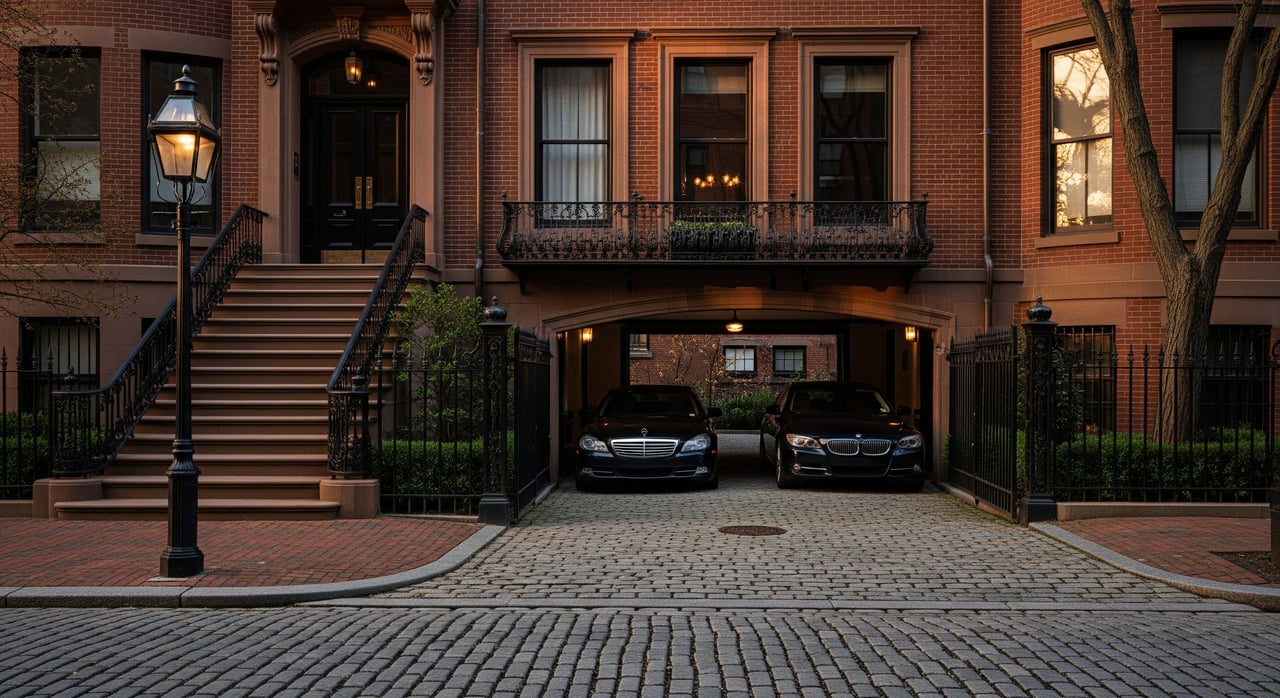
Parking can be the detail that makes a Boston condo feel effortless or frustrating. If you are shopping or preparing to sell in South Boston or the South End, understanding deeded, tandem, and leased parking will help you price wisely, plan your daily routine, and protect resale value. The differences are not just paperwork. They shape convenience, monthly costs, and even how lenders and appraisers view your home.
In this guide, you will learn how each option works locally, what to look for in documents, and how to make smart tradeoffs. Let’s dive in.
What each parking type means
Deeded parking
A deeded parking space is recorded as part of the real property. The space appears in your unit deed and in the condominium master deed or as its own parking unit in Suffolk County land records. It typically transfers with the unit unless your documents say otherwise.
In Boston, developers often create parking units or assign spaces as limited common elements with exclusive use. Either way, deeded parking functions like a small real estate asset. It can be sold, financed, and assessed for property taxes, and it usually carries the strongest appeal for daily drivers.
Tandem parking
Tandem means two cars share a linear stall. One parks behind the other. In Boston’s compact garages and converted brownstones, tandem layouts are common because they maximize tight footprints.
Tandem can be deeded or assigned. If deeded, your deed will describe the tandem arrangement. If assigned, the condo’s rules or parking schedules describe who parks where. The tradeoff is coordination. When two drivers need to come and go independently, access can slow down.
Leased or assigned parking
Leased or assigned spaces are not owned by the unit owner. They are granted through a lease, license, or association policy, often monthly or annual. Many buildings choose to keep parking as a revenue stream and rent spaces to owners or tenants.
Because the space is not part of your deed, your rights come from the lease or rules. Upfront cost is lower, but the ongoing fee and potential for policy or price changes sit with the owner or board. Convenience varies by the location of the space and whether it is valet, covered, or off-site.
How parking affects price, convenience, and resale
Purchase price and carrying costs
- Deeded parking tends to carry the highest one-time premium because it is a transferable asset that reduces risk for car owners. It can also raise assessed value and property taxes if separately appraised.
- Tandem pricing depends on status. Deeded tandem may trade below side-by-side deeded stalls due to access constraints. Assigned tandem aligns with other leased options but sees lower demand.
- Leased or assigned spaces reduce upfront cost but add a monthly or annual expense. Rates vary by building quality and location, so confirm current pricing before you make an offer.
Daily convenience and routine
- Deeded, side-by-side stalls offer the most predictable access. You park and go.
- Tandem requires coordination. Many households make it work if one person drives daily and the other uses a car occasionally. Guests and service providers may need extra planning.
- Leased or assigned spaces vary. A spot in your building’s garage is different from a space a block away. Ask about location, security, and whether there is valet or limited hours.
Resale appeal and buyer pool
- Deeded parking attracts the widest buyer pool among car owners and is easy to market as a headline amenity.
- Tandem narrows the pool. Two-driver households who need independent access may pass. Pricing often reflects the reduced functionality.
- Leased or assigned spaces appeal to flexible or car-light buyers but introduce ongoing cost. Buyers who want a long-term asset may prefer deeded.
Financing and valuation
- Lenders and appraisers handle deeded spaces more cleanly because they are part of the collateral. Deeded tandem is usually valued lower than side-by-side due to usability.
- Leased spaces are not collateral for the mortgage on the unit. Lenders typically exclude them from valuation.
Taxes, insurance, and association rules
- Deeded spaces can increase assessed value and property taxes. Confirm how the city assesses your building’s parking.
- Insurance coverage may come from the condo master policy for common areas, with your HO-6 handling personal property and liability. Review both policies.
- Association rules govern leasing spaces, guest parking, snow removal, security, and EV charging. Read the rules and minutes for pending changes that could affect your space.
South End and South Boston context
Both neighborhoods are dense, walkable, and well served by MBTA bus routes and nearby Red, Orange, Green, and Silver Line connections. Many residents can go car-light, yet demand for off-street parking remains strong, especially in winter and for commuters.
Street parking rules, resident permit programs, and block-by-block restrictions shape demand. On streets with time limits or heavy residential competition, a guaranteed space becomes more valuable. Seasonal factors such as snow emergencies and street cleaning raise the appeal of covered or off-street options.
Building stock also matters. In renovated brownstones and small condo buildings, garages often use tandem stalls, narrow spaces, stackers, or lifts to fit more cars into tight footprints. Always test-fit your vehicle before you commit.
How to confirm what you are getting
Before you make an offer, review the paperwork and confirm on site. Use this quick checklist.
- Deed and recorded plan at the Suffolk County Registry of Deeds. Verify whether the space is deeded and how it is described.
- Condominium master deed, declaration, and site plan. Identify if the space is a parking unit, limited common element, or common element.
- Association bylaws, rules, and parking policy. Check leasing rules, transferability, guest policies, and any penalties.
- Current parking lease or license agreements. Confirm term, renewal, termination rights, and whether the lease is transferable on sale.
- Board meeting minutes and budgets. Look for policy changes, garage maintenance, or upcoming capital projects and assessments.
- Insurance and tax documents. Review the master policy coverage and any separate tax bills or assessments for parking.
Tip: Massachusetts condominium law, including Chapter 183A, and your building’s master deed govern how limited common elements and exclusive-use spaces work. Your attorney can confirm what is recorded and enforceable.
Tandem parking tips that make it easier
Tandem does not have to be a daily headache. With a plan and clear communication, many owners find a good rhythm.
- Ask for the exact stall location and dimensions. Test-fit your car and confirm door swing and turning radius.
- Clarify priority and protocols in writing. Who parks in the front or rear, and who moves first in the morning or evening.
- Consider remote starters or smart locks to streamline quick reshuffles.
- Plan for guests and services. Share temporary access instructions, and ask your association about guest policies.
EV charging and future proofing
Interest in EVs is rising across Boston, but infrastructure in older buildings varies. If you want charging capability, confirm the building’s policy and electrical capacity before you buy.
- Deeded spaces may allow owner-funded charger installation with board approval. Expect wiring and permitting costs.
- Assigned or leased spaces require association or owner permission, which may be limited.
- Ask about plans for shared charging, cost-sharing models, and metering. Clarify who pays for electricity and maintenance.
Buyer strategies
- If you need guaranteed daily access, a deeded, side-by-side stall can justify a stronger offer. The convenience and resale appeal often offset the premium.
- If you drive rarely, a leased space or deeded tandem at a discount may offer better value. Let the pricing reflect your usage.
- Always build the current parking cost into your monthly budget. Compare leased rates across nearby options if you have flexibility.
Seller strategies
- Spotlight deeded parking in marketing, photos, and copy. Buyers often filter for this amenity.
- If your space is leased or assigned, disclose terms, location, and current cost up front. Buyers appreciate clarity and transferability.
- For tandem, be specific about the configuration and any established protocol. Transparency builds trust and reduces renegotiation risk.
Quick layouts you may see
Below are simple visuals that reflect common layouts in South Boston and the South End.
Side-by-side deeded stalls
  ________ ________
 |  S A   |  S B   |
 |        |        |
 |________|________|
Tandem stall for two cars in one linear space
  ___________________
 |   S (front / rear) |
 |____________________|
Small garage with assigned leased spaces
  ______ ______ ______
 | #1  | #2  | #3    |
 | L   | L   | L     |
 |_____|_____|_______|
Always measure the stall, check headroom, and test the entry path. Older garages can be narrower and lower than you expect.
The bottom line
In South Boston and the South End, deeded parking delivers the strongest mix of convenience and resale, tandem offers value with coordination, and leased parking keeps upfront costs low while adding monthly expense and policy risk. The best choice depends on how often you drive, whether you need independent access, and how long you plan to hold the property.
If you want help weighing the tradeoffs for a specific building or unit, we are here to guide you through the documents, fit checks, and pricing strategy. Reach out to book a personalized market consultation with Morgan Franklin.
FAQs
What is deeded parking in a Boston condo?
- A deeded space is recorded in Suffolk County land records as part of your real property or as a separate parking unit, and it transfers with the unit unless your deed says otherwise.
How does tandem parking work day to day?
- Two cars share a linear stall, so one parks behind the other. It requires coordination for coming and going, which is why tandem often trades below side-by-side stalls.
Are leased or assigned parking spaces transferable on sale?
- Sometimes. Transfer rights depend on the lease or association policy. Review the agreement and parking rules before you rely on a transfer.
Will a deeded space increase my property taxes?
- It can. Deeded parking that raises your assessed value may increase your tax bill, especially if the space is separately appraised or recorded.
Do lenders include leased parking in a mortgage appraisal?
- Typically no. Leased or assigned parking is not part of the real property collateral, so lenders and appraisers usually exclude it from valuation.
What should I review to confirm my parking rights?
- Check your unit deed, the condominium master deed and site plan, association bylaws and parking policy, any lease or license, recent board minutes, and the insurance master policy.
Can I install an EV charger in my space?
- Possibly. Deeded spaces often allow owner-installed chargers with board approval. Assigned or leased spaces require permission from the association or owner and may be limited.