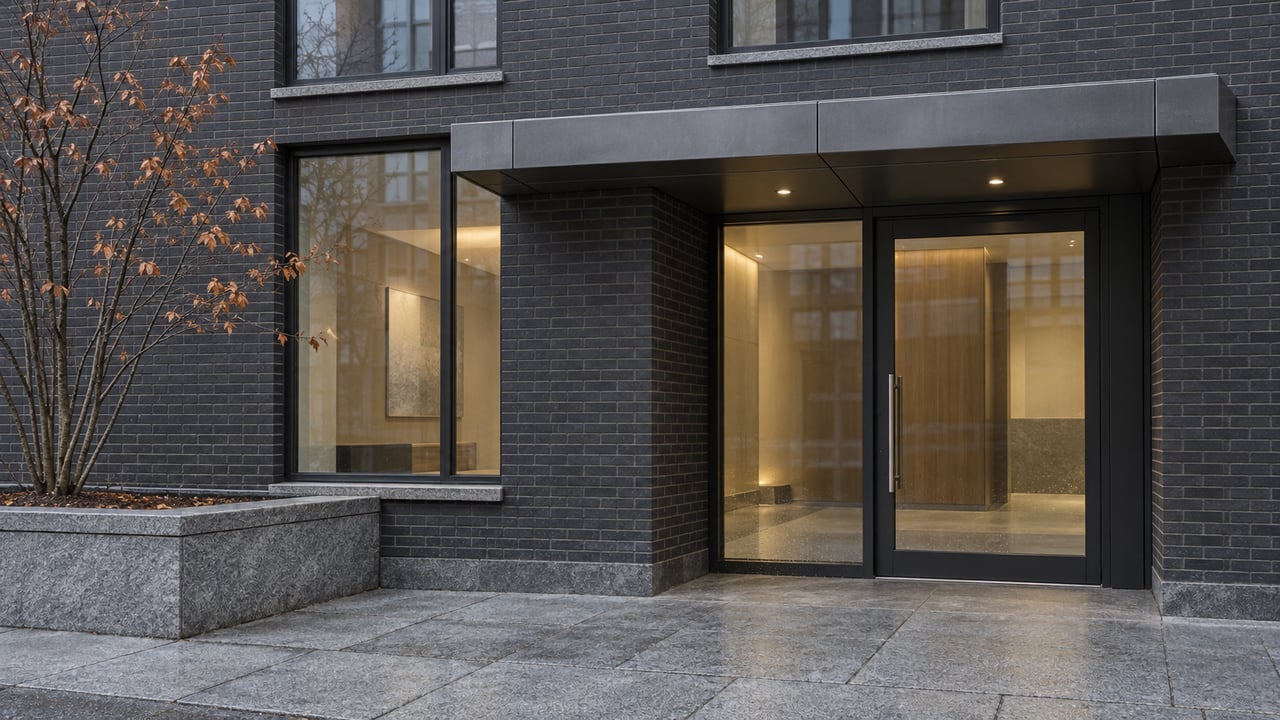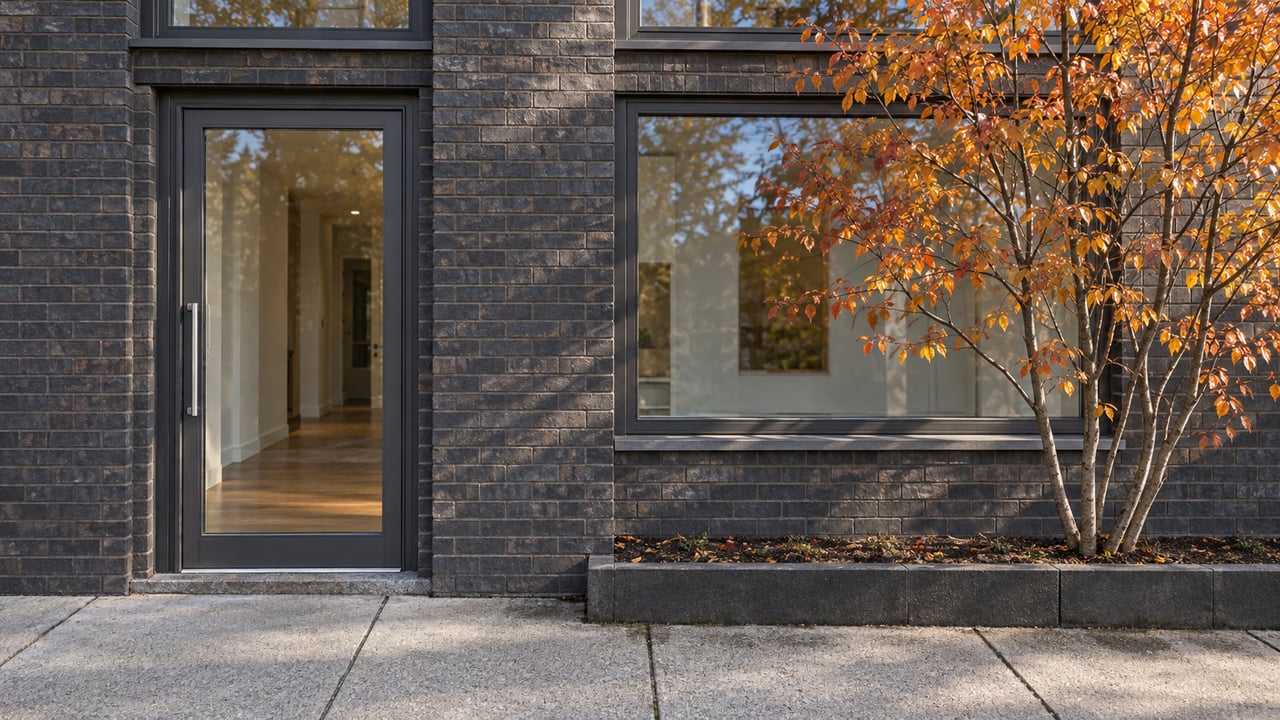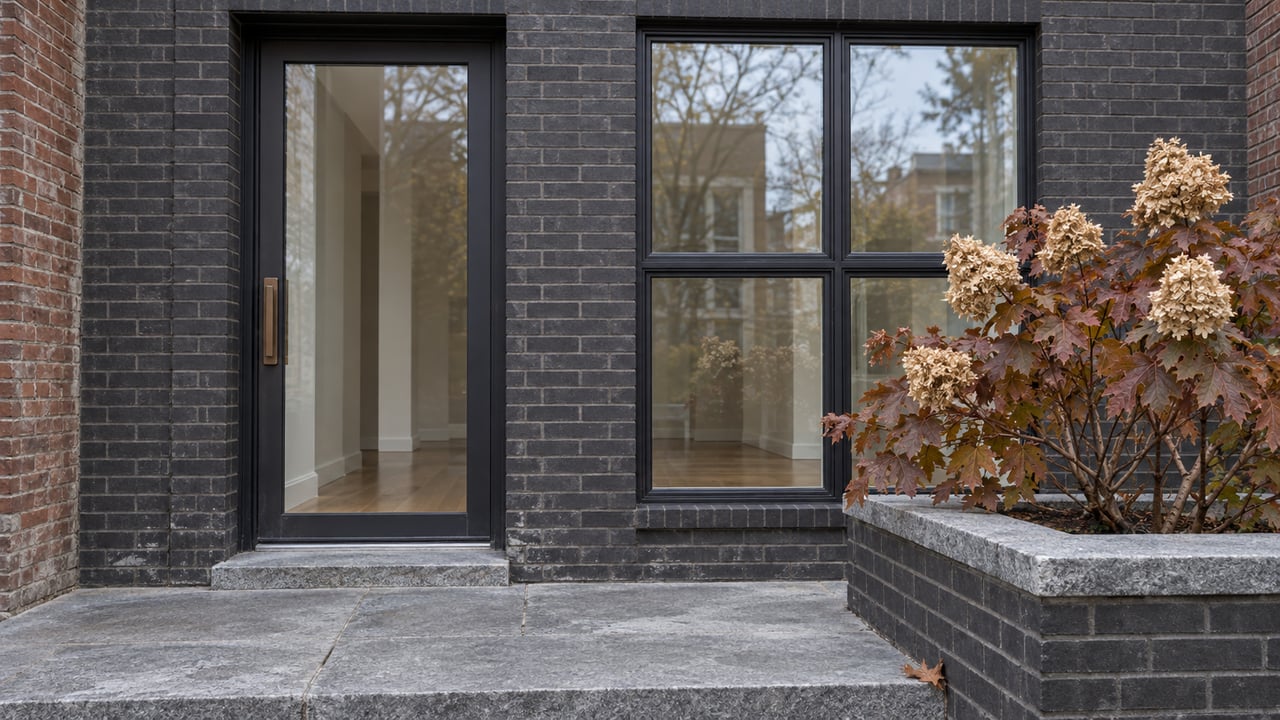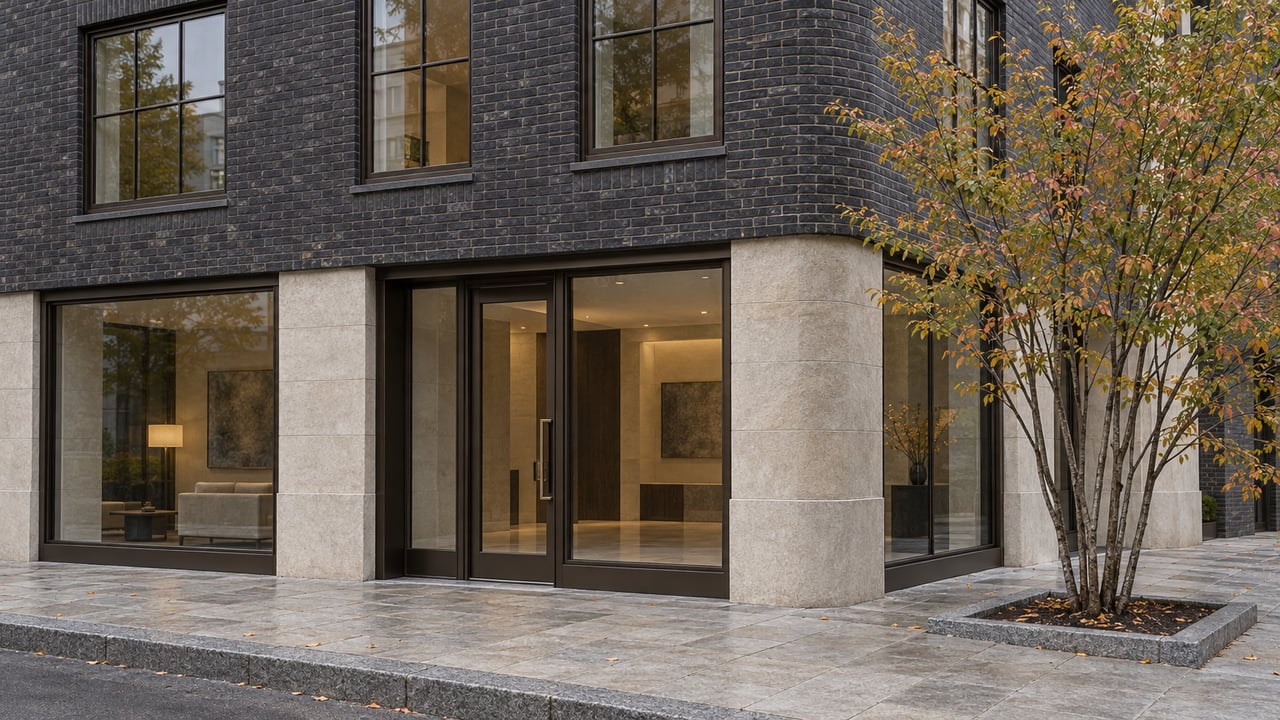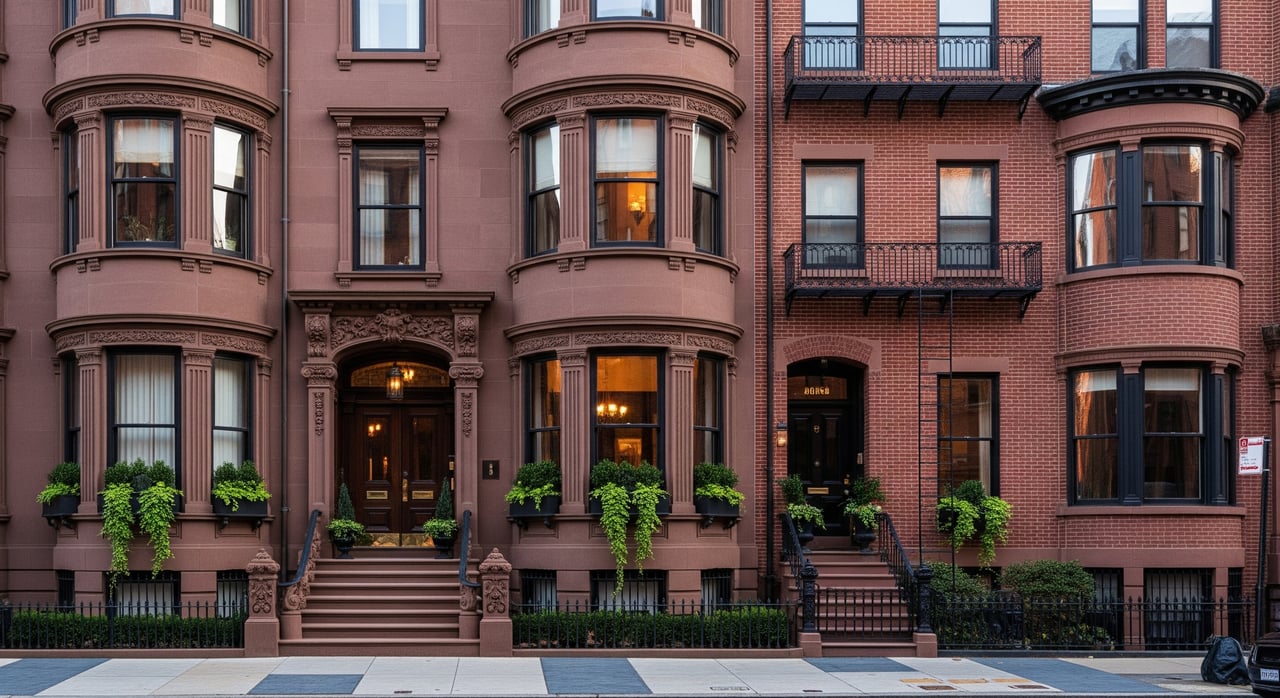
Thinking about buying in Charlestown’s Gaslight District? This pocket draws buyers for a reason: historic architecture, charming rowhouse blocks, and a location that feels distinctly residential while still being part of Boston. If you are trying to figure out what you actually get for your budget, what to watch for in older homes, and how to shop smart in this part of Charlestown, this guide will walk you through the essentials. Let’s dive in.
Where the Gaslight District Fits
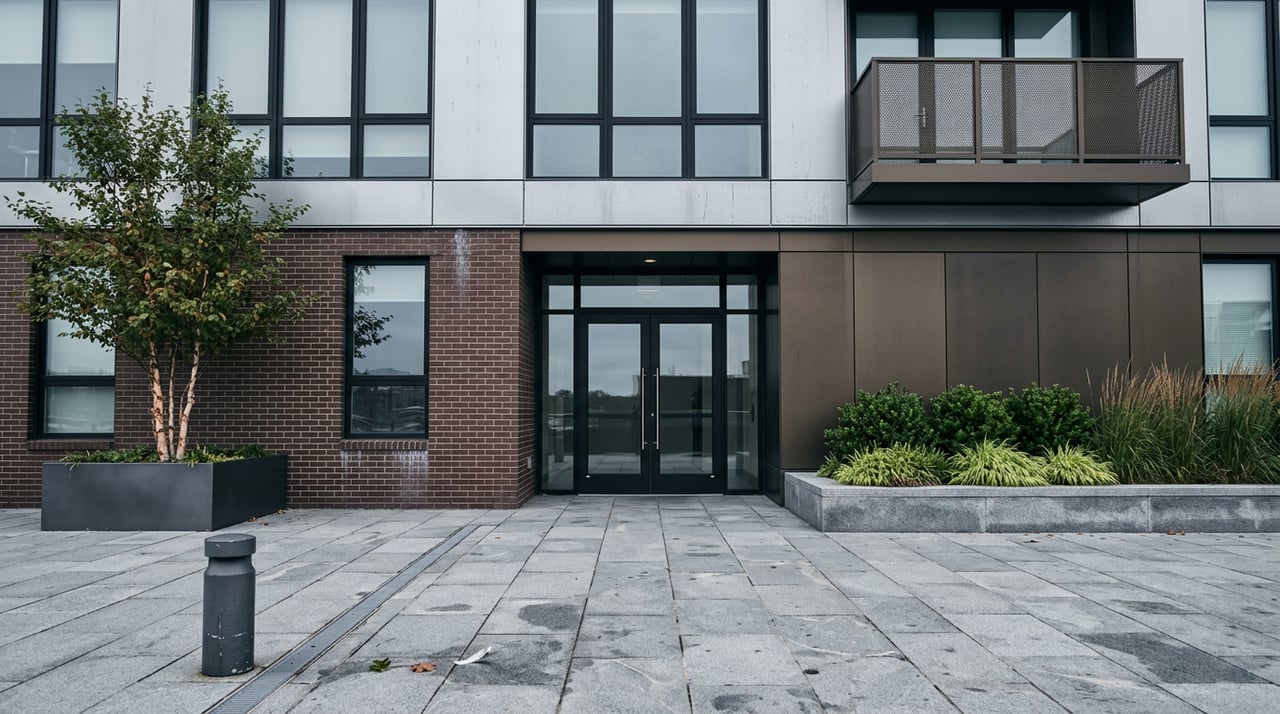
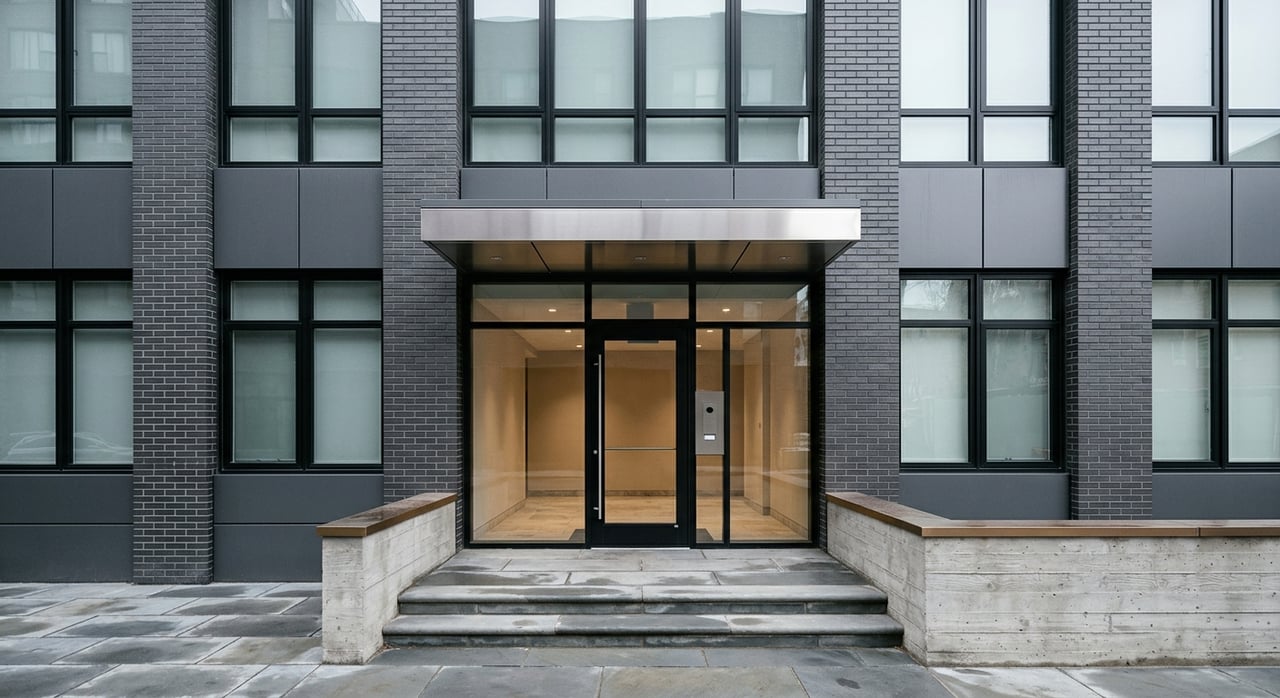
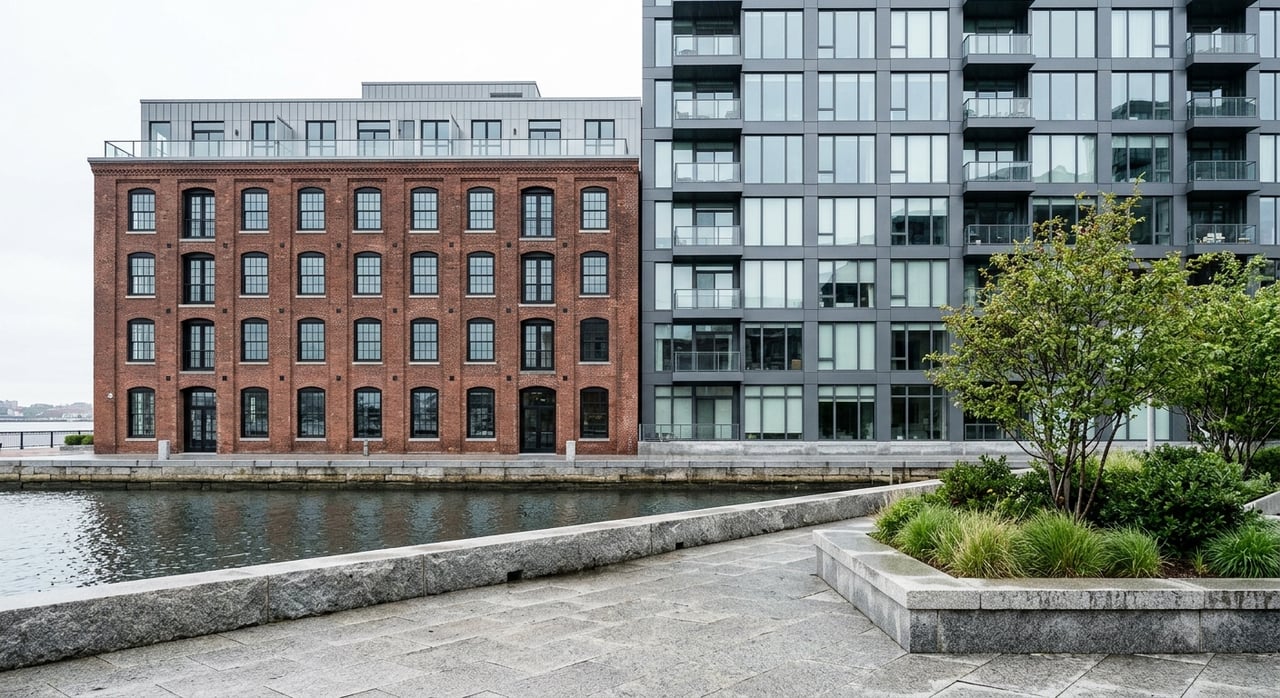
Charlestown is Boston’s oldest neighborhood, founded in 1629, and today it offers a mix of brick and wood row houses along with newer waterfront condominiums and apartments near the Navy Yard, according to Boston Planning & Development resources on Charlestown. Within Charlestown, the term “Gaslight District” is commonly used in listing language for the historic interior blocks around City Square and Monument Square.
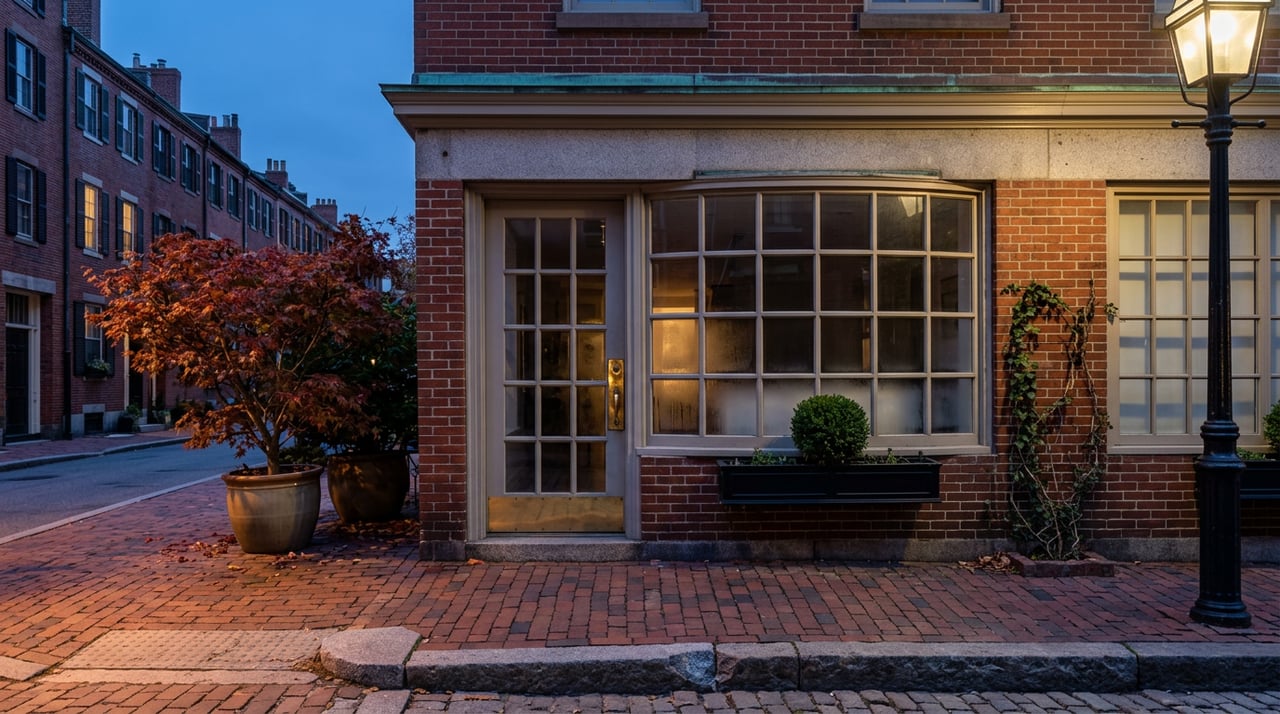
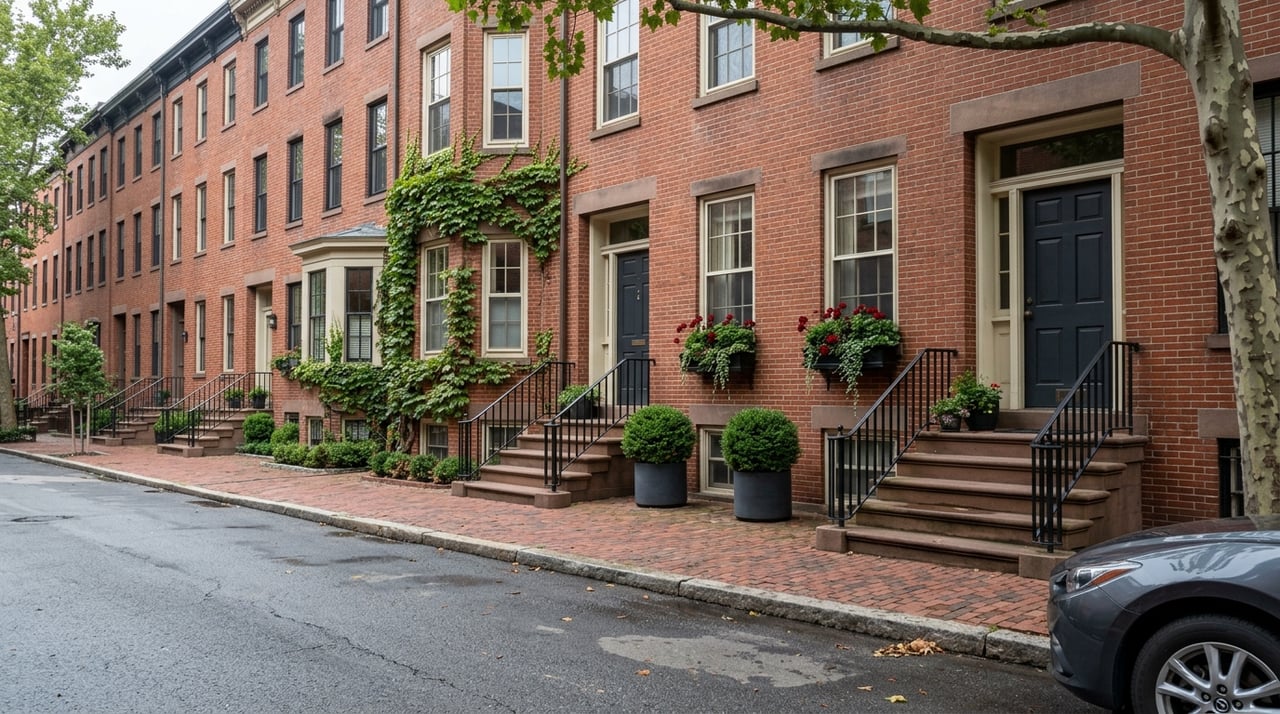
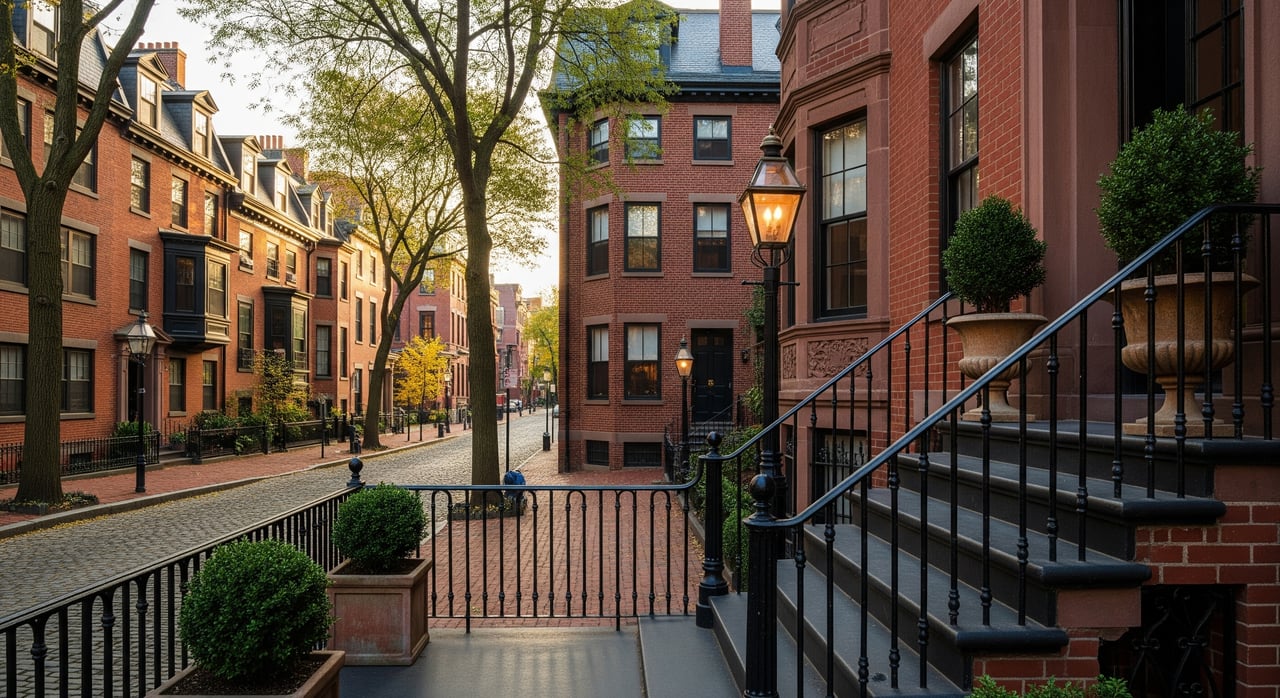
When buyers talk about the Gaslight District, they are usually referring to streets such as Main, High, Park, Warren, Washington, Chestnut, Pleasant, and nearby blocks. That name signals a certain look and feel: classic streetscapes, historic homes, and strong architectural character. It is less about one exact legal boundary and more about a recognized pocket of Charlestown that buyers and sellers know well.
One important detail is that buyers sometimes assume this whole area is already formally protected as a historic district. That is not quite the case. The city’s current materials indicate that Monument Square is in a local landmark district study process, rather than the entire broader Gaslight pocket already being fully designated.
What Homes Look Like Here
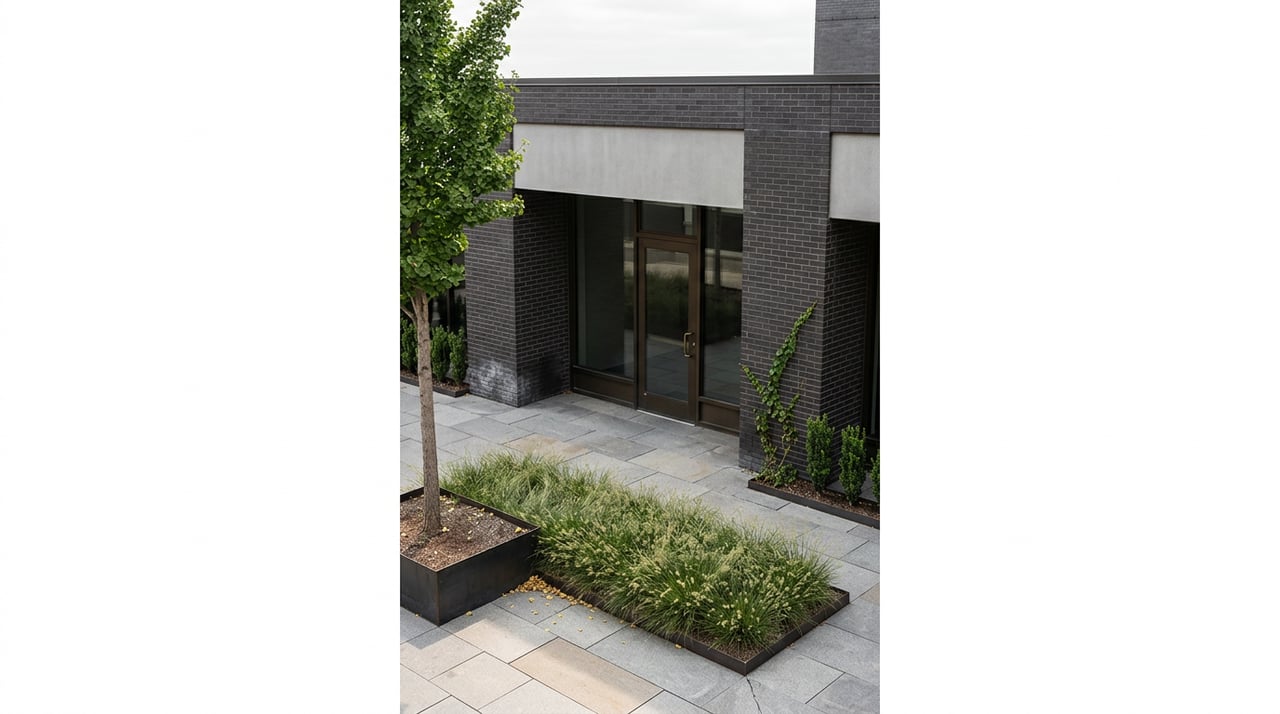
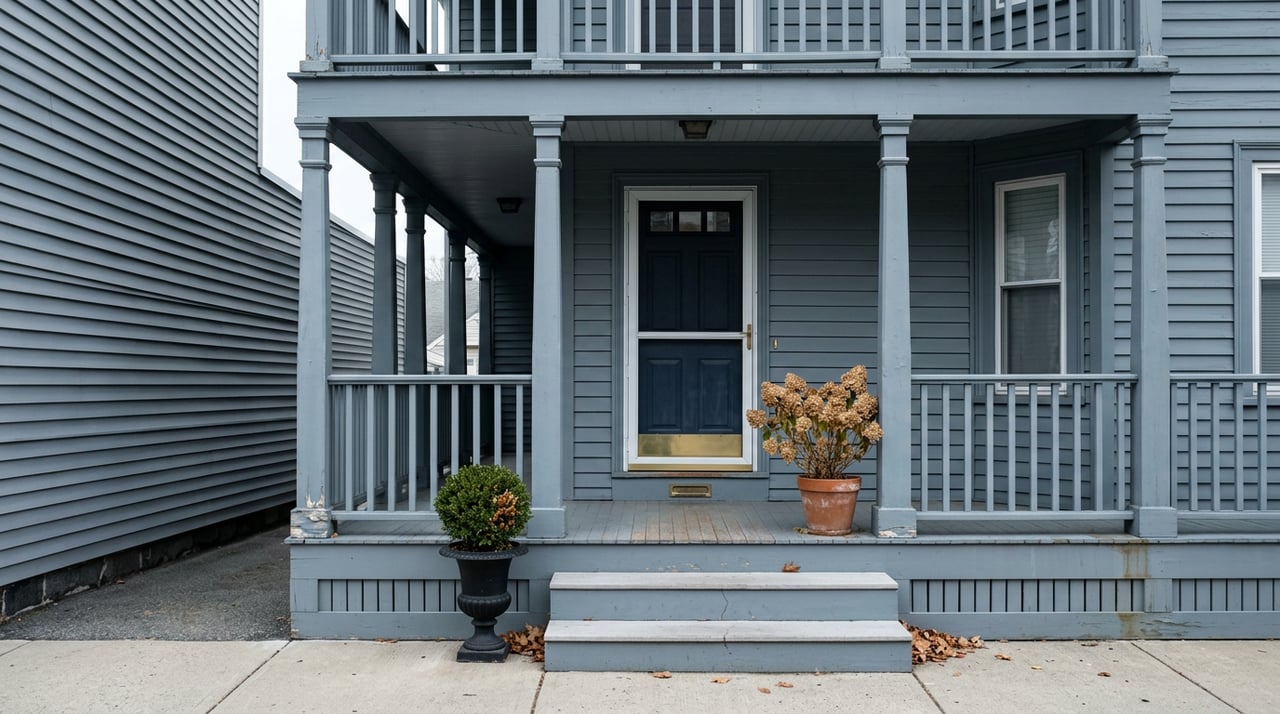
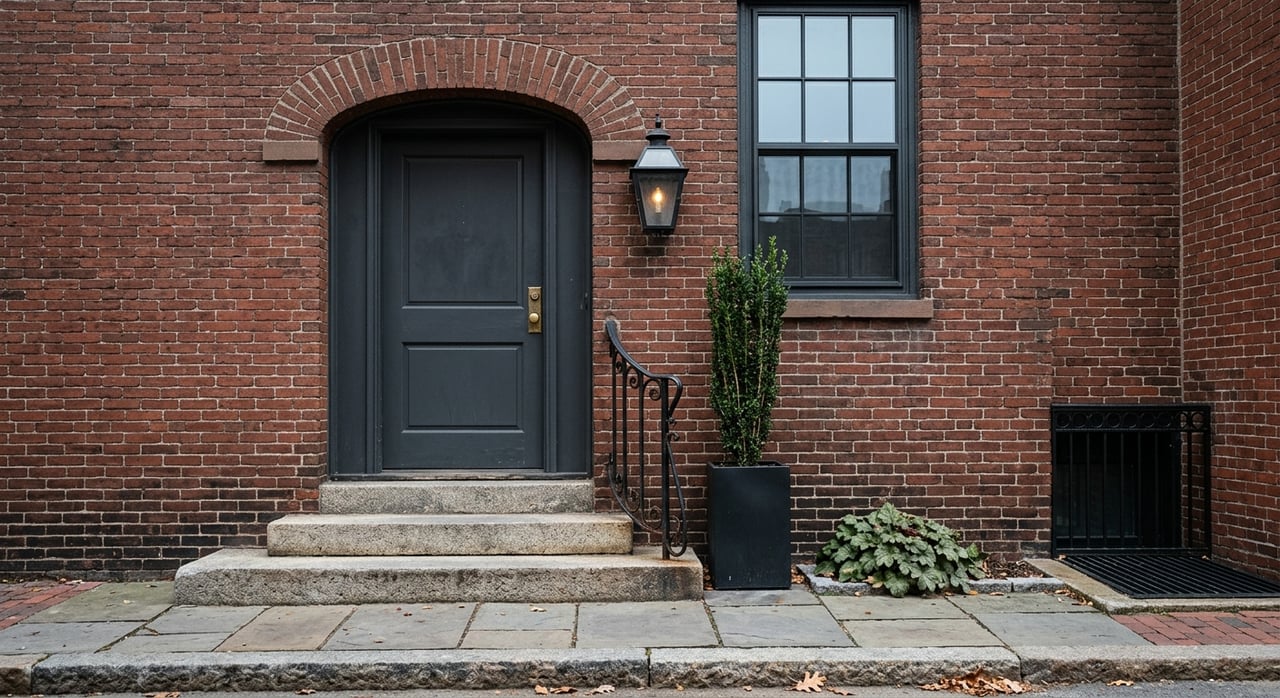
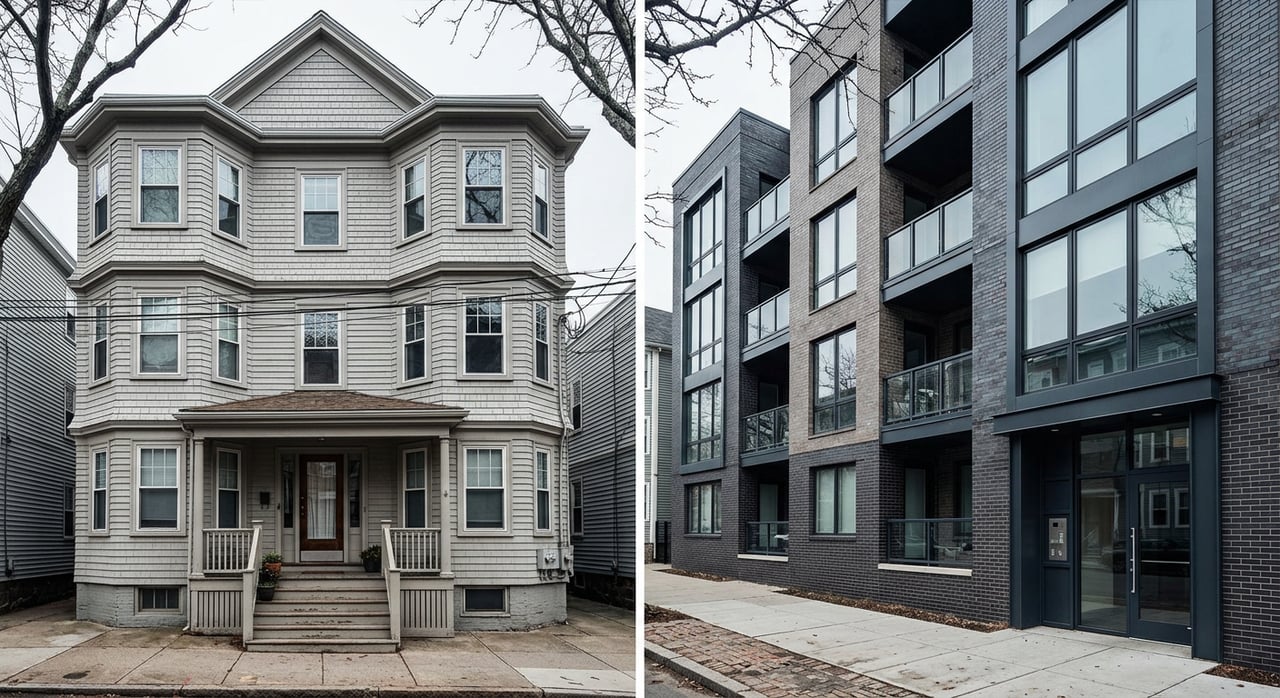
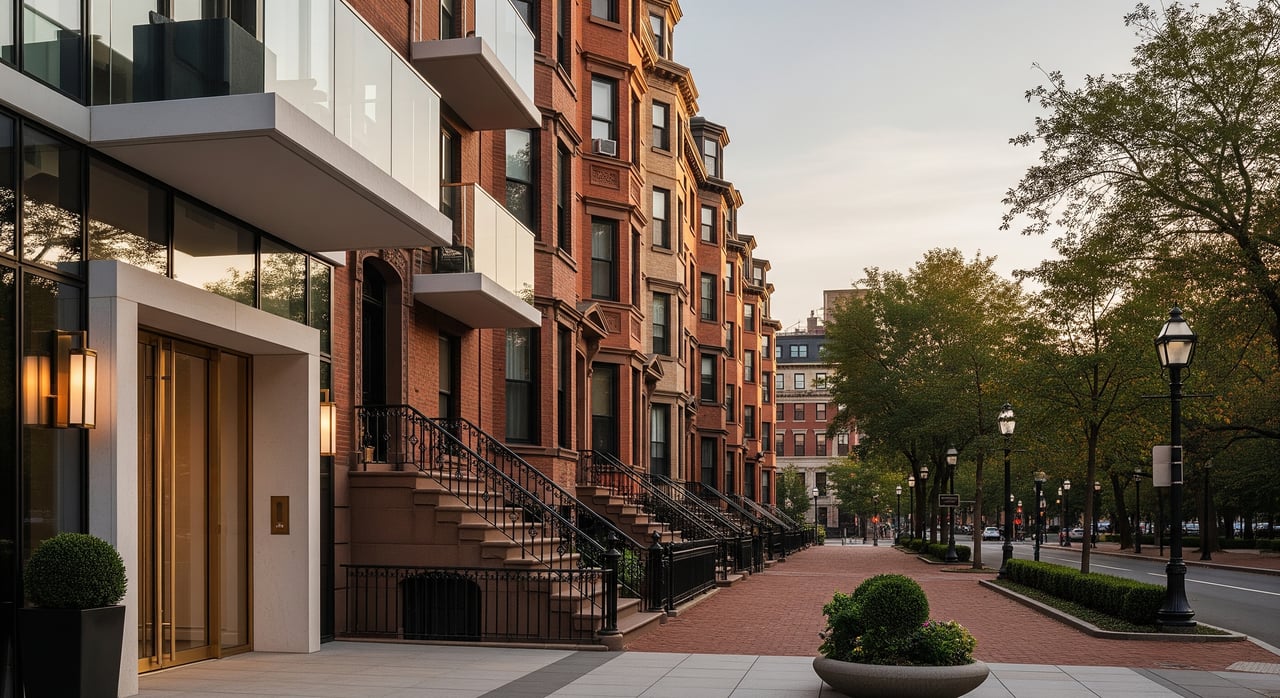
If you are shopping in this part of Charlestown, expect variety within a fairly consistent historic setting. According to Boston Planning materials, the neighborhood includes row houses, condominiums, apartments, and waterfront housing, and recent Gaslight-area inventory reflects that range in a more historic format.
In practical terms, buyers often see:
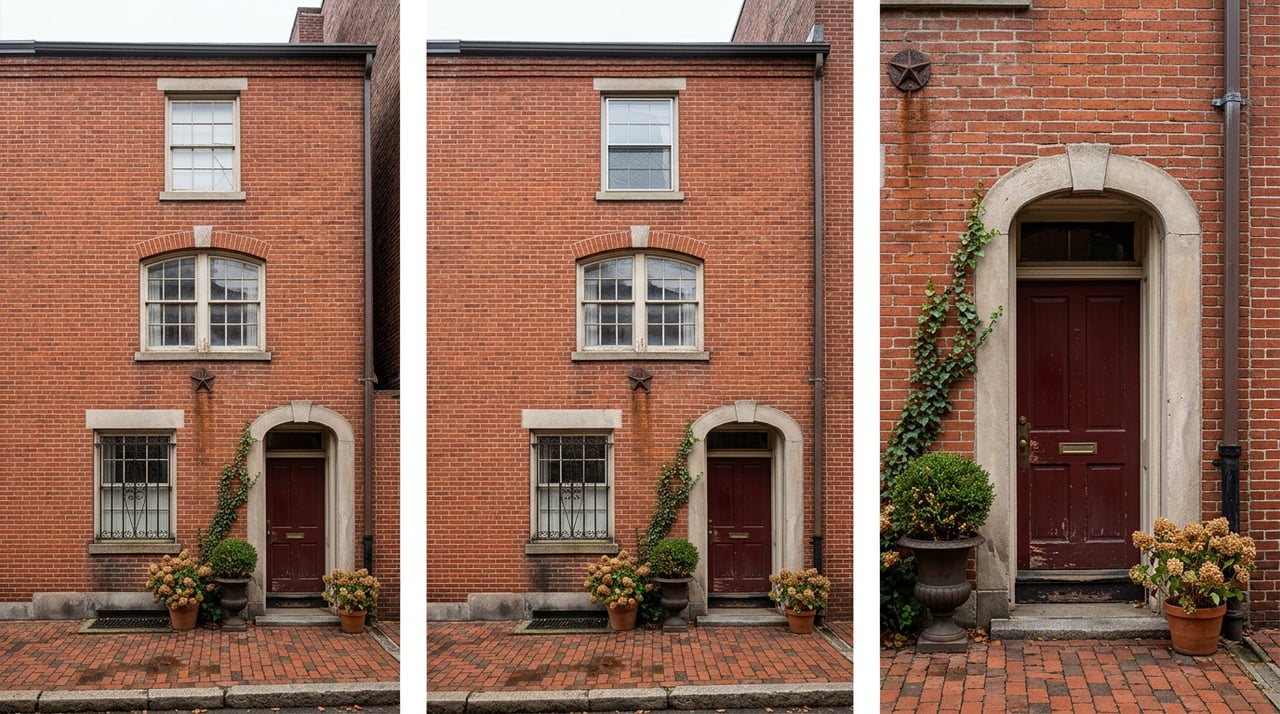
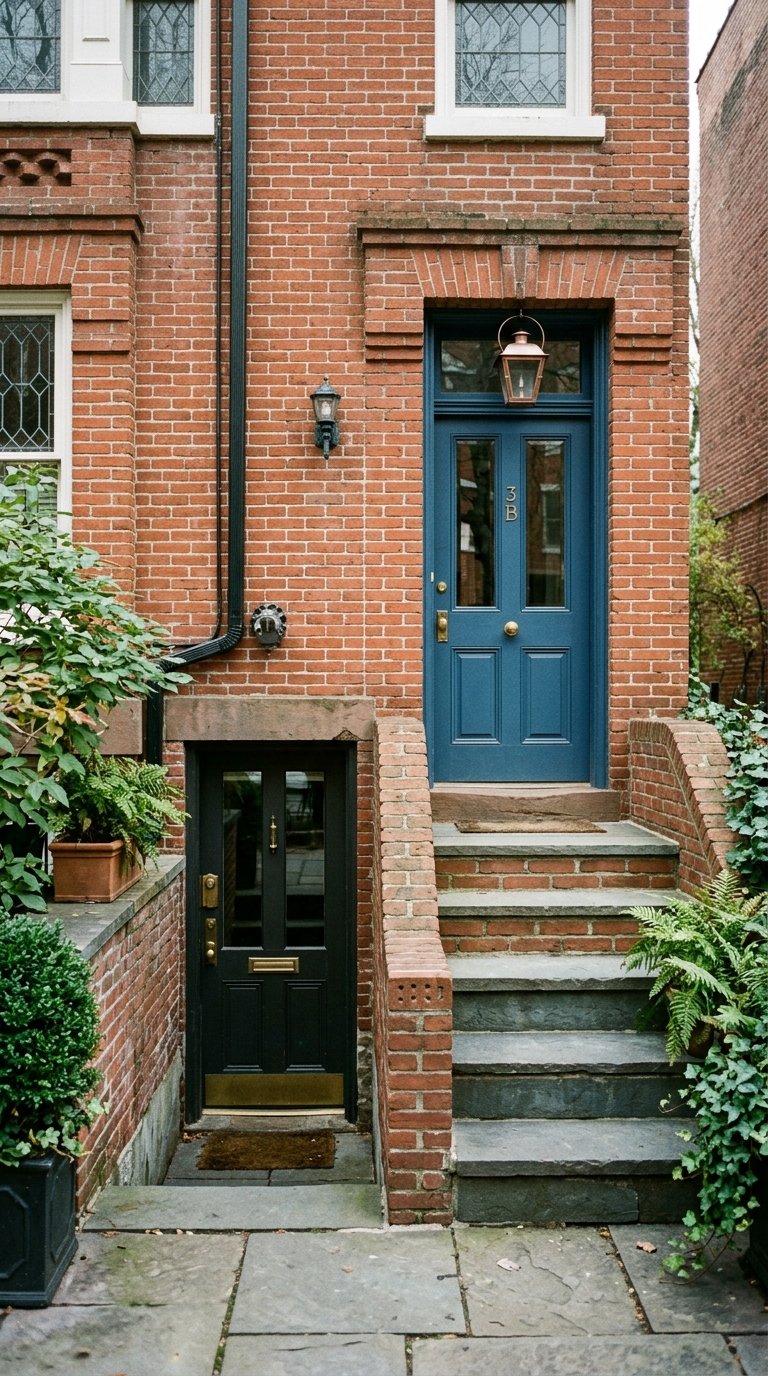
- Brick rowhouse condo conversions
- Townhouse-style duplexes
- Penthouse units in older buildings
- Triplex-style layouts
- A smaller number of single-family homes
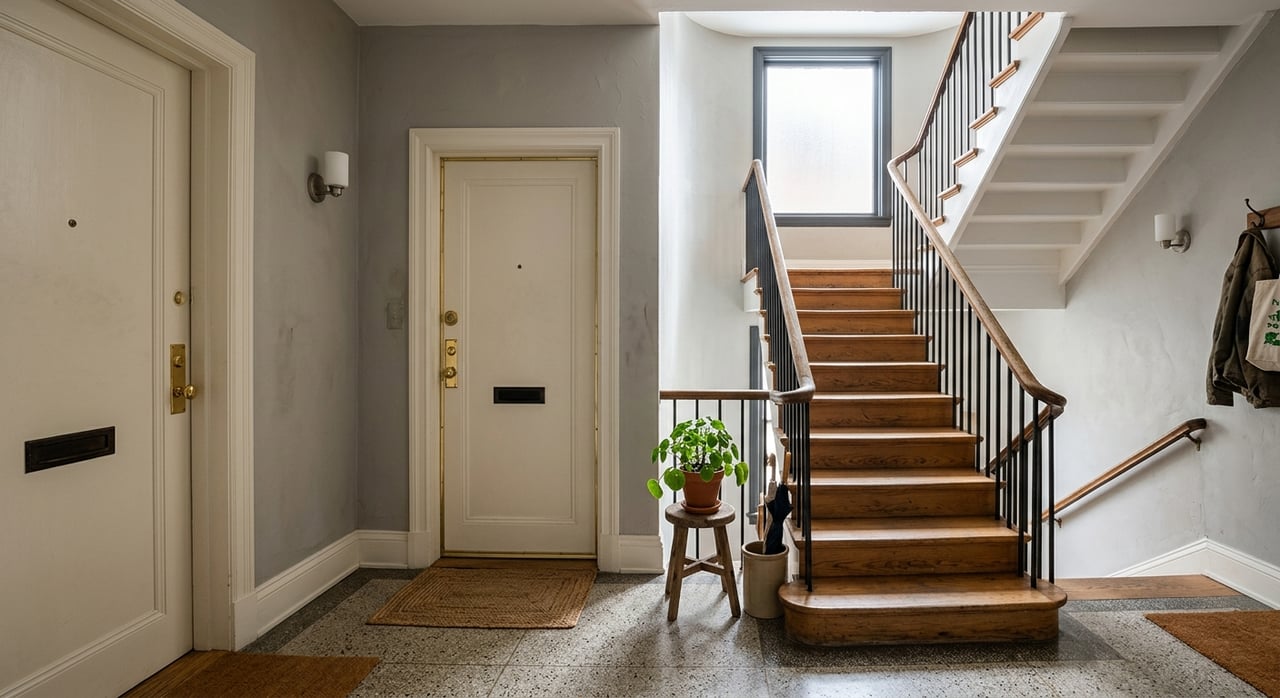
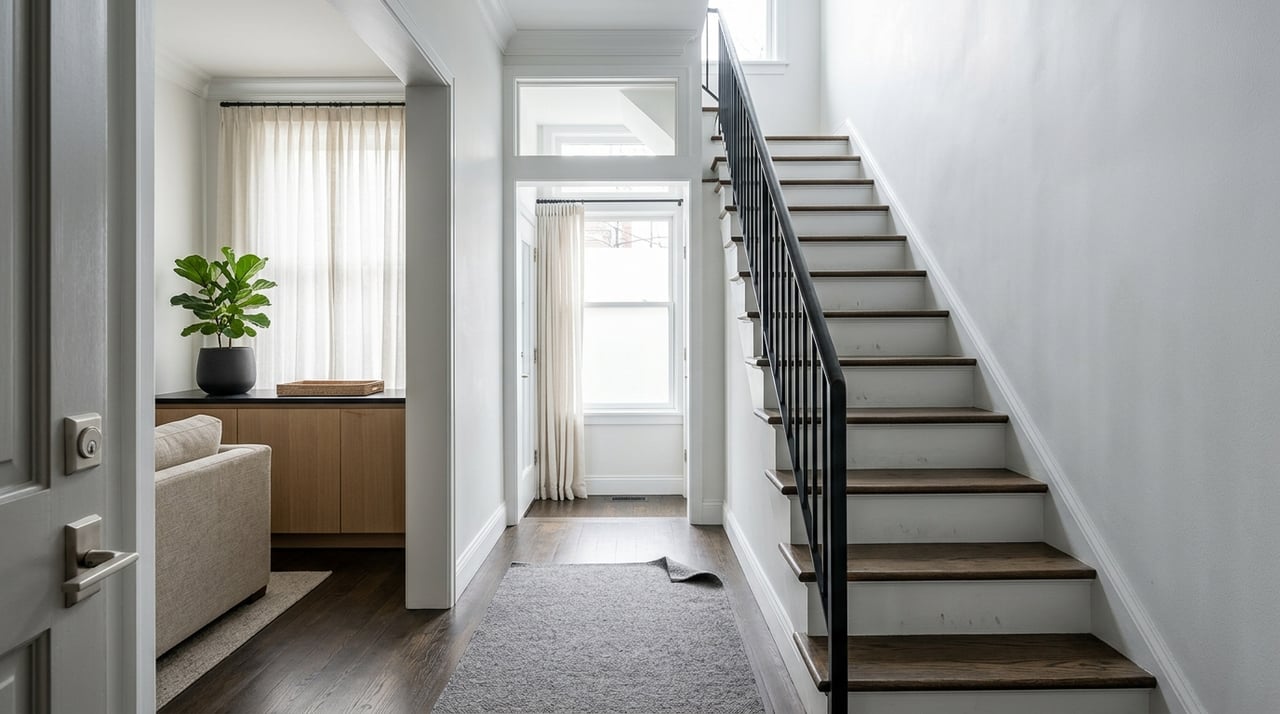
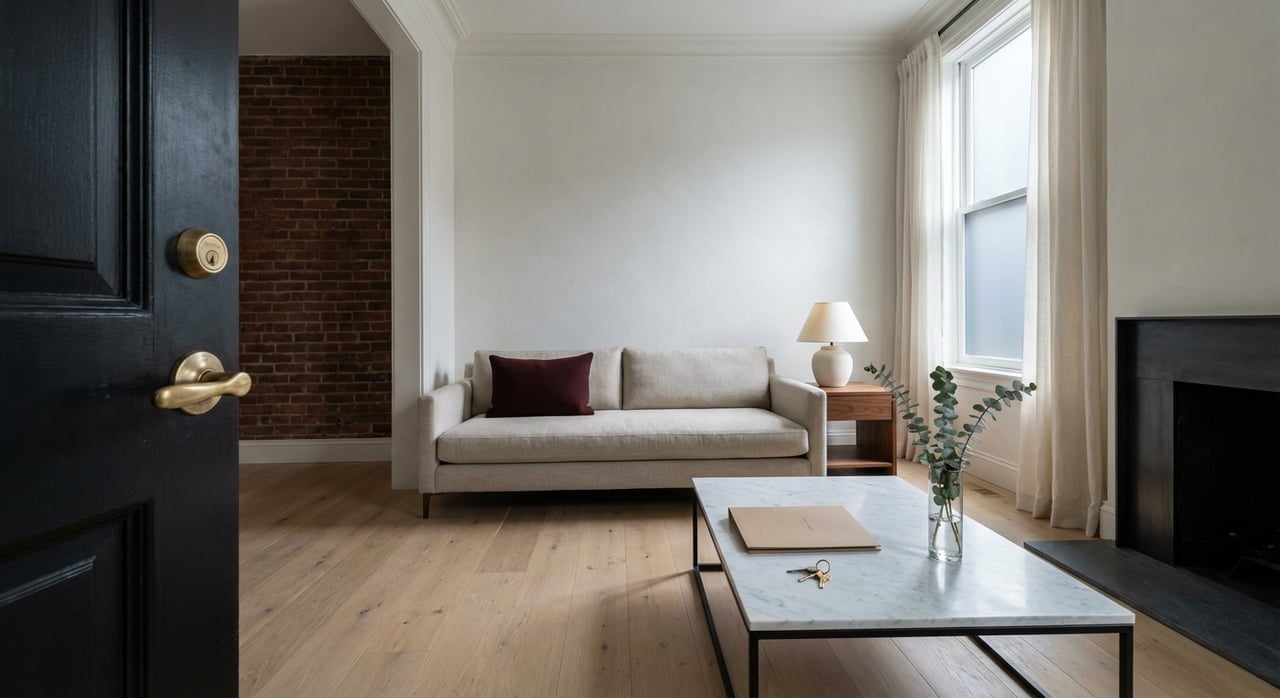
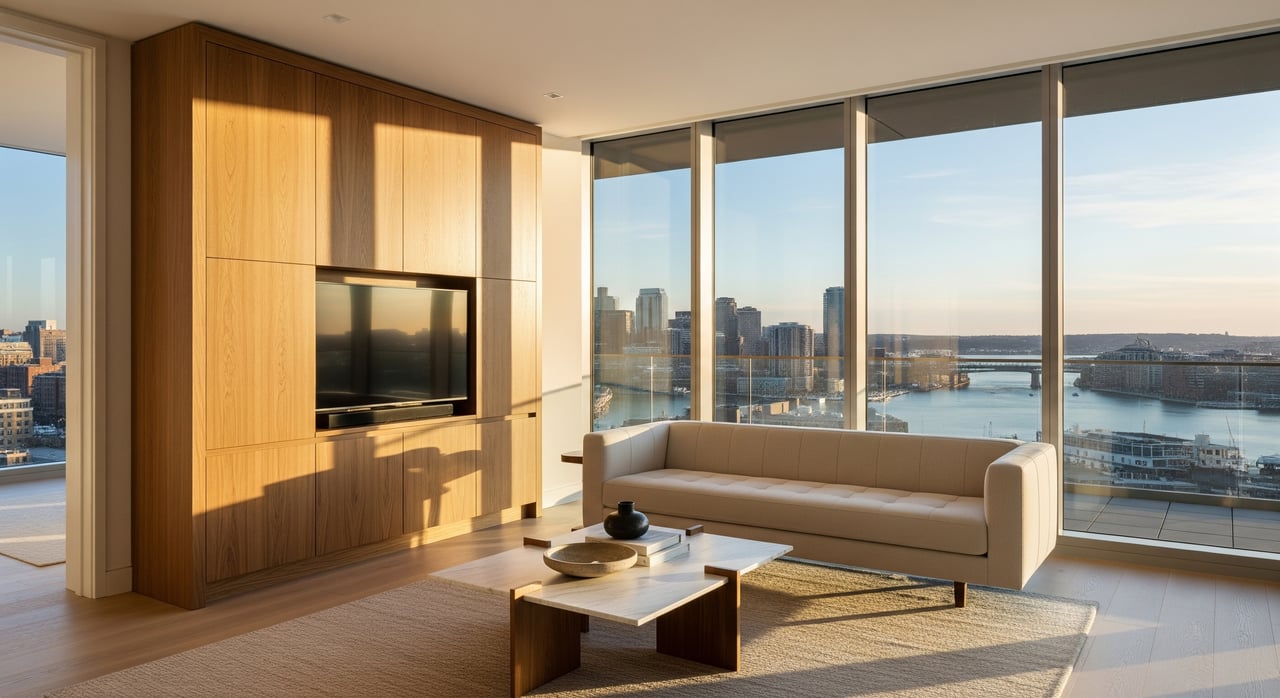
The appeal here is often about character first. Many listings feature details like high ceilings, original moldings, wide-pine floors, fireplaces, private patios, decks, roof decks, or enclosed outdoor areas, as shown in recent Gaslight-area listing examples. In many cases, buyers are choosing between homes with very different layouts, renovation levels, and outdoor space rather than comparing cookie-cutter floor plans.
That means your search should go beyond bedroom count and square footage. In this neighborhood, layout efficiency, natural light, condition, and outdoor space can matter just as much as size on paper.
What Buyers Can Expect to Pay
Charlestown remains a competitive market. As of March 2026, Zillow’s Charlestown market data shows a typical home value of $999,283, a median list price of $1,000,828, 31 homes for sale, and a median 11 days to pending. Other market sources in the research also point to a seller-leaning environment, with homes often moving quickly and near asking price.
For Gaslight District buyers specifically, price usually tracks with size, renovation quality, and especially parking. Based on the recent examples in the research, a useful working range looks like this:
| Home type | Illustrative price range |
|---|---|
| Smaller studio or 1-bedroom units | About $520K to $700K |
| Many 2-bedroom condos and duplexes | About $850K to $1.31M |
| Larger 3-bedroom townhouse-style homes | Into the high $1M range |
| Larger 4-bedroom or single-family homes | Around $1.94M and up in some cases |
These are not official pricing bands, but they are helpful reality checks based on recent examples. They show why this area can feel accessible at the lower end for smaller condos, while larger and more polished historic homes quickly move into seven-figure territory.
Why Pricing Varies So Much
Two homes on nearby blocks can have very different values. That is normal in the Gaslight District because inventory here is highly individual. The factors that most often shift price include:
- Renovation level
- Outdoor space
- Number of floors and layout flow
- Natural light
- Single-family versus condo ownership structure
- Parking availability
- Degree of preserved historic detail
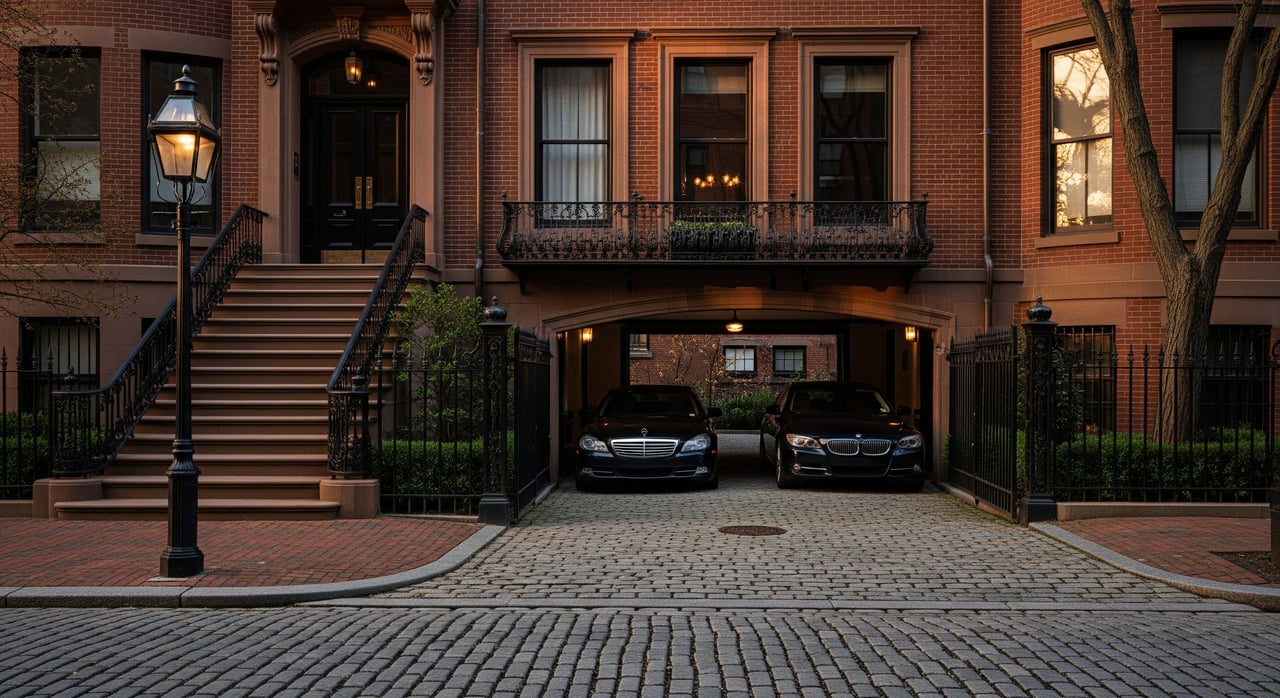
Parking deserves special attention. Current local examples show everything from no parking at all to deeded parking, detached garage parking, and even two-car garage setups in certain homes. As a result, parking is often a major value driver rather than a standard feature.
Renovation Questions to Ask Early
Older housing stock is part of the charm here, but it also means you should do more homework before you buy. If you are considering a home that needs exterior work, an addition, or a roof-deck update, it is smart to investigate approval requirements before you commit.
Charlestown’s Neighborhood Design Overlay District under Article 62 is intended to protect neighborhood scale, pedestrian character, and concentrations of historic buildings. Design review can be triggered by changes to roof shape, cornice line, street wall height, building height, additions over 300 square feet, and certain changes to massing or door and window openings.
The Boston Landmarks Commission’s guidance adds another layer buyers should understand. In a local historic district or for an individually landmarked building, exterior changes visible from the street require approval, and zoning approval does not replace Landmarks approval.
For you as a buyer, the practical takeaway is simple: verify past work and understand future limitations. If a property’s value to you depends on changing windows, altering the façade, adjusting the roofline, adding a deck, or expanding square footage, you want clarity before closing, not after.
Parking and Daily Life Matter
A beautiful home can feel very different once you factor in daily logistics. In Charlestown, parking is one of the biggest quality-of-life variables, especially in the more historic blocks where off-street parking is limited.
Boston’s resident parking permit rules are neighborhood-specific. A resident permit is required for resident-only spaces, but it does not override street cleaning, snow emergencies, meters, construction zones, or temporary no-parking signs. The city also notes that it is not currently accepting petitions for new resident parking locations, and the expansion program is on pause.
That matters because street cleaning and day-to-day parking constraints are part of the ownership experience in Charlestown. If a listing does not include deeded or garage parking, you should treat that as a meaningful lifestyle consideration, not a minor detail.
How Charlestown Compares on Value
Gaslight District buyers are usually not looking for bargain-basement pricing. They are looking for a specific blend of historic charm, central Boston access, and a more residential rowhouse setting.
Based on Redfin’s Boston market comparison data, Charlestown’s median sale price sits above the citywide median but generally below or near some of Boston’s priciest core neighborhoods, such as Back Bay and the South End. That is part of the value equation. You are often paying a premium for character and location, but not always at the same level as trophy inventory in some nearby neighborhoods.
For many buyers, that makes the Gaslight District compelling. You get historic housing stock, an established neighborhood feel, and homes with individuality, often at a price point that compares favorably with some of Boston’s highest-priced central markets.
Smart Tips for Gaslight District Buyers
If you are planning a purchase here, a focused strategy helps. The homes are too varied, and the market can move too quickly, for a broad or casual approach.
Here are a few smart ways to prepare:
- Define your must-haves early, especially parking, outdoor space, and renovation tolerance.
- Look closely at ownership structure, since condo and single-family properties can involve very different responsibilities.
- Ask questions about any visible exterior changes, especially windows, decks, rooflines, and additions.
- Be realistic about usable space. In older homes, layout often matters more than gross square footage.
- Move quickly when a well-priced property checks your boxes, since Charlestown inventory can go pending fast.
The Bottom Line for Buyers
Charlestown’s Gaslight District appeals to buyers who want more than just an address. It offers classic Boston architecture, highly individual homes, and a neighborhood feel that stands out in the city. At the same time, buying here takes nuance because pricing, parking, layout, and renovation rules can all change the equation.
If you want help evaluating fit, value, and opportunity in Charlestown, connect with Morgan Franklin. A personalized market consultation can help you narrow the right blocks, understand the tradeoffs, and move with confidence when the right property comes to market.
FAQs
What is Charlestown’s Gaslight District?
- It is a commonly used name for the historic interior blocks around City Square and Monument Square in Charlestown, including streets such as Main, High, Park, Warren, Washington, Chestnut, and Pleasant.
Are homes in Charlestown’s Gaslight District all officially protected historic properties?
- No. Buyers should not assume the entire area is already a fully designated historic district, and city materials show Monument Square is currently in a local landmark district study process.
What types of homes are common in Charlestown’s Gaslight District?
- Buyers typically see brick rowhouse condo conversions, duplexes, penthouses, townhouse-style homes, and a smaller number of single-family properties.
What is the typical price range for Charlestown’s Gaslight District homes?
- Recent examples suggest smaller units can start around the low-to-mid $500Ks, while larger renovated townhouses and single-family homes can reach the high $1Ms and beyond.
Why is parking so important when buying in Charlestown’s Gaslight District?
- Parking can significantly affect both value and day-to-day convenience because some homes offer deeded or garage parking while others rely entirely on resident street parking rules.
What should buyers know about renovations in Charlestown’s Gaslight District?
- Buyers should review any past or planned exterior work carefully because design review or Landmarks approval may apply depending on the property and the type of changes involved.