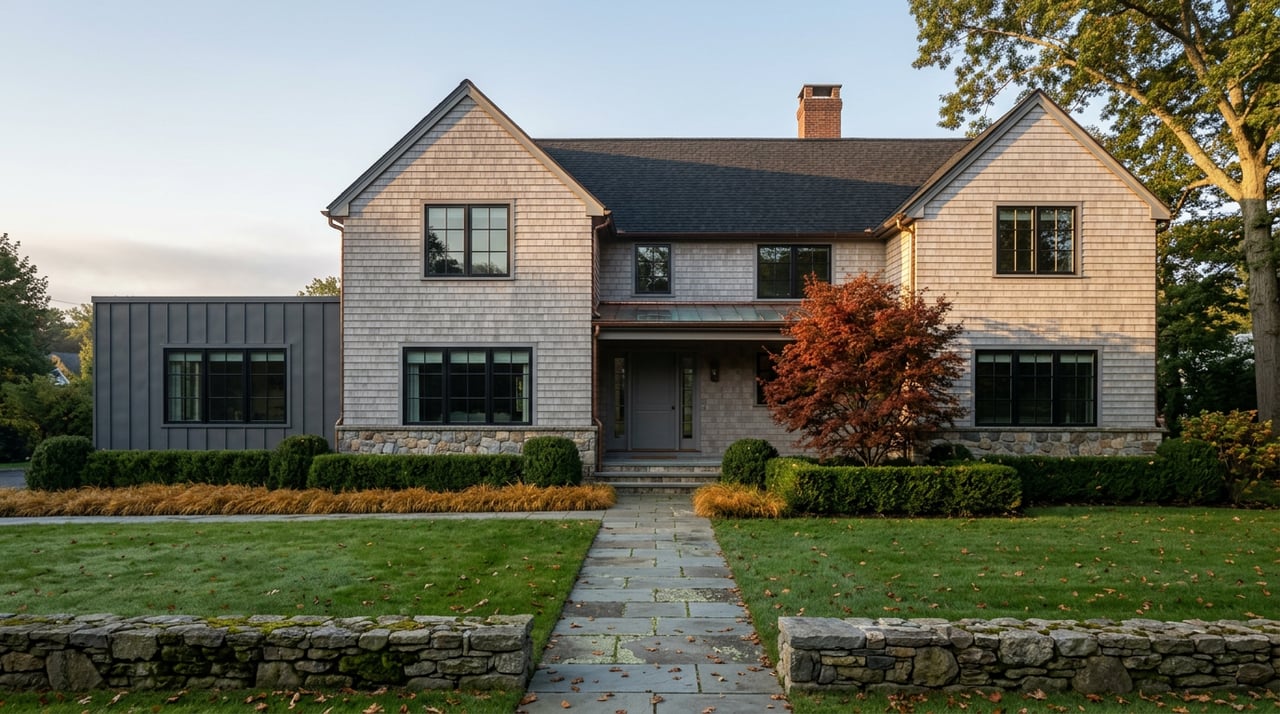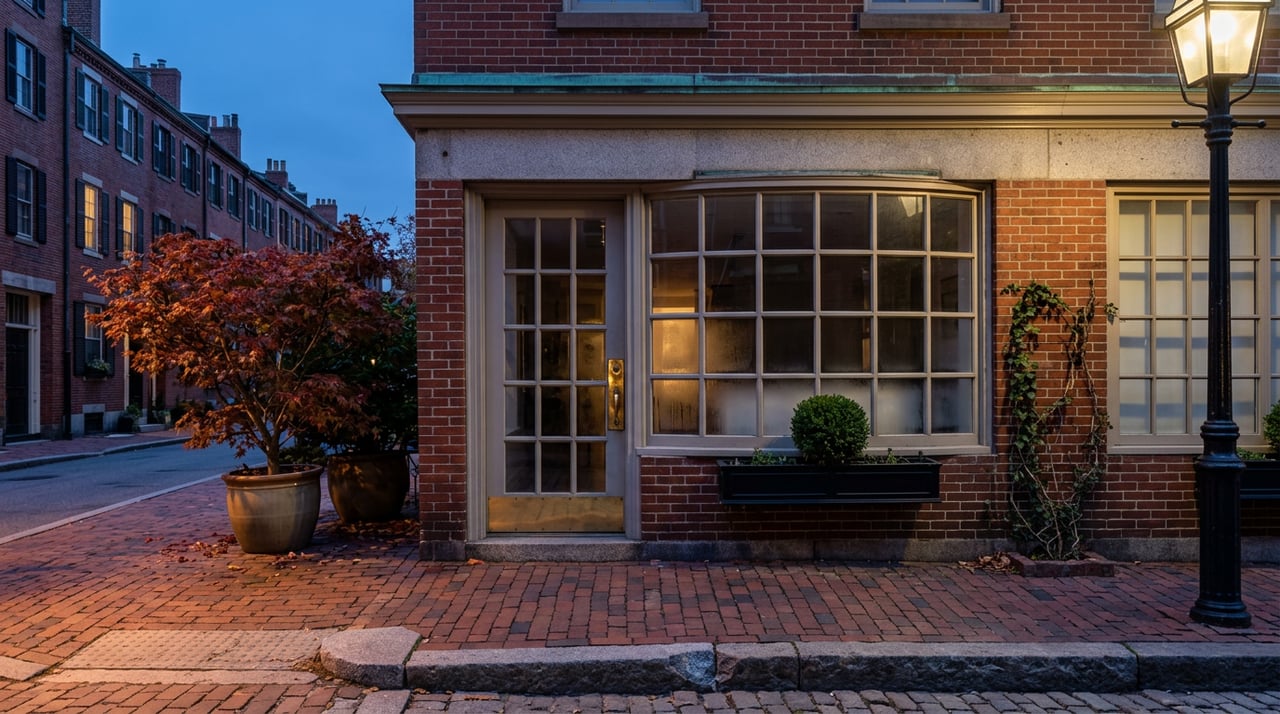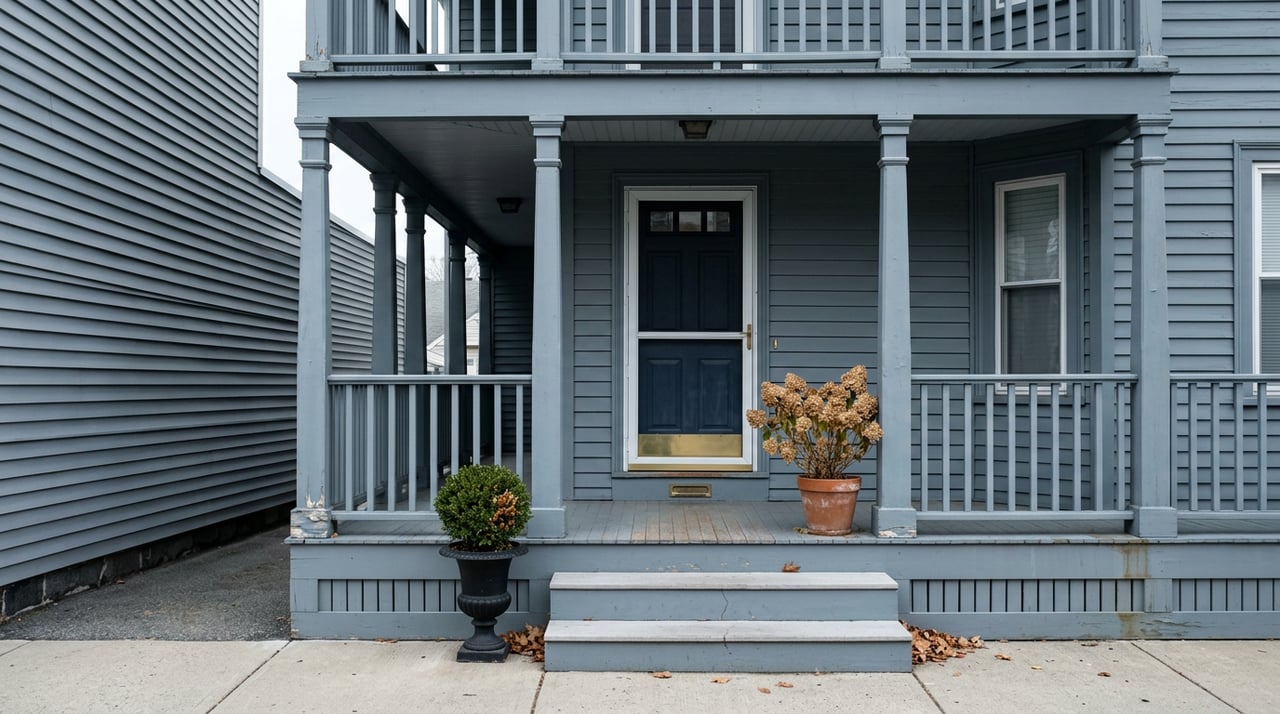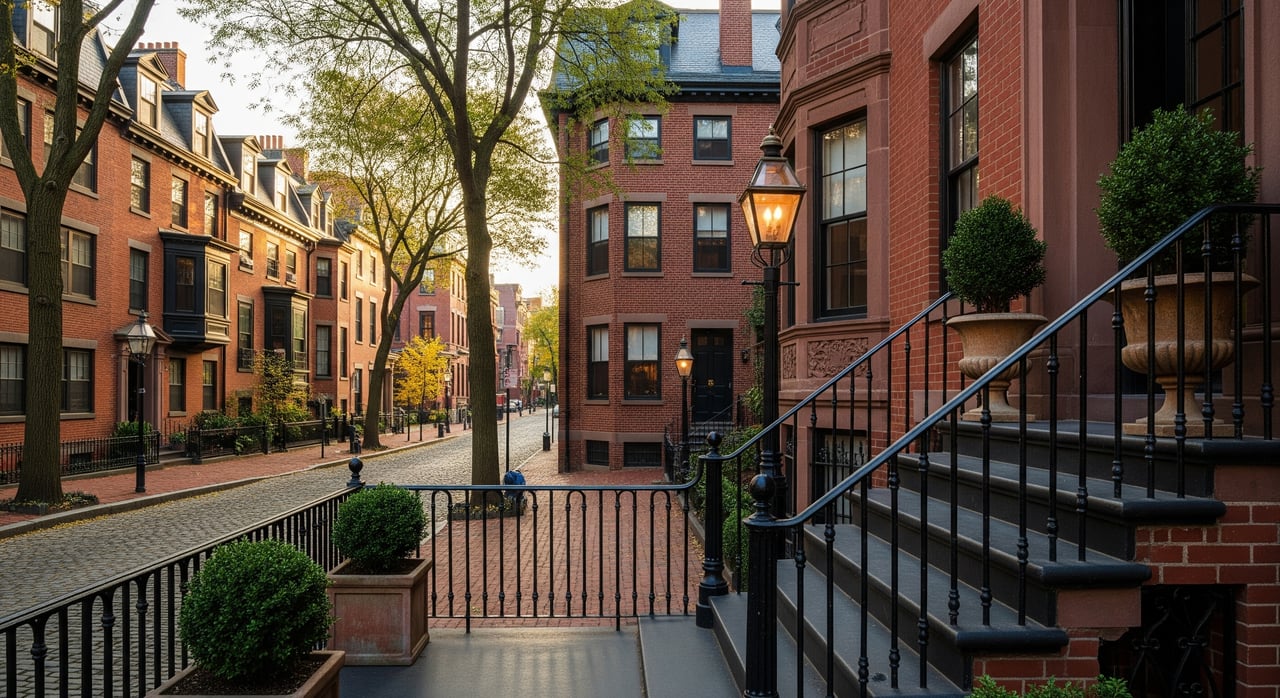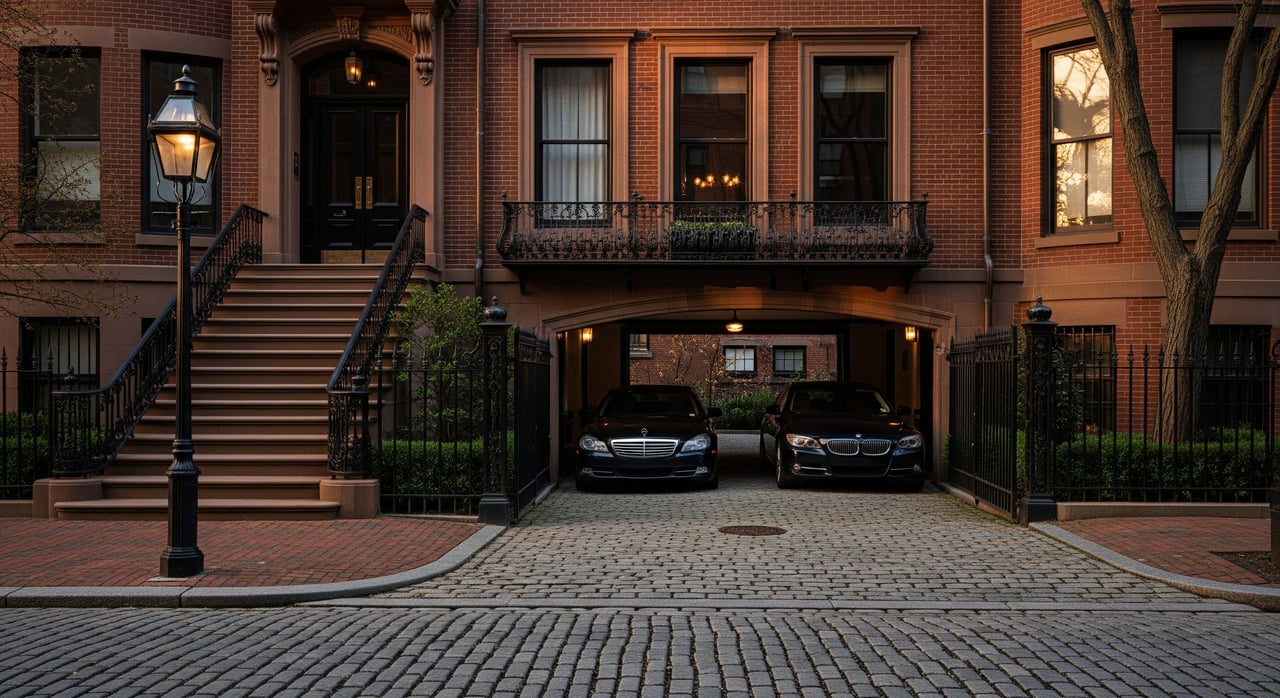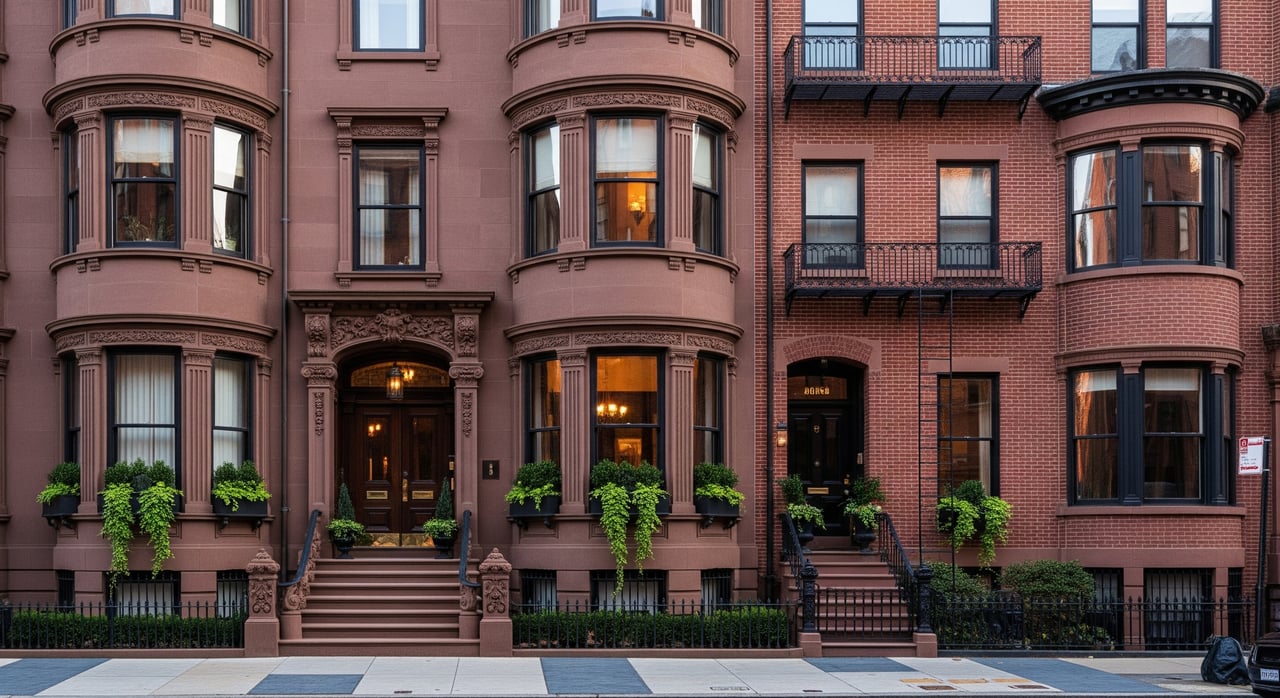
Buying in Beacon Hill can feel simple at first glance. You see brick row houses, elegant doors, and gas lamps, and it is easy to assume every home works the same way. In reality, Beacon Hill buyers often face one of the neighborhood’s biggest challenges: a home may look like a townhouse from the street but be legally structured as a condo, part of a small association, or a single-family property. This guide will help you understand the difference, what those differences mean for ownership and upkeep, and what to watch for before you make an offer. Let’s dive in.
Beacon Hill Homes Look Similar
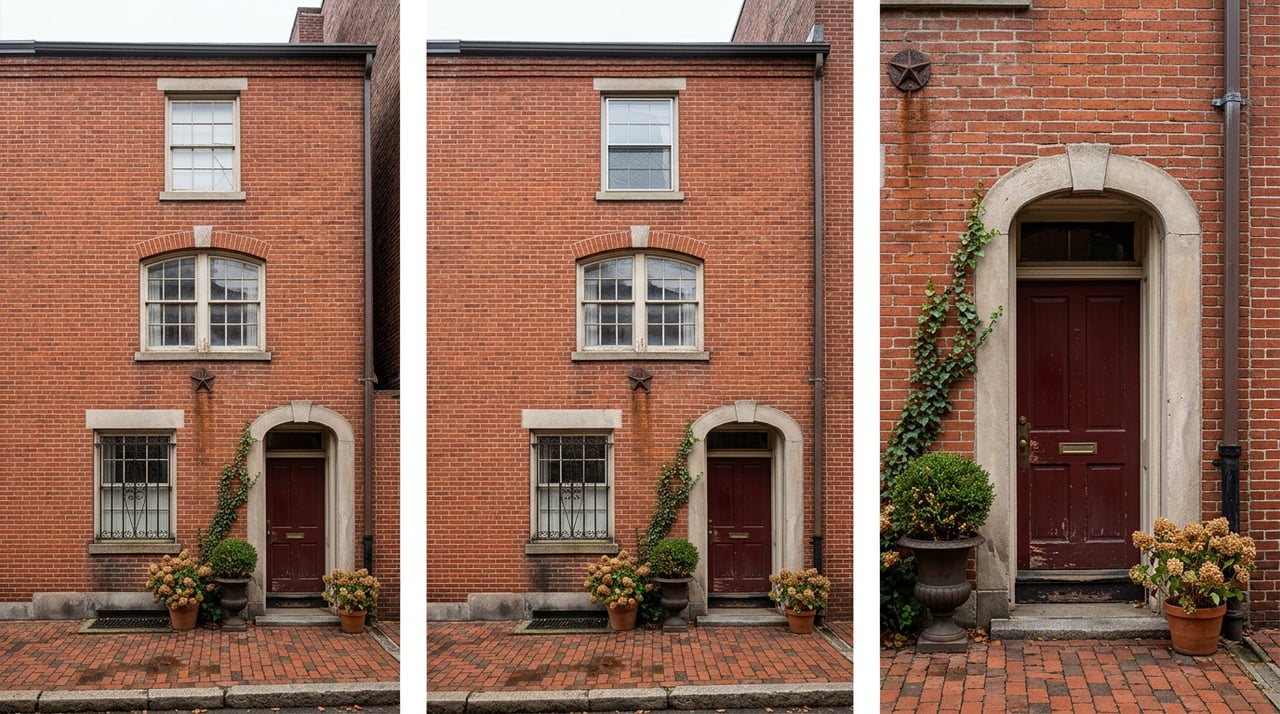
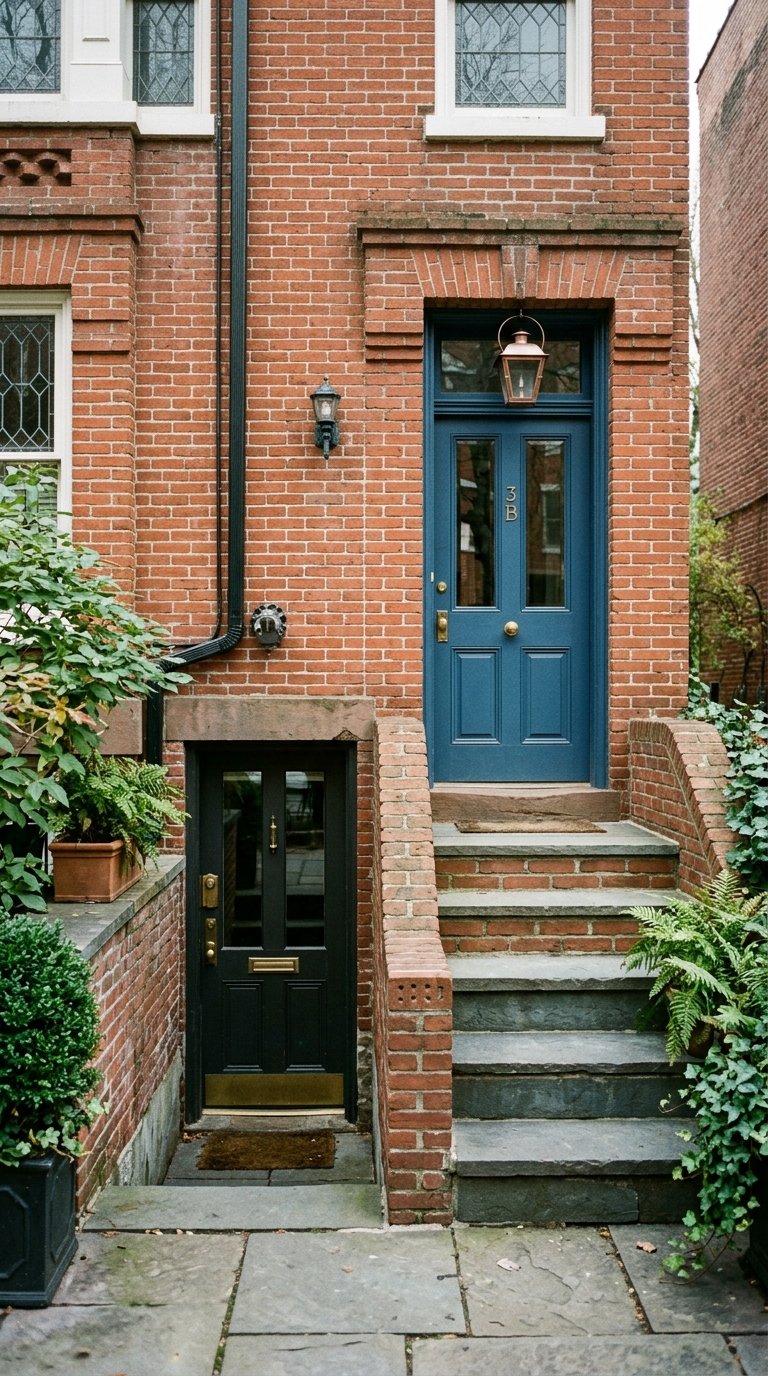
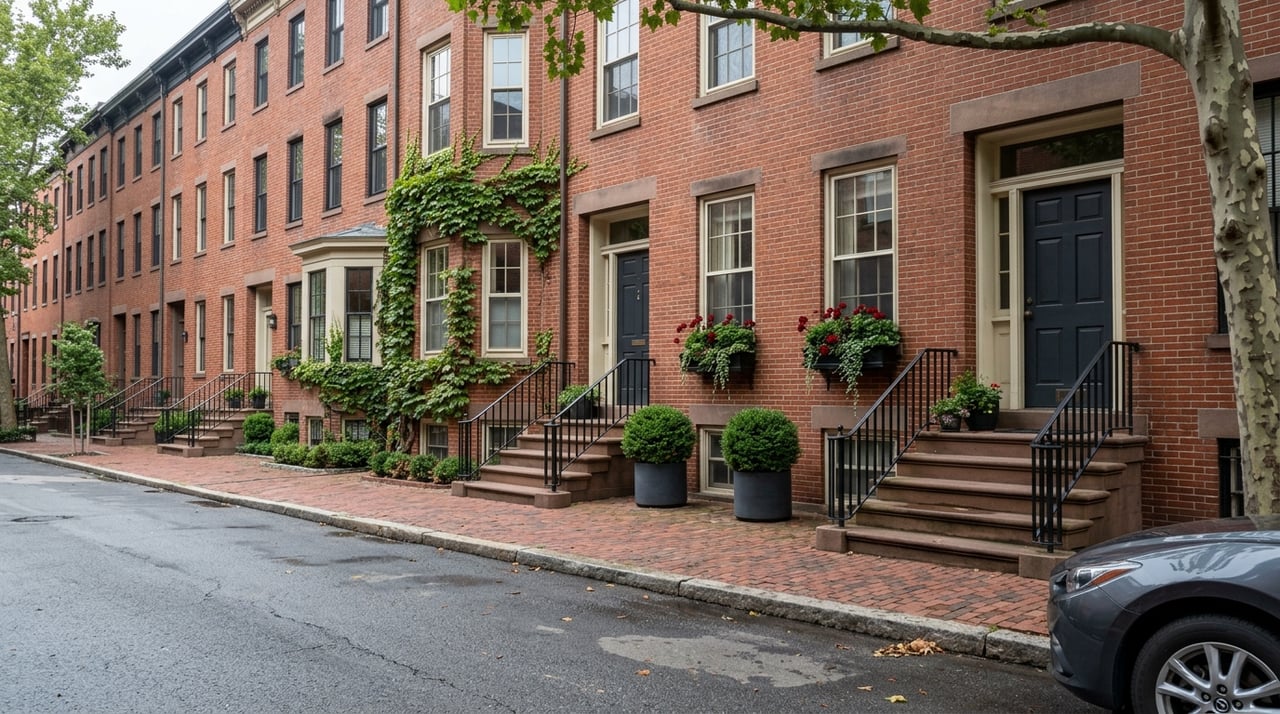
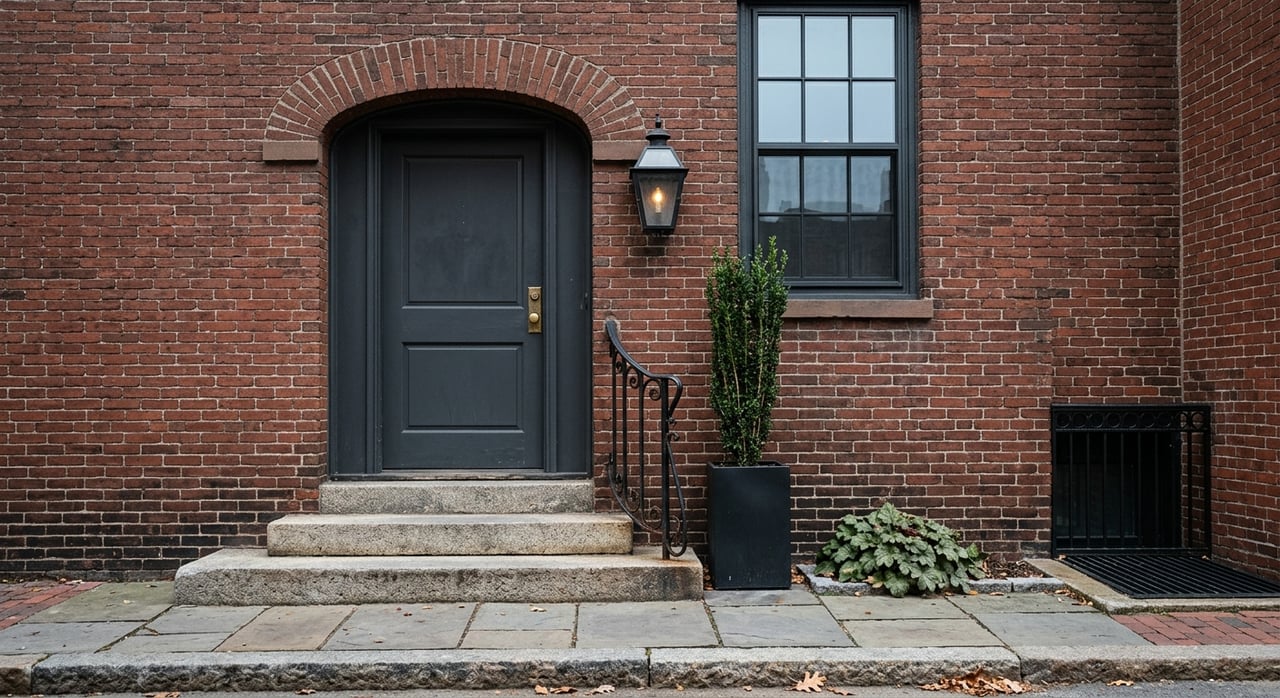
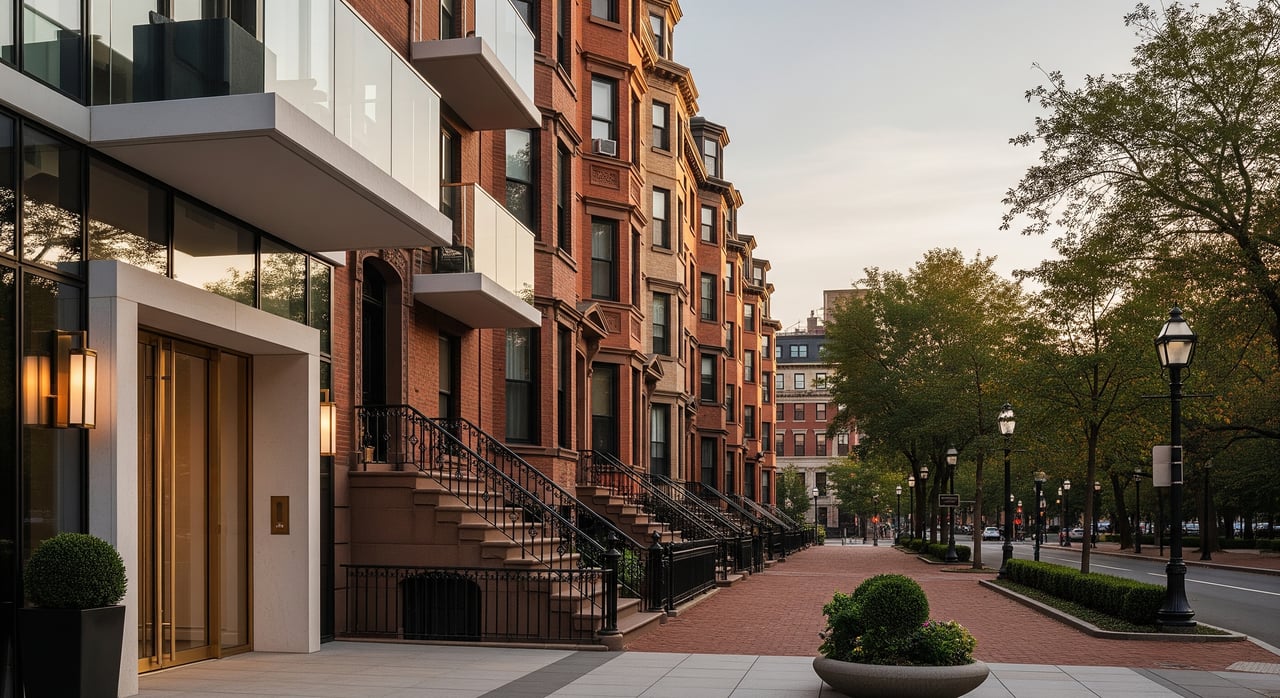
Beacon Hill is one of Boston’s oldest neighborhoods, and the City of Boston describes it as a place defined by brick row houses, narrow streets, brick sidewalks, ornate doors, decorative ironwork, and gas lamps. It is also home to the Massachusetts State House and the Boston African American National Historic Site.
That historic character shapes the buying experience in a real way. The Historic Beacon Hill District was established in 1955 and has expanded several times since, most recently in 2024. Because of that protected status, exterior changes visible from a public way are subject to review by the Beacon Hill Architectural Commission.
Beacon Hill Pricing Ranges Widely
Beacon Hill offers a broad range of price points, even within a compact neighborhood. As of June 30, 2026, Zillow reported an average home value of $1,086,818, a median list price of $1,690,300, and 107 homes for sale.
Redfin reported a median sale price of $1,271,572 for the three months ending May 2026, with median days on market of 37. Redfin also reported 56 condos for sale at a median listing price of $1.09M. In practice, current listings and recent sales range from smaller units under $500,000 to townhouse-style residences selling for several million dollars.
Townhome Vs Condo In Beacon Hill
What Buyers Usually Mean By Townhome
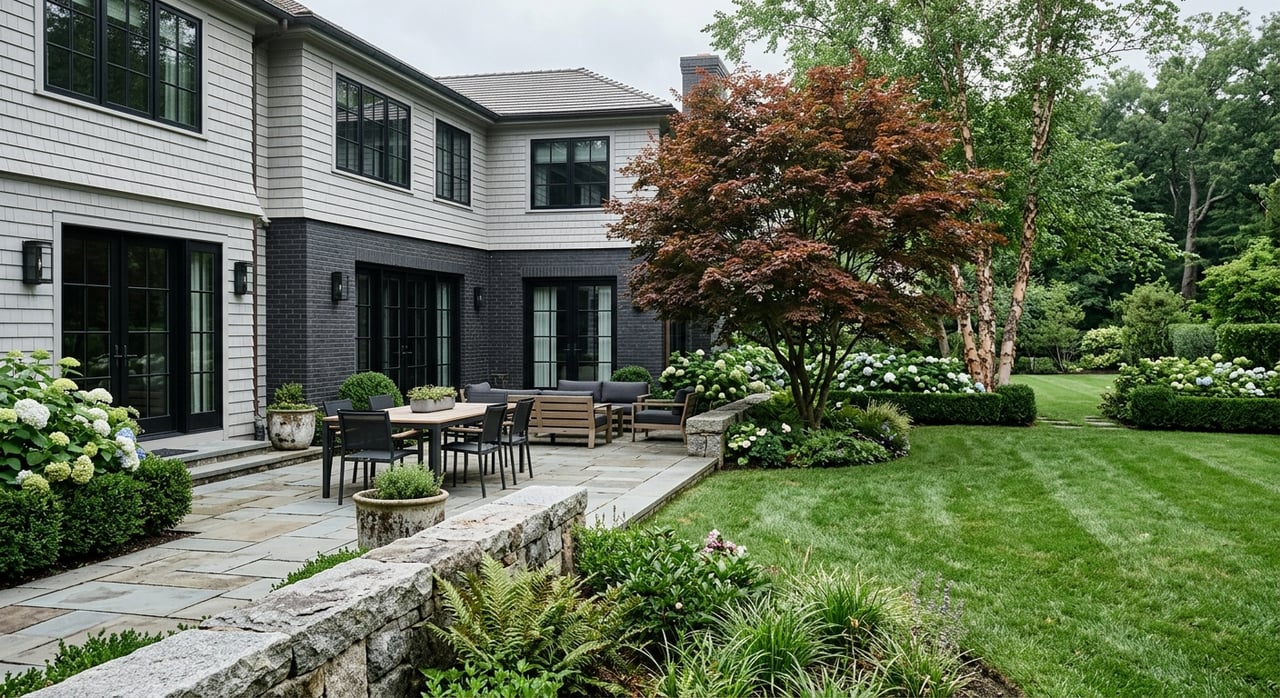
In Beacon Hill, a “townhome” often refers to a multi-level rowhouse or brownstone with a more house-like layout. These homes may offer features like several floors of living space, direct entry, private outdoor space, fireplaces, terraces, or even an elevator.
Recent examples in the market show how dramatic that category can be. A property like 90 Mount Vernon Street sold for $6.7 million and was described as a quintessential Beacon Hill townhouse with a private garden, a 40-foot terrace, seven fireplaces, and an elevator to all levels.
Why The Legal Structure Matters
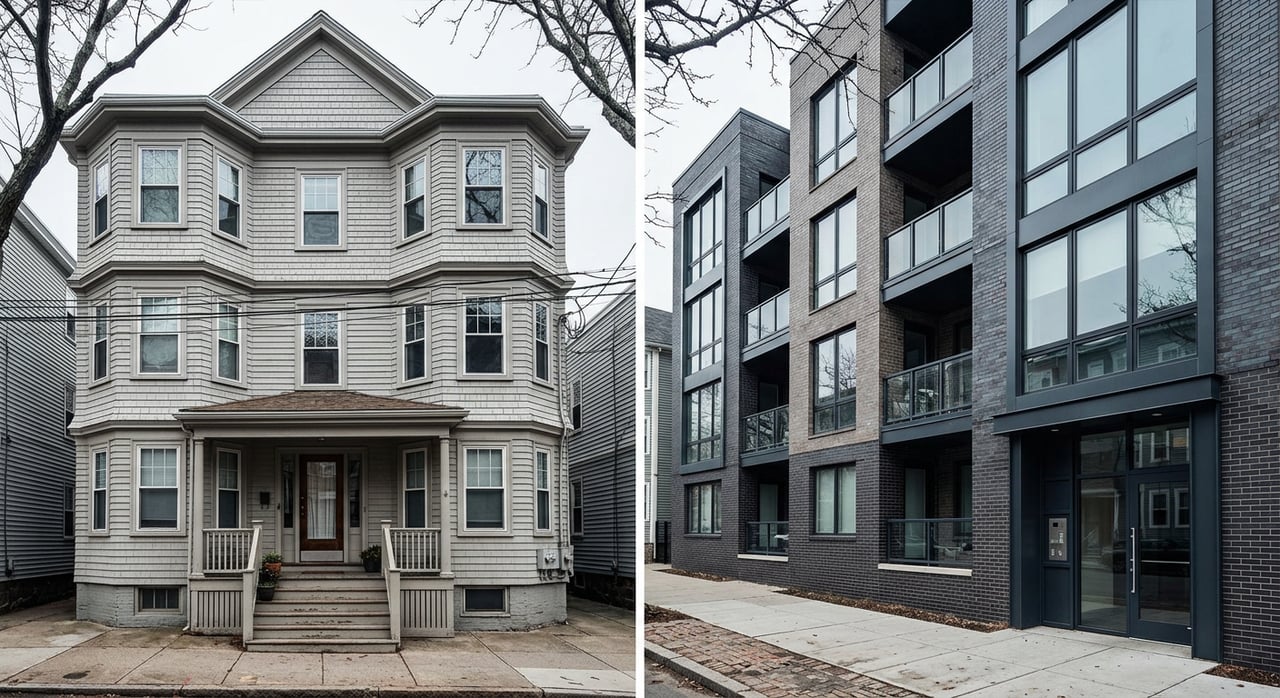
This is where buyers need to slow down. A home that looks like a full townhouse may still be a condominium or part of a very small association.
For example, recent listing descriptions show that some restored brownstones have been divided into two-unit or five-unit associations. That means the exterior appearance may suggest single-family ownership, but the legal rights and shared responsibilities can be very different.
How Massachusetts Defines A Condo
Under Massachusetts Chapter 183A, a condominium is created by recording a master deed. That master deed defines the condominium, the unit, and the common areas.
The law also explains that certain features can be limited common areas if the master deed says so. That can include items like balconies, terraces, or storage lockers. In other words, a feature may feel private in daily use, but the ownership and maintenance rules still depend on the condo documents.
Common Beacon Hill Condo Layouts
Floor-Through Condos
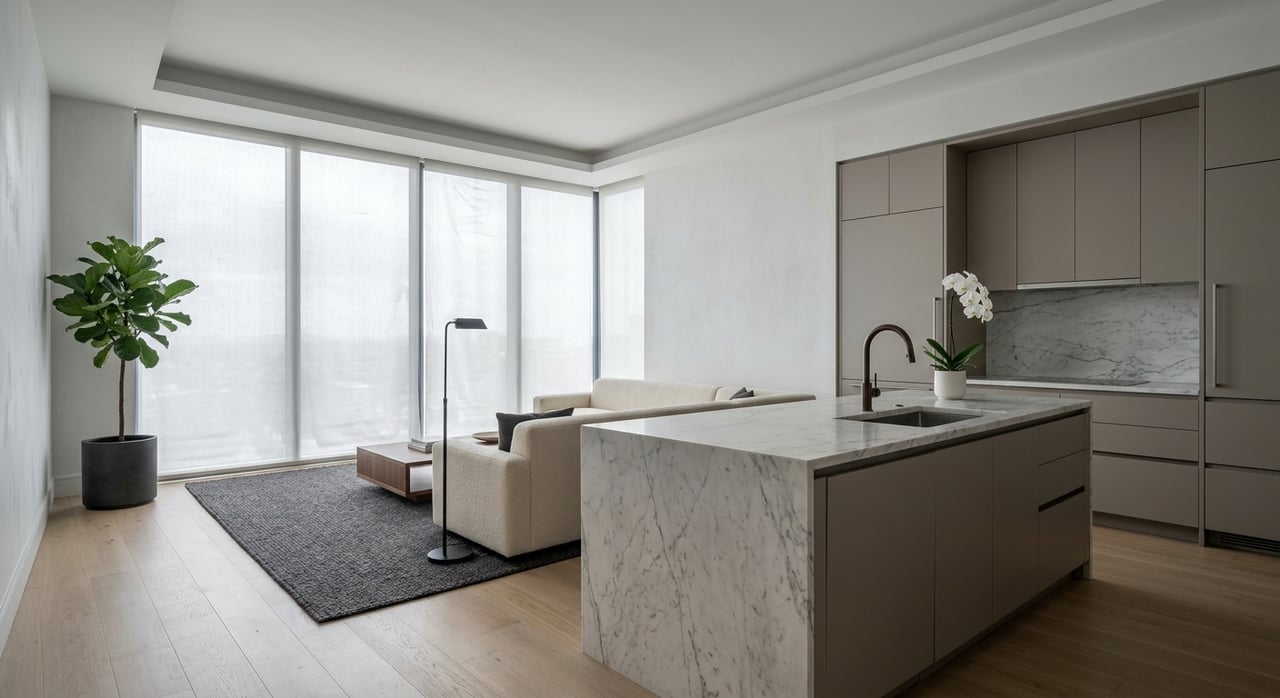
Floor-through condos are common in Beacon Hill and can be one of the easiest layouts to understand. These homes often run from the front of the building to the back, which may allow for multiple exposures and better natural light.
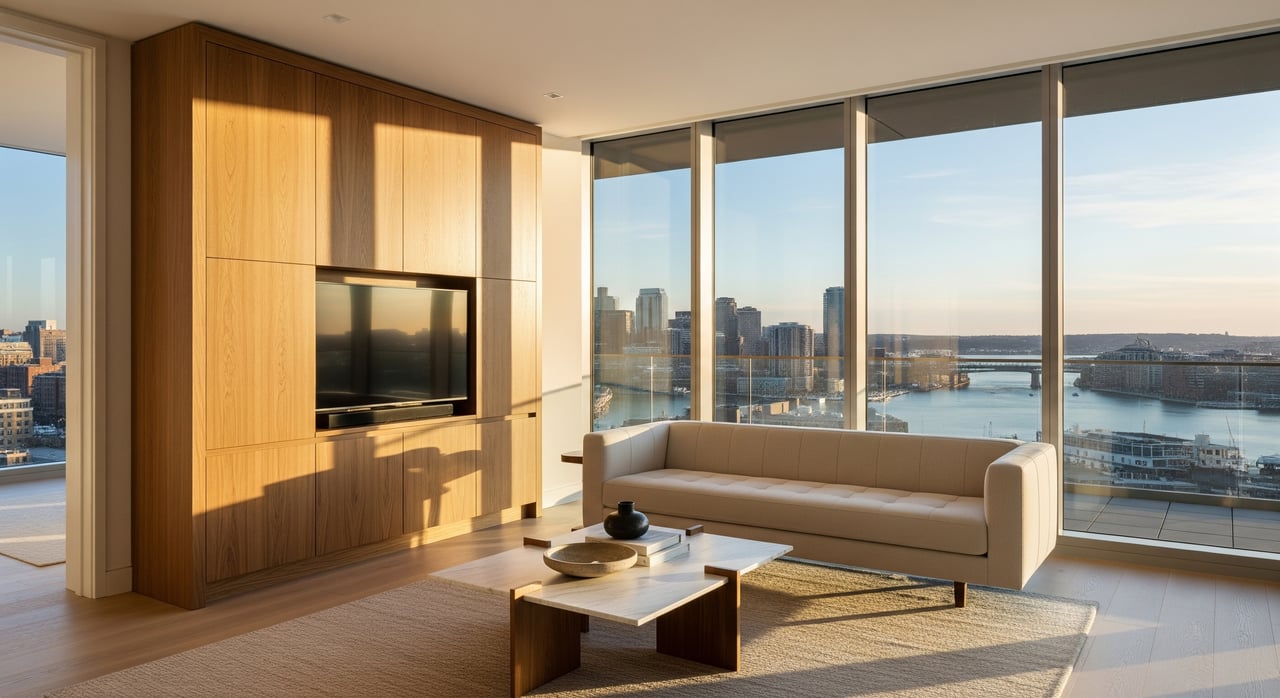
Current listing descriptions highlight why buyers like them. Some are marketed with oversized windows on both exposures, while others emphasize direct elevator access, roof deck access, balconies, or three-exposure layouts that bring in more light.
Garden-Level Units
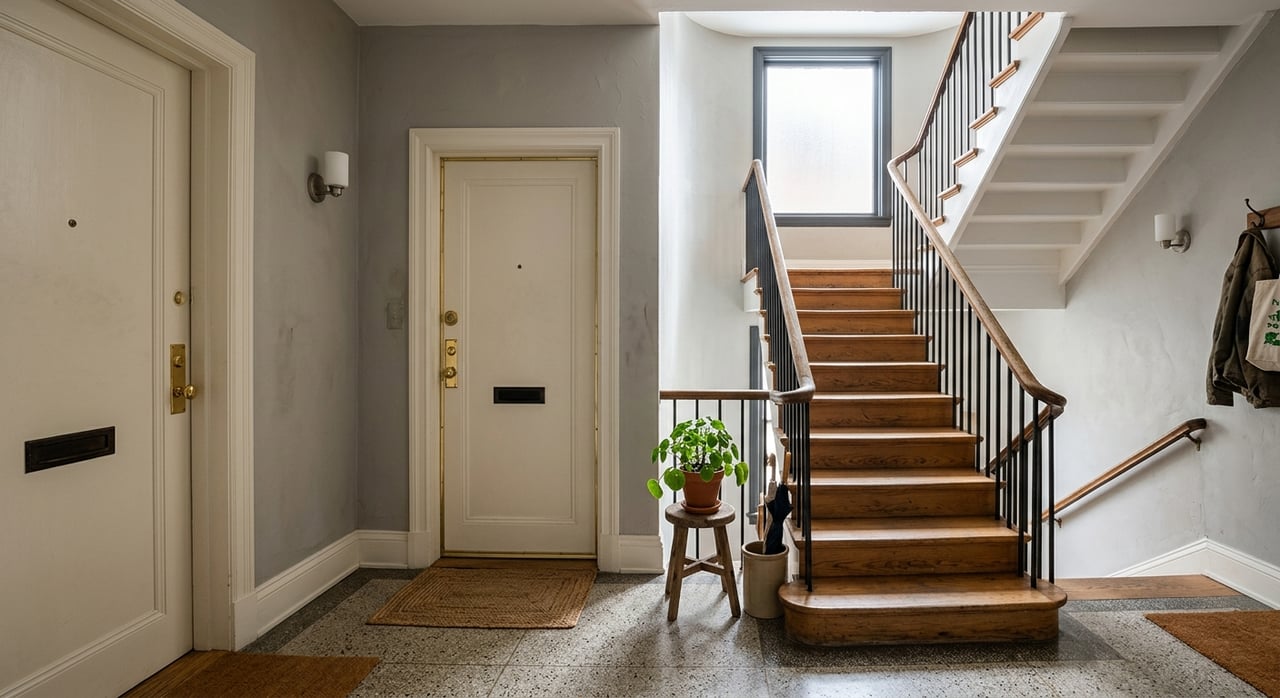
Garden-level units can be a more accessible entry point into Beacon Hill. They may offer perks like private entrances and original architectural details, but buyers should take a close look at how much of the space is above grade, how much natural light the home gets, and how the ceiling height feels in person.
Photos can be helpful, but they do not always tell the full story. In Beacon Hill, the day-to-day feel of a garden-level home can differ a lot from a floor-through residence higher in the building.
House-Like Condo Units
Some Beacon Hill condos are designed or marketed to “live like” a single-family home. These homes may include direct access, a private front entrance, and private outdoor spaces.
That can be a great fit if you want the character of a brownstone with less than full-building responsibility. Still, you will want to verify exactly what is deeded to you, what is shared with other owners, and what falls under limited common use.
Historic Rules Shape Ownership
Exterior Changes Are More Regulated
Beacon Hill’s protected status affects more than curb appeal. The City of Boston says exterior work visible from a public way must go through Beacon Hill Architectural Commission review, and public-way viewpoints can include places like Boston Common, the Public Garden, Storrow Drive, the Charles River Esplanade, and the Longfellow Bridge.
That means exterior updates are not just a design choice. They may require approval depending on visibility and scope.
What The Guidelines Emphasize
The district’s design guidelines strongly favor preserving original exterior character. They say original rooflines, dormers, chimneys, windows, doors, masonry, and other historic elements should be retained where possible.
The guidelines also state that vinyl-clad sash is not permitted. They further say that roof decks and deck enclosures visible from a public way are inappropriate, and HVAC, solar, telecom, and similar equipment must be installed so they are not visible from a public way.
Why Renovated Interiors Are Still Common
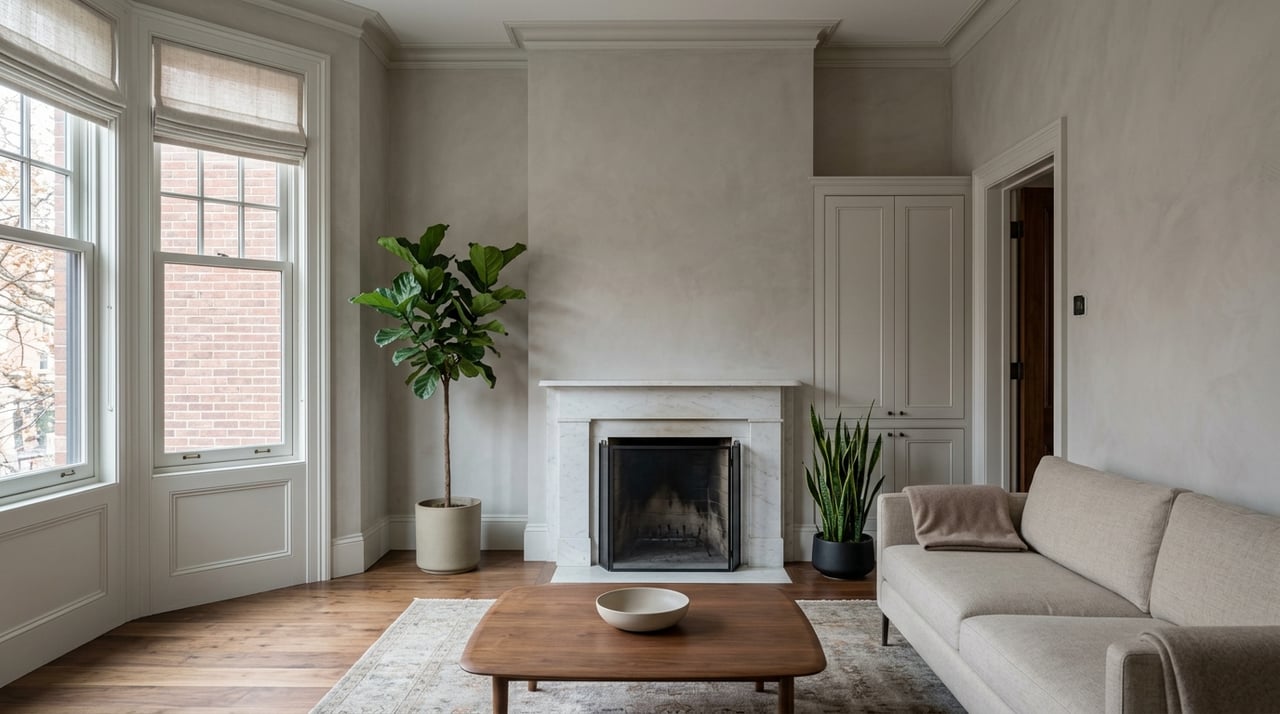
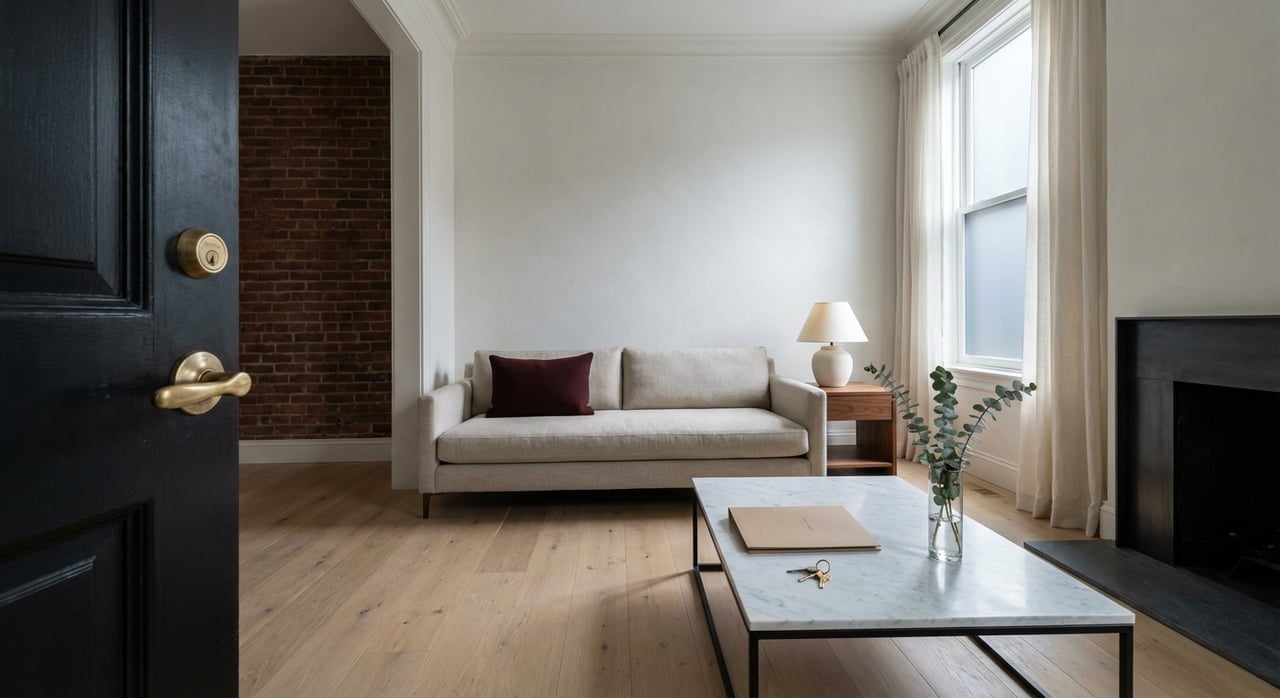
These rules do not mean Beacon Hill homes are stuck in the past inside. Recent listings show that homes can be extensively restored and modernized while still preserving the exterior character expected in the district.
For buyers, that creates a useful lens. You can find residences with updated interiors and modern conveniences, but exterior flexibility may be more limited than in other Boston neighborhoods.
What To Review Before You Buy
Ask What Is Deeded
One of the most important questions in Beacon Hill is simple: what exactly are you buying? In a condo or small association, you should confirm what is part of the unit, what is a common area, and what is a limited common area.
This matters for features buyers often care about most, including roof decks, balconies, terraces, storage, and parking. The answer should come from the master deed, bylaws, deed, and related condominium documents.
Review Association Operations
Massachusetts says condominiums are privately owned and governed through the master condominium documents, the deed, the bylaws, and Chapter 183A. It also notes that questions about condo law and unit-owner rights should be directed to a real estate attorney.
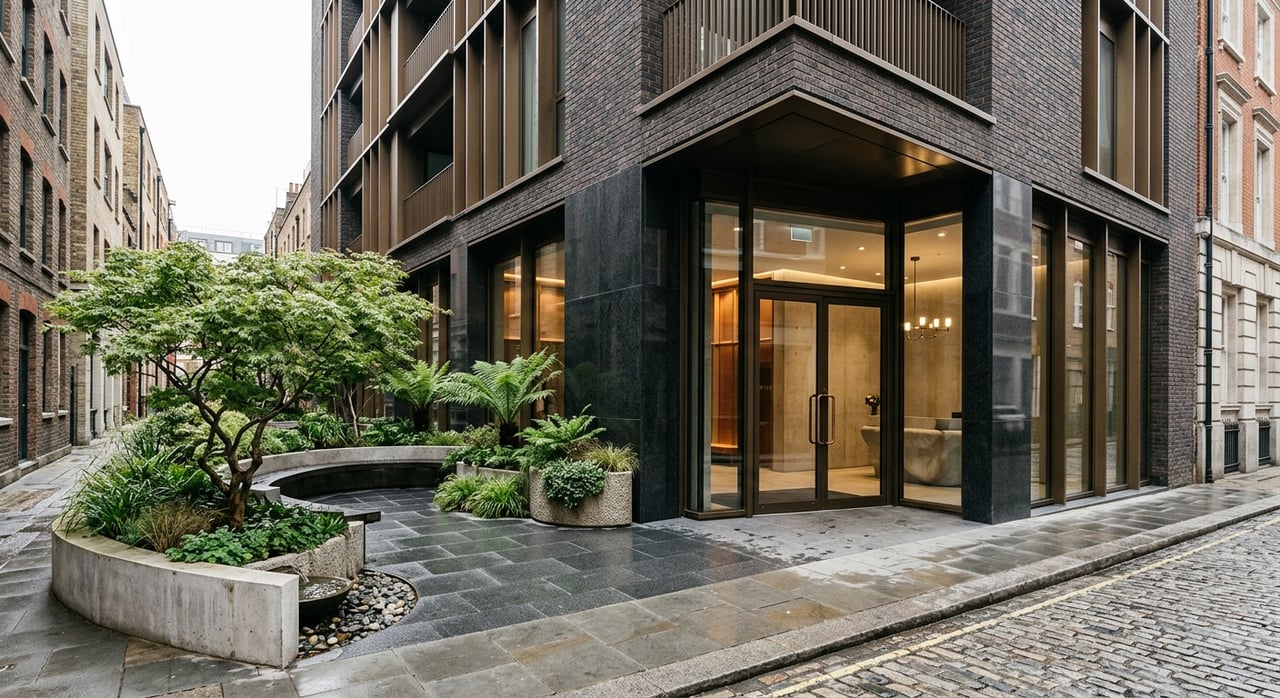
From a practical buyer perspective, it helps to review how the association functions day to day. Current Beacon Hill listings show a mix of self-managed small associations and professionally managed elevator buildings, and that difference can affect budgeting, maintenance coordination, and decision-making.
Check Reserves And Maintenance
For condo purchases, review the association’s reserve balance, maintenance history, and insurance setup. HUD condo review materials ask for the current reserve account balance and whether required maintenance is complete, which gives buyers a useful checklist for evaluating building health.
You should also understand what the association’s master insurance covers and what coverage you would need for your own unit. Association fees may include master insurance for common areas, but unit owners still need their own insurance.
What To Notice At Showings
Light And Exposure
At a showing, verify the home’s exposures and how the light moves through the space. In Beacon Hill, the difference between a floor-through home with front-and-back exposure and a garden-level unit can be significant.
Natural light is not just a cosmetic detail. It shapes how spacious, private, and comfortable the home feels every day.
Above-Grade Living Space
If you are considering a lower-level or garden-level home, confirm how much living area is above grade. This can affect both the feel of the home and your comfort with the layout.
Even when a unit has strong character and a private entrance, above-grade living space is still worth checking carefully in person.
Exterior Work And Approvals
If the seller has changed the exterior, or if you hope to make changes later, confirm whether the required commission approvals were obtained for work visible from a public way. This is especially important for windows, roof elements, decks, and visible mechanical equipment.
In Beacon Hill, buyers should not assume an exterior feature is automatically compliant just because it is already there.
Building Components
During inspection, pay close attention to windows, sash condition, masonry, doors, roof condition, and the location of HVAC or other equipment. Those items matter in any historic property, and they are especially relevant in Beacon Hill because the district guidelines place strong emphasis on original materials and keeping visible alterations limited.
You should also ask whether the property has flooded or been damaged before. Along with that, many buyers choose to make an offer contingent on financing and a satisfactory inspection.
A Smart Beacon Hill Buying Strategy
Beacon Hill rewards buyers who look past the façade and ask sharper questions. The best purchase is not always the one with the most dramatic curb appeal, but the one whose layout, ownership structure, building condition, and historic constraints best fit how you want to live.
Whether you are comparing a full townhouse, a floor-through condo, or a garden-level entry point, clarity matters. When you understand what is private, what is shared, and what the historic district may limit, you can make a more confident decision in one of Boston’s most distinctive neighborhoods.
If you want local guidance on Beacon Hill condos, townhomes, and the details that do not always show up in listing photos, book a personalized market consultation with Morgan Franklin.
FAQs
What is the difference between a Beacon Hill townhome and a Beacon Hill condo?
- A Beacon Hill home may look like a townhouse from the street, but legally it can be a single-family property, a condo unit, or part of a small association. The key difference comes down to the deed and condominium documents, not just the exterior appearance.
What should you review in Beacon Hill condo documents?
- You should review the master deed, bylaws, deed, and any rules that define the unit, common areas, and limited common areas. Pay close attention to features like roof decks, balconies, storage, terraces, and parking.
What are floor-through condos in Beacon Hill?
- Floor-through condos typically run from the front of the building to the back and often offer multiple exposures. Buyers often like them for the added natural light and more balanced layout.
What should you know about Beacon Hill garden-level condos?
- Garden-level condos can be a lower entry point for the neighborhood, but you should verify natural light, ceiling height, privacy, and how much of the living space is above grade.
What exterior rules apply to Beacon Hill homes?
- Exterior work visible from a public way is subject to Beacon Hill Architectural Commission review. The district guidelines emphasize preserving historic exterior elements and limiting visible changes such as roof decks, certain window replacements, and exposed mechanical equipment.
What should you inspect before buying a Beacon Hill condo or townhome?
- You should pay close attention to windows, sash condition, masonry, doors, roof condition, mechanical equipment placement, reserve balances, maintenance history, and the building’s insurance setup.