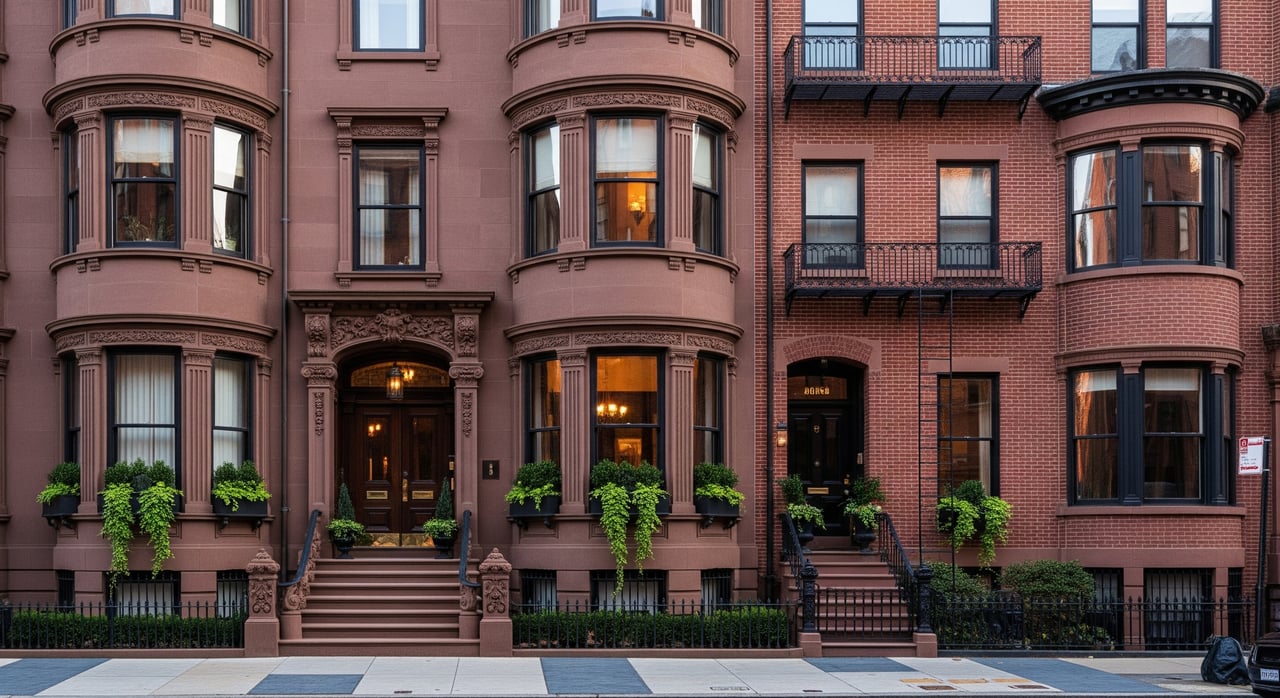
Ask a buyer why North End condos trade for less per square foot than Back Bay's and most will say the same thing: prestige. Back Bay has the brownstones, the Public Garden, the address. North End has the tourists and the tight streets. Case closed.
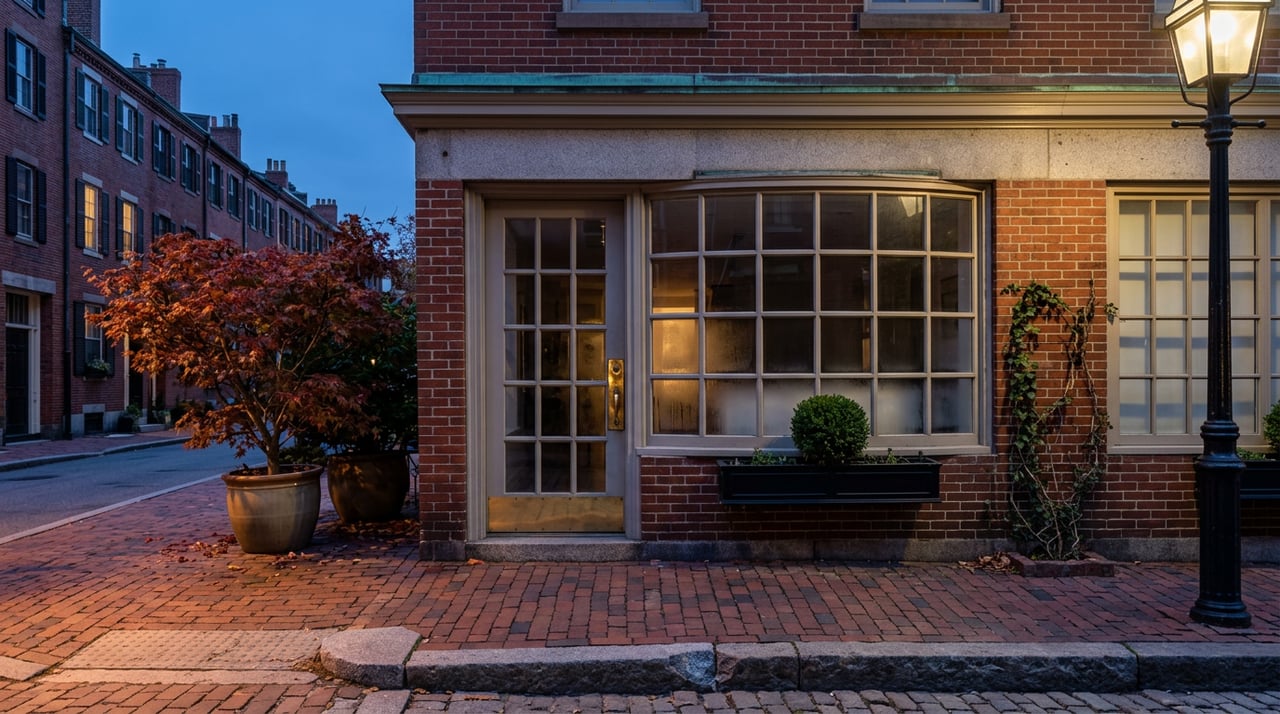
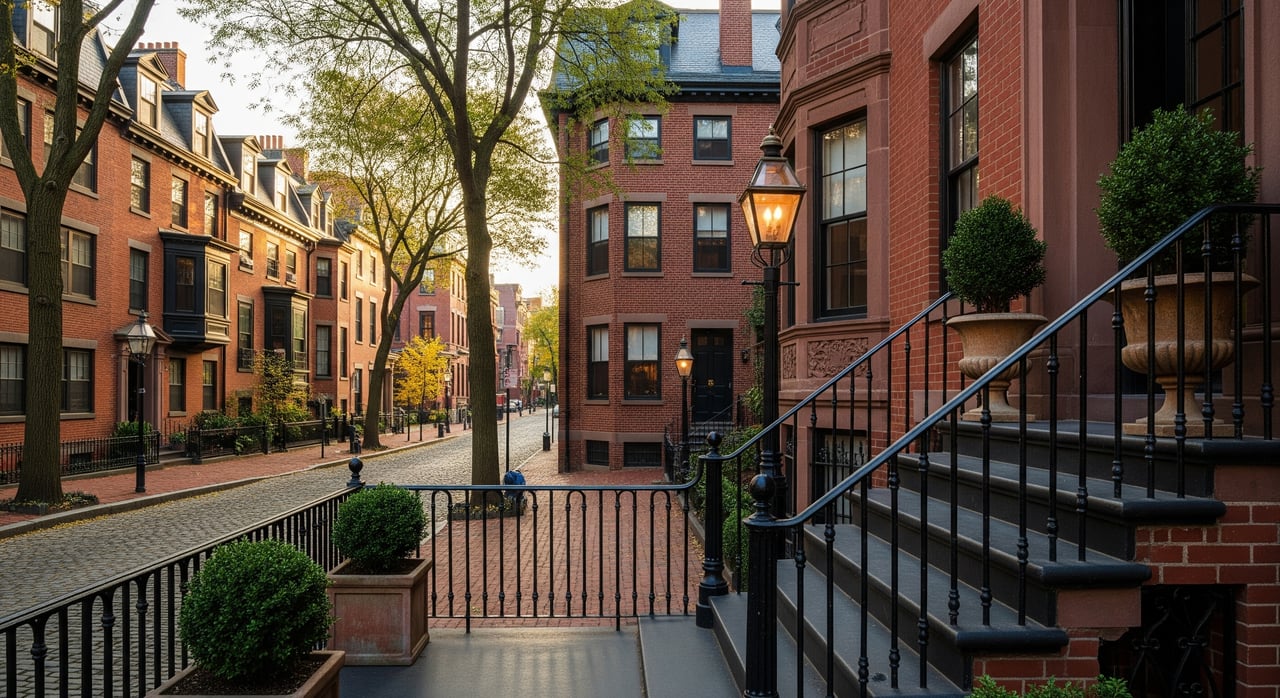
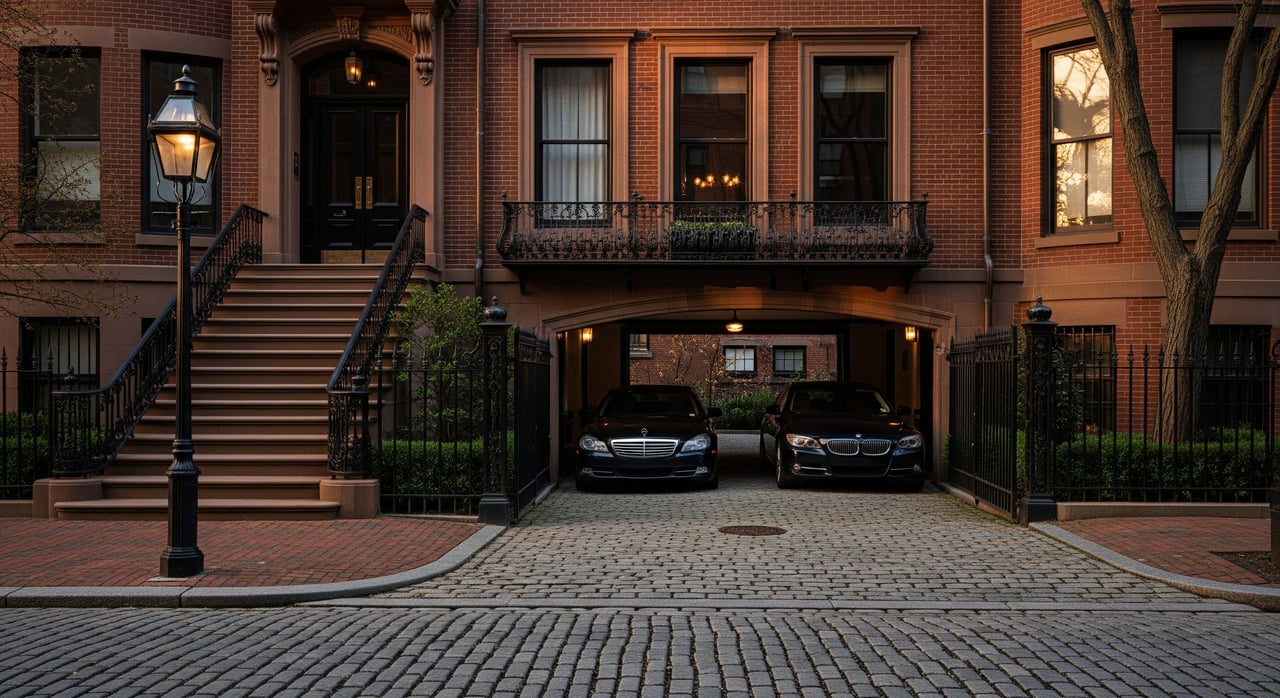
It's a tidy explanation, and it's mostly wrong. Walk both neighborhoods and you'll find North End blocks a five-minute stroll from the harbor with the same brick, the same cobblestone, arguably better light off the water. The gap between the two markets isn't measuring how much anyone loves one neighborhood over the other. It's measuring something much less romantic: whether the building you're buying into has an elevator, a large enough owner base to absorb a bad year, and a roof that hasn't needed attention since the Clinton administration.
What the Numbers Actually Show
Back Bay's median list price per square foot sat at roughly $1,627 in early 2026, according to MLS PIN data compiled by a Beacon Hill-based brokerage. North End's market told a different story over the same stretch. Through the first half of 2026, the average North End condo closed at $838,000 year-to-date, down from $956,000 over the same window a year earlier, per a North End-focused brokerage's market report pulling from the same MLS PIN source. That's a real decline in the average sale price, not a rounding artifact, and it's happening in a neighborhood carrying only 4.7 months of supply, a number that normally favors sellers, not buyers.
A regional per-square-foot survey covering August 2024 through February 2025 put North End's median at $1,010.45 per square foot, with condos there spending a median of 38 days on market, the same pace recorded for Beacon Hill listings in that same window. The gap isn't a symptom of weak demand. Inventory is thin, offers come quickly, and yet the price per square foot lands meaningfully lower than Back Bay's.
That's the part worth sitting with. A neighborhood can have low supply, fast sales, and steady buyer interest, and still price well below its neighbor a ten-minute walk away. When that happens, the discount is telling you something about the product, not the location.
The Building Stock Behind the Number
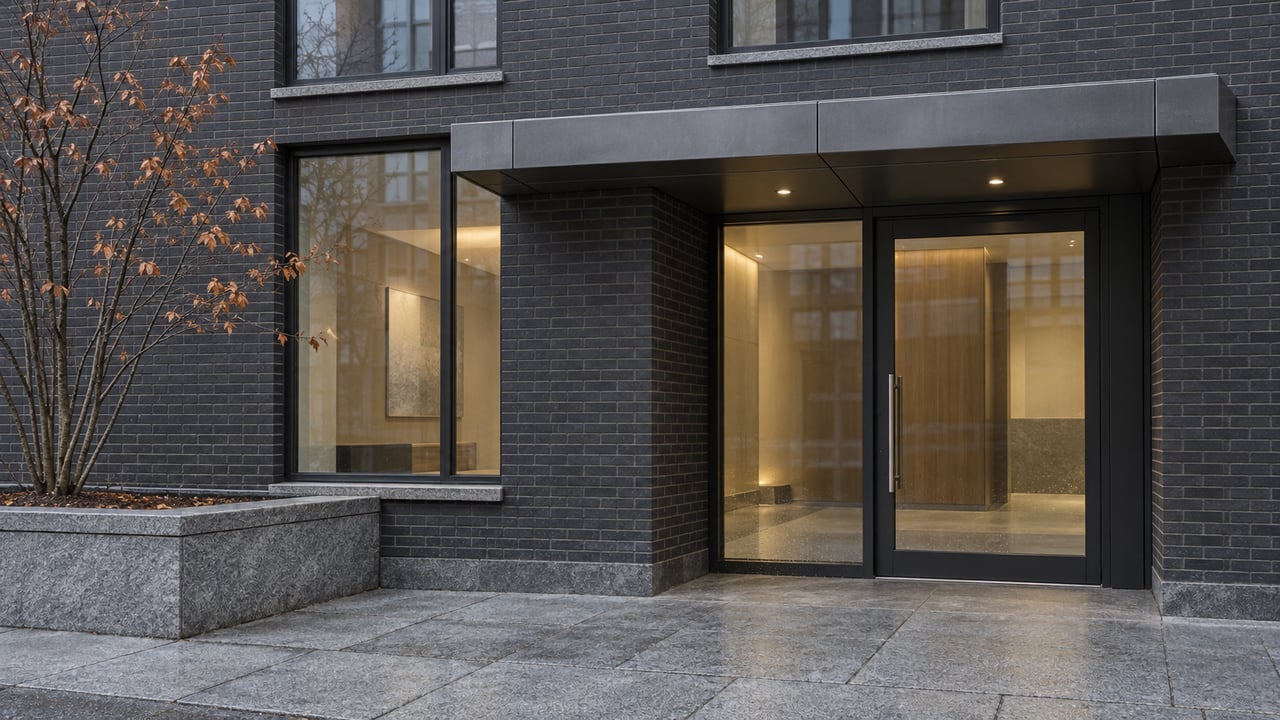
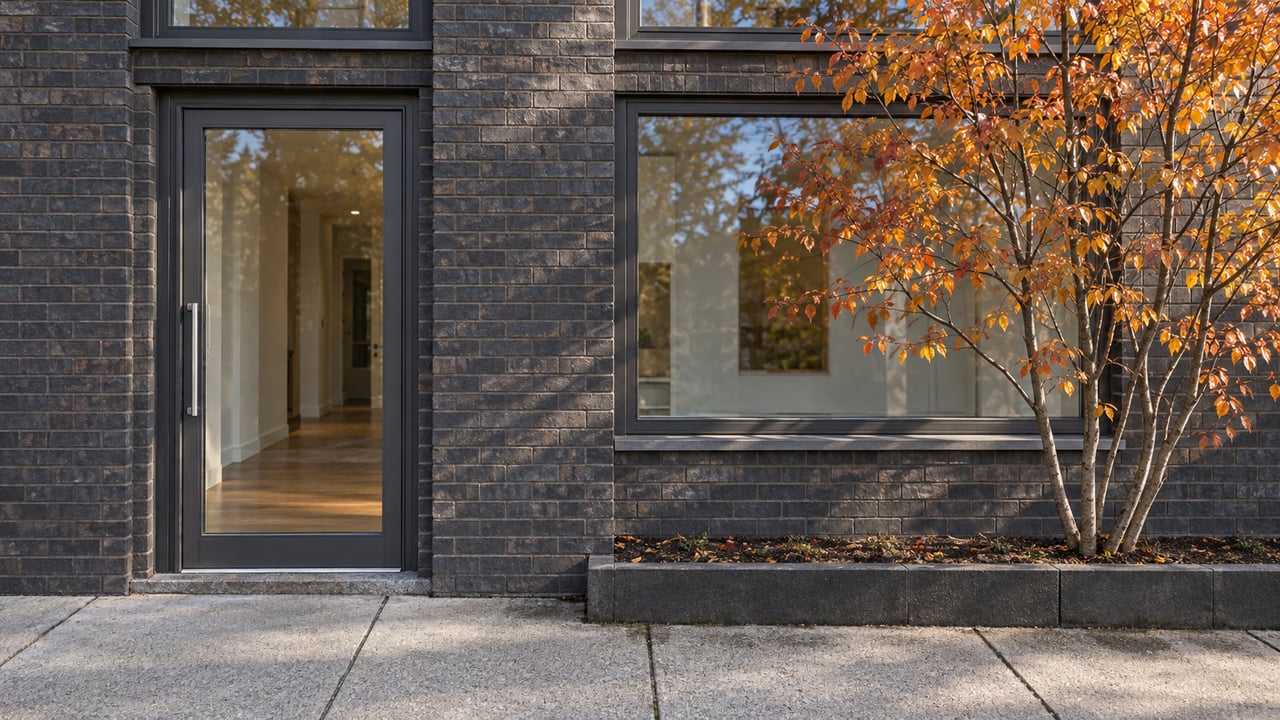
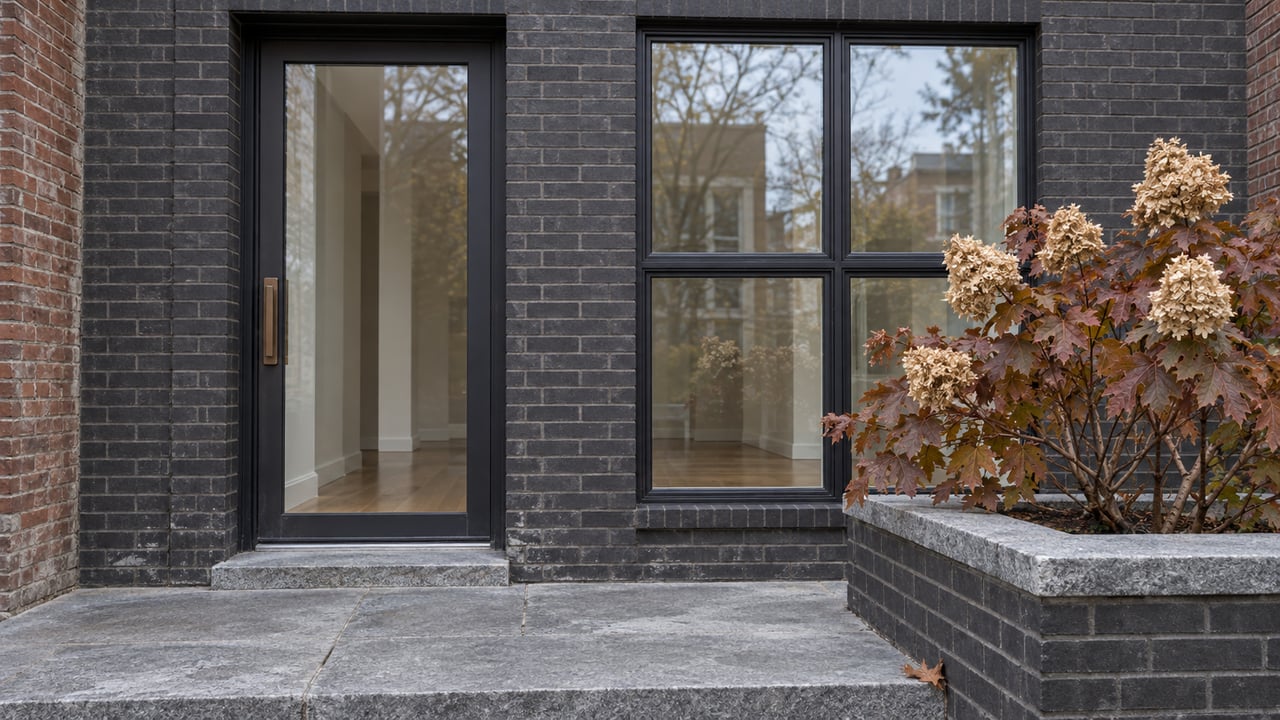
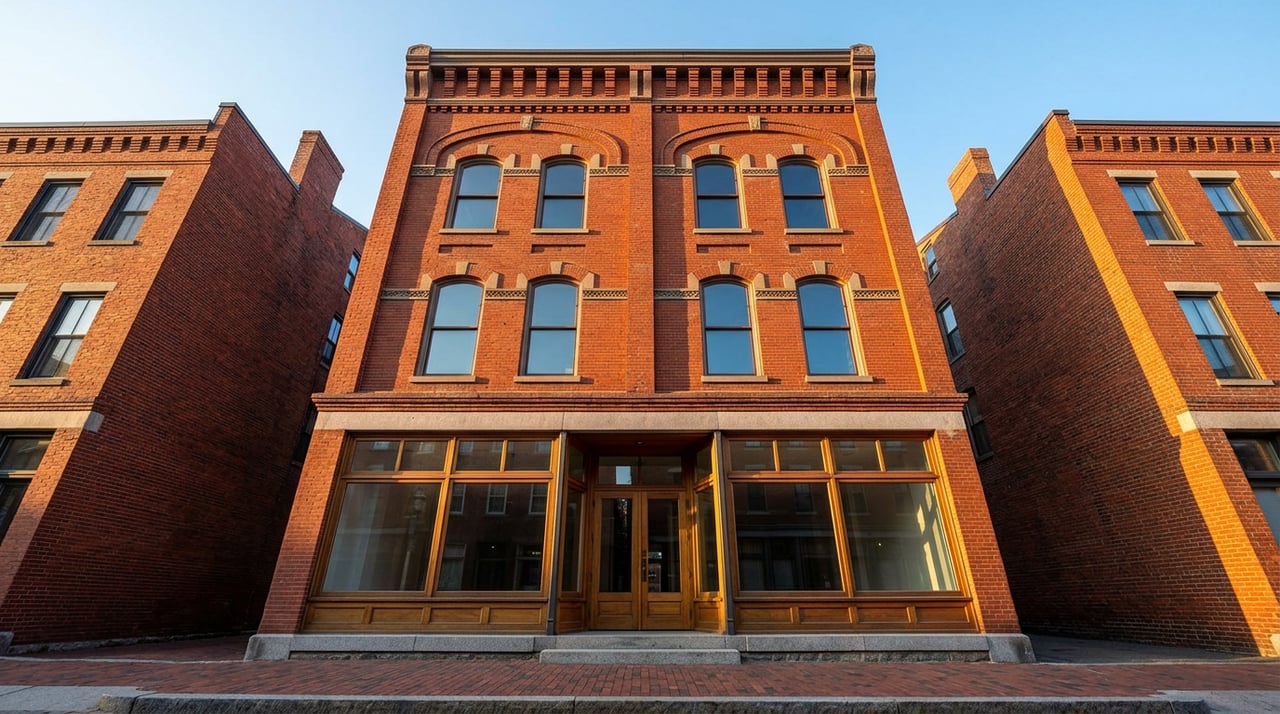
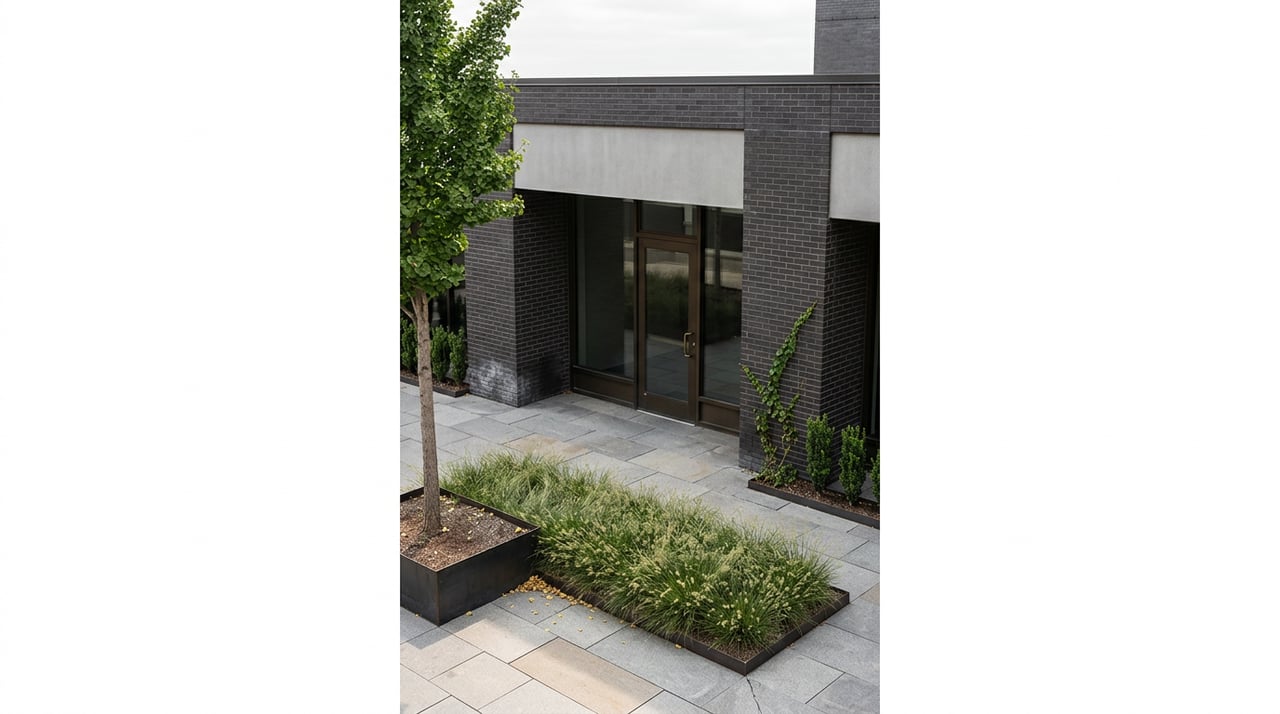
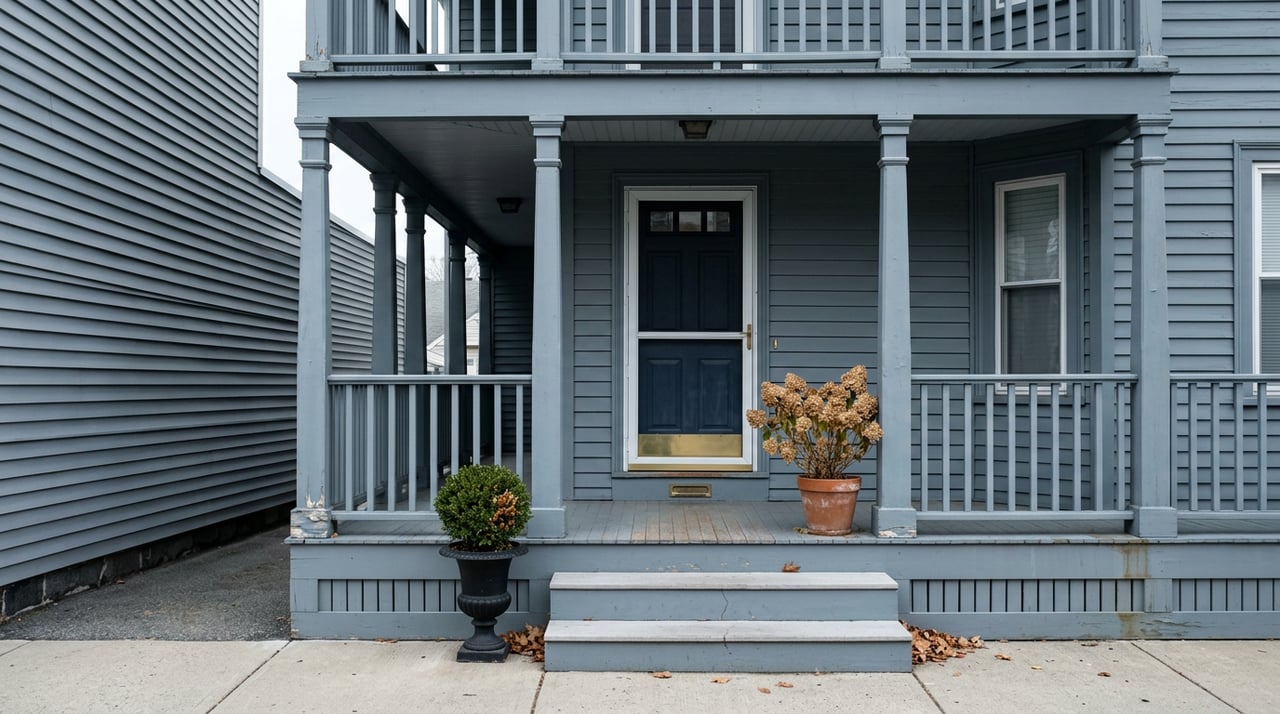
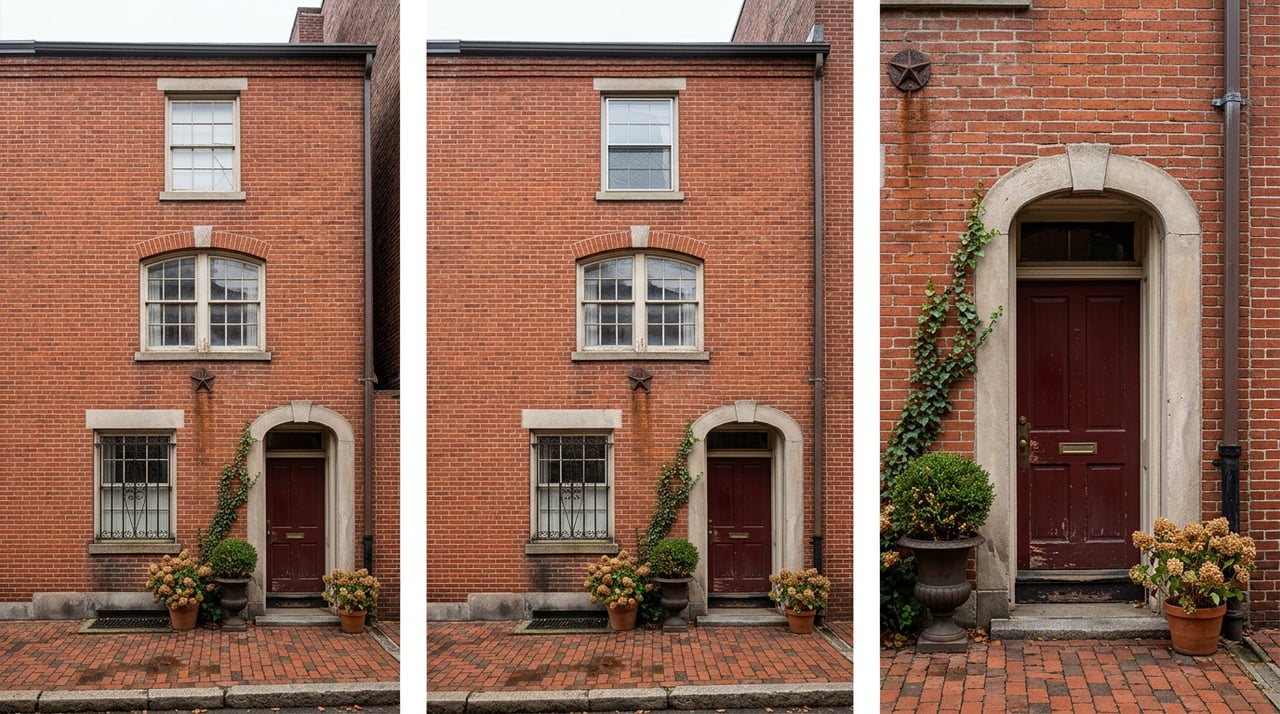
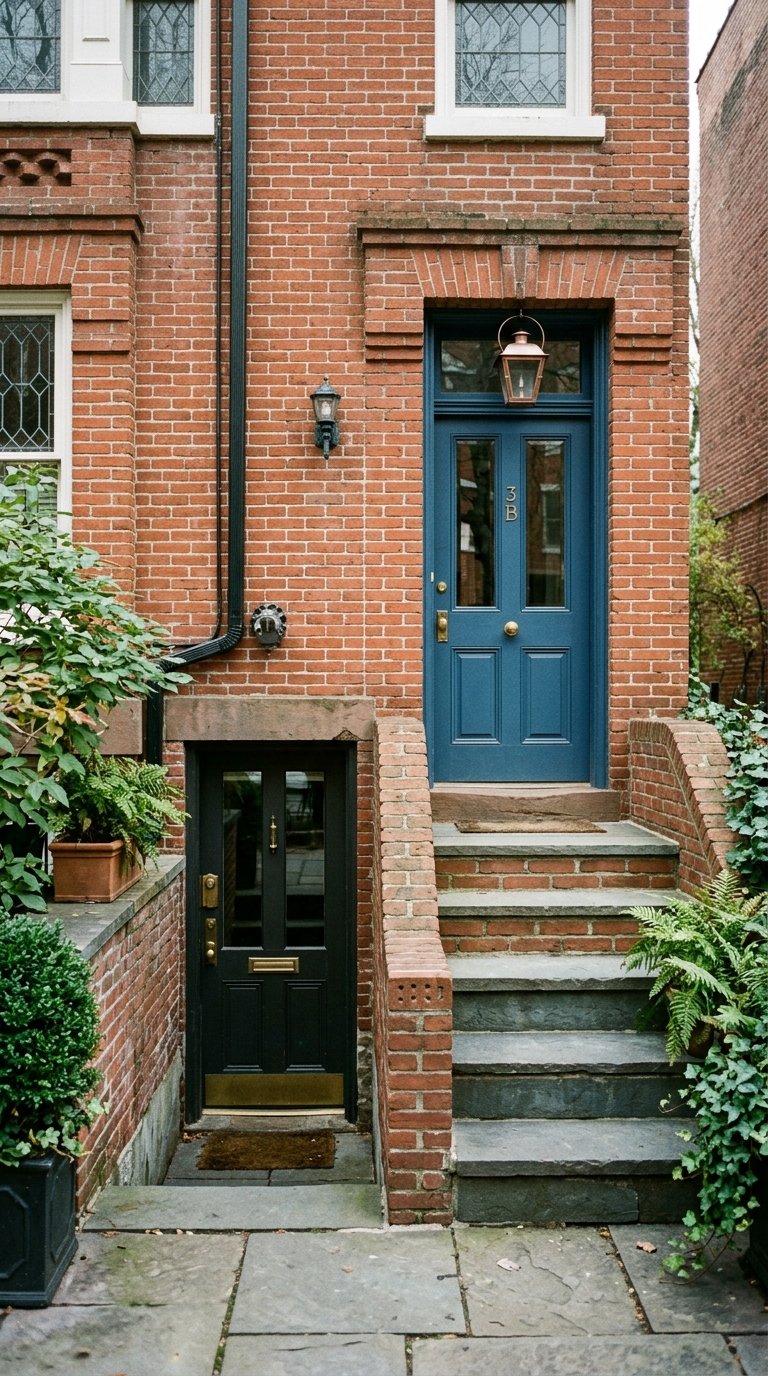
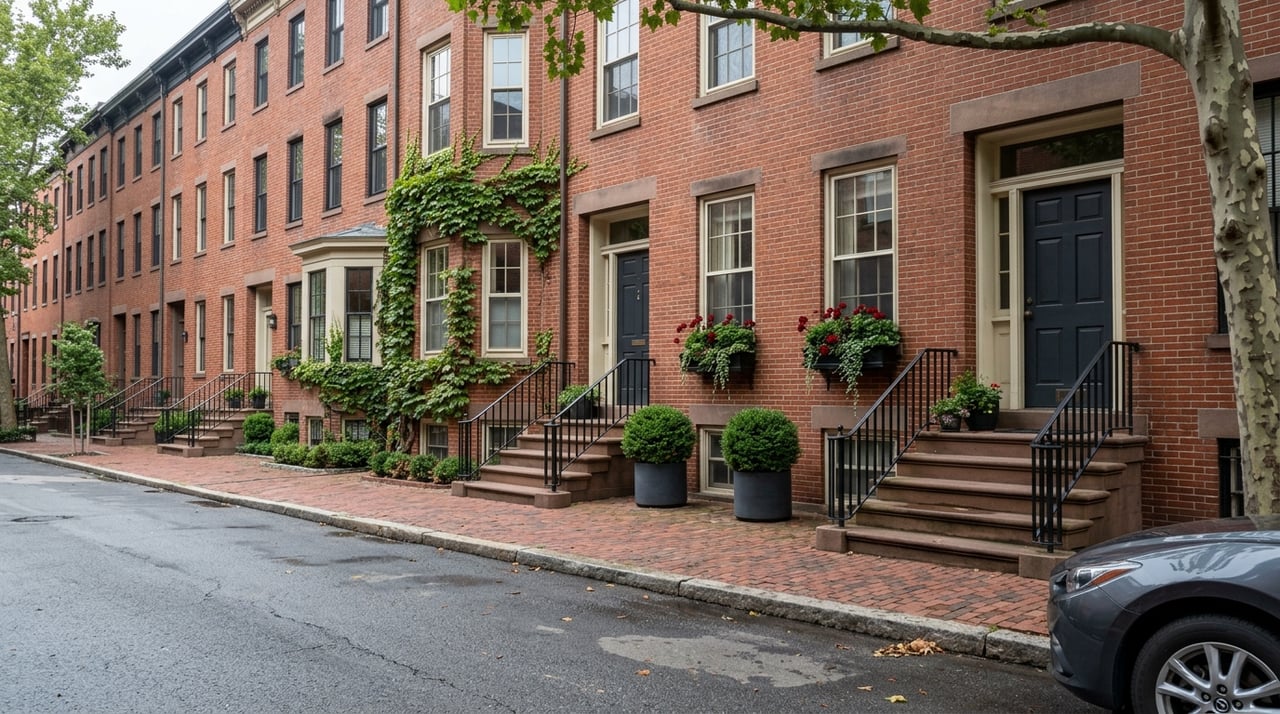
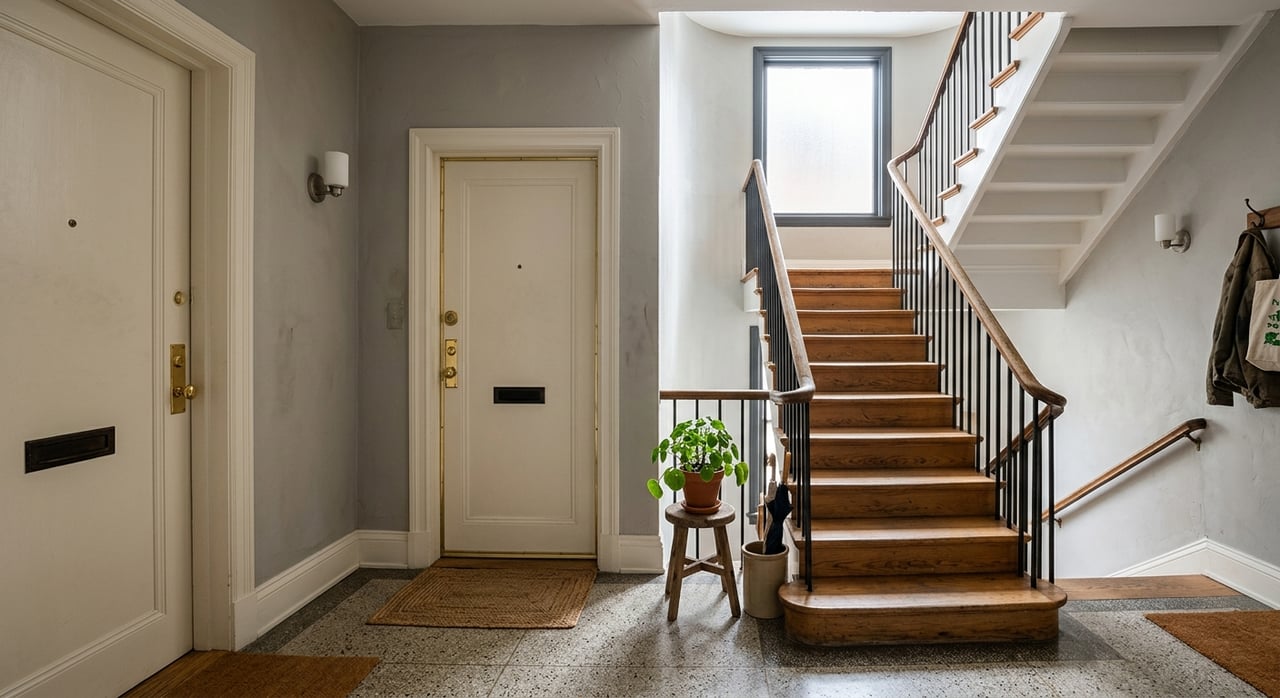
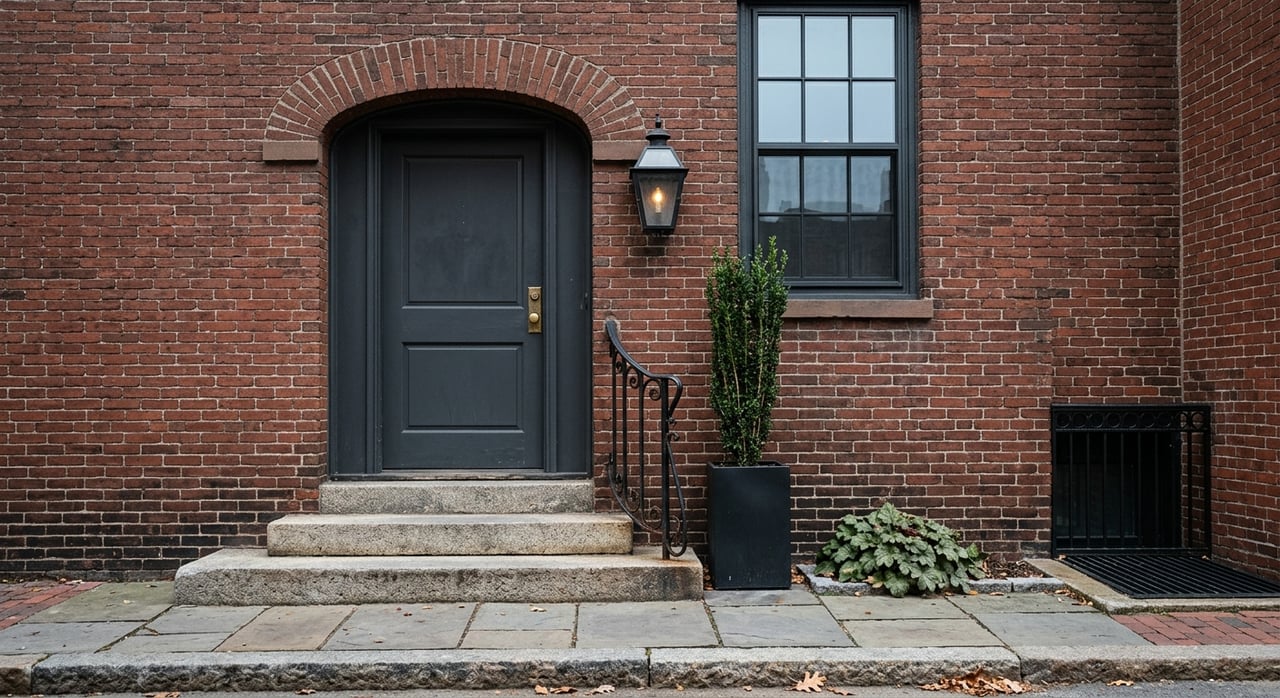
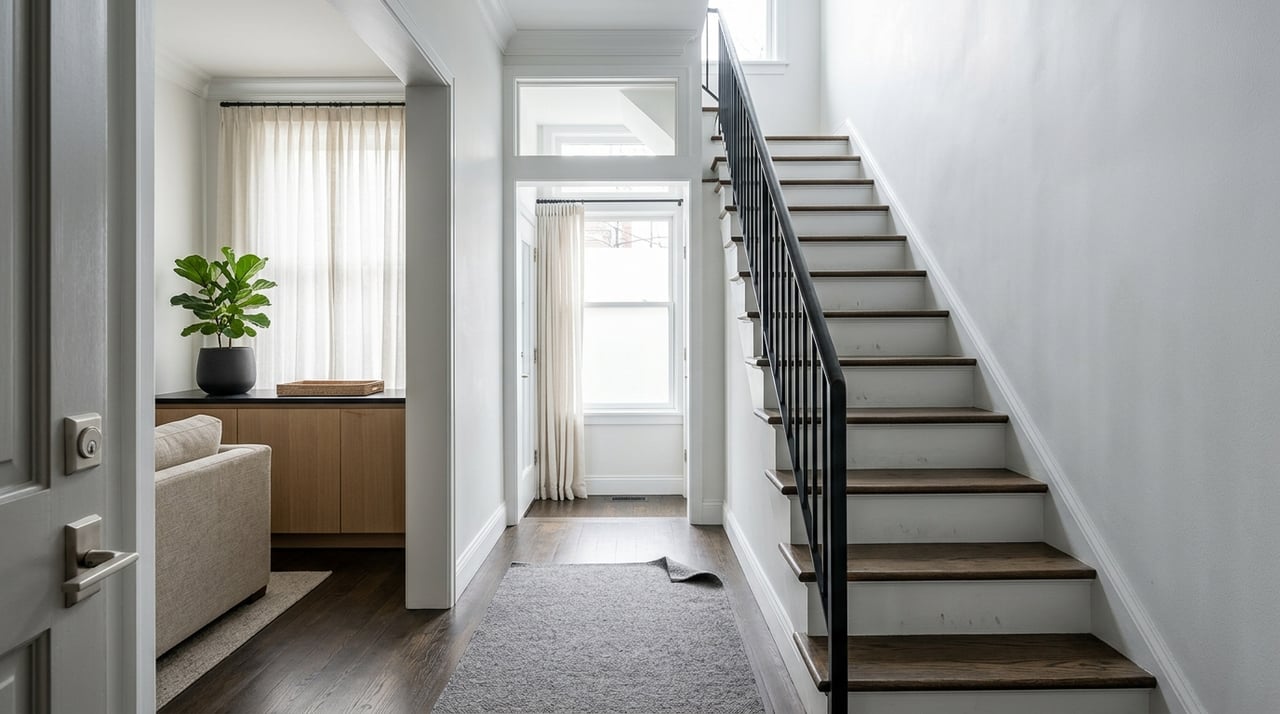
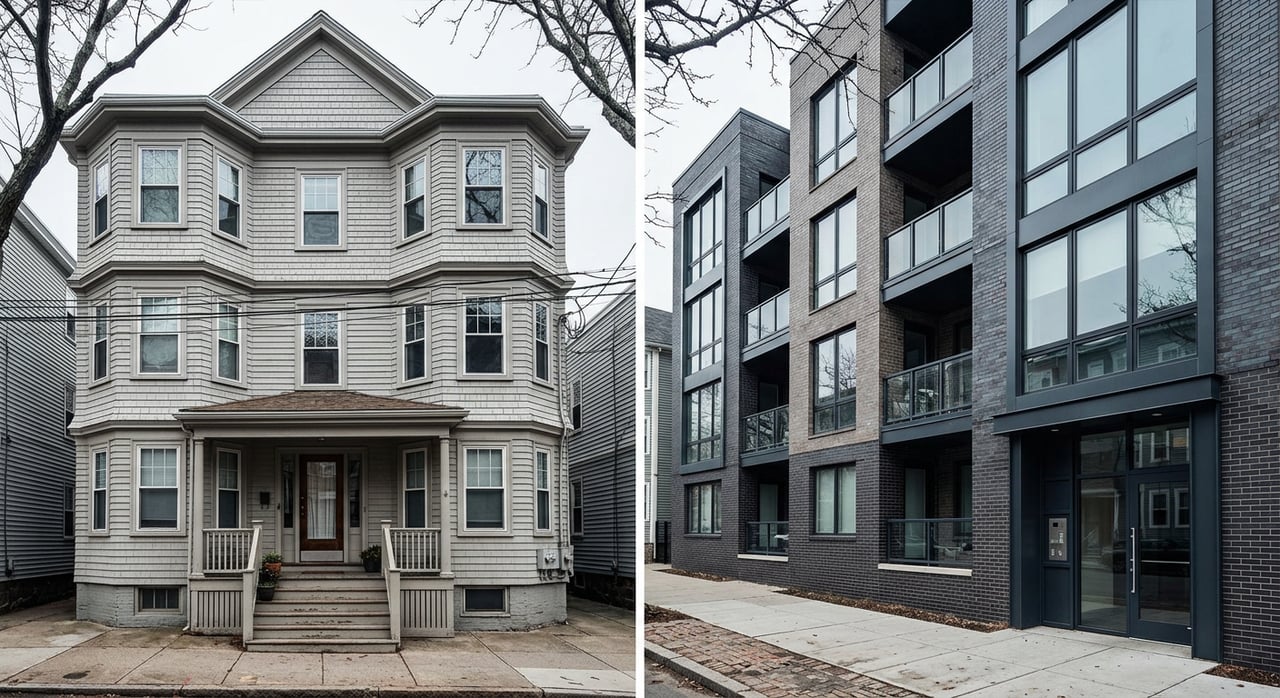
Here's the mechanism. The overwhelming majority of North End housing sits in small brick walk-ups built in the late 1800s and early 1900s, three to five stories, no elevator, staircases proportioned for smaller nineteenth-century frames rather than modern furniture. Local moving crews who work the neighborhood regularly note doorways as narrow as 28 inches and stairwells that twist at sharp angles, details that shape everyday life for anyone hauling groceries or a crib up three flights, and that shape resale value just as directly.
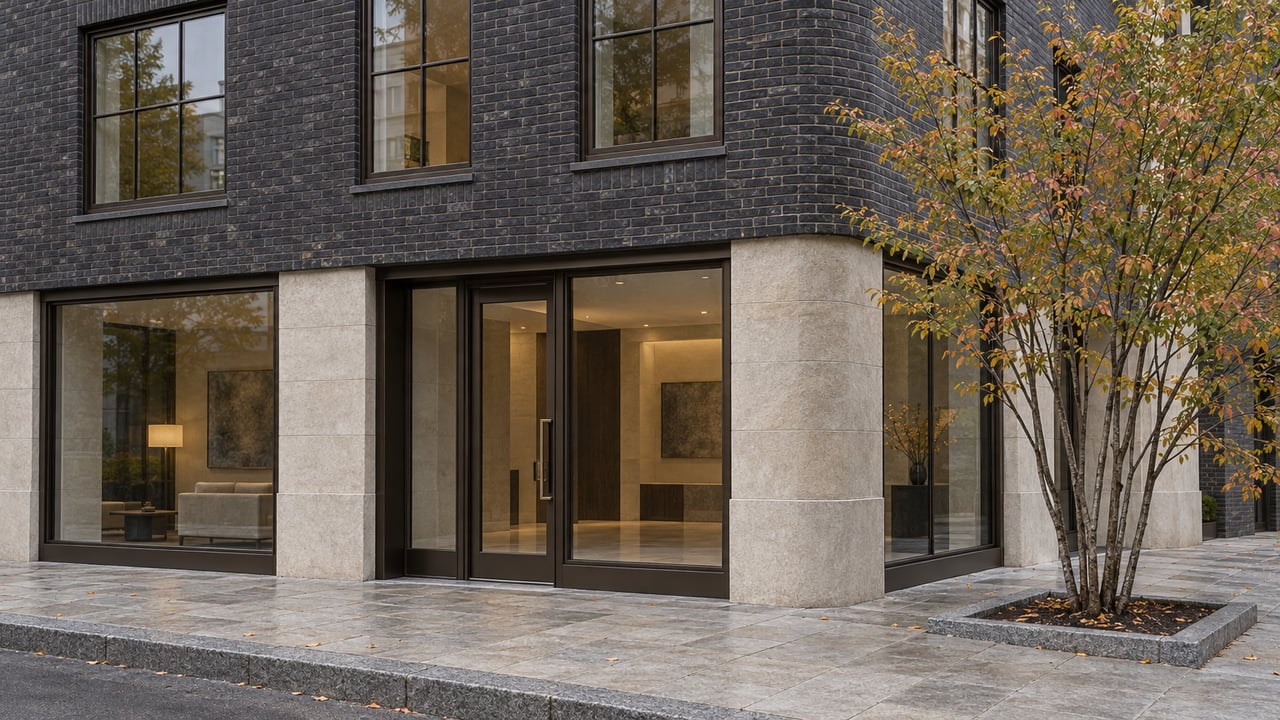
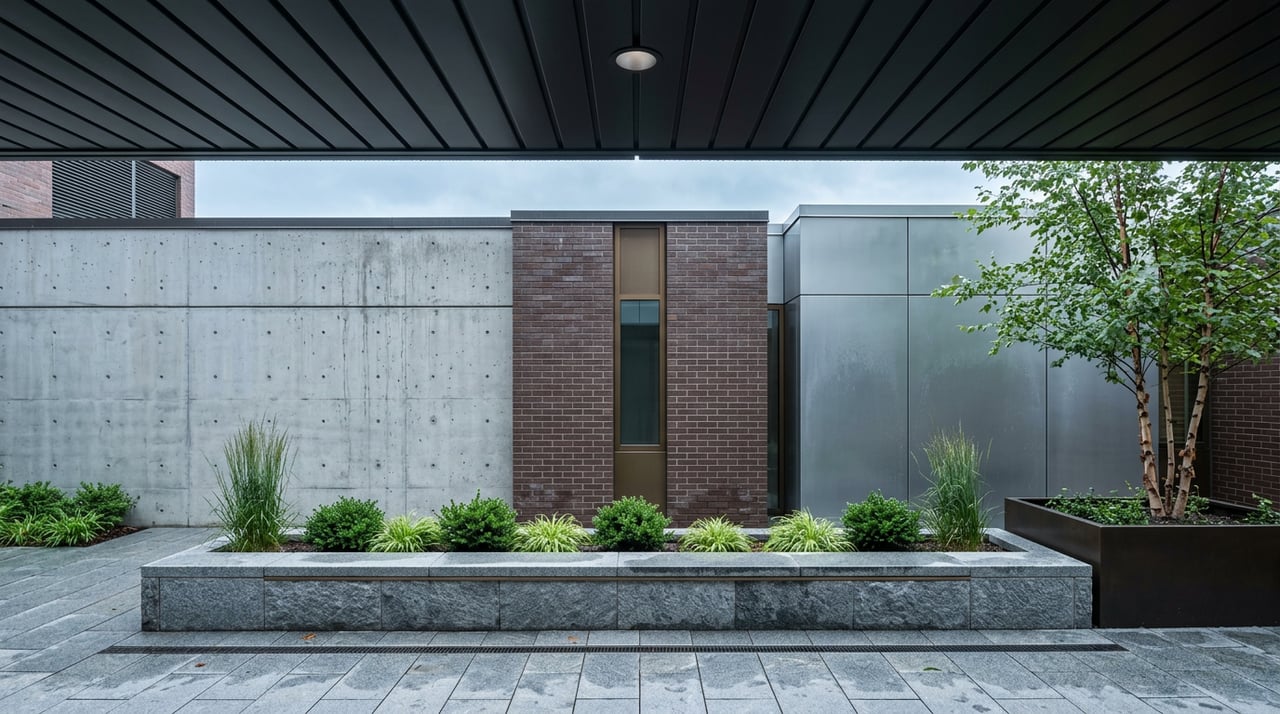
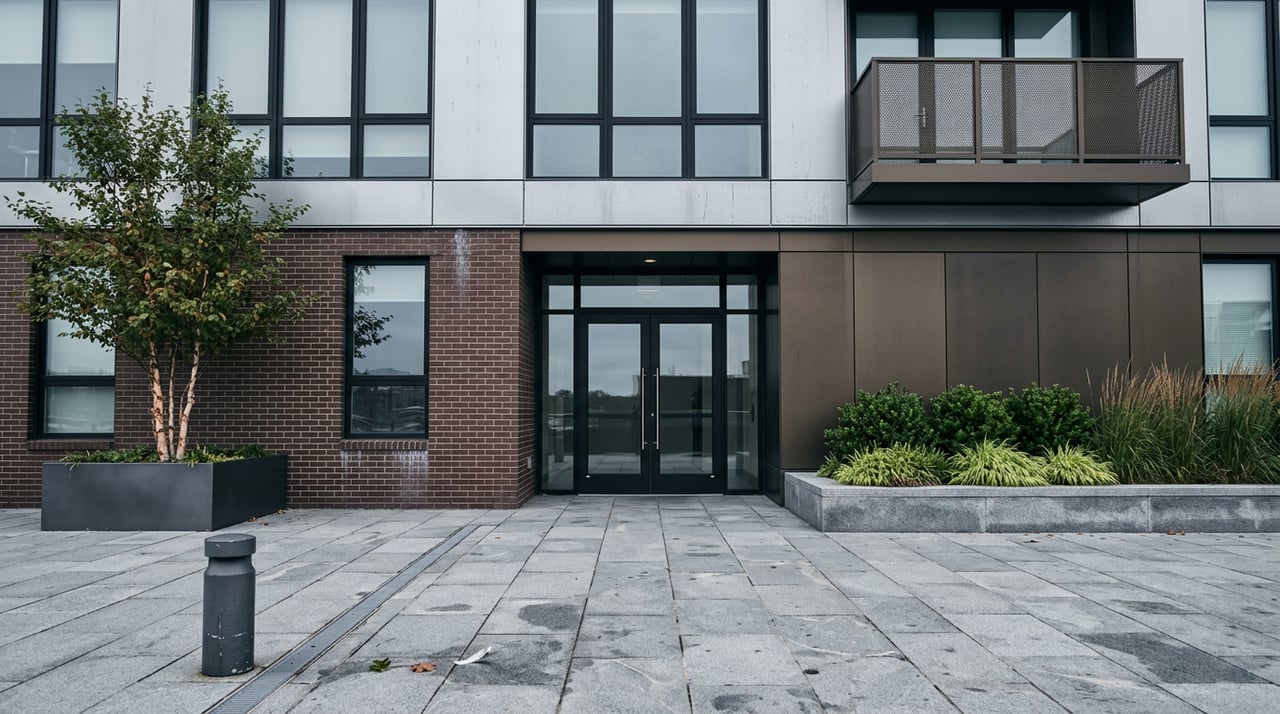
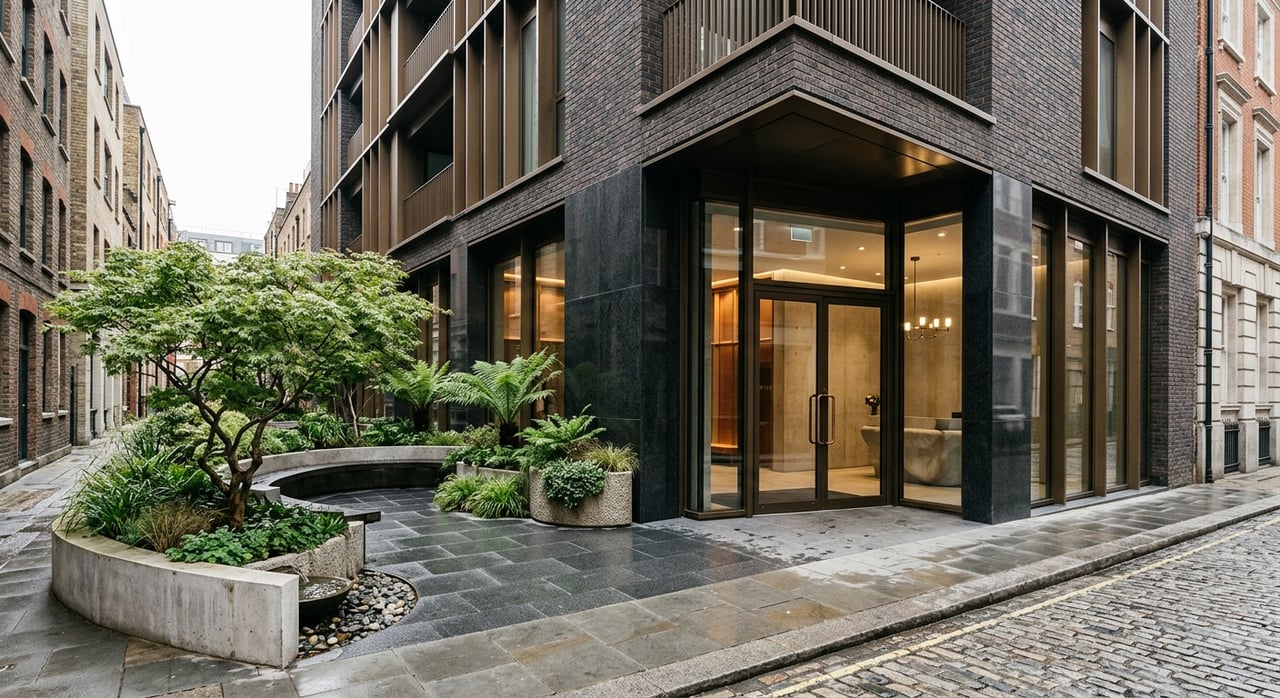
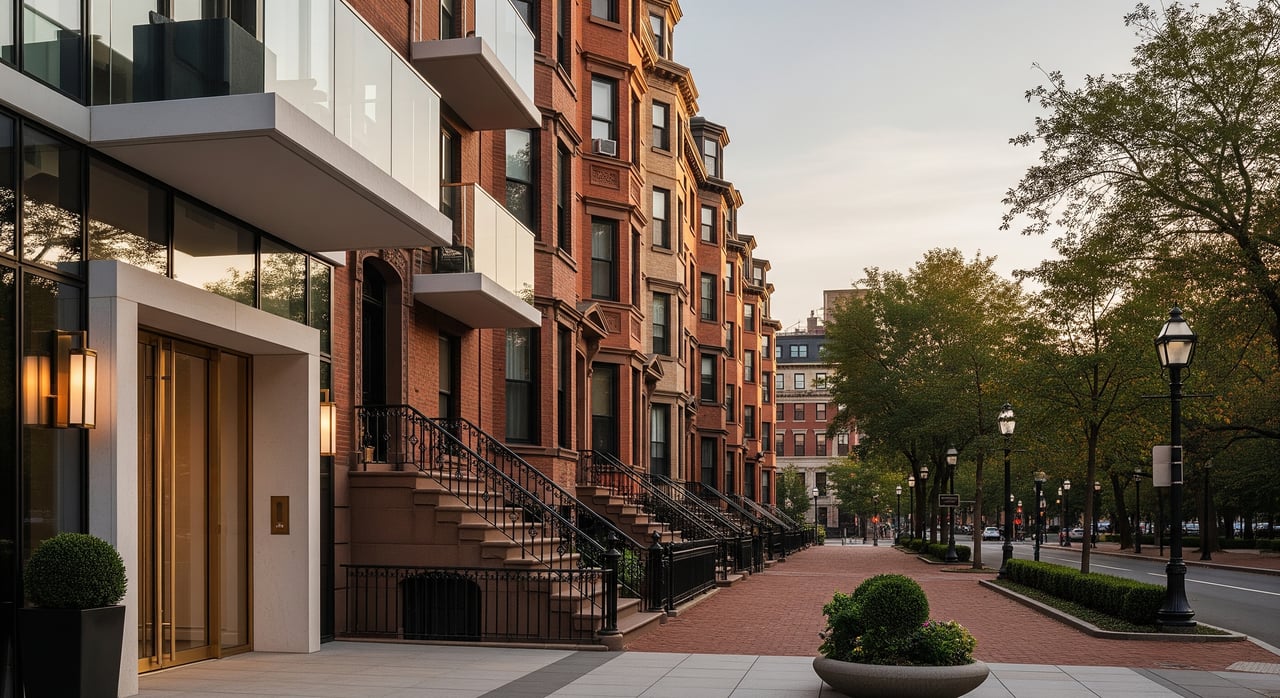
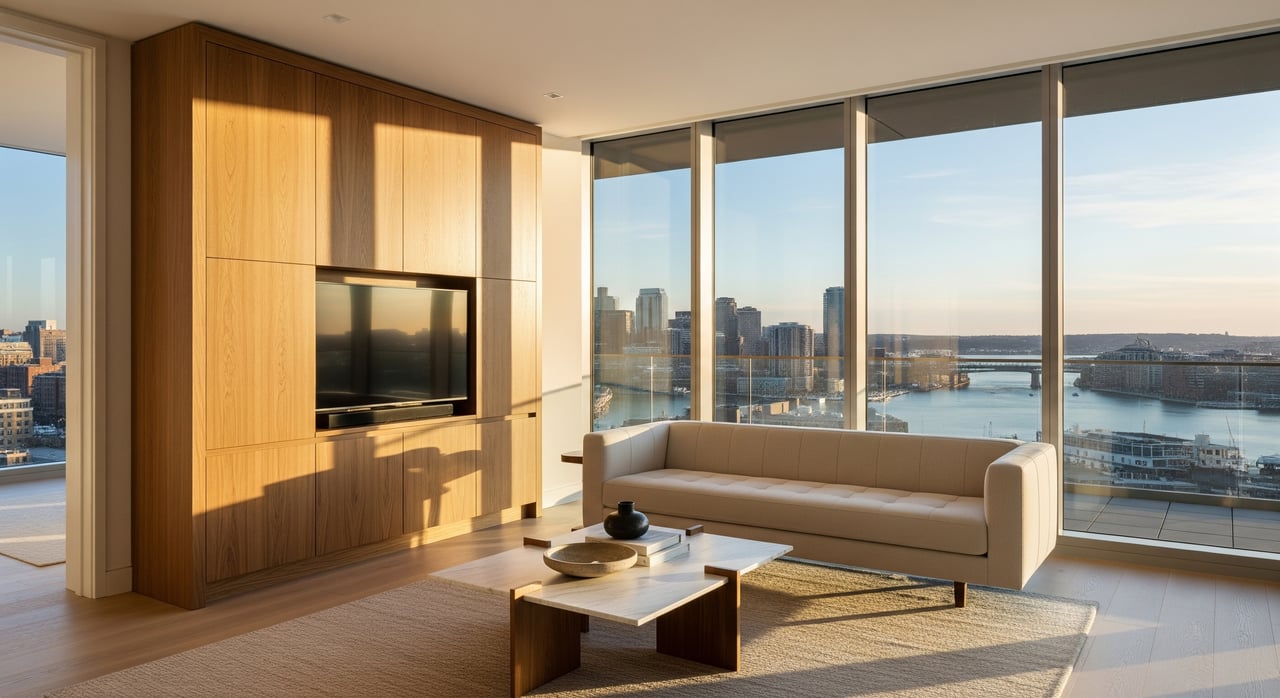
Back Bay's housing stock skews differently. More of its buildings were constructed or converted at a scale that supports elevators, staffed lobbies, and larger unit counts, the kind of infrastructure that spreads maintenance costs across more owners and commands a price premium buyers are willing to pay for convenience alone.
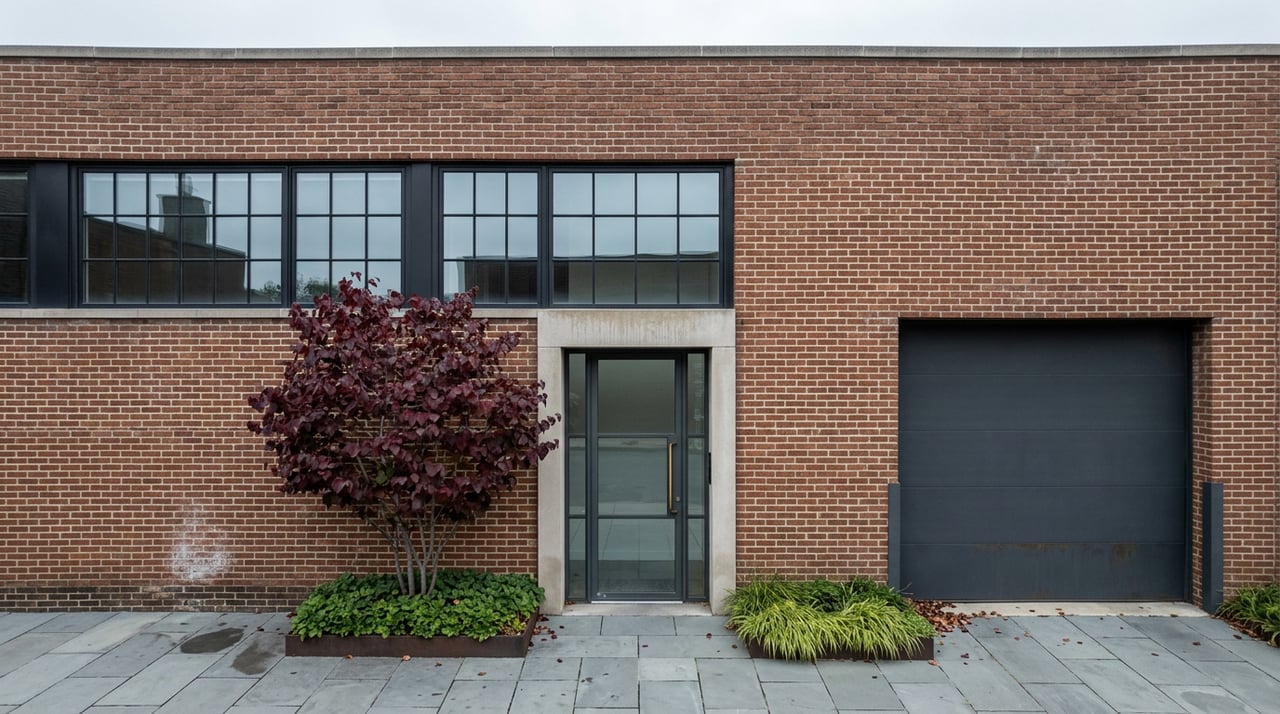
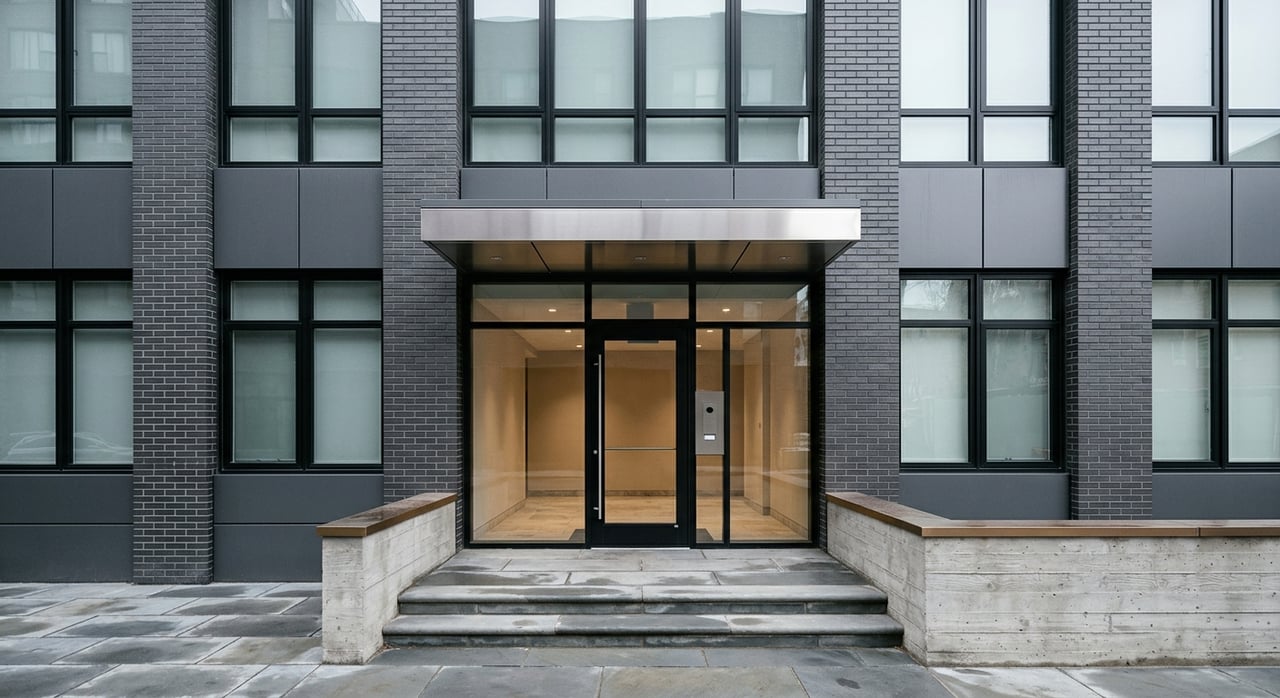
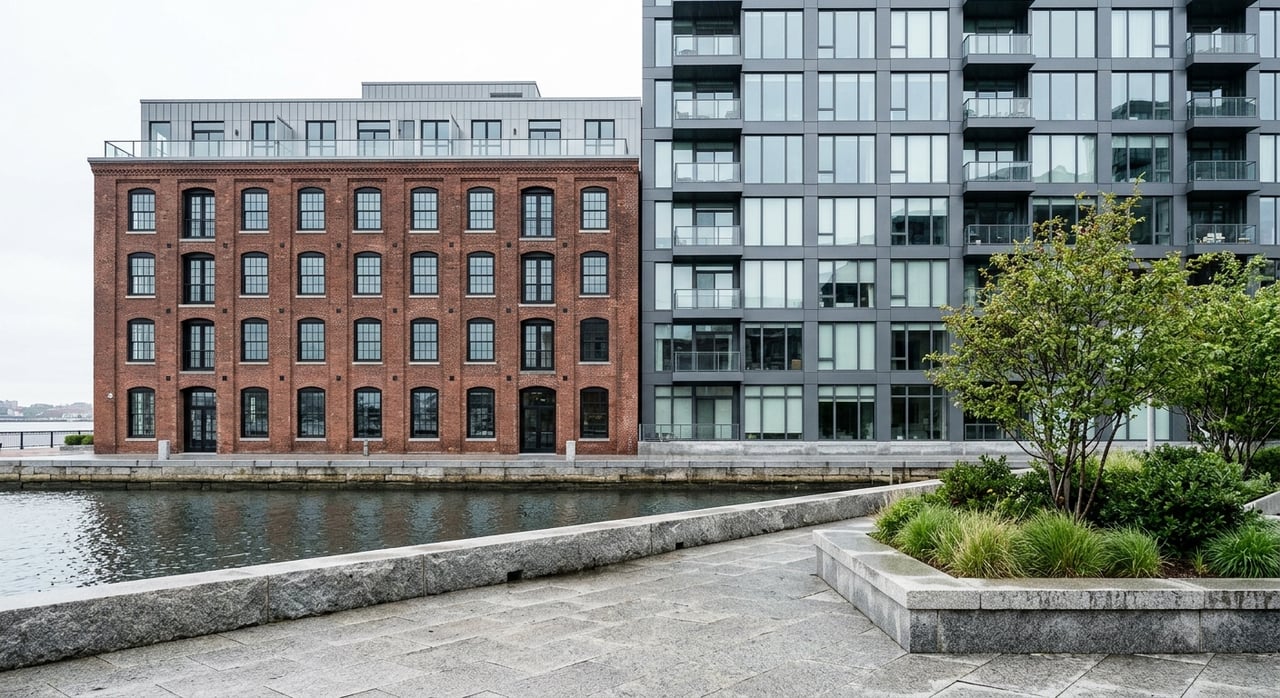
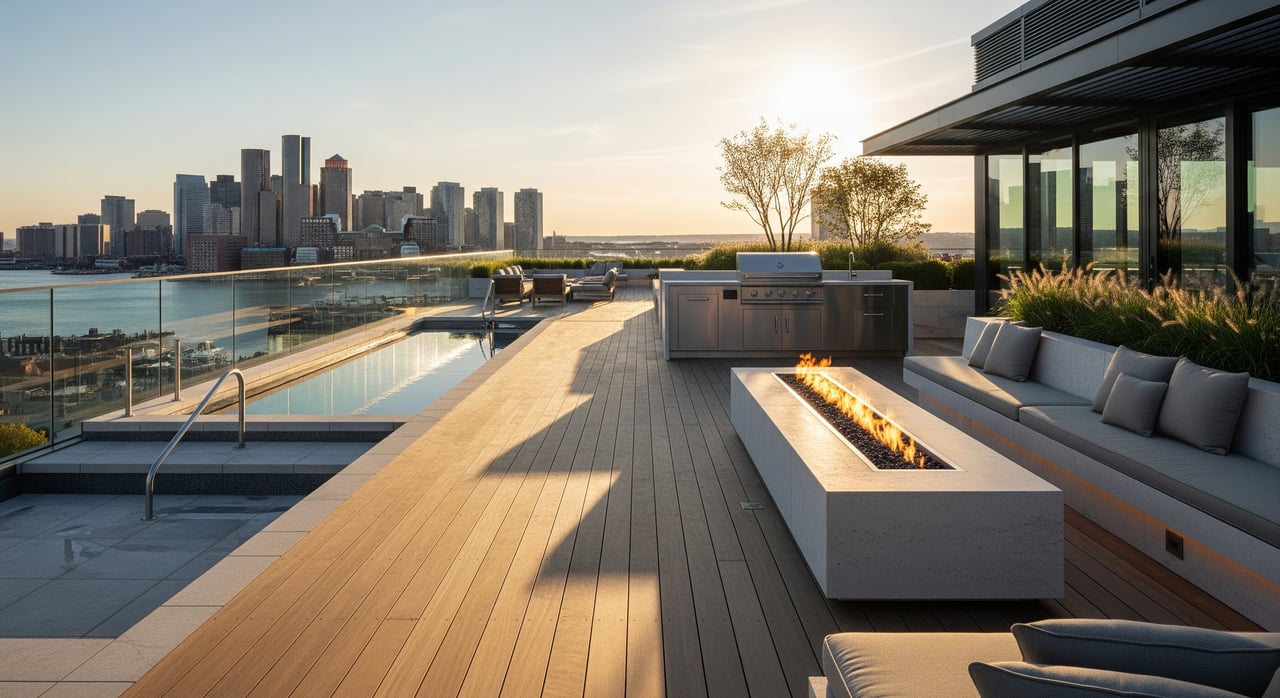
North End does have its version of that product, just less of it, and it's worth knowing the names because they show up at very different price points than the walk-up core. Forecaster 121, a boutique conversion of the former Forecaster Raincoat warehouse, paired the historic structure with modern finishes. Strada 234, sitting on the border with the Waterfront, delivers more than 100 loft-style units with a 24-hour concierge, a fitness center, and garage parking. 44 Prince Street offers high ceilings and garage parking aimed squarely at commuters.
None of those buildings are typical of North End inventory. They're the exception that explains the rule: when a North End unit does come with an elevator and professional management, it prices closer to Back Bay, not closer to the walk-up next door. The neighborhood-wide average stays low because most of the inventory still looks like 1890, not because most buyers wouldn't pay more for something newer.
| What you're buying | Typical North End walk-up core | North End's elevator-building minority |
|---|---|---|
| Building era | Late 1800s to early 1900s brick | Converted warehouses or newer construction |
| Vertical access | Stairs only, narrow stairwells | Elevator standard |
| Parking | Street or resident permit only | Garage or structured parking included |
| Association scale | Small, sometimes fewer than 10 units | Larger, professionally managed |
| Examples | Salem and Prince Street residential blocks | Forecaster 121, Strada 234, 44 Prince Street |
The Fee Line Nobody Reads Closely
Buyers comparing two North End condos at the same price point, one in the walk-up core and one in a newer elevator building, often stop at the monthly condo fee and pick the lower number. That's the wrong read, and it's a specific enough mistake that it belongs in the transaction conversation, not just the lifestyle one.
Massachusetts condo fees are governed under the state's Condominium Act, and the scope of what they cover is set out in each building's own master deed and bylaws, not a statewide template. A small, older North End association, sometimes just a handful of owners sharing costs, carries real exposure: masonry repointing, roof flashing, and cellar waterproofing are recurring line items in buildings this age, and when a project comes due, there are fewer owners to split the bill. A special assessment on a small association lands very differently on each owner's balance sheet than the same dollar project spread across a large, well-reserved building.
The larger buildings with higher monthly fees are often pricing in exactly that protection. A higher fee that funds professional management, elevator service contracts, and healthy reserves is a different financial instrument than a lower fee on a building with no on-site manager and deferred capital projects. Before writing an offer, ask for two years of the association's budget, current reserve balances, and meeting minutes covering any capital projects under discussion. In a neighborhood where masonry maintenance is a near-universal fact of life, that paperwork tells you more about the real cost of ownership than the sale price does.
Why the Gap Might Be Narrowing at the Edges
The North End spent decades physically cut off from the rest of downtown by the elevated Central Artery, the old Southeast Expressway that ran along what's now the Rose Kennedy Greenway. When that highway came down and the Greenway went in, the neighborhood was reconnected to the rest of the city at street level, and that reconnection is part of why the newer waterfront-adjacent buildings, the Forecaster 121s and Strada 234s of the market, have been able to develop at a scale the walk-up core never supported.
That's a slow-moving structural shift, not a headline event, but it's the kind of detail that explains why the neighborhood's price-per-square-foot average has room to move even while the walk-up core stays flat. The buildings pulling the average upward aren't replacing the historic stock. They're adding a second tier alongside it, one that didn't have a physical path to exist before the Greenway went in.
For a buyer, the practical takeaway is this: the "North End discount" isn't evenly distributed and it isn't permanent by default. It's concentrated in the walk-up core, and it narrows every time a North End elevator building adds inventory that competes directly with Back Bay on the amenities that actually drive price per square foot.
A Few Questions Buyers Ask at This Point
Does a lower price per square foot mean I'm getting a worse building? Not automatically. It usually means you're getting a smaller association, less vertical access, and an older set of building systems. Whether that's a worse trade depends on what you value and how the reserve fund looks.
Should I expect North End condo fees to keep climbing? Insurance costs and masonry work are the two line items local associations report rising most often. A building's fee history over the last three to five years is a better guide than this month's snapshot.
Is the price gap the same across every North End block? No. Blocks near Forecaster 121, Strada 234, and the Waterfront edge price closer to Back Bay's numbers. The interior blocks around Salem, Prince, and North Square still trade at the discount described above.
If you're weighing a North End walk-up against a Back Bay elevator building, or trying to figure out which North End building actually justifies its fee, that's a conversation worth having before you write an offer, not after. Morgan Franklin works both sides of that comparison every week and can walk you through a specific building's reserve history, not just its listing photos. Book a personalized market consultation and bring the address.
This article is general information, not legal, tax or financial advice. Consult a qualified professional about your situation.