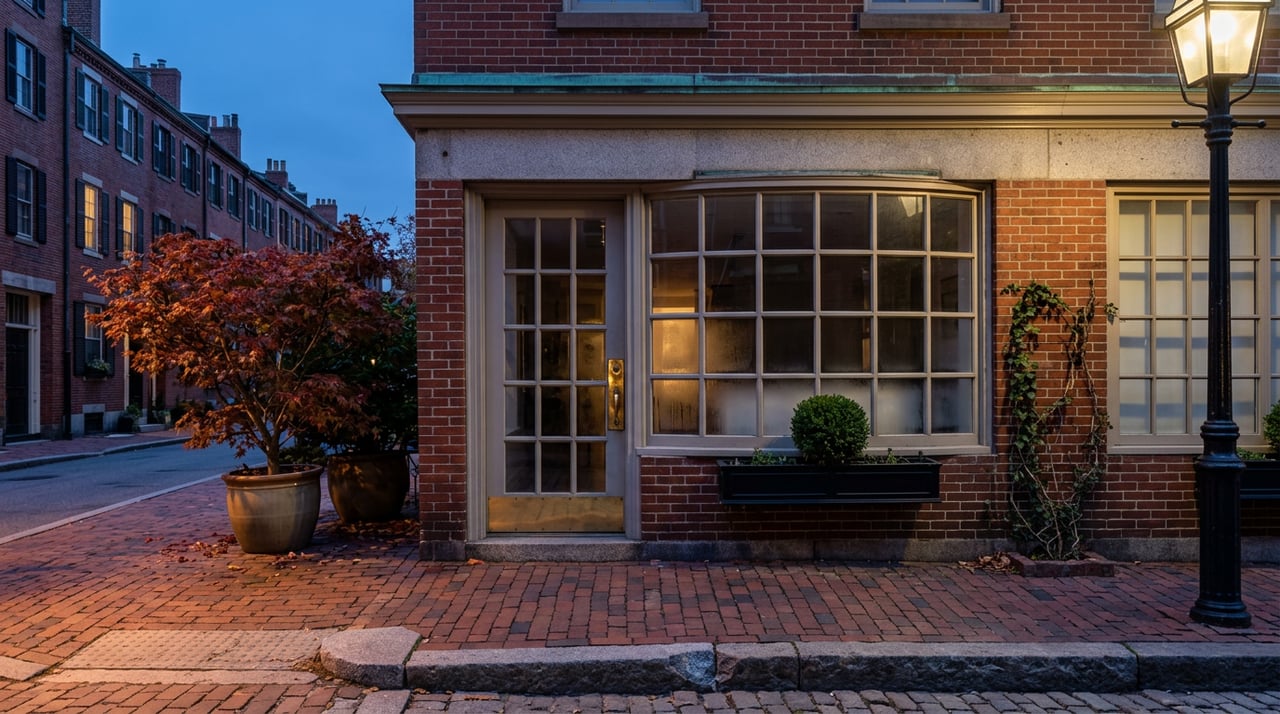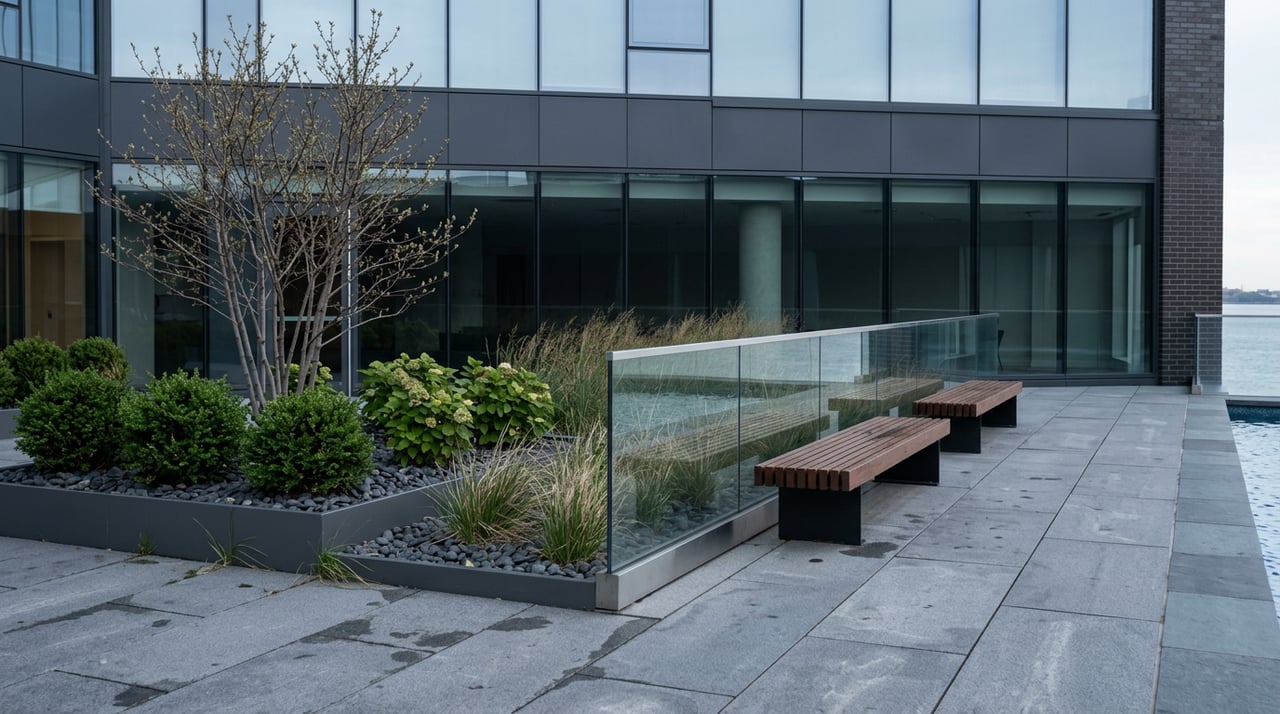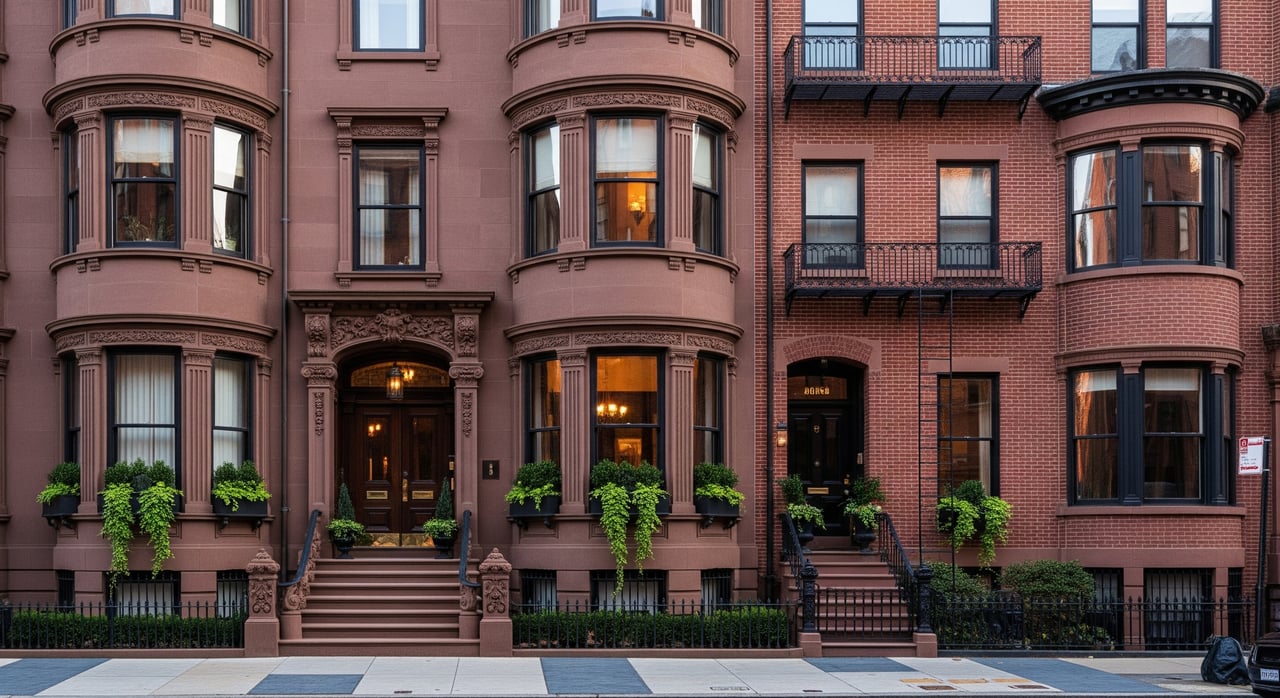
The patio at Alibi, the bar tucked into the Liberty Hotel at 215 Charles Street, has spent the summer full of people drinking espresso martinis under a nickname the bar itself came up with: Sentenced to Sip. It is the kind of seasonal joke that only works on a street with a sense of humor about its own history, since the Liberty was once the Charles Street Jail. By the time this piece runs, that patio will be thinning out for the year. Nights get shorter, the crowd moves indoors, and Charles Street settles into whatever version of itself comes next.
What comes next is worth paying attention to, because Charles Street spent part of this year quietly admitting it had a problem, and then did something about it.
The corner that went quiet
Ask Babak Bina, and he will tell you the street had a hole in it. Bina is a co-owner of Zurito, the Basque pintxo bar at 20 Charles Street, and before that he ran Bin 26 Enoteca in that exact same storefront for nearly twenty years. He also ran Lala Rokh on Mount Vernon Street for two dozen years. That is not a resume built by someone scouting Beacon Hill from the outside. That is someone who has watched the block from the inside for most of his adult life.
Earlier this year, when Bina and his partners at BCB3 Hospitality, chef Jamie Bissonnette and Andy Cartin, opened a pizza and pasta spot called Willie's next door to Zurito, Bina put the reasoning plainly to Boston Magazine: Charles Street was missing a real neighborhood restaurant. His words were specific about what had gone missing. "There's a void with restaurants such as Panificio and Figs gone," he said.
That sentence is doing more work than it looks like it's doing. Panificio and Figs were not destination restaurants. They were the places you went on a Tuesday because you lived four doors down and didn't feel like cooking. When they closed, Charles Street didn't lose its dining scene. Toscano was still there. So was 75 Chestnut and 21st Amendment. What it lost was the category of restaurant a resident actually uses on a random weeknight, as opposed to the restaurant a visitor writes home about.
Restaurants as sponsors, not just storefronts
The Beacon Hill Civic Association's Fall HillFest is the neighborhood's own long-running answer to the question of who Charles Street actually belongs to. It's a block party held every September on the flat of Mount Vernon Street, between Charles and Brimmer, and it has been running long enough that a Beacon Hill Times writeup from 2016 called it the fifteenth year. A separate BHCA-linked writeup from around the same era put it at the seventeenth year without offering a different founding date. Do the math against either figure and you land in the same place: the block party started around 2001, which means this September's HillFest lands somewhere close to its twenty-fifth year on the Hill.
What matters for this story is the sponsor list. In past years, HillFest programs have credited sponsors including Harpoon, F.H. Perry, Hampshire House, and, repeatedly, Panificio. The same restaurant Bina named as part of the void wasn't just a place people ate. It was, for years, a name printed on the flyer for the neighborhood's own party. When a restaurant like that closes, the loss isn't only a seat that's gone from the dinner rotation. It's a name that used to show up on the sponsor list disappearing from the roster too.
That is the actual thesis here, and it's easy to miss if you only read the story as a restaurant opening. Charles Street's businesses have never been separate from the neighborhood's civic life. They fund the dog show. They grill the hot dogs. When one of them closes, the block party has to find someone else to ask.
The old guard is still doing the job
None of this means Charles Street went dark. It means the street has always run on two tracks at once: destination spots that draw people from across Boston, and neighborhood spots that mostly serve people who live within a ten minute walk. The destination track never wobbled.
Toscano has been open for more than forty years and is still serving the kind of Tuscan menu that makes it, for a lot of residents, an actual rite of passage rather than a special occasion. Scampo, tucked in the basement of the Liberty Hotel, still packs its dining room most nights. 21st Amendment, in a building that dates to 1899 in the shadow of the State House, still does the fireplace and fish and chips routine it has always done. 75 Chestnut still puts out a seafood stew that gets ordered by people who have been ordering it for a decade. These places aren't the ones with a void. They never needed one filled.
The gap was always on the other track, the everyday one. Willie's is a bet that the everyday track was worth rebuilding, not replacing. It seats twenty eight people. It serves pizza and pasta with a menu that borrows from the group's other restaurants around the city, so a rigatoni amatriciana shows up with guanciale flavored by yak gochujang, and a carbonara gets built with yuzu kosho instead of the version you'd expect. It is, by Bissonnette's own description, meant to be a neighborhood pizza joint first and a concept second. Whether it becomes what Panificio was to the block is a question only a few more years of Tuesday nights will answer. But the intent behind it, coming from an operator who has run two other restaurants for a combined four decades, is not a guess about what the neighborhood wants. It's a correction based on having lived it.
What the calendar says about who's paying attention
The same instinct shows up outside the restaurant business too. At the Beacon Hill Civic Association's 104th Annual Meeting this past May, one of the people honored was Aoife O'Hagan, who owns Rugg Road Paper Company and Paws on Charles Street and has been active in the Love Your Block cleanup and the Beacon Hill Business Association. She's not a restaurateur, but the pattern is the same one Bina described: a small business owner treating her storefront as part of the neighborhood's upkeep, not just a place that sells things to whoever walks in.
That is the frame worth carrying into September. HillFest will happen again on Mount Vernon Street, roughly a quarter century after it started, and it will need sponsors the way it always has. Alibi's patio will close for the season, because that's what seasonal patios do. Willie's will keep serving its twenty eight seats, and whether it earns a spot on next year's HillFest sponsor sheet will say more about how the neighborhood has actually absorbed it than any review ever could. Charles Street doesn't measure its restaurants by star ratings. It measures them by whether they show up when the block needs a grill and a table.
If you live here, that's the thing worth watching this fall, not which restaurant opened, but which ones get asked to sponsor the party.
Beacon Hill's daily rhythms, from Charles Street's restaurant turnover to the block party that ties it all together, are exactly the kind of neighborhood detail that shapes how people feel about living here long after they've bought. If you're weighing a move to the Hill or wondering what your own Charles Street property is worth in a market this specific, Morgan Franklin knows this street the way Babak Bina does, from the inside. Book a personalized market consultation whenever you're ready to talk.