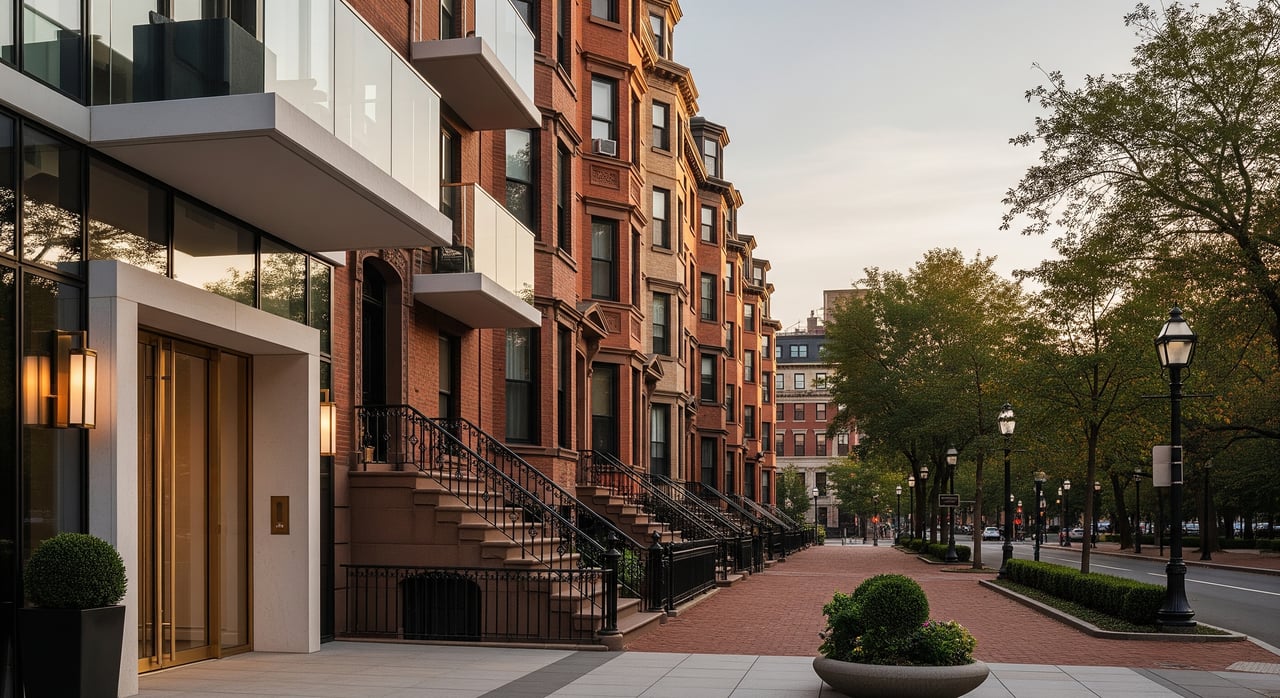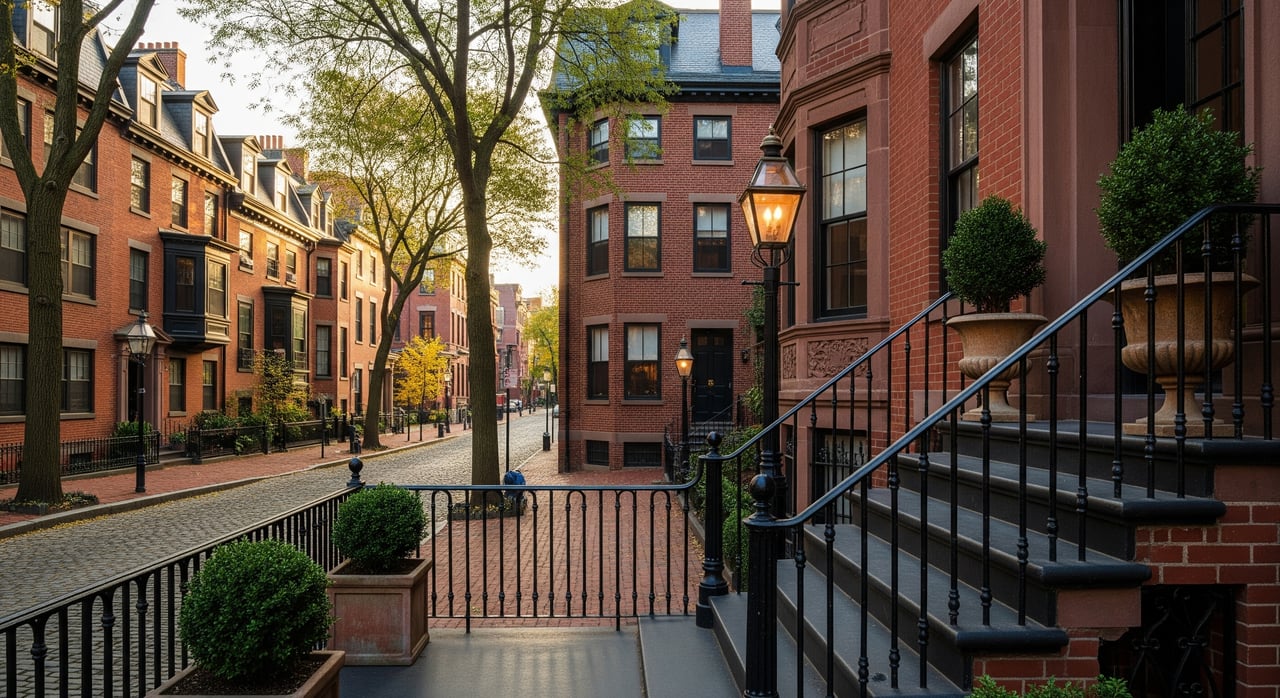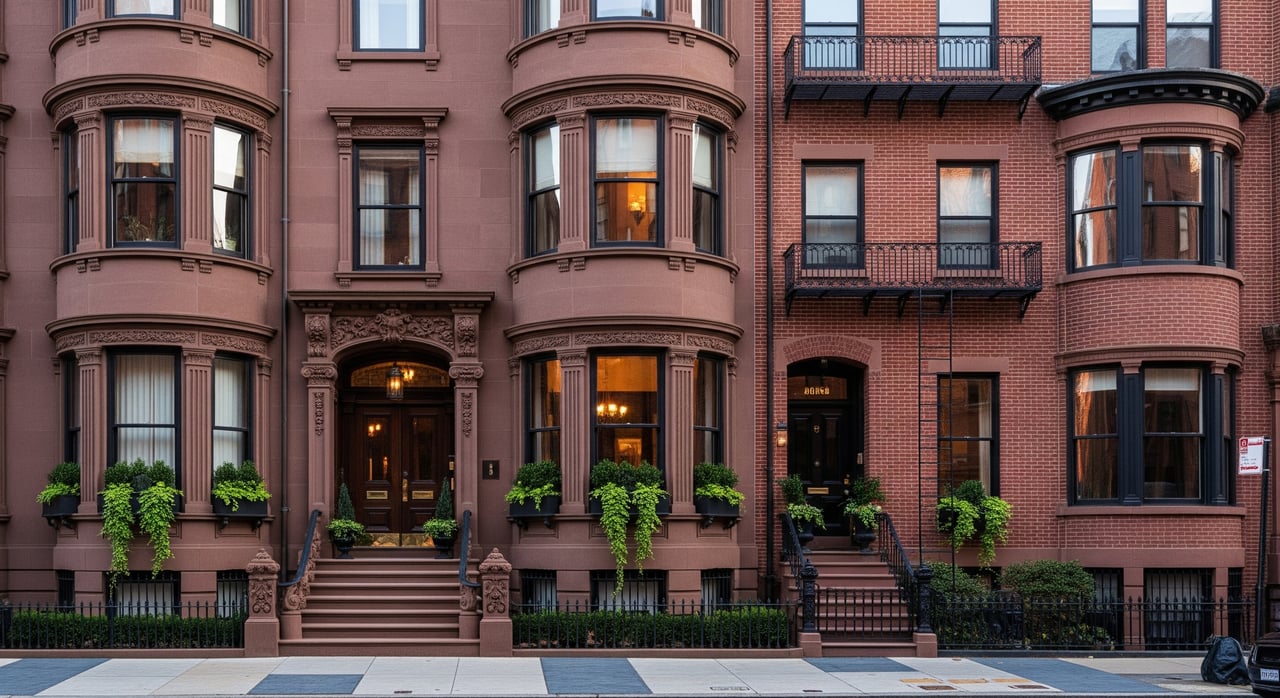
Selling in Newton or Wellesley can feel like trying to hit a moving target. Homes still move quickly, but buyers in these towns are also paying close attention to value from day one. If you want to maximize your result, you need more than a strong market. You need a pricing and timing plan that fits today’s competition. Let’s dive in.
Why strategy matters in Newton and Wellesley
Newton and Wellesley remain high-price, fast-moving markets, but speed does not mean you can name any price and expect the market to agree. Zillow’s late-May 2026 snapshot showed typical home values around $1.56 million in Newton and $2.05 million in Wellesley, with homes going pending in about 9 days and 6 days, respectively. Redfin’s rolling data through May 2026 also described both markets as very competitive.
That is the good news for sellers. The caution is that buyers are still selective, and pricing signals are more nuanced than they may seem from headlines alone. In Newton, for example, local data showed a mix of homes selling above list and below list, which points to real demand but also clear price sensitivity.
Price right from the start
Your first list price sets the tone for everything that follows. In a market where buyers often react within the first week, an ambitious opening number can limit showings, reduce urgency, and make your home feel stale faster than you might expect.
That matters in Newton in particular. Zillow reported a median sale-to-list ratio of 0.993, with 37.0% of sales above list and 55.7% below list. Redfin’s three-month view showed a slightly different ratio, but the broader message is the same: strong homes can perform very well, yet buyers are not blindly overpaying.
Wellesley tells a similar story at a higher price point. Redfin reported that the average home sells about 2% above list, and hot homes can go pending in around 7 days while selling for roughly 7% above list. That kind of result usually comes from sharp positioning, not guesswork.
What a smart opening price should reflect
A strong pricing strategy should be based on current market evidence, not a neighbor’s aspirational number or an outdated sale from a different season. Your list price should reflect:
- Recent comparable sales
- Active competing listings
- Your home’s condition and presentation
- The likely buyer pool at your price point
- How quickly local buyers are currently making decisions
In both Newton and Wellesley, the opening price should aim to attract serious attention immediately. When homes can go pending in less than two weeks, there is less room for the market to "figure it out" later.
Why overpricing can backfire fast
Many sellers assume that starting high leaves room to negotiate. In reality, that approach often costs momentum. NAR’s 2025 survey found that 36% of sellers reduced their asking price at least once, and the median recently sold home closed at 100% of list.
In a fast market, buyers often know within minutes whether a home feels aligned with its price. If they think the number is stretched, they may skip the showing altogether. That is especially important in towns like Newton and Wellesley, where buyers often compare several well-presented properties at once.
Once your listing misses its strongest launch window, the next price adjustment may not feel like an opportunity to buyers. It may feel like confirmation that the home was overpriced from the beginning. That can weaken your leverage even in a seller-leaning market.
Timing should follow readiness, not myths
Many sellers ask whether they should wait for spring. Spring can absolutely be a strong season, but there is no single magic week that guarantees the best outcome.
Zillow’s 2026 research found that Boston listings in the second half of May earned a 3.4% premium, or about $25,300 more on a typical home. Realtor.com identified an earlier April week as the best national selling window in its 2025 report. The practical takeaway for Newton and Wellesley is simple: timing works best when it is local, strategic, and tied to current competition.
List when your home is market-ready
If your home is ready and competition is manageable, waiting for a perfect calendar moment may not help you. In fast-moving towns, a polished home launched at the right price can outperform a later listing that enters a more crowded field.
Zillow also notes that many sellers begin thinking about selling three to four months before they actually list. That prep window matters. If you are aiming for a spring launch, the best time to start planning may be much earlier than you think.
What readiness really means
Being ready means more than deciding to sell. It means your home is prepared to make a strong first impression online and in person. Buyers often start their search digitally, and they can rule out a listing before ever booking a tour.
A thoughtful launch usually includes:
- Pricing based on current local comparables
- Professional photography
- Detailed property information
- Strong visual storytelling
- A clear plan for showings and buyer follow-up
For a premium suburban market, readiness is part of pricing strategy. If presentation is weak, even a good price can lose impact.
The first two weeks matter most
Buyer behavior supports this. NAR’s 2025 survey found that 43% of buyers first looked online for properties, 83% said photos were especially useful, and 79% valued detailed property information. Buyers also searched for a median of 10 weeks and viewed a median of seven homes.
That means your listing is entering a competitive digital screening process before many buyers ever step inside. In Newton and Wellesley, where homes can go pending in 6 to 9 days based on Zillow data, the early response is often your clearest signal.
Signs your launch is working
A strong launch often looks like this:
- Immediate online interest
- Early showing activity
- Positive buyer feedback that matches the asking price
- Serious interest within the first week or two
- A clear sense of urgency among qualified buyers
When these signals appear quickly, your pricing and timing are likely aligned with the market.
Signs a price adjustment may be needed
If the first one to two weeks are quieter than expected, it may be time to reassess. Common warning signs include:
- Fewer showings than comparable listings
- Strong traffic online but limited in-person interest
- Repeated buyer feedback that points to value concerns
- Comparable homes going pending while yours remains active
In a market that moves this quickly, a delayed adjustment can be more costly than a prompt, strategic one.
Newton and Wellesley sellers need local context
Even though both towns are strong seller-leaning markets, they are not interchangeable. Newton offers a broader spread of price points and a larger number of active listings, while Wellesley tends to operate at a higher price level with fewer listings and very fast buyer response.
Zillow’s late-May 2026 snapshot showed 301 active listings in Newton and 90 in Wellesley. That difference affects competition, buyer comparisons, and launch strategy. A pricing plan that works for one town, or even one part of town, may not fit another.
This is why local context matters so much. The right strategy is not just about the season or the town name. It is about your specific home, your likely buyer, and the homes competing with you right now.
A practical strategy for sellers
If you are preparing to sell in Newton or Wellesley, focus on a plan that balances speed, presentation, and pricing discipline.
Start with these steps
- Review recent comparable sales and current competition.
- Set a launch price based on likely buyer response, not best-case hope.
- Prepare your home for strong digital presentation.
- Choose a listing date based on readiness and local inventory, not just a seasonal headline.
- Watch the first two weeks closely and respond quickly if the market gives you clear feedback.
This kind of approach helps you protect momentum. In a market where timing is compressed, clarity beats hesitation.
A successful sale in Newton or Wellesley is rarely just about listing during a busy season. It is about entering the market with the right story, the right presentation, and the right price from the start. If you want a tailored plan for your home and timing goals, connect with Morgan Franklin to book a personalized market consultation.
FAQs
Should you wait until spring to sell a home in Newton or Wellesley?
- Not always. Spring can be strong, but the better move is usually to list when your home is fully prepared and your local competition supports a clean launch.
How aggressive can your list price be in Newton or Wellesley?
- Your list price should be ambitious only if current comparable sales, active competition, and buyer demand support it. In both towns, buyers respond quickly to value and often ignore homes that feel overpriced.
What makes the first two weeks so important for Newton and Wellesley listings?
- Local homes can go pending very quickly, and many buyers start online. That makes your early pricing, photography, and property details especially important.
What are signs a Newton or Wellesley home may need a price adjustment?
- Common signs include weak showing activity, repeated feedback about value, and competing homes going pending while your listing stays active.
How is Wellesley different from Newton for pricing strategy?
- Wellesley generally operates at a higher price point and can move very quickly with fewer listings, while Newton has more inventory and a wider range of price outcomes. Each market needs its own pricing and launch strategy.