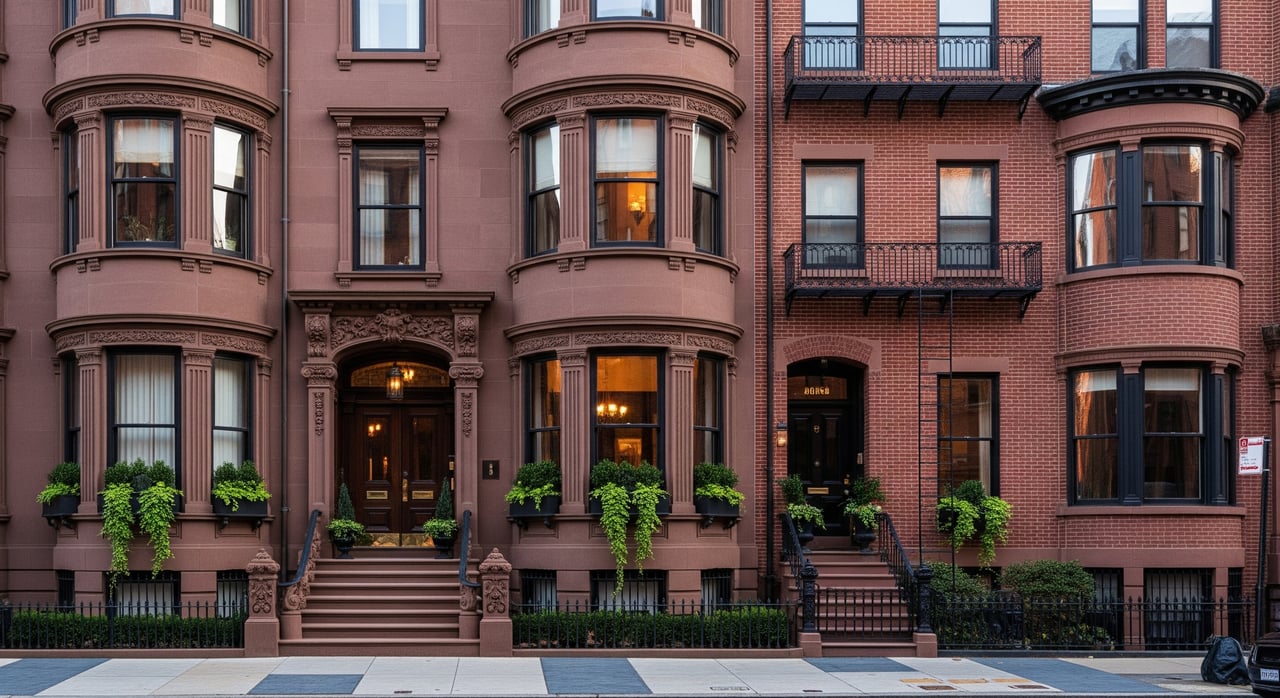
Torn between classic South End charm and a more turnkey condo lifestyle? You are not alone. In the South End, that choice often comes down to how you want to live day to day, how much building oversight you are comfortable with, and what kind of character feels most like home. This guide will help you compare South End brownstones and newer condos so you can weigh style, maintenance, rules, and long-term fit with more confidence. Let’s dive in.
South End Housing Has A Distinct Identity
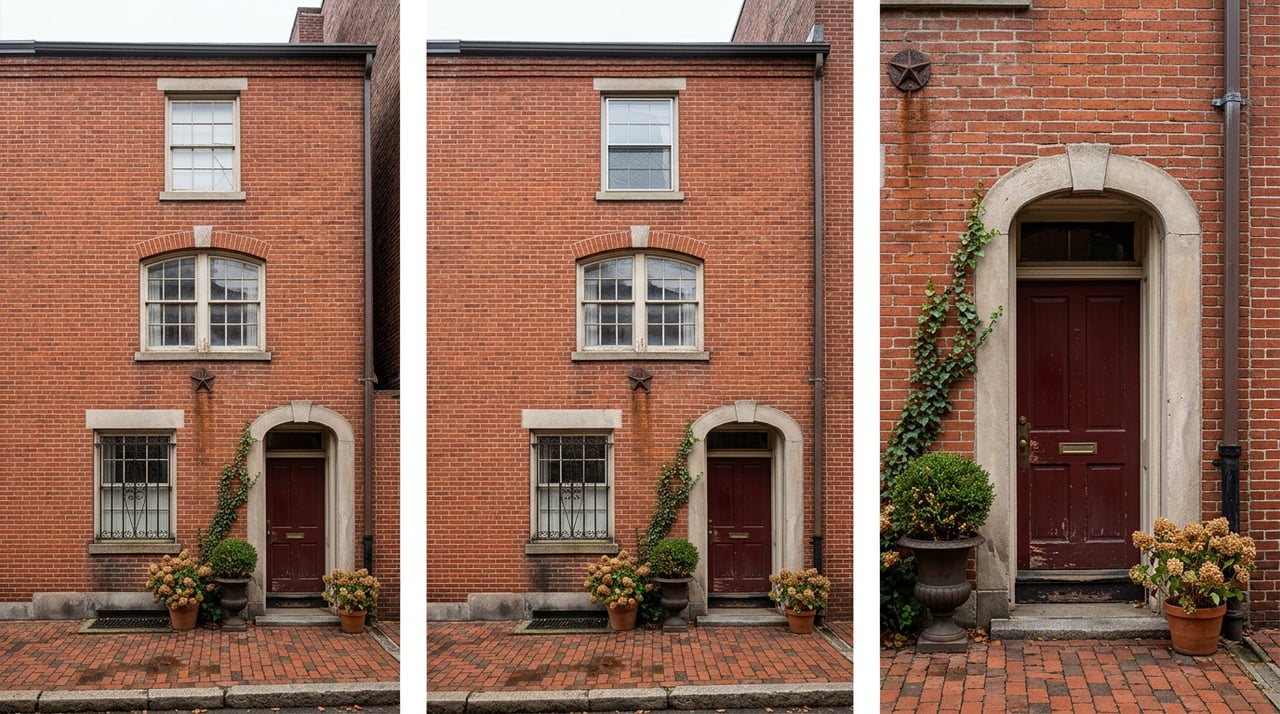
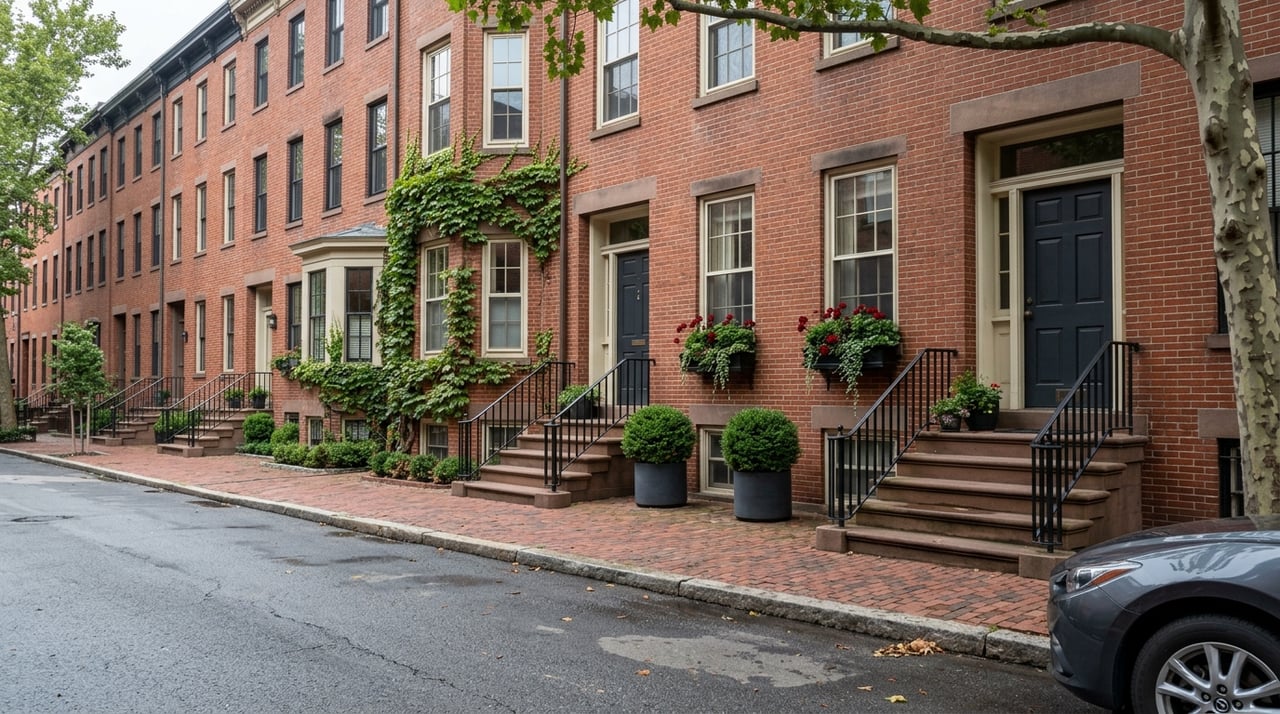
The South End stands apart because of its strong historic character. The City of Boston describes the neighborhood as minutes from Downtown and Back Bay, with a built environment defined by Victorian brownstone buildings and long rows of 19th-century homes.
That history is not just background. Boston notes that development began around 1850 after the marsh was filled, when speculators built fashionable single-family rowhouses in long, uniform rows. Today, that legacy still shapes how the neighborhood looks, feels, and functions.
The South End Landmark District standards describe the area as a cohesive district of 19th-century Victorian red-brick rowhouses. The district was listed on the National Register in 1973 and designated a landmark district in 1983. If you are choosing between a brownstone and a newer condo here, you are also choosing between two very different living experiences inside a neighborhood with a strong visual identity.
What South End Brownstones Offer
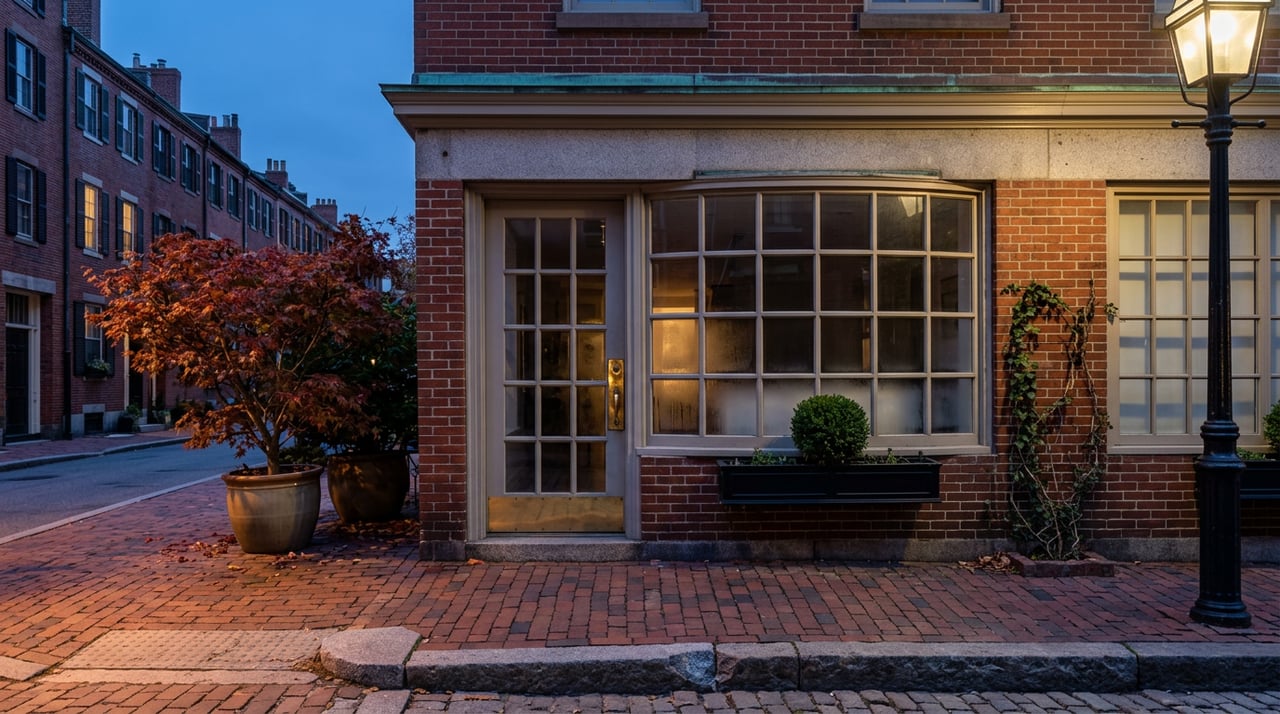
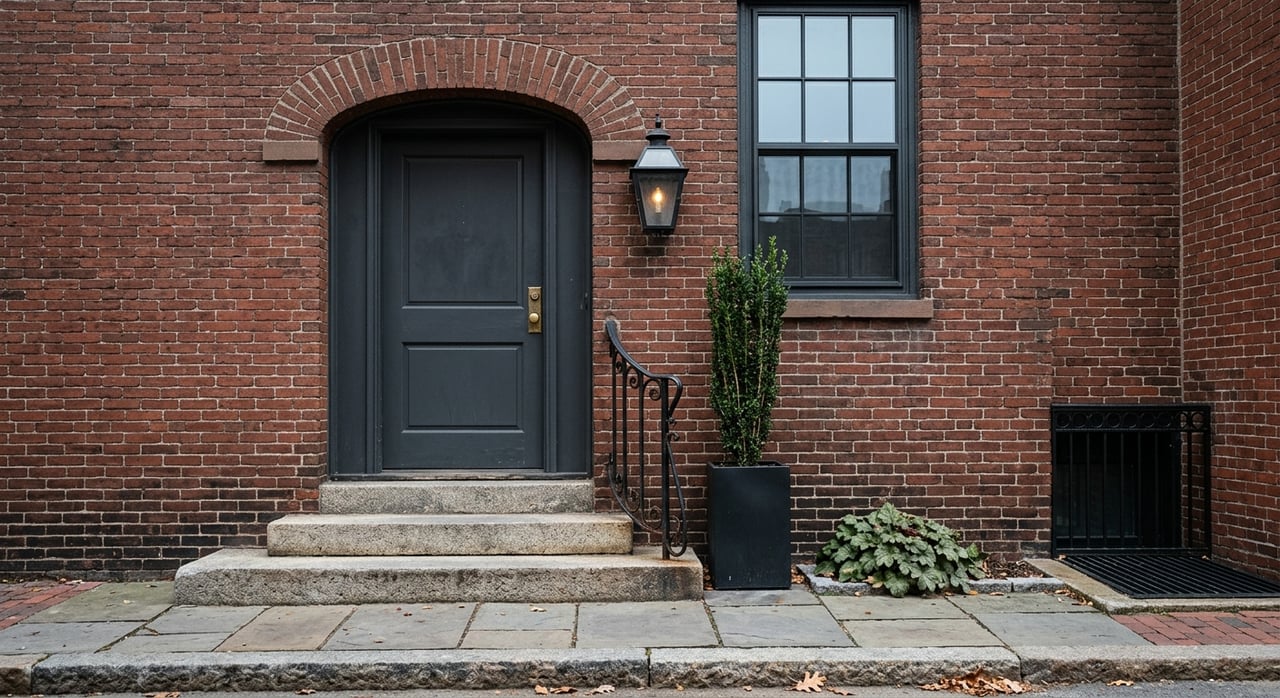
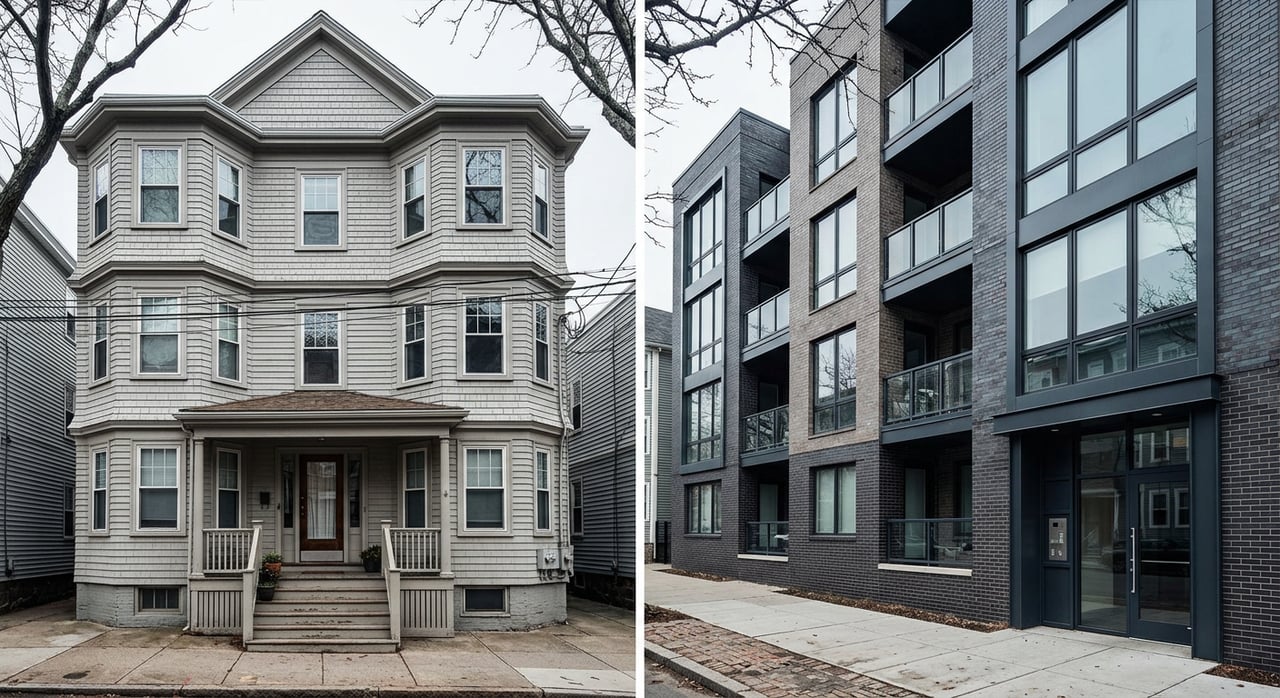
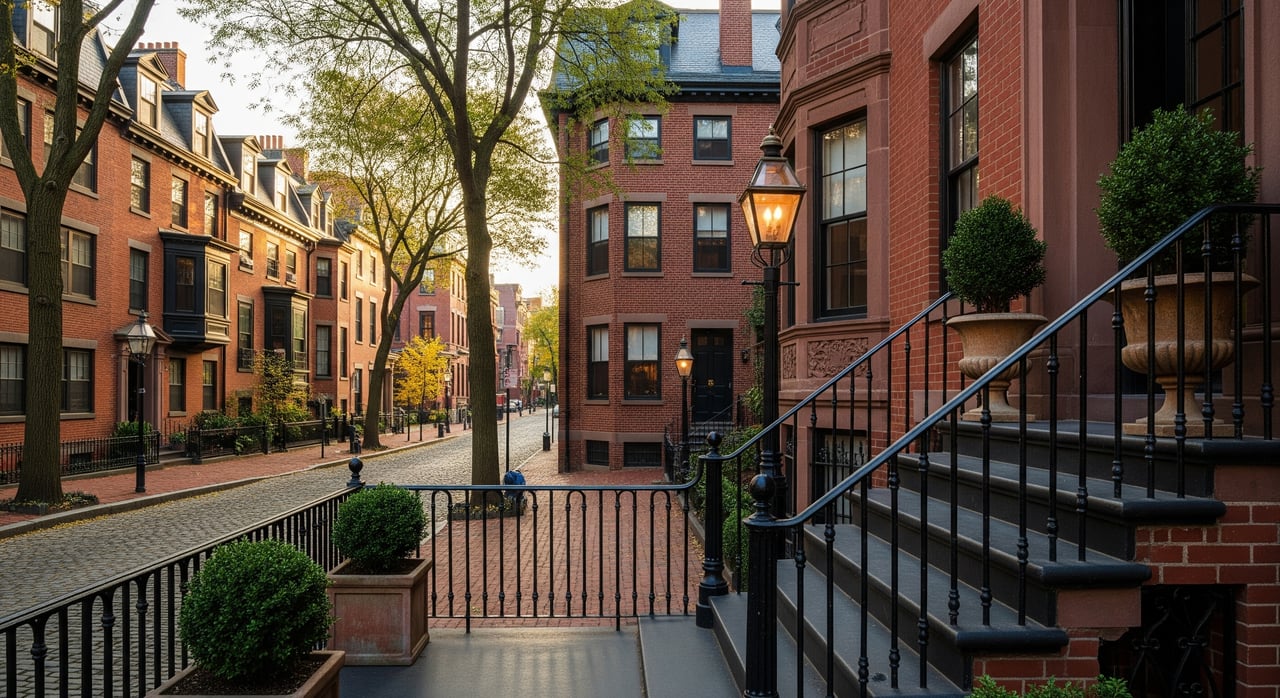
Brownstones tend to appeal to buyers who want the classic South End experience. In the landmark district, the dominant architectural feature is the 19th-century rowhouse block, with homes that appear relatively uniform in size, material, and style.
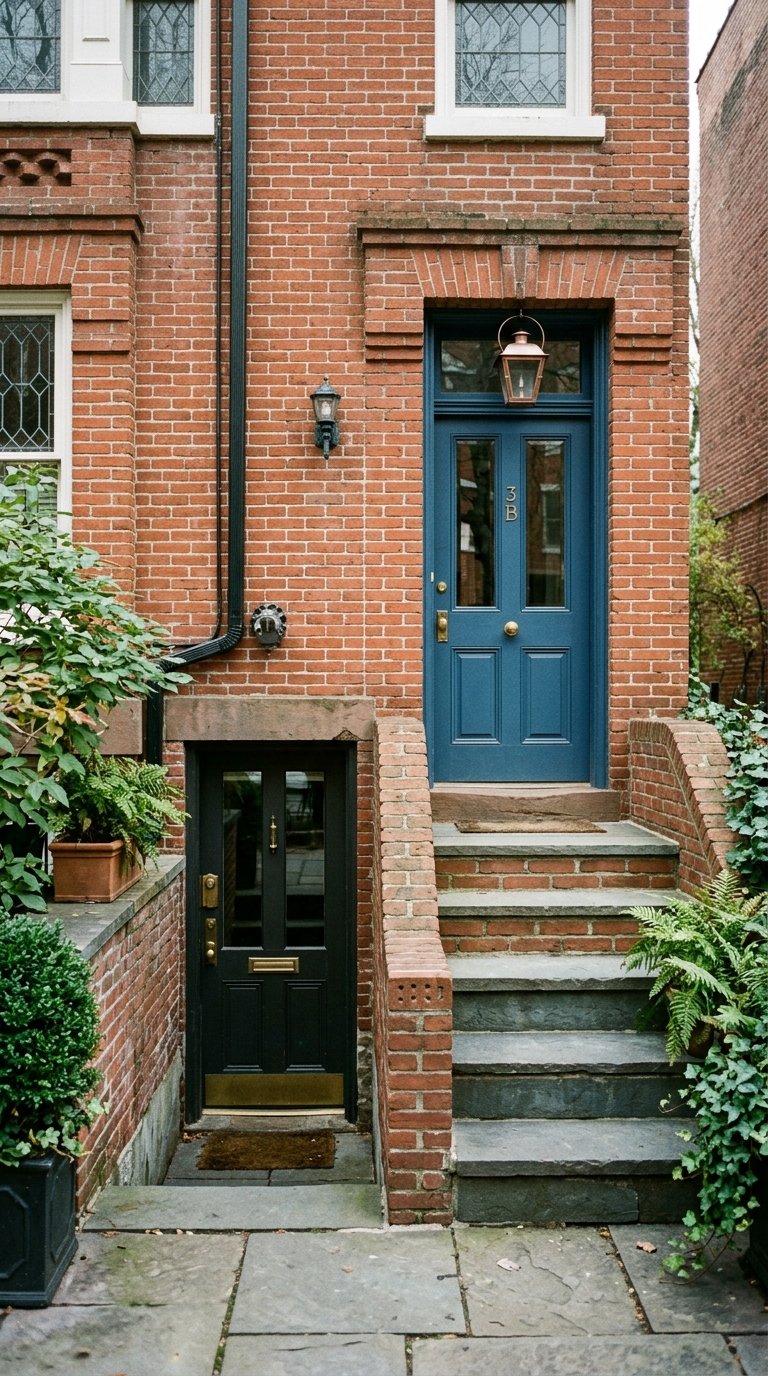
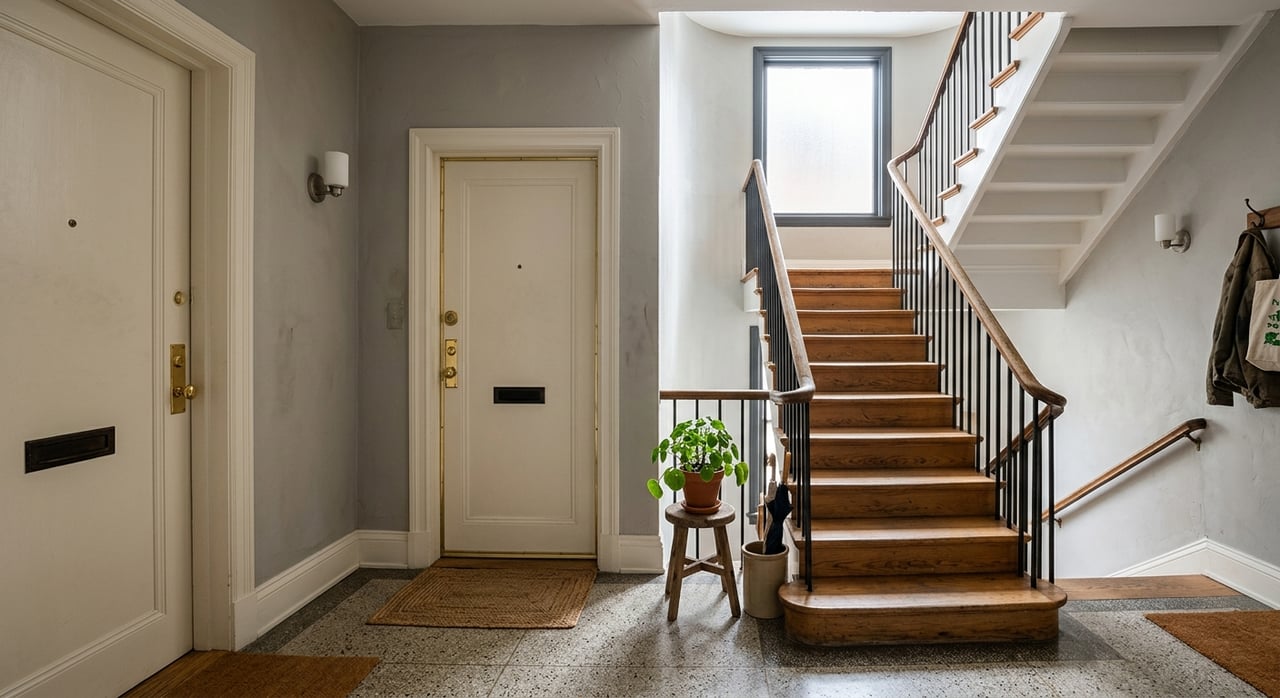
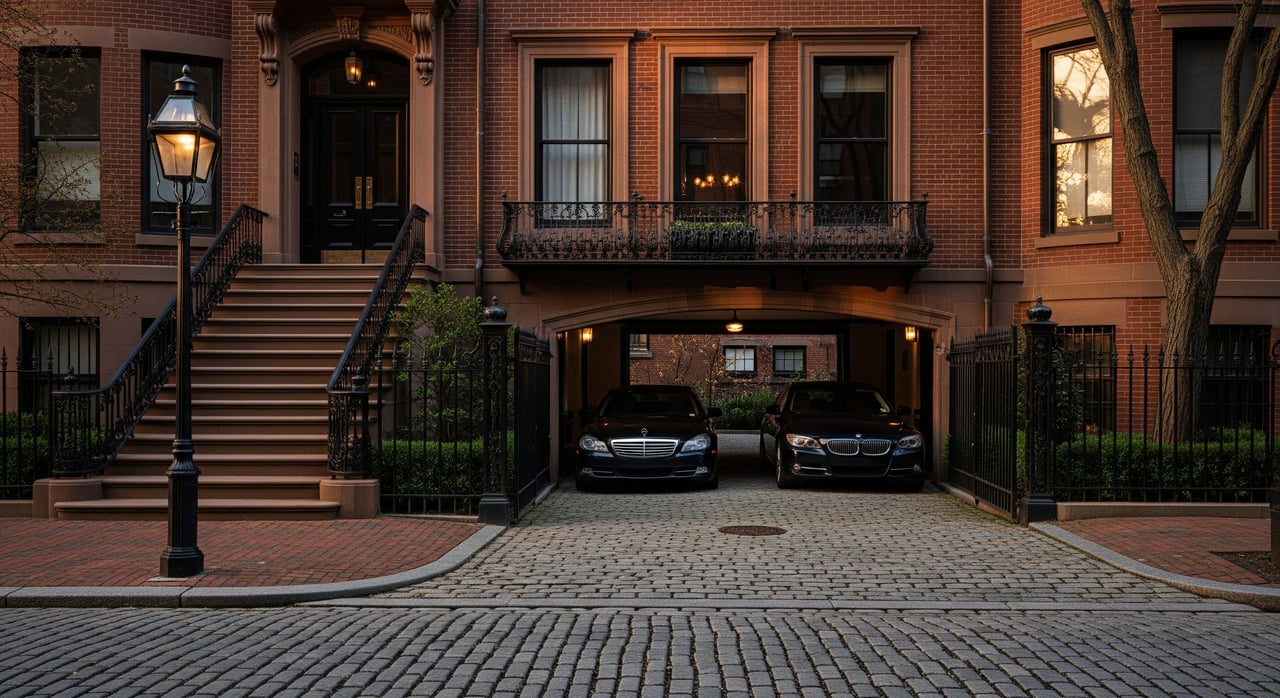
That uniformity creates a more traditional, street-oriented feel. You may find original exterior elements like steps, railings, stairs, and decorative balconies that the district standards identify as important historic features to retain and repair when possible.
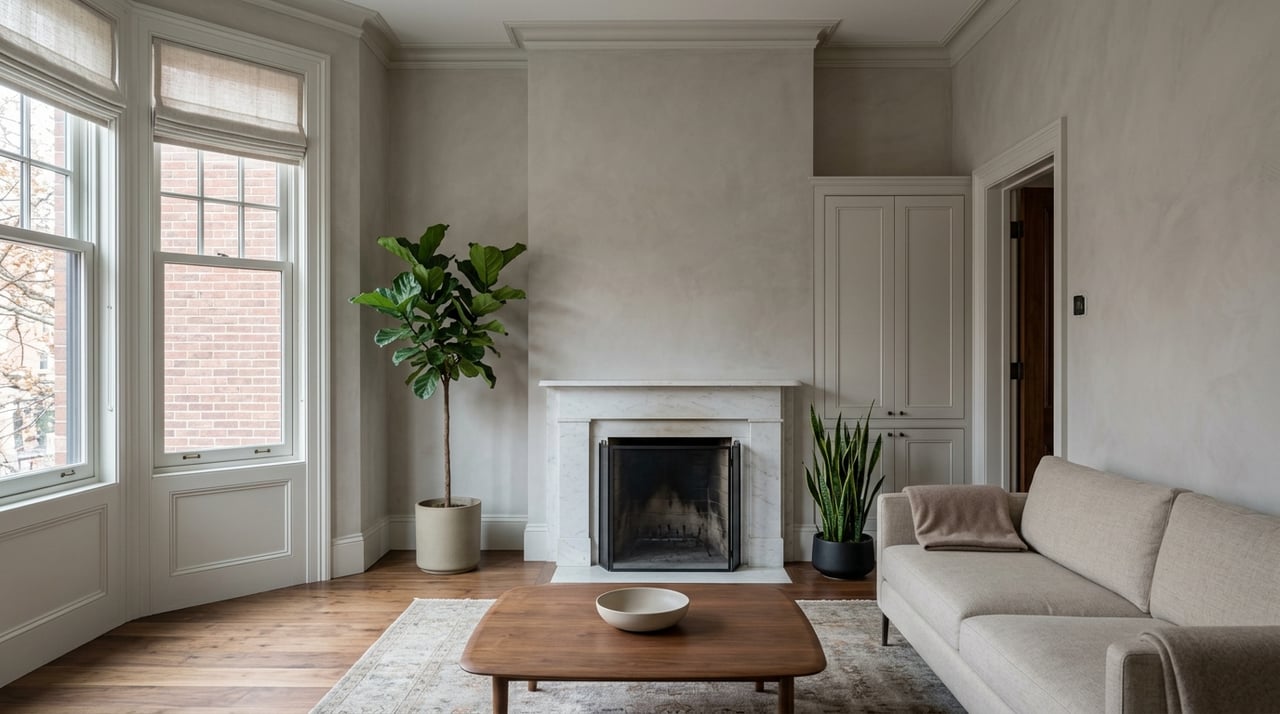
For many buyers, that translates into character you can feel right away. A brownstone often offers a stronger sense of period detail and a direct connection to the streetscape that defines the South End.
What Newer Condos Offer
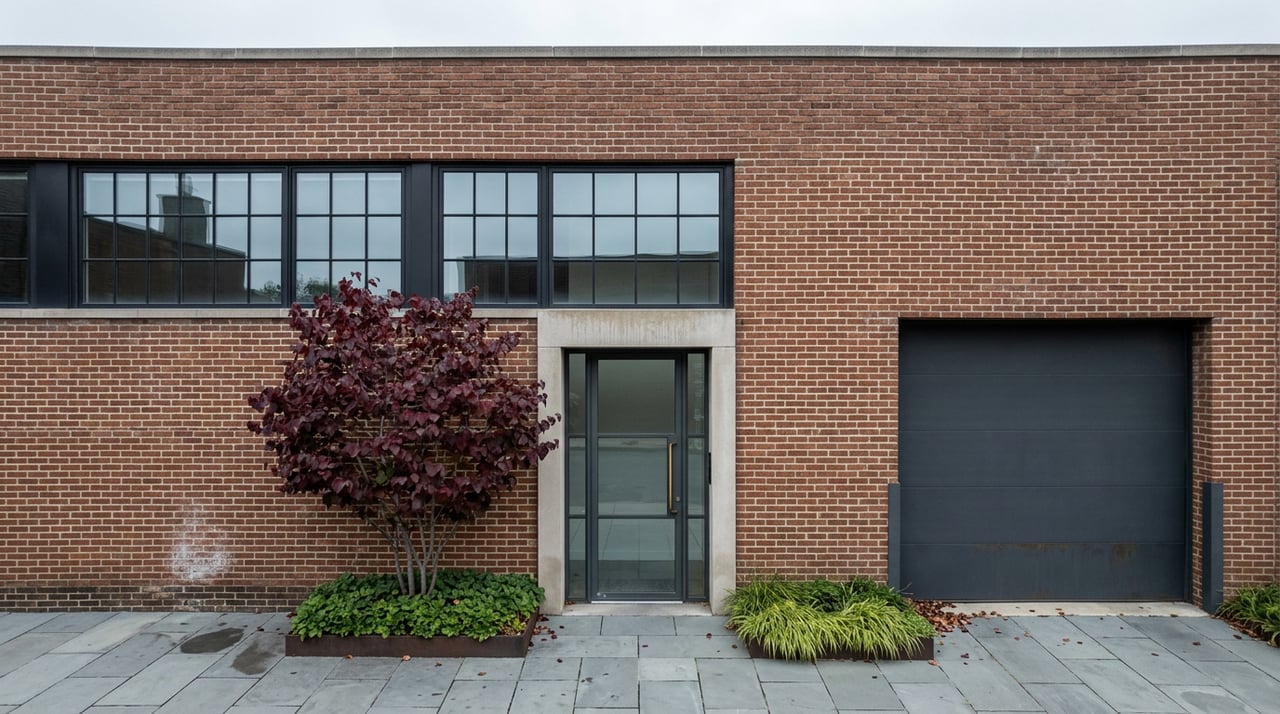
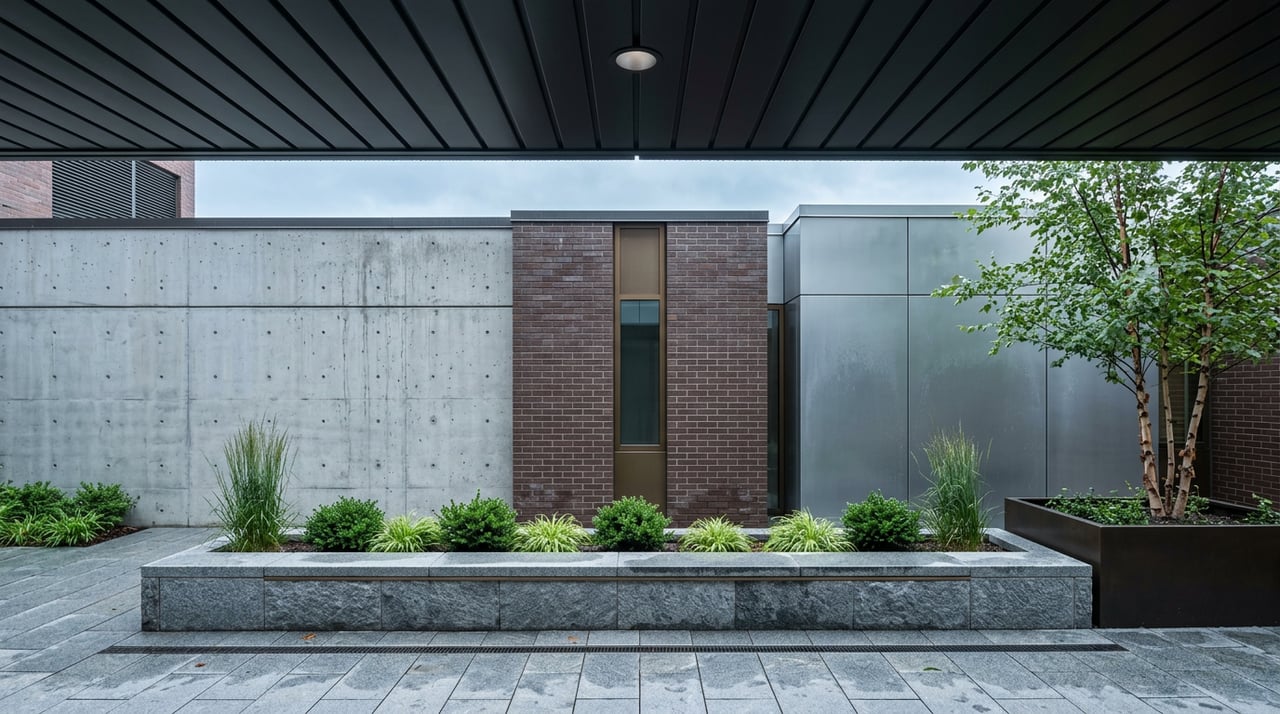
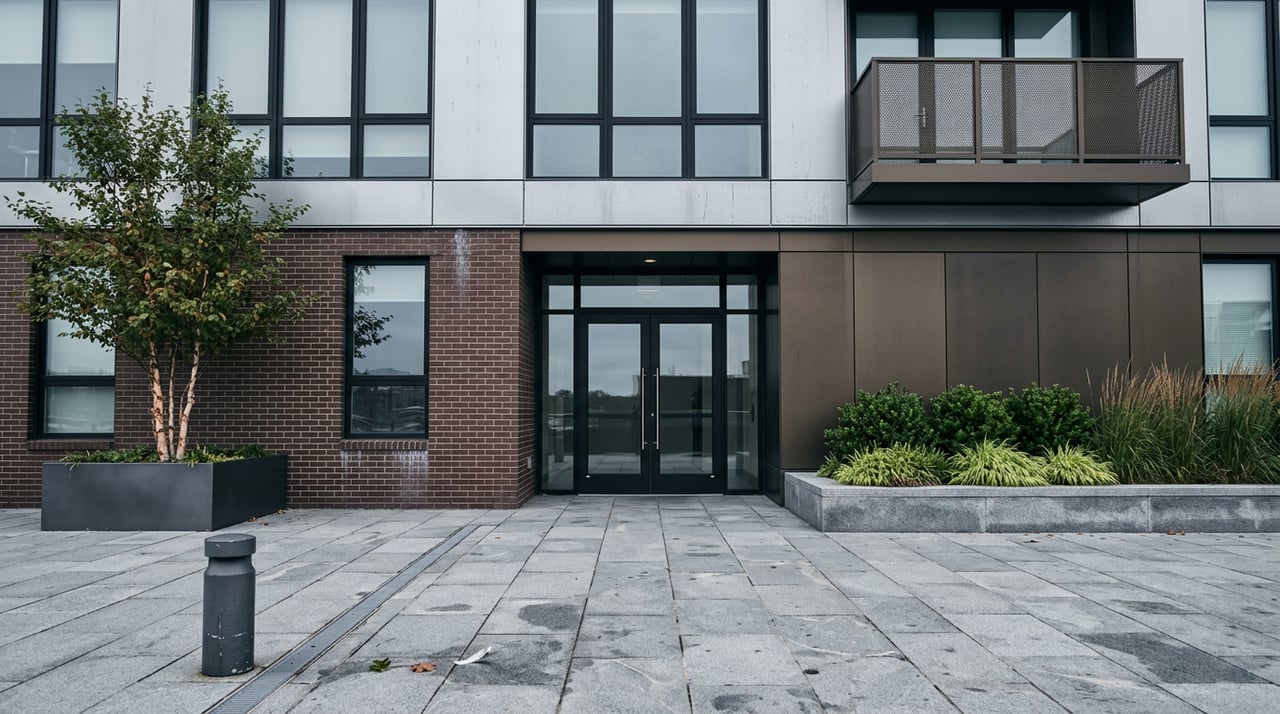
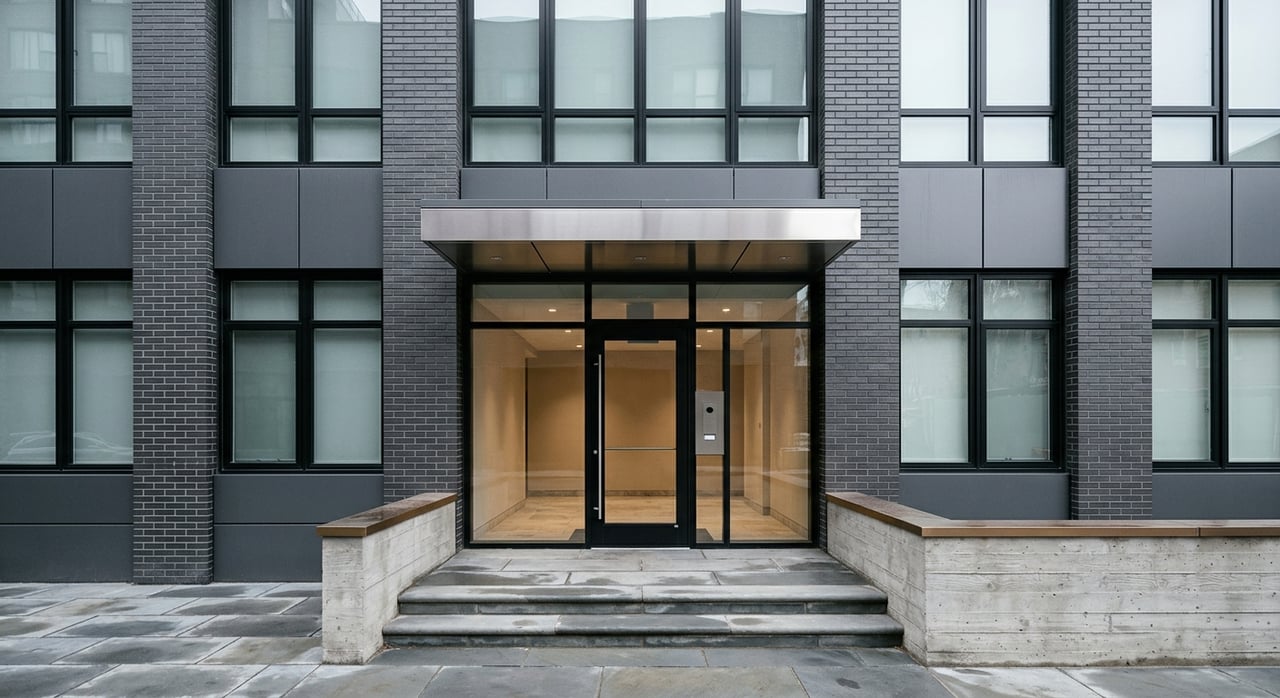
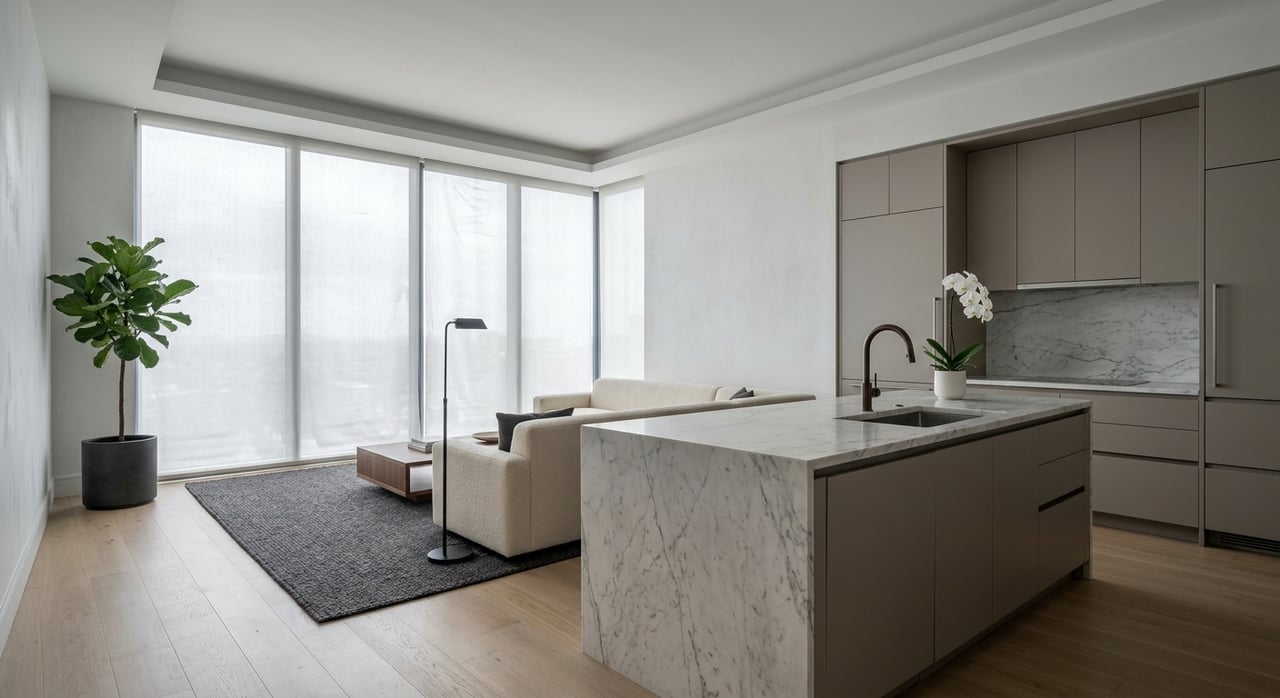
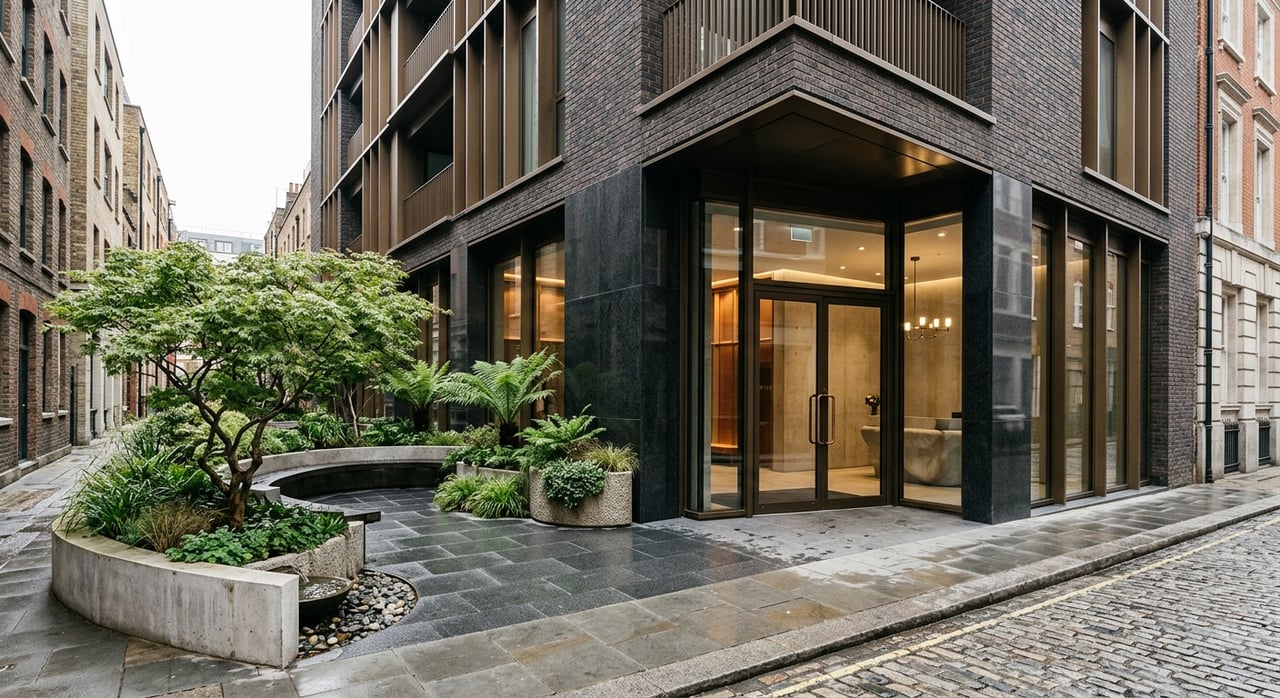
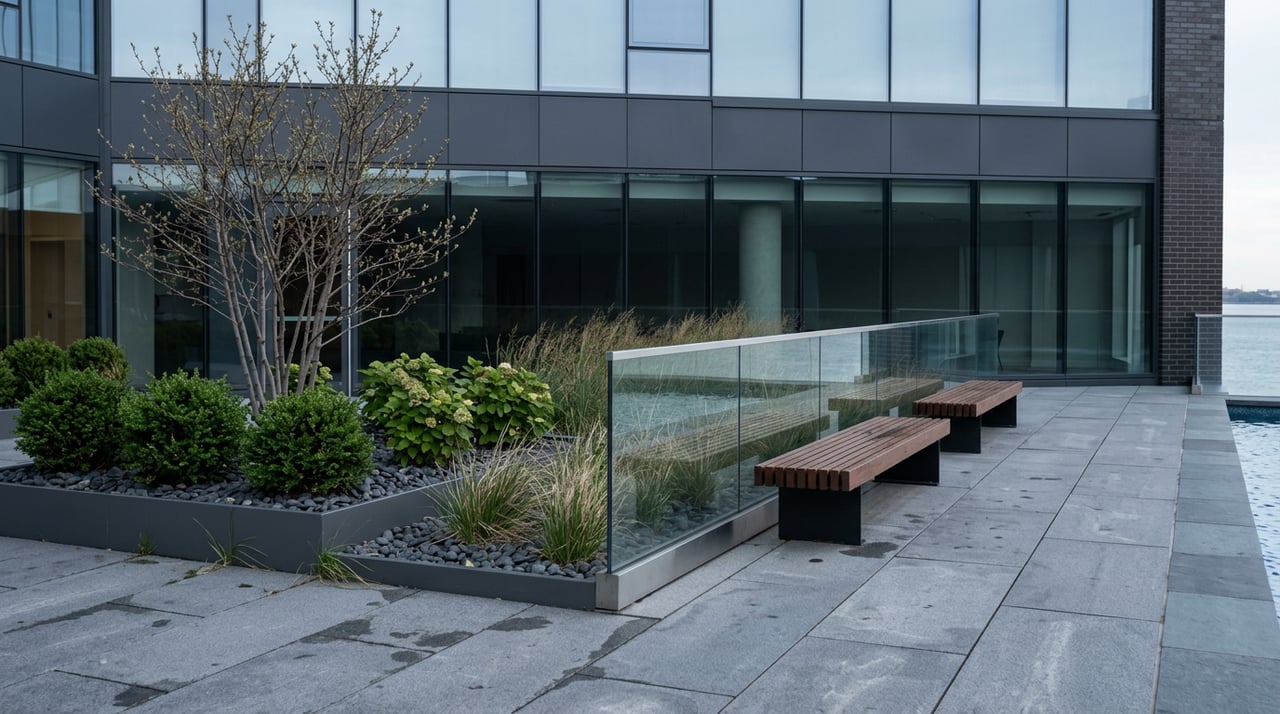
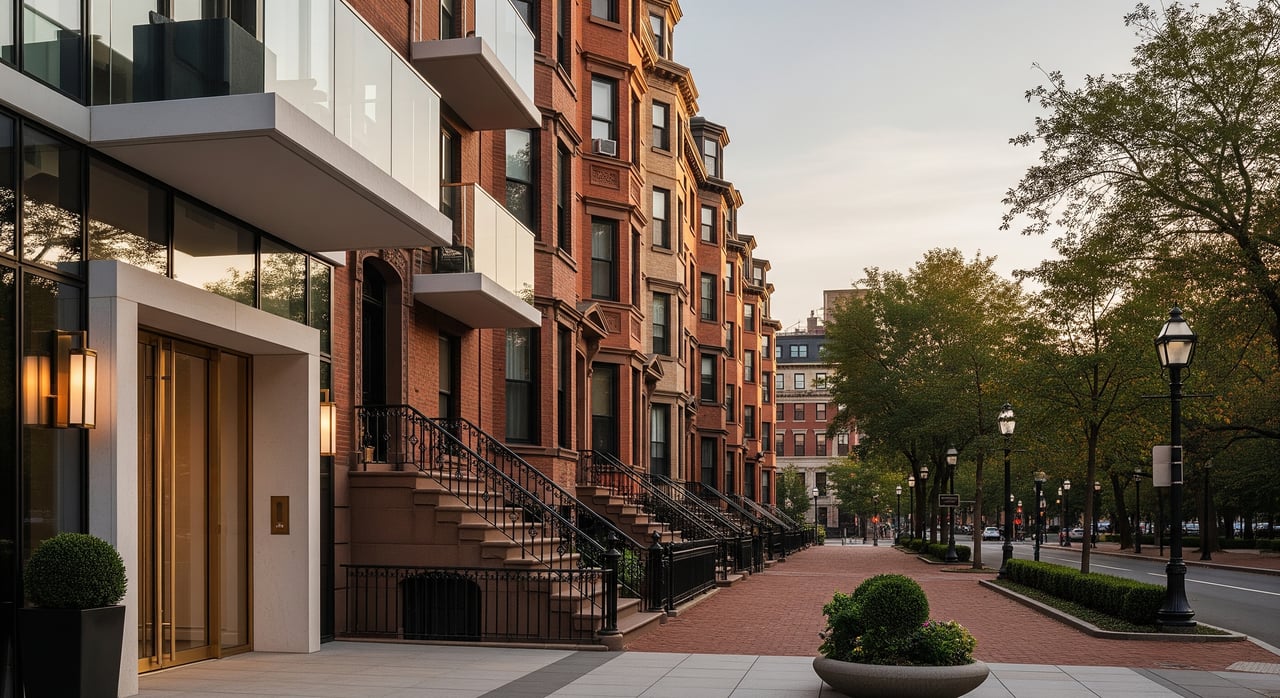
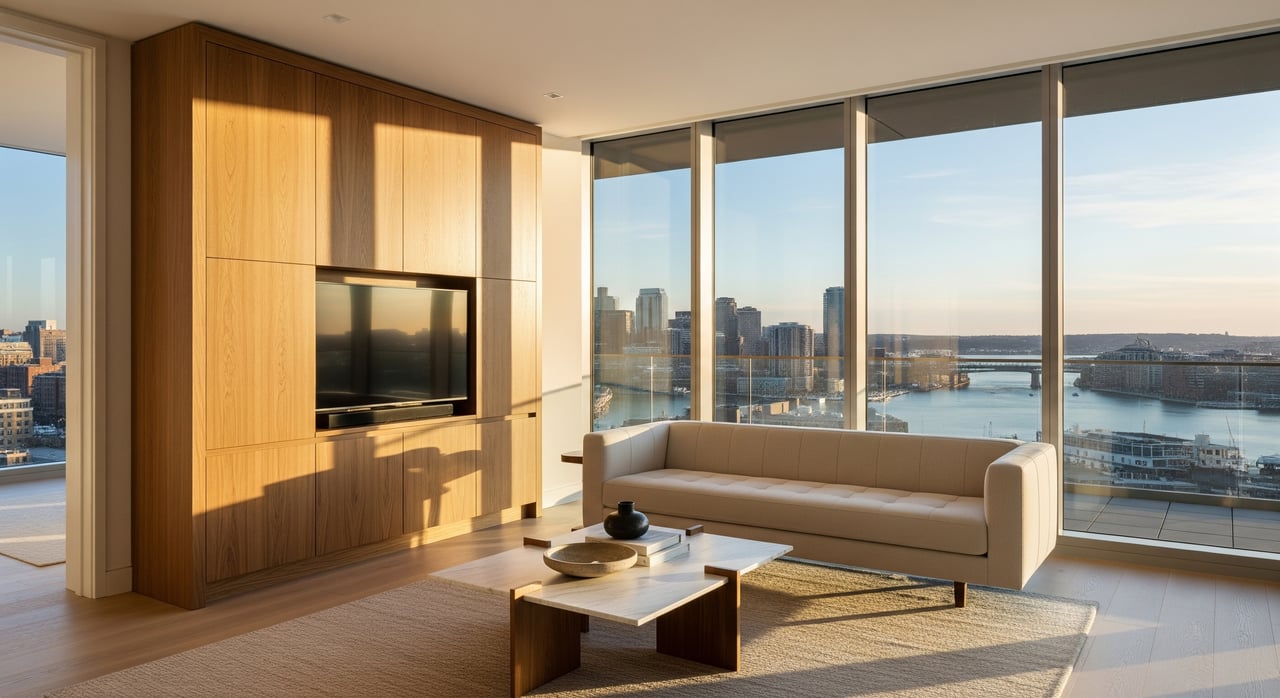
Newer condos usually speak to a different set of priorities. Recent South End condo projects have highlighted features such as light-filled interiors, private outdoor space, direct elevator access in select homes, rooftop lounge areas, integrated appliances, and smart-home technology.
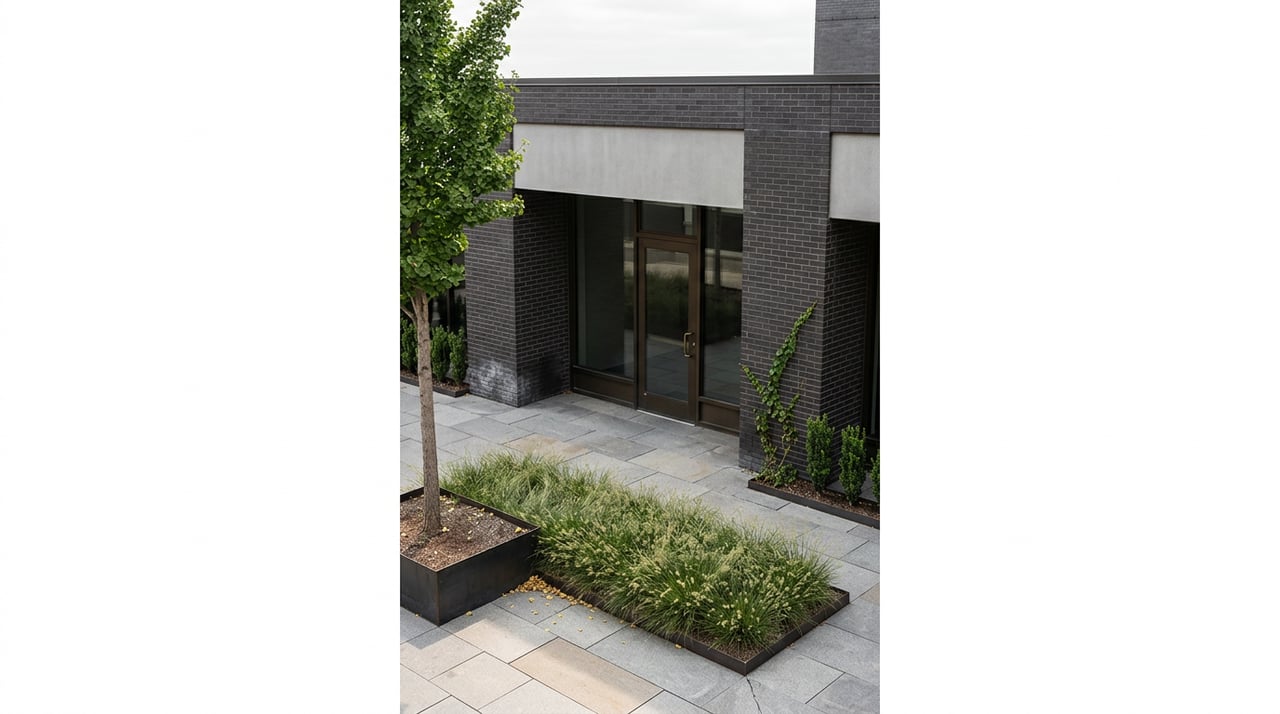
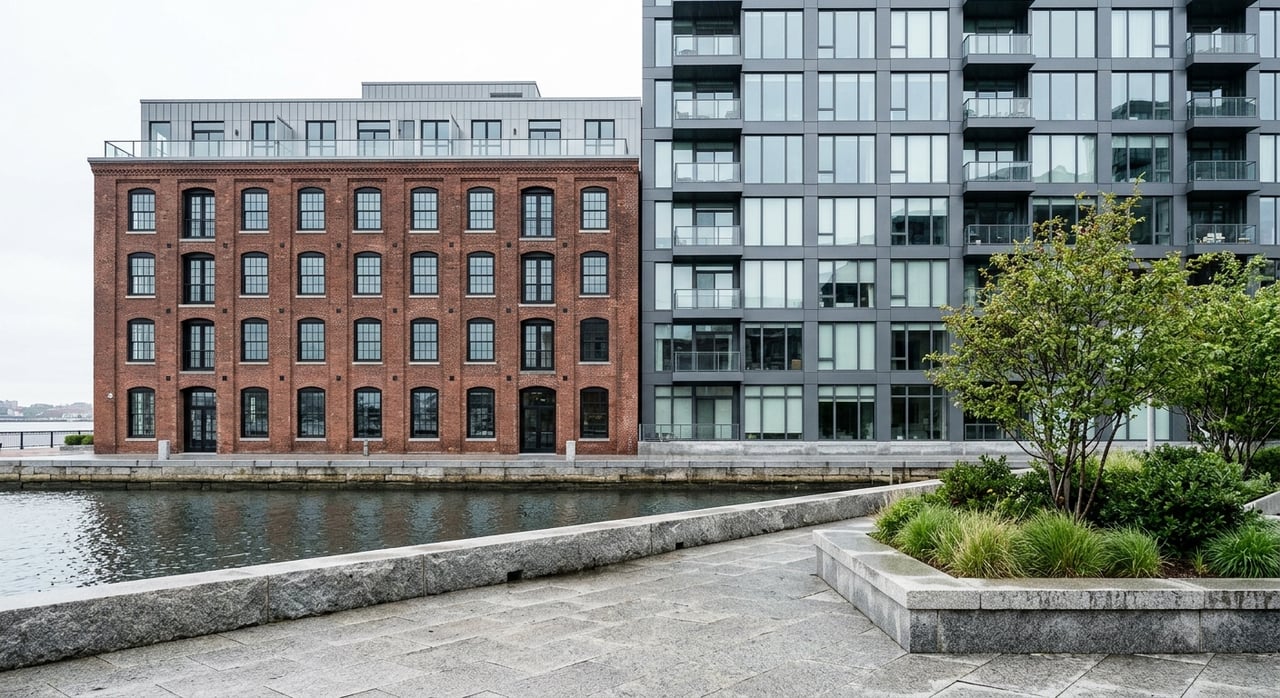
That does not always mean a large tower or an anonymous building. The city’s note about 615 Albany Street creating 24 homes while staying consistent with surrounding historic buildings shows that newer condo product in the South End can also be boutique in scale.
In practical terms, newer condos often appeal to buyers who want modern finishes, convenience, and shared amenity spaces. If your wish list includes elevator access, newer systems, or a more streamlined layout, a newer condo may line up better with how you want to live.
Brownstones Vs Newer Condos At A Glance
Here is a simple side-by-side view of the tradeoffs many buyers consider in the South End:
| Feature | South End Brownstones | Newer South End Condos |
|---|---|---|
| Overall feel | Historic, traditional, street-oriented | Modern, convenience-focused |
| Architecture | Victorian rowhouse context | New construction, infill, or adaptive reuse |
| Design appeal | Period character and original details | Contemporary finishes and layouts |
| Amenities | More dependent on the specific building | May include elevators, lounges, roof spaces, or smart-home features |
| Exterior changes | Often shaped by historic-district review | Can also be subject to historic-district review |
| Monthly costs | Varies by building and setup | Often includes shared operating and reserve costs through condo fees |
Think About Your Day-To-Day Lifestyle
The best choice often comes down to how you want your daily routine to feel. If you picture yourself loving the rhythm of a rowhouse street, historic details, and a home that feels deeply tied to the South End’s architectural story, a brownstone may feel like the natural fit.
If you prefer lower-friction living, a newer condo may make more sense. Features like elevator access, shared amenity spaces, and modern systems can make everyday life feel more predictable and efficient.
Neither option is automatically better. The right answer depends on whether you value historic character most, or whether convenience and newer finishes matter more in your next home.
Understand Condo Governance In Massachusetts
If you are buying a condo, the legal and financial structure matters as much as the finishes. In Massachusetts, condominiums are privately owned, managed, and governed through the master documents, deed, bylaws, and Chapter 183A.
State guidance says condo bylaws must address how the common areas are maintained, repaired, and replaced. They also cover the collection of common expenses, hiring personnel or a managing agent, adoption and amendment of rules for common areas, and restrictions meant to prevent unreasonable interference among owners.
That matters whether you are buying a unit in a converted brownstone or a newer condo building. The living experience is shaped not just by the home itself, but by how the association handles upkeep, rules, and shared costs.
Condo Fees, Reserves, And Assessments
One of the biggest buyer questions is what monthly condo fees really cover. Massachusetts requires condominiums to maintain an adequate replacement reserve fund, collected as part of common expenses and kept separate from operating funds.
The state also explains that special assessments may be used when expenses go beyond current budgets and reserves. So while a newer condo may feel more predictable month to month, that monthly fee is often carrying more of the building’s shared costs.
That does not mean brownstone condos are simpler. In a smaller association, you may still want to look closely at how reserves are funded and how future repairs are handled. In either case, the numbers behind the building deserve as much attention as the floor plan.
Historic Review Can Affect Both Options
Many buyers assume only older brownstones face historic restrictions. In the South End, that is not always the case.
Boston’s Landmarks Commission says proposed work on front facades, visible rooflines, and side or rear elevations that directly face a public way must be approved before work begins. A building permit cannot be issued until the commission provides a certificate of design approval or exemption.
The district standards also say new construction is reviewed for compatibility in land coverage, bulk, material, and proportion. That means both converted brownstones and some newer condo projects may be shaped by active design oversight.
Why This Matters For Future Plans
If you are the kind of buyer who wants flexibility to change windows, doors, railings, rooflines, or visible exterior details later, it is worth understanding landmark review before you buy. Those rules are part of what protects the South End’s cohesive look, but they can also affect renovation timing and options.
For some buyers, that oversight is part of the appeal. For others, it may feel like an extra layer to manage. The key is knowing what applies to the specific property so there are fewer surprises later.
A Smart Due Diligence Checklist
Before you decide between a South End brownstone and a newer condo, review the details that shape ownership beyond the listing photos.
Review The Condo Documents
Look at the master deed and bylaws to understand how the association handles maintenance, common expenses, and unit or common-area use rules. This can give you a clearer picture of what ownership will actually feel like after closing.
Check The Budget And Reserves
Ask for the condo budget, reserve fund status, and any recent or planned special assessments. This step can help you understand whether monthly costs seem sustainable and whether larger expenses may be coming.
Confirm Landmark District Status
Find out whether the property is in the South End Landmark District or Protection Area. If it is, ask what kinds of exterior work would require approval from the South End Landmark District Commission.
Look At Building-Specific Restrictions
Some limits come from the building itself, not just the city. Review any restrictions in the condo documents related to unit use, maintenance responsibilities, and common areas.
How To Choose The Right Fit
A brownstone may be the better fit if you are drawn to historic character, a classic rowhouse setting, and the architectural texture that makes the South End so recognizable. You may be more comfortable with a property where the setting and façade are part of the value story.
A newer condo may be the better fit if you want modern finishes, elevator access, private outdoor space, shared amenities, or a more standardized association structure. In the South End, newer does not always mean oversized, and boutique projects can offer a more intimate version of contemporary living.
The goal is not to force one answer. It is to match the property to your priorities, your maintenance comfort level, and how you want your home to function every day.
If you want help sorting through South End inventory with a sharper eye for layout, governance, and long-term fit, Morgan Franklin can help you compare the details that matter and narrow the search with confidence.
FAQs
What is the main difference between South End brownstones and newer condos?
- South End brownstones usually appeal more for historic character and a traditional rowhouse feel, while newer condos often appeal more for modern finishes, convenience, and shared amenities.
Are South End brownstones always single-family homes?
- No. The South End’s historic housing stock began as single-family rowhouses, but many properties today may be configured as condominiums within those historic buildings.
Do newer condos in the South End still have to follow historic rules?
- In many cases, yes. Boston says exterior work in the South End Landmark District, including certain visible facades and rooflines, may require approval before work begins, and new construction is also reviewed for compatibility.
What condo documents should you review before buying in the South End?
- You should review the master deed and bylaws, along with the condo budget, reserve fund status, and any recent or planned special assessments.
Why do condo reserve funds matter in Massachusetts?
- Massachusetts requires condominiums to maintain an adequate replacement reserve fund, so reviewing reserves can help you understand how a building plans for future repair and replacement costs.
Is a newer South End condo always a large building?
- No. Newer South End condo projects can be boutique in scale, including smaller infill or adaptive reuse projects, not just large developments.