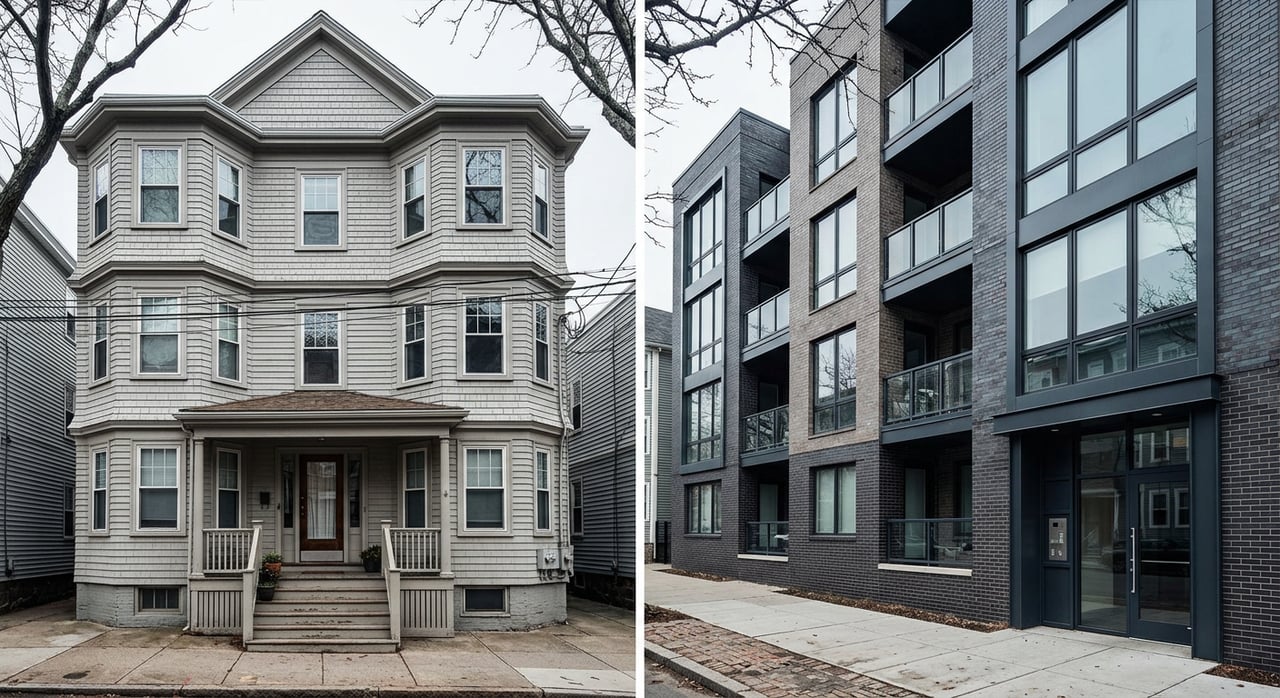
Thinking about trading Back Bay square footage for a yard, more bedrooms, or a quieter daily rhythm? You are not alone, and the move can be exciting and complicated at the same time. When you are selling in Boston and buying in Newton, success usually comes down to timing, financing, and tight coordination. Here is how to plan the move with fewer surprises and more confidence.
Why Newton appeals to Back Bay movers
If you want more space without feeling disconnected from Boston, Newton is a practical next step. The city offers Green Line access at Riverside, Woodland, Waban, Eliot, Newton Highlands, Newton Centre, and Chestnut Hill, along with commuter rail stations at Auburndale, West Newton, and Newtonville on the Worcester/Framingham line.
That transit access matters when you are trying to keep one foot in city life while gaining a more suburban setup. You may get more room to spread out while still maintaining regular access to Boston for work, dining, or weekend plans.
Newton is also a competitive market, which changes how you should approach your move. Redfin's April 2026 data shows a median sale price of $1,606,670, with homes going pending in about 21 days and multiple-offer pressure still in play.
Treat the move as one strategy
One of the biggest mistakes you can make is thinking about your Back Bay sale and your Newton purchase as two separate events. In a fast market, they need to work together as one plan.
That means you should know your likely sale range, expected equity, financing options, and ideal timeline before you start touring seriously. A coordinated plan helps you move quickly when the right Newton home appears and helps reduce the risk of rushed decisions on either side.
For many buyers, this is where a project-manager mindset pays off. You are not just buying a home. You are lining up pricing, prep, listing timing, purchase timing, inspections, appraisal milestones, and move logistics all at once.
Should you sell first or buy first?
For most people, selling first is the more conservative option. The Consumer Financial Protection Bureau notes that when you want to move, you will normally try to sell your current home before buying another one because it lowers the risk of carrying two mortgages at the same time.
That approach can give you a clearer budget for Newton. Once you know your sale proceeds, you can shop with more confidence and avoid stretching beyond what feels comfortable.
Still, selling first is not always the best emotional fit. If you are worried about finding a new home in a competitive Newton market, you may want to explore options that let you buy before your Back Bay property closes.
When buying first can make sense
Buying first may be worth considering if you have strong equity, stable finances, and a clear plan for how long you can carry overlap costs. In a market where homes can go pending in about three weeks, having the ability to act quickly can be a real advantage.
The key is not just whether you can buy first, but whether the numbers still work if your Boston sale takes longer than expected. You should model the cost of two housing payments, closing costs, moving expenses, repairs, taxes, insurance, and any setup costs for the new home.
Understand your financing options early
Your financing conversation should happen before the house hunt, not after you fall in love with a home. The CFPB advises buyers to shop around for a home loan rather than assuming the first offer is the best.
If you need equity from your current home to fund the next purchase, there are a few paths to discuss with your lender. Each one comes with tradeoffs, so clarity matters.
Bridge loan basics
The CFPB explains that a bridge loan is a temporary loan, typically 12 months or less, designed for situations where you plan to sell your current home within a year. This can help if you want to purchase in Newton before your Back Bay home closes.
A bridge loan can create flexibility, but it also adds cost and risk. If your current home does not sell on your expected timeline, you may feel pressure from carrying costs.
HELOC vs. home equity loan
The CFPB also explains that a home equity loan and a HELOC both allow you to tap equity while your original mortgage remains in place. In that case, both are second mortgages.
A home equity loan gives you a lump sum. A HELOC gives you a line of credit that you can draw from more than once. Both can be useful in the right situation, but both create repayment risk, and falling behind could put your home at risk.
What matters most
The right answer depends on your cash flow, available equity, risk tolerance, and timing goals. What matters most is making that call early so you are not scrambling to solve financing after your search is already underway.
Plan your timing around late summer
If your move involves school-year timing, late summer deserves extra attention. For the 2026-27 school year, both Newton and Wellesley begin classes on September 2, 2026.
That makes late summer the key closing window if your goal is to be unpacked before school routines begin. Even if your household does not include school-aged children, that same timing can affect market activity, mover availability, and overall stress levels.
Once you move in, calendars still matter. Newton Public Schools lists weekly Wednesday early-release patterns for elementary students, along with additional special early-release dates during the year.
Knowing that in advance can help you plan childcare, deliveries, contractor work, and unpacking. A move always has enough moving pieces already, so a little calendar awareness can go a long way.
Build in overlap between closings
If possible, give yourself breathing room between the sale of your Boston home and the purchase of your Newton home. Even a short overlap can reduce pressure and give you a backup if one side of the transaction moves more slowly than expected.
How much overlap should you budget for? That depends on your finances, storage needs, and tolerance for temporary housing, but the important point is to expect some friction rather than assuming both closings will line up perfectly.
In a coordinated move, your backup plan matters just as much as your ideal plan. That could mean temporary housing, short-term storage, or a brief period of overlap if the Newton purchase closes before the Back Bay sale.
Watch the inspection and appraisal timeline
Two closings can lose momentum when inspection and appraisal deadlines start colliding. The CFPB recommends scheduling an independent inspection as soon as possible so you can identify major issues early enough to act.
If your contract is contingent on a satisfactory inspection, you may be able to cancel without penalty if the results are unacceptable. That is one reason speed matters. Delays at this stage can affect movers, financing, and the timing of your Boston sale.
Inspection results can also lead to negotiation. The CFPB notes that sellers may or may not agree to repair requests, and in some situations a lender may require repairs or an escrow account before closing.
Appraisals can create another layer of uncertainty, especially if timelines are already tight. If you are coordinating two deals at once, it helps to assume at least one step may need extra time.
A practical move plan for Back Bay to Newton
The smoothest moves usually follow a simple framework. You do not need every answer on day one, but you do need the right sequence.
Start with these steps
- Get preapproved before touring seriously.
- Estimate the equity you expect from your Back Bay sale.
- Decide whether you need to sell first or can responsibly buy first.
- Review bridge loan, HELOC, or home equity loan options with a lender if needed.
- Set a target closing window, especially if late summer matters to your household.
- Build a backup plan for overlap, storage, or temporary housing.
- Move quickly on inspections and stay flexible on timing.
This kind of planning helps you act decisively without feeling rushed. In a competitive Newton market, that balance can make a real difference.
Why local coordination matters
A Back Bay-to-Newton move is not just a change in address. It is a lifestyle shift, a market shift, and a transaction that often requires careful choreography.
You want a plan that reflects both sides of the move: how to position your Boston home for a strong sale and how to compete effectively when the right Newton property hits the market. The more coordinated the strategy, the smoother the transition tends to feel.
If you are considering a move from Back Bay to Newton, the best first step is a personalized plan built around your timing, budget, and next chapter. Connect with Morgan Franklin to book a personalized market consultation.
FAQs
Should I sell my Back Bay home before shopping in Newton?
- For many buyers, yes. Selling first is the more conservative path because it reduces the risk of carrying two mortgages and gives you a clearer purchase budget.
When does a bridge loan make sense for a Newton purchase?
- A bridge loan may make sense if you want to buy in Newton before your current home sells and you expect that sale to happen within a year, but you should weigh the added cost and risk carefully.
How is a HELOC different from a home equity loan for a move?
- A home equity loan provides a lump sum, while a HELOC provides a line of credit you can draw from as needed. Both are typically second mortgages if your original mortgage is still in place.
When is the best time to close on a move to Newton?
- If you want to be settled before the school year starts, late summer is the key window. For 2026-27, both Newton and Wellesley begin classes on September 2, 2026.
What can delay a Back Bay-to-Newton move after an offer is accepted?
- Common pressure points include inspection findings, repair negotiations, lender-required repairs, appraisals, and the challenge of lining up two separate closings.
Why should I plan overlap between my Boston sale and Newton purchase?
- A short overlap can reduce stress and give you options if one closing is delayed. It can also make moving, storage, and temporary housing easier to manage.