Selling in Back Bay is not the same as selling anywhere else in Boston. Buyers here often notice finish quality, historic detail, and overall presentation within seconds, especially in a neighborhood defined by Victorian row houses, landmark protections, and premium pricing. If you want your home to stand out, thoughtful preparation can help you create a stronger first impression, attract serious interest, and launch with confidence. Let’s dive in.
Why preparation matters in Back Bay
Back Bay is a luxury-oriented market, but it is not a market where anything sells instantly. Recent market data shows median days on market ranging from 35 to 41 days, with sale-to-list ratios around 96% to 97.4%, which points to a balanced market rather than a runaway seller's market.
That matters because buyers usually have options. In a neighborhood where listing prices are high and presentation standards are even higher, your home needs to feel well cared for, polished, and true to its character from the start.
Start with visible condition
Before you think about styling, focus on what buyers will notice right away. Cleanliness, clutter, and small signs of wear can shape how a home feels long before someone looks at the floor plan or finishes.
Staging research supports that approach. In the 2025 Profile of Home Staging, 83% of buyers' agents said staging made it easier for buyers to visualize a home, while 49% of sellers' agents said staging reduced time on market. The same report also found that 51% of sellers' agents recommend decluttering or correcting property faults first.
Declutter with intention
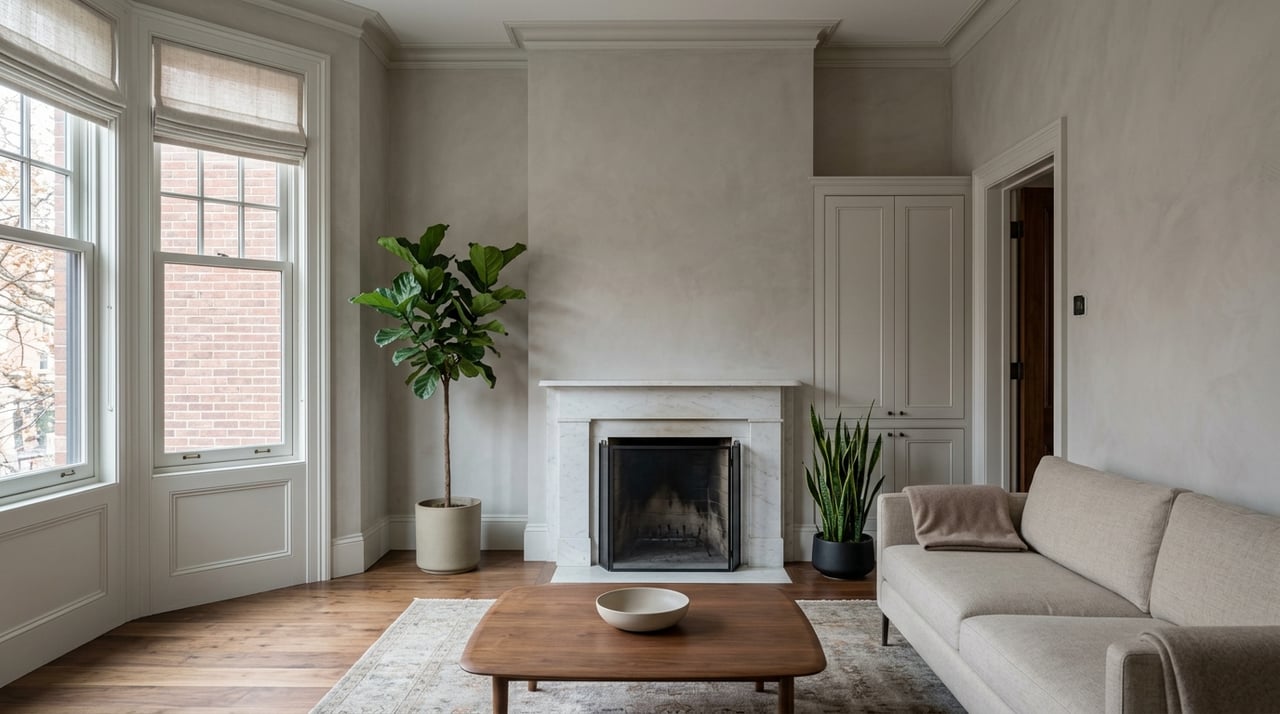
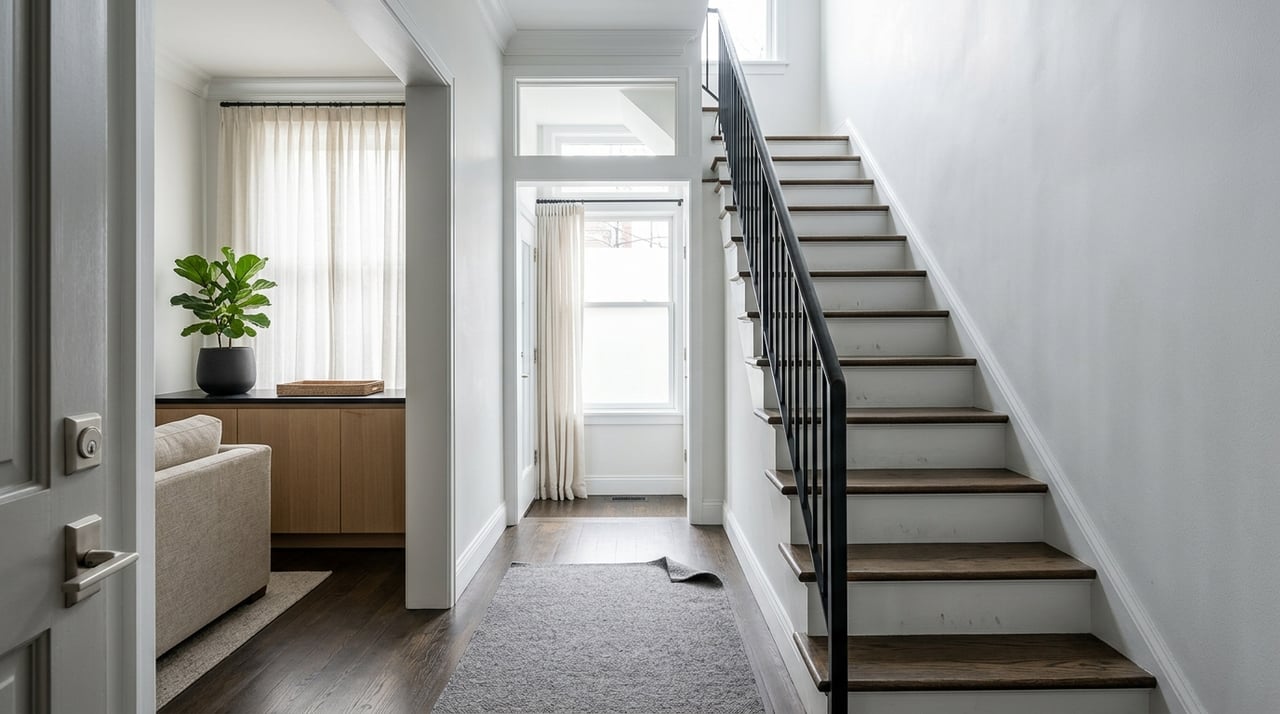
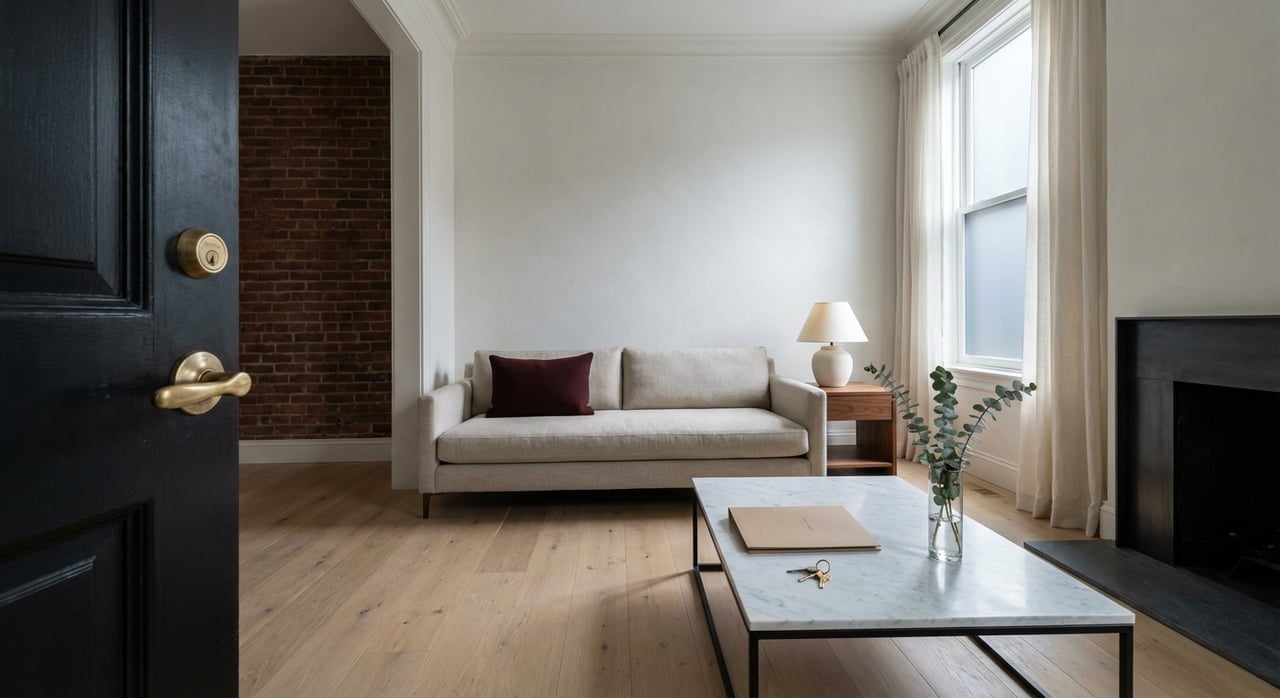
In Back Bay, less is usually more. Buyers are often responding to ceiling height, natural light, moldings, fireplaces, window lines, and room flow, so too much furniture or décor can distract from the features that matter most.
Aim to simplify each room so it feels open and functional. Clear surfaces, reduce oversized pieces, and remove anything that makes a room feel smaller or more personalized than necessary.
Deep clean every surface
A deep clean sounds basic, but in a premium market it carries real weight. Dust on millwork, smudged windows, worn grout, or dingy baseboards can make an otherwise beautiful home feel less cared for.
Focus extra attention on kitchens, baths, entry areas, and windows. In Back Bay, where natural light and architectural detail often help define value, clean glass and crisp finishes can make a meaningful difference in photos and in person.
Repair small flaws
Minor issues can signal deferred maintenance, even when the home is otherwise in strong condition. Loose hardware, chipped paint, scuffed walls, sticky doors, and tired caulking are all worth addressing before you go live.
You do not need to over-renovate to make an impact. In many cases, a home shows best when obvious wear is resolved and original character remains front and center.
Protect historic character
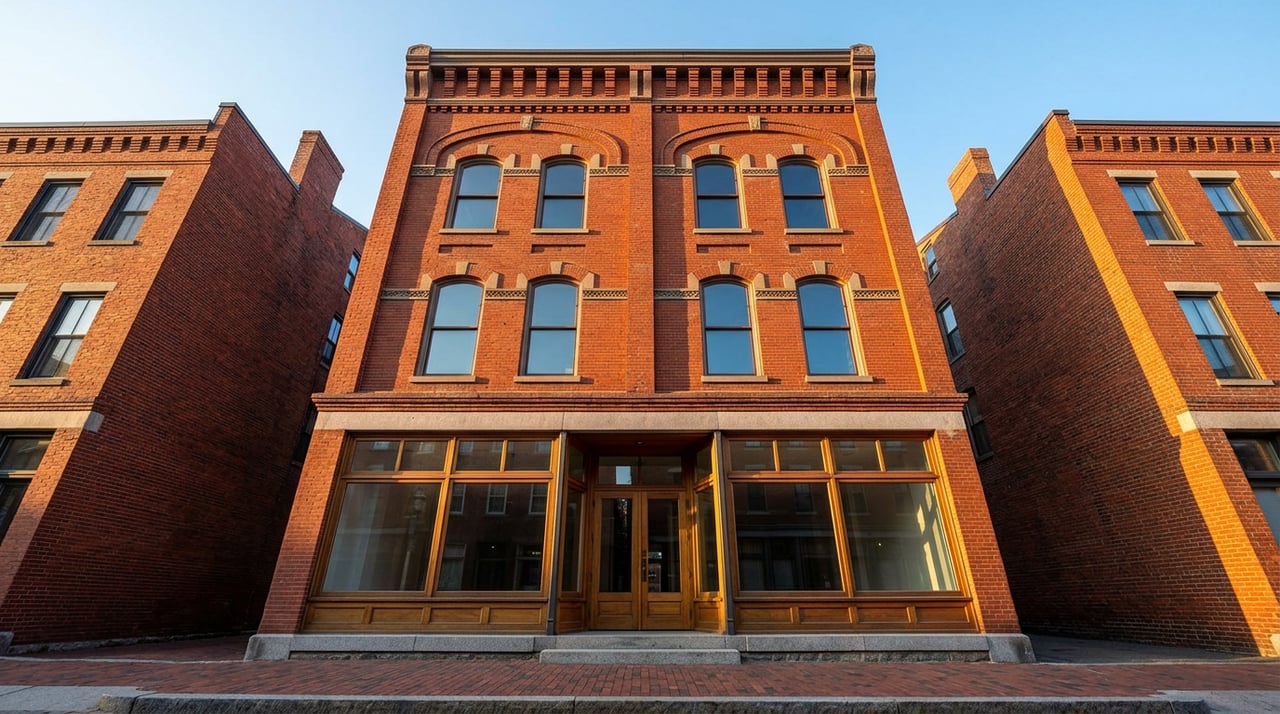
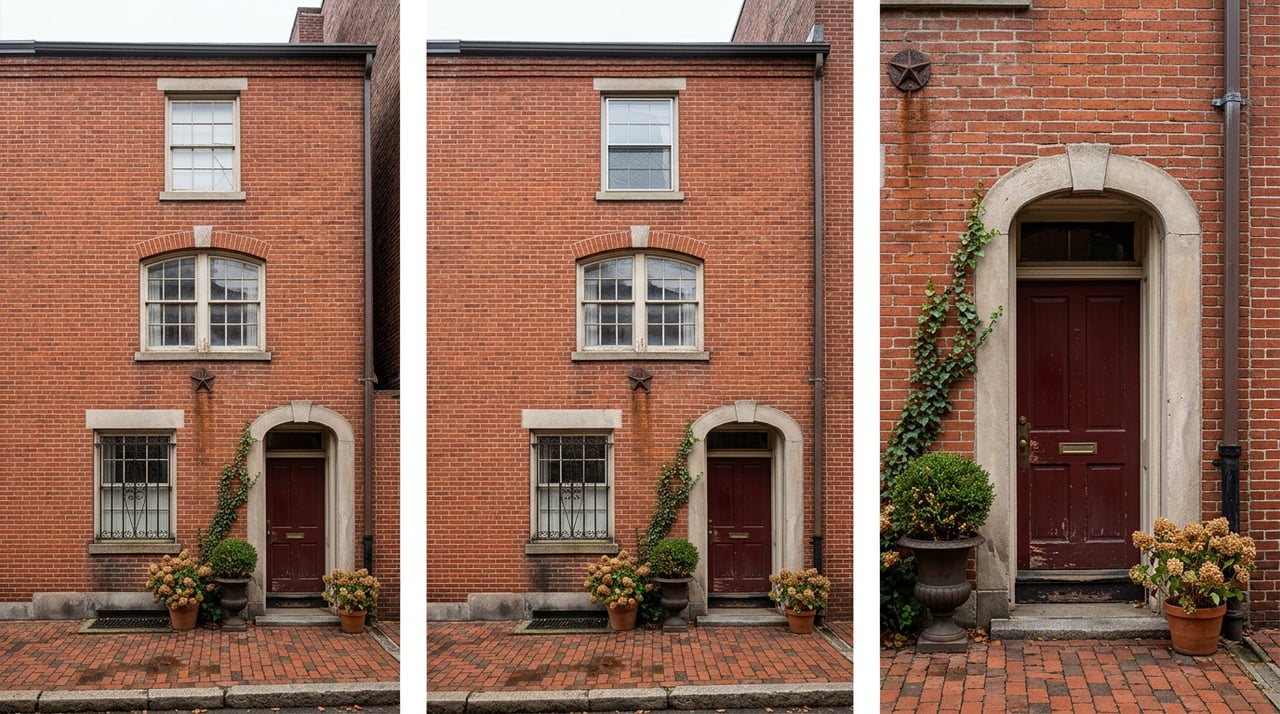
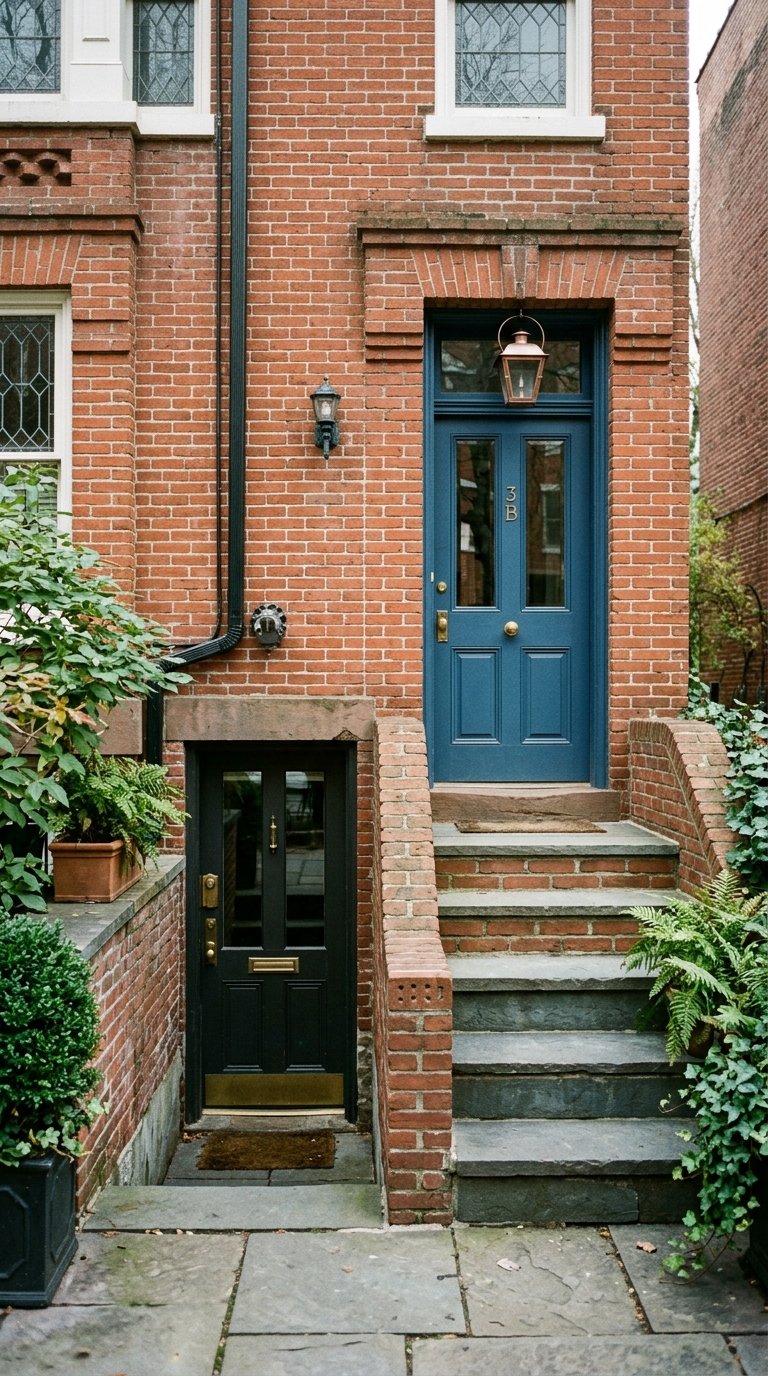
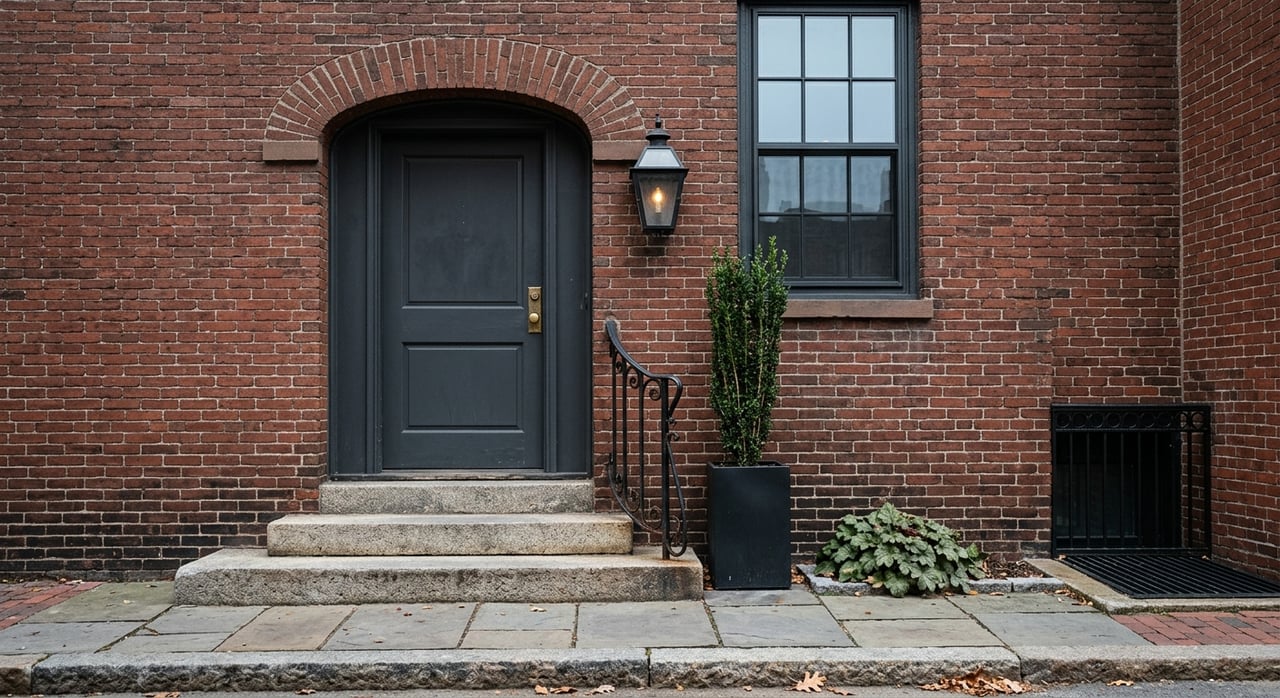
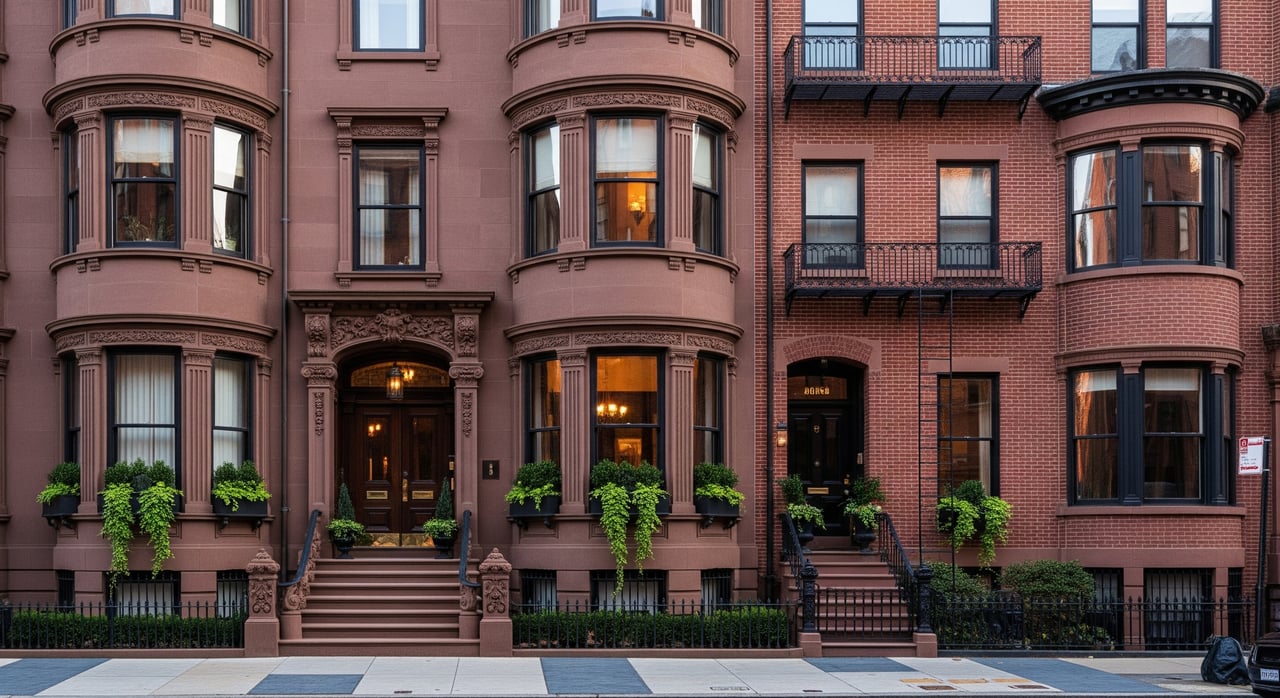
One of Back Bay’s biggest selling points is its architectural identity. Buyers are often drawn to original details and the neighborhood’s preserved streetscape, so your preparation strategy should support that rather than compete with it.
Back Bay preservation guidelines emphasize maintaining and repairing historic materials and features instead of replacing them when possible. They also state that alterations to primary façades are inappropriate, and that brownstone surfaces may require special treatment.
Repair before replacing
If you are preparing trim, masonry, railings, or other period details, careful repair is usually the better path. Historically compatible updates tend to align more closely with neighborhood expectations than highly visible cosmetic changes.
This is especially important outside. The district guidelines note that aggressive cleaning methods such as sandblasting are prohibited, so exterior refresh work should be approached carefully and with the proper specialists when needed.
Keep exterior updates consistent
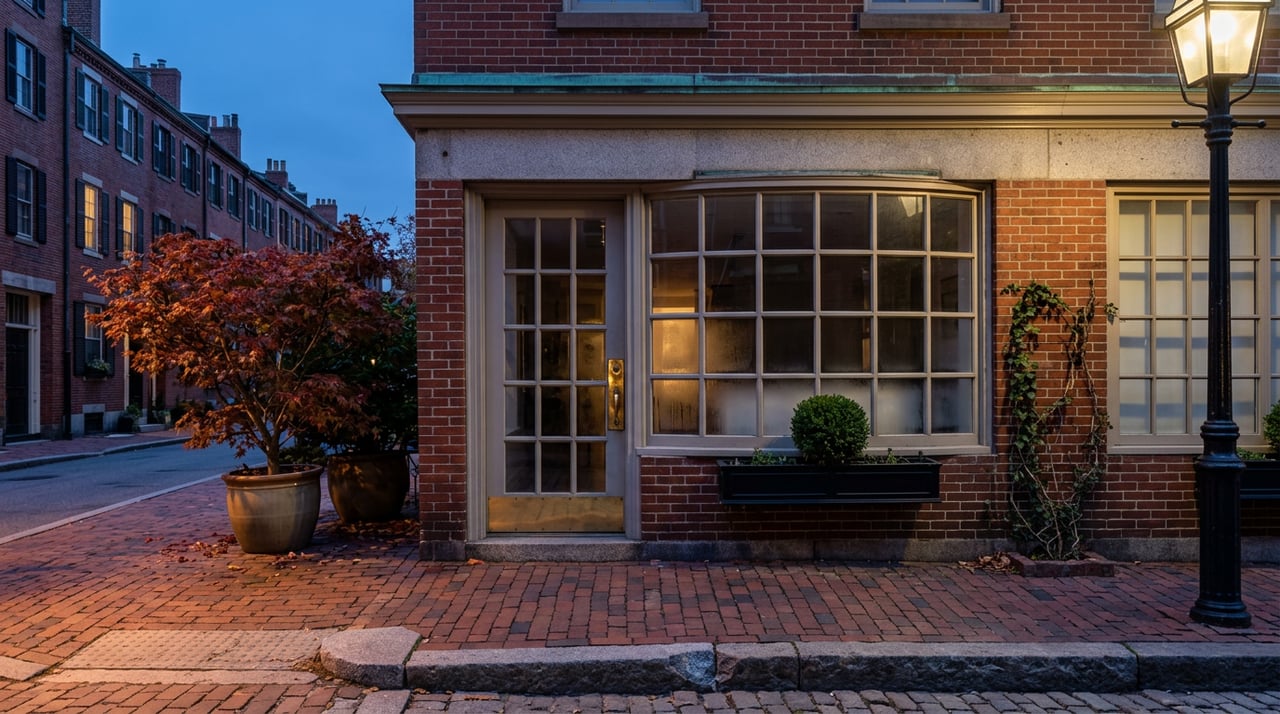
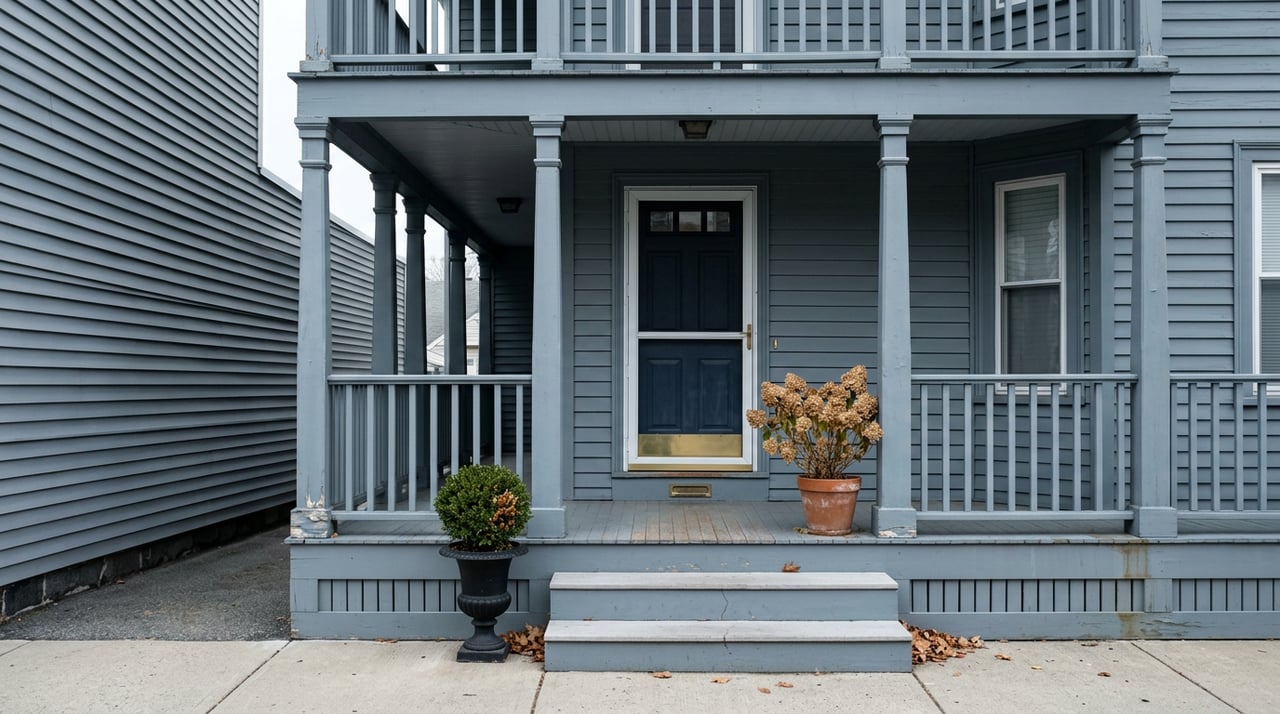
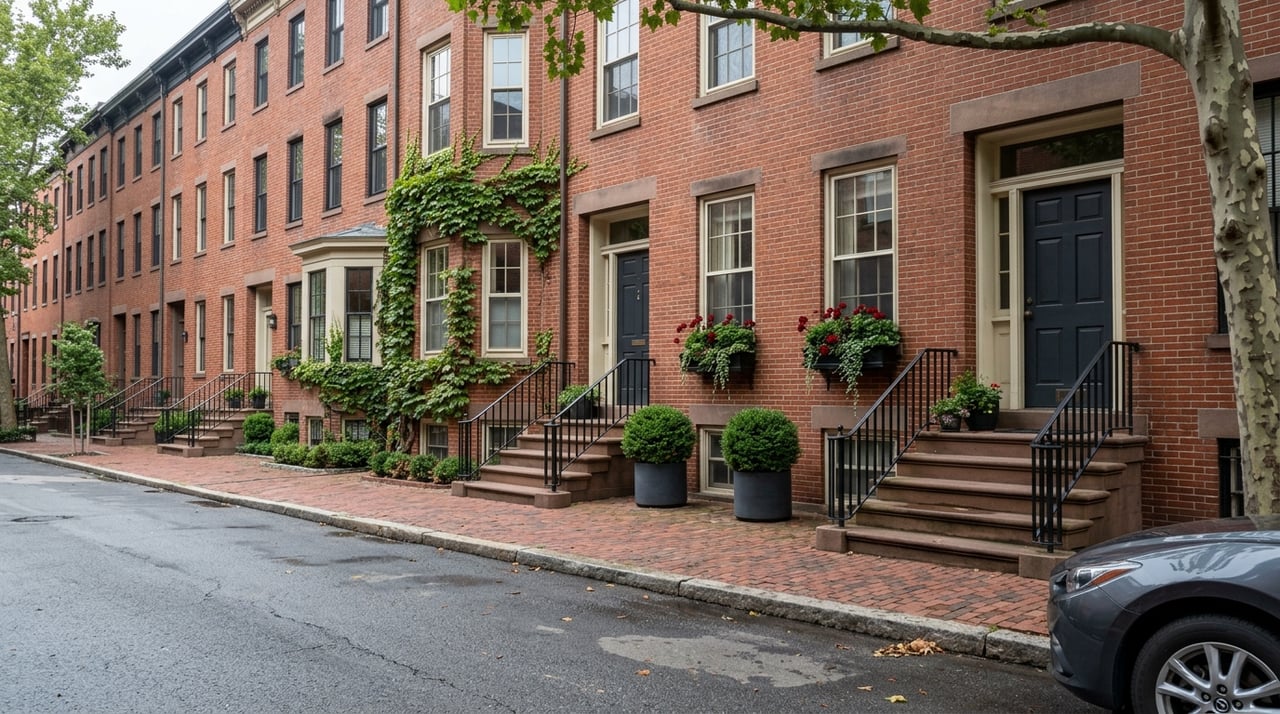
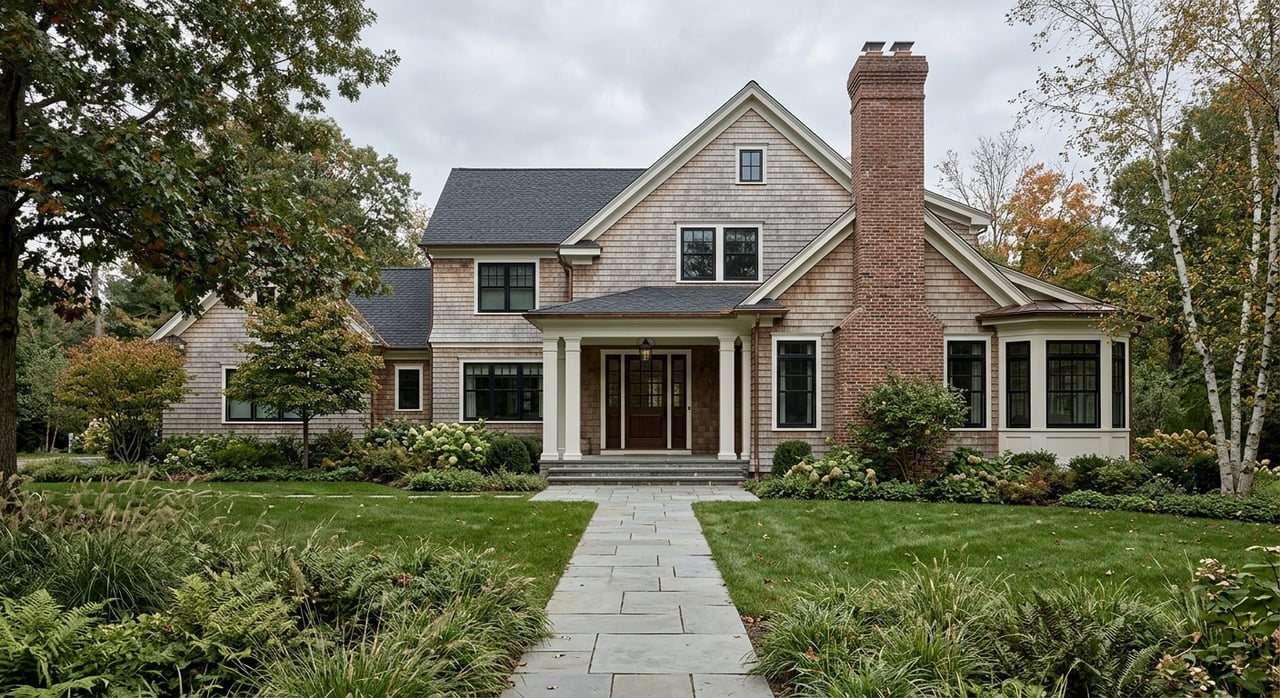
Small exterior touches can still support curb appeal. The guidelines encourage compatible ironwork, maintenance of original handrails and fencing, and seasonal window planter boxes that fit the district's character.
The goal is not to make the property look dramatically different. The goal is to make it look neat, well maintained, and consistent with the architectural rhythm of the block.
Plan exterior work early
If your pre-listing plan includes any exterior work, timing matters. The Back Bay Architectural District Commission reviews proposed exterior changes and requires approval before exterior work begins.
That can affect your listing timeline more than sellers expect. Masonry repair, window work, façade painting, and trim changes may need extra lead time, so it is smart to identify those items early rather than a few days before photography or launch.
Condos and shared buildings need coordination
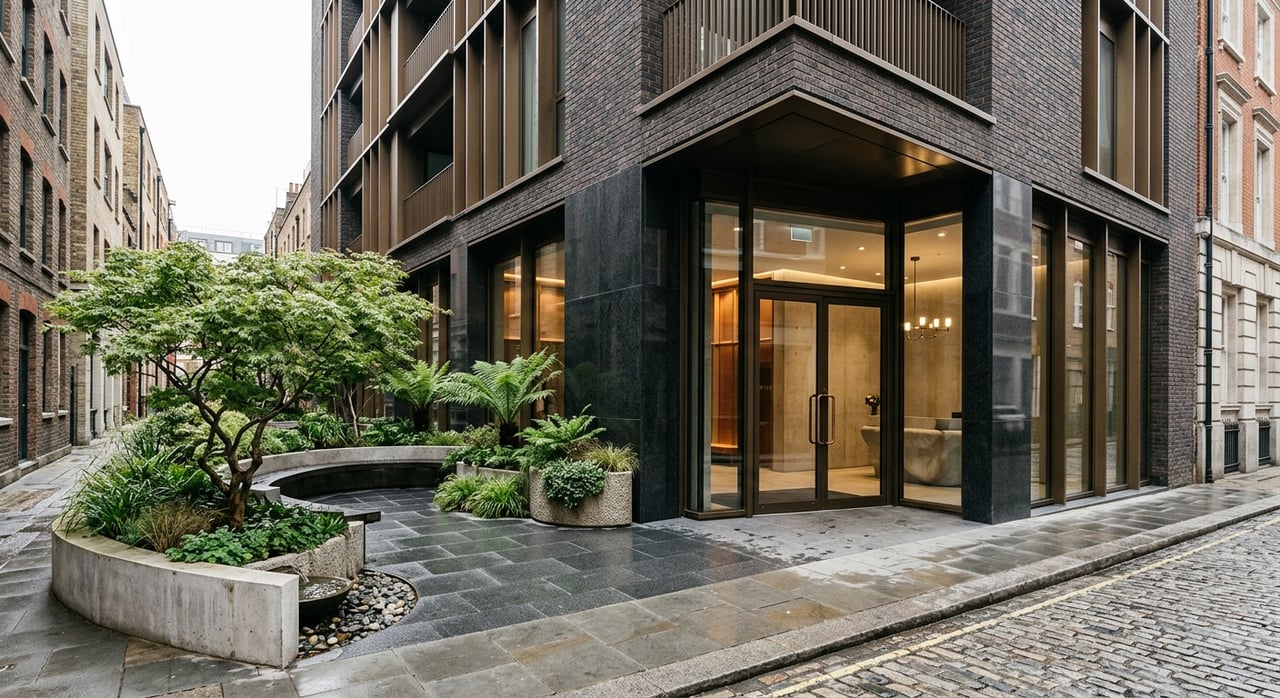
For multiple-ownership properties, the commission considers the entire building and treats it uniformly. If you own a condo or unit in a shared building, visible exterior updates may require coordination beyond your individual residence.
This is one reason a strong prep timeline matters in Back Bay. The earlier you sort out approvals and building coordination, the smoother your launch can be.
Stage the rooms that count most
Not every room needs the same level of attention. Staging data shows the most commonly staged rooms are the living room, primary bedroom, and dining room.
For Back Bay condos and brownstones, that usually means prioritizing the main entertaining spaces and the primary suite first. Those are often the rooms that shape a buyer's emotional response and define the home's lifestyle appeal.
Focus on entertaining space
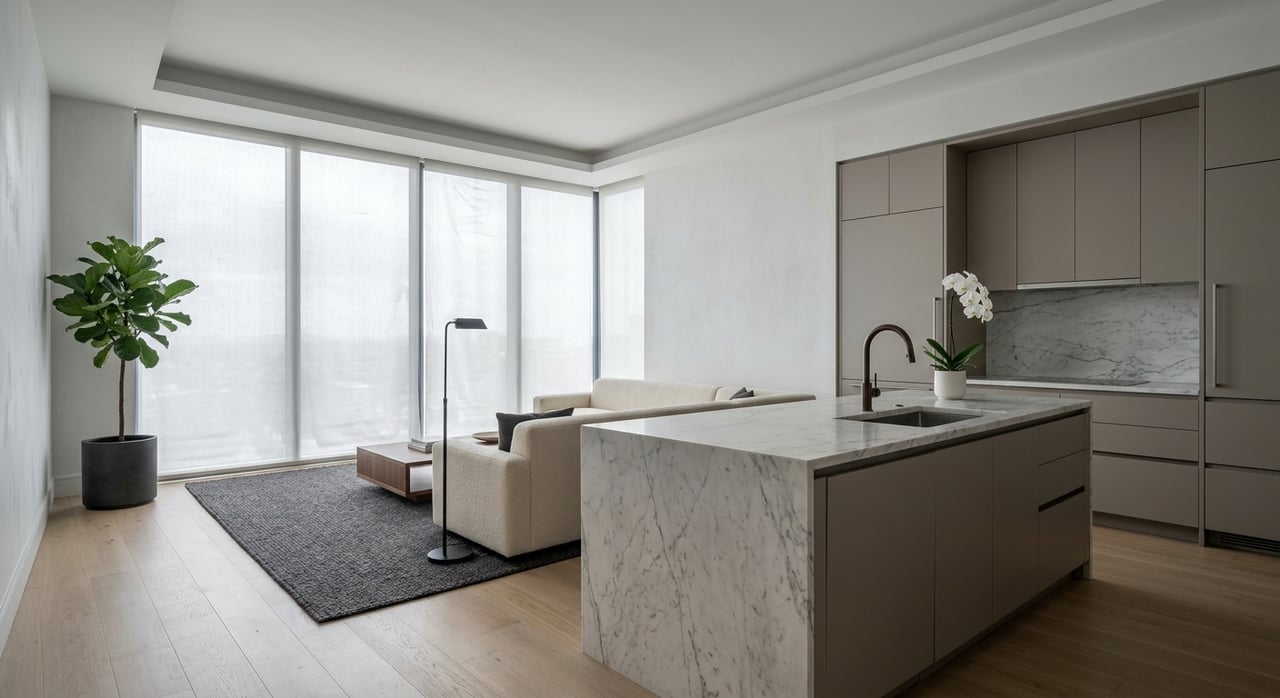
Back Bay buyers often respond to homes that feel inviting, comfortable, and ready for city living. A well-styled living room or dining area can help show how the home functions for everyday life, hosting, and quiet evenings at home.
Keep the look edited and balanced. You want enough furniture and texture to create warmth, but not so much that the room feels crowded or hides its proportions.
Let the primary suite feel calm
The primary bedroom should feel restful and spacious. Crisp bedding, simplified nightstands, and clear floor area usually do more for presentation than heavy décor or overly bold styling.
If storage is limited, take time to streamline closets as well. Buyers often open doors, and orderly storage supports the overall impression that the home is efficient and well maintained.
Treat photography as the first showing
Most buyers will see your home online before they ever step inside. Zillow's 2025 consumer housing trends report says 68% of prospective buyers viewed homes for sale on a real estate website.
That means professional photography is not the final step. It is one of the most important parts of the launch itself, especially in a neighborhood where architecture, light, and composition carry so much weight.
Photograph after prep is complete
The best time to photograph is after the home has been decluttered, cleaned, repaired, and staged. If photos happen too early, even a strong property can look less polished than it will in person.
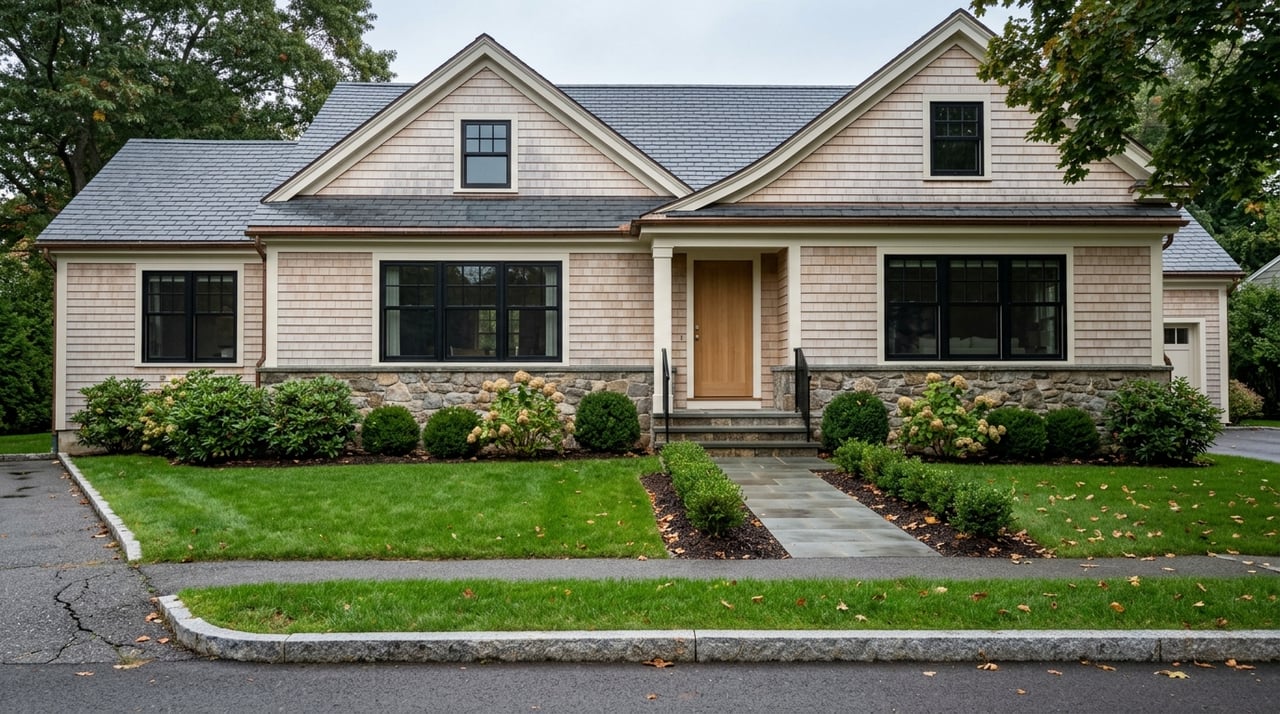
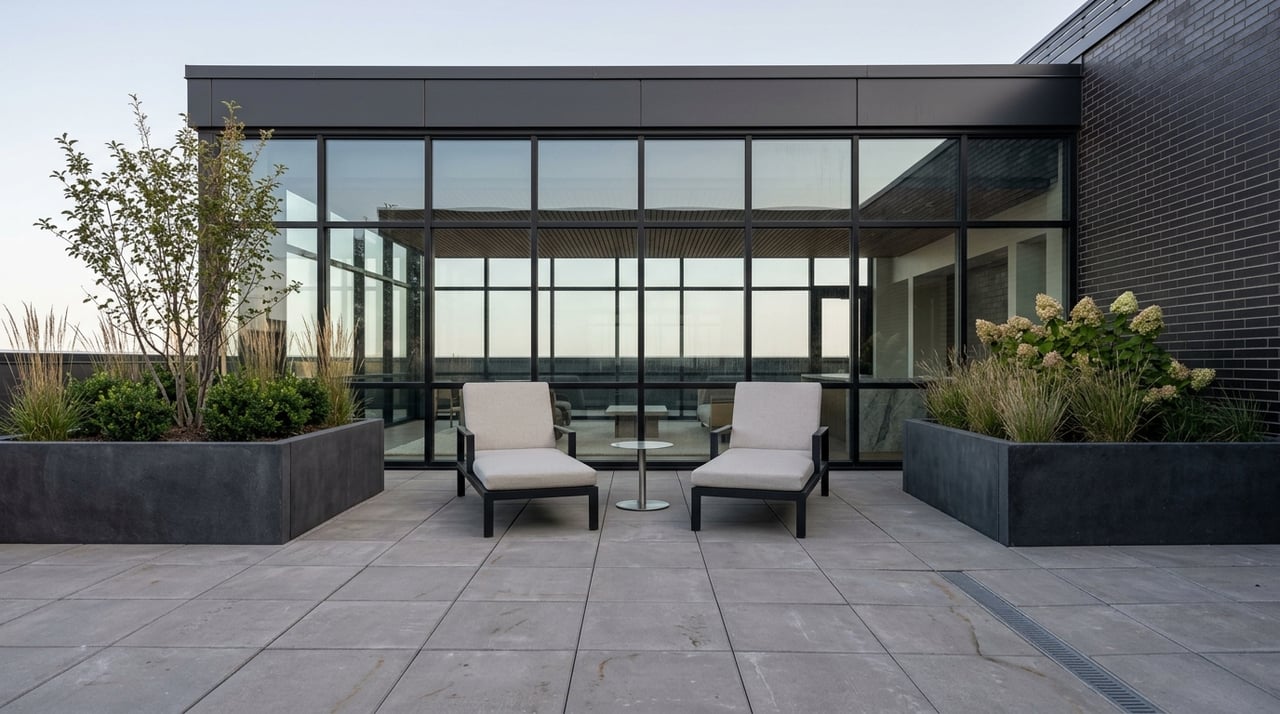
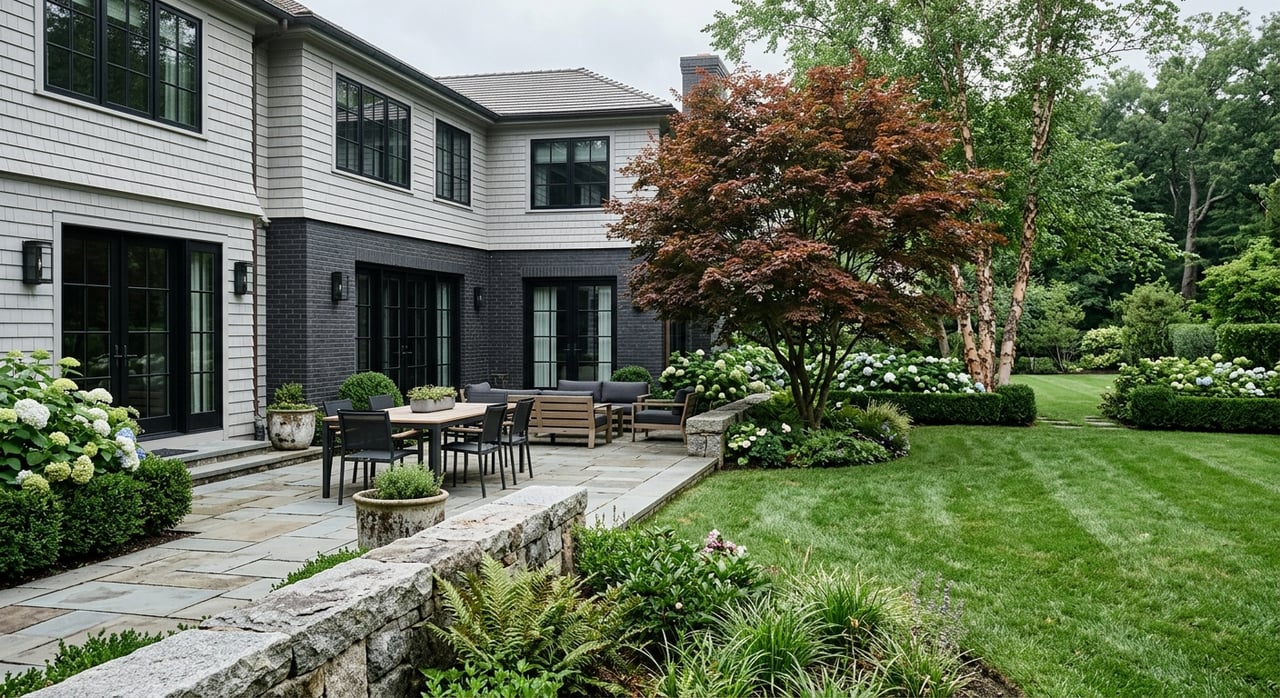
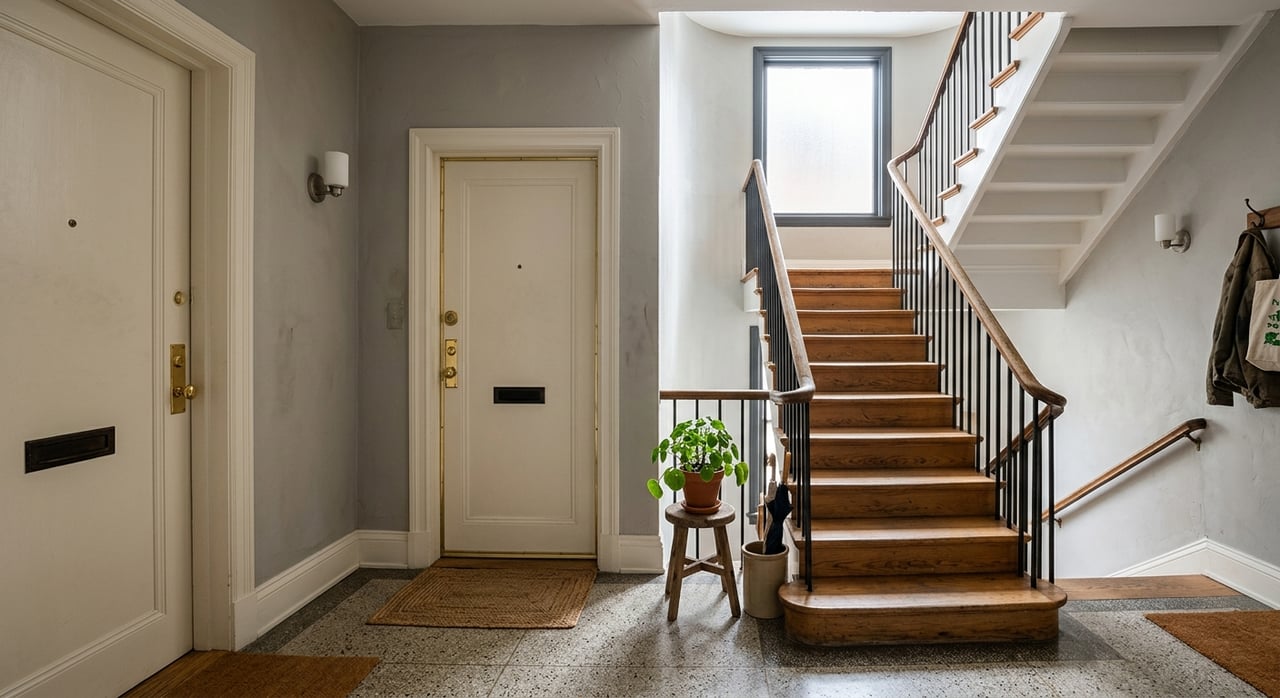
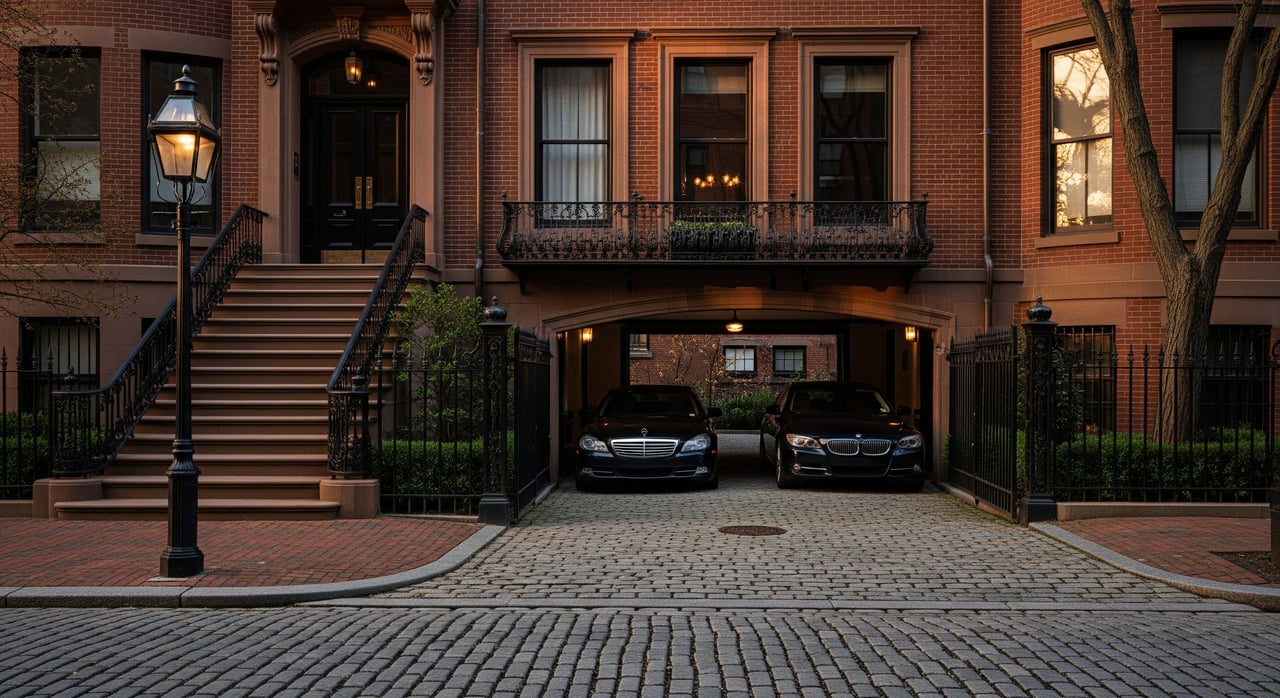
In Back Bay, useful images usually include the façade or entry, main living areas, historic details such as moldings or fireplaces if present, and any private outdoor space. Buyers want to understand both the home and its architectural personality.
Highlight light and proportion
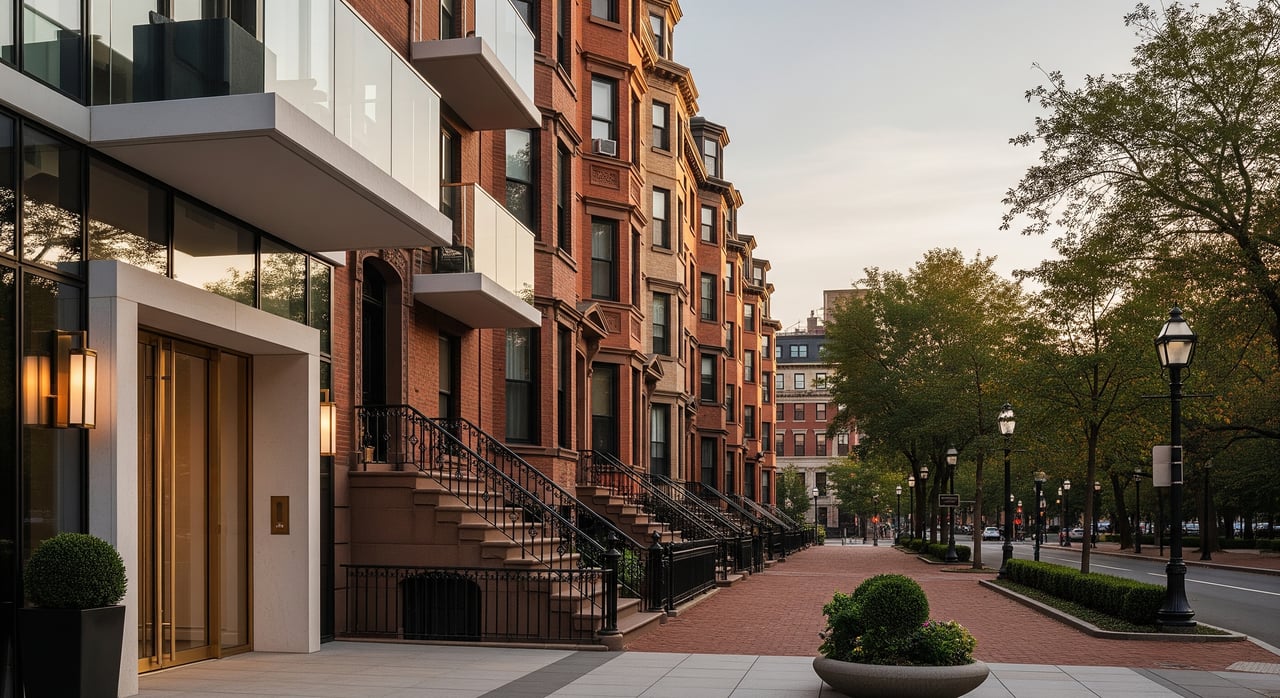
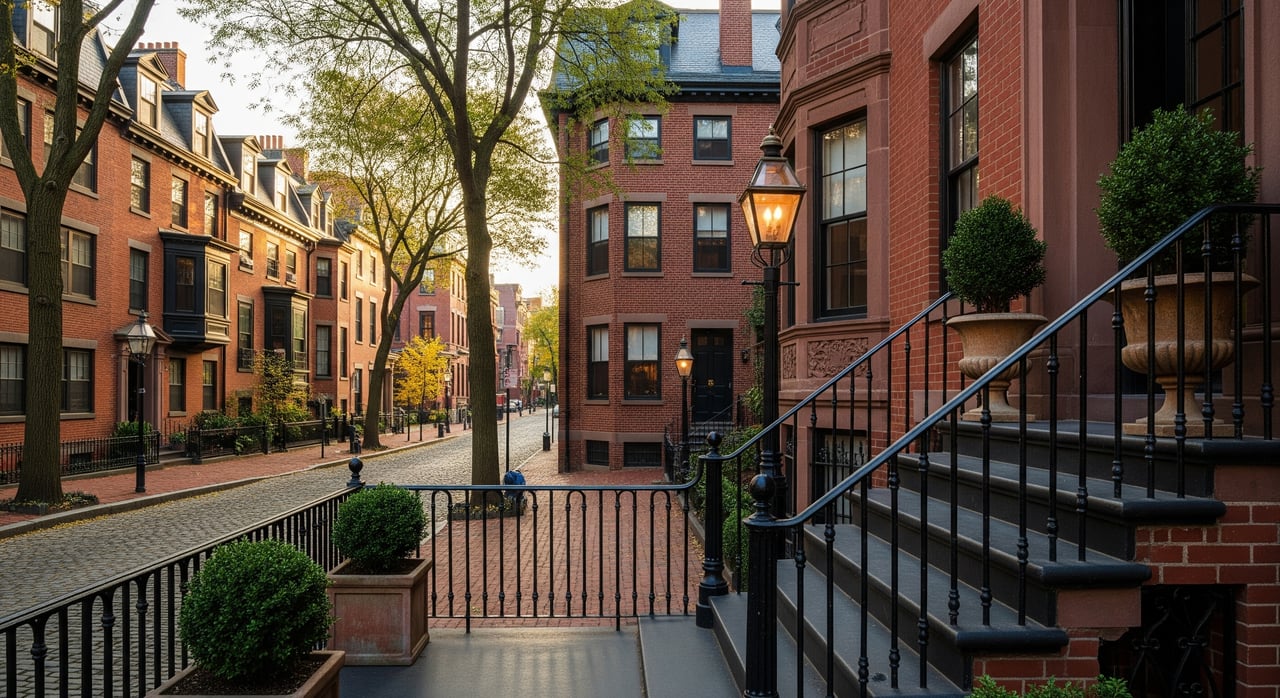
Back Bay's streetscape of stately row houses and brick sidewalks gives listings a strong sense of place, but interiors still need to feel bright and usable. Clean sightlines, natural light, and accurate room proportions can help a home feel more spacious and premium in photos.
That is especially important in city properties, where every room needs to read clearly online. Strong visuals help set expectations, attract the right buyers, and support a more confident showing experience.
Time your launch strategically
If you have flexibility, spring is often the strongest launch window. Local reporting notes that April, May, and June are typically the busiest months for Boston's housing market, and current Back Bay days on market suggest sellers should begin preparing several weeks before a spring debut.
That does not mean homes cannot sell well in other seasons. It does mean your prep calendar should work backward from your ideal launch date, especially if staging, repairs, or exterior approvals are involved.
A practical Back Bay prep checklist
If you want a simple way to organize your next steps, start here:
- Declutter each room
- Deep clean the entire home
- Repair visible wear and minor flaws
- Preserve original character where possible
- Prioritize staging in the living room, primary bedroom, and dining room
- Complete staging before photography
- Schedule exterior work early if approvals may be required
- Coordinate shared-building items in advance if applicable
In Back Bay, standout sales often come from disciplined preparation rather than dramatic change. When your home feels clean, edited, historically respectful, and beautifully presented, it is easier for buyers to see both its value and its place within one of Boston's most recognizable neighborhoods.
If you are thinking about selling in Back Bay, working with a team that understands both neighborhood nuance and premium listing presentation can make the process far more strategic. To book a personalized market consultation, connect with Morgan Franklin.
FAQs
What should you fix before selling a Back Bay home?
- Focus on visible wear first, such as scuffed walls, chipped paint, loose hardware, sticky doors, worn caulking, and anything that makes the home feel less maintained.
Do Back Bay sellers need approval for exterior work?
- Yes. The Back Bay Architectural District Commission requires approval before exterior work begins, so visible projects should be planned early.
Which rooms matter most when staging a Back Bay property?
- The living room, primary bedroom, and dining room are typically the highest-priority spaces based on staging research.
When should you photograph a Back Bay listing?
- Photograph the home after decluttering, deep cleaning, repairs, and staging are complete so the listing reflects its best presentation.
Is Back Bay a seller's market right now?
- Current data points to a balanced market, with premium pricing, mid-30s to low-40s days on market, and sale-to-list ratios in the mid-to-high 90% range.