Trying to make South Boston prices work while also building long-term equity? You are not alone. In a neighborhood where home values and rents are both high, house hacking can still be a smart path, but only if you choose a structure that fits Boston’s rules and your financing reality. This guide walks you through the investor-friendly options that make the most sense in South Boston, what the numbers need to support, and where buyers often run into avoidable problems. Let’s dive in.
Why house hacking looks different in South Boston
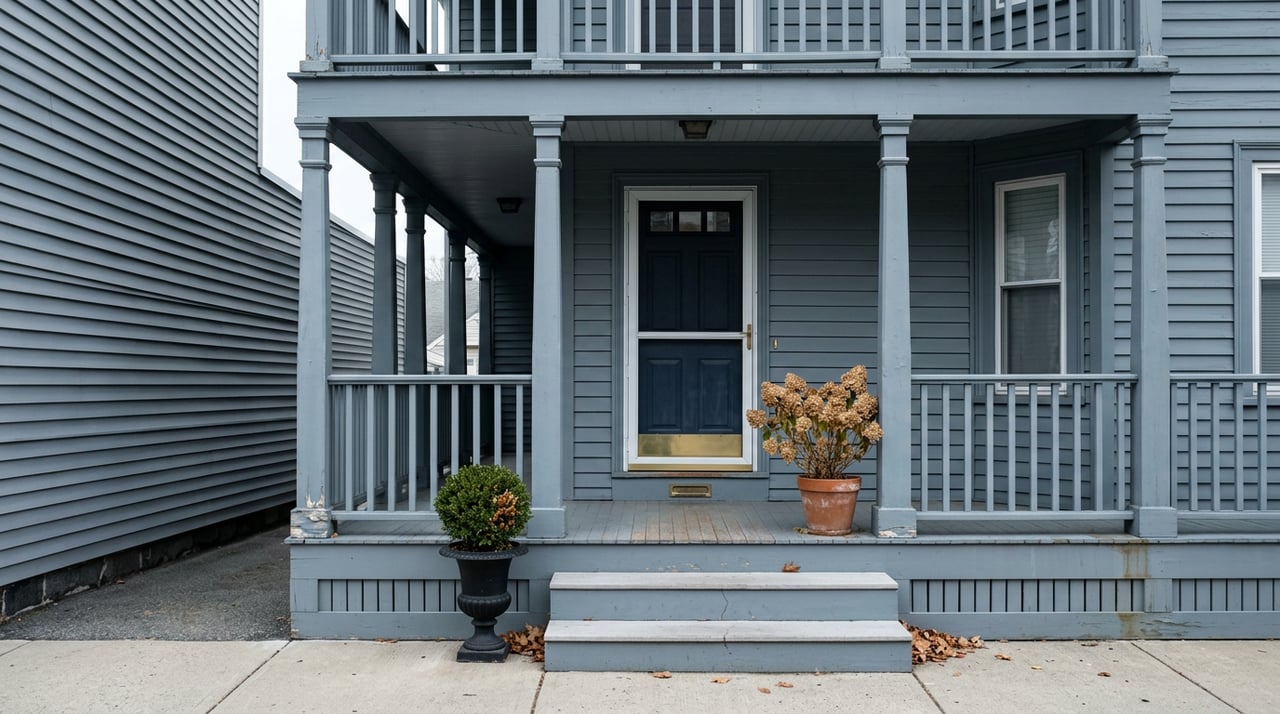
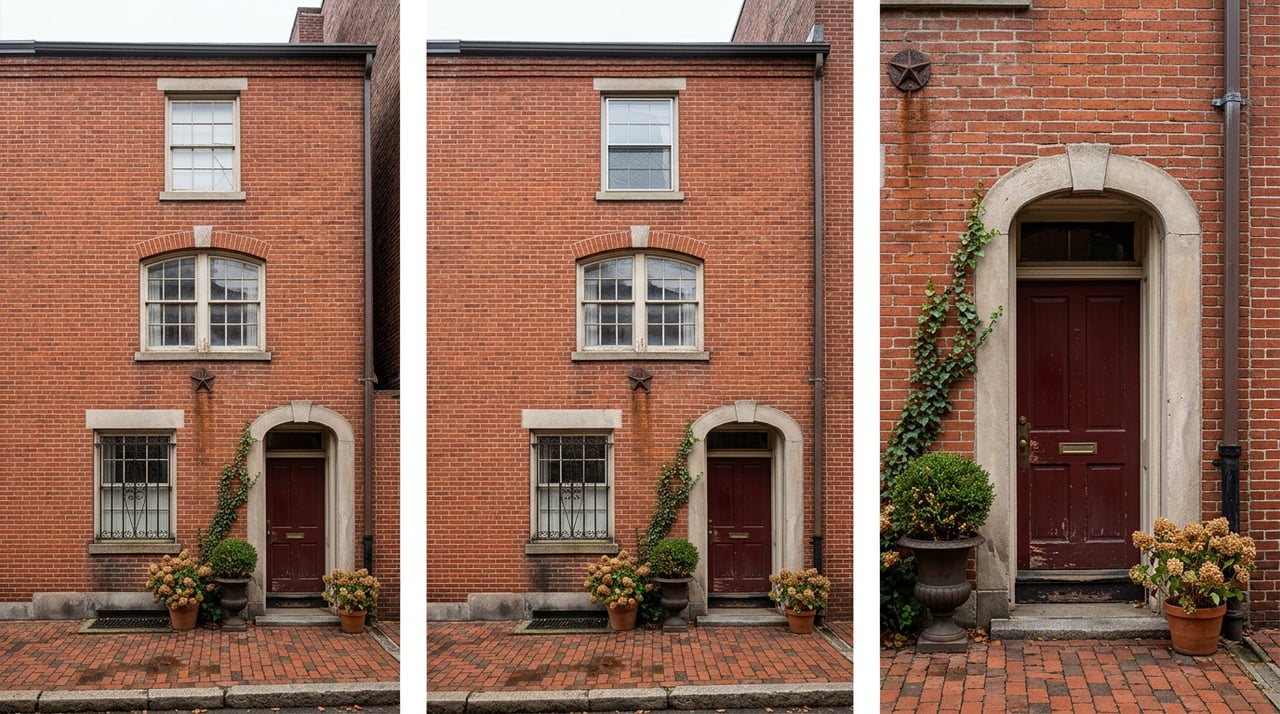
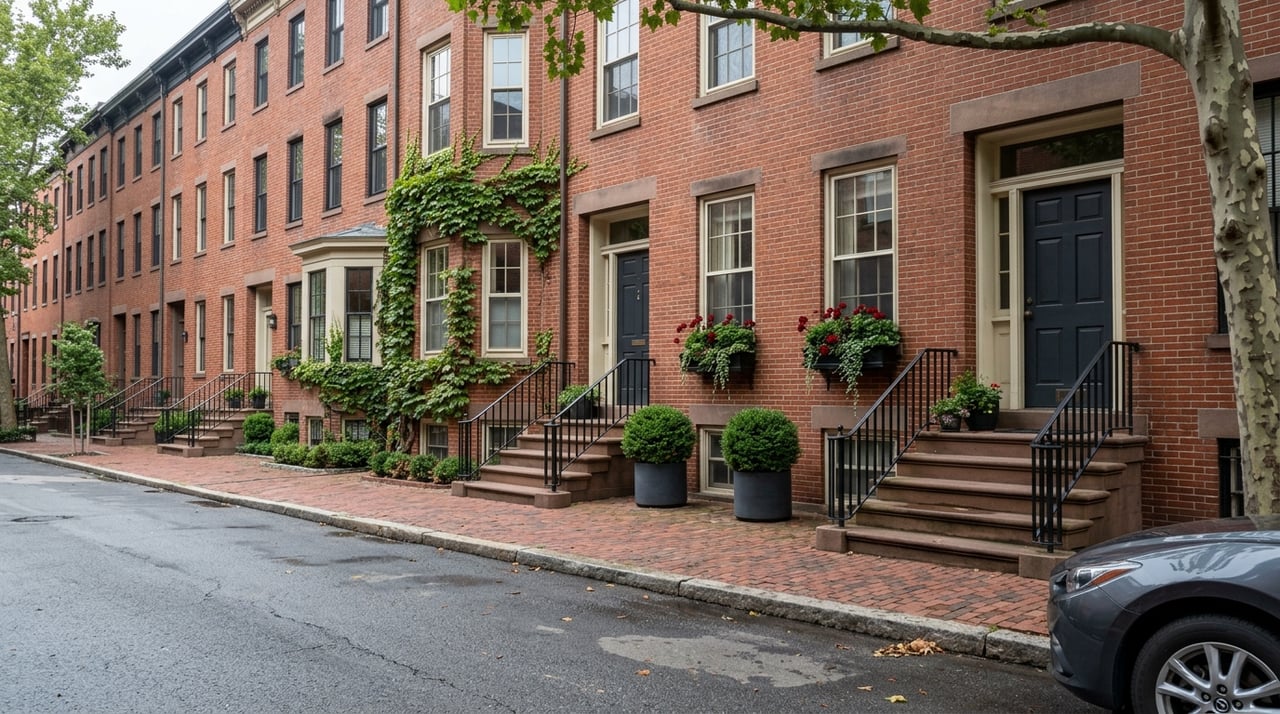
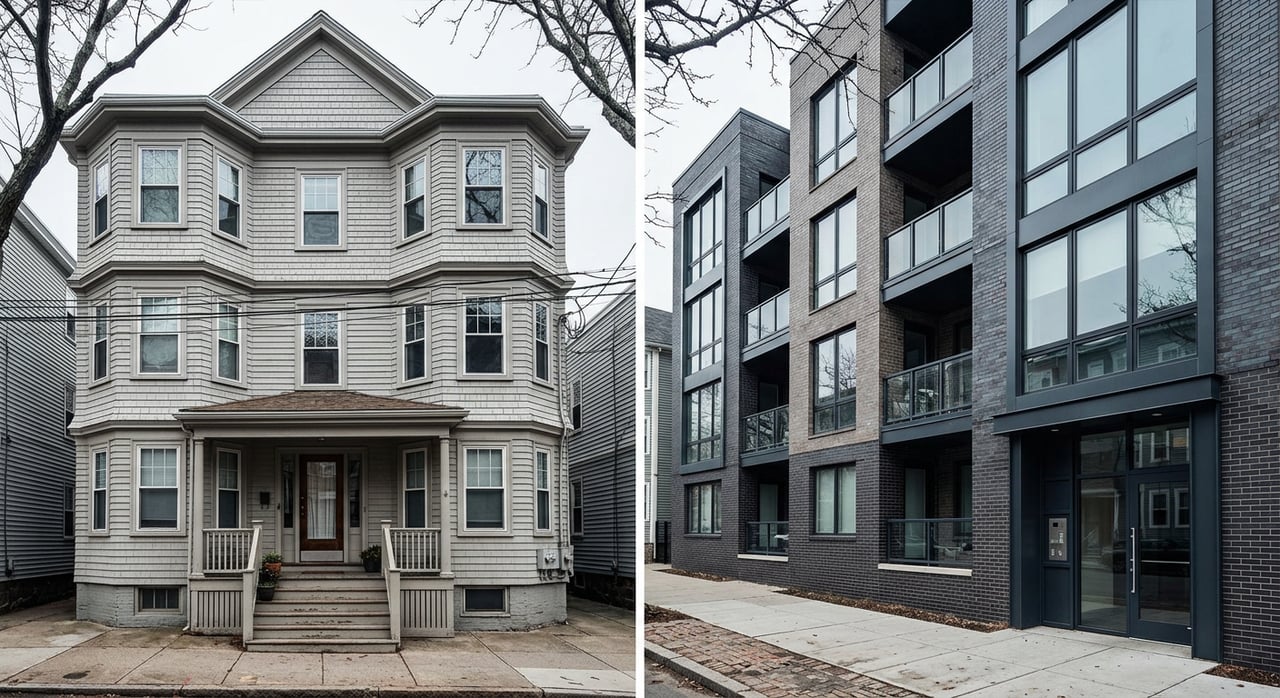
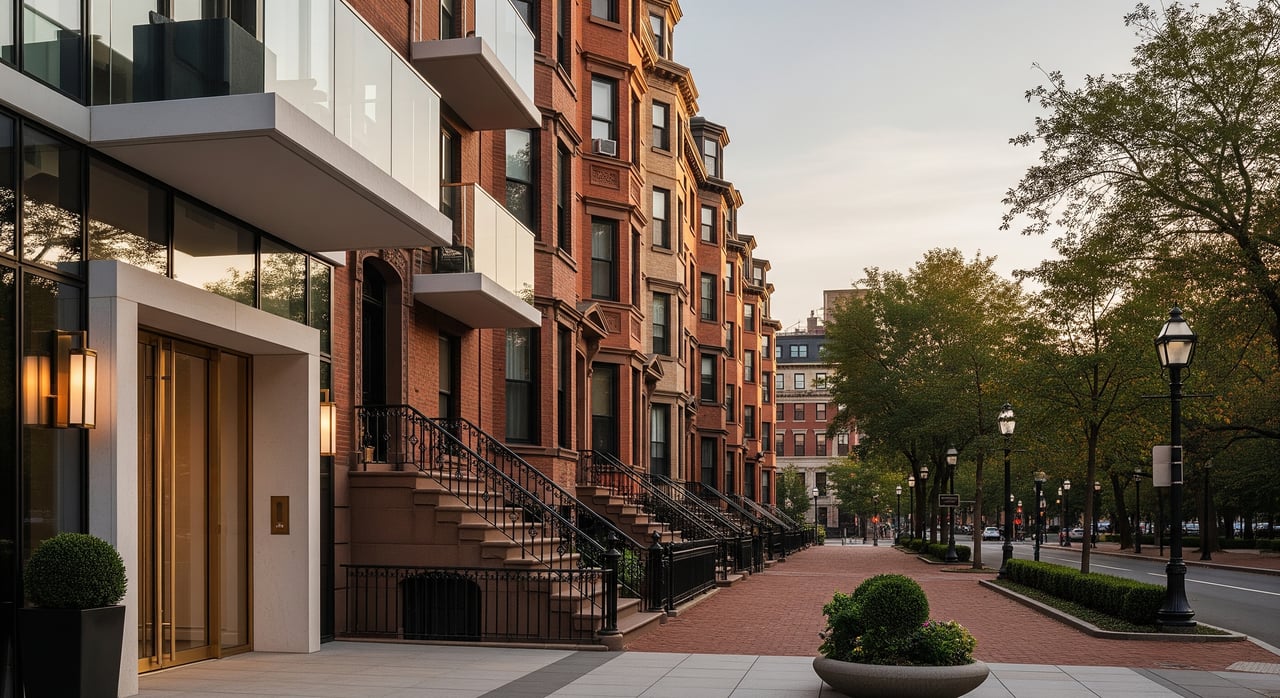
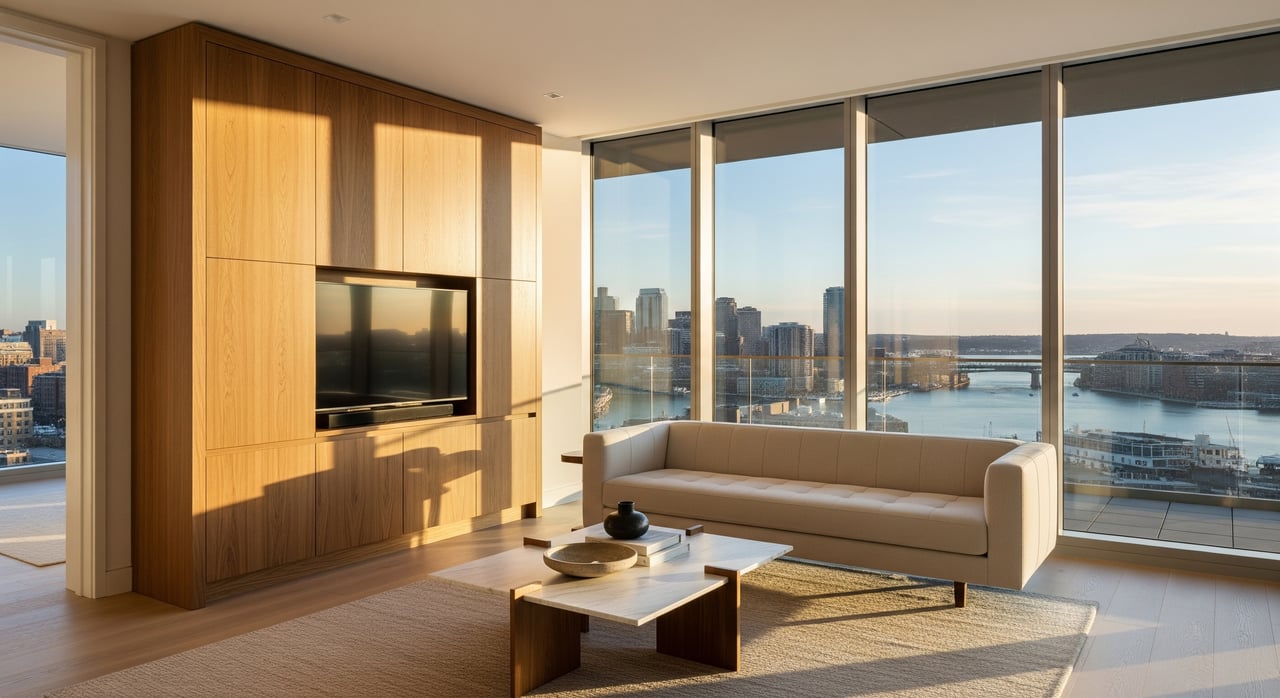
South Boston offers a mix of older triple-deckers, newer buildings, and condo inventory, with strong demand tied to transit access, waterfront amenities, and proximity to Downtown Boston and the Seaport. That variety creates opportunity, but it also means your best strategy depends heavily on the type of property you buy.
The pricing backdrop matters. Recent market data puts South Boston rents around the low $3,300s for a one-bedroom and roughly $3,900 to $4,200 for a two-bedroom, while average home value sits near $896,280 and median sale price is about $960,833. At those price points, a successful house hack usually needs more than a single modest rent stream to create a meaningful monthly offset after financing, taxes, insurance, and maintenance.
Best house hack options in South Boston
Buy a 2 to 4 unit property
For many buyers, the clearest house hack path is an owner-occupied 2 to 4 unit building. You live in one unit and rent the others, which creates built-in income from the property itself.
This approach stands out because agency loan rules allow rental income from the non-owner units to be considered in qualifying for eligible owner-occupied 2 to 4 unit properties. In practical terms, that can make financing more workable and create a more durable setup than relying on a single roommate or an aggressive short-term rental plan.
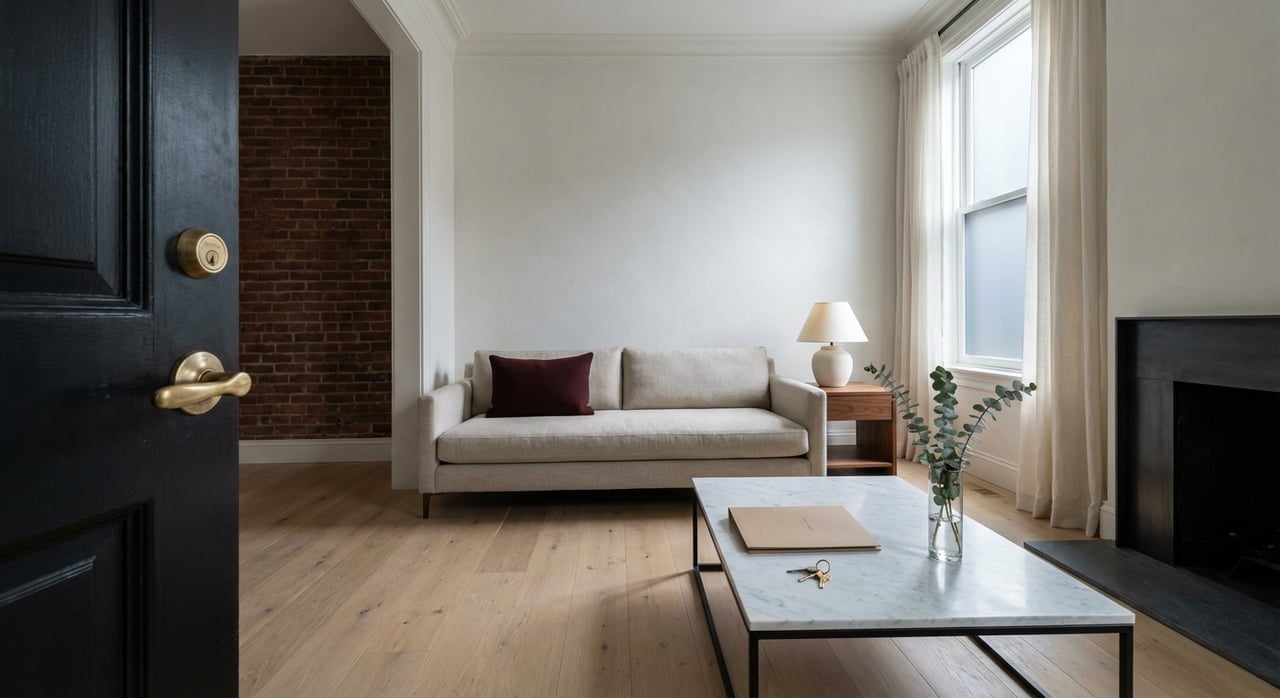
Use a condo with a roommate strategy
If your budget or inventory search points you toward a condo, a roommate model may be the more realistic version of house hacking. South Boston has an active rooms-for-rent market, which suggests demand exists for shared living arrangements in the neighborhood.
That said, there is an important legal line to respect. Under Massachusetts rules, a property can start to resemble a rooming house when space is rented to four or more unrelated people with shared facilities, and Boston has a separate lodging house process. In many cases, one roommate or one rented bedroom is a much simpler and more manageable structure.
Add an internal ADU
For owners of 1, 2, and 3-family homes, an internal accessory dwelling unit can be a strong long-term play. Boston allows an owner-occupant to add one internal ADU within the existing building footprint, often by converting basement or attic space.
This matters in South Boston because it gives you a way to create another income stream without needing a detached structure. Boston does not allow condos to use this ADU path, and attached or detached ADUs are not currently allowed as-of-right, so the most realistic scenario is an internal conversion in a 1 to 3 family home.
Which option is usually strongest?
Most durable: owner-occupied multifamily
If you are looking for stability, an owner-occupied 2 to 4 unit property is often the strongest house hack structure in South Boston. It aligns well with the neighborhood’s older multifamily housing stock, and the income is generally easier to underwrite than more informal rent-sharing arrangements.
It also gives you a strategy that is less dependent on shifting short-term rental rules or high-turnover roommate setups. In a high-cost neighborhood, that durability can matter just as much as the projected monthly offset.
Best condo workaround: one roommate
If you prefer condo living, a roommate strategy may be the cleanest workaround. It can help reduce your monthly cost burden without introducing the complexity that comes with multiple separate room leases.
This option is especially relevant in South Boston, where many buyers want walkability and lower-maintenance ownership. Just make sure the plan works financially even if rental income is lower than expected or the room sits vacant for a period.
Best value-add play: internal ADU
If you are buying with a longer time horizon, an internal ADU may offer the best value-add angle. It can create extra flexibility for rental income while improving the usefulness of the property over time.
In South Boston, this can be especially compelling in older 1 to 3 family buildings with underused lower or upper levels. If the parcel is in a flood zone, Boston notes that the ADU must be built above Base Flood Elevation, so site-specific review becomes important early.
Financing details that can make or break the plan
FHA and low down payment entry
For some buyers, FHA financing can lower the barrier to entry because FHA-insured loans can allow down payments as low as 3.5% on 1 to 4 unit properties. That can be helpful if you are trying to preserve cash for reserves, repairs, or future improvements.
Still, in South Boston, low down payment does not automatically mean low risk. The bigger question is whether the property’s income potential truly offsets the monthly carrying cost enough to make the purchase comfortable.
Conventional financing and rental income
Conventional loan options can also work well for owner-occupied 2 to 4 unit purchases. Fannie Mae and Freddie Mac both allow rental income from other units in certain owner-occupied multifamily scenarios, but the exact treatment depends on the loan program and documentation.
If your strategy involves an existing ADU, Fannie Mae also allows some ADU rental income on a one-unit principal residence, though it places a cap on how much of that income can count toward qualifying. That means your financing plan should be reviewed with the income structure in mind, not just the purchase price.
Income documentation matters
Lenders care about whether rental income is documented and likely to continue. Depending on the scenario, documentation may include leases, bank statements, canceled checks, or direct verification of rent.
This is one reason to confirm your loan product early if your plan depends on roommate income, boarder income, or ADU rent. Those income sources are not always treated the same way as a standard full-unit lease.
Boston rules you need to budget for
Rental registration and inspections
In Boston, rental property must be registered each year by July 1. The city lists fees of $25 per unit for first-time registrations and $15 per unit for renewals, and registered properties are inspected at least once every five years.
That is not just a paperwork issue. It is part of the operating cost and compliance picture you should build into your projections from day one.
Housing code compliance
Boston requires homes to meet the Massachusetts Sanitary Code and the local housing code, including standards for habitable space, smoke detectors, heat, pest control, and general unit safety. If you are buying an older South Boston property, these items deserve close attention during your diligence period.
For pre-1978 homes, Massachusetts Lead Law also requires owners to notify renters and address lead hazards when children under 6 live in the unit. In practice, that makes age and condition of the building especially important for multifamily buyers.
Short-term rental limits
Some buyers look at short-term rentals as a way to boost income, but Boston’s rules are specific. The city allows short-term rentals of fewer than 28 consecutive days only in certain owner-occupied property types, including condominiums, single-family homes, two-family buildings, and three-family buildings, with additional ownership and occupancy conditions.
For two- and three-family homes, the owner-occupant must own all units, and the owner must live in the property for at least nine months out of a 12-month period. Boston also requires registration, annual renewal, an active registration number on listings, and a business certificate after approval.
Short-term rental taxes affect the math
If your plan depends on short-term rental income, you also need to account for occupancy taxes and fees. Massachusetts imposes a 5.7% state room occupancy excise, Boston may charge up to 6.5% local room occupancy tax, and Boston also applies a 2.75% convention center financing fee. Some short-term rentals may also face an added community impact fee of up to 3%.
Those costs can materially change projected cash flow. That is one reason short-term rental income is often better treated as upside, not the only reason the deal works.
A practical way to evaluate a South Boston house hack
Start with the property type
Before you get attached to a listing, identify whether the property is a condo, a 2 to 4 unit building, or a 1 to 3 family with ADU potential. That one decision shapes your financing, legal options, and likely income structure.
In South Boston, the property type often tells you more than the marketing description. A beautiful condo and a classic triple-decker may sit only blocks apart, but they create very different paths to offset ownership costs.
Underwrite conservatively
Build your numbers around long-term rents and realistic vacancy, maintenance, taxes, insurance, and fees. If the deal only works with several roommates or aggressive short-term rental assumptions, it may be more fragile than it looks.
A stronger South Boston house hack usually works first as a long-term owner-occupied property. Any roommate rent, ADU income, or short-term rental revenue should feel like a bonus, not a rescue plan.
Plan for operations, not just purchase
House hacking is not only about buying well. It is also about choosing a structure you can manage comfortably while staying compliant with Boston’s rules.
That might mean favoring a straightforward two-family over a more complicated setup with multiple room leases. In a neighborhood with high acquisition costs, simplicity can protect both your time and your margins.
South Boston can absolutely support a smart house hack, but the strongest plays are usually the ones built on solid property fundamentals, clear local compliance, and financing that reflects how the home will actually be used. If you want help comparing multifamily, condo, and value-add options in Boston’s urban neighborhoods, Morgan Franklin can help you evaluate the strategy with a local, property-specific lens.
FAQs
What is the best house hacking option in South Boston?
- For many buyers, the strongest option is an owner-occupied 2 to 4 unit property because it creates multiple rent streams and generally aligns better with financing for owner-occupied multifamily homes.
Can you house hack a condo in South Boston?
- Yes, but the more realistic approach is usually a roommate or single room-rental strategy rather than an ADU or a setup with multiple unrelated occupants.
Can you add an ADU in South Boston?
- In Boston, an owner-occupant may add one internal ADU within the existing footprint of a 1, 2, or 3-family home, but condominiums are not eligible for this ADU path.
Are short-term rentals allowed for house hacking in Boston?
- They can be allowed in some owner-occupied property types, but Boston has registration, occupancy, ownership, and tax rules that can materially affect whether the strategy is practical.
Do Boston rentals need to be registered?
- Yes, Boston requires rental property registration each year by July 1, and registered properties are inspected at least once every five years.
What should South Boston buyers check before using rental income to qualify?
- You should confirm early with your lender how rental income will be counted, because full-unit leases, roommate income, and ADU income can be treated differently in underwriting.